Cervical Disc Prosthesis in Quebec: Restoring Mobility with Proven Approval
June 19, 2026
Longueuil Lumbar Disc Injury Prevention Plan
June 19, 2026
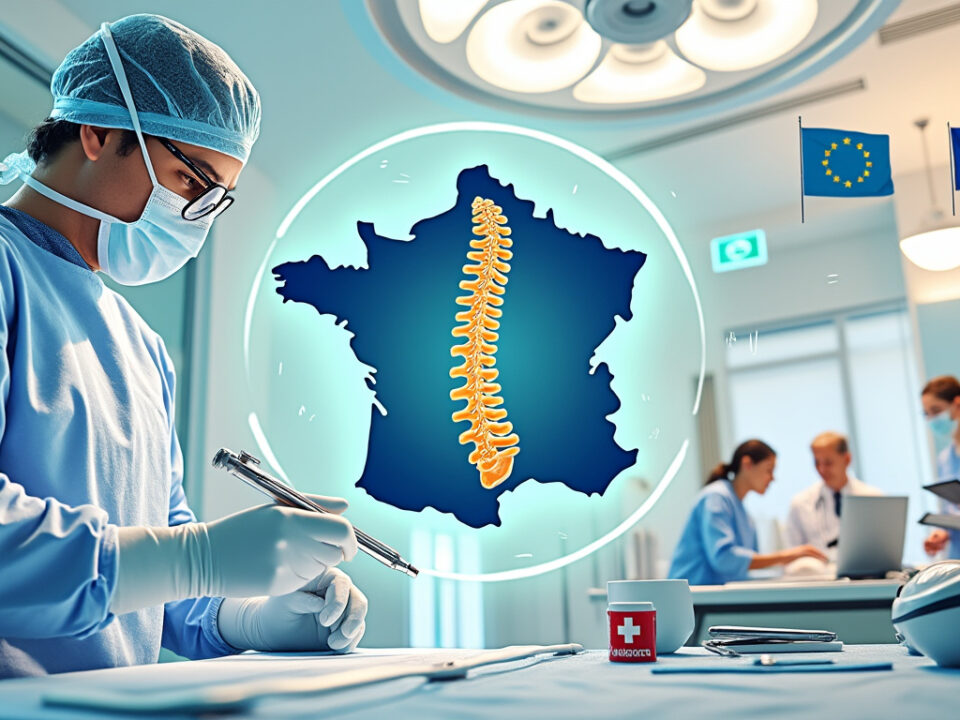
Chronic back pain and lumbar disc degeneration continue to affect millions across the globe, notably among active individuals who seek both effective relief and a swift return to their dynamic lifestyles. Located in Laval, the introduction of the IntraSPINE device has emerged as a transformative solution in spinal health care, coupling minimally invasive techniques with innovative design to enhance recovery and mobility. This pioneering approach, championed by experts with over three decades of experience in spinal assessment and care, addresses key challenges faced by patients dealing with lumbar disc herniation and back pain.
Notably, the synergy between the innovative IntraSPINE interlaminar stabilization and advanced surgical procedures facilitates a quicker and more effective recovery process, especially important for active patients aiming to reclaim their quality of life without prolonged downtime. The technology’s ability to preserve natural spinal motion while providing dynamic stability is reshaping how spine treatments are delivered in the contemporary healthcare landscape.
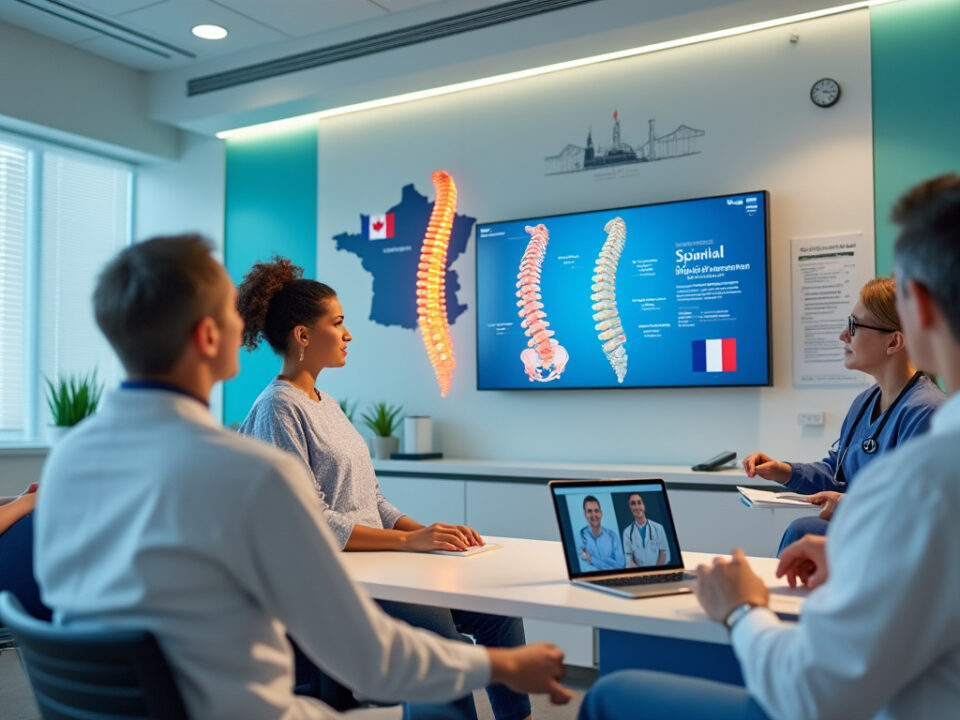
Moreover, the patient journey in Laval reflects a growing trend towards cross-border collaboration in medical care, where expertise in Canada and France converge to optimize outcomes through scientifically rigorous and ethically sound practices. With an emphasis on evidence-based protocols, safety, and personalized care coordination, individuals benefit from a streamlined, supportive pathway that emphasizes both innovation and the human element.
Understanding the IntraSPINE Device: A Leap in Dynamic Spinal Stabilization
The IntraSPINE system represents a cutting-edge development in spinal treatment designed to cater to skeletally mature patients suffering from neurogenic intermittent claudication due to degenerative disc disease (DDD) between levels L1 and S1. Unlike traditional rigid fusion implants, IntraSPINE is a flexible interlaminar spacer crafted from medical-grade dimethyl siloxane, wrapped in pure polyethylene terephthalate fabric. This design facilitates a dynamic, elastic stabilization rather than immobilization, thereby maintaining natural spine biomechanics.
Its unique placement between the laminae leverages the anatomical advantage to decompress neural elements without compromising movement. By enlarging the intervertebral foramina and relieving pressure on facet joints and discs, IntraSPINE efficiently targets the source of back pain and radicular symptoms. This makes it an ideal solution for patients who wish to minimize invasiveness while maximizing functional recovery.
Biomaterial Science Behind IntraSPINE
The device’s core material, flexible medical silica gel, affords shock absorption and resilience, maintaining structural integrity over time. The polyester fiber exterior prevents migration while ensuring biological compatibility. This convergence of materials results in a device that preserves the spinal segment’s range of motion, mitigating degenerative cascade often precipitated by traditional fusion surgeries.
Clinical studies have shown that patients receiving IntraSPINE report significant improvements in back pain scores and functional indices without noted complications related to device instability or migration. In fact, the preservation of segmental mobility underscores its advantage in reducing adjacent segment degeneration, a common issue in rigid fusion interventions.
Advantages Over Traditional Spinal Fusion
Conventional lumbar fusion surgery aims to stabilize but often at the cost of segmental mobility, which may precipitate accelerated degeneration of adjacent vertebral levels. IntraSPINE, with its dynamic stabilization design, offers an alternative that balances stability with physiologic motion, which translates to better long-term spinal health.
Patients retain greater spinal flexibility, experience less muscle disruption, and often undergo shorter hospital stays, augmenting the benefits of minimally invasive lumbar procedures. Especially for active patients, this translates to improved rehabilitation outcomes and quicker resumption of daily activities.
Neck Surgery in Montreal: Preserve Natural Cervical Function
Neck conditions affecting the cervical spine can profoundly impact one’s quality of life, especially when they involve chronic pain, nerve compression, or mobility limitations. Montreal, known for its cutting-edge medical facilities, offers a range of advanced surgical solutions focused on…
Minimally Invasive Unilateral Biportal Endoscopic Discectomy: Complementing IntraSPINE for Optimal Outcomes
The innovative unilateral biportal endoscopy (UBE) technique plays a crucial role when combined with IntraSPINE for cases of huge lumbar disc herniation – a condition characterized by herniated disc material occupying at least 50% of the spinal canal, causing profound nerve compression. UBE provides a minimally invasive surgical approach that allows effective decompressive laminectomy and discectomy through two small portals on the symptomatic side, facilitating an enlarged operative field and flexible instrument handling.
By integrating UBE with the IntraSPINE interlaminar device implantation on the contralateral side, surgeons can safeguard spinal stability post-discectomy while preserving segmental motion. This combined approach mitigates risks associated with extensive disc removal such as postoperative disc height loss, vertebral instability, and accelerated degeneration.
Detailing the Surgical Steps for the Hybrid Approach
Beginning with precise imaging and clinical evaluation to identify candidates with symptomatic huge LDH, this procedure entails strategic incision placement: small transverse incisions for UBE access and a contralateral longitudinal incision for IntraSPINE placement. Under endoscopic guidance, decompression is completed before inserting the dynamic stabilization device to maintain intervertebral height and facilitate spinal health.
Patients undergoing this procedure benefit from limited soft tissue damage, reduced intraoperative blood loss, and a shorter hospital stay. Early mobilization is encouraged, often within days post-surgery, fostering both quick recovery and functional rehabilitation.
Evidence Supporting Clinical Efficacy and Safety
Recent studies of patients treated via the UBE and IntraSPINE hybrid technique reported statistically significant reductions in Visual Analog Scale (VAS) scores for back and leg pain and Oswestry Disability Index (ODI) scores at both immediate postoperative and long-term follow-up assessments. Radiologic evaluations confirmed stable device positioning and improved posterior disc height without acceleration of degenerative changes.
These favorable outcomes, achieved without incidence of surgery-related complications, underscore the procedure’s reliability, making it particularly attractive to those seeking a blend of innovative biomechanical restoration and minimally invasive surgical intervention.
Disc Prosthesis in Lévis: Quick and Approved Intervention
In the realm of spine surgery, patients struggling with degenerative disc disease or herniated discs often face long waiting times or costly private care options, particularly in Quebec. For those seeking effective relief, the option of disc prosthesis surgery in…
Essential Pre-Surgical Treatment: The Role of Conservative Therapies Before Considering Surgery
It is imperative to recognize that surgery, including advanced procedures involving IntraSPINE, should only be contemplated after an appropriate trial of conservative management lasting between three to six months. These conservative approaches focus on alleviating symptoms and improving spinal function through nonsurgical means, reserving surgical intervention as a last resort.
The cornerstone conservative treatments include physical therapy, pharmacologic management, lifestyle modifications, and importantly, advanced modalities such as neurovertebral decompression offered at specialized clinics like TAGMED. This approach helps decompress spinal structures non-invasively, potentially alleviating pain and restoring mobility without surgical risks.
When Should Surgery Be Considered?
Surgical evaluation becomes necessary when patients exhibit persistent, debilitating symptoms despite sustained conservative care, or when neurological deficits emerge. The expert evaluation process, as conducted by experienced clinicians such as Dr. Sylvain Desforges, involves meticulous clinical and imaging assessment to recommend personalized care plans emphasizing patient safety and evidence-based decision-making.
Importantly, successful completion of conservative care, including treatments like the advanced decompression techniques available at Clinique TAGMED, ensures that patients are optimized before surgical options are explored, maximizing outcomes and minimizing complications.
Motion Surgery in Terrebonne: Preserve Spinal Biomechanics
Back pain is more than an inconvenience; it’s a challenge affecting thousands of Quebecers who face prolonged waiting times and costly private care. Motion Surgery in Terrebonne emerges as a beacon of hope, offering advanced surgical alternatives that preserve spinal…
The Transatlantic Care Model: Coordinating Personalized Treatment Journeys Between Canada and France
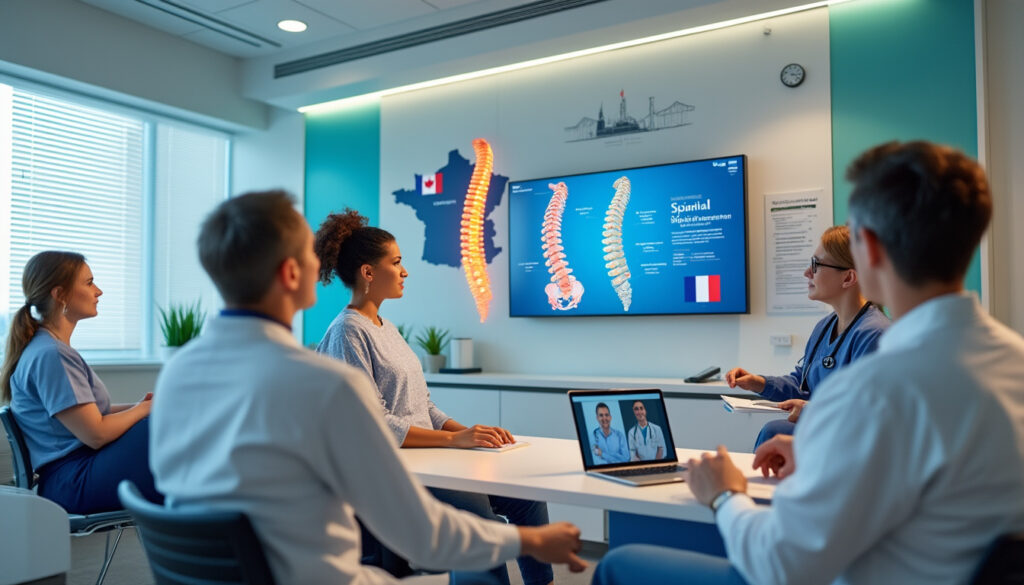
One of the distinctive features of advanced spinal care with IntraSPINE in Laval is the streamlined international coordination that bridges expertise and resources from Quebec and France. This transatlantic partnership allows patients to access high-quality care without the extended wait times and excessive costs sometimes encountered in private Canadian systems, especially for specialized spine surgeries.
Designed to optimize timing, care quality, and personalization, this model revolves around a multidisciplinary, transdisciplinary team providing thorough evaluations, treatments, and post-operative monitoring. Utilizing platforms like SOS Tourisme Médical facilitates case management, travel logistics, and follow-up care integration, ensuring patients feel supported throughout their entire healthcare trajectory.
Benefits of This Coordinated Approach
- Optimized wait times by leveraging international surgical scheduling capacities;
- Access to innovative technologies and implants not yet widely available in Canada;
- Comprehensive pre- and post-operative management facilitated by skilled evaluators and rehabilitation professionals;
- Cost-effective solutions that reduce financial burden while maintaining high-standard outcomes;
- Enhanced patient safety through rigorous adherence to ethical and legal standards in both countries;
- Personalized treatment plans shaped by extensive intercultural professional collaboration.
Case Coordination and Support
Patients enrolling in this pathway receive personalized accompaniment by care coordinators fluent in both health systems, ensuring seamless transitions from evaluation to surgery and rehabilitation. This collaboration exemplifies a forward-thinking approach that respects patient individuality and fosters empowerment through education and transparent communication.
Lumbar Disc Prosthesis in Saguenay: Immediate Relief After Surgery
Low back pain is an affliction that affects millions globally, impacting daily activities and diminishing quality of life. In the Saguenay region, known for its vibrant and active population, preserving spinal health is paramount to maintaining mobility and independence. For…
Innovations and Value-Added Services at Clinique TAGMED and Partner Centers
Clinique TAGMED stands at the forefront of spine care innovation, delivering advanced nonsurgical and surgical options, including neurovertebral decompression and IntraSPINE implantation procedures. The center exemplifies integration of evidence-based practice, safety protocols, and cutting-edge technology tailored to diverse patient needs.
Key value propositions include:
- Rigorous patient evaluation: Led by experts such as Dr. Sylvain Desforges who apply science-driven methodologies to stratify treatment routes;
- Access to high-tech devices: Incorporation of the latest-generation implants and lasers not routinely found in Canadian clinics;
- Comprehensive care continuum: Support from preoperative counseling through rehabilitation to long-term follow-up;
- Patient-centered education: Clear, jargon-free explanations and decision aids promoting informed consent and confidence;
- Collaborative multi-disciplinary teams: Including osteopaths, surgeons, physiotherapists, and pain management experts ensuring holistic care.
Such an ecosystem enhances not only clinical effectiveness but also elevates patient experience by blending innovation and empathy into daily practice.
IntraSPINE® in Sherbrooke: Improve Posture After Surgery
At the crossroads of innovation and patient-centered care, the IntraSPINE implant introduced in Sherbrooke is transforming the landscape of spinal surgery recovery and posture improvement. For many Canadians, particularly those in Quebec facing long delays or high costs for spinal…
Quick Recovery and Improved Mobility with IntraSPINE in Active Patients
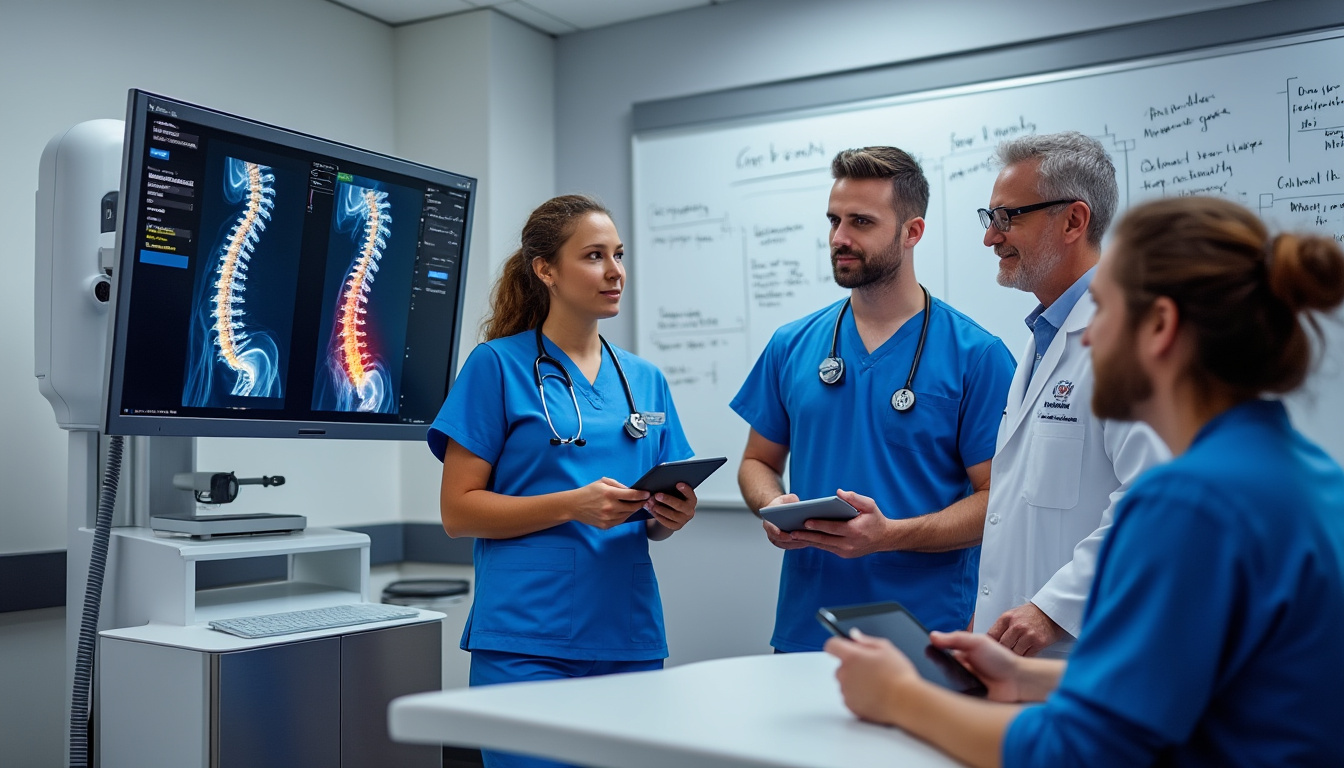
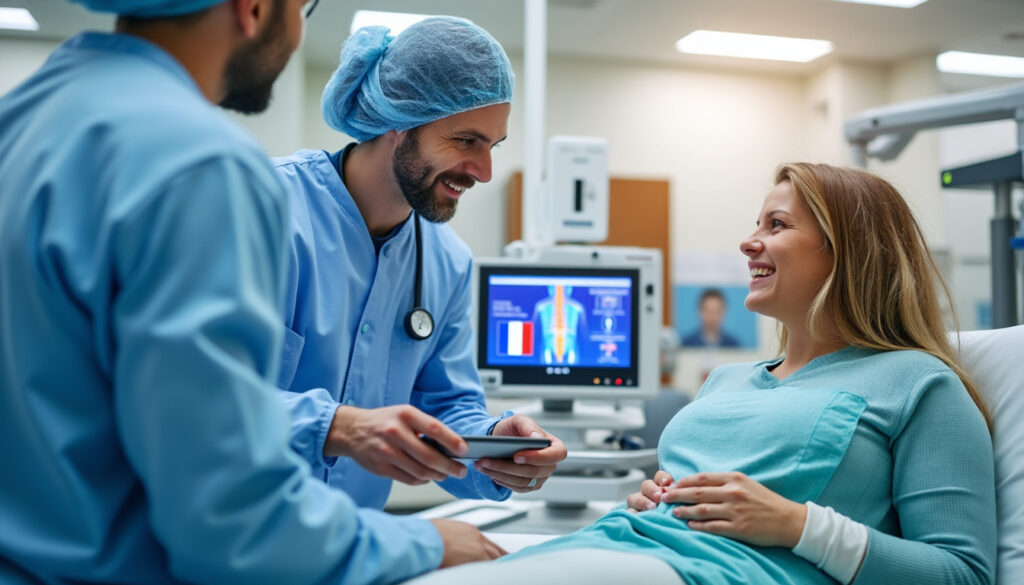
Active adults undergoing IntraSPINE implantation combined with minimally invasive discectomy in Laval typically experience quick recovery owing to smaller incisions, reduced muscle disruption, and preserved biomechanical function. Early mobilization protocols supported by tailored physiotherapy ensure patients return to their normal activities and sports with improved posture and less pain.
Evidence-based rehabilitation regimens focus on:
- Core strengthening to stabilize the lumbar region;
- Flexibility exercises enhancing spinal mobility;
- Pain management through safe modalities and education;
- Progressive functional retraining aligned with individual goals.
These rehabilitation strategies are fundamental in extending the benefits of surgery and maintaining long-term spinal health. Patients can appreciate restored mobility enhanced by the dynamic nature of IntraSPINE, which supports natural spinal kinematics instead of rigid fixation.
Patient-Centered Outcomes Reflecting Quality of Life Improvements
Clinical follow-ups consistently show remarkable improvements in pain scales and disability indices, as well as patient-reported outcomes related to daily function and mental well-being. The active patient demographic benefits particularly, as they often seek solutions that provide dependable pain relief while preserving freedom of movement.
Spine Surgery in Trois-Rivières: Preserve Intervertebral Mobility
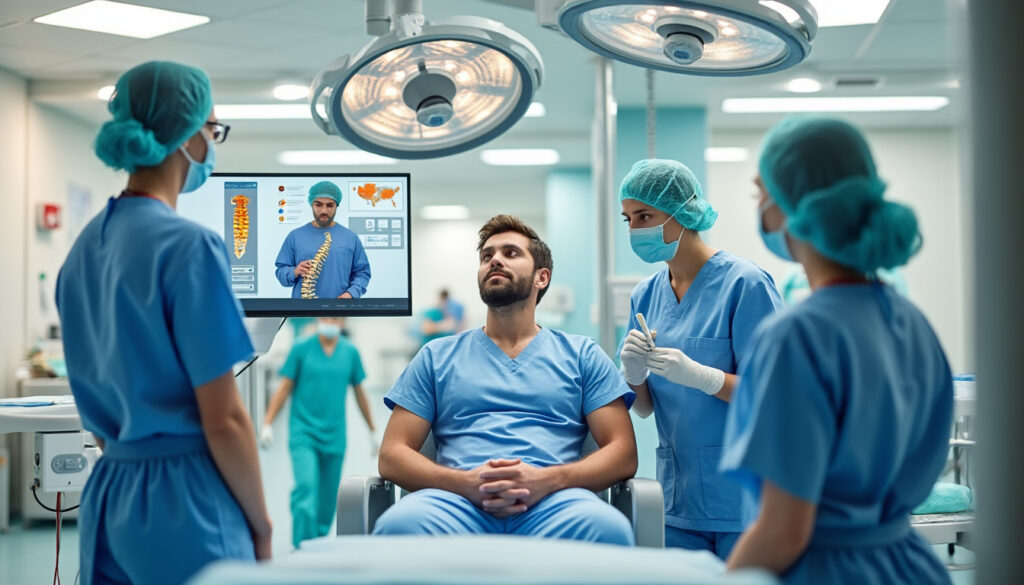
Chronic back issues increasingly challenge individuals looking for effective solutions that not only relieve pain but also maintain spinal function and quality of life. In Trois-Rivières, innovative approaches to spine surgery emphasize preserving intervertebral mobility—a crucial factor in long-term spinal…
A Practical Overview of Spinal Surgical Techniques Available in France
For patients considering surgical treatment options abroad, understanding the distinction between procedures is vital. France offers a spectrum of spinal surgical interventions tailored to the severity and pathology of lumbar conditions.
Simple Discectomy
This procedure involves the removal of herniated disc material causing nerve compression and is often performed using minimally invasive techniques such as UBE. The goal is to alleviate radicular symptoms without altering spinal stability extensively.
Spinal Fusion Surgery
Where instability or severe degeneration is present, fusion may be recommended. This involves fusing two or more vertebrae to prevent painful motion but results in loss of segmental movement. It is generally reserved for advanced cases or after failure of conservative measures.
Motion-Preserving Techniques
Innovations like IntraSPINE and other dynamic stabilization devices represent motion-preserving solutions aimed at preserving spinal biomechanics while offering relief. They are increasingly favored for their capacity to reduce adjacent segment disease compared to rigid fusion.
| Procedure | Approach | Main Benefit | Typical Candidates |
|---|---|---|---|
| Simple Discectomy | Minimally invasive (UBE, Endoscopy) | Relieves nerve compression with minimal tissue disruption | Patients with contained herniations and radiculopathy |
| Spinal Fusion | Open or minimally invasive | Stabilizes unstable spinal segments but limits motion | Patients with spinal instability or severe degeneration |
| Motion-Preserving Stabilization (IntraSPINE) | Minimally invasive implantation | Preserves spinal mobility while stabilizing the segment | Active patients with disc degeneration and instability symptoms |
TOPS™ in Gatineau: Reduce Chronic Lumbar Pain
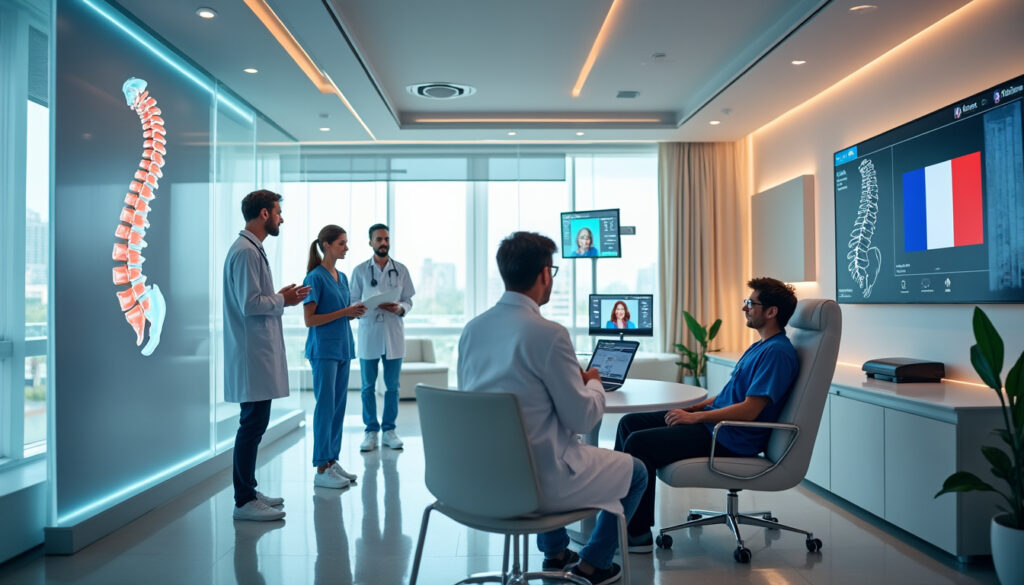
Chronic lumbar pain affects millions worldwide, often diminishing quality of life and limiting daily activities. In Gatineau, patients now have access to innovative solutions like the Total Posterior Spine System (TOPS), a breakthrough technology designed to address complex lumbar conditions…
Empowering Patients: Clear and Compassionate Guidance for Informed Decisions
A crucial aspect of expert spine evaluation—such as the assessments provided by Dr. Sylvain Desforges—is fostering patient understanding through clear and accessible communication. Delineating the indications, limitations, and benefits of different surgical and conservative options helps patients enter the care pathway feeling confident and engaged.
Such personalized educational efforts demystify complex procedures, allowing patients to weigh their options effectively in line with personal values and lifestyles. This empathetic approach aligns with Dr. Desforges’ commitment to an ethical and evidence-based practice that respects each person’s unique history.
Questions Patients May Ask
- What distinguishes IntraSPINE from traditional implants?
- Is minimally invasive surgery safe and effective for my condition?
- What can I expect during my recovery and rehabilitation?
- How do I ensure the best outcomes when coordinating international care?
Understanding these elements supports shared decision-making and promotes patient empowerment throughout the spinal care continuum.
What is the IntraSPINE device and how does it work?
IntraSPINE is a dynamic interlaminar stabilization device designed to relieve pain and improve spinal mobility by providing flexible support between lumbar vertebrae. It enlarges nerve passageways and maintains intervertebral height without restricting natural movement.
Who is an ideal candidate for the IntraSPINE implantation?
Active adults with degenerative disc disease causing back pain and neurogenic claudication, particularly when conservative treatments have been insufficient, may benefit from IntraSPINE. Expert evaluations help determine individualized suitability.
Is surgery always necessary for lumbar disc herniation?
Surgery is typically reserved for cases where conservative treatments, including advanced decompression therapies like those at Clinique TAGMED, have failed to provide relief after 3 to 6 months or when neurological symptoms worsen.
How does the transatlantic care coordination work for spinal treatment?
Patients benefit from coordinated care between Canadian and French medical teams, ensuring optimized timing, access to advanced technologies, comprehensive pre/post-operative support, and streamlined travel logistics via platforms such as SOS Tourisme Médical.
What are the rehabilitation expectations following IntraSPINE surgery?
Postoperative rehabilitation prioritizes early mobilization, pain management, core strengthening, and progressive functional exercises tailored to patient goals, facilitating a quick return to active lifestyles.
Cervical Disc Prosthesis in Quebec City: Approved and Durable Solution
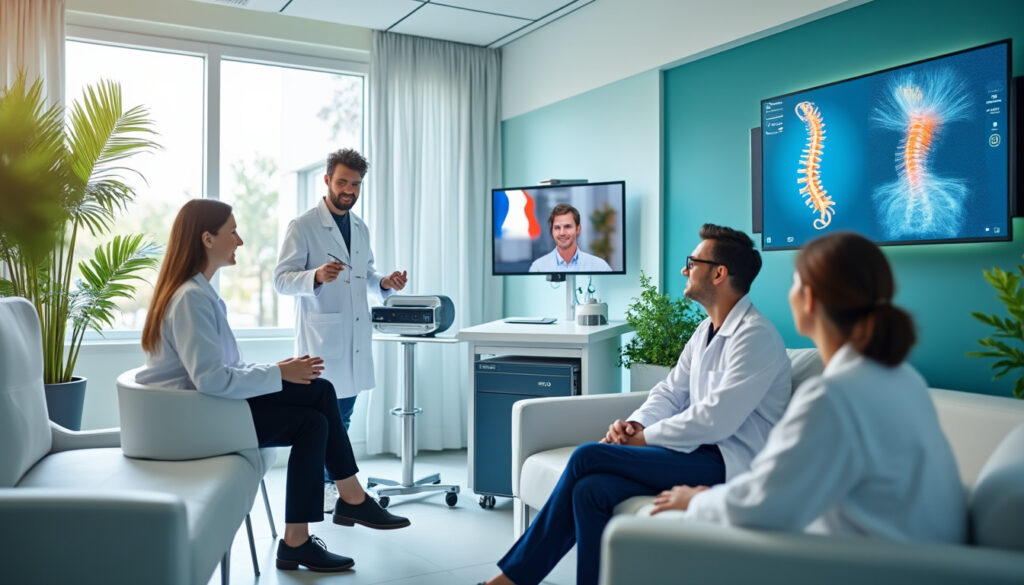
The rise in cervical spine disorders in Quebec City has catalyzed remarkable progress in surgical treatment methods. Patients today seek not only effective relief from persistent neck pain but also solutions that preserve the natural mobility crucial for daily activities…