Step-by-Step Functional Recovery: A Clear Guide for Quebec Patients
June 13, 2026
Mirabel Chronic Sciatica Relief with Lasting Results
June 13, 2026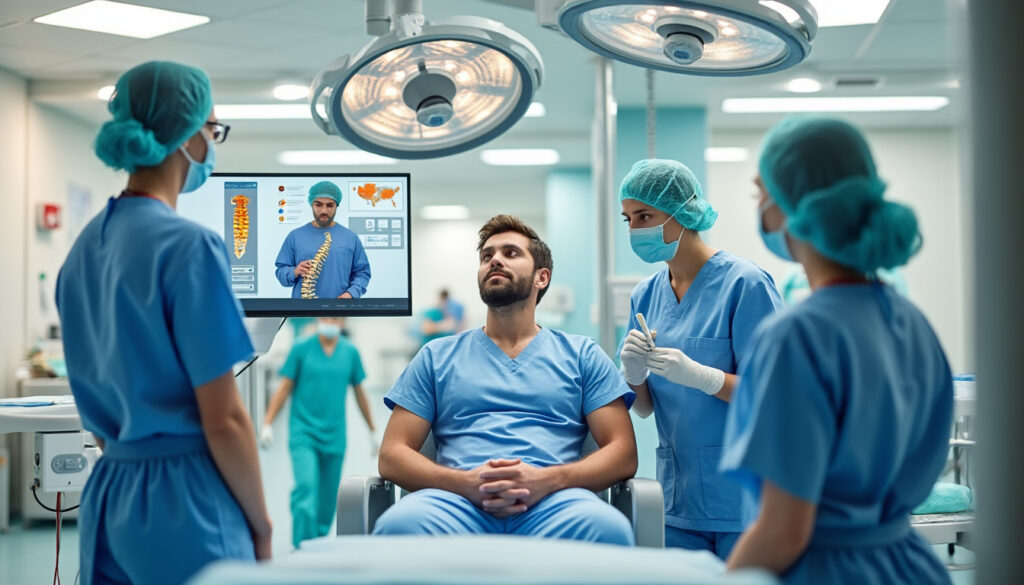
Chronic back issues increasingly challenge individuals looking for effective solutions that not only relieve pain but also maintain spinal function and quality of life. In Trois-Rivières, innovative approaches to spine surgery emphasize preserving intervertebral mobility—a crucial factor in long-term spinal health and recovery. This advanced focus responds to growing demand for treatments that respect the natural biomechanics of the spine while offering relief from degenerative conditions, trauma, or other pathologies.
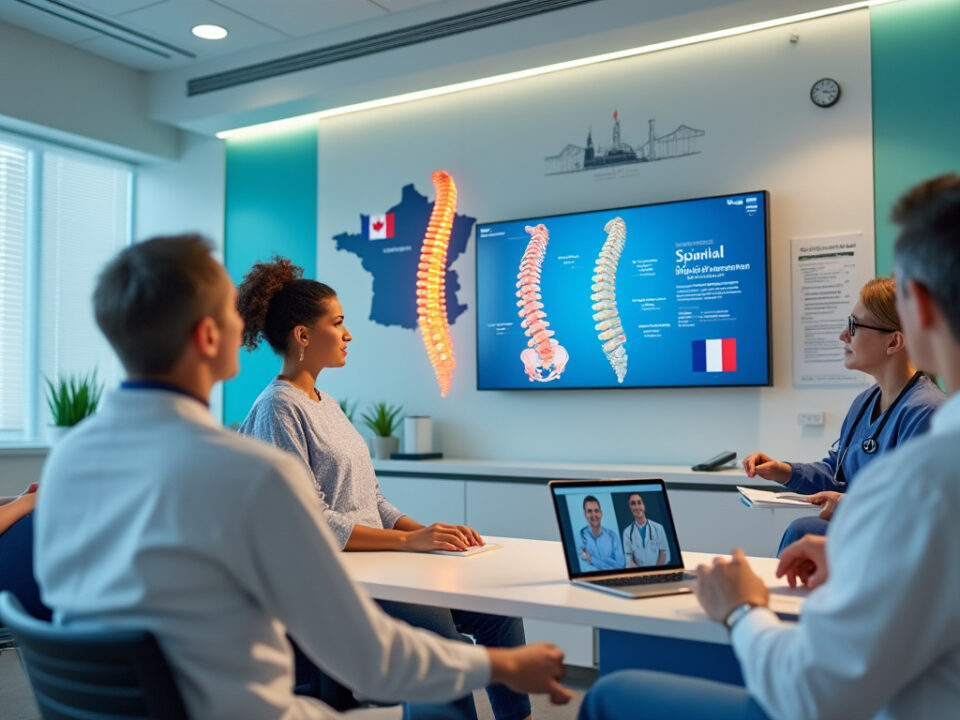
Patients looking beyond local constraints such as wait times or cost find hope in carefully coordinated transatlantic care pathways between Quebec and France. These pathways enable access to cutting-edge surgical techniques and technologies unavailable locally, combining expert preoperative evaluation, minimally invasive surgery, and attentive postoperative management to optimize outcomes. This model not only enhances access but also integrates scientific rigor and personalized support that patients deserve.
Types of Spine Surgery Available in France Focused on Motion Preservation
France offers a spectrum of spine surgery options designed to address various spinal pathologies while prioritizing the preservation of natural vertebral mobility. Unlike conventional spine fusion, which stabilizes but at the expense of movement, advanced surgical methods aim to treat symptoms while maintaining as much spinal motion as possible, which is key to preventing adjacent segment disease and promoting long-term spinal health.
Three primary categories of surgical techniques are employed:
- Simple decompression surgeries: These involve relieving pressure on nerves by removing part of a herniated disc or thickened ligaments without fusion, thus preserving spinal dynamics.
- Fusion surgeries: Instrumented spinal fusion using intervertebral cages stabilizes one or more spinal segments. While effective for degenerative instability, this approach restricts vertebral mobility and may lead to adjacent segment degeneration over time.
- Motion-preserving surgeries: Innovations such as disc arthroplasties (artificial disc replacements) and dynamic stabilization devices like IntraSPINE offer stabilization while retaining intervertebral mobility. These procedures are designed to emulate the natural mechanics of the spinal segment, reducing postoperative stiffness and improving patient quality of life.
Dr. Jocelyn Blanchard, Chief of Neurosurgery at the CIUSSS de l’Estrie – CHUS and a pioneer in spinal surgical techniques, underscores the value of these options in effectively treating degenerative spinal conditions while maintaining function. His extensive experience with anterior cervical surgeries, including arthroplasties and posterolateral lumbar fusions with cages, demonstrates how tailored approaches can address the patient’s unique needs.
Choosing the appropriate surgery depends on a thorough multifactorial assessment of pathology, patient lifestyle, and therapeutic goals, reinforcing the importance of expert evaluation before surgery.
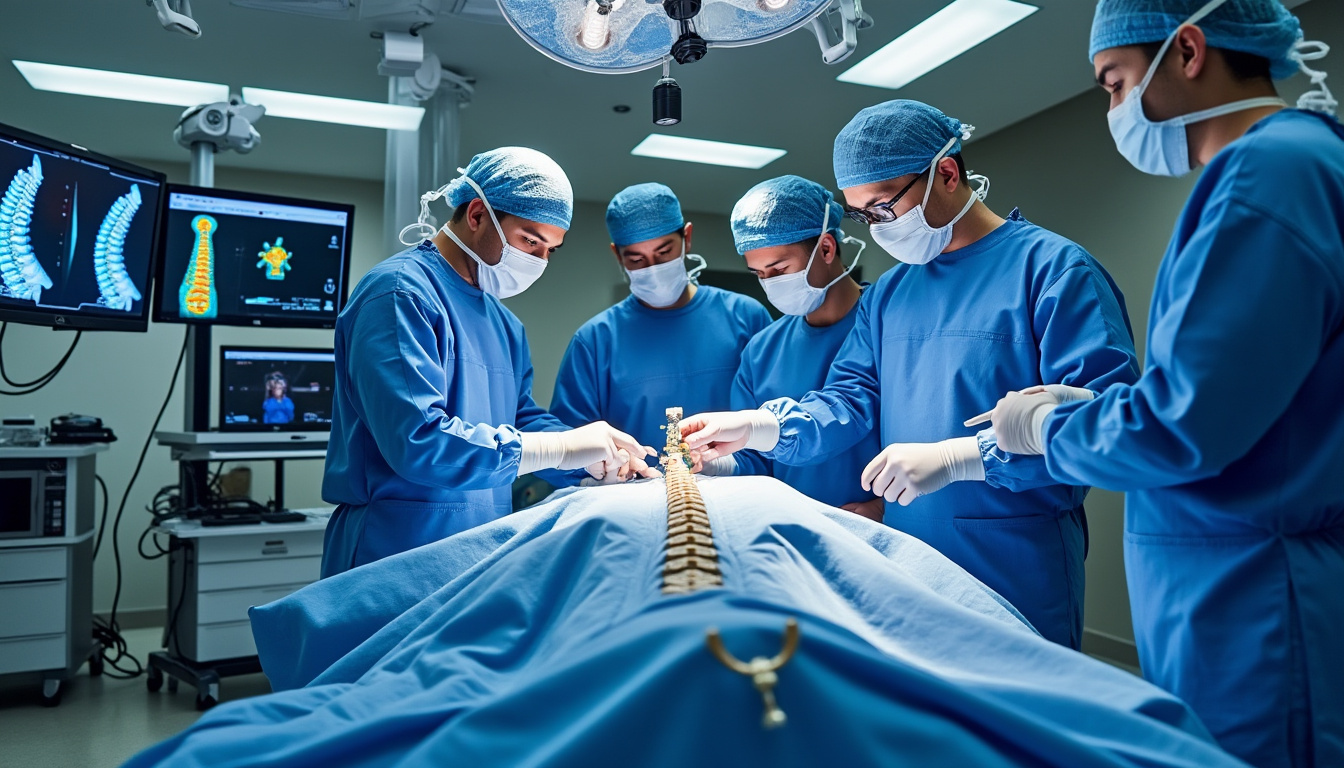
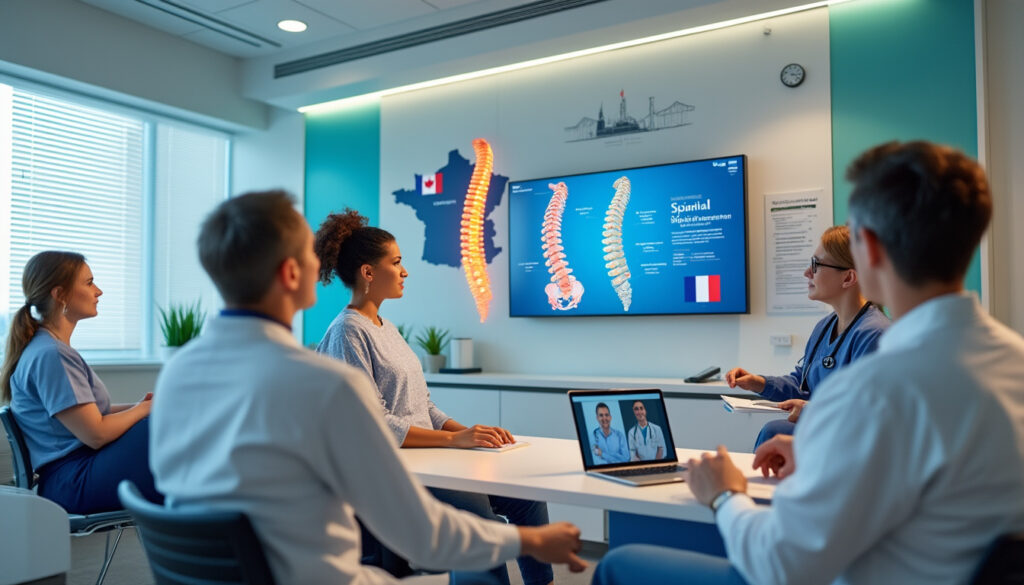
Motion Surgery in Terrebonne: Preserve Spinal Biomechanics
Back pain is more than an inconvenience; it’s a challenge affecting thousands of Quebecers who face prolonged waiting times and costly private care. Motion Surgery in Terrebonne emerges as a beacon of hope, offering advanced surgical alternatives that preserve spinal…
The Patient Journey: From Evaluation to Return Home After Spine Surgery
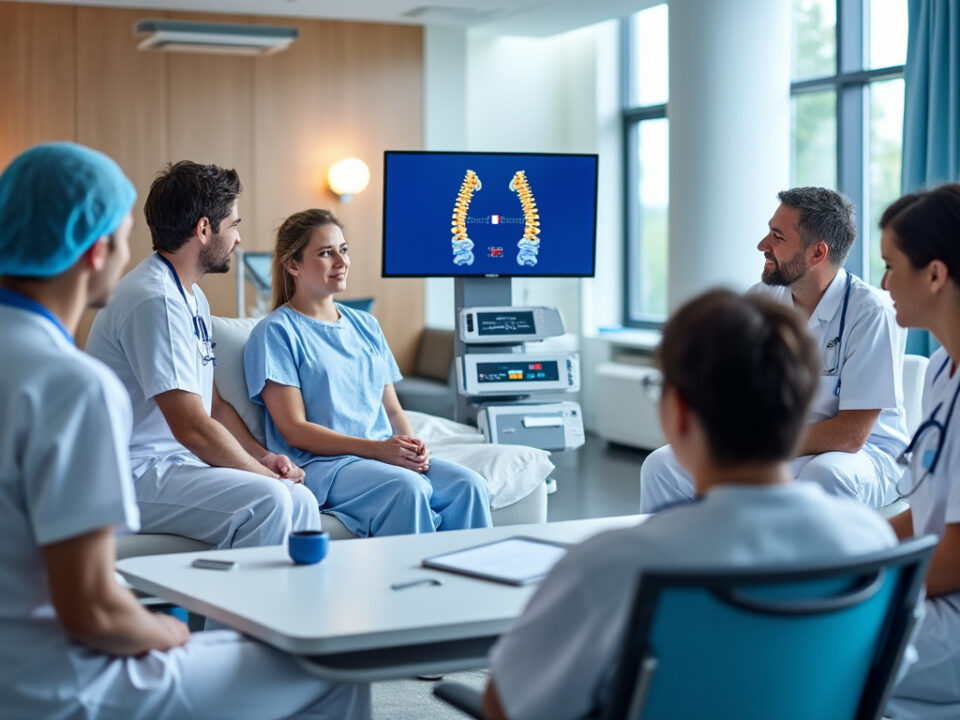
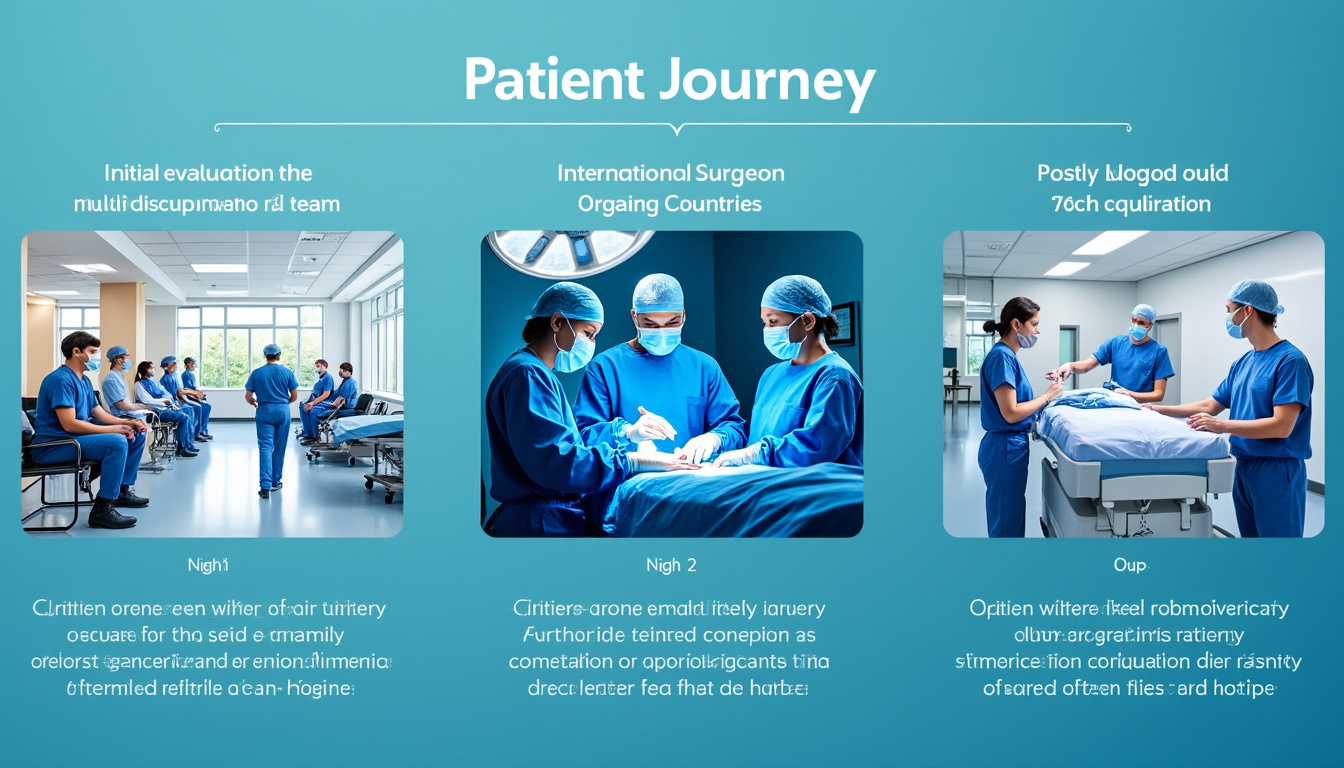
Successful spine surgery is built on a comprehensive, coordinated journey starting well before the operating room and extending through rehabilitation. For patients from Quebec traveling to France, this pathway is deliberately designed to be seamless, guided by expert evaluation and careful planning.
Step 1: Initial Assessment and Conservative Care Review
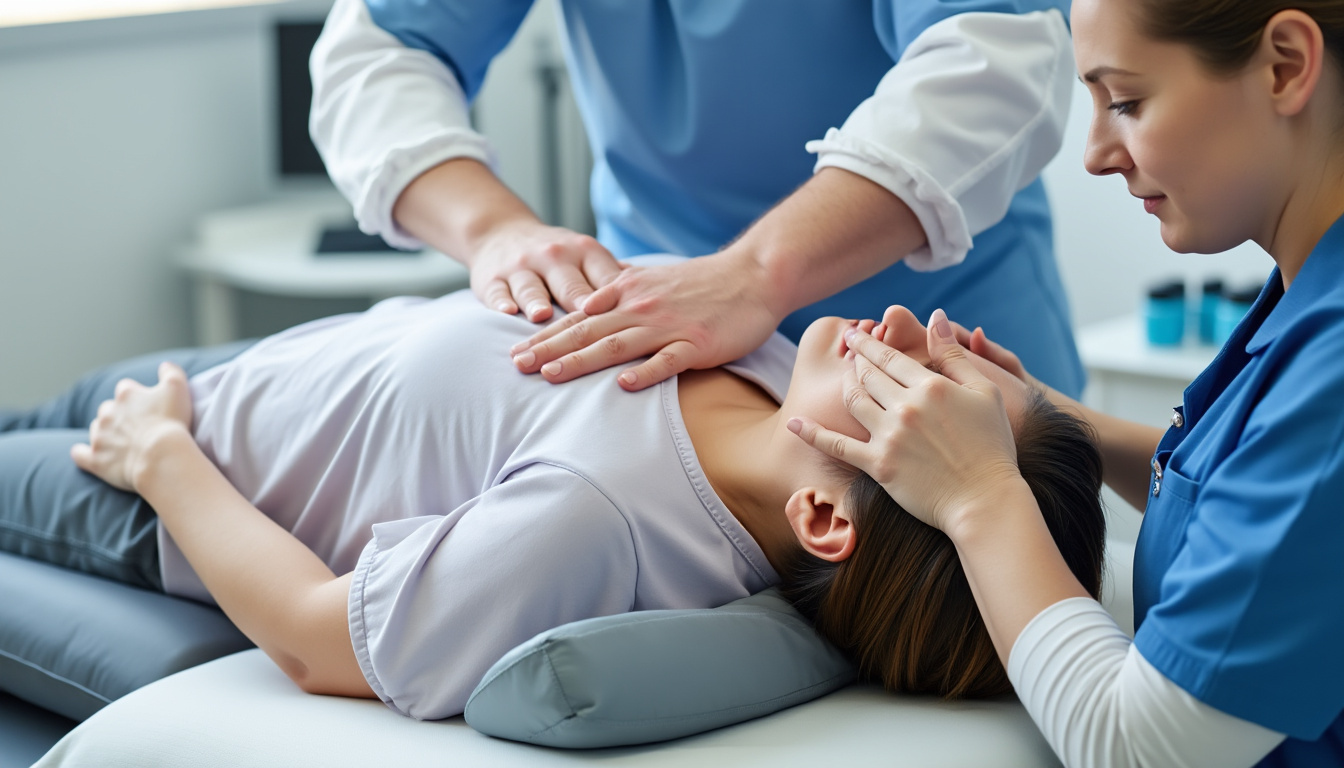
Dr. Sylvain Desforges, with over 30 years of expertise in spinal pathology assessments and osteopathy, conducts thorough evaluations emphasizing evidence-based decision-making. This stage reviews prior treatments, confirms indications for surgery, and ensures conservative therapies such as physiotherapy—including advanced options like decompression neurovertébrale at Clinique TAGMED—have been adequately trialed.
Step 2: Personalized Surgical Planning
Once surgical candidacy is confirmed, individualized planning with French surgical teams occurs. This includes preoperative imaging, detailed case discussions, and selection of surgical techniques and implants suited to maximize mobility preservation and reduce complications postoperatively.
Step 3: Surgery and Hospital Care
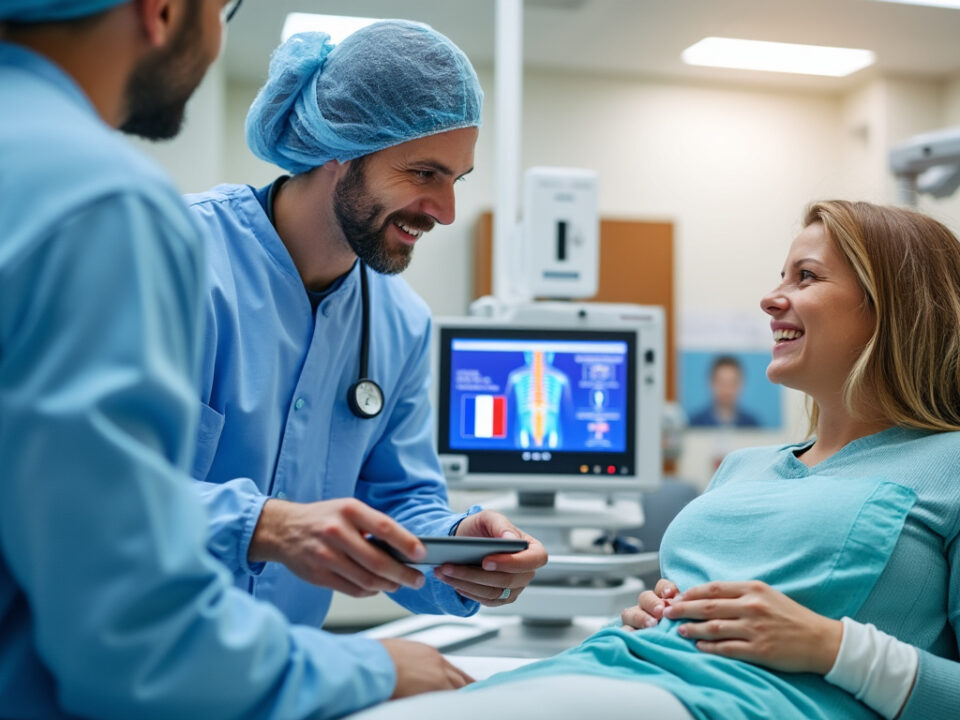
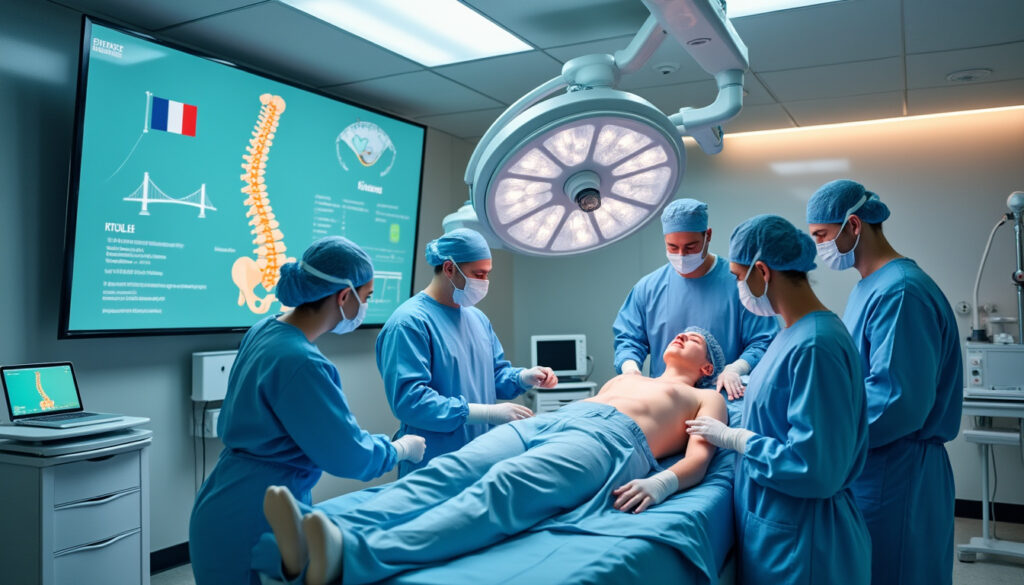
Minimally invasive approaches pioneered in France focus on limiting tissue trauma, speeding recovery, and maintaining function. Postoperative protocols involve early mobilization and pain management tailored to the patient’s needs.
Step 4: Rehabilitation and Follow-up
Upon discharge, rehabilitation programs led by specialists like Cindy Chartier in Trois-Rivières provide individualized care to regain strength, mobility, and independence. Follow-up connects French and Canadian teams ensuring continuity and comprehensive monitoring during recovery.
This coordinated pathway illustrates the integration of scientific rigor, ethical standards, and patient-centered care, facilitating improved outcomes and patient confidence.
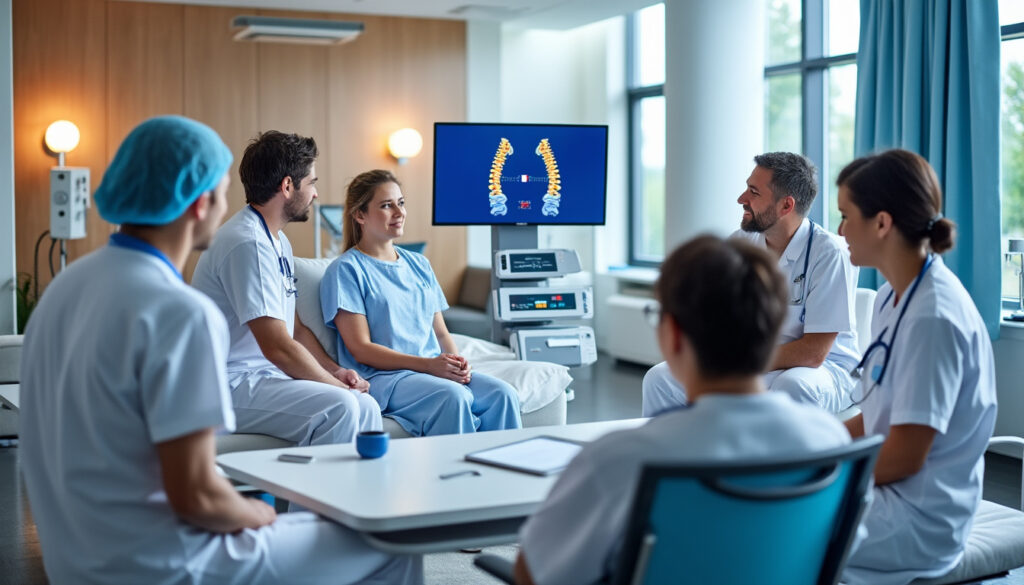
Lumbar Disc Prosthesis in Saguenay: Immediate Relief After Surgery
Low back pain is an affliction that affects millions globally, impacting daily activities and diminishing quality of life. In the Saguenay region, known for its vibrant and active population, preserving spinal health is paramount to maintaining mobility and independence. For…
Biomchanical, Economic, and Human Benefits of the Transatlantic Care Model
The transatlantic care model for spine surgery offers multi-dimensional advantages that transcend mere surgical intervention. Patients gain access to cutting-edge techniques approved in France but not yet standard in Canada, promoting superior biomechanical outcomes through motion-preserving interventions.
Economically, this approach addresses local healthcare system limitations such as extensive wait times or prohibitive costs for advanced private care. By leveraging international collaboration facilitated by platforms like SOS Tourisme Médical, patients optimize both time and financial resources.
On a human level, patients benefit from personalized support throughout the pathway. Multidisciplinary teams are devoted to patient education, empathy, and safety, helping to alleviate anxiety frequently associated with spine surgery. Regular patient communications, preoperative explanations, and postoperative guidance foster a trusting environment.
Importantly, preserving vertebral mobility reduces the risk of long-term adjacent segment degeneration and improves postoperative quality of life. Hence, this model aligns with patient values emphasizing functional preservation and holistic care.

IntraSPINE® in Sherbrooke: Improve Posture After Surgery
At the crossroads of innovation and patient-centered care, the IntraSPINE implant introduced in Sherbrooke is transforming the landscape of spinal surgery recovery and posture improvement. For many Canadians, particularly those in Quebec facing long delays or high costs for spinal…
Conservative Spine Treatments: The Essential Preoperative Phase
Before considering surgery, patients must undergo a minimum of three to six months of conservative treatments, an approach strongly supported by best practices and regulatory bodies. Many spine conditions respond favorably to non-surgical management, which can mitigate symptoms, improve function, and sometimes entirely obviate the need for surgery.
Key conservative options include:
- Physical therapy with tailored regimens focused on strengthening, flexibility, and pain relief.
- Advanced decompression neurovertébrale, as expertly offered by the Clinique TAGMED, which can alleviate neural impingement without surgical invasion.
- Pharmacological management and lifestyle modifications to control inflammation and improve spinal mechanics.
If conservative care has been incomplete or ineffective—especially lacking specialized decompression—surgery may be pursued as a considered next step.
This sequenced approach reflects the ethical commitment to evidence-based practice, patient safety, and respect for natural spinal function, repeatedly emphasized in the coordination led by Dr. Desforges.
TOPS™ in Gatineau: Reduce Chronic Lumbar Pain
Chronic lumbar pain affects millions worldwide, often diminishing quality of life and limiting daily activities. In Gatineau, patients now have access to innovative solutions like the Total Posterior Spine System (TOPS), a breakthrough technology designed to address complex lumbar conditions…
Innovations in Minimally Invasive Spine Surgery for Spinal Preservation
Minimally invasive surgery (MIS) has revolutionized spinal care, offering significant advantages over traditional open procedures. These advancements include reduced blood loss, less postoperative pain, shorter hospital stays, and faster return to daily activities—all while protecting spinal structures critical to mobility.
French surgical teams in Trois-Rivières employ techniques such as endoscopic discectomy, percutaneous instrumentation, and the implantation of dynamic stabilizers like the IntraSPINE to strike a balance between stability and movement.
Dynamic implants allow controlled spinal segment motion after surgery. For example, studies on motion-preserving devices highlight their potential to reduce postoperative complications and maintain vertebral segment health longer than fusion alone.
Such innovations require expert surgical skill and comprehensive patient evaluation, underscoring the critical role of experienced teams and multidisciplinary collaboration championed by leaders such as Dr. Blanchard.

Cervical Disc Prosthesis in Quebec City: Approved and Durable Solution
The rise in cervical spine disorders in Quebec City has catalyzed remarkable progress in surgical treatment methods. Patients today seek not only effective relief from persistent neck pain but also solutions that preserve the natural mobility crucial for daily activities…
Coordination and Communication: Bridging Canada and France for Seamless Care
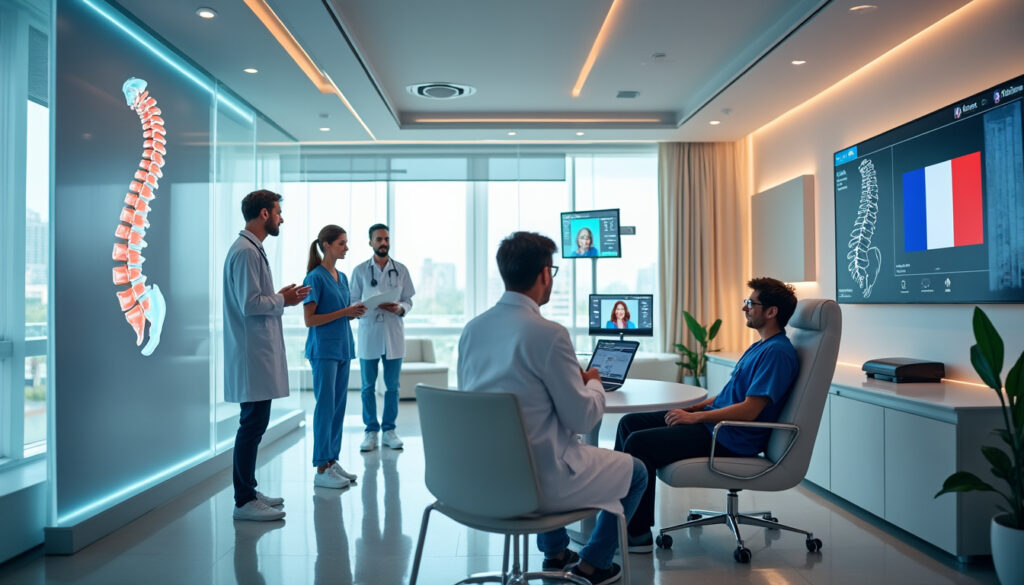
A hallmark of the transatlantic treatment approach is the exemplary coordination between healthcare teams in Quebec and France, optimizing patient logistics and clinical outcomes. This collaboration spans initial evaluation, surgical planning, the operative procedure itself, and postoperative monitoring to ensure uninterrupted, holistic care.
Telemedicine consultations bridge geographic distances, allowing real-time case discussions and patient follow-ups. Patients benefit from a blend of local monitoring and direct access to French surgical expertise, an approach that enhances safety and confidence.
Moreover, regulatory and ethical adherence underpins all stages, conforming with both Canadian and Québec legal frameworks, including those set by the Collège des médecins. This rigorous standard protects patient rights and guarantees care quality.
In practice, this results in:
- Significantly reduced wait times compared to purely local options.
- Access to technologies and procedures unavailable or less developed in Canada.
- Personalized postoperative rehabilitation coordination with local experts like physiotherapist Cindy Chartier.
Such seamless integration becomes a model of what modern international orthopedic surgery can achieve.
Minimally Invasive Surgery in Longueuil: Maintain Flexibility After Surgery
In Longueuil, Quebec, advances in spine treatment are revolutionizing patient experiences through minimally invasive surgery. These techniques emphasize maintaining joint mobility and promoting postoperative flexibility, offering renewed hope for individuals facing spinal conditions. Patients seeking alternatives to traditional surgery, particularly…
The Specific Value Added by Specialized Services in Spine Surgery Pathways
What distinguishes this transatlantic spine surgery pathway is its commitment to excellence across multiple domains. Unlike standard services, it offers:
- Expert evaluations by practitioners with over three decades of experience in spinal pathology assessment and osteopathy, ensuring precise indication and treatment pathways.
- Access to advanced conservative care at institutions like Clinique TAGMED before surgery is even considered.
- Choice of leading-edge implants and minimally invasive techniques that preserve intervertebral mobility and spinal mechanics.
- Transdisciplinary care teams coordinating personalized preoperative education and long-term follow-up, improving patient adherence and outcomes.
- Optimized logistics that minimize patient disruption and travel-related stress, with dedicated support throughout the process.
This comprehensive offering demonstrates how innovation, humanism, and rigorous evidence-based practices coalesce to redefine spine care efficacy worldwide.

IntraSPINE® in Laval: Innovative Treatment for Chronic Low Back Pain
The persistent challenge of chronic low back pain continues to affect millions worldwide, impacting daily activities, work productivity, and overall quality of life. In Laval, a groundbreaking approach has emerged with the introduction of the IntraSPINE device—an innovative spinal implant…
Understanding the Importance of Informed and Individualized Decisions in Spine Surgery
Each patient’s spinal condition is unique, and so must be the surgical decision-making process. Dr. Sylvain Desforges emphasizes the need for thorough education and transparent communication to empower patients when considering spine surgery abroad. He approaches patient consultations with a focus on explaining complex concepts clearly and sympathetically, ensuring no jargon obfuscates understanding.
Patients learn about advantages and potential limits of surgical options, expected recovery trajectories, and realistic outcomes. This clear guidance helps manage expectations, reduces anxiety, and motivates active participation in their care plan.
Furthermore, individual factors such as comorbidities, lifestyle demands, and psychological readiness influence the choice and timing of surgery. Shared decision-making with the multidisciplinary team ensures care decisions are ethically grounded and respect patient autonomy.
Contacting expert teams through trusted platforms like SOS Tourisme Médical allows patients to start this informed journey with personalized recommendations aligned to their needs and values.
What types of spine surgery focus on preserving intervertebral mobility?
Motion-preserving surgeries such as disc arthroplasty and dynamic stabilization devices are designed to maintain spinal motion while treating conditions. Simple decompression also preserves mobility, whereas fusion typically reduces it.
Why is conservative treatment important before considering spine surgery?
Conservative treatments including physiotherapy, decompression neurovertébrale, and lifestyle changes are essential to avoid unnecessary surgery and improve symptoms. Surgery is recommended only after these have been tried for 3 to 6 months with insufficient relief.
How does transatlantic spine surgery benefit Quebec patients?
This model offers advanced techniques and reduced wait times unavailable locally, combining expert evaluation, minimally invasive surgery, and personalized rehabilitation, ensuring better biomechanical and human outcomes.
What role do minimally invasive techniques play in spine surgery?
Minimally invasive spine surgery reduces tissue damage, pain, and recovery time while preserving important spinal anatomy, allowing patients faster return to function and better long-term outcomes.
How is patient care coordinated between Canada and France in this pathway?
Specialized teams collaborate through telemedicine and shared protocols covering evaluation, surgical planning, and follow-up. This seamless coordination improves safety, patient confidence, and recovery.
For more information or to discuss your spinal case, please visit SOS Tourisme Médical.

Neck Surgery in Montreal: Avoid Post-Surgical Stiffness
Neck surgery often presents a critical turning point for patients struggling with persistent cervical spine issues. In Montreal, the journey through such surgeries encompasses not only the procedure itself but also the complexities of recovery, challenges of post-surgical stiffness, and…