Comprehensive Guide to Medical Logistics and Accommodation
July 12, 2026
Mascouche Lumbar Disc Rehabilitation Without Steroids
July 12, 2026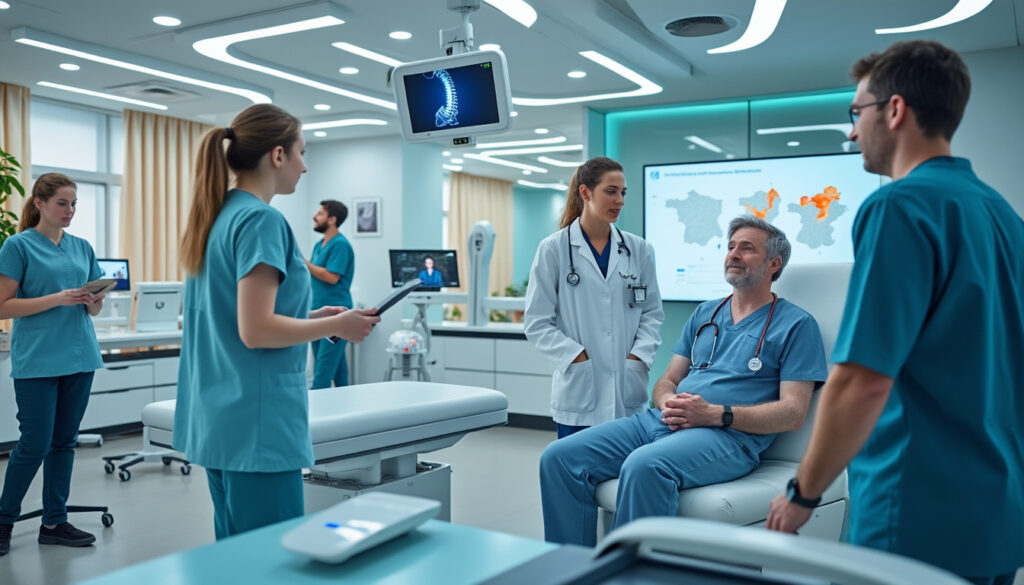
The management of chronic lumbar pain remains a pressing challenge for many patients in Quebec, seeking effective and accessible solutions beyond prolonged wait times and costly private care. Thanks to an innovative transatlantic partnership, the TOPS (Total Posterior Spine) system has been introduced in Gatineau, offering a groundbreaking alternative to conventional spinal fusion. This cutting-edge technology not only significantly reduces persistent back pain but also conserves the natural biomechanics of the lumbar spine, a vital factor for overall wellness and quality of life. The journey of patients benefits from a rigorous and ethical collaboration between Dr. Sylvain Desforges, a pioneer in spinal care with over 30 years’ experience, and skilled teams of surgeons in France employing minimally invasive, motion-preserving techniques. This alliance integrates advanced conservative care at the Clinique TAGMED, efficient logistical coordination, and personalized postoperative rehabilitation, crafting a comprehensive care pathway that exemplifies scientific rigor, compassion, and innovation.
Patients with degenerative lumbar conditions now have access to a surgical option that balances stability with mobility preservation. As the understanding of spinal pathology evolves, the TOPS device introduced in Gatineau embodies the convergence of biomechanical innovation and patient-centered care. By replicating natural vertebral movements, it addresses the limitations of traditional fusion—such as segment stiffening and adjacent segment degeneration—while promoting faster recovery and better functional outcomes. This article unfolds the sophisticated landscape of spinal surgery options available in France, details the transatlantic journey from Quebec to post-operative follow-up, highlights the significant advantages of the TOPS system, and underscores the critical role of conservative management preceding any surgical intervention, ensuring patients are well-informed and empowered in their treatment choices.
Understanding the TOPS System: A Motion-Preserving Solution for Lumbar Pain
Among the most promising advancements in spine surgery, the TOPS (Total Posterior Spine) system stands out as a revolutionary implant designed to restore stability and natural movement to the lumbar spine. Unlike traditional fusion techniques that fixate vertebral segments, eliminating all motion, TOPS preserves physiological flexion, extension, lateral bending, and rotation—movements essential for everyday mobility.
The system replaces the diseased facet joints typically damaged by degenerative spinal disorders such as lumbar spinal stenosis and spondylolisthesis. Comprised of titanium plates linked by a polymer cushion, this dynamic device absorbs shock and enables controlled multi-directional movement while providing secure stabilization. Surgical implantation anchors the device to the vertebrae via pedicle screws, ensuring structural integrity without rigid fixation.
Clinical evidence supports the TOPS system’s advantages over conventional fusion. In FDA clinical trials, patients receiving the TOPS implant showed substantial reductions in back and leg pain alongside improved physical function. The maintenance of segmental mobility minimizes stress transfer to adjacent vertebrae, reducing the risk of additional degenerative changes and the need for further surgeries. Patients often report a faster return to daily activities and sports, highlighting the intervention’s positive impact on quality of life.
Dr. Sylvain Desforges, with his extensive background in osteopathy and spinal evaluation, champions the integration of this technology for appropriate candidates. He underscores that the TOPS system is primarily indicated for individuals with Grade I degenerative spondylolisthesis and lumbar spinal stenosis affecting levels L3 to L5, typically aged 35 to 80. Through personalized assessments, he ensures that only those patients most likely to benefit are referred for the procedure, aligning care with evidence-based protocols and ethical standards.
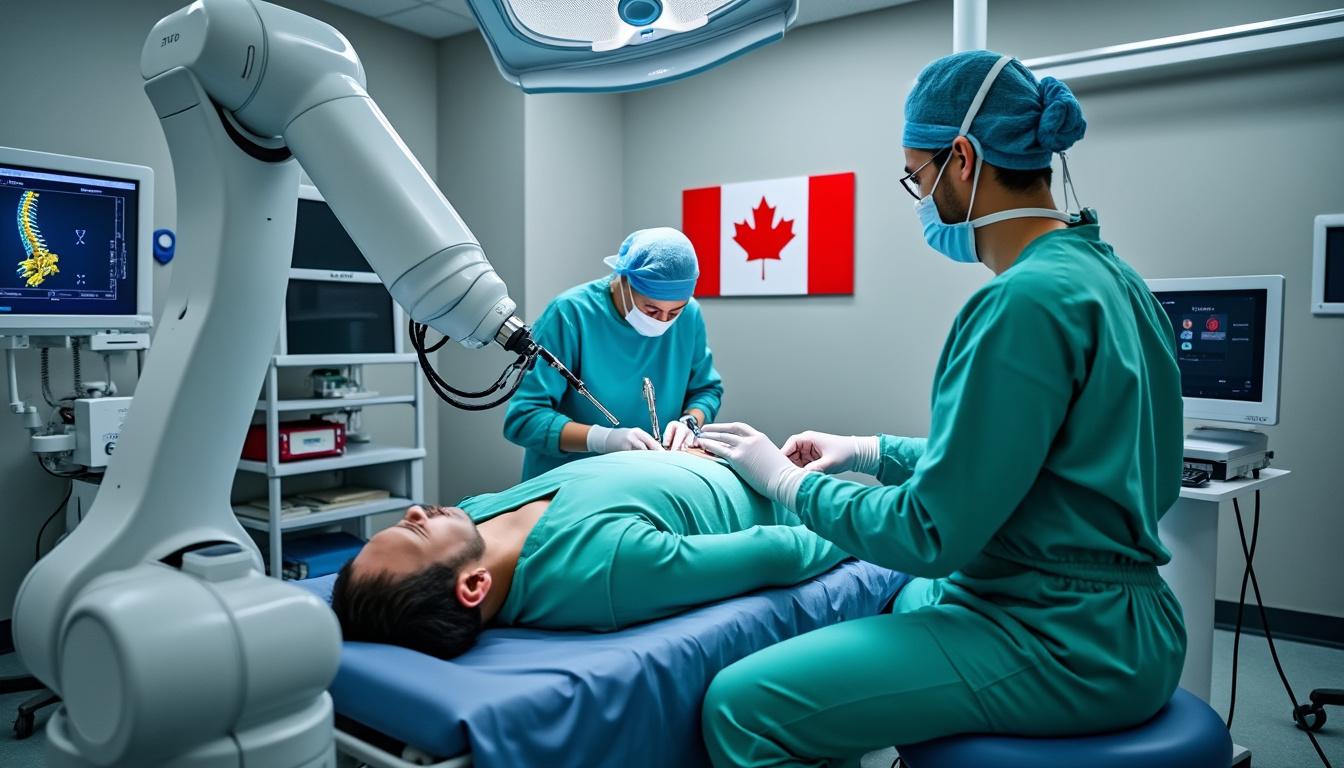
Spine Surgery in Trois-Rivières: Personalized Patient-Centered Intervention
The challenge of back health and spinal surgery has become increasingly critical for many patients in Trois-Rivières, Quebec. Lengthy waiting times for appropriate surgical interventions often transform the care journey into a frustrating experience. Against this backdrop, a promising international…
Exploring Surgical Techniques in France: From Fusion to Motion Preservation
France stands at the forefront of spinal surgery innovation, offering a rich spectrum of operative methods tailored to the diverse needs of patients with lumbar disorders. Quebec patients seeking timely intervention can access these advanced options through a carefully coordinated transatlantic partnership, ensuring a high standard of care integrated with local expertise.
Traditional Spinal Fusion
Spinal fusion remains a well-established technique aiming to permanently immobilize affected vertebral segments by promoting bony fusion. This approach is effective for severe spinal instabilities or deformities, such as advanced scoliosis or high-grade spondylolisthesis. While fusion offers robust stability and pain relief, it sacrifices motion at fused levels, often precipitating accelerated degeneration in adjacent segments, creating a risk of future discomfort and surgeries.
Motion Preservation Techniques
Emerging motion-preserving technologies like the TOPS system represent a paradigm shift. These implants stabilize the spine dynamically, replicating the natural function of facet joints without rigid fixation. Devices such as TOPS or IntraSPINE preserve spinal mobility, reduce mechanical stress on neighboring vertebrae, and enhance recovery prospects. Motion preservation is particularly suited for moderate spondylolisthesis or lumbar stenosis without severe deformity.
Disc Prosthesis
Disc replacement offers an alternative approach for degenerative disc disease, aiming to restore disc height and biomechanics. Though less common and available in select centers, disc prostheses maintain spinal motion and decrease pain. Candidates undergo strict selection criteria to optimize outcomes and minimize complications.
Minimally Invasive and Endoscopic Surgery
Growing in popularity, minimally invasive surgery reduces tissue trauma, postoperative pain, and hospitalization duration. Endoscopic techniques address localized conditions such as herniated discs or spinal stenosis. When combined with dynamic implants like TOPS, these approaches further improve patient satisfaction and expedite recovery.
| Technique | Advantages | Main Indications | Limitations |
|---|---|---|---|
| Spinal Fusion | Strong stabilization, durable correction | Severe instabilities, advanced scoliosis | Loss of mobility, adjacent segment wear |
| Dynamic Implants (TOPS) | Preserves motion, quicker recovery | Moderate spondylolisthesis, lumbar stenosis | Not for severe deformities |
| Disc Prosthesis | Functional restoration, pain reduction | Degenerative disc disease | Strict indications, technical complexity |
| Minimally Invasive Surgery | Less trauma, faster recovery | Herniated discs, localized stenosis | Limited to specific cases |
This variety in surgical options allows individualized treatment based on pathology, patient preferences, and clinical evaluation. The refined preoperative assessments by Dr. Sylvain Desforges guarantee patients from Quebec receive ethical, scientifically grounded recommendations, integrating Canadian standards with French surgical expertise. For more detailed insight into dynamic implants, visit the TOPS official site or explore clinical outcomes documented at TOPS in Gatineau reports.
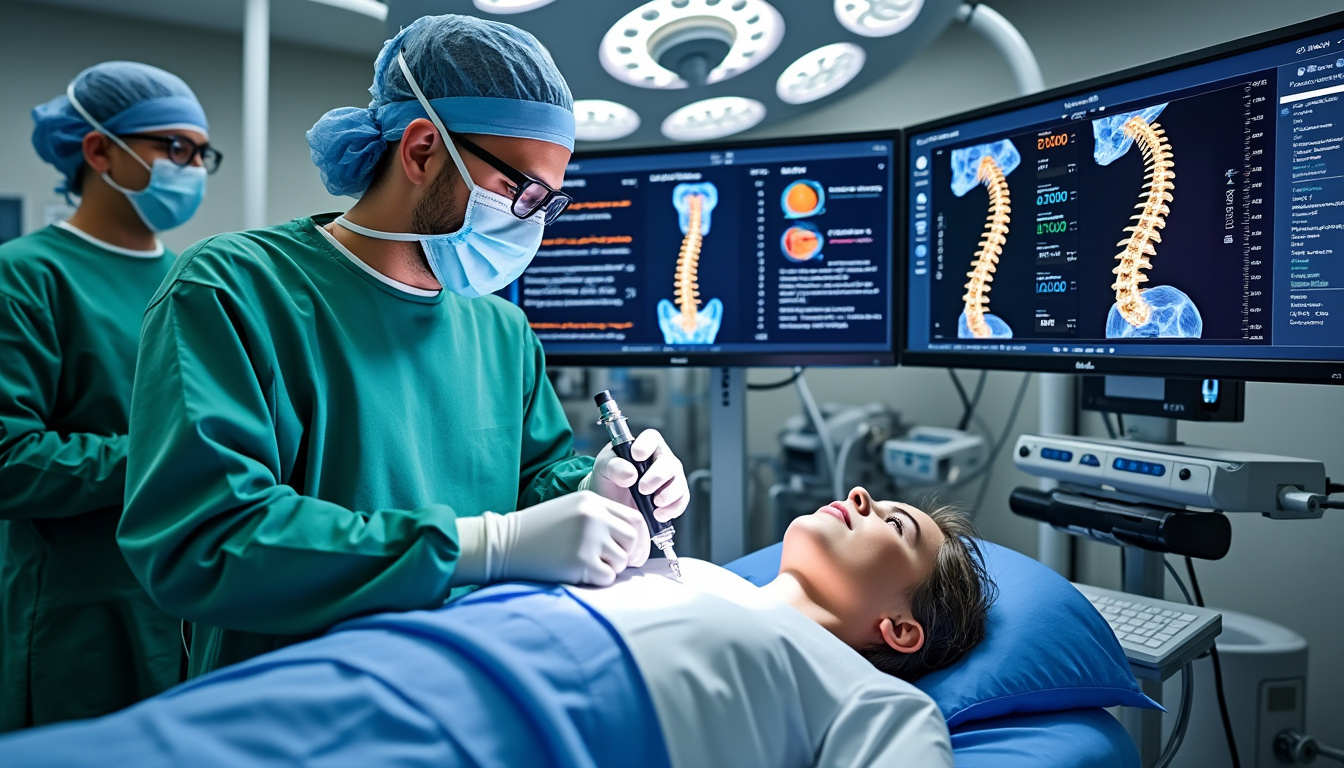
Cervical Disc Prosthesis in Quebec City: Preserve Natural Mobility
Neck pain remains a pervasive challenge for many individuals in Quebec City, deeply affecting daily life and overall well-being. As the prevalence of chronic cervical discomfort rises, innovative interventions such as the cervical disc prosthesis have garnered increasing attention. Unlike…
Step-by-Step Patient Journey from Quebec to Surgery and Beyond
A comprehensive and meticulously coordinated transatlantic care pathway enables Quebec patients to access advanced spine surgery options in France efficiently and safely. This process begins with a thorough evaluation by Dr. Sylvain Desforges, leveraging his deep clinical expertise and access to cutting-edge diagnostic tools.
Evaluation and Conservative Management at Clinique TAGMED
Initially, patients undergo a minimum of three to six months of conservative treatment at the Clinique TAGMED in Quebec, a center renowned for advanced neurovertebral decompression using robotic-assisted technologies. This phase is critical to alleviate symptoms and potentially avoid surgery. Specialized therapies include controlled lumbar traction to reduce nerve root compression while maintaining spinal integrity. The rigorous oversight by Dr. Desforges ensures adherence to provincial and national medical standards.
Decision and Orientation to French Surgical Centers
If conservative management fails to provide sufficient relief, patients are guided towards surgical options in France. Coordination handled by agencies such as Franchir simplifies travel arrangements, surgeon selection, and hospital admission scheduling, significantly reducing wait times and administrative burden. This personalized framework prioritizes patient comfort and security throughout the journey.
Surgical Intervention and Hospital Stay
In France, expert surgical teams experienced in minimally invasive techniques perform the TOPS implantation or alternative procedures. Hospital stays are typically brief, reflecting the minimal invasiveness and optimized perioperative care designed to facilitate rapid functional recovery.
Postoperative Follow-Up and Rehabilitation in Quebec
Following surgery, rehabilitation becomes paramount. Partners such as Neurothérapie Montréal deliver tailored post-operative therapy to restore strength, maintain mobility, and manage pain. Ongoing assessments by Dr. Desforges and his multidisciplinary team ensure any complications are promptly addressed, supporting sustained improvements in lumbar function and quality of life.
- Initial evaluation and imaging by spinal expert in Quebec
- 3 to 6 months of intensive conservative care, including neurovertebral decompression at Clinique TAGMED
- International coordination for surgical planning and travel logistics
- Minimally invasive TOPS or alternative surgical procedure in France
- Postoperative personalized rehabilitation and monitoring in Quebec
Minimally Invasive Surgery in Longueuil: Quick and Effective Recovery
Minimally invasive surgery in Longueuil is reshaping the future of spine care with innovative techniques that prioritize patient well-being and prompt recovery. This approach combines advanced surgical methods, tailored patient evaluations, and international collaboration to offer exceptional solutions for individuals…
Prioritizing Conservative Treatments Before Considering Surgery
A cornerstone of contemporary spine care is the emphasis on conservative management prior to any surgical intervention. The philosophy underpinning this approach is to exhaust non-invasive therapies to maximize symptom relief while minimizing procedural risks.
Dr. Sylvain Desforges advocates for a minimum of three to six months of targeted conservative treatments. The hallmark therapy at Clinique TAGMED is neurovertebral decompression, which involves precise, computer-controlled spinal traction designed to gently alleviate nerve root pressure while respecting spinal biomechanics. This treatment has demonstrated substantial efficacy in reducing both lumbar pain and neurogenic symptoms.
If such intensive conservative care—including physical therapy, analgesics, and lifestyle modifications—fails to produce meaningful improvements, surgical options like the TOPS system may be considered. This stepwise strategy prevents premature surgeries and improves outcomes for those ultimately undergoing operation.
For patients who have not yet received neurovertebral decompression therapy, Dr. Desforges strongly recommends undergoing this treatment first. This protocol ensures that the decision to pursue surgery is grounded in a comprehensive, evidence-based evaluation.
Clinique TAGMED’s commitment to advanced conservative care makes it a pivotal local resource supporting many patients on their path to lumbar pain reduction and mobility improvement. Further information is available at their dedicated site.
IntraSPINE® in Laval: Approved and Innovative Intervention
Back pain is a persistent challenge impacting countless individuals worldwide, particularly in regions with constrained healthcare access like Québec. Long wait times and high treatment costs burden many patients seeking effective and timely spinal care. Against this backdrop, innovative and…
Biomolecular and Humanistic Benefits of the TOPS System Compared to Fusion
The TOPS system brings an innovative biomechanical solution that markedly changes the paradigm of lumbar spine surgery. By preserving segmental motion, it avoids the common pitfalls of fusion surgery, such as increased stress and degeneration of adjacent spinal segments.
Biomechanically, the implant mimics the role of the malfunctioning facet joints, allowing natural movements like flexion, extension, lateral bending, and rotation while stabilizing the spinal column. This dynamic stabilization helps maintain the spine’s physiological curvature (lordosis), reducing nerve root irritation and improving load distribution.
Patients benefit from less postoperative stiffness, quicker recovery, and enhanced functional capacity, as verified by clinical studies which show superior pain relief and mobility preservation versus fusion. Importantly, the risk of additional surgeries due to adjacent segment disease is significantly lower.
From a human-centered perspective, preserving mobility translates to a better quality of life. Patients often experience reduced dependence on analgesics, improved psychological well-being, and an earlier return to professional and recreational activities. This holistic improvement underlines the philosophy of Dr. Sylvain Desforges, integrating innovation and empathy in patient care.
Economically, the shorter hospital stays and accelerated rehabilitation reduce healthcare costs for patients and systems alike, emphasizing the sustainable value of motion-preserving technologies. To explore the clinical applications of TOPS further, visit insights provided at the specialized medical site.
Neck Surgery in Montreal: Modern Techniques for Cervical Preservation
The evolving landscape of neck surgery in Montreal offers transformative possibilities for patients seeking effective, modern interventions that prioritize the preservation of cervical spine function. With advancements in minimally invasive surgical methods, cutting-edge technologies, and a patient-centered continuum of care,…
International Coordination: A Seamless Transatlantic Experience for Quebec Patients
Patients traveling from Quebec to France for spine surgery benefit immensely from a well-structured international partnership. This cross-border collaboration combines medical excellence, logistical expertise, and compassionate support to create a streamlined patient experience.
The coordination ensures prompt scheduling of surgical interventions that might otherwise face significant delays within local healthcare systems. The involvement of experienced mediators, including the company Franchir and platforms like SOS Tourisme Médical, facilitates travel arrangements, surgeon matching, and accommodation. This comprehensive approach reduces patient stress and optimizes clinical outcomes by expediting care delivery.
Preoperative education and informed consent remain integral, delivered in French and English, respecting cultural nuances and individual expectations. Post-surgery, patients return to Quebec for rehabilitation overseen by local specialists closely collaborating with Dr. Desforges, guaranteeing continuity of care and personalized progress monitoring.
Such coherent integration of services exemplifies modern healthcare globalization, aligning with Dr. Desforges’ mission to provide accessible, ethical, and effective treatments that resonate with the unique needs of Quebec’s population.
Disc Prosthesis in Lévis: Full Restoration of Spinal Function
In Lévis, the advent of disc prosthesis marks a pivotal evolution in managing chronic back pain, especially for patients seeking alternatives to prolonged waits or costly private care in Quebec. This innovative approach revolves around replacing damaged intervertebral discs to…
Multidisciplinary Rehabilitation and Support for Long-Term Spine Health
Following surgical intervention with the TOPS system, comprehensive rehabilitation is indispensable to restore lumbar function and maximize benefits. Rehabilitation programs tailored by Neurothérapie Montréal incorporate physical therapies focusing on muscle strengthening, flexibility, and postural retraining to support spinal biomechanics.
Complementary treatments, including pain management strategies and nutritional support with supplements such as glucosamine, chondroitin, turmeric, and omega-3, aid in reducing inflammation and maintaining joint health. These integrative approaches balance surgical innovation with holistic health maintenance.
Patients are encouraged to remain actively engaged in their recovery, with education on lifestyle adaptations to protect spinal health and prevent recurrence of symptoms. Continuous follow-up with Dr. Desforges ensures that any emerging concerns are promptly addressed.
- Customized physical therapy targeting core and lumbar support muscles
- Postural education to maintain spinal alignment and reduce strain
- Pharmacological and natural anti-inflammatory supplementation
- Regular assessment of functional progress and pain levels
- Psychosocial support to foster motivation and confidence in recovery
Motion Surgery in Terrebonne: Preserve Natural Spinal Biomechanics
In the field of spinal care, preserving the natural mechanics of the spine while addressing debilitating conditions has become paramount. As patients in Terrebonne and across Quebec seek innovative treatment options to alleviate chronic back or neck pain, Motion Surgery…
Patient Testimonials and Clinical Evidence Supporting TOPS in Gatineau
Clinical studies and patient narratives converge in illustrating the transformative impact of the TOPS system. Many patients report rapid alleviation of chronic lumbar pain and a significant boost in mobility following the procedure. These testimonials often highlight the reduced reliance on pain medications and the restoration of independence in daily activities.
Scientific literature, including FDA IDE studies, confirms superior outcomes for TOPS over traditional fusion in multiple parameters: lower pain scores, improved functional measures, and reduced rates of revision surgeries. Such evidence strengthens confidence in the system’s efficacy and safety.
Dr. Sylvain Desforges’ stewardship throughout the patient journey, from evaluation to rehabilitation, is regularly praised for its clarity, empathy, and rigor. Patients benefit not only from cutting-edge surgical technology but also from a supportive multidisciplinary team dedicated to their holistic well-being.
What is the primary advantage of the TOPS system compared to traditional fusion?
The TOPS system dynamically stabilizes the lumbar spine while preserving natural motion, reducing stress on adjacent segments and improving pain management.
How long should conservative treatment last before considering surgery?
A minimum of three to six months of conservative management, including advanced therapies like neurovertebral decompression, is recommended before evaluating surgical options.
What conditions does the TOPS system address?
The system is indicated primarily for patients with Grade I degenerative spondylolisthesis and moderate to severe lumbar spinal stenosis between vertebrae L3 and L5.
Who oversees the evaluation and care coordination for Quebec patients?
Dr. Sylvain Desforges, an expert in spinal assessment with over 30 years of experience, supervises evaluations, conservative treatments, and the transatlantic care pathway.
What are the typical recovery and hospital stay durations for TOPS surgery?
Most patients experience a shorter hospital stay (2-3 days) and faster rehabilitation compared to fusion, with many resuming normal activities within 3-6 months.
Lumbar Disc Prosthesis in Saguenay: Innovative and Durable Solution
In the Saguenay region, the persistent challenge of chronic lumbar pain affects a significant portion of the population, driving a renewed interest in advanced and efficient treatment options. Traditional spinal surgeries, particularly fusion procedures, while effective in numerous cases, often…