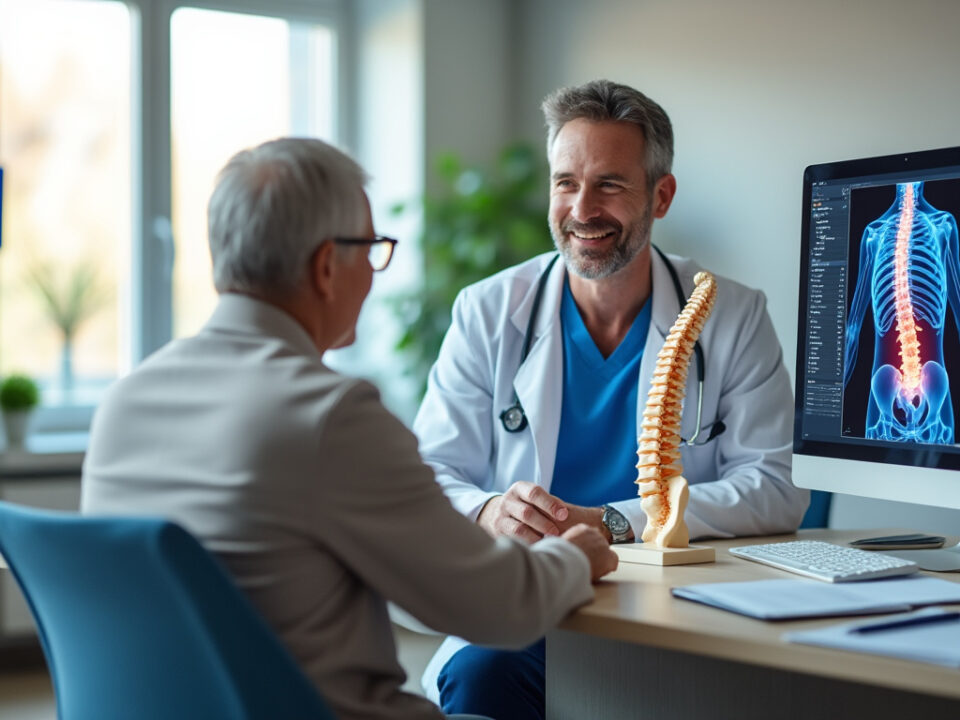
Imaging Exam Coordination: Insights and Experiences from Professionals
July 12, 2026
TOPS™ in Gatineau: Reduce Pain and Improve Lumbar Function
July 12, 2026
In the complex world of international healthcare, the orchestration of medical logistics and patient accommodation is paramount in delivering seamless and safe medical care. Today’s healthcare landscape demands not only cutting-edge clinical expertise but also meticulous coordination of supply chains, patient transport, and supportive hospital facilities—especially when catering to international patients seeking specialized treatments, such as those from Quebec or Canada traveling to France for spine surgery. Medical logistics encompasses the management of medical equipment, pharmaceuticals, and implants, with a stringent emphasis on quality and traceability, ensuring the integrity of medical products throughout their journey. Complementing this is the critical role of patient accommodation, providing an environment that promotes recovery and comfort outside the clinical setting.
Advancements in technology, including robotics, RFID tracking, and integrated software platforms, have revolutionized healthcare supply chains, fostering efficiency and accuracy in hospital operations. From optimizing inventory to coordinating transportation, these innovations minimize operational delays and reduce risks, contributing to patient safety. The interplay of these elements is particularly vital in procedures requiring specialized implants and dynamic surgical techniques, where every logistical detail influences outcomes.
The international patient journey reflects a sophisticated ecosystem where logistics planning goes beyond traditional distribution models. It integrates customized care pathways, personalized implant selection, and comprehensive patient support spanning pre-operative arrangements to post-operative rehabilitation. This synergy ensures that medical care delivery transcends borders without compromising quality or comfort. The following sections delve deeper into the various facets of medical logistics and accommodation, illustrating their indispensable roles in shaping modern healthcare services.
Medical Logistics: Coordinating Healthcare Supply Chain for Enhanced Patient Outcomes
Medical logistics serves as the backbone of efficient healthcare delivery, involving the meticulous management of pharmaceutical products, medical devices, and surgical implants across the healthcare supply chain. In hospitals and healthcare networks, this complex process requires not only securing the availability of essential medical equipment but ensuring their condition and regulatory compliance throughout transportation and storage.
The healthcare supply chain distinguishes itself from general logistics by incorporating strict controls tailored to medical products. These products often demand specialized handling such as cold chain management, secure tracking, and immediate availability, especially during surgeries that require timely access to specific implants. For instance, spine surgeries utilizing advanced dynamic implants like TOPS or Intraspine depend heavily on a flawless logistics process to maintain implant integrity and immediate availability in operating rooms.
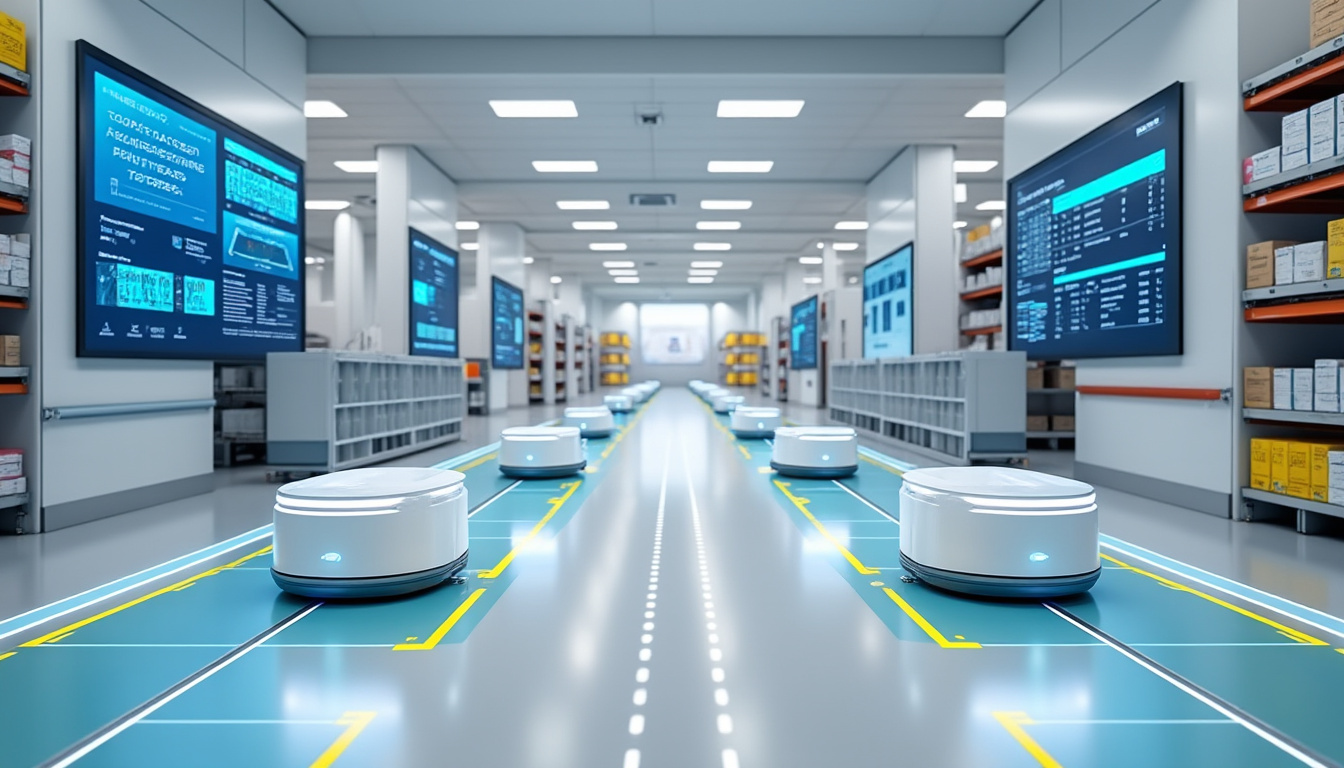
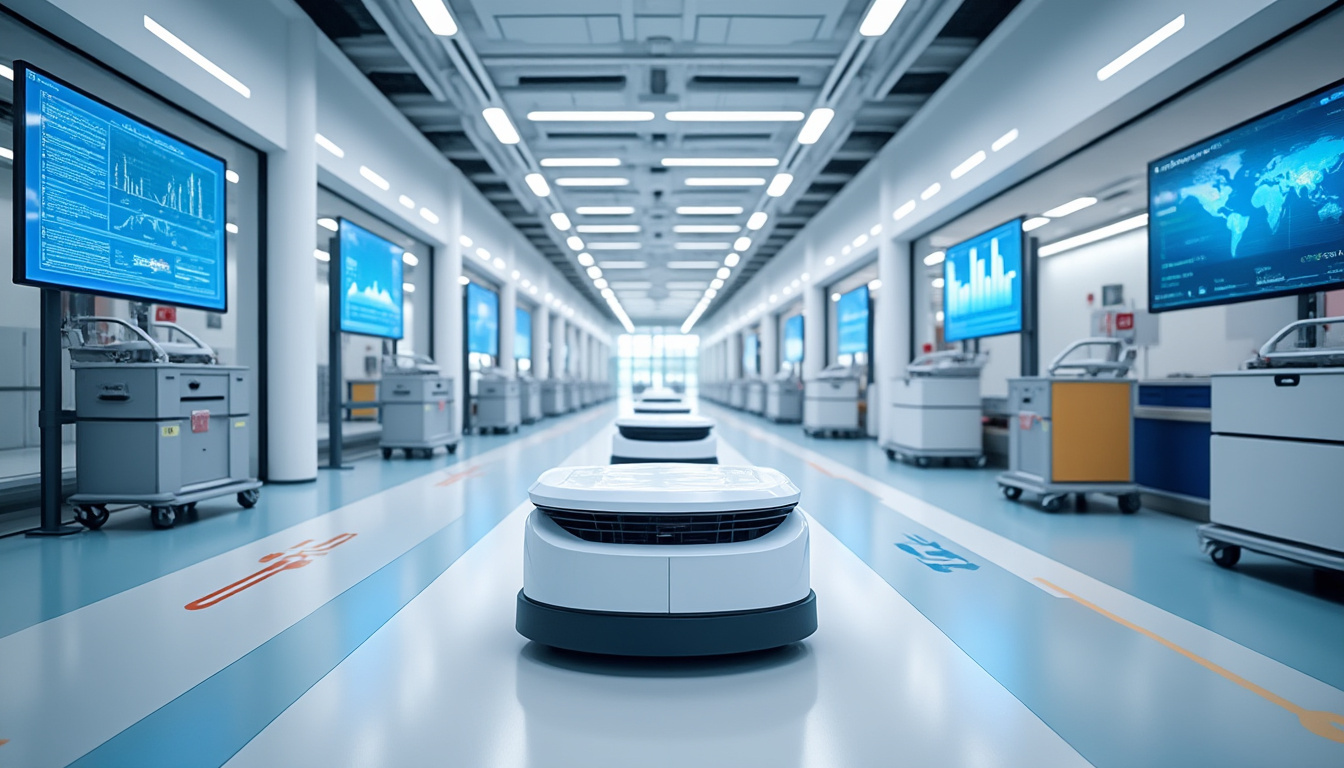
Hospitals now increasingly leverage sophisticated tools to enhance logistical coordination. Mobile robotics, such as those developed by DS AUTOMOTION, are deployed to transport medications and surgical tools securely within hospital corridors, minimizing human error and improving timely deliveries. RFID systems and centralized management software contribute to real-time stock monitoring and traceability, integrating seamlessly with hospital information systems. These innovations culminate in a healthcare supply chain that not only reduces operational delays but safeguards patient safety through stringent product tracking and compliance assurance.
A strategic approach to medical logistics offers considerable benefits. Not only does it expedite patient care by minimizing waiting times for critical resources, but it also reduces costs through data-driven inventory management and predictive analytics. Moreover, transparent supply chain practices enhance accountability, fostering trust between healthcare providers and patients.
For international patients, such as those from Quebec or Canada who seek care abroad, the assurance of an optimized healthcare supply chain becomes critical. Collaboration with international centers known for excellence in medical logistics allows patients to benefit from uninterrupted and quality care, where every implant and piece of equipment is accounted for and tailored to their surgical needs.

Effective Strategies for Preparing Medical Logistics and Accommodation
In the evolving landscape of healthcare, the preparation for medical logistics and accommodation remains a decisive factor that shapes patient outcomes and operational efficiency. Especially for intricate procedures like spinal surgery involving international patient movement, the intricate orchestration of resources,…
Patient Accommodation: Essential Elements for Comfort and Recovery in Medical Journeys
Beyond the operating room, patient accommodation plays a crucial role in the overall treatment experience, particularly for international medical travelers. Proper accommodation arrangements contribute substantially to patient comfort, compliance with medical instructions, and ultimately, recovery outcomes.
Medical accommodation for patients undergoing specialized procedures like spine surgery requires more than just lodging; it necessitates proximity to hospital facilities, tailored support services, and an environment conducive to rest and rehabilitation. Coordination teams arrange for accommodations near surgical centers, offering amenities supporting medical and nutritional needs while accommodating patients’ families.
An efficient accommodation strategy includes arranging transportation to and from the healthcare facility, meal planning that aligns with patient dietary requirements, and access to physiotherapy or rehabilitation services as part of post-operative care. These factors collectively influence patient satisfaction and the effectiveness of recovery.
For instance, the coordination provided by companies like Franchir ensures seamless transitions for patients from air travel to hospital admission and post-surgical follow-ups. Local partnerships with rehabilitation centers, such as Neurothérapie Montréal, facilitate ongoing care once patients return home, ensuring continuity of healing and reducing hospital readmission rates. This integrated approach highlights the critical importance of patient accommodation in the broader healthcare service framework.
Moreover, the psychological benefits of well-organized accommodation cannot be overstated. A comfortable and supportive environment helps to alleviate stress and anxiety, which are common during international medical journeys. Access to multilingual support staff, culturally sensitive services, and personalized care plans further enhance the patient’s experience and adherence to medical protocols.
Key Components of Effective Patient Accommodation
- Proximity to hospital facilities: Minimizing transit times reduces patient fatigue and facilitates rapid response in emergencies.
- Tailored nutrition plans: Aligning dietary options with post-operative requirements accelerates healing.
- Transportation support: Reliable patient transport, including medical transfer if necessary, ensures safety and punctuality.
- Rehabilitation access: Early and continuous physiotherapy is essential for functional recovery.
- Emotional and linguistic support: Offering comprehensive communication and psychological services enhances patient well-being.
Through such comprehensive accommodation planning, healthcare providers create an environment where patients can focus wholly on recovery, free from logistical concerns. These elements are particularly instrumental for those navigating medical pathways across international borders.

Understanding Back Surgery Eligibility: A Guide for Patients in Quebec
Back pain remains a significant health challenge in Quebec, affecting a wide range of adults and often leading to diminished quality of life. For many facing chronic spinal discomfort, determining eligibility for back surgery presents a complex yet crucial step…
Advanced Medical Equipment Management: Safeguarding Quality in Healthcare Operations
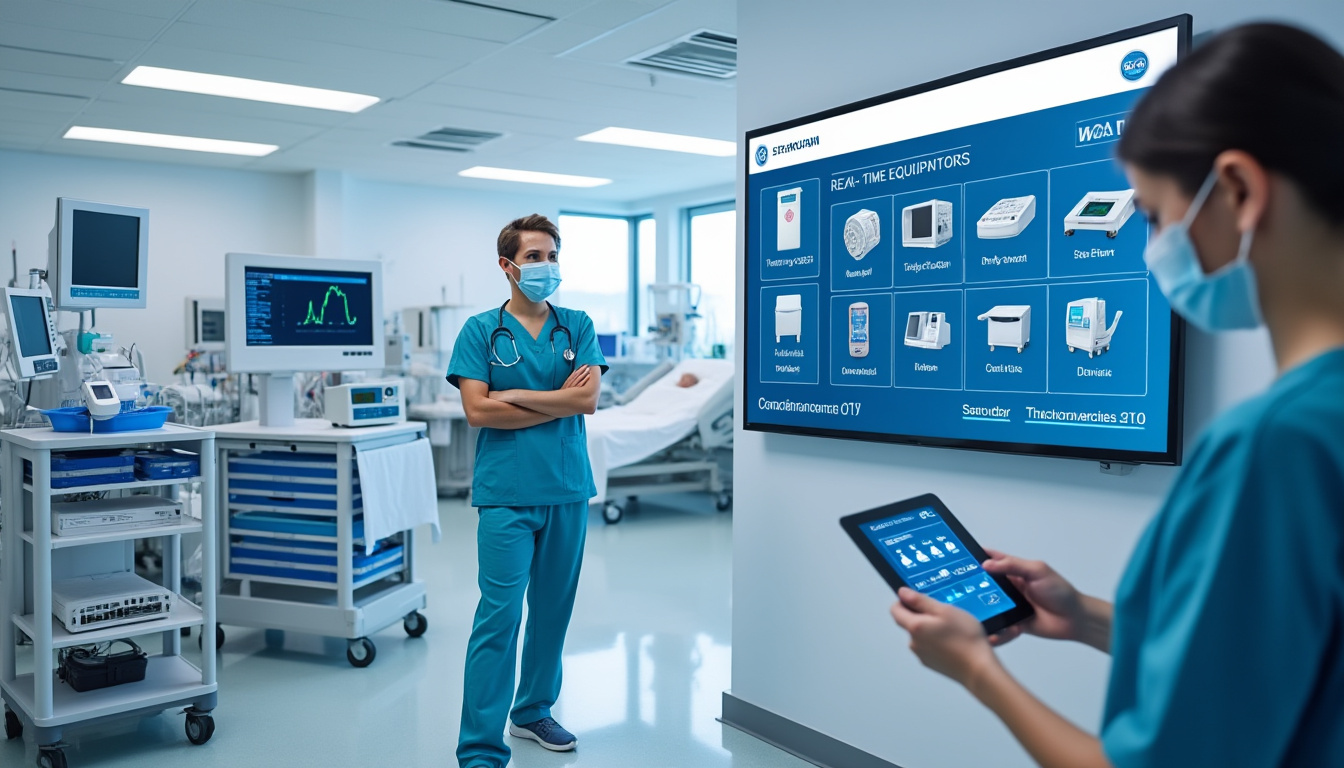
Effective medical equipment management is a cornerstone of high-quality healthcare operations. It envelops the entire lifecycle of devices, from procurement, storage, maintenance, to deployment in clinical settings. This discipline ensures that sensitive medical devices and implants meet performance and safety criteria while remaining fully traceable and compliant with regulatory standards.
In spine surgery, for example, implants require rigorous handling due to their direct impact on patient mobility and health. Dynamic implants, favored over traditional fusion devices, necessitate precise logistic coordination to preserve their structural and functional integrity. The therapeutic benefits rely heavily on seamless medical logistics to prevent delays, maintain sterility, and ensure accurate implantation.
The utilization of integrated management systems like Copilote by Maincare provides centralized oversight of medical equipment stocks, highlighting expiration dates, batch numbers, and sterilization statuses. This transparency prevents surgical postponements caused by missing or compromised items. Furthermore, forecasting software anticipates inventory needs based on surgical schedules and historical consumption, enabling just-in-time deliveries that optimize resource allocation.
Medical equipment management also involves stringent compliance with international standards, such as those enforced within the European Union and Canada. Consistent documentation and adherence to protocols deliver an audit trail that safeguards patient safety and institutional accountability. These standards become even more critical in cross-border healthcare scenarios, where multiple regulatory environments intersect.
Recent developments in this field include the integration of IoT-enabled sensors within medical devices, offering real-time condition monitoring during storage and transit. Such connected devices empower healthcare teams to react swiftly to anomalies, such as temperature deviations or mechanical stresses, thus preserving device efficacy and patient safety.
Healthcare organizations adopting these practices experience fewer complications, higher procedural success rates, and cost savings through reduced wastage. Consequently, effective medical equipment management is fundamental to superior healthcare delivery and patient trust.

Can Rehabilitation and Return to Work Help Avoid Surgery?
In recent years, the escalating costs and risks associated with spinal surgeries have fueled a growing interest in rehabilitation and workplace reintegration as viable alternatives to surgical intervention. More patients with spinal pathologies are exploring whether specialized rehabilitation pathways combined…
Streamlining Patient Transport: Enhancing Continuity in Healthcare Services
Patient transport is an integral part of healthcare operations, ensuring that patients move safely and efficiently across different stages of their medical journey. From arrival at airports to intra-hospital transfers and post-operative transportation to accommodation or rehabilitation centers, seamless transport coordination prevents delays that could compromise treatment quality.
Medical transport services are distinguished by their need to accommodate special requirements, such as mobility assistance, medical supervision, and adherence to infection control protocols. For patients undergoing complex surgeries like spinal procedures, transport planning anticipates the need for minimal physical stress and ensures rapid response availability for complications.
International patients require particular attention, with transfer plans coordinated across different countries and healthcare systems. Companies specializing in medical tourism logistics facilitate these transfers, arranging charter flights, medical evacuation if necessary, and ground transport tailored to individual care plans. Specialized vehicles equipped with life-support equipment and staffed by trained medical personnel form part of this sophisticated transport network.
The impact of technological advancements in patient transport includes GPS tracking for real-time monitoring, communication systems linking transport providers with healthcare teams, and scheduling software that aligns transit times with clinical appointments. These tools enhance transparency and patient confidence, making the complex international treatment pathways more navigable.
Efficient patient transport reduces the risk of treatment delays, enhances patient comfort, and optimizes hospital resource utilization. It also forms a bridge between medical logistics and accommodation services, ensuring continuous and integrated patient care throughout their healthcare journey.

Comprehensive Guide to the Transatlantic Patient Journey
In recent years, the evolution of healthcare has transcended borders, fostering a dynamic landscape where patients increasingly seek medical services internationally to overcome local limitations. The transatlantic patient journey has emerged as a pivotal pathway, particularly between Canada and France,…
Integrating Logistics Planning and Healthcare Supply Chain in Hospital Facilities
Logistics planning within healthcare institutions is a multifaceted challenge involving coordination of medical supplies, staff, equipment, and patient flow throughout hospital facilities. Optimized planning strengthens healthcare delivery by minimizing bottlenecks, lowering costs, and enhancing patient outcomes.
Hospitals employ advanced warehouse management systems (WMS) and software solutions capable of real-time tracking, inventory forecasting, and automated replenishment. These systems also facilitate compliance with regulatory frameworks governing pharmaceutical and medical device management. For example, platforms like Copilote enable centralized control over complicated supply chains, synchronizing operations from receipt of shipments to distribution within different hospital units.
The design and configuration of hospital facilities also affect logistics efficiency. Incorporating dedicated corridors for autonomous robotic transport and strategically located storage areas reduces transit times and staff workload. Such infrastructure supports not only smooth healthcare operations but also patient safety by preventing cross-contamination and ensuring the sterile handling of medical equipment.
Integration of data analytics and AI tools offers predictive insights enabling hospitals to anticipate supply needs and adapt operations dynamically. This agility proves vital in handling unexpected surges in patient volume or supply chain disruptions. For healthcare providers dealing with international patients, logistics planning serves to harmonize cross-border supply processes, aligning them with clinical schedules and patient accommodation requirements for a cohesive care experience.
Essential steps in hospital logistics planning include:
- Mapping supply chain pathways: Identifying all critical nodes from suppliers to end-users to prevent supply gaps.
- Implementing real-time inventory tracking: Ensuring the availability of essential items within hospital departments.
- Coordinating interdisciplinary teams: Aligning procurement, clinical, and administrative units to streamline operations.
- Incorporating technology-driven automation: Utilizing robotics and software to reduce manual handling and improve accuracy.
- Continuous quality evaluation: Monitoring logistics KPIs to identify areas for improvement and maintain high standards.
This holistic approach to logistics planning empowers hospital facilities to respond efficiently to the complex demands of modern healthcare, particularly in managing diverse patient needs under international care frameworks.

Effective Preparation for Patient Recovery Testimonials: A Comprehensive Guide
Patient recovery testimonials represent a vital component in the healthcare landscape, serving as both a reflective window into the patient experience and a transformative tool for enhancing the recovery process. As healthcare professionals increasingly prioritize patient-centered care, these personal stories…
Personalized Medical Logistics and Accommodation for International Spine Surgery Patients
Patients traveling internationally for spine surgery require personalized management of their logistics and accommodation to achieve optimal outcomes. For instance, patients from Quebec and Canada seeking advanced medical treatments in France benefit from a coordinated approach that incorporates implant selection, surgical scheduling, and lodging arrangements.
Esteemed specialists with profound expertise, such as the coordinators working in partnership with centers in Toulouse, Le Mans, and Bordeaux, tailor medical and accommodation logistics to the patient’s clinical profile and lifestyle preferences. This personalization enhances patient safety and comfort, reducing anxiety and facilitating recovery.
Implant selection further exemplifies this customization, favoring dynamic devices that preserve spinal mobility while ensuring stability. The logistical chain guarantees that these specific implants, such as TOPS or B-DYN, are available and fully traceable upon patient admission, reflecting a commitment to evidence-based practices and patient-centric care. Post-operative follow-up is similarly individualized, involving seamless coordination with rehabilitation services back in the patient’s home country.
This model of integrated medical logistics and accommodation exemplifies how international healthcare journeys can be optimized for efficiency, quality, and positive patient experiences. It underscores the fundamental relationship between careful logistics planning and successful clinical outcomes in complex surgical disciplines.
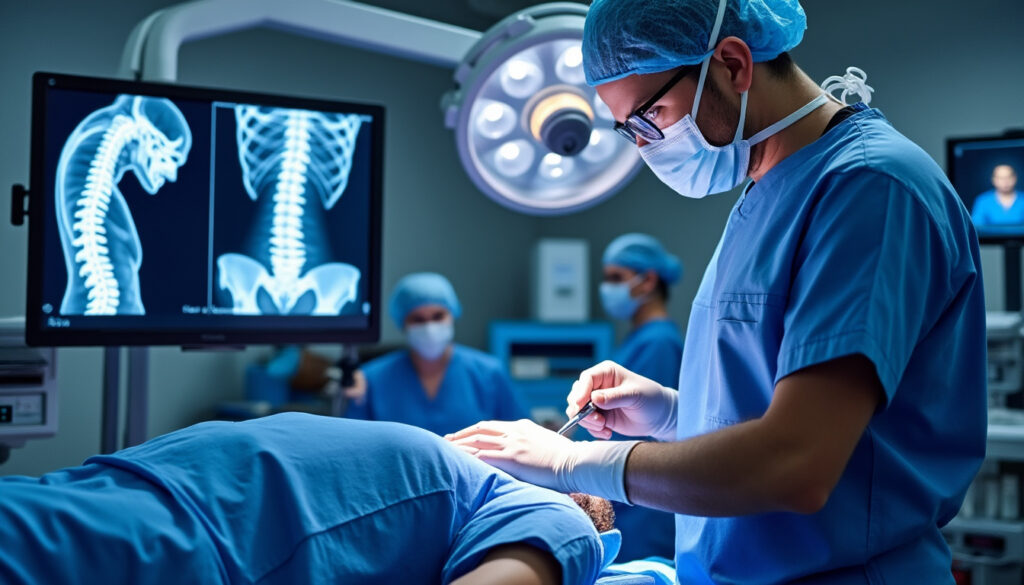
Why Experts Advocate for Simple Surgery, Fusion, and Motion Preservation
Chronic back and neck pain represent a significant challenge to modern healthcare, propelling advancements in surgical methods that strive to balance efficacy with quality of life. Among these, simple surgery, spinal fusion, and motion preservation techniques have emerged as pillars…
Technology Innovations Driving Future Medical Logistics and Accommodation
The evolution of medical logistics and accommodation is profoundly influenced by emerging technologies aiming to enhance healthcare efficiency and patient experiences. Robotics, AI-powered analytics, IoT tracking, and blockchain for secure data management form the core of this transformation.
Robotic systems that autonomously transport medical supplies within hospital complexes reduce human labor demands and enhance the precision of deliveries. Concurrently, AI algorithms analyze vast datasets to forecast inventory needs, optimize routing of supplies, and predict maintenance requirements—drastically minimizing errors and resource bottlenecks.
IoT devices embedded in medical equipment offer continuous monitoring during storage and transport, providing alerts for deviations that could compromise product quality. Blockchain technology is gaining traction in maintaining immutable, verifiable records of medical supply chains, elevating trust and regulatory compliance across international boundaries.
Accommodation services benefit from digital health platforms that coordinate patient preferences, medical schedules, and support services through a single interface. Telemedicine integration permits remote monitoring and consultation, bolstering post-discharge care continuity, even across continents.
Collectively, these advances are creating a responsive, transparent, and patient-focused ecosystem. They represent a significant step forward in overcoming traditional logistical challenges and fostering international collaboration in healthcare delivery.
Core Technologies in Modern Medical Logistics and Accommodation
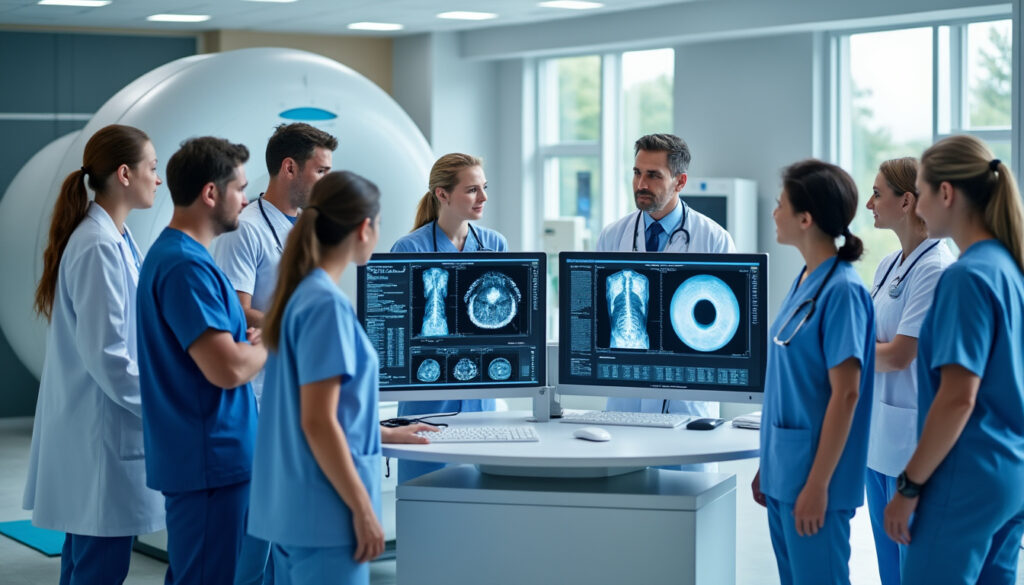
Imaging Exam Coordination: Insights and Experiences from Professionals
Imaging exam coordination stands as a critical intersect within the healthcare delivery system, especially in specialties relying heavily on diagnostic precision such as spinal surgery. The meticulous orchestration of patient scheduling, the technical quality of medical imaging, and the streamlined…
Regulatory and Compliance Challenges in Medical Logistics and Healthcare Services
Operating within the tightly regulated realm of healthcare, medical logistics must navigate complex compliance requirements to ensure patient safety and product integrity. These include stringent regulations related to storage conditions, transport security, implant traceability, and waste management.
International healthcare delivery adds further complexity as institutions reconcile different national standards and certification processes. Hospitals managing cross-border patient flows must align their logistics operations with the regulatory frameworks of each involved jurisdiction. For example, European Union directives on medical device traceability and Canadian healthcare standards create a dual system of compliance that demands rigorous management.
Patient accommodation similarly faces regulations governing safety, privacy, and care standards, especially when services provide integrated rehabilitation or nursing support. Compliance frameworks often require detailed documentation and audit capabilities to maintain accreditation and public trust.
Healthcare providers increasingly rely on digital compliance management tools that automate record-keeping, generate real-time reports, and support continuous quality assurance. This automation improves responsiveness to audits and helps mitigate risks associated with non-compliance.
The intersection of regulation and logistics underscores the need for dedicated expertise and robust systems to maintain seamless healthcare operations. Mastery of this domain is critical in sustaining high-quality international treatment programs and safeguarding patient outcomes.

Can Surgery Be Avoided? Exploring the Role of Franchir in Patient Care
In modern healthcare, especially within the complex domain of spinal treatment, the drive to avoid surgery whenever possible has become a prominent focus. Prolonged waiting times, particularly in countries like Canada, coupled with the chronic pain endured by patients, have…
Table: Comparing Key Benefits of Medical Logistics and Accommodation Components
| Component | Primary Benefit | Impact on Patient Care |
|---|---|---|
| Medical Logistics | Timely availability of equipment and medication | Reduces surgical delays; enhances safety |
| Patient Accommodation | Comfort and supportive recovery environment | Boosts healing and patient satisfaction |
| Medical Equipment Management | Ensured sterility and traceability of devices | Minimizes complications; guarantees compliance |
| Patient Transport | Safe and efficient patient movement | Improves continuity of care and reduces stress |
| Logistics Planning | Optimized resource utilization | Enhances operational efficiency and care quality |
Understanding the multifaceted benefits of these interconnected components is essential for healthcare providers to construct patient care pathways that are reliable, flexible, and patient-centered.
{“@context”:”https://schema.org”,”@type”:”FAQPage”,”mainEntity”:[{“@type”:”Question”,”name”:”What are the advantages of automated stock management in hospitals?”,”acceptedAnswer”:{“@type”:”Answer”,”text”:”Automated stock management ensures real-time availability of implants and medications, reduces human errors, optimizes costs, and improves traceability, an essential factor for patient safety in spine surgery.”}},{“@type”:”Question”,”name”:”How is the stay of a Canadian patient in France organized for spine surgery?”,”acceptedAnswer”:{“@type”:”Answer”,”text”:”The stay is fully coordinated by Franchir, which arranges the most suitable surgeon, flight reservations, accommodation near healthcare facilities, and post-operative follow-up through Neurothu00e9rapie Montru00e9al.”}},{“@type”:”Question”,”name”:”Why choose dynamic implants like TOPS over traditional spinal fusion?”,”acceptedAnswer”:{“@type”:”Answer”,”text”:”Dynamic implants such as TOPS and Intraspine preserve the natural mobility of the spine, reducing complications related to fusion surgery, and enhancing post-operative quality of life.”}},{“@type”:”Question”,”name”:”What are the main challenges of medical logistics in hospital settings?”,”acceptedAnswer”:{“@type”:”Answer”,”text”:”Key challenges include secure storage and transport of equipment, complete traceability of implantable devices, managing flows to avoid delays and shortages, and integrating digital solutions to optimize overall performance.”}}]}What are the advantages of automated stock management in hospitals?
Automated stock management ensures real-time availability of implants and medications, reduces human errors, optimizes costs, and improves traceability, an essential factor for patient safety in spine surgery.
How is the stay of a Canadian patient in France organized for spine surgery?
The stay is fully coordinated by Franchir, which arranges the most suitable surgeon, flight reservations, accommodation near healthcare facilities, and post-operative follow-up through Neurothérapie Montréal.
Why choose dynamic implants like TOPS over traditional spinal fusion?
Dynamic implants such as TOPS and Intraspine preserve the natural mobility of the spine, reducing complications related to fusion surgery, and enhancing post-operative quality of life.
What are the main challenges of medical logistics in hospital settings?
Key challenges include secure storage and transport of equipment, complete traceability of implantable devices, managing flows to avoid delays and shortages, and integrating digital solutions to optimize overall performance.