
Motion Surgery in Lévis: Maintain Intervertebral Function
October 26, 2025
IntraSPINE® in Laval: Preserve Natural Lordosis and Mobility
October 26, 2025
In the evolving landscape of spinal care, lumbar disc prosthesis has emerged as a noteworthy solution addressing chronic lower back conditions that impair mobility and quality of life. The city of Montreal, known for its advanced medical practices, offers innovative surgical options that aim not only to alleviate pain but also to preserve the natural functionality of the spine. Patients with degenerative disc disease, herniated discs, or spinal segment instability now have access to modern interventions that prioritize biomechanical integrity and patient-centered care. This article delves into the multifaceted approach towards lumbar disc prosthesis available in Montreal, highlighting the surgical types, patient pathways, international coordination, and the innovations shaping outcomes for those seeking reliable relief.
With more than three decades of expertise guiding patient evaluation and management, Dr. Sylvain Desforges stands out as a pioneer in spine care, dedicated to integrating scientific rigor and ethical standards. His role in coordinating transatlantic treatment options enhances patients’ access to cutting-edge therapies unavailable or delayed within local systems. As healthcare moves towards more personalized and technology-driven solutions, Montreal exemplifies this transformation, offering comprehensive pathways from initial assessment through recovery. Understanding these elements enables patients to make confident, informed decisions regarding lumbar disc prosthesis and its role in restoring back health.
Understanding Lumbar Disc Prosthesis: Types and Surgical Techniques in Montreal
Lumbar disc prosthesis involves replacing damaged intervertebral discs within the lower back with artificial implants that mimic natural disc function. This approach differs significantly from traditional spinal fusion, which eliminates motion between vertebrae, often leading to adjacent segment degeneration over time. Montreal hospitals and clinics provide access to various prosthetic devices such as the ProDisc, Mobi-C, and ActivL, which have distinct design features tailored to patient-specific anatomical and pathological needs.
The main surgical techniques for lumbar disc replacement available include:
- Simple disc replacement – where a single-level prosthesis substitutes the affected disc, ideal for localized degenerative changes.
- Multi-level disc replacement – suitable for patients with extensive degeneration across multiple spinal levels, this approach offers an alternative to multilevel fusion solutions.
- Motion-preserving surgery – focusing on maintaining spinal segment mobility, this technique utilizes implants like the ActivL that mimic natural disc cushion and flexibility.
Each procedure is personalized through rigorous evaluation, including imaging, biomechanical assessments, and patient lifestyle considerations, to deliver functional restoration while minimizing complications.
| Type of Surgery | Common Prosthesis | Benefits | Considerations |
|---|---|---|---|
| Simple Disc Replacement | ProDisc, Mobi-C | Preserves segmental motion, reduces adjacent segment stress | Suitable for single-level degeneration, requires precise surgical indication |
| Multi-level Disc Replacement | ActivL, ProDisc | Restores mobility over several segments, avoids extensive fusion drawbacks | Complex surgery, requires specialized expertise |
| Motion-Preserving Surgery | Prestige LP, Centinel Spine | Maintains natural spinal kinematics, reduces mechanical overload | Advanced implant design, careful patient selection essential |
Montreal’s advanced surgical centers emphasize not only state-of-the-art implants but also incorporate the latest tools from leading providers like Medtronic, Zimmer Biomet, and NuVasive to optimize precision and recovery.


IntraSPINE® in Sherbrooke: Durable Solution for Chronic Low Back Pain
The management of chronic low back pain, a widespread condition affecting millions across Quebec and beyond, has reached a pivotal moment thanks to innovative medical technologies and coordinated care pathways. At the heart of this evolution lies the IntraSPINE implant,…
Comprehensive Patient Journey: From Evaluation to Postoperative Care
Patients contemplating lumbar disc prosthesis embark on a carefully coordinated journey designed to maximize safety, effectiveness, and patient empowerment. Under the guidance of experts such as Dr. Desforges, this pathway integrates thorough diagnostic assessment, patient education, and multidisciplinary collaboration.
The typical stages include:
- Initial Evaluation and Diagnostics: Detailed clinical examination, MRI and CT scans, and biomechanical assessments ensure accurate understanding of disc pathology and patient suitability for prosthesis. This phase is essential to differentiate between candidates for conservative management and those requiring surgery.
- Conservative Treatment Phase: Spanning usually 3 to 6 months, this step often involves physiotherapy, medication, and notably advanced non-surgical therapies such as neurovertebral decompression offered at specialized clinics like Clinique TAGMED. This period aims to relieve symptoms and restore function without surgical intervention.
- Decision-Making and Surgical Planning: If conservative options fail and the patient remains symptomatic, a personalized surgical plan is developed, taking into account implant choices, surgical approach, and expected outcomes.
- Coordination of Surgical Care: Montreal facilitates access to leading surgical teams equipped with the latest technologies. For some patients, this may involve transatlantic collaboration, optimizing wait times and surgical options.
- Postoperative Rehabilitation: Post-surgical care focuses on restoring mobility and function using targeted physical therapy programs and ongoing evaluation to ensure recovery progresses smoothly.
- Long-Term Follow-Up and Support: Regular check-ups support implant function monitoring and early detection of potential issues, reinforcing long-term spine health and patient quality of life.
| Stage | Description | Patient Actions | Provider Role |
|---|---|---|---|
| Initial Evaluation | Assessment of symptoms and diagnostics to confirm candidacy | Undergo imaging and consultation | Perform thorough evaluation and risk assessment |
| Conservative Treatment | Non-surgical management including neurovertebral decompression | Commit to treatment plan at clinics like TAGMED | Provide evidence-based therapies and monitor progress |
| Surgical Planning | Development of individualized surgical approach | Ask questions and consent to procedure | Design personalized treatment plan with patient |
| Surgery Coordination | Scheduling and performing lumbar disc prosthesis | Prepare for surgery and preoperative instructions | Coordinate techniques and logistics for optimal results |
| Rehabilitation | Postoperative mobility restoration | Attend physical therapy sessions | Guide rehabilitation and monitor recovery |
| Follow-Up | Long-term implant monitoring | Participate in regular check-ups | Support patient and address complications if any |
This structured and transparent approach is built upon comprehensive communication and respect for patient autonomy, empowering individuals to understand each phase and actively participate in decisions.

Spine Surgery in Trois-Rivières: Reduce Pain and Preserve Mobility
In recent years, spine surgery in Trois-Rivières has evolved notably, combining advanced medical expertise with innovative technologies to deliver patient-centered care. This growing field addresses the increasing demand among Quebec residents seeking effective solutions for chronic back pain and mobility…
Advantages of Transatlantic Coordination: Enhancing Patient Outcomes and Access
Increasingly, patients with complex lumbar spine conditions consider international options to overcome barriers in local healthcare systems, such as long wait times or limited access to advanced surgical techniques. Montreal’s expertise connects with renowned French surgical centers, creating a seamless transatlantic network that benefits patients both medically and logistically.
Key advantages of this collaborative approach include:
- Optimized Surgical Access: Reduced delays in scheduling surgeries and access to specialized implants or technologies not yet widely available locally improve outcomes.
- Customized Treatment Plans: Combined expertise from Canadian and French specialists ensures highly individualized care reflecting the latest research and clinical innovations.
- Economic Benefits: Coordinated packages limit excess costs, making advanced care more affordable compared to entirely private local treatments.
- Enhanced Recovery Support: Patients receive continuous follow-up from teams in both countries, ensuring comprehensive rehabilitation support and monitoring.
- Psychological Reassurance: Transparent communication and shared decision-making reduce anxiety related to complex surgeries performed far from home.
| Benefit | Description | Impact on Patient Experience |
|---|---|---|
| Access to Innovation | Utilization of implants like Prestige LP and Centinel Spine not common in Canada | Improved surgical outcomes and spine mobility preservation |
| Reduced Wait Times | Scheduling across networked centers for timely care | Shorter pain duration, faster return to daily activities |
| Cost Efficiency | Bundled services with transparency and coordination | Greater affordability for disruptive spine interventions |
| Continuous Care | Postoperative follow-up by multidisciplinary teams | Enhanced satisfaction and recovery adherence |
| Patient-Centered Approach | Clear communication and shared decision-making | Reduced stress and improved trust in care pathway |
Such cooperation reflects a commitment to ethical, evidence-based, and innovative spine care. Patients benefit from seamless coordination that respects Canadian regulatory requirements while leveraging global expertise.


Cervical Disc Prosthesis in Quebec City: Avoid Post-Surgery Stiffness
Chronic neck pain remains a significant challenge for thousands of residents in Quebec City every year, often leading them to seek effective spinal surgery options that minimize downtime and maximize long-term mobility. Among the recent advancements revolutionizing cervical spine care,…
The Importance of Conservative Management Before Surgery: A Critical Step
The decision to undergo lumbar disc prosthesis surgery should never be taken lightly. Leading experts, including Dr. Desforges, emphasize that patients must first complete 3 to 6 months of thorough conservative treatment before considering surgical intervention. This approach aligns with best practices advocated by organizations such as the Mont-Royal Spine Surgery Clinic and is integral for several reasons:
- Reducing Surgical Necessity: Many patients experience substantial improvement with advanced non-surgical therapies, including neurovertebral decompression techniques pioneered in Montreal clinics like TAGMED.
- Improving Surgical Outcomes: Optimizing spinal conditions before surgery reduces complications and promotes better recovery trajectories.
- Patient Education: Experiencing conservative care allows patients to better understand their condition and set realistic expectations for surgery.
- Cost-Effectiveness: Avoiding unnecessary surgery saves resources and reduces healthcare system burdens.
If conservative treatment has not included modalities like neurovertebral decompression, it is strongly recommended to pursue such options before surgery is contemplated. This ensures that all less invasive therapies have been adequately explored and measured.
| Conservative Treatment Components | Purpose | Expected Benefits |
|---|---|---|
| Physiotherapy and Manual Therapy | Improve mobility, reduce pain | Increased function and symptom relief |
| Neurovertebral Decompression | Non-invasive spinal decompression technique | Reduction of nerve compression and inflammation |
| Pharmacological Treatment | Manage pain and inflammation | Improved daily comfort and activity levels |
| Patient Education and Lifestyle Modifications | Empower self-care and prevention | Long-term spine health preservation |
Demonstrating commitment to conservative care reflects a patient-focused and evidence-based mindset before invasive options are introduced.
Minimally Invasive Surgery in Longueuil: Reduce Hospital Stay Duration
In recent years, advances in spinal care have dramatically reshaped the treatment landscape for patients suffering from debilitating spinal conditions. Particularly in Longueuil, the emergence of minimally invasive surgery (MIS) techniques offers a transformative alternative to conventional open surgeries. These…
Exploring Biomechanical and Economic Benefits of Disc Prosthesis in Montreal
Artificial lumbar disc replacement offers mechanical advantages that traditional fusion fails to deliver. From a biomechanical perspective, maintaining physiological motion at the treated segment reduces stress transfer to adjacent spinal levels, minimizing risks of subsequent degeneration. Implants such as Zimmer Biomet and SYNTHES Spine designs illustrate progress in replicating natural disc function.
Economic considerations also favor disc prosthesis. While initially more costly due to advanced technology and surgical expertise, the overall benefits often include:
- Lower long-term healthcare expenses due to decreased need for revision surgeries and secondary procedures.
- Faster return to work and daily activities allows patients to restore productivity and reduce disability claims.
- Reduced use of pain medications contributes to cost savings and fewer side effects.
| Benefit Area | Disc Prosthesis | Spinal Fusion |
|---|---|---|
| Motion Preservation | Maintains natural spinal biomechanics | Eliminates motion, increasing adjacent segment strain |
| Recovery Time | Shorter, with less disability | Longer hospitalization and rehab |
| Long-Term Outcomes | Lower incidence of adjacent segment disease | Higher rate of secondary degeneration |
The integration of high-technology implants and surgical skill in Montreal ensures that patients benefit from solutions combining function and sustainability.
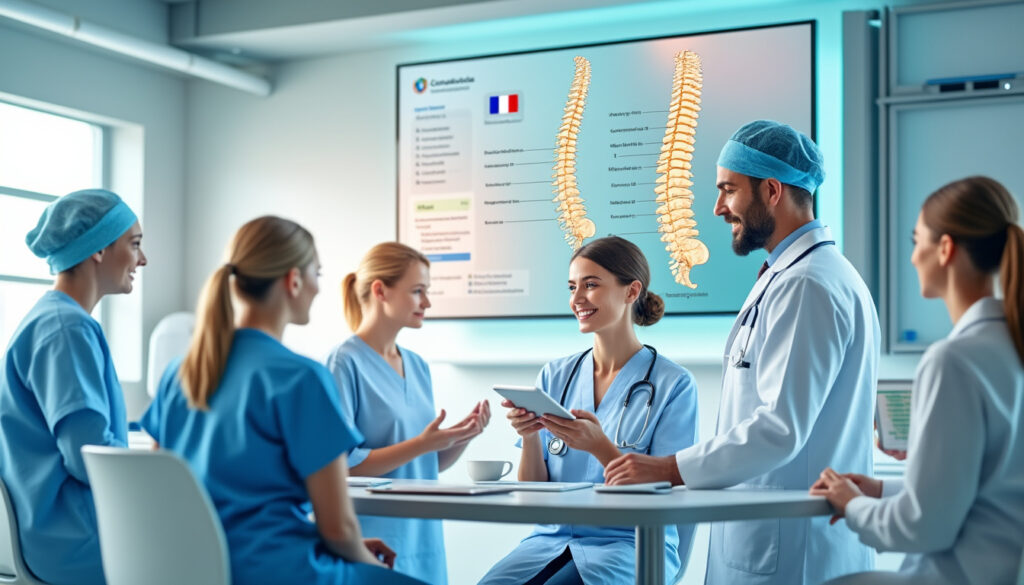
IntraSPINE® in Laval: Modern Solution for Lumbar Stabilization
In the evolving landscape of orthopedic treatments, the city of Laval has become a hub for innovations addressing chronic lower back pain. Among the groundbreaking solutions gaining attention is the IntraSPINE device—a modern spinal implant designed to offer dynamic lumbar…
Patient-Centered Innovation and Ethical Commitment in Lumbar Care
Dr. Desforges’ approach to spine care embodies a commitment to scientific rigor, ethical standards, and patient education. By prioritizing evidence-based medicine and safety, the evaluation and surgical facilitation process align with provincial and national regulatory frameworks, including the Quebec Collège des médecins.
Innovation in surgical implants is matched by the use of targeted technologies such as laser-assisted surgery and minimally invasive decompression techniques that shorten recovery times and reduce risks. Patients receive clear, jargon-free explanations of their options, benefits, and limitations, allowing empowered decision-making.
- Transparent communication: enabling patients to grasp complex procedures with confidence.
- Ethical oversight: ensuring therapies comply with Canadian medical standards.
- Holistic care: considering psychological and physical dimensions of recovery.
| Principle | Implementation | Outcome |
|---|---|---|
| Scientific Rigor | Evidence-based patient evaluation and procedure selection | Optimal surgical outcomes and safety |
| Patient Education | Clear explanation of techniques and expectations | Increased patient satisfaction and adherence |
| Ethical Compliance | Alignment with Quebec and Canadian medical regulations | Trusted care delivery with minimized risks |
This dedication fosters a trusting environment where patients feel supported throughout their spinal care journey.
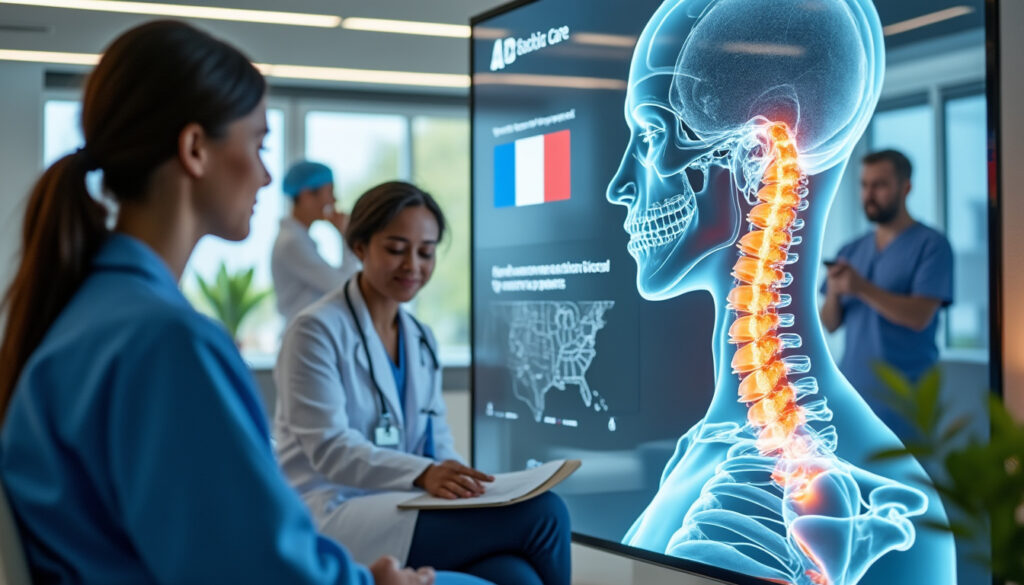
Neck Surgery in Montreal: Maintain Cervical Flexibility and Function
Neck conditions causing persistent pain or functional loss place a substantial burden on individuals and healthcare systems, especially in urban centers like Montreal. Surgical interventions targeting the cervical spine have evolved tremendously, aiming not only to relieve symptoms but to…
Specialized Services and Value Proposition of Montreal’s Spine Care Facilities
Montreal’s clinics differentiate themselves by combining advanced implant options, a multidisciplinary expert team, and access to rehabilitation resources seldom found within standard Canadian offerings. Facilities such as the renowned Neurothérapie Montréal integrate dynamic implants and cutting-edge technology to provide personalized care tailored to patient-specific anatomy and lifestyle requirements.
Highlights of Montreal’s specialized services include:
- Access to innovative implants: including Prestige LP and devices from Centinel Spine, offering improved spinal motion preservation.
- Comprehensive pre- and post-operative care: ensuring seamless transitions and continuous monitoring.
- Collaborative medical teams: featuring surgeons, osteopaths, physiotherapists, and pain specialists.
- Integration with international platforms: such as SOS Tourisme Médical for optimized patient journeys.
| Service Feature | Description | Patient Impact |
|---|---|---|
| Implant Innovation | Selection of advanced dynamic prostheses | Better mobility preservation and pain relief |
| Multidisciplinary Team | Collaboration across medical specialties | Holistic evaluation and treatment |
| Comprehensive Care | Continuity from evaluation to recovery | Enhanced patient experience and outcomes |
| International Coordination | Seamless care across Canada and Europe | Accessible world-class treatment options |
By ensuring a continuum of care and tailoring solutions to each individual, Montreal’s lumbar disc prosthesis services stand out for their unparalleled patient focus.

Disc Prosthesis in Lévis: Quick and Long-Lasting Results
Chronic back pain caused by degenerative disc disease continues to profoundly impact the quality of life for many residents in Lévis and the broader Quebec area. For decades, traditional spinal fusion surgery has been the primary solution for alleviating severe…
Biographical Note on Dr. Sylvain Desforges: Pioneer in Spine Evaluation and Care Coordination
With over 30 years of practice rooted in scientific accuracy and innovation, Dr. Sylvain Desforges holds multiple qualifications including a Bachelor of Science (B.Sc.), Doctor of Osteopathy (D.O.), and Naturopathic Doctor (N.D.). As founder and president of the Association Canadienne des Médecins Ostéopathes (ACMA), the Collège des Ostéopathes Canadiens, and TAGMED, his influence spans clinical, educational, and technological domains.
Dr. Desforges’ expertise is distinguished by:
- Rigorous evaluation of spinal pathologies to determine patient suitability for varied therapies.
- Advocacy for evidence-based and ethical practices that align with Canadian health regulations.
- Coordination of transatlantic patient pathways from Canada to France for access to advanced surgical interventions.
- Commitment to clear, jargon-free patient education that clarifies treatment options and expectations.
- Integration of innovative techniques including neurovertebral decompression and dynamic implants.
| Role | Contribution | Impact |
|---|---|---|
| Founder, ACMA & Collège des Ostéopathes Canadiens | Establishing professional standards and education | Improved osteopathic practice and spine evaluation |
| President, TAGMED | Innovation in neurovertebral decompression therapies | Enhanced non-surgical treatment options in Quebec |
| International Care Coordinator | Facilitates Canada-France patient pathways for surgery | Optimized access and personalized treatment experience |

Motion Surgery in Terrebonne: Maintain Intervertebral Mobility
Back pain remains a widespread concern for many in Quebec, with traditional treatment pathways often imposing lengthy waiting periods and financial constraints. Recently, Motion Surgery in Terrebonne has emerged as a transformative option, attracting patients seeking spinal solutions that prioritize…
Making Informed Decisions: Encouraging Patient Engagement and Action
Empowering patients through knowledge and accessible dialogue is essential to successful lumbar disc prosthesis outcomes. Dr. Desforges encourages individuals to actively engage by:
- Asking questions about each stage of care and technology used.
- Understanding conservative treatment importance before opting for surgery.
- Exploring international options when local systems impose barriers.
- Consulting multidisciplinary teams to clarify prognosis and anticipated results.
- Prioritizing personalized evaluation to address their unique clinical context.
For patients ready to explore these treatment pathways and receive tailored recommendations, they are invited to contact the specialized team through the SOS Tourisme Médical platform. This connection opens the door to advanced lumbar spine interventions supported by expert evaluation and compassionate coordination.
Frequently Asked Questions About Lumbar Disc Prosthesis and Treatment Options
What is the difference between lumbar disc prosthesis and spinal fusion?
Lumbar disc prosthesis replaces the damaged disc and preserves the natural motion of the spinal segment, while spinal fusion permanently immobilizes the affected segment, which may increase stress on adjacent segments leading to further degeneration.
How long is the recovery after lumbar disc replacement surgery?
Recovery varies by patient but generally involves several weeks to months of physical therapy focusing on mobility restoration. Most patients experience significant pain relief within 6 to 12 weeks post-surgery.
Are all patients with lumbar disc disease candidates for prosthesis surgery?
No, patient selection is critical. Factors such as overall spine health, the extent of disc degeneration, and prior treatments impact eligibility. Comprehensive evaluation by experts like Dr. Desforges is essential.
Why is conservative treatment important before considering surgery?
Conservative management may reduce or eliminate the need for surgery by alleviating symptoms and improving function. It also prepares patients for surgery if needed, improving surgical outcomes.
How does transatlantic coordination improve patient outcomes?
It offers timely access to innovative treatments, leverages expertise from both Canadian and French teams, reduces wait times, and ensures continuous comprehensive care before and after surgery.