Candiac Residents Share Herniated Disc Recovery Stories
November 6, 2025
Disc Replacement in Lévis: Safe and High-Performance Surgical Solutions
November 7, 2025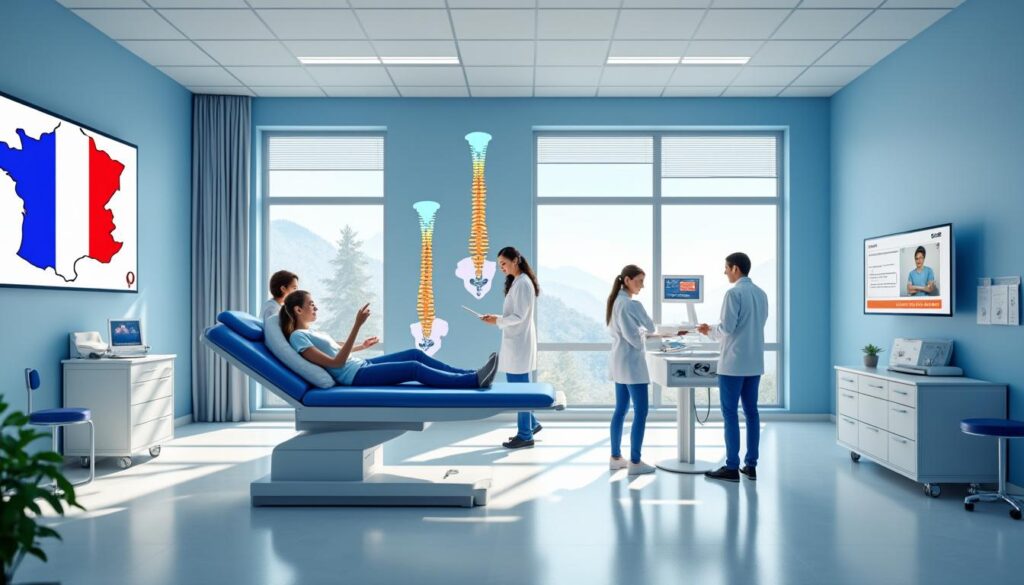
In Saint-Eustache, a growing hub for advanced spinal care, residents facing the challenges of disc herniation now benefit from cutting-edge equipment and refined treatment protocols centered around neurovertebral decompression. This innovative and non-invasive technique has revolutionized the approach to managing spinal disorders, empowering patients to regain mobility and reduce pain without immediate resort to surgery. The seamless integration of technology, clinical expertise, and patient-centered care epitomizes the region’s commitment to spinal health excellence.
Disc herniation, a complex condition often causing debilitating pain and neurological symptoms, requires a nuanced approach to treatment. Saint-Eustache’s adoption of state-of-the-art decompression devices, coupled with rigorous protocols tailored to individual needs, highlights a paradigm shift from traditional, invasive methods to modalities emphasizing natural healing and biomechanical correction. This article explores the facets of advanced neurovertebral decompression therapy available locally, elucidating its equipment, protocols, symptomatology, complementary methods, and the expertise of leading clinicians like Dr. Sylvain Desforges.
Advanced Equipment Empowering Neurovertebral Decompression in Saint-Eustache
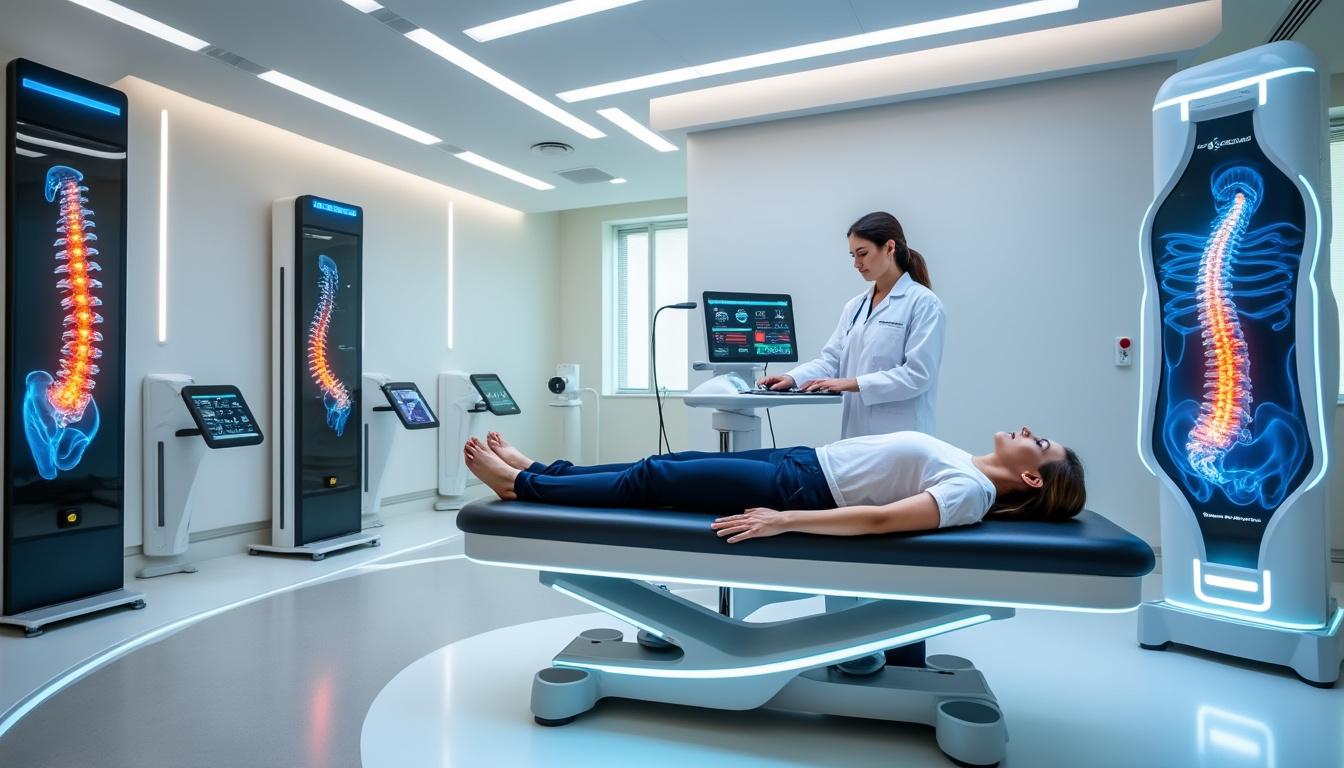
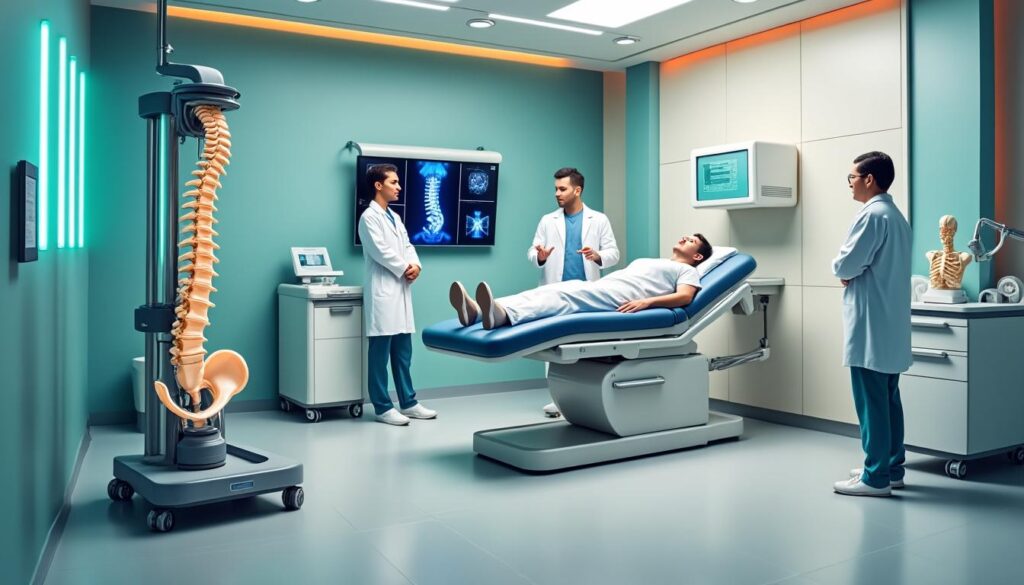
The cornerstone of effective disc herniation treatment in Saint-Eustache lies in the sophisticated medical equipment employed for neurovertebral decompression. These devices, including highly specialized traction tables, computer-assisted monitoring systems, and adjunctive therapeutic technologies, work synergistically to deliver precise, controlled therapy safely adapting to the patient’s anatomy and symptoms.
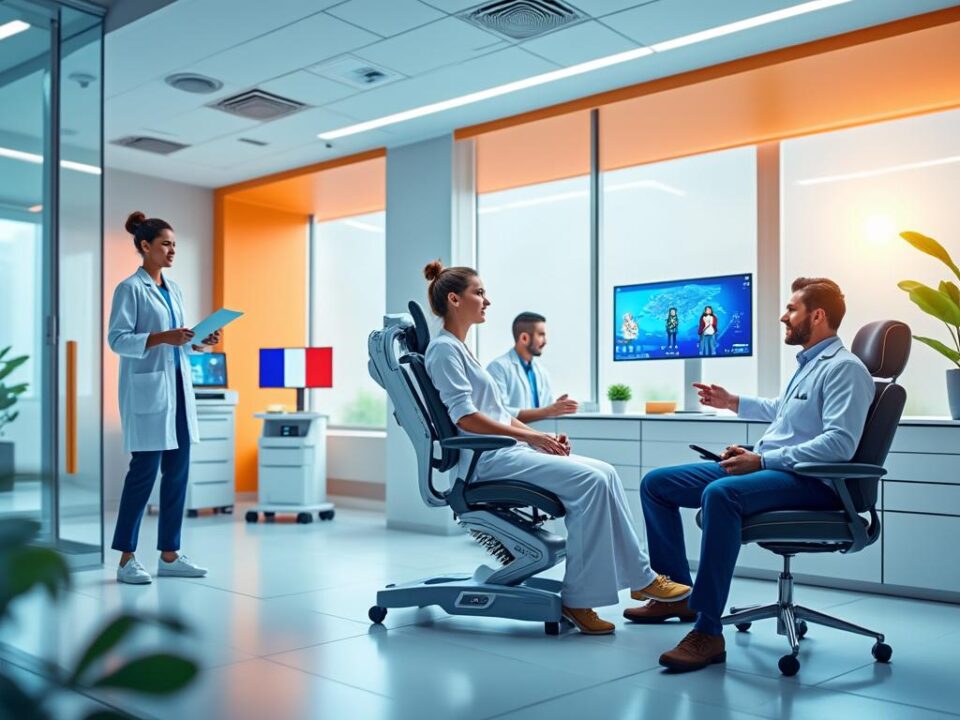
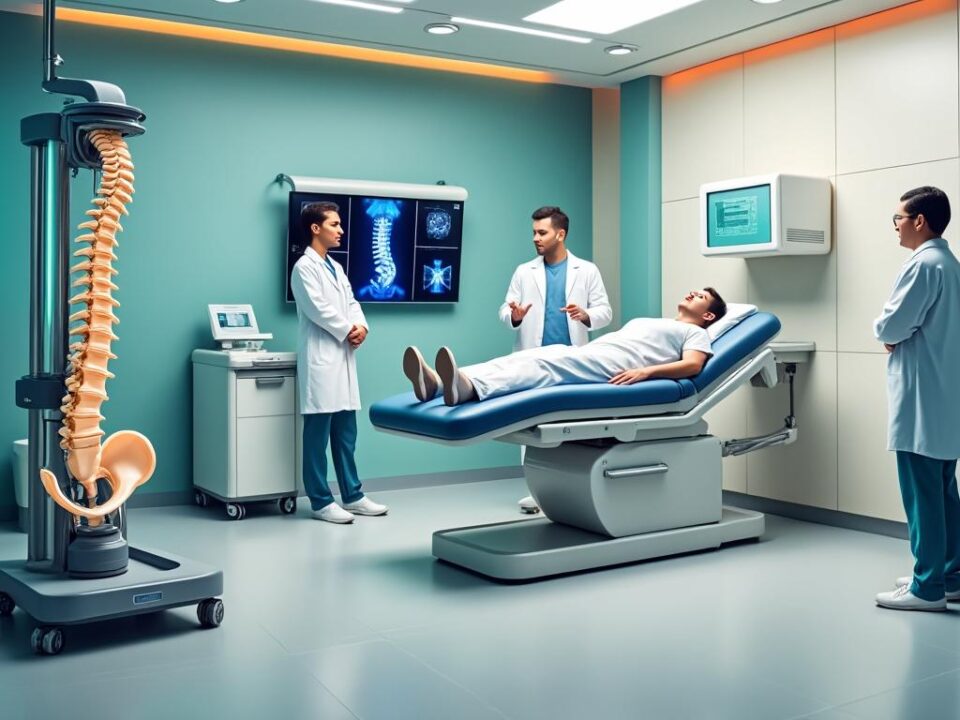
Among the most notable pieces of equipment are robotic decompression tables such as the DRX9000 and SpineMED, which enable customized traction forces to gently increase intervertebral space and alleviate nerve compression. These systems integrate continuous feedback mechanisms that monitor applied force and patient response in real-time, ensuring optimal treatment intensity and comfort. Complementary tools like therapeutic lasers and shockwave devices further enhance tissue regeneration and inflammation reduction, contributing to holistic disc healing.
To contextualize, here is a comparative overview of key neurovertebral decompression technologies operational in Saint-Eustache clinics:
| Equipment | Main Function | Clinical Benefits | Typical Usage |
|---|---|---|---|
| Robotic Decompression Tables (DRX9000, SpineMED) | Controlled spinal traction based on individualized parameters | Precision treatment, enhanced safety, improved patient comfort | Core sessions for reducing disc herniation and nerve compression |
| Real-Time Traction Monitoring Systems | Continuous surveillance of applied decompression force | Immediate treatment adjustments, accurate therapy delivery | Integral to all decompression sessions ensuring responsiveness |
| Therapeutic Laser (e.g., Chattanooga Triton) | Tissue repair acceleration and inflammation reduction | Non-invasive enhancement of healing, pain relief | Adjunctive therapy post-decompression for soft tissue recovery |
Saint-Eustache’s clinics such as Clinique TAGMED and others utilize these advancements under expert supervision, combining technology with personalized clinical guidance to maximize both efficacy and patient experience. Dr. Sylvain Desforges, a pioneer in osteopathic spinal care, leverages such innovations to provide safe, evidence-based treatment individualized per patient condition.
Disc herniation remains a prevalent and challenging spinal disorder, significantly affecting individuals’ quality of life, particularly in communities like Sainte-Julie. Characterized by a rupture or protrusion of the disc nucleus through the fibrous ring, this condition compresses adjacent nerve roots,…
Rigorous Treatment Protocols for Disc Herniation Focused on Neurovertebral Decompression
Effective management of disc herniation via neurovertebral decompression in Saint-Eustache is grounded in carefully constructed treatment protocols that balance clinical expertise with adaptive technological applications. These protocols emphasize comprehensive patient evaluation, gradual therapy progression, and ongoing functional rehabilitation to optimize outcomes.
Each therapy journey starts with a detailed diagnostic stage involving clinical examination, imaging modalities like MRI or X-rays, and neurological assessment to ascertain disc herniation severity and nerve involvement. Based on these insights, a customized decompression plan is formulated. Typical protocol components include:
- Initial consultation and education: Explaining the therapy mechanism and setting realistic patient expectations.
- Gradual mechanical traction: Utilizing devices such as the DRX9000 or SpineMED to decompress spinal segments through calibrated sessions.
- Continuous monitoring: Adjusting force and duration according to patient feedback and therapeutic progress.
- Complementary modalities: Integrating laser therapy, osteopathic adjustments, or shockwave therapy to facilitate tissue healing and mobility improvement.
- Functional rehabilitation: Prescribed exercises and ergonomic advice to sustain spinal health and prevent recurrence.
Clinical research supports this multistep, personalized approach, demonstrating significant pain relief, reduced nerve compression, and enhanced spinal function following neurovertebral decompression conducted under such protocols. Patients often experience a decrease in radiating pain and improved ability to perform daily activities without discomfort.
Strict adherence to the protocol’s timeline and therapist guidance magnifies therapeutic benefits and empowers patients for long-term spinal wellness. The integration of advanced traction technology, close patient monitoring, and tailored adjunctive care exemplify the protocol’s sophistication and commitment to evidence-based practice.
| Protocol Phase | Key Actions | Expected Outcomes |
|---|---|---|
| Diagnosis | Comprehensive clinical and imaging assessment | Accurate hernia localization and severity grading |
| Preparation | Patient education and baseline functional measurements | Improved patient engagement and informed consent |
| Decompression Sessions | Controlled traction therapies via robotic tables | Reduction of disc protrusion and nerve decompression |
| Adjunctive Treatments | Laser and osteopathic therapies complementing decompression | Enhanced tissue healing and pain modulation |
| Rehabilitation | Targeted exercise and posture correction programs | Functional restoration and recurrence prevention |
Such meticulous protocols from trusted facilities ensure patients receive not just advanced care but a structured pathway toward recovery, emphasizing safety, comfort, and measurable progress consistent with guidelines from Quebec’s Collège des médecins and Canadian medical standards.
Video Insight into Spinal Decompression Protocols
IntraSPINE® in Sherbrooke: Protecting and Enhancing Lumbar Function
The prevalence of chronic low back pain has surged globally, profoundly impacting individuals’ quality of life and productivity. Sherbrooke, Quebec, exemplifies this widespread challenge, with numerous patients seeking effective and sustainable relief from lumbar discomfort. Addressing this urgent need, the…
Recognizing Symptom Patterns That Indicate Need for Neurovertebral Decompression
Understanding when neurovertebral decompression is appropriate hinges on recognizing symptomatic manifestations typical of disc herniation and nerve compression. Patients from Saint-Eustache frequently present with a distinct constellation of symptoms warranting this advanced treatment approach.
Commonly reported symptoms include:
- Localized and radiating pain: Persistent lower back or neck discomfort often spreading to the legs (sciatica) or arms, correlating with nerve root pressure.
- Numbness and tingling: Sensory disturbances in the extremities signaling nerve irritation or compression.
- Reduced mobility and stiffness: Mechanical limitations impacting daily function and quality of life.
- Nocturnal pain: Sleep disturbances due to intensified pain when lying down.
- Muscle weakness: Diminished strength reflecting compromised nerve function.
Early identification of these signs can drive prompt intervention, reducing risks of long-term neurological damage. Health professionals in Saint-Eustache advocate for a proactive stance, encouraging patients to seek evaluations at early symptom onset.
The clinical presentation can be summarized as follows:
| Symptom | Typical Location | Impact on Activities | Therapeutic Goal |
|---|---|---|---|
| Pain | Lower back, neck, radiating limbs | Limits daily movement and comfort | Progressive pain relief |
| Numbness & Tingling | Extremities | Coordination difficulties and discomfort | Reduction of nerve irritation |
| Stiffness | Spine | Restricts motion and flexibility | Increased spinal mobility |
| Nocturnal Discomfort | Disc areas | Impaired sleep | Improved rest and recovery |
Addressing these symptoms through neurovertebral decompression, as employed by Dr. Desforges and associated clinical teams, offers patients relief while restoring essential spinal functions.
In Sainte-Thérèse, a community marked by active lifestyles and significant physical demands, lumbar disc herniation emerges as a critical health concern affecting many individuals. The intricate nature of lower back pain, often stemming from discopathy, requires a precise and empathetic…
Key Causes and Risk Factors for Disc Herniation in Saint-Eustache with Preventive Strategies
Disc herniations stem from multifactorial causes that often compound, stressing the importance of individualized preventive measures in Saint-Eustache. Recognizing these risk factors helps in crafting lifestyle adaptations and early therapeutic interventions that mitigate onset or recurrence.
Principal risk factors include:
- Age-Related Degeneration: Natural disc dehydration and loss of elasticity with aging compromise structural integrity.
- Sedentary Habits: Physical inactivity weakens core musculature essential for spinal support.
- Poor Posture and Ergonomics: Repeated improper positioning during work or daily activities increases undue spinal stress.
- Traumatic Events: Acute injuries or repetitive microtraumas can precipitate disc displacement.
- Excess Body Weight: Adds mechanical burden to vertebral columns.
- Genetic Predispositions: Familial tissue vulnerabilities may accelerate degeneration.
Local health campaigns and clinics like Kinatex Saint-Eustache actively educate the community on risk reduction through:
- Regular moderate exercise targeting spinal strength and flexibility.
- Adhering to ergonomic best practices at workstations.
- Maintaining healthy weight through nutrition and physical activity.
- Prompt attention to spinal injuries or discomfort.
Consider the following summary table illustrating risk factor mechanisms and recommended preventive actions:
| Risk Factor | Mechanism | Preventive Measure |
|---|---|---|
| Advanced Age | Disc structural wear and dehydration | Engage in regular physical activity |
| Poor Posture | Uneven spinal loading | Practice ergonomic corrections |
| Sedentary Lifestyle | Muscle weakness and loss of stability | Incorporate daily mobility exercises |
| Trauma | Disc fiber damage leading to herniation | Avoid high-impact activities without protection |
| Obesity | Increased spinal load | Weight management via diet and exercise |
| Genetic Factors | Inherent disc tissue fragility | Regular medical monitoring |
By embracing these guidelines in tandem with targeted decompression therapy, patients in Saint-Eustache can significantly improve their spinal health trajectory while reducing the frequency and intensity of disc herniation episodes.
Video Presentation: Preventing and Managing Disc Herniation
In the bustling community of Saint-Hubert, where everyday life blends a range of physical and sedentary activities, the impact of discal hernia on spinal health is profoundly felt. This condition, frequently manifesting at the L5-S1 spinal segment, can dramatically disrupt…
Combining Neurovertebral Decompression with Complementary Therapies for Holistic Recovery
At the forefront of Saint-Eustache’s spinal care is the integration of neurovertebral decompression with complementary therapies, forming a comprehensive, multidisciplinary approach. This synergy amplifies healing, addresses underlying biomechanical dysfunctions, and supports long-term spinal stability.
Complementary therapies commonly paired with decompression include:
- Specific Osteopathic Manipulations: Target musculoskeletal imbalances and improve joint mobility enhancing decompression benefits.
- Laser Therapy: Accelerate tissue repair and reduce inflammation when used adjunctively with decompression.
- Shockwave Therapy: Effective in resolving calcifications and durable soft tissue pain around spinal structures.
- Precision Percussive Techniques: Instrument-assisted methods aimed at vertebral realignment and muscle relaxation.
- Active Rehabilitation Programs: Customized exercise regimens that reinforce core spine-support muscles and promote postural correction.
Clinics such as Clinique TAGMED’s herniated disc protocol for Saint-Eustache residents exemplify this coordinated care model. Under the supervision of Dr. Sylvain Desforges, patients receive meticulously tailored treatments ensuring safety, comprehensiveness, and enduring results.
| Technique | Primary Benefit | Role in Synergistic Therapy | Application Timing |
|---|---|---|---|
| Osteopathy | Enhanced joint mobility and pain relief | Prepares and supports decompression therapy | Throughout treatment course |
| Laser Therapy | Inflammation reduction, tissue regeneration | Post-decompression acceleration of healing | Supplemental sessions |
| Shockwave Therapy | Breakdown of calcifications, pain relief | Adjunct for chronic musculoskeletal symptoms | As needed per symptomatology |
| Percussive Therapy | Precise vertebral alignment, muscle relaxation | Optimizes spinal mechanics | Integrated within osteopathic care |
| Active Rehabilitation | Muscle strengthening, posture correction | Maintains decompression gains | Post-therapy phase |
This fusion of treatment modalities has been shown to improve patient satisfaction and reduce recurrence rates. It embraces a patient-centered philosophy advocated by Dr. Desforges, prioritizing individual needs and measurable improvement.

The rising prevalence of Lumbar Disc Herniation in Saint-Léonard reflects the increasing demands of modern urban lifestyles. Persistent back pain has become a frequent yet often underestimated complaint, spurring many residents to seek effective and lasting solutions. Recognizing the complexity…
Science and Experience: Clinical Evidence Supporting Neurovertebral Decompression in Saint-Eustache
Robust clinical studies globally and within North America endorse neurovertebral decompression as a valuable non-surgical approach for disc herniation cases. Research demonstrates its effectiveness in alleviating pain, reducing herniation size, and improving mobility, underscoring the treatment’s scientific validity.
A seminal study published in 2021 by Kim et al. tracked over 100 patients undergoing decompression therapy, reporting substantial pain reduction and decreased surgery rates over two years. Similarly, meta-analyses confirm the therapy’s capability to facilitate partial hernia resorption, providing a safer alternative to invasive procedures.
In Saint-Eustache, patient feedback and case reports echo these findings, reflecting meaningful quality of life improvements and sustained symptom control. Facilities including the renowned Clinique TAGMED integrate these evidence-based methods, supported by ongoing clinical monitoring and interdisciplinary coordination.
| Study | Population | Duration | Key Findings | Implications for Patients |
|---|---|---|---|---|
| Kim et al. (2021) | 128 lumbar disc herniation patients | 24 months | Significant pain improvement, lower surgical intervention rates | Confirms long-term efficacy of conservative decompression |
| Ma et al. (2021) | 409 non-surgical cases | 1-12 years | 78% avoided surgery, considerable hernia reduction | Supports conservative therapy as first-line treatment |
| Demirel et al. (2017) | 20 patients, lumbar herniation | 15 sessions | Marked functional improvements and hernia size decrease | Validates decompression combined with adjunct care |
Such evidence aligns with Dr. Desforges’ steadfast commitment to scientific rigor, ensuring that treatments applied in Saint-Eustache adhere to ethical, regulatory, and innovative standards recognized internationally.
Explore further insights with this explanatory video on spinal decompression science:
In the bustling Southwest district of Montreal, lumbar disc herniation presents a significant public health challenge, affecting a diverse population ranging from young adults to seniors. This condition, often linked to debilitating back pain and nerve-related symptoms such as sciatica,…
Empowering Patients Through Clear Education and Personalized Care in Saint-Eustache
Understanding the complexities of disc herniation and the available treatment pathways can be overwhelming for patients. Saint-Eustache’s care providers, led by experts like Dr. Sylvain Desforges, prioritize clear, jargon-free education. This empowers individuals to make informed choices regarding neurovertebral decompression and associated care options.
During consultation, patients receive detailed explanations on:
- The nature of their spinal condition and the biomechanical effects of herniation.
- Mechanisms and goals of neurovertebral decompression, including how advanced equipment like the VAX-D and DecompressionPro systems modulate disc pressures.
- Anticipated treatment timelines, session frequency, and expected symptom progression.
- Possible adjunctive therapies and their roles in comprehensive healing.
- Post-therapy lifestyle recommendations to maintain therapeutic gains and avoid recurrences.
Such an educational approach helps demystify treatment, reduce apprehensions, and promotes adherence to care plans, enhancing overall success.
In addition, the international collaboration facilitated by Dr. Desforges, spanning Canada and France, offers patients unique access to a broad network of spine surgeons and specialized clinics. This coordination optimizes scheduling, improves treatment quality, and ensures continuity of care for those requiring transatlantic consultation or interventions.
For patients seeking personalized evaluation or wishing to commence care, Saint-Eustache clinics provide direct contact avenues and tailored assessment services, reinforcing their dedication to patient-centric, evidence-based spinal health management.
The dynamic neighborhood of Mercier–Hochelaga-Maisonneuve has seen a significant rise in cases of herniated disc-related back pain, with many residents facing chronic discomfort that interferes with work and daily activities. This ailment, which involves displacement or protrusion of spinal discs,…
Exploring the Unique Value and Innovation in Dr. Sylvain Desforges’ Neurovertebral Decompression Care
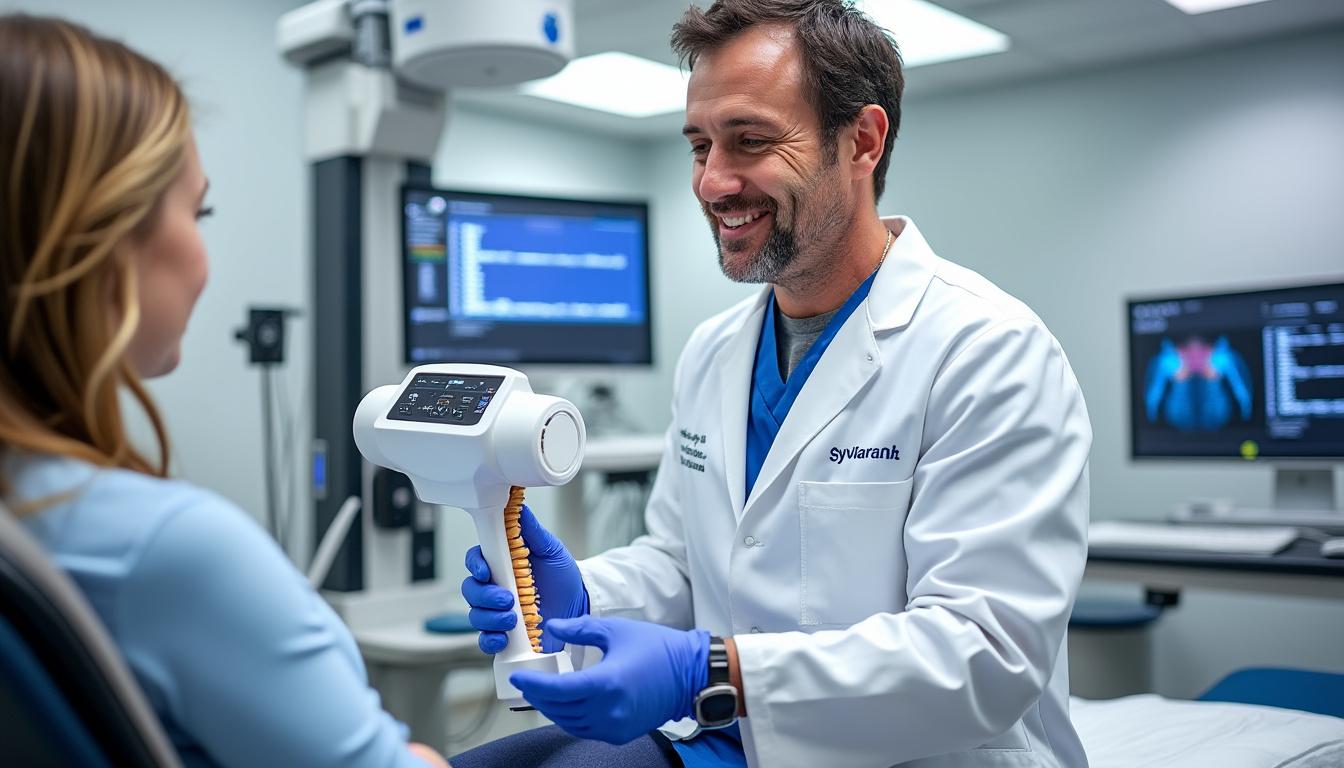
Dr. Sylvain Desforges exemplifies excellence and innovation in spinal care through his extensive experience, scientific rigor, and empathetic patient commitment. Boasting over 35 years of clinical practice with formal qualifications (B.Sc., D.O., N.D.), he is the founder of the Alliance Canadienne de Médecine Alternative, the Canadian College of Osteopaths, and lead expert at Clinique TAGMED.
His approach uniquely integrates advanced technologies – including DRX9000 spinal decompression, laser therapy, and dynamic implants – with a personalized osteopathic framework. This fusion enables comprehensive evaluations and bespoke care plans addressing the complex nature of disc herniations.
Notably, Dr. Desforges upholds stringent ethics and adherence to Quebec and Canadian medical regulations, collaborating internationally to enhance patient journeys, particularly across Canada and France. His therapeutic protocols stand apart by emphasizing non-invasive options before surgical consideration and ensuring patients are thoroughly informed throughout the process.
As a recognized thought leader, Dr. Desforges contributes to educational platforms such as SOS Herniated Disc, sharing evidence-based insights to empower both patients and healthcare professionals seeking advanced spinal care alternatives.
Is neurovertebral decompression therapy painful?
Most patients describe the treatment as relaxing and painless, with some even falling asleep during sessions.
How many sessions are typically required for disc herniation decompression?
Session numbers vary based on herniation severity and individual response, usually ranging across several weeks with multiple visits.
Is the decompression treatment covered by insurance?
Coverage depends on individual insurance policies, generally reimbursing practitioner services rather than the therapy itself; verifying with your insurer is recommended.
Can therapy begin immediately after diagnosis?
Treatment usually starts promptly after necessary imaging exams and thorough evaluation confirm no contraindications.
What are the risks associated with neurovertebral decompression?
Risks are minimal, but contraindications include recent vertebral fractures or infections; a thorough assessment precedes treatment.

Herniated discs are a frequent source of back pain and discomfort for residents of Ahuntsic-Cartierville, yet misconceptions and myths about this condition often complicate treatment and recovery. Many individuals suffer needlessly, uncertain of their options and hesitant about emerging therapies.…