Avoid Back Surgery in Longueuil: Herniated Disc Relief with Decompression Therapy
August 18, 2025
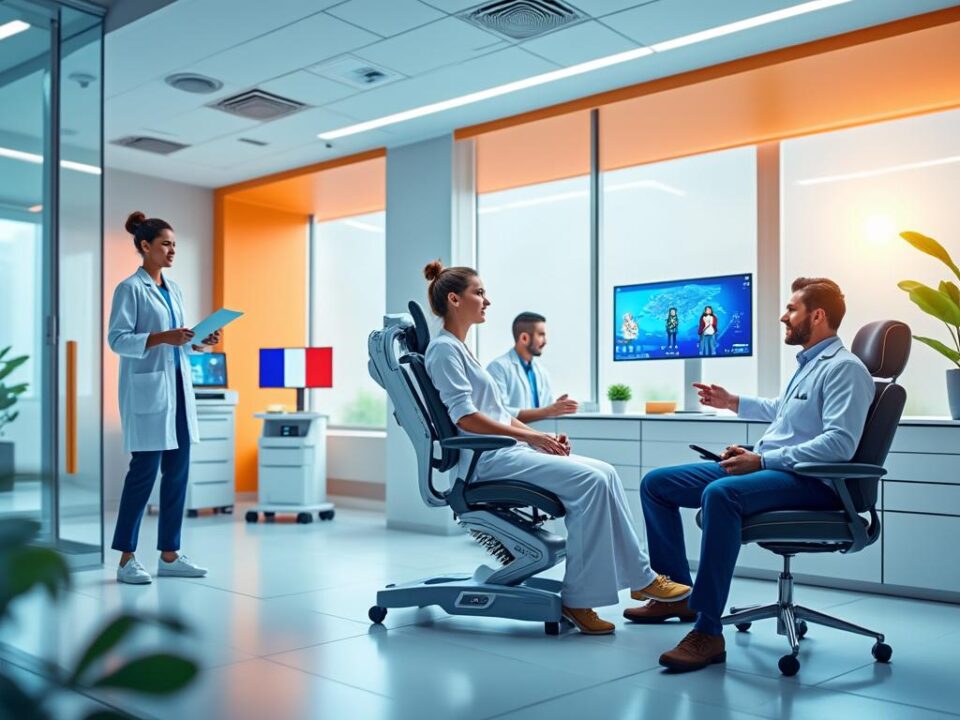
Spine surgery in France and its influence on surgical decision-making
August 18, 2025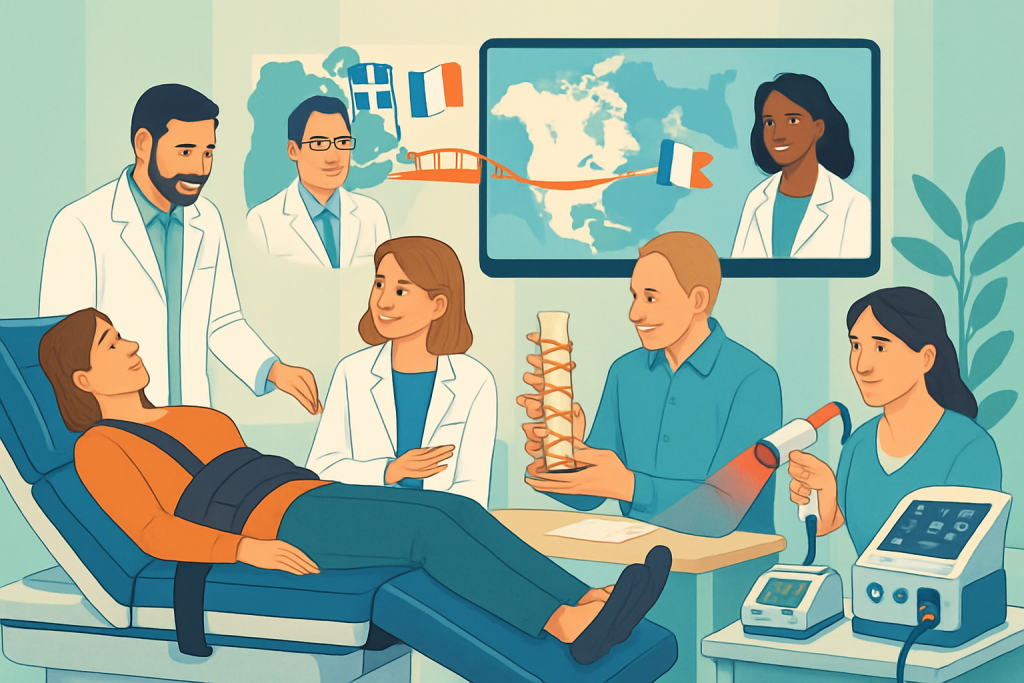
Across the evolving landscape of spinal care, patients grappling with debilitating lower back conditions often face the daunting prospect of spinal fusion surgery—a traditional yet invasive intervention characterized by permanently joining vertebrae to stabilize the spine. However, in 2025, this paradigm is shifting dramatically, especially with groundbreaking alternatives emerging from France, where a blend of pioneering surgical technologies and conservative approaches offer renewed hope. French healthcare institutions are at the forefront of developing dynamic implants like the TOPS system and advanced motion-preserving devices, designed to correct spinal instability while maintaining natural mobility. This innovation beckons to patients worldwide, including those from Quebec, who benefit from transatlantic partnerships that diminish wait times and enhance care quality. With these novel techniques, supported by industry leaders such as Medtronic, Zimmer Biomet, and NuVasive, the future of spine surgery promises reduced recovery times, improved patient outcomes, and less postoperative discomfort compared to conventional fusion. This article explores the comprehensive spectrum of spinal fusion alternatives available in France, the patient journey from evaluation to rehabilitation, and the unique cross-continental collaboration facilitated by experts like Dr. Sylvain Desforges, ensuring that every patient’s treatment is both evidence-based and personalized.
Revolutionary Surgical Alternatives to Spinal Fusion in France
Spinal fusion surgery has traditionally been the cornerstone treatment for various spinal disorders, including spondylolisthesis, degenerative disc disease, and spinal stenosis. Despite its prevalence, fusion often involves the irreversible immobilization of vertebral segments, which, while stabilizing the spine, can lead to the degeneration of adjacent spinal levels and restricted motion. Recognizing these limitations, French spinal care experts have championed innovative surgical alternatives designed to preserve spinal mobility and mitigate the long-term complications associated with fusion.
One of the most notable advancements is the introduction of the TOPS (Total Posterior Solution) implant, developed to provide dynamic stabilization. Unlike conventional rigid fusion, the TOPS implant allows controlled movement in multiple planes—flexion, extension, lateral bending, and rotation—while effectively stabilizing spinal segments afflicted by stenosis or instability. This innovation empowers patients to retain near-natural function post-operatively.
Alongside TOPS, dynamic implants such as IntraSPINE have emerged, focusing on cushioning and preserving the disc space while reducing symptoms through direct mechanical support. These devices cater to patients with lumbar instability, offering relief without resorting to vertebral fusion.
Cutting-edge materials and manufacturing techniques from global leaders like Medtronic, Globus Medical, and Zimmer Biomet further enhance the safety and efficacy of these implants. Employing titanium alloys with optimized biomechanical properties and advanced surface coatings that encourage osseointegration, these devices promote durable stabilization while minimizing the risk of device-related complications.
Many French surgical centers now utilize minimally invasive techniques, including endoscopic approaches and robot-assisted navigation, dramatically reducing tissue trauma, operative blood loss, and hospital stays. The use of EOS Imaging systems offers high-resolution, low-dose, whole-body images, enabling precise preoperative planning and postoperative assessment of spinal alignment.
| Technique | Functionality | Advantages Over Fusion | Leading Manufacturers |
|---|---|---|---|
| TOPS Implant | Dynamic stabilization with preserved motion | Maintains spinal mobility; reduces adjacent segment degeneration | Zimmer Biomet, SpineGuard |
| IntraSPINE | Interspinous device alleviating pressure and preserving disc space | Minimally invasive; spares vertebral fusion; pain reduction | Medtronic, Globus Medical |
| Endoscopic Surgical Techniques | Minimally invasive spinal decompression and implant placement | Reduced tissue trauma and faster recovery | Stryker, LDR (Zimmer Biomet) |
These innovative techniques mark a significant evolution in spinal care and distinguish France as a hub for minimally invasive, motion-preserving spine surgery. For patients facing longstanding pain and limited mobility, these options represent an opportunity to regain quality of life without the rigidity imposed by fusion. Detailed information on these advancements can also be found on platforms such as Cellaxys, which provides comparative insights into fusion alternatives globally.

Disc herniation remains a prevalent and challenging spinal disorder, significantly affecting individuals’ quality of life, particularly in communities like Sainte-Julie. Characterized by a rupture or protrusion of the disc nucleus through the fibrous ring, this condition compresses adjacent nerve roots,…
The Role of Evidence-Based Evaluation in Determining Optimal Treatment
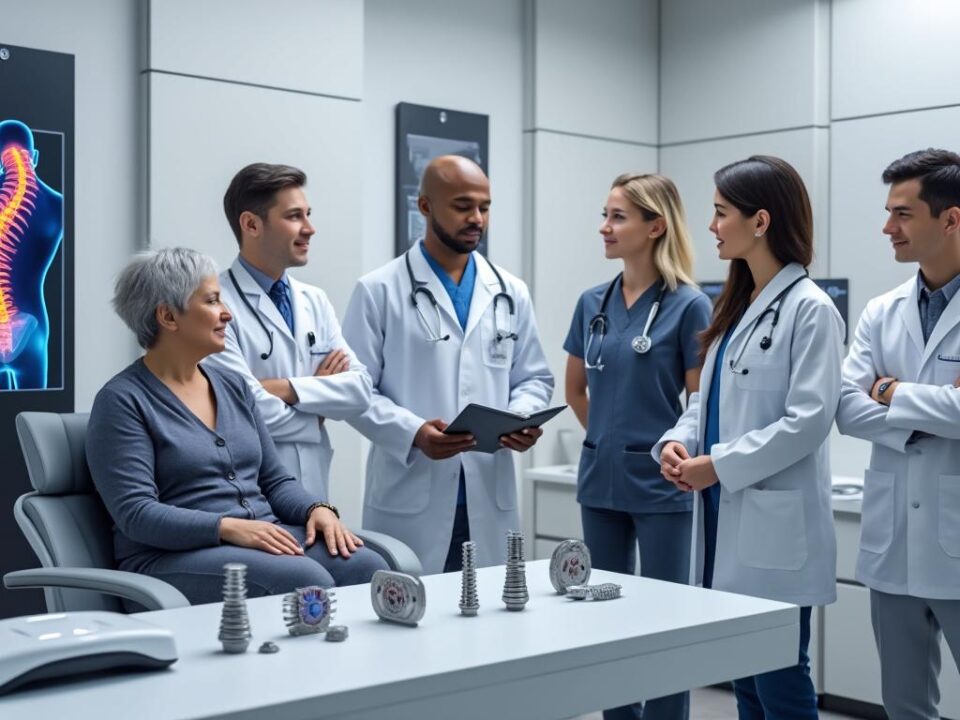
The decision to pursue spinal fusion alternatives requires diligent evaluation led by experts who understand the multifaceted nature of spinal disorders. Dr. Sylvain Desforges, an esteemed figure in spinal care with over three decades of clinical expertise, exemplifies this comprehensive approach, meticulously assessing each patient’s condition without rendering a diagnosis but facilitating informed recommendations.
At the outset, patients receive an in-depth clinical examination coupled with advanced imaging modalities, such as MRI and 3D EOS Imaging, to accurately characterize the extent and nature of spinal pathology. This critical step not only identifies the precise pain generators but also evaluates spinal alignment, segmental stability, and neural element involvement—key parameters guiding therapeutic strategy.
Dr. Desforges prioritizes treatments grounded in scientific rigor and patient safety, adhering strictly to guidelines from the Collège des médecins du Québec and Canadian medical authorities. His assessments emphasize:
- Comprehensive personalization: treatment plans addressing unique patient circumstances
- Non-invasive first approach: advocating neurovertebral decompression and osteopathic care before surgical consideration
- Informed consent: transparent discussion of indications, risks, alternatives, and expected outcomes
The value in this approach lies in avoiding premature surgical intervention, minimizing unnecessary risks, and enhancing patient confidence through education. Using evidence-based algorithms ensures that only patients who genuinely necessitate advanced surgical devices such as the TOPS implant are referred to specialized spine surgeons in France, streamlining their care pathway.
Coordination with cutting-edge clinical research and publications—accessible through resources like the NCBI repository—keeps practices up-to-date and aligned with global standards, which is especially critical given the rapidly evolving technology in spinal surgery.
| Evaluation Step | Purpose | Tools / Techniques |
|---|---|---|
| Clinical Examination | Identify symptoms and physical impairments | Neurological tests, mobility tests |
| Imaging Diagnostics | Visualize structural and functional spinal alterations | MRI, EOS Imaging, X-rays |
| Conservative Treatment Trial | Assess response to non-invasive therapies | Neurovertebral decompression, physiotherapy |
| Specialist Referral | Determine suitability for advanced implants/surgery | Multidisciplinary consultation, second opinions |

IntraSPINE® in Sherbrooke: Protecting and Enhancing Lumbar Function
The prevalence of chronic low back pain has surged globally, profoundly impacting individuals’ quality of life and productivity. Sherbrooke, Quebec, exemplifies this widespread challenge, with numerous patients seeking effective and sustainable relief from lumbar discomfort. Addressing this urgent need, the…
Innovation-Driven Multidisciplinary Coordination: Quebec to France Patient Journey
Transatlantic cooperation forms a cornerstone in optimizing spinal care for Quebec patients seeking advanced interventions unavailable or limited domestically. The partnership harmonizes expertise, streamlines logistics, and enhances patient outcomes by leveraging France’s technical edge and Quebec’s comprehensive rehabilitation resources.
The collaboration is orchestrated under the guidance of Dr. Sylvain Desforges, who plays an essential role in evaluating patients locally, educating them on surgical options, and facilitating referrals to trusted French spine surgeons experienced with dynamic implants such as TOPS.
This international coordination involves:
- Integrated clinical pathways: seamless referral and medical information exchange between Quebec and French centers
- Timely access: reduction of private clinic wait times by accessing reputed French surgical facilities
- Continuous care: structured postoperative rehabilitation programs in Quebec with telemedicine follow-up
Such a framework represents an ethical and patient-centric model, ensuring that care transcends geographical boundaries without compromising quality or safety. Patients often express relief in learning they can access novel treatments more promptly, supported by bilingual communication and culturally sensitive care management.
Collaborations with established platforms like SOS Tourisme Médical facilitate practical aspects such as travel coordination, lodging arrangements, and appointment scheduling, allowing patients to focus solely on health recovery.
In Sainte-Thérèse, a community marked by active lifestyles and significant physical demands, lumbar disc herniation emerges as a critical health concern affecting many individuals. The intricate nature of lower back pain, often stemming from discopathy, requires a precise and empathetic…
Preserving Mobility: Highlighting the Benefits of Dynamic Implants Over Traditional Fusion
Traditional spinal fusion methods, while stabilizing segments affected by disease, inherently restrict motion, which can precipitate compensatory stress and degeneration in adjacent vertebrae. Dynamic implants, including the TOPS system, represent a strategic departure, enabling stability without sacrificing motion.
Key benefits of dynamic implants include:
- Preservation of normal spinal biomechanics: allowing natural flexion, extension, lateral bending, and rotation
- Reduction in adjacent segment disease: by preventing hypermobility in neighboring spinal levels
- Improved postoperative pain management: due to less invasive implantation and maintained mobility
- Expedited return to daily activities: shortening rehabilitation times
Several industry pioneers drive innovation in this space. For instance, Spineart has advanced articulating disc prostheses, while Stryker and LDR (now part of Zimmer Biomet) specialize in minimally invasive dynamic stabilization systems. Each company integrates biomechanics research with clinical feedback to enhance patient outcomes continually.
| Implant Type | Mobility Preservation | Clinical Benefits | Manufacturers |
|---|---|---|---|
| Dynamic Posterior Stabilizers (TOPS) | Allows multi-directional motion | Reduces pain, preserves mobility | Zimmer Biomet, SpineGuard |
| Artificial Disc Replacements | Mimics natural disc movement | Improves function, lowers risk of adjacent damage | Spineart, Globus Medical |
| Interspinous Spacers | Limits extension while maintaining other motions | Eases stenosis-related symptoms | Medtronic, Stryker |
Further evidence on the advantages of such alternatives is thoroughly detailed in resources like sosherniateddisc.com, showcasing how these technologies transform patient experiences by mitigating risks traditionally linked to fusion.

In the bustling community of Saint-Hubert, where everyday life blends a range of physical and sedentary activities, the impact of discal hernia on spinal health is profoundly felt. This condition, frequently manifesting at the L5-S1 spinal segment, can dramatically disrupt…
Conservative Therapies: Essential Foundations Before Surgical Options
In line with ethical medical practice, conservative treatment modalities precede any surgical consideration, ensuring that invasive interventions are reserved for patients for whom non-surgical therapies have been insufficient. Dr. Sylvain Desforges champions comprehensive conservative care that combines the latest non-invasive technologies with tailored osteopathic techniques.
Essential conservative treatments offered at Clinique TAGMED include:
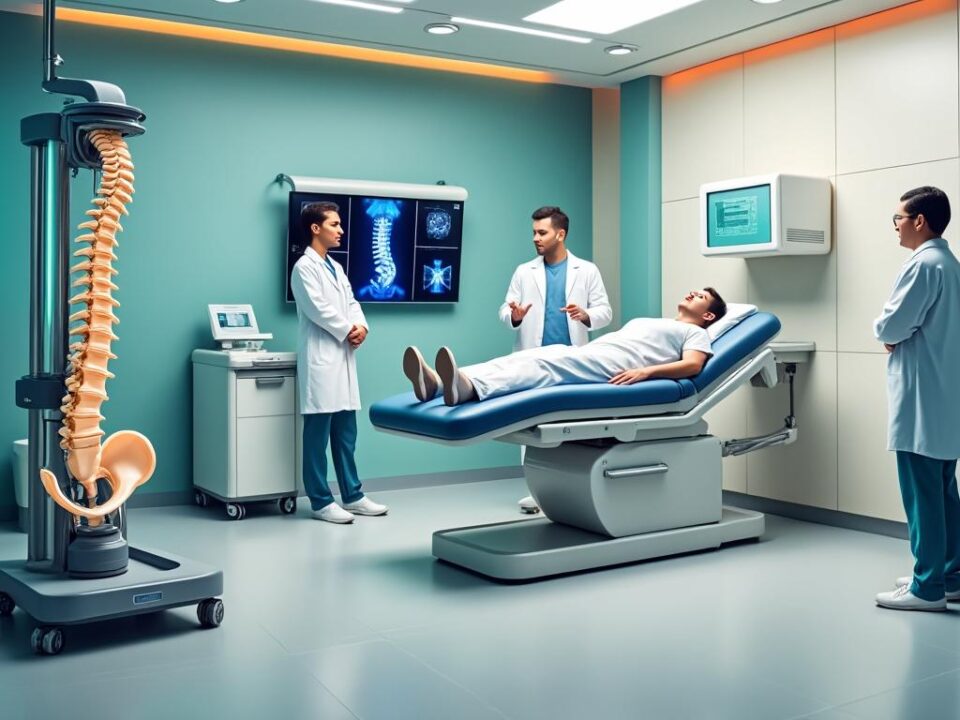
- Neurovertebral decompression therapy: a non-surgical approach employing specialized tables to gently relieve spinal disc pressure, aiding nerve recovery
- Specialized physiotherapy: strengthening paraspinal muscles and correcting posture to reduce biomechanical strain
- Targeted pharmacological management: personalized administration of analgesics and anti-inflammatories to control symptoms during rehabilitation
- Laser therapy and shockwave treatments: innovative modalities that enhance tissue healing and pain modulation
This phase often lasts between three to six months, during which patients are closely monitored by multidisciplinary teams to gauge improvement and adjust therapy as needed. Many patients experience significant relief and functional recovery through these interventions, effectively bypassing the need for surgery.
Transparency about these progressive steps honors patient autonomy and aligns with evidence found in scientific studies that underscore the efficacy of such non-invasive methods (see research summaries).
| Treatment | Purpose | Expected Outcome |
|---|---|---|
| Neurovertebral Decompression | Reduce nerve compression | Pain reduction, nerve healing |
| Physiotherapy | Muscle strengthening and posture correction | Improved spine support and mobility |
| Medication | Symptom management | Decreased inflammation and pain |
| Laser Therapy | Accelerate tissue repair | Faster recovery and reduced pain |
The rising prevalence of Lumbar Disc Herniation in Saint-Léonard reflects the increasing demands of modern urban lifestyles. Persistent back pain has become a frequent yet often underestimated complaint, spurring many residents to seek effective and lasting solutions. Recognizing the complexity…
Comprehensive Postoperative Rehabilitation and Patient Support
Following advanced spinal surgery, diligent postoperative care is crucial to maximize recovery and sustain quality of life improvements. Patients repatriated to Quebec after treatment in France enter structured rehabilitation programs supervised by experienced clinicians at the Clinique TAGMED.
These programs encompass:
- Physical therapy tailored to implant type and individual needs: focusing on gradual reintroduction of motion and strengthening
- Medical monitoring for early detection of complications: ensuring prompt intervention when necessary
- Patient education on ergonomics and lifestyle modifications: reducing future injury risk and promoting spinal health
- Telemedicine consultations: enabling continuous expert evaluation and easing geographic barriers
Dr. Desforges’ commitment to an empathetic, holistic patient relationship fosters trust and motivation, supporting adherence to recovery plans. This integrated care model also aligns with emerging patient-centered paradigms in spine health management.
| Postoperative Component | Objective | Impact |
|---|---|---|
| Physical Therapy | Restore mobility and strength | Functional independence |
| Medical Follow-up | Monitor healing progress | Early complication management |
| Patient Education | Promote long-term health | Prevention of recurrence |
| Telemedicine | Continuous specialist access | Convenient, ongoing support |
In the bustling Southwest district of Montreal, lumbar disc herniation presents a significant public health challenge, affecting a diverse population ranging from young adults to seniors. This condition, often linked to debilitating back pain and nerve-related symptoms such as sciatica,…
Technological Advances Shaping the Future of Spine Surgery
Europe’s leadership in minimally invasive spine technologies is well documented, with France at the helm. From robotic-assisted surgery to AI-driven diagnostic tools, recent innovations progressively enhance procedural precision and patient safety. Industry titans such as SpineGuard integrate sensor-based navigation to minimize risks associated with pedicle screw placement, thereby reducing complications like nerve trauma.
Innovative imaging modalities, including EOS Imaging, facilitate a comprehensive 3D understanding of spinal alignment under natural loading conditions, enabling tailored interventions. Moreover, laser-assisted techniques and dynamic implant designs represent a fusion of engineering and medical expertise aimed at restoring function rather than simply alleviating symptoms.
These developments, complemented by data-driven outcome tracking and continuous research, indicate a future where spine care is personalized, less invasive, and more efficient. Patients should actively engage in discussions with their care teams to explore how these advances might specifically benefit their condition.
The dynamic neighborhood of Mercier–Hochelaga-Maisonneuve has seen a significant rise in cases of herniated disc-related back pain, with many residents facing chronic discomfort that interferes with work and daily activities. This ailment, which involves displacement or protrusion of spinal discs,…
Patient Empowerment Through Transparent Information and Ethical Practice
Empowering patients with clear, evidence-based information is fundamental to Dr. Sylvain Desforges’ approach. Understanding the nuances of spinal disorder treatments—including the benefits and limitations of fusion alternatives—is vital for making informed choices aligned with individual needs and expectations.
Accessible communication includes providing resources in plain language that demystify complex concepts such as biomechanical function of implants, surgical risks, and rehabilitation timelines. Patients are encouraged to ask questions and voice concerns, fostering a collaborative decision-making environment.
- Comprehensive consultations: explaining all available options and anticipated outcomes
- Educational materials: tailored to different literacy levels and languages
- Active listening: respecting patient values and preferences
Adhering to strict ethical standards and Canadian regulatory frameworks, including the Collège des médecins du Québec guidelines, ensures that patient welfare is paramount throughout the care continuum.
This patient-centered philosophy underpins the trust built at Clinique TAGMED and throughout the transatlantic spinal care network, assuring that treatment pathways honor both scientific evidence and human dignity.
| Patient Empowerment Focus | Implementation | Outcome |
|---|---|---|
| Clear Communication | Detailed consultations and plain-language materials | Enhanced understanding and decision-making |
| Patient Engagement | Encouragement of questions and feedback | Greater satisfaction and adherence |
| Ethical Compliance | Strict adherence to medical regulations | Safe and respectful care environment |
Herniated discs are a frequent source of back pain and discomfort for residents of Ahuntsic-Cartierville, yet misconceptions and myths about this condition often complicate treatment and recovery. Many individuals suffer needlessly, uncertain of their options and hesitant about emerging therapies.…
Unique Services and Added Value Provided by Dr. Sylvain Desforges and Clinique TAGMED
Dr. Sylvain Desforges’ stature as a leading spine care expert is reflected in his multifaceted roles and pioneering contributions. As founder and president of the Alliance Canadienne de Médecine Alternative (ACMA) and the Canadian College of Osteopaths, alongside directing Clinique TAGMED, he delivers a rare combination of advanced clinical expertise, ethical practice, and patient-focused innovation.
What distinguishes Dr. Desforges’ services includes:
- Comprehensive and unique evaluation protocols: integrating osteopathic insight and advanced imaging for precision assessment
- Access to cutting-edge technologies: such as neurovertebral decompression and dynamic spinal implants, often not widely accessible within Canada
- Strong international network: coordinated care pathways bridging Quebec and France, expediting access to leading spine surgeons and facilities
- Personalized patient support: encompassing preoperative counseling and meticulous postoperative monitoring
- Commitment to scientific and ethical standards: adherence to evidence-based practices, patient safety, and Canadian regulatory compliance
Those exploring advanced spinal care options will find in Dr. Desforges not only clinical prowess but also empathetic guidance and a relentless pursuit of innovation. Interested individuals are encouraged to initiate contact through SOS Tourisme Médical to start a personalized evaluation journey.
Frequently Asked Questions
What are the main advantages of the TOPS implant compared to traditional spinal fusion?
The TOPS implant preserves natural spinal motion, reduces stress on adjacent segments, and typically results in less postoperative pain and faster recovery compared to spinal fusion, which immobilizes spinal levels.
When should a patient consider dynamic implants for spinal conditions?
Dynamic implants are usually considered after thorough conservative treatments lasting three to six months have failed to provide significant relief. A detailed evaluation by experts like Dr. Desforges helps determine candidacy.
How does transatlantic coordination improve access to advanced spinal care?
Patients from Quebec benefit from streamlined referrals, reduced wait times, and access to innovative surgical options in France, complemented by local postoperative rehabilitation and continuous follow-up.
Are postoperative rehabilitation services included in the care pathway?
Yes, Clinique TAGMED and allied centers provide tailored rehabilitation programs, including physical therapy and telemedicine support, ensuring optimal recovery.
Can patients receive initial consultations remotely before deciding on treatment?
Absolutely, Clinique TAGMED offers teleconsultations that enable comprehensive initial evaluations and discussions about potential treatment plans.