
Can Patient Recovery Stories Help Us Avoid Surgery?
June 15, 2026
How the Role of Franchir Enhances Clinical Outcomes in Patient Care
June 15, 2026
The decision to undergo spinal surgery is a significant crossroads for many patients, often clouded by fears and uncertainties. In recent years, the refinement of clinical evaluations and the introduction of specialized questionnaires have transformed this decision-making process. These advancements enable healthcare providers to carefully sift through patient data, accurately pinpointing those who would genuinely benefit from surgery, while simultaneously opening doors for effective conservative treatments that can sometimes negate the need for operation. This sophisticated approach intertwines seamless patient screening and detailed preoperative evaluation, fostering personalized care pathways dedicated to enhancing patient safety and quality of life.
As the prevalence of neurological disorders affecting the autonomic and spinal nervous systems escalates, a rigorous framework of medical assessment before any surgical intervention becomes indispensable. Validated health questionnaires such as Patient-Reported Outcome Measures (PROMs), complemented by comprehensive initial examinations, constitute the cornerstone of this preventive strategy. This methodology ensures a robust clinical diagnosis, facilitating informed collaboration between multidisciplinary teams, often across continents, to offer patients rapid and tailored treatment solutions. Alongside, close coordination with innovative treatment centers ensures a continuum of care that prioritizes non-surgical intervention options whenever feasible, thereby reducing unnecessary surgical risks and optimizing recovery outcomes.
How Questionnaires Enhance Surgery Prevention Through Detailed Patient Screening
Questionnaires like PROMs play a pivotal role in diagnosing spinal issues by capturing the multifaceted impact of symptoms on patients’ daily lives. They rigorously evaluate the severity of pain, functional limitations, and psychological implications that inform the necessity of surgery. These tools undergo strict scientific validation and adaptation for linguistic and cultural appropriateness, ensuring their reliability in diverse patient populations. By integrating this nuanced data into consultations, clinicians obtain a more granular insight beyond what a traditional clinical examination might reveal.
For instance, in conditions such as lumbar stenosis or spondylolisthesis, PROMs highlight neuropathic pain and mobility restrictions that might otherwise be underestimated. The aggregated questionnaire scores, combined with international risk classifications such as the ASA (American Society of Anesthesiologists) Physical Status Classification, empower healthcare teams to assess perioperative risks with precision. This ensures only those with a clear, evidence-based indication are directed toward surgical pathways, aligning with current preoperative evaluation standards.
Moreover, the extensive collection of patient-reported data supports a shift towards personalized health questionnaires that not only predict surgical outcomes but also encourage the integration of emerging non-surgical approaches. These include neurofeedback and biofeedback therapies that have demonstrated efficacy in symptom alleviation and delaying or even eliminating the need for surgery. Institutions like Neurothérapie Montréal exemplify how such interventions, combined with consistent monitoring, play a critical role in comprehensive spine care.


Understanding Sciatic Pain: Key Symptoms and When to Seek Medical Advice
Sciatic pain is a prevalent condition impacting a wide demographic, manifesting primarily as intense pain radiating from the lower back down the leg. This pain stems from irritation or compression of the sciatic nerve, a major nerve extending through the…
Vital Role of Initial Examinations in Detecting Surgical Necessity and Avoiding Risks
Initial examinations serve as an indispensable layer within the patient screening arsenal, designed to assess physical and neurological status thoroughly. The physical evaluation encompasses detailed neurological assessments, including motor and sensory testing, reflexes examinations, and functional mobility assessments. Complemented by validated questionnaires, these examinations bridge subjective symptom reporting with objective clinical signs, thereby enhancing diagnostic confidence.
The preoperative medical assessment routinely involves routine blood tests, electrocardiograms, and pulmonary evaluations tailored to the individual’s health profile and surgical risk. For elderly patients or those harboring comorbidities such as diabetes or chronic respiratory diseases, the workup becomes more extensive, potentially including echocardiography or stress tests. This comprehensive approach enables early identification of contraindications to surgery and informs perioperative planning, thus markedly reducing post-surgical complications.
Studies highlight that meticulous preoperative evaluations prevent over 60% of cardiovascular and pulmonary complications post-surgery. This risk assessment methodology is supported by many clinical guidelines, including the critical review found in scientific literature and professional manuals that emphasize tailored, patient-specific testing over routine blanket testing for all patients, especially in low-risk surgical scenarios (avoidance of unnecessary testing).
Ultimately, this layered medical assessment fortifies clinical decision-making by combining patient-reported outcomes with objective physical data. It fosters a culture of safety, reducing unnecessary surgical exposures without compromising care quality.

The Stepwise Role of Functional Recovery in Achieving Successful Outcomes
The journey to full recovery following spinal surgery is often complex and multifaceted, demanding a meticulously structured approach to ensure optimal functional outcomes. In recent years, the concept of functional recovery through a stepwise approach has garnered significant attention in…
Integration of Patient-Reported Outcome Measures (PROMs) to Optimize Non-Surgical Interventions
PROMs have revolutionized spine health diagnostics by placing patient experiences at the forefront of care strategies. Their standardized format in health questionnaires captures not just pain levels but elaborates on how symptoms translate into functional impairment and emotional wellbeing.
Emerging evidence suggests that when PROMs guide treatment planning, the rate of surgery can be effectively minimized by steering eligible patients towards conservative, non-surgical treatments such as physical therapy, neurotherapy, and tailored pain management protocols. This practice is particularly valuable considering the risks and complications often associated with spine surgeries. In certain cases, documented via clinical pathways like those managed collaboratively between Quebec and France, early non-invasive intervention reduces inflammation and improves nerve function, delaying the need for invasive procedures.
Additionally, PROMs support longitudinal patient monitoring, allowing clinicians to dynamically adjust treatment plans based on real-world patient feedback, optimizing the balance between conservative care and surgical timing. This evolving practice aligns with modern concepts in perioperative medicine aimed at safer, personalized approaches, reducing risks associated with premature or unnecessary surgical intervention (clinical evidence on PROMs in surgery decision).

Transatlantic Patient Journey: Insights into Indications, Benefits, and Challenges
The emergence of the Transatlantic Patient Journey as a strategic model within healthcare continues to capture attention for its innovative potential, especially in specialized fields such as spinal surgery. This cross-border care pathway integrates rigorous medical evaluation from Quebec with…
Sophisticated Risk Assessment Models in Preoperative Evaluation to Prevent Unnecessary Surgery
Modern spine surgery evaluation has transitioned from rigid criteria to dynamic, individualized risk assessment models. These models evaluate not only physical health but also psychological, social, and functional factors that impact surgical outcomes. Incorporating scores such as ASA and patient screening questionnaires allows healthcare providers to stratify patients by their surgical risk accurately.
For example, patients with ASA 1 or 2 (low-risk) may proceed simpler routine testing protocols, whereas ASA 3 or higher patients undergo detailed cardiopulmonary consults. Psychosocial factors are screened as well, recognizing that untreated depression or anxiety can negatively influence recovery.
This holistic risk assessment minimizes unnecessary surgeries by identifying alternative care opportunities and ensuring optimized surgical candidacy for those proceeding forward. The consequential reduction in healthcare costs and improved patient satisfaction underscore the value of this approach, reflecting findings in updated reviews of preoperative evaluations (expert recommendations on risk assessment).

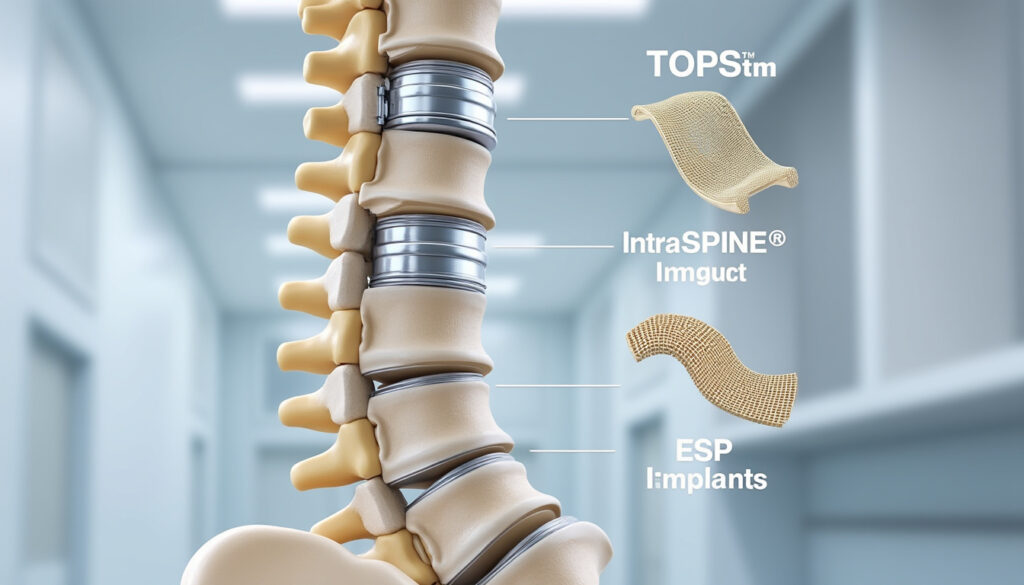
The evolving field of spinal surgery is witnessing a transformative shift, fueled by cutting-edge implant technologies such as TOPS, Intraspine, and ESP. These innovative implants redefine treatment possibilities by emphasizing preservation of natural spinal mechanics, while ensuring durable stabilization and…
How Medical Assessments Foster Collaboration Between Quebec and French Spine Surgery Teams
In the realm of spine healthcare, transatlantic collaborations have enriched patient care by combining diverse expertise and resources. The structured evaluation process initiated in centers like TAGMED exemplifies this model. Patients undergo exhaustive initial assessments, including PROMs and specialized cognitive-functional testing, ensuring only well-suited candidates are referred for advanced surgical techniques such as arthrodesis or minimally invasive interventions.
This cooperation expedites surgery scheduling by bypassing long wait times often encountered locally and offers access to cutting-edge technology such as dynamic stabilizers and sophisticated endoscopic procedures available predominantly in French treatment centers. The alliance also encompasses logistical support, including organized patient travel and accommodation, and post-operative care coordination, enhancing recovery through sustained monitoring provided by entities like Neurothérapie Montréal.
Such multinational screening and referral pathways optimize healthcare outcomes by melding personalized preoperative evaluation with innovative surgical solutions, indicating that surgery prevention must be balanced with timely, effective intervention.
Can Surgery Be Prevented Through Questionnaires and Initial Examinations?
Explore the patient screening process to understand how early assessments and questionnaires can reduce the need for surgery.
Created with HTML + JavaScript and TailwindCSS via CDN.

Preparing for Surgery in France: Key Indications, Benefits, and Limitations
In an evolving global healthcare landscape, France emerges as a beacon of advanced surgical expertise, particularly attracting international patients seeking expedited and innovative medical interventions. Patients from regions experiencing long wait times, such as Quebec, increasingly view France as an…
Modern Technologies Shaping Patient Screening and Reducing Surgical Risks
Spine surgery is witnessing remarkable innovations through technologies such as 3D imaging and robotic-assisted navigation. These advancements refine initial examinations, enabling unparalleled precision in clinical diagnosis and surgical planning. For example, 3D-printed vertebrae models help simulate surgeries, anticipate challenges, and personalize implants, significantly mitigating intraoperative risks.
Robotic platforms aid surgeons in executing minimally invasive procedures with enhanced accuracy, reducing trauma and accelerating post-operative recovery. The utilization of these technologies aligns closely with efforts to prevent surgery when not absolutely needed by improving the diagnostic clarity required for informed patient screening and individual risk stratification.
These techniques are showcased extensively in recent surgical courses and research, highlighting their transformative role in the future of perioperative medicine and spinal surgery safety (information on robotic spine surgery innovations).

Unveiling the Hidden Benefits of Quality and Certification in Devices
The landscape of device manufacturing and clinical application in 2026 has been fundamentally shaped by the rigorous interplay between quality management and certification processes. Within this complex framework, the hidden benefits of adhering to international standards and obtaining relevant certifications…
Case Examples Demonstrating Surgery Prevention and Optimized Patient Outcomes
Analyzing real-world cases reveals the tangible benefits of combining questionnaires and initial examinations. For example, a patient presenting with moderate lumbar disc herniation underwent comprehensive PROMs assessment and risk evaluation. Instead of immediate surgery, a structured conservative treatment comprising neurotherapy and physical rehabilitation was initiated, resulting in significant symptom relief and improved mobility after six months. This prevented an invasive procedure and its associated risks.
Conversely, patients with severe neurological deficits who meet strict assessment criteria receive timely surgical intervention with enhanced preoperative preparation, minimizing complications. The dual focus on preventing unnecessary surgery while ensuring prompt treatment illustrates the balanced power of proactive patient screening and preoperative evaluation in spinal care.
| Case Type | Assessment Tools Used | Intervention Strategy | Outcome |
|---|---|---|---|
| Moderate Lumbar Disc Herniation | PROMs, ASA Scoring, Imaging | Non-Surgical Neurotherapy, Physical Rehab | Symptom Reduction, Surgery Avoided |
| Severe Myelopathy | Detailed Neurofunctional Tests, Cardiac Assessment | Advanced Surgical Decompression | Improved Neurological Function, Successful Recovery |

Why Experts Advocate for Comprehensive Preoperative Evaluations
In the complex and demanding field of spinal surgery, the emphasis on comprehensive preoperative evaluations has become a fundamental pillar supporting successful surgical outcomes. These evaluations, far beyond mere routine checks, integrate detailed analyses of patient health, surgical risk assessments,…
Navigating Patient Education and Expectations Through Initial Evaluations
Effective preoperative assessment extends beyond diagnostics; it involves thorough patient education to align treatment expectations with clinical realities. By employing detailed questionnaires and medical evaluations, clinicians can engage patients in transparent dialogue about the pros and cons of surgery versus conservative management.
This empowers patients to make informed decisions grounded in their values and lifestyle preferences. Many spine care programs now incorporate ‘surgery schools’ where patients receive comprehensive information and self-management training before any surgical consideration. Such preparation is shown to reduce anxiety, improve postoperative adherence, and foster faster recovery trajectories, underpinning the holistic nature of patient-centered spine care.
Integration of education into the initial examination process enhances the implementation of risk assessment and enables the anticipation of post-surgical rehabilitation needs, creating a smoother continuum of care that prioritizes safety and efficacy.
What types of questionnaires are used before spinal surgery?
Validated PROMs questionnaires adapted to the language and culture are utilized to measure symptom impact on quality of life, neurological function, and pain levels. These tools support an accurate evaluation of the need for surgery.
Can surgery be avoided through these initial assessments?
Yes, initial clinical and functional assessments often guide patients towards specialized conservative treatments that can reduce or eliminate the necessity for surgery.
What medical examinations are typically required before surgery?
Based on the patient’s general condition and surgical risk, standard blood tests, ECG, pulmonary imaging, and sometimes cardiology consultations are requested to ensure procedural safety.
How does Neurothérapie Montréal contribute to this process?
Neurothérapie Montréal provides personalized support throughout the surgical journey, including comprehensive postoperative monitoring to foster optimal recovery in Quebec.
How can I know if I’m a suitable candidate for coordinated spine surgery?
Thorough evaluations combining questionnaires, exams, and supervised conservative treatments, particularly with experts like Dr. Sylvain Desforges at TAGMED, establish eligibility responsibly and safely.

The Future of Surgery Lies in Stepwise Functional Recovery
The evolution of surgical care in 2026 reveals a compelling shift toward approaches that prioritize the holistic recovery of patients, moving beyond traditional metrics like length of hospital stay or mortality rates. This modern paradigm highlights the principle that the…