
Comprehensive Insights into Patient Recovery Stories
June 18, 2026
The Role of Franchir in Patient Management and Its Influence on Surgical Decision-Making
June 18, 2026
In the rapidly evolving landscape of surgical practices, the integration of comprehensive preoperative assessment signifies a paradigm shift towards maximizing patient safety, optimizing surgical outcomes, and embracing groundbreaking innovations in perioperative care. As medical technology advances at an unprecedented pace, the future of surgery increasingly hinges on meticulous patient evaluation and surgical planning positioned before the actual intervention. This shift acknowledges that successful surgery extends beyond the operation itself to encompass thorough risk assessment, enhanced coordination of care, and the empowerment of patients through education and personalized protocols.
Worldwide, healthcare advancements are reshaping how surgical teams prepare for operations, especially in complex specialties like spinal surgery. Presently, coordinated international collaborations demonstrate how cross-border partnerships facilitate access to specialized surgical innovations such as mini-invasive procedures, dynamic stabilization implants, and advanced robotic navigation systems. Alongside technological progress, the human-centric approach to preoperative assessment offers an indispensable safety net, assessing systemic health, neurological function, and psychological readiness.
Additionally, by deploying state-of-the-art diagnostic tools, including advanced imaging and sensor-based neurofunctional testing, clinicians can intricately map surgical plans and tailor perioperative care to the unique needs of each patient. The evolving use of artificial intelligence and machine learning further enhances risk stratification and predictive modeling, enabling proactive management strategies that directly translate into fewer complications and faster recoveries.
As we explore the multiple dimensions of comprehensive preoperative assessment, it becomes clear that its pivotal role lies at the intersection of surgical innovation, patient safety, and healthcare efficiency. The ensuing sections dissect critical facets of this transformative movement, underscoring why the future of surgery is bound closely to the optimization of the preoperative process.
Comprehensive Preoperative Assessment: The Cornerstone of Modern Surgical Safety
Comprehensive preoperative assessment has emerged as an essential foundation for surgical success, especially within the domain of complex surgeries like spinal operations. By systematically evaluating patient health prior to surgery, healthcare teams can significantly reduce perioperative risks and tailor treatment plans more precisely. This process extends far beyond routine medical histories and standard tests to include detailed neurofunctional evaluations, advanced imaging, and meticulous analysis of comorbidities.
Critical to this assessment is a robust dialogue that encompasses patient eligibility, individualized risk factors, and potential contraindications for specific surgical techniques, such as dynamic stabilization implants or mini-invasive interventions. For example, specialized neurofunctional tests targeting the autonomic nervous system can reveal subtle nervous system irregularities that might impact anesthetic and postoperative recovery plans.
Integrating data from blood panels, MRIs, CT scans, and specialist consultations allows surgeons and anesthesiologists to predict complications with greater accuracy. Such predictive capabilities are reinforced by evidence-based algorithms that support decision-making. This synergy aligns with recent advances illuminating how thorough preoperative evaluations contribute to lowering infection rates, hemorrhagic risks, and neurological complications, reinforcing patient safety from the outset.
International collaborations exemplify how comprehensive assessments bridge the gap between patient-centered care and cutting-edge surgical innovation. Cross-institutional coordination ensures that patients benefit not only from clinical expertise but also from superior logistical organization and continuity of care, contributing decisively to quality outcomes. Notably, patients undergoing spine surgery through integrated pathways have reported enhanced satisfaction related to preoperative education and confidence-building during evaluation phases.
Healthcare systems worldwide increasingly recognize comprehensive preoperative assessment as a standard of care, supported by evolving perioperative medicine research, including insights published in peer-reviewed platforms that highlight exemplary frameworks for individualized patient evaluation and optimization tailored to the planned anesthetic and surgical methods (advancing perioperative medicine). These frameworks position preoperative assessment as the keystone in mitigating risks and steering clinical pathways toward excellence.
Ultimately, this multidimensional assessment reconciles technical, physiological, and psychological dimensions, reflecting a holistic approach to surgical preparation designed for robustness and patient safety.
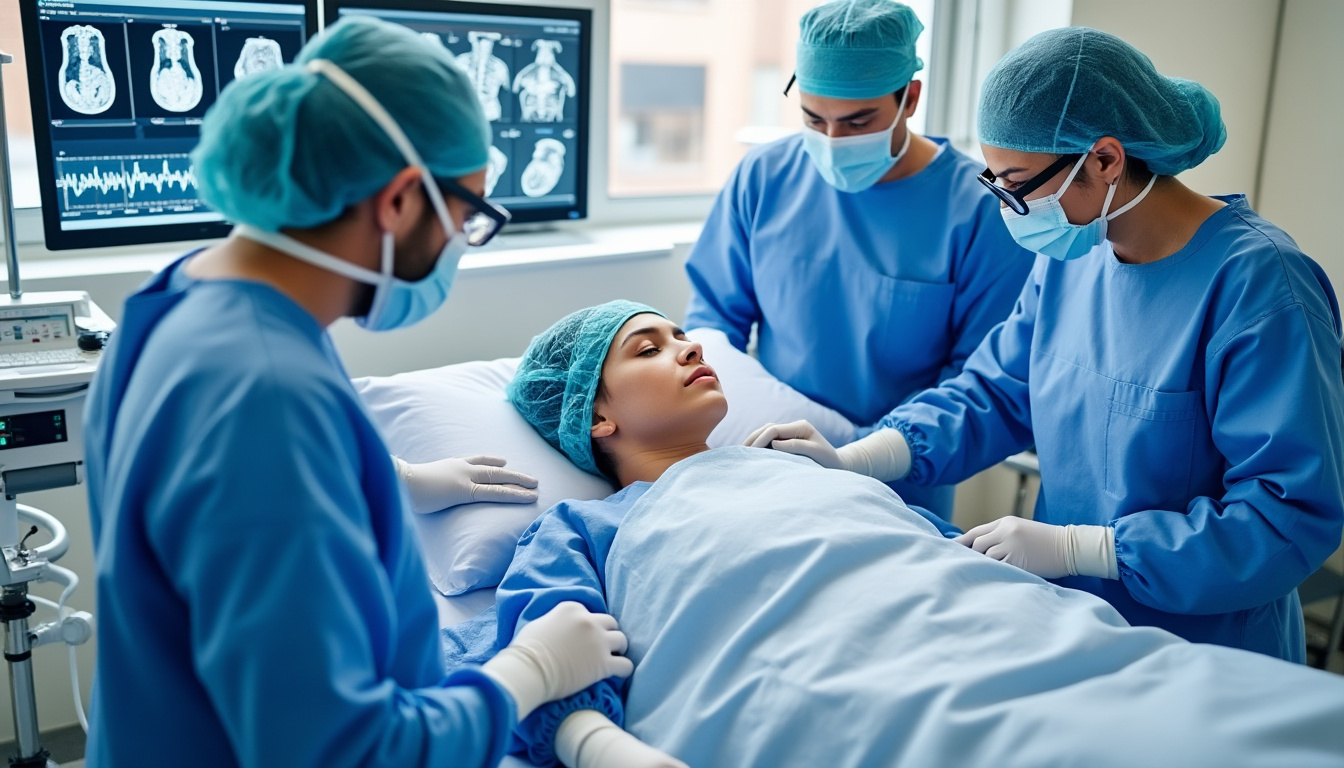

The Role of Franchir in Patient Management and Its Influence on Surgical Decision-Making
The evolving landscape of spinal surgery demands not only surgical expertise but also a well-coordinated and patient-centric management framework. At the forefront of this transformation is Franchir, a pivotal entity that bridges geographical and clinical gaps to enhance patient management…
International Collaboration Enhancing Access to Surgical Innovation and Expertise
In a world where medical technology rapidly advances, international collaboration provides a strategic advantage that enriches patient access to pioneering surgical techniques and highly specialized care. A notable example is the transatlantic partnership bridging healthcare centers in Quebec and France, which leverages the expertise of more than 20 French surgeons skilled in minimally invasive procedures, dynamic stabilization systems like TOPS, and cervical and lumbar prosthetic implants.
This collaboration exemplifies how seamless logistical and clinical coordination transcends geographical barriers to improve patient outcomes. Such partnerships facilitate accelerated surgical scheduling, minimize wait times often associated with chronic pain conditions, and provide patients with tailored surgical plans developed through collective expertise.
These cross-border pathways encompass comprehensive preoperative assessments, ensuring that patients meet strict eligibility criteria based on detailed neurofunctional and radiological data. For instance, patients from Quebec benefit from a streamlined process where all investigations are initially conducted and reviewed locally, then shared digitally with French specialists for further analysis and planning. This ensures continuity and coherence in surgical planning and post-operative care.
Furthermore, collaboration extends into postoperative rehabilitation. Advanced biofeedback and neurofeedback techniques, widely accessible through dedicated clinics, complement surgical interventions and accelerate recovery with precision-guided neurofunctional rehabilitation tailored to individual progress. This integration of care throughout the surgical journey marks an evolution in patient-centered healthcare pathways.
The logistics underpinning these partnerships involve meticulous organization of travel, accommodation, clinical appointments, and follow-up schedules led by specialized coordinators, which is crucial for reducing patient stress and optimizing clinical outcomes. Real-world feedback from patients navigating these pathways demonstrates increased confidence in their care journey, thanks to consistent communication and expert-led coordination.
Such international cooperation also keeps pace with healthcare advancements, including the integration of medical technology like 3D-imaging, robotic navigation systems, and digital health records that facilitate data sharing and precision surgical planning. The impact elevates the standard of care, setting a benchmark for future models of global surgical collaboration.

Comprehensive Insights into Patient Recovery Stories
Patient recovery narratives offer an invaluable perspective on the intersection of medical intervention and human resilience, unfolding a complex tapestry of hope, challenges, and wellness progress. In contemporary healthcare, the richness of these stories provides insights beyond clinical data, revealing…
Innovative Surgical Techniques Driving the Future of Spine Surgery
Modern spinal surgery has been revolutionized by the advent of innovative surgical techniques that simultaneously improve patient safety and expedite recovery. These procedures, often unavailable in certain regions, gain accessibility through international preoperative assessment frameworks that direct patients toward the most appropriate surgical solutions.
Minimally invasive surgery (MIS) techniques are at the forefront, employing endoscopic and percutaneous protocols that substantially reduce tissue trauma compared to traditional open surgeries. Supporting technologies—such as high-resolution 3D imaging and robot-assisted navigation platforms—enhance surgical precision, reduce operative time, and minimize intraoperative complications.
Dynamic stabilization implants, including systems like TOPS and Intraspine, represent another critical leap forward. Unlike traditional spinal fusion, which permanently restricts vertebral motion and may lead to adjacent segment degeneration, these devices preserve spinal mobility while stabilizing the affected segments. Patients benefit from reduced post-operative stiffness, lower infection risks, and shorter hospital stays, collectively contributing to improved long-term functional outcomes.
Prosthetic disc replacements for cervical and lumbar spine regions further diversify treatment options, especially for younger patients presenting with herniated discs or degenerative pathologies. These implants maintain spinal kinematics more closely than fusion, offering a restorative approach that aligns with personalized surgical planning.
Continuous education and surgical training programs, such as those offered by EUROSPINE and IRCAD Strasbourg, emphasize mastery of these advancements through specialized diplomas and endoscopic course curricula (advanced training in spinal endoscopy). These initiatives ensure that the surgical workforce is prepared to adopt and refine new technologies responsibly and effectively.
The synergy between innovative surgical techniques and comprehensive preoperative assessment enables truly personalized surgical care. Each patient’s evaluation identifies the ideal technology and procedure based on precise anatomical and physiological data, dramatically improving the success rate and patient safety.
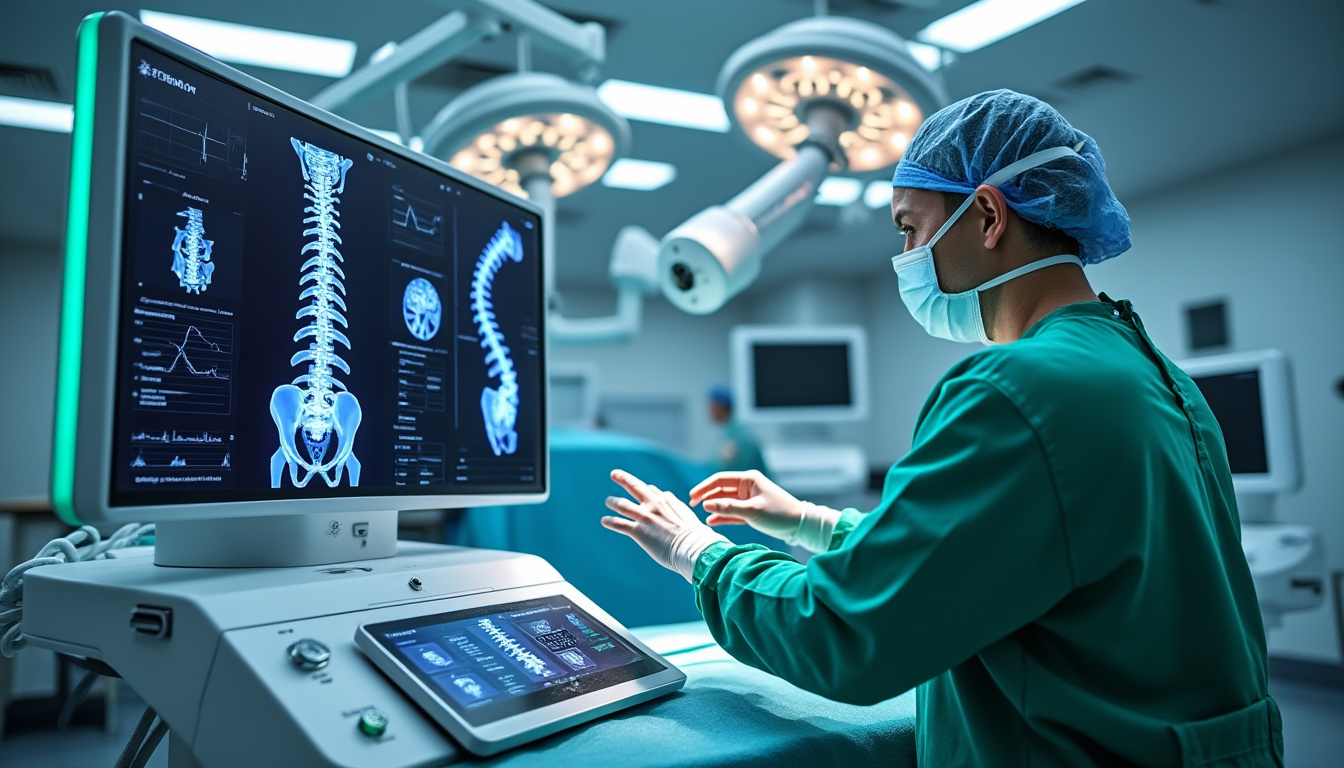

Simple Surgery, Fusion, and Motion: Exploring Their Impact on Surgical Decision-Making
The management of spinal disorders in 2026 involves a complex interplay between different surgical options, each tailored to address specific biomechanical challenges and patient needs. The landscape has been significantly influenced by advances in technology and a growing understanding of…
Technologies Enhancing Preoperative Patient Evaluation and Risk Stratification
Recent healthcare advancements underscore the vital role of medical technology in elevating the quality of patient evaluation before surgery. The integration of sophisticated imaging techniques, neurofunctional assessments, and predictive analytics tools has redefined the standards of preoperative risk stratification.
Magnetic resonance imaging (MRI) and computed tomography (CT) scans provide detailed visualization of spinal anatomy, allowing surgeons to delineate pathological features with remarkable clarity. When combined with advanced software, these images contribute to creating tailored 3D models that assist surgical navigation and simulate intervention scenarios.
Neurofunctional testing, focusing on the autonomic nervous system, provides a deeper understanding of potential intraoperative and postoperative neurological risks. This multidimensional evaluation detects subtle dysfunctions that traditional assessments may overlook, facilitating customized anesthetic plans and postoperative care modalities.
Artificial intelligence (AI) and machine learning algorithms have emerged as powerful allies in preoperative risk assessment. By analyzing large datasets from electronic health records and perioperative databases, AI identifies complex nonlinear risk patterns and predicts individual susceptibility to complications such as infection, hemorrhage, or neurological deficits.
Table: Key Components of Advanced Preoperative Patient Assessment
| Assessment Type | Purpose | Impact on Surgical Planning and Patient Safety |
|---|---|---|
| Comprehensive Blood Panel | Detect coagulopathy, metabolic imbalances | Optimizes anesthesia and surgical preparation to minimize bleeding and metabolic risks |
| Advanced Imaging (MRI, CT) | Precise anatomical mapping of spinal pathology | Enables selection of the most appropriate surgical techniques and implants |
| Neurofunctional Testing | Assess autonomic nervous system function | Informs individualized perioperative neurologic management |
| Anesthetic Consultation | Evaluate anesthesia-related risks | Customizes anesthetic protocols to maximize safety |
| AI-Based Risk Modeling | Predict patient-specific perioperative complications | Guides clinical decision-making and risk mitigation strategies |
A comprehensive approach combining these techniques provides practitioners with invaluable insights into patient health status beyond conventional evaluation, significantly contributing to positive surgical outcomes. Guidance on patient optimization strategies and monitoring protocols is evolving in parallel, aligning with internationally recognized standards and perioperative care innovations.
The Future of Surgery Lies in Comprehensive Preoperative Assessment
Explore the critical elements shaping tomorrow’s surgical outcomes through an interactive infographic.
Preoperative Assessment Process
The comprehensive preoperative assessment process integrates patient history, physical examination, and diagnostic data to create a personalized surgical plan that minimizes risks and enhances recovery.
- Initial patient consultation and history taking
- Physical examination tailored to surgical requirements
- Lab tests and imaging evaluations
- Multidisciplinary team discussions for complex cases
- Patient education and consent
Patient Evaluation Enhancements
Advanced evaluation techniques improve the accuracy of patient status assessment, incorporating new tools and metrics for optimal surgical candidacy.
- Wearable health monitors for real-time data
- Artificial intelligence to analyze patient records
- Enhanced cognitive and functional status scoring
- Remote telemedicine pre-assessment options
- Integration of genetic and biomarker information
Risk Stratification Techniques
Stratifying patients by their surgical risk allows tailored interventions to reduce complications and allocate resources effectively.
- Standardized scoring systems (e.g. ASA, ACS NSQIP)
- Machine learning models predicting postoperative outcomes
- Continuous risk monitoring during perioperative period
- Personalized risk dashboards for clinicians
- Integration of social determinants of health
Surgical Planning Insights
Surgical planning is increasingly data-driven, leveraging 3D modeling, predictive analytics, and interdisciplinary input to optimize procedure strategy.
- Preoperative 3D visualization and simulation
- Predictive analytics for procedure duration and blood loss
- Collaboration between surgeons, anesthetists, and nurses
- Customized instrument and implant selection
- Enhanced patient communication tools

Common Pitfalls to Avoid When Collaborating with Partner Hospitals and Surgeons
Collaborating with partner hospitals and surgeons in complex surgical fields such as spinal surgery requires meticulous coordination and a clear understanding of potential pitfalls. The transatlantic patient journey between Canada and France exemplifies the challenges and intricacies in managing cross-border…
Optimizing Patient Preparation: Medical, Psychological, and Logistical Dimensions
Effective preoperative preparation embraces a multifaceted approach that ensures patients are medically optimized, psychologically ready, and logistically supported. This integral preparation mitigates complications and elevates the overall patient experience.
Medically, optimization includes managing comorbidities, adjusting medications such as anticoagulants to reduce bleeding risk, and enforcing strict preoperative fasting protocols to reduce anesthesia complications. Preoperative hygiene protocols, including antiseptic showers, serve to minimize infection risk through reducing microbial burden.
Psychological preparedness has gained increasing attention within surgical pathways. Preoperative anxiety can adversely affect outcomes by elevating stress hormones and complicating anesthesia. Techniques such as guided imagery, controlled breathing exercises, and counseling sessions help patients manage fear and build positive expectations for surgery. This human-centered care approach facilitates resilience and adherence to postoperative regimens.
Logistically, coordinated patient pathways reduce stress and uncertainty, especially when procedures involve international travel and multiple healthcare providers. Dedicated coordinators manage appointment scheduling, transportation, and accommodation logistics, ensuring seamless transitions. This holistic support system subtly impacts patient safety by preventing delays and maintaining continuous healthcare engagement.
- Adjustment of anticoagulant medications to prevent hemorrhagic complications
- Implementation of fasting protocols tailored to patient and surgery type
- Mandatory antiseptic hygiene routines before surgery
- Provision of psychological support programs focusing on anxiety reduction
- Comprehensive itinerary management for patients undergoing international care
Institutions that prioritize these preparation facets experience improved surgical success indicators and higher patient satisfaction, affirming that patient safety extends well beyond the operating room.

Insights from Research on Surgical Preparation Practices in France
In the evolving landscape of healthcare in France, surgical preparation stands as a critical determinant of patient safety and favorable surgical outcomes. With surgical site infections ranking as one of the most frequent healthcare-associated complications, a meticulous approach to preoperative…
Surgical Planning and Patient Safety: Integrating Risk Assessment with Technological Innovation
The interplay between meticulous surgical planning and cutting-edge technology is a defining characteristic of the future of surgery. Patient safety benefits enormously from integrating comprehensive risk assessment with innovations such as robotic surgery platforms and advanced perioperative monitoring tools.
Preoperative simulation models, supported by high-fidelity imaging and AI-driven predictive analytics, enable surgeons to anticipate challenges unique to each patient. This anticipatory approach reduces operative time, limits intraoperative blood loss, and minimizes nerve tissue trauma.
Robotic-assisted spinal surgeries utilize 3D navigation and computer vision to enhance surgical precision, accommodating complex anatomical variations and reducing human error. Moreover, real-time intraoperative monitoring systems provide continuous feedback on neural tissue integrity and physiological parameters, allowing immediate adjustments to surgical techniques.
This synthesis of detailed patient data and technological prowess underpins safer surgeries and improved recovery trajectories. The healthcare community universally acknowledges that combining comprehensive preoperative assessment with surgical innovation is indispensable to achieving these outcomes.
Further evidence regarding the efficacy and safety of these advanced techniques is detailed in contemporary literature focusing on AI’s role in surgical oncology and perioperative risk management (AI in surgical risk assessment), emphasizing the indispensable nature of such integrations.

What Research Reveals About Patient Testimonials During Recovery
In the evolving landscape of healthcare, patient testimonials during recovery have emerged as a pivotal resource, offering invaluable insights into the intricate journey of healing. These authentic accounts span beyond mere anecdotal evidence, becoming a rich source for understanding treatment…
Postoperative Follow-Up: Personalized Continuity of Care as a Pillar for Long-Term Success
Postoperative care completes the surgical pathway, with comprehensive preoperative assessment laying the groundwork for personalized follow-up strategies. Continuity of care ensures that recovery phases are closely monitored, risks are promptly identified, and rehabilitation is customized to patient-specific neurofunctional and anatomical outcomes.
Through technology-assisted assessments such as regular neurofunctional testing coupled with biofeedback and neurofeedback therapy, clinicians optimize rehabilitation strategies. This dynamic approach adjusts therapeutic intensity based on patient responsiveness and complication risks, thereby reducing chances of relapse or chronic disability.
Integration across care teams, spanning surgeons, neurologists, rehabilitation specialists, and coordinating clinics, fosters a seamless information flow essential for monitoring the surgical site and overall neurological status. Patients returning from international care pathways benefit immensely from this continuity, confirming that collaborative care transcends borders.
This post-surgical vigilance is particularly vital in complex spine procedures where neurological function preservation remains a priority. Examples from specialized centers illustrate lower complication rates and enhanced patient quality of life due to rigorous postoperative protocols embedded within the comprehensive assessment framework.

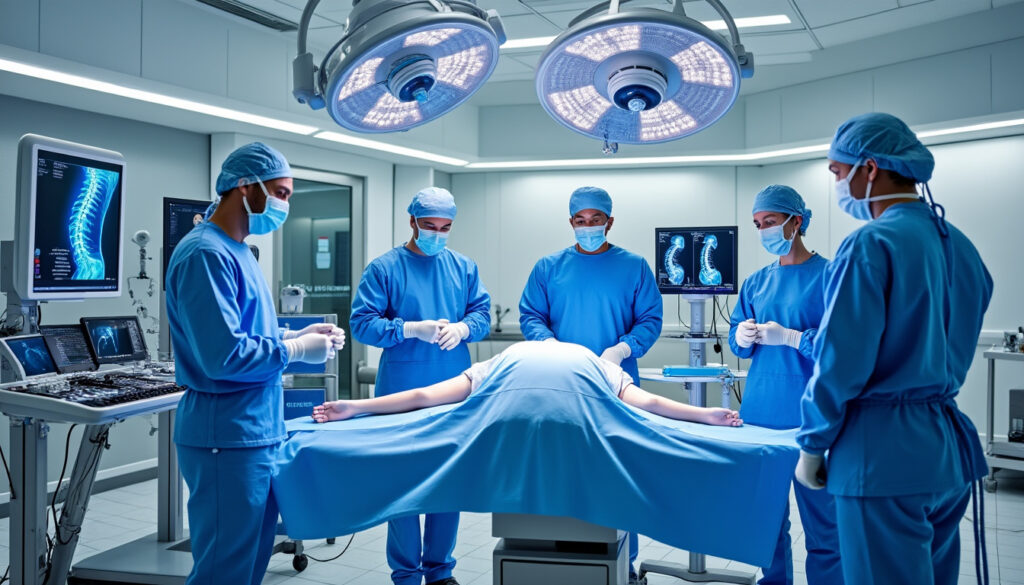
Spine Surgery in France: Essential Insights Every Patient Must Know
Spinal health is a critical aspect of overall well-being, particularly for individuals suffering from chronic back pain or debilitating spinal conditions. The landscape of spine surgery in France presents a remarkable opportunity for patients seeking advanced surgical procedures coupled with…
Patient-Centric Preoperative Assessment Driving the Future of Healthcare
Healthcare systems increasingly emphasize patient-centric approaches, positioning comprehensive preoperative assessments as pivotal to tailoring surgical pathways. By incorporating functional status, lifestyle factors, and shared decision-making, this model respects patient preferences while optimizing clinical efficacy.
Patient-centered preoperative care employs early screening and triage, facilitated by multidisciplinary teams that include surgeons, anesthesiologists, nurses, and rehabilitation specialists. Such collaboration ensures that assessment and optimization efforts align with both medical needs and patient goals.
This approach also empowers patients through transparent communication regarding surgical risks, benefits, and alternatives. Enhanced patient education improves adherence to preoperative preparation and postoperative rehabilitation, directly influencing surgical outcomes. Digital tools expedite information sharing and enable personalized checklists, reminders, and follow-ups, streamlining patient engagement.
As patient safety remains paramount, embedding patient voices within preoperative frameworks advances not only individual outcomes but also health system performance, heralding a future where comprehensive preoperative assessment is inseparable from quality surgical care.
What essential exams must a patient complete before back or neck surgery?
Patients should undergo a complete blood panel, tailored imaging studies (MRI, CT scans, radiographs), and a thorough anesthetic consultation to evaluate anesthesia-related risks. This multifaceted evaluation personalizes surgical preparation and maximizes safety.
How is patient eligibility determined for spinal surgery in international settings?
Eligibility is assessed through comprehensive initial consultations involving complete medical record reviews, neurofunctional testing, and imaging data, ensuring that each patient is matched with the appropriate surgical technique and care pathway.
What advantages do mini-invasive surgical techniques offer patients?
Mini-invasive procedures reduce hospitalization duration, lower infection risks, preserve post-operative mobility through dynamic implants like TOPS, and expedite recovery times compared to traditional open surgeries.
How is post-operative follow-up managed following international spinal surgery?
Dedicated clinics provide personalized follow-up care, including regular neurofunctional assessments, biofeedback therapies, and continuous coordination with surgical teams abroad to ensure seamless recovery and early complication detection.
Why is psychological preparation critical in preoperative assessment?
Preoperative anxiety negatively influences surgical outcomes; therefore, integrating psychological support through relaxation techniques and counseling enhances patient resilience, reduces stress, and improves adherence to perioperative protocols.

Why Experts Advocate for the Crucial Role of Franchir in Effective Care Management
In the evolving landscape of healthcare, effective care management has become pivotal to improving patient outcomes and ensuring seamless coordination across diverse medical services. Within this context, the role of Franchir emerges as a beacon of innovation and precision, particularly…