Simple Surgery, Fusion, and Motion: Exploring Their Impact on Surgical Decision-Making
June 18, 2026
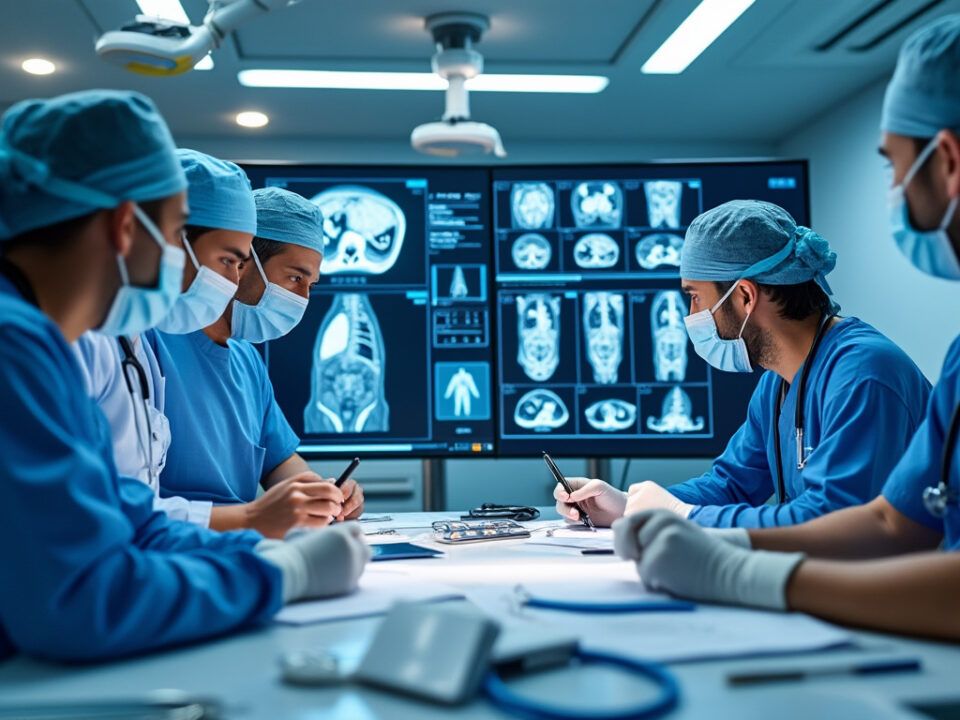
The Future of Surgery Lies in Comprehensive Preoperative Assessment
June 18, 2026
Patient recovery narratives offer an invaluable perspective on the intersection of medical intervention and human resilience, unfolding a complex tapestry of hope, challenges, and wellness progress. In contemporary healthcare, the richness of these stories provides insights beyond clinical data, revealing the nuanced rehabilitation journey that shapes medical outcomes. As healthcare providers deepen their understanding of treatment effectiveness through authentic patient experiences, the broader community gains a beacon of motivation and knowledge. This compendium explores diverse health stories that illuminate how recovery processes unfold, emphasizing multidimensional support strategies vital for optimal clinical outcomes.
The integration of personalized care pathways, advanced technologies such as neuromodulation, and international collaboration emerges as a transformative approach in the field of spinal surgery recovery. Expertise from renowned consultants and institutions showcases a synergy between innovations like repetitive Transcranial Magnetic Stimulation (rTMS) and robust rehabilitation programs, elevating patient autonomy and quality of life. Recognizing this evolving landscape, the article synthesizes detailed case studies, contemporary treatment methodologies, and testimonial insights, underscoring the indispensable role of patient voices in shaping healthcare insights and future practices.
Understanding the Complexity of Patient Recovery in Spinal Surgery
Recovery after spinal surgery is a multifaceted endeavor requiring a careful balance between physical healing and psychological support. The patient recovery journey often begins at the pre-operative stage, where preparation profoundly influences postoperative success. Notably, the engagement of both patient and multidisciplinary teams sets the tone for favorable outcomes and wellness progress during convalescence.
For instance, patients undergoing different types of spinal surgeries experience distinct recovery timelines: simple decompressions typically allow early mobilization with return to work within weeks, motion-preserving surgeries focus on regaining disc functionality with sports resumption occurring months later, whereas spinal fusions necessitate prolonged periods of immobilization and progressive rehabilitation. Each pathway demands tailored follow-up to address unique challenges such as neuropathic pain, functional restoration, and mental well-being.
The recovery process is significantly impacted by additional factors including patient age, comorbidities, and psychosocial environment. A comprehensive outlook that incorporates patient experiences enriches understanding about the variability in individual responses to surgical intervention and rehabilitation. Healthcare professionals are increasingly advocating for integrating these narratives to refine clinical protocols and optimize treatment effectiveness, thereby improving overall medical outcomes.
Preparation and Psychological Readiness as Pillars of Successful Rehabilitation
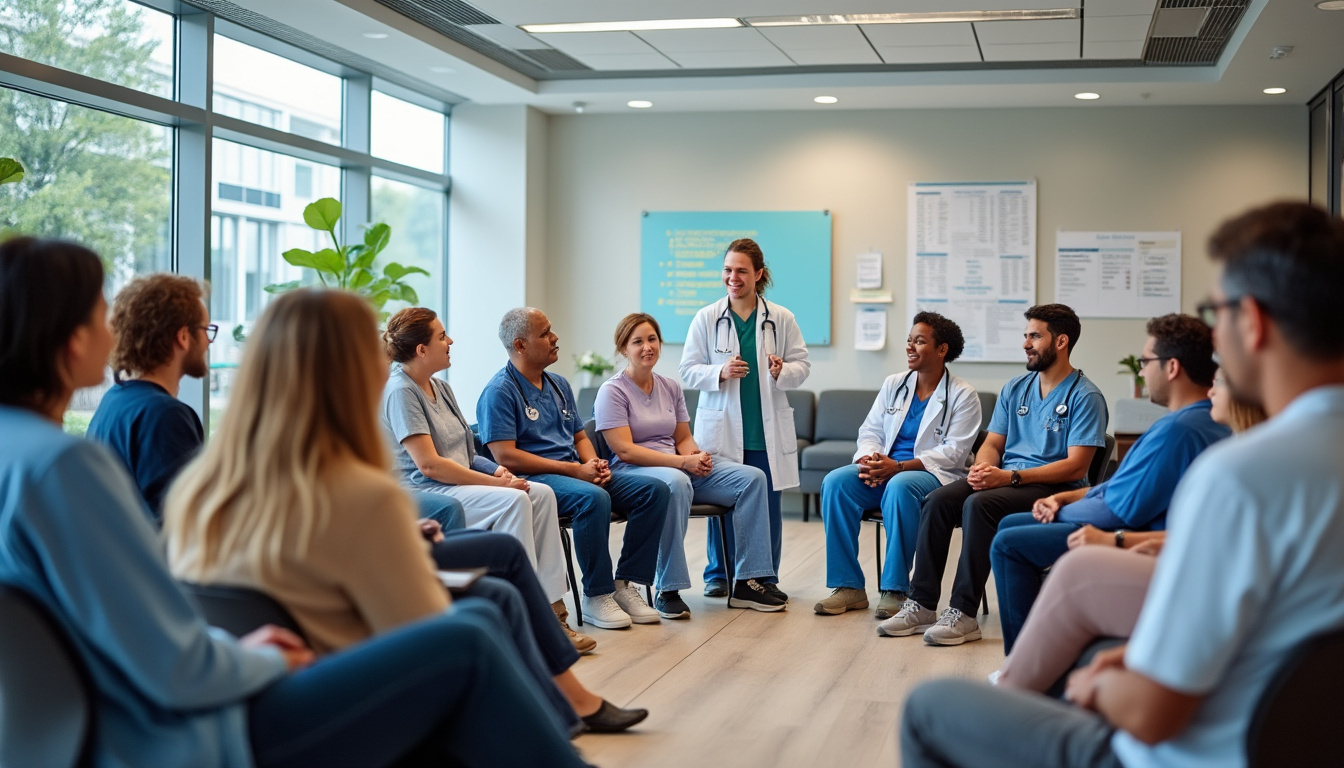
Psychological preparation before surgery is an essential component of the rehabilitation journey. Patients often face anxiety and apprehension, which can hinder recovery if not appropriately managed. Structured programs that include counseling, education on what to expect, and strategies to manage postoperative pain and limitations have shown to enhance adherence and recovery speed.
A particularly significant breakthrough has been the application of neuromodulation techniques such as rTMS. By influencing neural pathways responsible for pain processing and emotional regulation, this method supports both physical and psychological healing. This is reflected in patient testimonials where reductions in neuropathic pain lead to improved sleep, mood, and overall functionality.
Healthcare systems that adopt a multidisciplinary approach, combining surgical expertise, physical therapy, pain management, and psychological support, build a stronger foundation for patient recovery. The role of centers specializing in neurofunctional follow-up post-surgery, as coordinated in transatlantic collaborations between institutions in France and Quebec, exemplifies this tailored approach enhancing recovery trajectories.
The Role of Franchir in Patient Management and Its Influence on Surgical Decision-Making
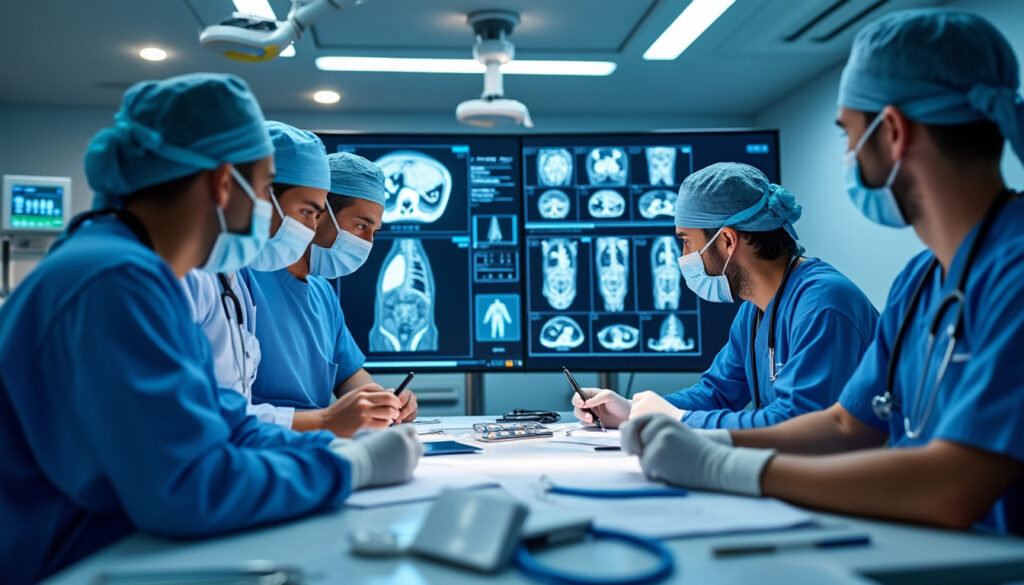
The evolving landscape of spinal surgery demands not only surgical expertise but also a well-coordinated and patient-centric management framework. At the forefront of this transformation is Franchir, a pivotal entity that bridges geographical and clinical gaps to enhance patient management…
Insights from Real Patient Experiences Highlighting Recovery Milestones
Patient recovery stories not only inspire but also provide concrete health stories that inform clinical approaches. These narratives reveal the intricate balance between overcoming physical constraints and psychological resilience that defines the rehabilitation journey. An example is Jean-Pierre, a 54-year-old patient who underwent lumbar disc prosthesis surgery. His recovery timeline reflects early mobilization from day seven, a return to professional activities at five weeks, and resumption of sports after four months, underscoring the potential for restored wellness through structured support.
Another illustrative case involves Marie, who developed post-laminectomy syndrome with persistent neuropathic pain after nerve decompression surgery. Her positive response to individualized rTMS therapy alongside psychological counseling marks a pivotal improvement in quality of life, exemplifying how treatment effectiveness can be amplified by integrating novel therapeutic modalities and addressing emotional health. These patient experiences demonstrate how monitoring clinical outcomes alongside emotional well-being must guide rehabilitation strategies.
Global patient testimonials also influence surgical decision-making and healthcare policy by bringing attention to variations in recovery and highlighting areas for improvement, which ultimately benefits future patients. Such dynamic feedback loops enrich the fabric of healthcare insights by grounding them in lived realities rather than theoretical frameworks.
The Critical Role of Neuromodulation in Managing Postoperative Challenges
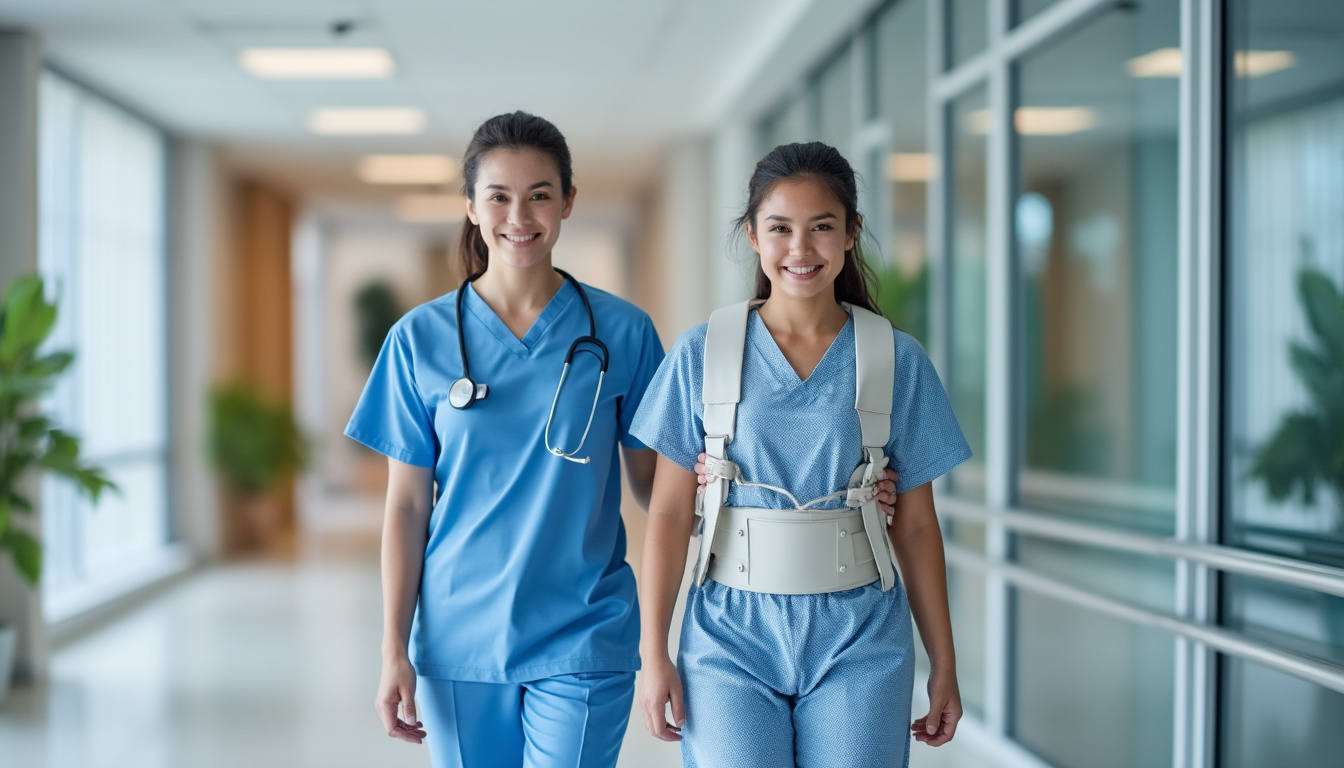
Neuromodulation has emerged as a vital tool to enhance recovery and alleviate postoperative complications, especially in patients struggling with persistent pain or psychological distress. Techniques such as rTMS, BrainPort, and PoNS offer non-invasive options that modulate neural circuits to support healing and sensory-motor reeducation.
rTMS, specifically, targets cortical areas involved in pain modulation and mood regulation. Clinical studies and patient testimonials reveal a consistent trend of reduced neuropathic pain post-surgery, improved motor recovery, and alleviation of depressive symptoms, which substantially shortens the rehabilitation timeline. Complementing rTMS, devices stimulating oral or cervical nerves engage neuroplasticity, contributing to functional restitution in complex cases, including post-stroke or neurodegenerative conditions.
Furthermore, the success of these interventions hinges on their integration within a comprehensive post-op care framework. Regular neurofunctional evaluations guide personalized protocols ensuring that technological advances translate effectively into patient-centered outcomes. This holistic perspective exemplifies the direction of modern medical recovery care, blending innovation with empathy.
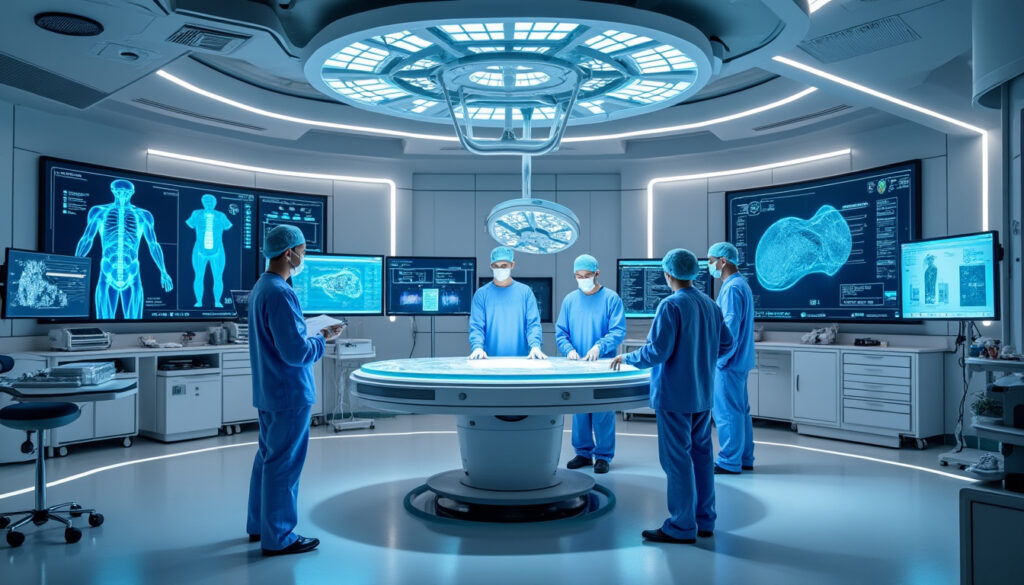
The Future of Surgery Lies in Comprehensive Preoperative Assessment
In the rapidly evolving landscape of surgical practices, the integration of comprehensive preoperative assessment signifies a paradigm shift towards maximizing patient safety, optimizing surgical outcomes, and embracing groundbreaking innovations in perioperative care. As medical technology advances at an unprecedented pace,…
International Coordination Enhancing Patient Support and Recovery Outcomes
Complex recovery processes following spinal surgery often extend beyond national boundaries, necessitating robust coordination between healthcare providers, patients, and support networks. A notable model lies in the collaboration between Neurothérapie Montréal and French surgical centers, supported by entities such as SOS Tourisme Médical and Franchir. This alliance ensures thorough preparation, seamless surgical logistics, and meticulous post-operative follow-up for patients crossing continents.
The coordinated management includes preoperative assessments, real-time monitoring of recovery progress, and tailored rehabilitation plans. This systematic approach minimizes complications and accelerates function restoration, as evidenced by longitudinal data and patient testimonials. Additionally, dedicated psychological services within this framework address the emotional challenges that patients encounter, reflecting a comprehensive healing philosophy.
Such integrative care pathways also serve as a blueprint for expanding international medical tourism with quality and safety assurances. The importance of transparent communication, cultural sensitivity, and accessibility underpin successful collaborations that bridge healthcare systems, contributing profound improvements in medical outcomes globally.
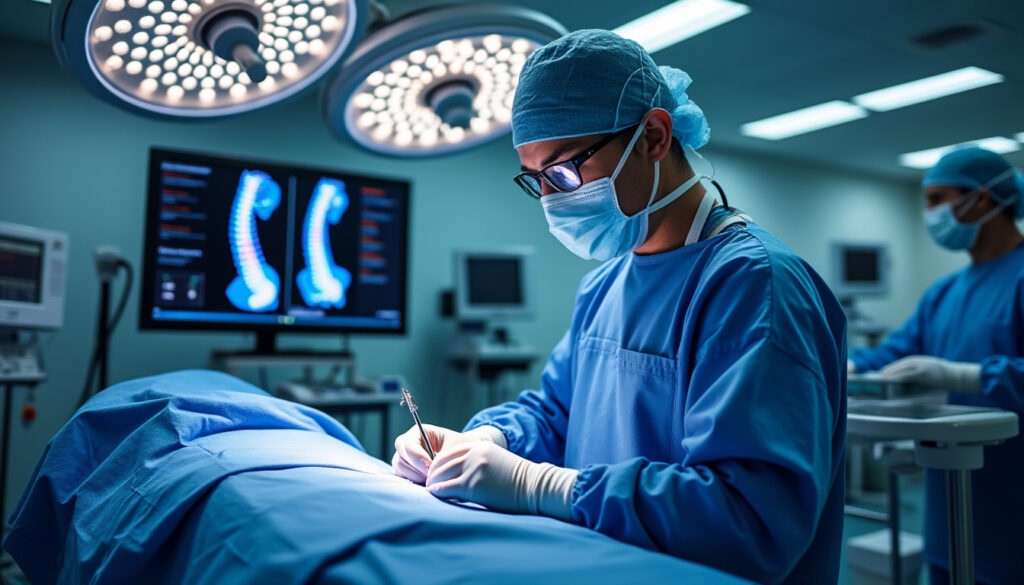
Simple Surgery, Fusion, and Motion: Exploring Their Impact on Surgical Decision-Making
The management of spinal disorders in 2026 involves a complex interplay between different surgical options, each tailored to address specific biomechanical challenges and patient needs. The landscape has been significantly influenced by advances in technology and a growing understanding of…
Advances in Surgical Techniques and Their Impact on Recovery Trajectories
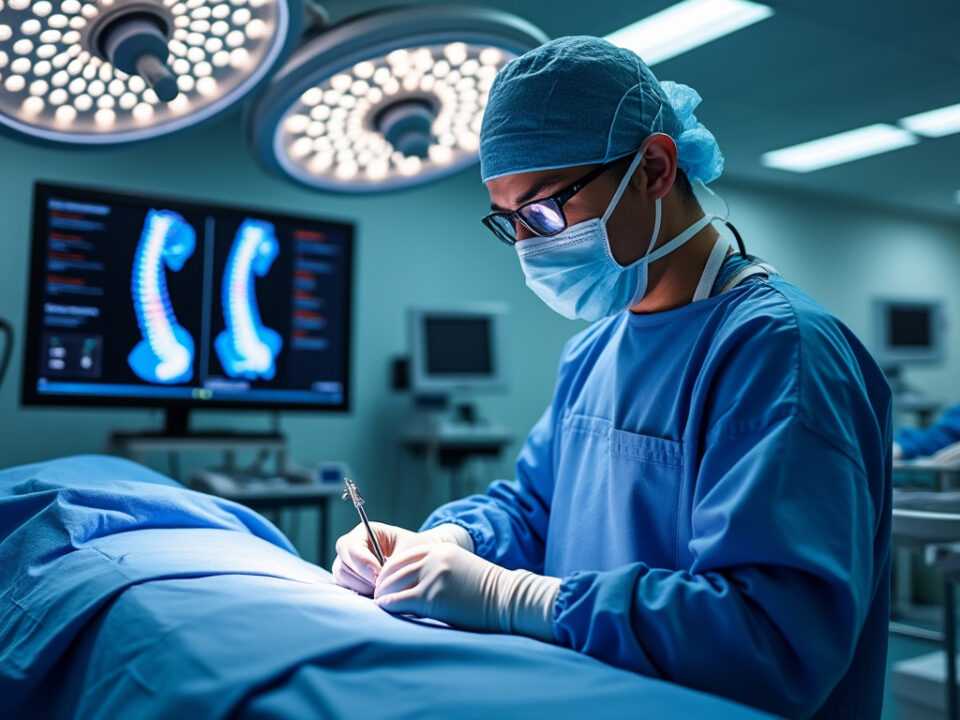
The advent of minimally invasive and robot-assisted spinal surgeries is reshaping the recovery process by reducing tissue trauma and enhancing precision. Platforms such as the 3D imaging and robotic navigation by eCential Robotics represent breakthroughs that allow surgeons to optimize interventions, thus minimizing postoperative complications and expediting patient recovery.
These innovations are complemented by comprehensive training programs like the Spinal Solution Course at Bordeaux and the Endoscopic Spine course at IRCAD Strasbourg. These initiatives equip surgeons with skills aligned to the latest technologies and evidence-based practices, ensuring high-quality care. Consequently, patients benefit from less invasive treatments, shorter hospital stays, and improved clinical outcomes.
However, the success of surgical advances must be matched by equally sophisticated postoperative care to fully realize recovery potential. The combination of tailored rehabilitation, advanced neuromodulation methods, and psychological support forms a continuum of care that maximizes functional restoration and enhances long-term wellness. This synergy between operative innovation and holistic recovery strategies is central to evolving healthcare insights.
Common Pitfalls to Avoid When Collaborating with Partner Hospitals and Surgeons
Collaborating with partner hospitals and surgeons in complex surgical fields such as spinal surgery requires meticulous coordination and a clear understanding of potential pitfalls. The transatlantic patient journey between Canada and France exemplifies the challenges and intricacies in managing cross-border…
Patient Empowerment through Sharing Recovery Stories and Building Community Support
The act of sharing patient recovery stories cultivates empowerment and offers invaluable peer-driven insights. Platforms dedicated to patient voices foster communities where individuals can gain motivation, practical advice, and emotional reassurance from those who have journeyed through similar health challenges.
For example, interactive blogs and curated collections of testimonials highlight real recovery processes, treatment effectiveness, and wellness progress across diverse patient populations. Such narratives influence not only patients but also medical professionals by informing clinical decision-making and enhancing empathetic care delivery. The cyclical exchange of information creates a more responsive and patient-centered healthcare environment.
Moreover, these stories dispel myths surrounding surgeries and rehabilitation, replacing fear with clarity and hope. By elevating patient experiences as a core element of healthcare communication, the system evolves to prioritize individualized recovery paths, fostering inclusivity and shared learning.

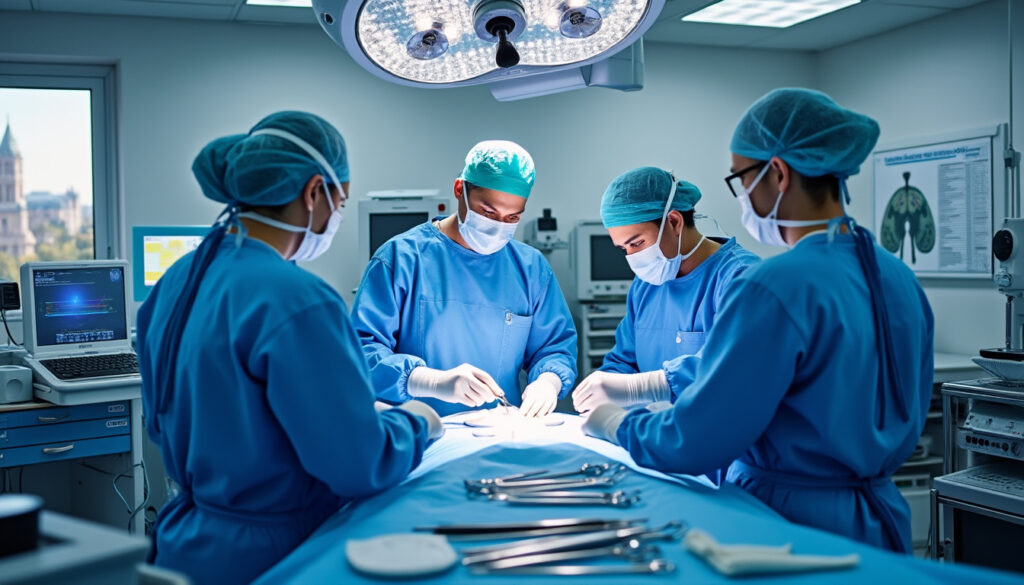
Insights from Research on Surgical Preparation Practices in France
In the evolving landscape of healthcare in France, surgical preparation stands as a critical determinant of patient safety and favorable surgical outcomes. With surgical site infections ranking as one of the most frequent healthcare-associated complications, a meticulous approach to preoperative…
Strategies to Optimize Post-Surgical Recovery and Long-Term Wellness
Effective recovery extends beyond clinical intervention and necessitates lifestyle adaptation emphasizing gradual mobilization, pain management, and psychological resilience. Health professionals recommend protocols that encourage regular walking, mindful avoidance of prolonged immobility, and addressing pain symptoms without denial to promote healing and functional improvement.
Specific approaches include:
- Multidisciplinary care coordination: Employing neurologists, physiotherapists, psychologists, and pain specialists collaboratively to address all facets of recovery.
- Neurofunctional assessments: Utilizing regular evaluations to track performance and tailor interventions according to individual needs.
- Adoption of neuromodulation therapies: Incorporating rTMS and complementary devices to reduce neuropathic pain and promote neural plasticity.
- Psychological support services: Focusing on managing stress, anxiety, and depressive symptoms that commonly arise in recovery phases.
- Patient education and empowerment: Encouraging active participation in recovery decisions and self-care practices.
By embedding these strategies into treatment regimens, practitioners can substantially enhance recovery quality and reduce the risk of relapse or prolonged disability.
Recovery Timelines and Neuromodulation Interventions Across Spinal Surgery Types
Search within the table content or surgery type.
| Type of Surgery | Approximate Recovery Duration | Activity Resumption | Recommended Neuromodulation | Key Benefits |
|---|
What Research Reveals About Patient Testimonials During Recovery
In the evolving landscape of healthcare, patient testimonials during recovery have emerged as a pivotal resource, offering invaluable insights into the intricate journey of healing. These authentic accounts span beyond mere anecdotal evidence, becoming a rich source for understanding treatment…
Leveraging Patient Narratives to Influence Surgical and Rehabilitation Practices
The integration of patient recovery stories into medical decision-making represents a paradigm shift that enriches healthcare insights with lived experiences. These testimonials provide nuanced perspectives on treatment effectiveness, highlight potential complications, and contribute to personalized care planning. As a result, clinicians can better predict outcomes and tailor surgical approaches accordingly.
For example, evidence from patient feedback has underscored the need for incorporating neuromodulation techniques as standard postoperative care, particularly in managing neuropathic pain and mood disturbances. Additionally, narratives have emphasized the merit of interdisciplinary follow-up and have helped identify successful rehabilitation modalities, thereby improving clinical outcomes.
Healthcare administrators and policy makers increasingly recognize the value of utilizing these health stories in strategizing patient-centered care reforms and training programs. Patient-driven data enrich the quality of care by bridging the gap between clinical protocols and human experience, fostering more effective and empathetic healthcare delivery.
Spine Surgery in France: Essential Insights Every Patient Must Know
Spinal health is a critical aspect of overall well-being, particularly for individuals suffering from chronic back pain or debilitating spinal conditions. The landscape of spine surgery in France presents a remarkable opportunity for patients seeking advanced surgical procedures coupled with…
Resources for Accessing Authentic Patient Recovery Stories and Community Support
Access to diverse patient experiences plays a crucial role in informing potential surgical candidates and caregivers. Online platforms provide repositories of patient testimonials, detailed narratives, and peer support communities that illuminate the recovery process from multiple angles. These resources can be instrumental in preparing patients psychologically and physically for the journey ahead.
Visitors to sites focused on real patient recovery examples find documented stories detailing the progression, setbacks, and ultimate triumphs, contributing to a sense of belonging and hope. Moreover, incorporating video documentaries and interactive content offers deeper engagement and educational benefit, satisfying the needs of different learning preferences.
Such publicly accessible health story databases also serve medical professionals as teaching tools and evidence sources, integrating patient perspectives into continuous quality improvement. Whether seeking inspiration or factual guidance, these platforms uphold the principle of patient empowerment and transparency in healthcare.
For additional inspiration and clinical insights, it is valuable to explore patient testimonials available on platforms similar to those that aggregate real-world recovery experiences and detailed comprehensive recovery stories and reflections. These resources exemplify how patient voices reinforce wellness progress and enrich the medical community’s approach to care.
{“@context”:”https://schema.org”,”@type”:”FAQPage”,”mainEntity”:[{“@type”:”Question”,”name”:”How long does recovery usually last after different types of spinal surgery?”,”acceptedAnswer”:{“@type”:”Answer”,”text”:”Recovery times vary depending on the intervention: 4-6 weeks for simple decompression, 3-4 months for motion-preserving surgeries, and up to 6 months or more for spinal fusion. Personalized follow-up adjusts these timelines accordingly.”}},{“@type”:”Question”,”name”:”Can neuromodulation techniques actually reduce postoperative pain?”,”acceptedAnswer”:{“@type”:”Answer”,”text”:”Yes, methods such as rTMS and similar non-invasive approaches have been shown to effectively diminish neuropathic pain and enhance quality of life for patients recovering after spinal surgery.”}},{“@type”:”Question”,”name”:”What does the follow-up protocol look like for Quebec patients operated in France?”,”acceptedAnswer”:{“@type”:”Answer”,”text”:”A coordinated program managed by Neurothu00e9rapie Montru00e9al includes preparation, postoperative neurofunctional assessments, and ongoing clinical monitoring, supported by partnerships with SOS Tourisme Mu00e9dical and Franchir to ensure comprehensive care.”}},{“@type”:”Question”,”name”:”Is it possible to return to sports after spinal surgery?”,”acceptedAnswer”:{“@type”:”Answer”,”text”:”Yes, gradual resumption of physical activities is feasible depending on the type of surgery and recovery progress. Tailored rehabilitation and neuromodulation therapies facilitate safe return to sports.”}},{“@type”:”Question”,”name”:”Where can authentic patient recovery testimonies be found?”,”acceptedAnswer”:{“@type”:”Answer”,”text”:”Several platforms, including those specializing in medical tourism and patient networks, provide access to genuine recovery stories that support patients through their healing journey.”}}]}How long does recovery usually last after different types of spinal surgery?
Recovery times vary depending on the intervention: 4-6 weeks for simple decompression, 3-4 months for motion-preserving surgeries, and up to 6 months or more for spinal fusion. Personalized follow-up adjusts these timelines accordingly.
Can neuromodulation techniques actually reduce postoperative pain?
Yes, methods such as rTMS and similar non-invasive approaches have been shown to effectively diminish neuropathic pain and enhance quality of life for patients recovering after spinal surgery.
What does the follow-up protocol look like for Quebec patients operated in France?
A coordinated program managed by Neurothérapie Montréal includes preparation, postoperative neurofunctional assessments, and ongoing clinical monitoring, supported by partnerships with SOS Tourisme Médical and Franchir to ensure comprehensive care.
Is it possible to return to sports after spinal surgery?
Yes, gradual resumption of physical activities is feasible depending on the type of surgery and recovery progress. Tailored rehabilitation and neuromodulation therapies facilitate safe return to sports.
Where can authentic patient recovery testimonies be found?
Several platforms, including those specializing in medical tourism and patient networks, provide access to genuine recovery stories that support patients through their healing journey.
Why Experts Advocate for the Crucial Role of Franchir in Effective Care Management
In the evolving landscape of healthcare, effective care management has become pivotal to improving patient outcomes and ensuring seamless coordination across diverse medical services. Within this context, the role of Franchir emerges as a beacon of innovation and precision, particularly…