
Insights from Research on Surgical Preparation Practices in France
June 17, 2026
Collaborating with partner hospitals and surgeons in complex surgical fields such as spinal surgery requires meticulous coordination and a clear understanding of potential pitfalls. The transatlantic patient journey between Canada and France exemplifies the challenges and intricacies in managing cross-border medical care. Common issues include communication breakdown, scheduling conflicts, and misaligned goals, all of which can impact patient outcomes and satisfaction. The increasing demand in 2026 for rapid access to innovative spinal procedures like TOPS, Intraspine, and robotic-assisted minimally invasive surgeries places additional pressure on healthcare providers to ensure seamless cooperation. Errors in data sharing or resource allocation may lead to decision-making delays, procedural complications, and strained trust among stakeholders. Understanding these challenges is essential to developing strategies that enhance the quality of care and patient safety throughout the surgical care lifecycle.
Effective collaboration between hospitals and surgeons hinges upon well-coordinated logistics and transparency at every step. Cultural differences between Canadian and French healthcare systems, as well as differing hospital protocols, underscore the importance of establishing common frameworks for communication and operational workflows. Failure to resolve conflicts amicably or to align resource availability often results in inefficiencies, increased stress for patients, and legal liabilities. This article explores these prevalent obstacles and proposes actionable solutions to optimize partnerships, thereby safeguarding patient trust and advancing surgical care excellence across borders.
Ensuring Comprehensive Medical Documentation to Prevent Coordination Failures
One of the most frequent yet avoidable errors in hospital and surgeon collaboration is the transmission of incomplete or fragmented medical records. The integrity of patient data – including up-to-date imaging, lab results, and surgical history – forms the cornerstone of successful surgical planning. A delay or omission in sharing full medical documentation between evaluating teams in Canada and surgical centers in France can cause significant setbacks. This often results in decision-making delays, inappropriate implant selection, or even improper surgical techniques, negatively impacting post-operative recovery and patient safety.
For instance, patients assessed by specialized teams like those led by Dr. Sylvain Desforges at TAGMED in Montreal routinely undergo rigorous evaluations designed to capture all necessary diagnostic information. When such data is not shared promptly with partner surgeons in Toulouse or Le Mans, the evaluation of eligibility for dynamic spinal implants – such as TOPS or Intraspine devices –, certified by CE and FDA standards, may be compromised. This situation is exacerbated if scheduling conflicts prevent timely multidisciplinary meetings to discuss cases, ultimately compromising the precision of the surgical approach.
Strong emphasis must be placed on securing secure, standardized data sharing platforms to facilitate seamless communication and avoid breaches of patient privacy. Hospitals must adopt interoperable electronic health records ensuring transparency and consistency throughout the patient care continuum. Addressing communication breakdowns early minimizes the need for redundant workups and streamlines the journey, thereby enhancing patient confidence and reducing the risk of litigation associated with misinformation.


Insights from Research on Surgical Preparation Practices in France
In the evolving landscape of healthcare in France, surgical preparation stands as a critical determinant of patient safety and favorable surgical outcomes. With surgical site infections ranking as one of the most frequent healthcare-associated complications, a meticulous approach to preoperative…

What Research Reveals About Patient Testimonials During Recovery
In the evolving landscape of healthcare, patient testimonials during recovery have emerged as a pivotal resource, offering invaluable insights into the intricate journey of healing. These authentic accounts span beyond mere anecdotal evidence, becoming a rich source for understanding treatment…
Strategic Selection of Hospitals and Surgeons for Specialized Spinal Surgeries
Choosing the right hospital and surgeon transcends mere availability or geographic convenience. In the specialized arena of spinal surgery, especially with novel implants and techniques, expertise and experience take precedence. Several institutions in France, such as the clinics in Bordeaux or the dedicated spinal surgery departments in Lyon, boast certifications like CE marking and FDA approvals that guarantee adherence to rigorous quality and safety standards.
Hospitals adept in robotic-assisted minimally invasive spine surgery and dynamic implant procedures hold a competitive advantage by combining clinical outcomes with patient-centric approaches. This expertise requires continuous professional development and enrollment in specialized certifications, such as the Diplôme Inter-Universitaire de Chirurgie du Rachis or participation in EuroSpine courses on endoscopic spinal techniques.
A superficial or misaligned selection process typically leads to suboptimal surgical results, increased risk of complications, and patient dissatisfaction. Aligning hospital capabilities, surgeon proficiency, and patient-specific needs forms the foundation for a well-tailored therapeutic pathway. Transparent engagements and collaborative agreements provide legal and ethical clarity, mitigating trust issues and reducing the likelihood of misunderstandings or conflict escalation.
Key Factors Influencing Optimal Partner Choice
- Proven surgical expertise in targeted procedures such as dynamic stabilization and robotic navigation.
- Compliance with international quality certifications including CE and FDA standards for implants and operative protocols.
- Availability of multidisciplinary teams ensuring holistic preoperative and postoperative care.
- Strong logistical support to manage patient travel, accommodation, and appointment scheduling efficiently.
- Commitment to extensive patient education regarding risks, benefits, and alternatives to surgical intervention.

Spine Surgery in France: Essential Insights Every Patient Must Know
Spinal health is a critical aspect of overall well-being, particularly for individuals suffering from chronic back pain or debilitating spinal conditions. The landscape of spine surgery in France presents a remarkable opportunity for patients seeking advanced surgical procedures coupled with…

Why Experts Advocate for the Crucial Role of Franchir in Effective Care Management
In the evolving landscape of healthcare, effective care management has become pivotal to improving patient outcomes and ensuring seamless coordination across diverse medical services. Within this context, the role of Franchir emerges as a beacon of innovation and precision, particularly…
Effective Communication as the Backbone of Transatlantic Surgical Collaboration
At the core of multi-hospital and surgeon partnerships lies the necessity for continuous, clear, and structured communication. Miscommunication often manifests through conflicting instructions, delays in sharing updates, or insufficient patient briefing – all of which undermine care continuity and create stress or uncertainty. By instituting regular multidisciplinary case reviews and leveraging digital platforms, healthcare providers can bridge geographic and cultural divides, enhancing transparency and workflow cohesion.
Language barriers and differing clinical terminologies add complexity to cross-border collaborations, necessitating culturally sensitive communication protocols and dedicated liaisons to oversee information flow. Moreover, conflict resolution mechanisms must be predefined, enabling swift responses to misunderstandings or professional disagreements – essential to maintain trust and ensure patient-centered decision-making.
Workflows optimized for data sharing not only improve surgical outcomes but also reduce malpractice exposure. As described by several studies, inconsistent charting between surgeons leads to contradictory postoperative care instructions, increasing patient harm claims. Creating structured and documented communication protocols may be supported by consulting resources on avoiding malpractice in collaborative care.

Initial Questionnaires and Exams: Essential Insights Every Patient Should Know
The process of undergoing medical treatment, especially when it involves intricate procedures such as spinal surgery, is profoundly impacted by the initial questionnaires and examinations that every patient must complete. These early steps form the backbone of individualized care, enabling…

The Future of Surgery: Integrating rTMS Post-Operatively for Enhanced Recovery
The landscape of surgical care is undergoing a profound transformation, driven by groundbreaking technological advancements and innovative therapeutic approaches. Among these, repetitive Transcranial Magnetic Stimulation (rTMS) emerges at the forefront, revolutionizing post-operative management and dramatically enhancing recovery trajectories. This non-invasive…
Meticulous Planning of Patient Logistics to Avoid Unnecessary Stress and Delays
The logistical dimension of transatlantic surgical collaboration frequently escapes sufficient scrutiny. Travel arrangements, medical scheduling, accommodation, and post-discharge transportation require synchronization to prevent patient fatigue, missed appointments, or cancelled procedures. Dedicated services like Franchir specialize in coordinating these multifaceted elements, ensuring an optimized patient journey from departure to return.
Recognizing the emotional toll that disjointed logistics impose is critical. Patients traveling from Quebec to France often face scheduling conflicts and resource allocation challenges that extend beyond medical care, affecting psychological wellbeing and increasing risk of postoperative complications. Proactive communication with rehabilitation providers such as Neurothérapie Montréal supports smooth reintegration and continuous monitoring after surgery.
Implementing detailed timelines and contingency plans guards against last-minute disruptions. This logistical precision is vital for minimizing uncertainty, enhancing patient satisfaction, and ultimately improving clinical success rates in complex transnational care pathways.
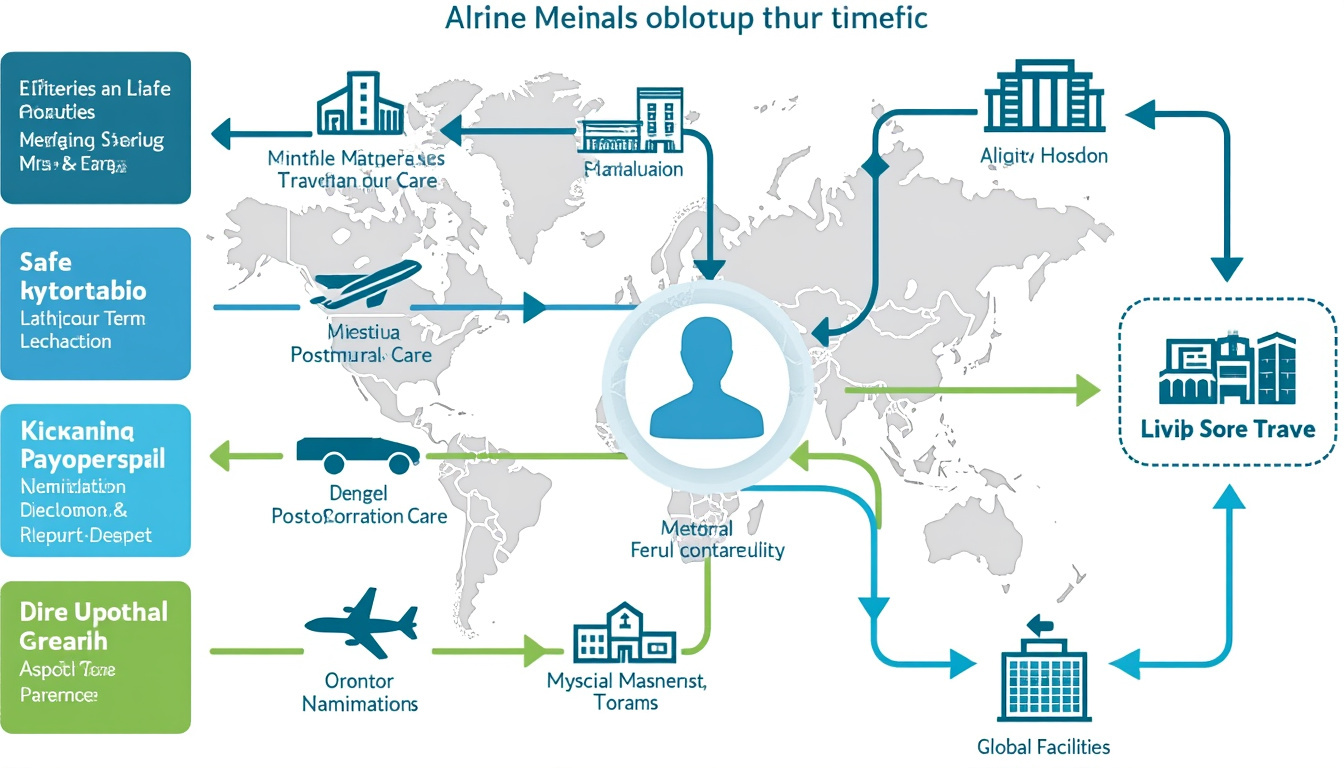

How a Transatlantic Patient Journey Enhances Clinical Outcomes
The advent of transatlantic patient journeys marks a pivotal shift in contemporary healthcare, blending international healthcare collaboration with cutting-edge medical travel solutions. In 2026, this approach has evolved far beyond the mere transportation of patients for treatment; it integrates sophisticated…

How the Role of Franchir Enhances Clinical Outcomes in Patient Care
In the evolving landscape of healthcare, the integration of innovative organizational models has become vital to elevate clinical outcomes and foster advances in patient care. Among these models, the role of Franchir emerges as a pivotal element in enhancing the…
Legal and Ethical Responsibilities in International Surgical Partnerships
Legal accountability in the event of medical errors within international collaboration frameworks presents nuanced challenges. French healthcare providers operate under a strong obligation of means, mandating comprehensive expertise and vigilance throughout surgical interventions. When dynamic implants such as TOPS are utilized, compliance with CE and FDA standards not only safeguards patients but also underwrites the clinician’s legal responsibilities.
International agreements and collaborative contracts must delineate the rights and duties of each party explicitly. These agreements address patient privacy, data sharing protocols, and enforce standards of practice. They also serve as conflict resolution blueprints, as highlighted in resources discussing collaborative agreements considerations for physicians and hospital partnerships risk assessments.
Transparent patient consent processes are paramount, including exhaustive information on procedural risks, alternatives, and expected outcomes. Such transparency mitigates disputes and fortifies trust, which is especially vital in the transatlantic context where cultural differences may affect perceptions of care quality and legal recourse.
Preventing Key Surgical Errors by Aligning Clinical Decisions with Patient Criteria
Misinterpretation or disregard of patient eligibility for advanced spinal implants leads to unnecessary procedures or suboptimal outcomes. For example, defaulting to spinal fusion over dynamic stabilization limits postoperative mobility and potentially induces secondary complications like arthrosis.
Thorough preoperative assessments by experienced teams, including radiographic analyses and patient functional evaluations, are critical. These assessments ensure that innovative techniques such as robotic-assisted minimally invasive surgery are applied appropriately, maximizing benefits while minimizing neurological risks. Ongoing training and certification of surgeons, as reflected in specialized diplomas and courses, help sustain high practice standards.
Moreover, involving patients actively in decision-making enhances adherence and satisfaction, counterbalancing risks of decision-making delays and misunderstandings. Structured communication and shared decision-making models contribute to personalized surgical care that respects patient expectations and clinical appropriateness.

Checklist for Optimizing Collaboration Between Partner Hospitals and Surgeons
The following checklist consolidates essential actions recommended for preventing common pitfalls when collaborating in transatlantic spinal surgery cases:
- Verify completeness of medical records, including imaging and prior interventions.
- Assign initial evaluations to specialized centers such as TAGMED under expert supervision.
- Select hospitals and surgeons based on expertise and certification, prioritizing institutions with proven success in dynamic implants.
- Ensure all implants possess CE marking and FDA clearance to guarantee quality and patient safety.
- Coordinate logistics thoroughly, encompassing flights, accommodation, and clinical appointments through dedicated services like Franchir.
- Maintain regular, transparent communication between all stakeholders, including patients and rehabilitation teams.
- Provide detailed patient education covering surgical risks, benefits, and alternatives.
- Implement conflict resolution protocols to swiftly address any disagreements or misunderstandings.
- Confirm robust post-operative follow-up with specialized centers such as Neurothérapie Montréal to support rehabilitation.
| Type of Pitfall | Potential Consequences | Recommended Prevention |
|---|---|---|
| Incomplete medical data | Incorrect surgical plan, delayed treatment | Secure comprehensive records transfer via secure platforms |
| Inappropriate surgeon or hospital choice | Higher complication rates, reduced functional recovery | Personalized selection based on expertise and certifications |
| Poor communication | Patient anxiety, clinical errors | Implement structured communication channels |
| Logistical mismanagement | Appointment cancellations, increased stress | Prearranged comprehensive travel and care scheduling |
Comparison of Common Collaboration Pitfalls and Mitigation Strategies
| Pitfall | Impact on Patient Care | Mitigation Strategy |
|---|
Filters table rows across all columns based on search input.
What are the essential criteria for selecting a partner hospital in France?
Selection should be based on surgeon experience, mastery of innovative techniques such as dynamic spinal implants, equipment standards, CE and FDA certifications, and the hospital’s ability to provide a personalized, secure patient care pathway.
How can communication breakdown between patients and medical teams be prevented?
Transparent, regular communication including complete medical data transfer, clear explanations of risks and benefits, and coordinated logistics through dedicated services ensures smooth exchanges and reduces misunderstandings.
What benefits do dynamic spinal implants like TOPS offer compared to traditional fusion?
These implants preserve natural spinal mobility, reduce residual pain, and lower the risk of postoperative arthrosis, substantially enhancing long-term quality of life.
How is legal responsibility managed in the event of medical errors?
Civil liability is enforced when proven fault leads to patient harm. Strict adherence to standards, transparent informed consent, and clear documentation are critical to managing legal risk in collaborative surgical care.
Why is post-operative follow-up with centers like Neurothérapie Montréal crucial?
Ongoing post-operative care ensures adaptation of treatments to patient recovery progress, anticipates complications, and supports sustained functional improvement over time.