
What Research Reveals About Patient Testimonials During Recovery
June 17, 2026
Common Pitfalls to Avoid When Collaborating with Partner Hospitals and Surgeons
June 17, 2026
In the evolving landscape of healthcare in France, surgical preparation stands as a critical determinant of patient safety and favorable surgical outcomes. With surgical site infections ranking as one of the most frequent healthcare-associated complications, a meticulous approach to preoperative and perioperative care becomes indispensable. Increasingly sophisticated clinical research sheds light on how variations in surgical protocols impact infection rates, recovery trajectories, and overall patient well-being. This article delves deeply into the nuanced surgical preparation practices in France, examining updated medical guidelines, scientific advances, and systemic innovations designed to optimize care quality and clinical results.
Grounded in comprehensive research insights, this exploration underscores France’s commitment to integrating evidence-based preoperative practices into everyday hospital routines. Furthermore, it highlights how interdisciplinary collaboration and technological advancements are reshaping perioperative antisepsis, skin preparation, and patient assessment. As surgical knowledge expands, these refined strategies promise to enhance safety, reduce complications, and modernize the surgical field within France’s healthcare system.
Comprehensive Overview of Surgical Preparation Research Insights in France Healthcare
Surgical preparation research in France has intensified in recent years due to the persistent challenge posed by surgical site infections (SSIs), which are notably prevalent in orthopedic surgeries such as total hip and knee replacements. Contemporary studies indicate that SSI rates in these clean surgeries hover around 2%, primarily driven by bacteria inherent to the skin flora. This critical discovery reaffirms the significance of targeted skin preparation to diminish transient bacterial populations and reduce resident flora before incision.
Extensive clinical research emphasizes the adoption of standardized surgical protocols aligned with international medical guidelines, yet acknowledges local variations in implementation. Multicentric surveys reveal discrepancies in perioperative antisepsis practices among specialties, ranging from cardiac to urology. These surveys highlight how preoperative showering protocols, hair removal methods, and antiseptic application diverge, affecting patient safety outcomes.
One substantial piece of research focusing on incorporation challenges of skin preparation guidelines into local surgical facility protocols identified multiple barriers including staff training gaps, resource discrepancies, and varying interpretation of clinical recommendations. These findings advocate for enhanced educational programs and uniform policy enforcement to improve adherence, ultimately contributing to optimized surgical outcomes and infection control.
Such research has spurred increased governmental and institutional focus on periodic audits and quality improvement programs. Hospitals engaging proactively with these initiatives report measurable improvements in compliance and a significant decline in post-surgical complications. The commitment within France’s healthcare system to scientific rigor fuels this continuous enhancement of perioperative care, enabling more secure and effective surgeries.


Understanding Sciatic Pain: Key Symptoms and When to Seek Medical Advice
Sciatic pain is a prevalent condition impacting a wide demographic, manifesting primarily as intense pain radiating from the lower back down the leg. This pain stems from irritation or compression of the sciatic nerve, a major nerve extending through the…
Impact of Enhanced Preoperative Practices on Patient Safety and Surgical Outcomes
Patient safety is paramount in surgical preparation, and research consistently links rigorous preoperative practices with a notable reduction in complications, especially related to infections. The French healthcare ecosystem has embraced a multifactorial approach encompassing detailed preoperative patient evaluation, precise skin antisepsis, and adherence to evidence-based protocols.
Preoperative practices begin well before the operating theater, involving thorough patient assessments that scrutinize comorbidities, neurological status, and potential contraindications. Meticulously collected questionnaires and recent imaging results, including MRI and CT scans, form a bedrock for determining surgical eligibility and customizing strategies. Such detailed evaluations, as emphasized in studies on surgical decision-making, directly influence outcomes by tailoring interventions to individual patient needs and reducing unnecessary risks.
Moreover, preoperative skin preparation has evolved in France, guided by robust perioperative care protocols. The application of antiseptic agents follows a carefully choreographed sequence designed to eradicate skin flora effectively. Guidelines now strongly discourage routine hair removal or recommend clipping when necessary to avoid skin abrasions that may predispose to infection. The timing of preoperative bathing, choice of antiseptic agents such as chlorhexidine or povidone-iodine, and drying methods have been rigorously analyzed, improving patient safety metrics.
Several French surgical centers have integrated novel approaches such as antiseptic-impregnated drapes and advanced skin disinfectants, reflecting a growing research-backed trend that enhances the sterile field. These innovations reflect a commitment to continuous improvement in perioperative care, balancing evidence-based guidelines with practical applicability in diverse clinical settings.

The Stepwise Role of Functional Recovery in Achieving Successful Outcomes
The journey to full recovery following spinal surgery is often complex and multifaceted, demanding a meticulously structured approach to ensure optimal functional outcomes. In recent years, the concept of functional recovery through a stepwise approach has garnered significant attention in…
Multidisciplinary Surgical Protocols and the Role of Clinical Research in France
The complexity of surgical preparation in France underscores the essential role of multidisciplinary collaboration fueled by clinical research. Comprehensive care pathways integrate surgeons, anesthetists, nursing teams, and infection control specialists to ensure harmonized protocols that encompass preoperative, intraoperative, and postoperative phases.
Research on perioperative care demonstrates how cross-disciplinary communication enhances compliance with evolving medical guidelines. Frequent training sessions and workshops, grounded in recent clinical studies, empower teams to implement best practices swiftly. For example, survey data display that specialists in cardiac surgery, gastroenterology, and urology report varying levels of familiarity and protocol adherence, which are systematically addressed through hospital-led interventions.
These collaborative frameworks allow for consistent updates to surgical preparation practices, including the adoption of new antiseptic solutions or adjustments based on emerging evidence related to microbial resistance patterns. The engagement of scrub nurses as frontline operatives in antisepsis protocols further amplifies patient safety, with research underscoring their role in minimizing contamination risks.
Integration of real-time data collection and audit mechanisms at a hospital level supports continuous monitoring of surgical outcomes. The development of protocols follows a feedback loop influenced by clinical research outcomes, ensuring that patient experiences shape future best practices in France’s healthcare facilities.


Transatlantic Patient Journey: Insights into Indications, Benefits, and Challenges
The emergence of the Transatlantic Patient Journey as a strategic model within healthcare continues to capture attention for its innovative potential, especially in specialized fields such as spinal surgery. This cross-border care pathway integrates rigorous medical evaluation from Quebec with…
Innovations in Surgical Preparation: Skin Antisepsis and Perioperative Care Strategies
The advancing frontier of surgical preparation in France includes pioneering work on skin antisepsis and broader perioperative care modalities. These innovations aim not only at reducing SSIs but also at streamlining patient pathways for enhanced recovery.
Research highlights that classical antiseptic agents remain effective when applied correctly, but newer formulations and delivery systems such as alcohol-based antiseptics combined with chlorhexidine offer superior bacterial eradication. Studies emphasize the importance of skin drying time post-antiseptic application, an often underappreciated factor in successful antisepsis.
Perioperative care strategies now incorporate multimodal assessments combining patient-specific factors to select tailored antiseptic regimens. Some French centers employ fluorescence imaging to verify antiseptic coverage, ensuring thorough skin disinfection. Such modalities elevate patient safety and are directly informed by surgical preparation research insights compiled across multiple clinical trials.
Alongside antisepsis, efforts focus on optimizing patient positioning, surgical draping techniques, and minimal skin trauma approaches. The increased use of minimally invasive surgeries, bolstered by preoperative skin preparation, reflects a dual benefit: infection reduction alongside expedited healing and reduced hospital stays.
Table summarizing key antiseptic agents and their typical applications in France:
| Antiseptic Agent | Key Properties | Common Usage | Advantages |
|---|---|---|---|
| Chlorhexidine Gluconate (Alcohol-based) | Broad-spectrum antimicrobial | Preoperative skin prep in clean surgeries | Rapid action, residual effect |
| Povidone-Iodine | Iodophor with bactericidal activity | Alternative in allergy or specific protocols | Effective against bacteria, fungi, viruses |
| Octenidine Dihydrochloride | Antimicrobial with long-lasting effect | Increasing use in dermatology and surgery | Minimal irritation, good skin tolerance |
| Alcohol 70% | Rapid antimicrobial effect | Used in combination with other agents | Fast drying, broad spectrum |
Aligning Clinical Research with Practical Protocol Implementation
Academic and clinical centers maintain a relentless focus on translating scientific discoveries into everyday surgical preparation protocols. Participation in multicenter studies and ongoing education ensures surgical teams remain updated on the latest evidence supporting antiseptic choices, optimal application techniques, and perioperative timing protocols.
French hospitals increasingly embrace standardized surgical preparation checklists that incorporate key research findings, improving team adherence to antisepsis protocols. This culturally embedded rigor forms a cornerstone of the French healthcare system’s dedication to patient safety and enhanced surgical outcomes.
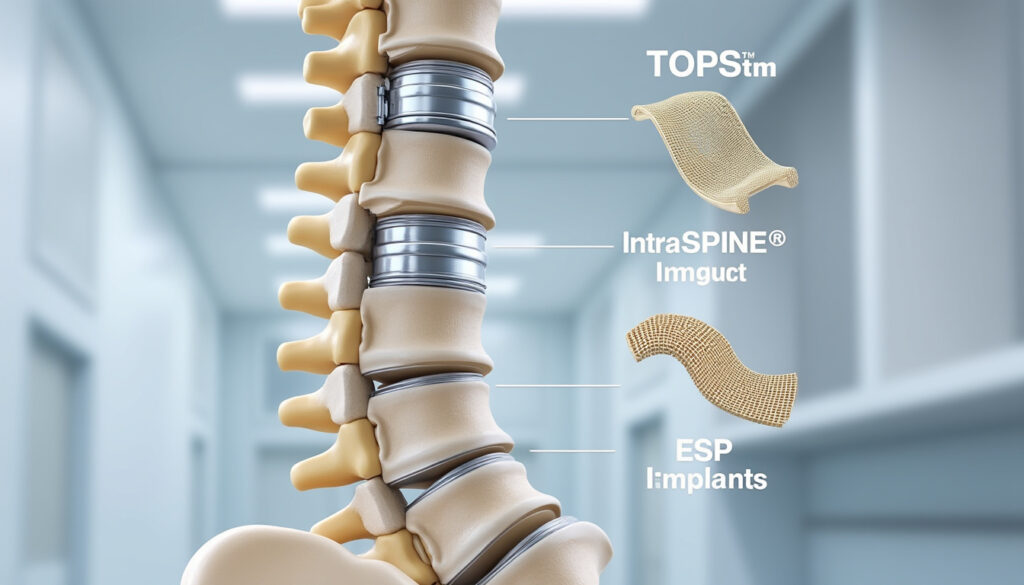
The evolving field of spinal surgery is witnessing a transformative shift, fueled by cutting-edge implant technologies such as TOPS, Intraspine, and ESP. These innovative implants redefine treatment possibilities by emphasizing preservation of natural spinal mechanics, while ensuring durable stabilization and…
Role of Technological Advances in Enhancing Surgical Preparation Practices
Technological innovations play a pivotal role in amplifying surgical preparation efficacy within France’s healthcare system. 3D imaging combined with robotic navigation platforms revolutionize not only the surgical procedure but also preoperative preparation by enabling precise mapping of incision sites and minimizing tissue trauma.
Research demonstrates that integrating these technologies decreases operation time and infection rates by augmenting the surgeon’s ability to maintain sterile fields and adhere scrupulously to preparation protocols. These technologies facilitate real-time adjustments and support enhanced preoperative planning, thereby improving surgical safety.
Another technological leap involves digital monitoring tools employed during perioperative care for patient vital functions and skin condition assessment. These instruments generate valuable data for ongoing clinical research and enhance responsive care. Such digital integration embodies the modern approach informed by surgical preparation research insights.
These technological enhancements have inspired new training modalities, where surgeons and operating room teams hone their skills using virtual simulations that mimic complex intervention scenarios and emphasize strict protocol compliance. The resulting expertise directly contributes to improved patient safety and surgical outcomes.

Preparing for Surgery in France: Key Indications, Benefits, and Limitations
In an evolving global healthcare landscape, France emerges as a beacon of advanced surgical expertise, particularly attracting international patients seeking expedited and innovative medical interventions. Patients from regions experiencing long wait times, such as Quebec, increasingly view France as an…
Surgical Preparation Research and Patient Experience in Cross-Border Healthcare Approaches
France, recognized globally for advanced surgical care, attracts patients internationally, including increased numbers from Québec. The integration of research-driven surgical preparation practices facilitates cross-border healthcare coordination, specifically tailored to meet the expectations of foreign patients.
Particularly for Québécois patients traveling for specialized surgeries such as spinal interventions, protocols combine scientific evaluation with compassionate, human-centered care. Complete logistical support, personalized preoperative assessments, and post-operative follow-up embody a holistic approach informed by research and clinical experience.
This model underscores the importance of aligning surgical preparation with cultural sensitivity and seamless coordination. As detailed in studies on Quebec patients’ surgical preparation in France, this approach reduces patient anxiety and enhances clinical outcomes by ensuring a smooth, informed, and patient-centric surgical journey.


Unveiling the Hidden Benefits of Quality and Certification in Devices
The landscape of device manufacturing and clinical application in 2026 has been fundamentally shaped by the rigorous interplay between quality management and certification processes. Within this complex framework, the hidden benefits of adhering to international standards and obtaining relevant certifications…
Strategies to Overcome Barriers in Implementing Surgical Preparation Protocols
Despite the clear benefits underscored by research, implementation of surgical preparation protocols within France faces challenges such as variability in local practices, resource limitations, and gaps in staff training. Addressing these barriers requires system-level strategies to standardize practices and integrate research insights into practical workflows.
One key strategy is enhancing continuous professional development programs customized for different hospital departments and specialties, fostering competence in the latest antisepsis and perioperative care methods. Leadership engagement and policy reinforcement also create environments that encourage adherence to clinical guidelines.
Data-driven approaches, including feedback loops via regular audits and performance reporting, stimulate quality improvements and accountability. Hospitals practicing this methodology demonstrate higher protocol compliance and lower surgical site infection rates, validating the effectiveness of proactive system management.
Collaborative networks spanning public and private sectors further bolster resource sharing and knowledge exchange, facilitating rapid dissemination of best practices nationwide. These networks exemplify how research and clinical expertise converge to elevate surgical preparation standards across the country.

Why Experts Advocate for Comprehensive Preoperative Evaluations
In the complex and demanding field of spinal surgery, the emphasis on comprehensive preoperative evaluations has become a fundamental pillar supporting successful surgical outcomes. These evaluations, far beyond mere routine checks, integrate detailed analyses of patient health, surgical risk assessments,…
Emerging Perspectives on Future Directions in Surgical Preparation Research in France
With evolving bacterial resistance patterns and technological progress, future research on surgical preparation in France is expected to focus on personalized antisepsis and precision medicine approaches. Genetic and microbiome profiling could tailor protocols to patient-specific risk factors, enhancing infection prevention strategies.
Further, ongoing evaluation of minimally invasive and robotic-assisted surgical techniques will likely uncover synergistic methods to optimize preparation phases. Large-scale longitudinal studies tracking perioperative care innovations promise to refine guidelines continually, aligning them with cutting-edge clinical evidence.
The growing emphasis on patient experience integrated with scientific rigor forms a promising direction. Innovations in prehabilitation, psychological preparation tools, and digital engagement platforms will contribute to holistic surgical preparation models, bridging the gap between research insights and real-world practice.
Insights from Research on Surgical Preparation Practices in France
Explore key elements involved in optimizing surgical preparation through interactive insights.
Select an element to see details
Click on any key element above to view detailed insight and data.
${element.title}
${element.summary}
`;// Click handler: update detail section with info card.addEventListener(‘click’, () => { // Update ARIA states on all cards container.querySelectorAll(‘button’).forEach(btn => { btn.setAttribute(‘aria-pressed’, ‘false’); btn.classList.remove(‘border-indigo-500’, ‘bg-indigo-50’); }); card.setAttribute(‘aria-pressed’, ‘true’); card.classList.add(‘border-indigo-500’, ‘bg-indigo-50’);// Update detail area text detailTitle.textContent = element.title; detailDescription.textContent = element.detail;// Focus detail area for screen readers detailSection.focus(); });return card; }// Initial render of cards in container surgicalData.forEach(el => { const elCard = createCard(el); container.appendChild(elCard); });// Accessibility: set roles on container container.setAttribute(‘role’, ‘tablist’); })();{“@context”:”https://schema.org”,”@type”:”FAQPage”,”mainEntity”:[{“@type”:”Question”,”name”:”How does France’s approach to surgical skin preparation reduce infection risks?”,”acceptedAnswer”:{“@type”:”Answer”,”text”:”France utilizes evidence-based antiseptic protocols including chlorhexidine and povidone-iodine, emphasizes skin drying times, and follows strict preoperative showering and hair removal guidelines to minimize bacterial contamination and reduce surgical site infections.”}},{“@type”:”Question”,”name”:”What preoperative assessments are crucial before spine surgery in France?”,”acceptedAnswer”:{“@type”:”Answer”,”text”:”Comprehensive preoperative evaluations involve detailed questionnaire analysis, recent imaging such as MRI and CT scans, and neurological assessments to tailor surgical strategies and identify contraindications, ensuring personalized care.”}},{“@type”:”Question”,”name”:”How is patient safety incorporated in Franceu2019s perioperative care?”,”acceptedAnswer”:{“@type”:”Answer”,”text”:”Patient safety is reinforced through multidisciplinary collaboration, ongoing staff training based on clinical research, standardized protocols, and innovative technologies like 3D imaging and robotic navigation that optimize surgical precision and reduce complications.”}},{“@type”:”Question”,”name”:”Can patients from Quebec access specialized spinal surgery in France?”,”acceptedAnswer”:{“@type”:”Answer”,”text”:”Yes, Quebec patients benefit from coordinated surgical preparation programs in France that integrate scientific evaluation, logistical support, and personalized postoperative care to ensure a secure and efficient treatment pathway.”}},{“@type”:”Question”,”name”:”What are common barriers to implementing surgical preparation protocols?”,”acceptedAnswer”:{“@type”:”Answer”,”text”:”Variations in local practices, resource constraints, and training gaps present challenges, but addressing them through professional development, audits, leadership involvement, and collaborative networks promotes uniform, high-standard care.”}}]}How does France’s approach to surgical skin preparation reduce infection risks?
France utilizes evidence-based antiseptic protocols including chlorhexidine and povidone-iodine, emphasizes skin drying times, and follows strict preoperative showering and hair removal guidelines to minimize bacterial contamination and reduce surgical site infections.
What preoperative assessments are crucial before spine surgery in France?
Comprehensive preoperative evaluations involve detailed questionnaire analysis, recent imaging such as MRI and CT scans, and neurological assessments to tailor surgical strategies and identify contraindications, ensuring personalized care.
How is patient safety incorporated in France’s perioperative care?
Patient safety is reinforced through multidisciplinary collaboration, ongoing staff training based on clinical research, standardized protocols, and innovative technologies like 3D imaging and robotic navigation that optimize surgical precision and reduce complications.
Can patients from Quebec access specialized spinal surgery in France?
Yes, Quebec patients benefit from coordinated surgical preparation programs in France that integrate scientific evaluation, logistical support, and personalized postoperative care to ensure a secure and efficient treatment pathway.
What are common barriers to implementing surgical preparation protocols?
Variations in local practices, resource constraints, and training gaps present challenges, but addressing them through professional development, audits, leadership involvement, and collaborative networks promotes uniform, high-standard care.

The Future of Surgery Lies in Stepwise Functional Recovery
The evolution of surgical care in 2026 reveals a compelling shift toward approaches that prioritize the holistic recovery of patients, moving beyond traditional metrics like length of hospital stay or mortality rates. This modern paradigm highlights the principle that the…