How a Transatlantic Patient Journey Enhances Clinical Outcomes
June 16, 2026
Initial Questionnaires and Exams: Essential Insights Every Patient Should Know
June 16, 2026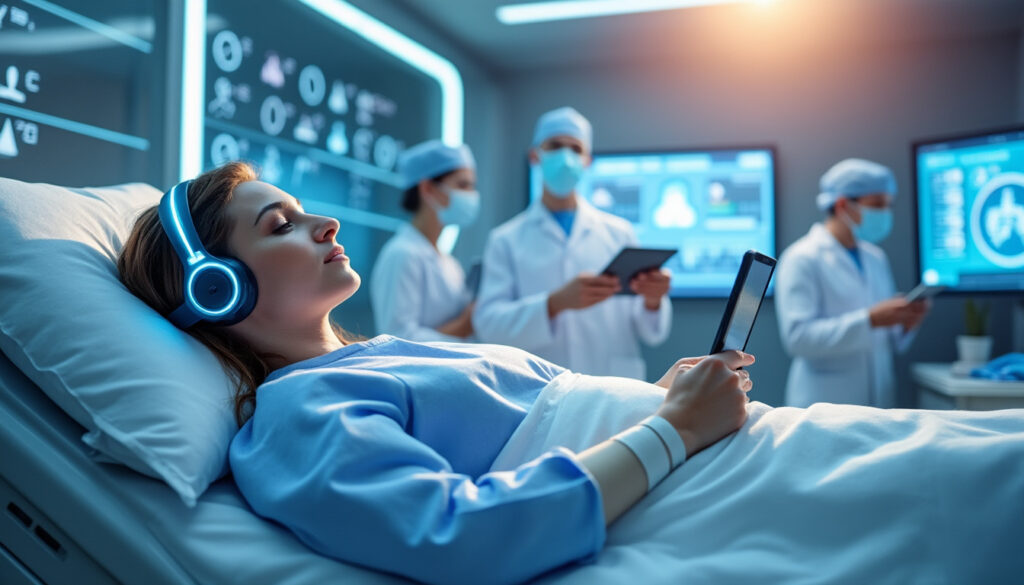
The landscape of surgical care is undergoing a profound transformation, driven by groundbreaking technological advancements and innovative therapeutic approaches. Among these, repetitive Transcranial Magnetic Stimulation (rTMS) emerges at the forefront, revolutionizing post-operative management and dramatically enhancing recovery trajectories. This non-invasive brain stimulation technique is being successfully integrated into neurosurgical protocols, particularly in spinal surgery, to optimize patient outcomes by harnessing cortical plasticity and modulating neural pathways involved in pain, motor function, and psychological well-being.
The synergy between surgical precision supported by robotic assistance and augmented post-operative neurostimulation exemplifies the Future of Surgery. The collaboration between Neurothérapie Montréal and surgical centers in France illustrates a sophisticated model of international cooperation, focusing on customized, patient-centered recovery pathways for individuals undergoing complex spinal procedures. These efforts address key challenges such as neuropathic pain management, post-laminectomy syndrome, and emotional disturbances that often complicate convalescence after spinal surgeries.
Understanding the applications and benefits of rTMS within a structured post-operative care plan provides new hope in neurosurgery and spine care. Leveraging the neuroplastic potential of the brain not only aids in functional rehabilitation but also reduces the reliance on pharmacological interventions, mitigating associated risks and side effects. Pioneering studies and clinical trials continue to demonstrate the efficacy and safety of rTMS, emphasizing its role in enhancing recovery speed, reducing hospital stays, and improving overall life quality after surgery.
Role of rTMS in Enhancing Post-Operative Recovery and Neurosurgical Outcomes
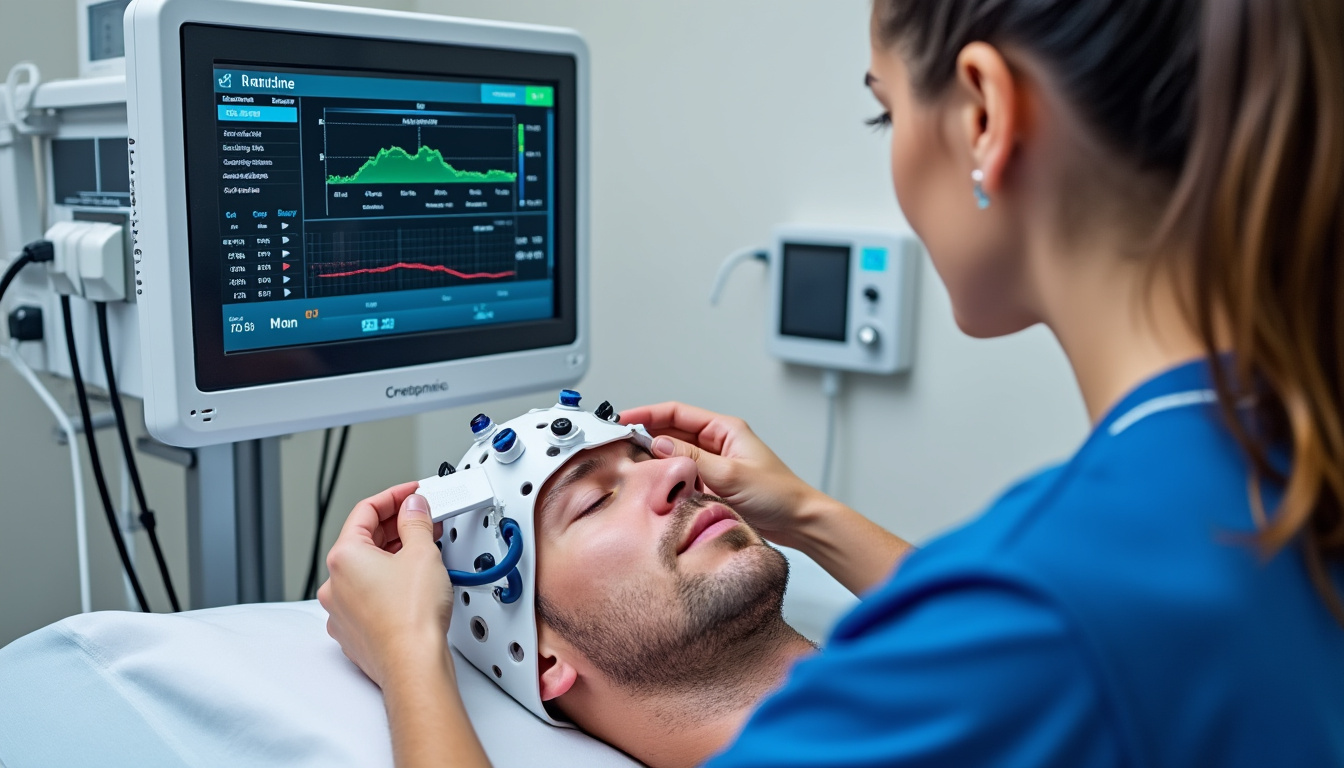
Repetitive Transcranial Magnetic Stimulation (rTMS) is changing paradigms in post-operative care by targeting brain regions responsible for motor control and pain processing. The technology delivers controlled magnetic pulses to facilitate cortical reorganization, crucial for patients recovering from spine surgeries that often involve nerve impingements, ischemia, or surgical trauma. This brain stimulation method acts as a neuroplasticity catalyst, promoting faster and more effective rehabilitation.
Emerging evidence substantiates the use of rTMS in reducing chronic neuropathic pain, notably post-laminectomy syndrome, a prevalent complication characterized by persistent pain following spinal decompression surgeries. High-frequency stimulations applied to the motor cortex have shown significant analgesic effects by modulating pain pathways and diminishing central sensitization. Additionally, these protocols have been instrumental in motor function restoration, particularly in patients experiencing post-operative paresis as a consequence of neurological insult during surgery.
Studies, including a randomized double-blinded trial on glioma patients with post-operative hemiparesis, demonstrated considerable improvement in motor outcomes following targeted rTMS interventions compared to sham treatments. The selective stimulation of the non-injured motor cortex coupled with rehabilitative therapy was key in boosting recovery, highlighting the potential for tailored post-surgical neurorehabilitation strategies. Such findings underscore rTMS as a cornerstone in shaping future neurosurgical care where recovery optimization is as crucial as the surgical procedure itself.
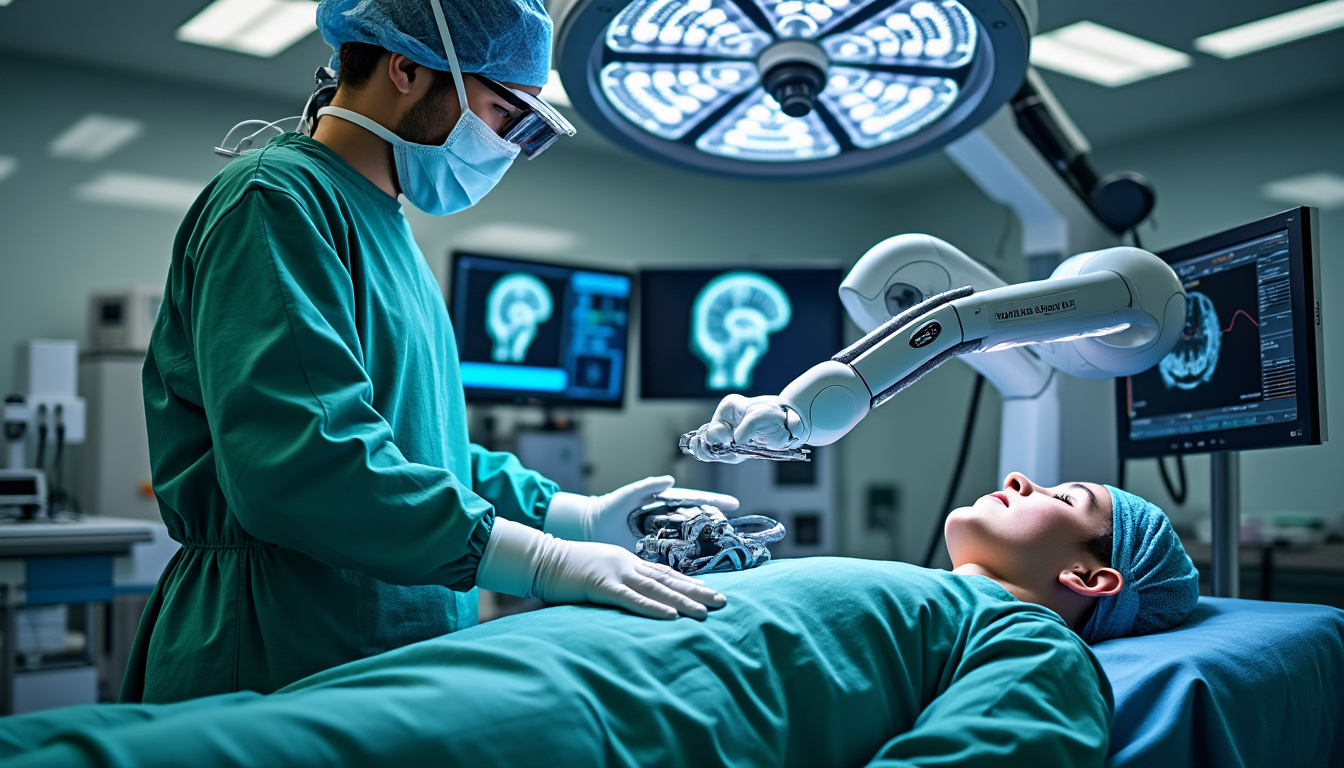
Moreover, the integration of rTMS complements advances in surgical innovation such as 3D imaging and robotic navigation systems that enable minimally invasive spine procedures. By pairing the precision of surgery with non-invasive neurostimulation, clinicians achieve an unprecedented holistic approach—addressing both the anatomical and functional dimensions of surgical recovery.
This dual innovation reduces the likelihood of further surgical interventions by mitigating complications and enhancing tissue healing. A comprehensive overview of this approach can be found in the detailed analysis of comprehensive guide to integrating rTMS therapy post-surgery, which explores mechanisms, protocols, and outcome metrics critical for surgeons and therapists aiming to adopt these evolving standards.

Understanding Sciatic Pain: Key Symptoms and When to Seek Medical Advice
Sciatic pain is a prevalent condition impacting a wide demographic, manifesting primarily as intense pain radiating from the lower back down the leg. This pain stems from irritation or compression of the sciatic nerve, a major nerve extending through the…
Customizing rTMS Protocols: Addressing Pain, Motor Deficits, and Emotional Health Post-Surgery
The future of surgery heavily depends on precision medicine, and rTMS embodies this ethos by enabling individualized treatment plans adapted to patients’ unique neurophysiological profiles and surgical histories. Tailoring rTMS protocols is paramount, given the heterogeneity of post-operative sequelae in spine surgery, ranging from neuropathic pain to motor impairments and psychological stress.
For chronic neuropathic pain, protocols typically involve high-frequency (10-20 Hz) stimulation of the primary motor cortex administered over 15 to 20 sessions. This regimen is designed to inhibit maladaptive neural circuits responsible for persistent pain sensations. In post-laminectomy syndrome, alternating stimulations targeting the motor cortex and dorsolateral prefrontal cortex at moderate frequencies over 3 to 4 weeks help alleviate pain and improve mood, addressing the multidimensional nature of the syndrome.
Emotional health support is especially critical since post-operative anxiety and depression significantly influence recovery trajectories and rehabilitation adherence. Selective stimulation of the left dorsolateral prefrontal cortex has been validated through various clinical trials to effectively reduce depressive symptoms, facilitating psychological resilience during the convalescent phase.
These protocols are informed by rigorous neurofunctional evaluations, including neuronavigation and cortical mapping, ensuring precise targeting of brain areas. Adjustments in stimulation intensity, frequency, and session scheduling are made dynamically based on ongoing assessments, emphasizing a responsive treatment paradigm that evolves with patient progress.
Illustrating this adaptive approach, a case involved a patient undergoing lumbar fusion surgery who presented with refractory neuropathic pain. Following a tailored rTMS regime, the patient’s pain scores declined significantly, and the need for analgesic medications was reduced, translating to improved mobility and quality of life. This case exemplifies how integrating rTMS in post-operative care individualizes treatment and achieves maximal therapeutic gain.

The Stepwise Role of Functional Recovery in Achieving Successful Outcomes
The journey to full recovery following spinal surgery is often complex and multifaceted, demanding a meticulously structured approach to ensure optimal functional outcomes. In recent years, the concept of functional recovery through a stepwise approach has garnered significant attention in…
International Collaboration for Streamlined Post-Operative rTMS Integration
The coordination of care spanning continents highlights how surgical innovation and non-invasive therapies like rTMS converge within global health frameworks to enhance patient outcomes. Notably, Quebec patients undergoing spinal surgeries in France benefit from a meticulously orchestrated care continuum led by Neurothérapie Montréal in collaboration with SOS Tourisme Médical and Franchir.
This model ensures comprehensive care from pre-operative education, logistical management abroad, to personalized post-operative follow-up upon return. Patients receive detailed preparation about rTMS benefits, expectations, and participation in their recovery. During the hospital stay in France, surgical teams coordinate with neurostimulation specialists to initiate rTMS protocols, facilitating the seamless transfer of knowledge and care continuity.
Back in Canada, Neurothérapie Montréal administers individualized assessments and treatment plans, combining rTMS with advanced physical therapy techniques such as BrainPort or PoNS to further stimulate neurological and motor recovery. This integrated framework reduces fragmentation of care and maximizes rehabilitation efficiency.
The strong partnership between international experts ensures real-time monitoring and data sharing, fostering evidence-based optimization of rTMS protocols. The success of this transatlantic collaboration is showcased by improved patient satisfaction, expedited recovery, and decreased post-surgical complications, presenting a compelling case for expanding similar programs.
Understanding this success story involves recognizing the logistical expertise of SOS Tourisme Médical, which alleviates administrative and travel barriers, enhancing patient comfort and focus on recovery. Simultaneously, ongoing professional training through entities like EUROSPINE and SFCR in France guarantees cutting-edge surgical and neurostimulation competencies, reinforcing the reliability and excellence of care delivery.
Transatlantic Patient Journey: Insights into Indications, Benefits, and Challenges
The emergence of the Transatlantic Patient Journey as a strategic model within healthcare continues to capture attention for its innovative potential, especially in specialized fields such as spinal surgery. This cross-border care pathway integrates rigorous medical evaluation from Quebec with…
Impact of Cutting-Edge Robotics and Imaging on Surgical Precision Complementing rTMS Therapy
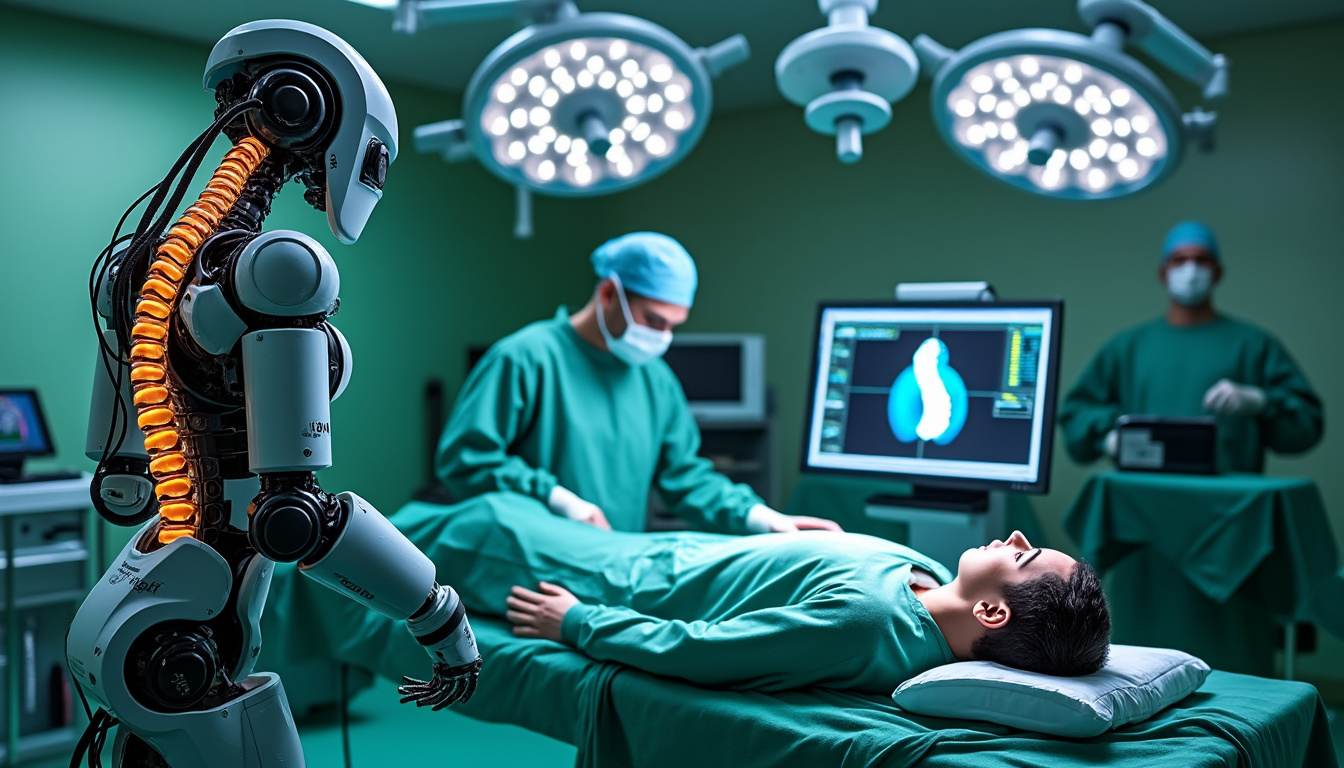
The convergence of robotic surgery and advanced imaging technologies with post-operative rTMS marks a new era in the Future of Surgery. Robotics platforms, such as those developed by eCential Robotics and the Da Vinci system, have reached new milestones with regulatory approvals enabling enhanced navigation, precision, and minimally invasive interventions. These advances reduce intraoperative trauma and improve surgical accuracy, setting an optimal foundation for subsequent neurostimulation therapies.
3D imaging technologies facilitate detailed anatomical visualization, permitting pre-operative planning and intraoperative adjustments that minimize nerve damage and preserve healthy tissues. These approaches align well with rTMS’s goal to stimulate residual functional neural networks and avoid exacerbating injury-induced cortical dysfunction.
The integration of these technologies into a comprehensive post-operative plan allows a synergy that enhances functional recovery rates. As such, patients experience less pain, accelerated motor rehabilitation, and reduced hospital stays. Clinical data suggest that combining robotic precision and rTMS-driven neuroplasticity yields superior long-term neurological outcomes.
Healthcare institutions adopting these innovations demonstrate higher success rates in spinal surgeries, a key component in establishing an advanced service line that attracts medical tourism. The integration also supports the shift toward value-based care models emphasizing patient outcomes over procedural volume, which is progressively influential in healthcare policies.
For further detailed insights into these surgical and neurostimulation advances, visit this research article on intraoperative neurorehabilitation with rTMS.
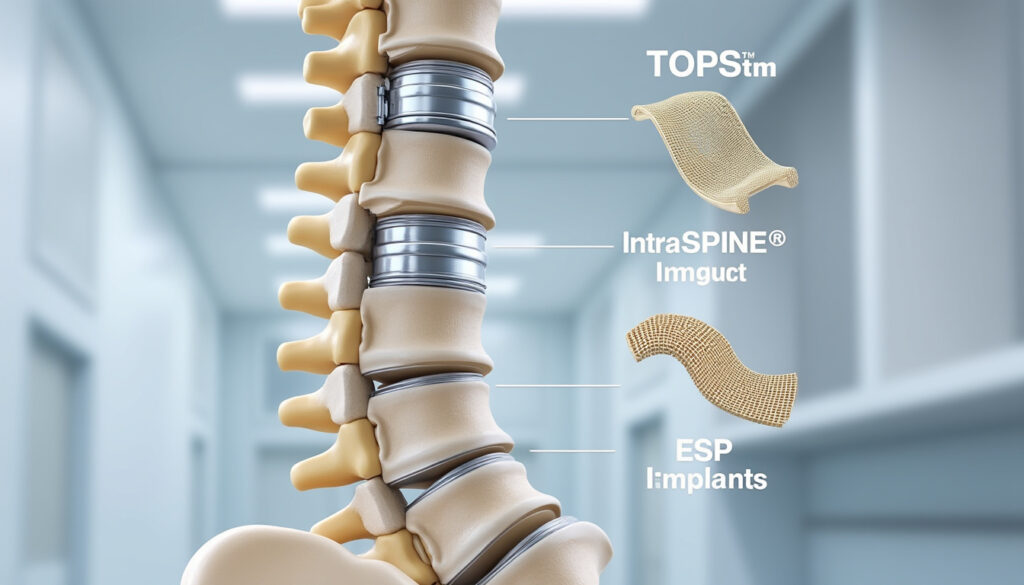
The evolving field of spinal surgery is witnessing a transformative shift, fueled by cutting-edge implant technologies such as TOPS, Intraspine, and ESP. These innovative implants redefine treatment possibilities by emphasizing preservation of natural spinal mechanics, while ensuring durable stabilization and…
Optimizing Pain Management and Functional Rehabilitation with rTMS Post-Surgery
Effective post-operative pain control remains a challenging aspect of spinal surgeries, particularly where neuropathic pain emerges from nerve involvement or surgical trauma. rTMS offers a non-invasive alternative or adjunct to traditional pharmacotherapy, addressing pain at the central nervous system level.
This brain stimulation targets maladaptive cortical circuits responsible for heightening pain perception and supports neuromodulation that enhances endogenous analgesic pathways. Clinical protocols typically involve multiple sessions over several weeks, producing cumulative analgesic benefits observable through patient-reported pain scales and functionality assessments.
Beyond pain, rTMS aids in enhancing motor rehabilitation by potentiating neural circuits involved in voluntary movement. This is crucial for patients experiencing muscle weakness or paresis post-surgery. Treatment plans often combine rTMS with physical therapy, achieving synergistic effects that accelerate motor recovery and increase independence in daily activities.
Pharmacological side effects such as sedation, opioid dependence, or gastrointestinal issues are markedly reduced when rTMS is incorporated, reflecting its favorable safety profile. Patients also report improvements in mood and cognitive clarity, factors influential in successful rehabilitation adherence and outcomes.
Healthcare teams adopting rTMS in post-operative protocols observe not only improved patient comfort but also economic benefits from shortened hospital stays and decreased readmission rates. These data bolster the push for broader implementation of rTMS in surgical aftercare. Comprehensive postoperative care strategies incorporating rTMS can be explored in greater detail in the guide on post-operative care for back surgery patients in Quebec.
Table: Comparison of Pain Management Modalities Post-Spinal Surgery
| Modality | Mechanism | Efficacy | Side Effects | Recovery Impact |
|---|---|---|---|---|
| rTMS | Neuromodulation via magnetic stimulation | High for neuropathic pain relief | Minimal, non-invasive | Enhances neuroplasticity and motor function |
| Opioids | CNS receptor agonism | Moderate to high pain relief | Dependence, sedation, GI issues | May delay rehabilitation due to sedation |
| NSAIDs | Anti-inflammatory | Moderate pain relief | Gastrointestinal complications risk | Limited direct impact on function |
| Physical Therapy | Active rehabilitation | Varies with patient effort | None | Essential for motor recovery |
Preparing for Surgery in France: Key Indications, Benefits, and Limitations
In an evolving global healthcare landscape, France emerges as a beacon of advanced surgical expertise, particularly attracting international patients seeking expedited and innovative medical interventions. Patients from regions experiencing long wait times, such as Quebec, increasingly view France as an…
Patient-Centric Approaches in Post-Operative rTMS Integration for Spinal Surgery
The success of post-operative neurostimulation is deeply connected to patient engagement and personalized care delivery. Patient-centric models incorporate thorough education about rTMS benefits, potential sensations during treatment, and expected outcomes, fostering informed consent and motivation.
Close monitoring of symptom evolution, including pain levels, mood changes, and motor abilities, guides clinical decision-making. This feedback loop allows healthcare providers to refine rTMS parameters, add complementary therapies, and address emerging challenges promptly.
Psychological support adjuncts, such as counseling and stress management techniques, harmonize with the neurostimulation process by preparing patients mentally and emotionally for recovery demands. Robust communication paths ensure continuity of care, especially critical for international patients navigating cross-border healthcare systems.
For example, a patient treated with a combination of rTMS and cognitive-behavioral therapy post cervical disc surgery demonstrated accelerated autonomic regulation improvements and reduced pain catastrophizing, a finding supported by recent neurorehabilitation literature.
This holistic approach empowers patients to take ownership of their recovery, improving adherence to complex rehabilitation plans and maintaining quality of life during the often-challenging post-surgical phase.
The Future of Surgery: Integrating rTMS Post-Operatively for Enhanced Recovery
Explore key aspects of Repetitive Transcranial Magnetic Stimulation (rTMS) and its role in modern post-operative recovery.
${item.detail}
`; }// Set default selection select.value = 0; showDetail(0); })();
Unveiling the Hidden Benefits of Quality and Certification in Devices
The landscape of device manufacturing and clinical application in 2026 has been fundamentally shaped by the rigorous interplay between quality management and certification processes. Within this complex framework, the hidden benefits of adhering to international standards and obtaining relevant certifications…
Training and Professional Development Embracing rTMS and Surgical Innovation
To fully harness the benefits of rTMS integrated within surgical pathways, ongoing professional education is indispensable. Institutions such as EUROSPINE and the Société Française de Chirurgie Rachidienne (SFCR) offer specialized diplomas and courses that combine neurosurgery techniques with emerging neurostimulation methodologies. These curricula ensure that clinicians remain proficient and versed in the latest advances, regulatory frameworks, and clinical best practices.
The emphasis is on a multidisciplinary approach, blending surgical mastery with neurophysiological understanding to optimize patient outcomes. Hands-on training includes neuronavigation-assisted rTMS application, interpretation of neurofunctional biomarkers, and adjustment of stimulation parameters based on individualized patient responses.
Such educational initiatives serve not only to improve surgical outcomes but also foster a culture of innovation and research collaboration across centers worldwide. An example includes the spinal endoscopy courses held at IRCAD Strasbourg, renowned for integrating minimally invasive techniques with neurostimulation research, driving clinical practice forward in precise and safer spinal interventions.
By cultivating expertise at this intersection of surgery and brain stimulation, healthcare providers elevate the standard of care and pave the way for adopting next-generation therapies that will define the future of surgical recovery.
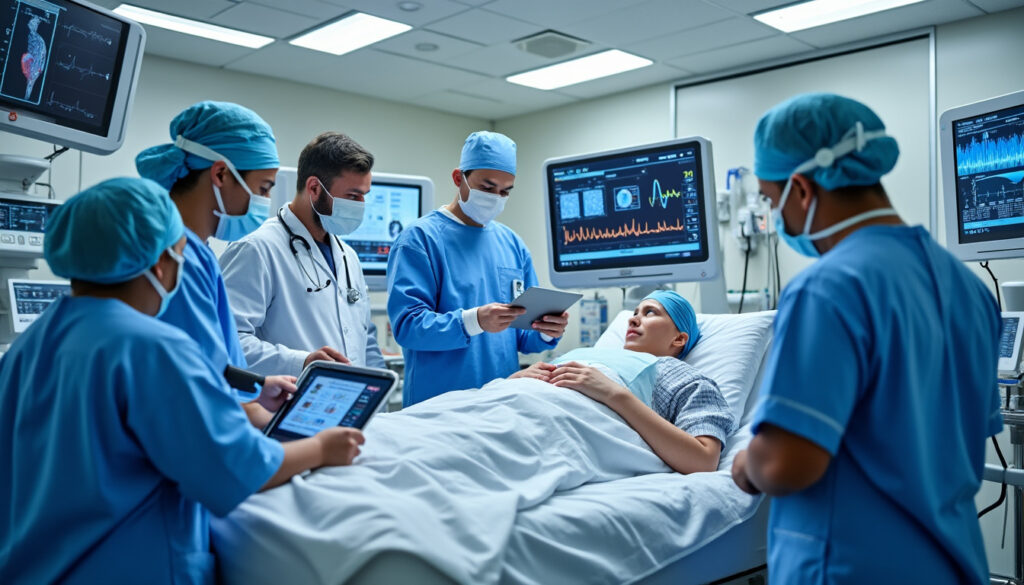
Why Experts Advocate for Comprehensive Preoperative Evaluations
In the complex and demanding field of spinal surgery, the emphasis on comprehensive preoperative evaluations has become a fundamental pillar supporting successful surgical outcomes. These evaluations, far beyond mere routine checks, integrate detailed analyses of patient health, surgical risk assessments,…
Challenges and Future Directions in Post-Operative rTMS Application
Despite promising outcomes, integrating rTMS into routine post-operative care encounters several challenges. Variability in patient response necessitates the fine-tuning of protocols on a case-by-case basis, demanding resources and multidisciplinary coordination that may not be universally available. Furthermore, while the regulatory landscape in France supports standardized rTMS implementation, other regions are still developing frameworks, complicating broader adoption.
Economic considerations also play a role, as equipment costs and specialized personnel training require investment. However, long-term cost benefits through reduced complications and readmissions present a compelling argument for health systems to integrate rTMS sustainably.
Future research is poised to explore automated adaptive rTMS delivery systems that integrate artificial intelligence to customize stimulation dynamically. Additionally, expanding indications to include cognitive recovery and delirium prevention after major surgery may further broaden rTMS applications.
Collaboration between neurosurgeons, neurotherapists, and biomedical engineers will be critical to overcoming technical and practical barriers, shaping a comprehensive neurorehabilitation ecosystem. Continuous patient feedback and real-world data integration will refine protocols and maximize recovery efficiencies, ensuring rTMS fulfills its potential in surgical innovation and recovery optimization.
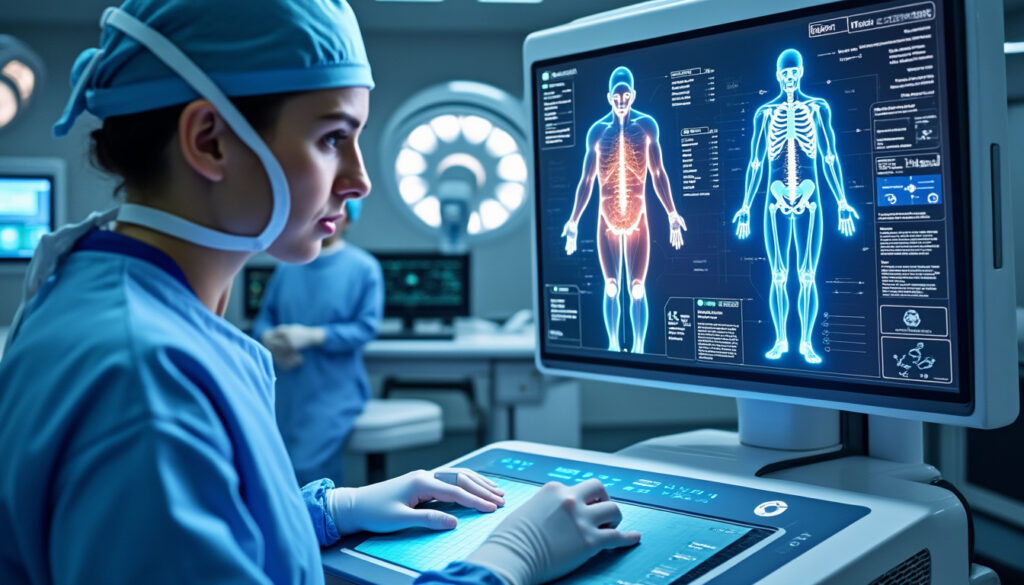
The Future of Surgery Lies in Stepwise Functional Recovery
The evolution of surgical care in 2026 reveals a compelling shift toward approaches that prioritize the holistic recovery of patients, moving beyond traditional metrics like length of hospital stay or mortality rates. This modern paradigm highlights the principle that the…
Policy and Ethical Considerations Surrounding Non-Invasive Brain Stimulation in Surgery
As rTMS becomes integral to post-operative care, ethical considerations regarding consent, accessibility, and long-term effects gain importance. Clear communication about benefits and limitations must be maintained to ensure patient autonomy. Additionally, equitable access to rTMS, especially for patients from underserved or remote regions, presents a challenge that healthcare systems must address.
Regulatory bodies must develop guidelines that uphold safety and efficacy without stifling innovation. Transparency of clinical outcomes and adverse event monitoring are essential components of responsible implementation.
Engaging patient advocacy groups in policy discussions further ensures that neurostimulation therapies align with patient needs and societal expectations. Future health policies will need to balance technological promises with ethical stewardship to foster trust and widespread acceptance of these surgical adjuncts.
What are the primary indications for rTMS after spinal surgery?
The primary indications include relief from chronic neuropathic pain, management of post-laminectomy syndrome, and support for mental health symptoms such as depression and anxiety following surgery.
How is a post-operative rTMS session conducted?
Each session involves delivering repeated magnetic pulses targeted to specific brain areas associated with pain processing and mood regulation. It is a painless, non-invasive procedure typically lasting between 20 to 40 minutes and supervised by trained specialists.
What role does Neurothérapie Montréal play in post-operative care?
Neurothérapie Montréal coordinates comprehensive follow-up care including neurofunctional assessments, individualized rTMS treatment plans, and integrative support for Quebec patients operated in France.
How does the integration of rTMS influence the need for additional surgeries?
By enhancing nerve recovery, managing pain effectively, and facilitating functional rehabilitation, rTMS reduces the incidence of complications that typically lead to repeat surgical procedures.
Can rTMS aid physical rehabilitation after spine surgery?
Yes, rTMS enhances neuroplasticity, thereby optimizing physical rehabilitation outcomes such as motor recovery and improving patient mobility post-surgery.