
The Future of Surgery: Integrating rTMS Post-Operatively for Enhanced Recovery
June 16, 2026
Why Experts Advocate for the Crucial Role of Franchir in Effective Care Management
June 16, 2026
The process of undergoing medical treatment, especially when it involves intricate procedures such as spinal surgery, is profoundly impacted by the initial questionnaires and examinations that every patient must complete. These early steps form the backbone of individualized care, enabling healthcare professionals to gain a deep understanding of a patient’s condition before any treatment plan is designed or executed. This essential phase not only involves a detailed collection of medical history and symptoms but also the deployment of a carefully structured battery of diagnostic tests and physical assessments. Together, they serve to clarify the nature of the pathology, pinpoint any red flags or contraindications, and establish a clear roadmap for clinical intervention.
Recent advancements in cross-border medical collaborations, particularly between regions like Quebec and France, have elevated the importance of these initial assessments. By combining rigorous scientific evaluation with compassionate patient support, healthcare providers ensure that each individual receives efficient access to cutting-edge surgical techniques, alongside tailored information and psychological reassurance. The integration of refined data-gathering tools, including specialized patient questionnaires and comprehensive pre-exam preparations, means that doctors and surgeons approach each case with clarity and precision.
This article explores the multifaceted components of initial questionnaires and exams from a clinical perspective, highlighting how meticulous patient evaluation enhances overall outcomes while minimizing complication risks. Emphasis is placed on the vital role of health screening protocols as they relate to spinal care, illustrating how patient-doctor communication and medical documentation solidify the foundation of successful treatment. The pathways from the earliest patient intake forms to complex diagnostic testing reflect an evolving clinical practice that invites patients to engage actively in their care journey with knowledge and confidence.
Understanding the Role of Initial Assessments in Patient Evaluation for Spinal Surgery
Initial Assessment marks the critical first encounter where healthcare professionals begin to piece together a comprehensive picture of a patient’s health status. This phase goes beyond simple data collection to focus on patient-specific nuances that help personalize treatment strategies. The importance of systematic questionnaires administered during this stage cannot be overstated, as they seek detailed insights into pain characterization, functional limitations, and psychosocial factors that influence patient experience.
Questions crafted for these initial questionnaires are often comprehensive, aimed at unveiling the dimensions of discomfort such as severity, location, and duration. For instance, patients suffering from lumbar herniated discs may be asked to describe their pain through numeric rating scales and specific descriptors like burning or shooting sensations. This granularity informs surgical teams whether minimally invasive interventions or more involved stabilization techniques are appropriate. Furthermore, functional assessments embedded within these forms gauge the impact of the spinal condition on daily activities, such as climbing stairs or maintaining posture over extended periods, thereby underlining real-world consequences.
An accurate and inclusive Medical History is fundamental at this juncture. It includes previous diagnoses, allergies, medications, prior surgeries, and chronic health concerns that might affect operative risk or prognosis. Consideration of the patient’s psychological health, including anxiety levels and sleep quality, plays a pivotal role in preparing for surgery and postoperative recovery. Effective Pre-Exam Preparation thus combines scientific rigor with a holistic view of the individual’s wellbeing.
The value of these questionnaires is further amplified when patients engage with trained coordinators who facilitate questionnaire completion, clarify questions, and ensure that the data are accurate and meaningful. This approach enhances Doctor-Patient Communication by creating an interactive, patient-centered environment from the outset. In modern healthcare settings, electronic medical documentation platforms allow seamless transmission of these vital records between healthcare teams across geographical borders, streamlining the care continuum.


Understanding Sciatic Pain: Key Symptoms and When to Seek Medical Advice
Sciatic pain is a prevalent condition impacting a wide demographic, manifesting primarily as intense pain radiating from the lower back down the leg. This pain stems from irritation or compression of the sciatic nerve, a major nerve extending through the…
Specialized Questionnaires: Building a Detailed Clinical Profile through Patient-Centered Data
Specialized questionnaires serve as strategic instruments designed to capture the complexity of spinal pathologies. When compared to general medical forms, these focused tools delve into symptomatology with scientific precision while respecting patient individuality. For example, Quebec patients preparing for treatment in France benefit from standardized questionnaires that both sides of this transatlantic partnership recognize and trust, promoting smoother clinical workflows and reducing redundant testing.
Typical contents of these questionnaires include:
- Pain assessment scales: Numeric scales from 0 to 10, capturing intensity and variability of pain episodes.
- Functional ability queries: Challenges faced in routine activities like bending or sitting, reflecting the severity of functional impairment.
- Medical history details: Chronic illnesses, allergies, past surgeries, and current medications that could influence surgical decisions.
- Psychosocial evaluation: Screening for anxiety, depression, and sleep disturbances that might affect recovery trajectories.
Each data point collected not only supports the selection of appropriate surgical techniques — such as minimally invasive approaches or advanced dynamic stabilization devices like the Intraspine system — but can also identify cases where conservative treatments are more suitable, helping avoid unnecessary operations. This tailored approach enhances both clinical efficacy and economic prudence within healthcare systems.
Neurological symptoms recorded through these questionnaires alert physicians to specific nerve involvement, which can influence both diagnosis and surgical planning. For example, the presence of radicular pain consistent with nerve root compression can prioritize decompression surgery versus other treatment modalities.
Implementing such sophisticated Patient Questionnaires relies heavily on ongoing updates and validation to maintain clinical relevance. Healthcare coordinators often ensure patients understand the importance of precise and honest responses, as these data directly impact the subsequent stages of diagnostic testing and treatment planning.
Case Illustration: Questionnaire Impact on Herniated Disc Management
A 55-year-old patient reporting chronic sciatica linked to a herniated lumbar disc completes a detailed questionnaire highlighting pain episodes scored on numeric scales, the nature of pain described as sharp and burning, and significant difficulties with occupational and leisure activities. These insights drive multidisciplinary discussions regarding surgical candidacy versus intensified conservative therapy, such as specialized traction or pain management protocols. Such decisions underscore the powerful role these initial assessments play in avoiding unnecessary interventions while optimizing patient-centered outcomes.

The Stepwise Role of Functional Recovery in Achieving Successful Outcomes
The journey to full recovery following spinal surgery is often complex and multifaceted, demanding a meticulously structured approach to ensure optimal functional outcomes. In recent years, the concept of functional recovery through a stepwise approach has garnered significant attention in…
The Comprehensive Function of Clinical Examinations in Preoperative Evaluation
Following the completion of the initial questionnaires, Clinical Examination constitutes a core element of the patient’s health screening process. This multi-faceted physical assessment, often performed by neurologists or spine specialists, evaluates neurological function, musculoskeletal integrity, and overall physical health to confirm and complement questionnaire findings.
Clinical examinations frequently explore muscle strength, reflex responses, sensory function, and motor coordination to detect nerve impingement or deficits that might not be fully appreciated through patient history alone. For instance, testing tendon reflexes or conducting gait analysis can reveal subtle neurological impairments that dictate surgical approach modifications or warrant additional investigations.
Diagnostic Testing such as MRI, CT scans, and radiographs extend the clinical evaluation by providing detailed imaging of vertebrae, intervertebral discs, and adjacent neural structures. These images are indispensable for surgical planning and risk stratification. Advanced neurophysiological tests like electromyography or evoked potentials further elucidate nerve conduction abnormalities, refining patient selection and prognosis.
A general medical work-up including comprehensive blood panels and cardiac assessments is also essential to detect potential contraindications, ensuring overall safety during anesthesia and surgery. The integration of these examinations involves a collaborative team approach where each element contributes to a collective understanding of the patient’s operative readiness.
| Type of Examination | Purpose | Clinical Significance |
|---|---|---|
| Neurological Clinical Exam | Assess motor strength, reflexes, sensory function | Detect nerve damage or neurological impairment influencing surgical strategy |
| Imaging (MRI, CT, X-rays) | Visualize spine anatomy and pathology | Essential for accurate diagnosis and operative planning |
| Neurophysiological Tests | Evaluate nerve conduction and muscle response | Helps prevent postoperative complications and tailor interventions |
| General Health Screening | Analyze biochemical and cardiac status | Identify any medical contraindications before surgery |
The combination of these tests and examinations represents a multidisciplinary strategy ensuring the highest standards of safety and efficacy. Such an approach aligns closely with guidelines highlighted in resources explaining the basic principles of clinical examination, illustrating their practical utility in modern spine care.
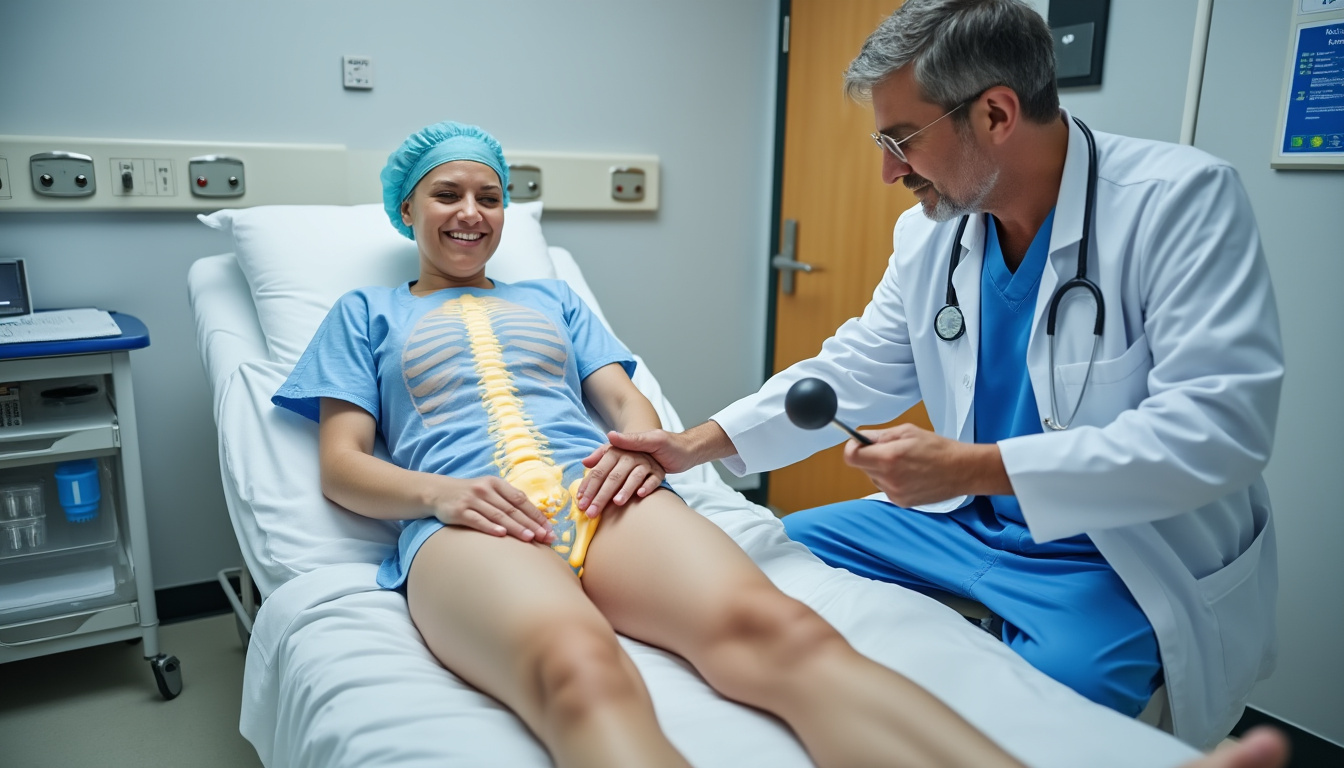

Transatlantic Patient Journey: Insights into Indications, Benefits, and Challenges
The emergence of the Transatlantic Patient Journey as a strategic model within healthcare continues to capture attention for its innovative potential, especially in specialized fields such as spinal surgery. This cross-border care pathway integrates rigorous medical evaluation from Quebec with…
Pre-Exam Preparation: What Patients Should Expect and How to Get Ready
Pre-Exam Preparation is a cornerstone of a smooth and successful healthcare journey. Patients are often advised to gather recent medical documentation, including imaging results like MRIs or CT scans, blood work analyses, and summaries of prior treatments relevant to their spinal pathology. This documentation forms the basis for informed Patient Evaluation and supports an accurate diagnosis.
Healthcare providers encourage patients to approach questionnaires thoughtfully, providing honest and detailed responses to aid clinical decision-making. Additionally, preparation may include logistical planning, such as arranging travel and accommodation for transatlantic care pathways, ensuring that patients can focus fully on their health during evaluations and subsequent treatments.
Clear Doctor-Patient Communication during this phase alleviates anxiety and fosters trust. Knowing what to expect at each stage, including possible physical assessments and diagnostic tests, empowers patients to participate actively and cooperate fully. Educational materials and direct dialogue with care coordinators prepare patients for the upcoming appointments, lessening uncertainty and supporting better outcomes.
The importance of thorough pre-exam rituals is underscored by guides on patient intake forms that stress focusing on essential and meaningful questions to maximize the value of initial data collection. This focused approach improves efficiency and smooths the clinical pathway.
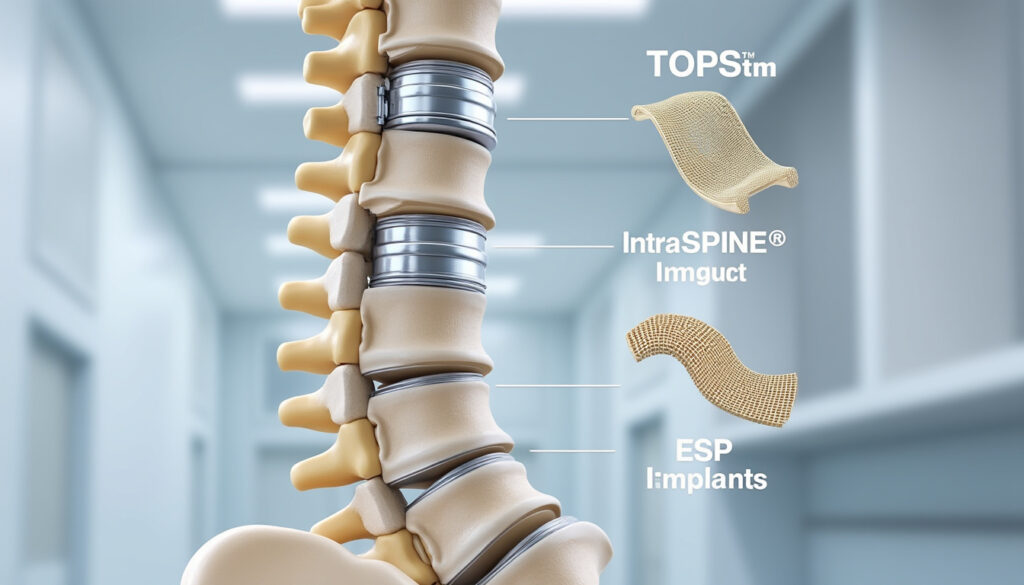
The evolving field of spinal surgery is witnessing a transformative shift, fueled by cutting-edge implant technologies such as TOPS, Intraspine, and ESP. These innovative implants redefine treatment possibilities by emphasizing preservation of natural spinal mechanics, while ensuring durable stabilization and…
Coordination of Care: Enhancing Clinical Outcomes Through International Collaboration
In complex medical scenarios such as spinal surgery, coordinated care models stand as vital frameworks improving both access and quality of treatment. The transatlantic partnerships between institutions in Quebec and France exemplify this effort by synchronizing initial questionnaires, clinical examinations, and diagnostic testing across borders.
This coordination involves a series of structured steps: centralized management of medical documentation, collaborative selection of the most appropriate surgical expert, and detailed logistical arrangements supporting patient travel. Such integration ensures expedited timelines that are often substantially shorter than traditional public healthcare pathways in the patient’s home region.
Moreover, the role of organizations like Franchir, which streamline patient orientation and surgical planning for Quebec patients in French centers, exemplifies how technology-enhanced frameworks can transform patient journeys. This results in more precise clinical decisions, reduced waiting times, and enhanced postoperative follow-up.
Importantly, an overlay of ongoing Patient Evaluation and Doctor-Patient Communication throughout the pathway ensures that patients remain informed, reassured, and actively involved in their care decisions. This holistic and collaborative model promotes improved clinical results and overall satisfaction in managing spinal conditions.
Initial Questionnaires and Exams: Essential Insights Every Patient Should Know
Follow the steps below to understand the typical patient journey for transatlantic medical coordination.
${index + 1}. ${step.title}
${step.description}
`; stepDetails.focus(); }// Toggle button action: show/hide details panel related to selected step toggleBtn.addEventListener(‘click’, () => { if(currentStepIndex === null) { alert(‘Please select a step above to see its details.’); return; } const isHidden = stepDetails.classList.contains(‘hidden’); toggleBtn.setAttribute(‘aria-expanded’, String(!isHidden)); stepDetails.classList.toggle(‘hidden’); if(!isHidden) stepDetails.innerHTML = ”; else fillStepDetails(currentStepIndex); });/* Accessibility notes: – Steps are made focusable and operable via keyboard (Enter/Space). – aria-expanded and aria-controls are properly used on the toggle button. – Regions have meaningful aria-labels. – Color contrasts are compliant with WCAG AA. – Details region is announced dynamically via aria-live. */
Preparing for Surgery in France: Key Indications, Benefits, and Limitations
In an evolving global healthcare landscape, France emerges as a beacon of advanced surgical expertise, particularly attracting international patients seeking expedited and innovative medical interventions. Patients from regions experiencing long wait times, such as Quebec, increasingly view France as an…
The Impact of Initial Questionnaires and Exams on Treatment Personalization
Personalized medicine stands at the forefront of modern healthcare, and in spinal surgery, initial questionnaires and diagnostic exams make this possible. Fine-tuning treatment plans to the precise clinical and psychosocial profile of each patient reduces unnecessary interventions and tailors surgical techniques to optimize functionality and recovery.
The integration of detailed medical history, clinical examination findings, and advanced imaging data supports selecting innovative implants such as TOPS, Intraspine, or ESP systems specifically matched to patient needs. This approach ensures that patients undergo the least invasive and most effective interventions based on individual pathology and risk profiles.
Furthermore, tailoring does not stop at surgery. Initial assessments often identify candidates for specialized conservative treatments, enabling healthcare teams to recommend physical therapy, neurofunctional rehabilitation, or psychological support before considering surgical options. This not only preserves patient safety but also enhances long-term quality of life.
The efficacy of this personalized strategy is supported by documented clinical pathways and guidelines and contributes to reducing complication rates and hospital stay durations while improving patient satisfaction and functional recovery. The role of initial questionnaires and exams becomes evident as a critical gateway to such exemplary patient-centered care.

Unveiling the Hidden Benefits of Quality and Certification in Devices
The landscape of device manufacturing and clinical application in 2026 has been fundamentally shaped by the rigorous interplay between quality management and certification processes. Within this complex framework, the hidden benefits of adhering to international standards and obtaining relevant certifications…
Technological Advances in Initial Patient Assessment and Diagnostic Testing
In 2026, innovations in medical technology have reshaped the landscape of initial patient assessments, particularly for specialized fields like spinal surgery. Emerging tools harness 3D imaging, robotic navigation, and digital data collection to augment the accuracy and efficiency of Pre-Exam Preparation and Clinical Examination.
For example, 3D spinal imaging allows surgeons to visualize complex anatomical variations in exquisite detail, facilitating precise surgical planning. Robotic-assisted navigation further enhances operative accuracy, reducing tissue trauma and improving implant positioning. These technological advances are complemented by sophisticated software platforms that streamline Medical Documentation and patient workflow management.
Moreover, electronic patient questionnaires accessible through secure online portals enable patients to complete detailed health screenings remotely, promoting convenience and accuracy. These digital health tools are integrated with clinical data repositories, offering healthcare providers instant access to comprehensive patient profiles and facilitating real-time decision-making.
Such innovations align seamlessly with global efforts to enhance quality and safety in spine care, reducing delays and improving surgical outcomes. Patients engaging with these advanced diagnostic testing platforms benefit both from heightened precision and a more patient-friendly experience.


Why Experts Advocate for Comprehensive Preoperative Evaluations
In the complex and demanding field of spinal surgery, the emphasis on comprehensive preoperative evaluations has become a fundamental pillar supporting successful surgical outcomes. These evaluations, far beyond mere routine checks, integrate detailed analyses of patient health, surgical risk assessments,…
Humanizing Patient Care: The Importance of Personalized Follow-Up After Initial Exams
While technical precision and thorough assessments dominate clinical preparation, the human dimension of patient care remains indispensable. Personalized follow-up following initial questionnaires and exams ensures emotional support, addresses individual concerns, and facilitates optimal recovery paths.
Care coordinators play a pivotal role, serving as liaisons between medical teams and patients, providing explanations about the significance of assessment results, surgical options, and expected outcomes. Continuous communication reduces patient anxiety and encourages adherence to preoperative and postoperative instructions.
Integrated neurofunctional support involving biofeedback and neurofeedback techniques contributes to refining neurological recovery and functional gains. This human-centered approach complements the technical rigor of initial evaluations and fosters long-term resilience and quality of life.
Health systems that emphasize this dual scientific and empathetic focus exemplify the evolving standards of care in spinal surgery. They acknowledge the realities faced by patients navigating complex medical environments, ensuring that every stage – from Initial Assessment to discharge – maintains a careful balance between expert knowledge and compassionate support.
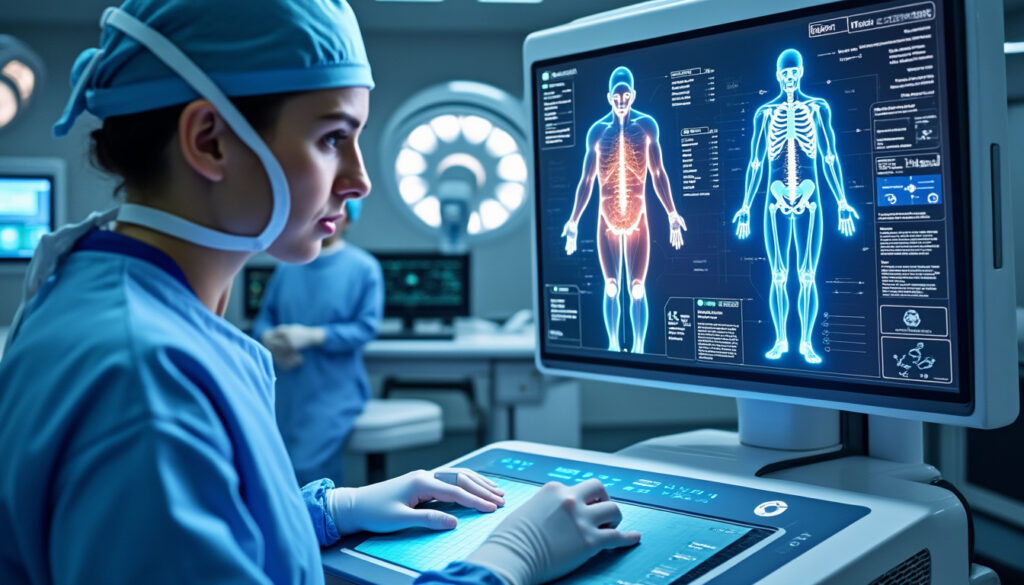
The Future of Surgery Lies in Stepwise Functional Recovery
The evolution of surgical care in 2026 reveals a compelling shift toward approaches that prioritize the holistic recovery of patients, moving beyond traditional metrics like length of hospital stay or mortality rates. This modern paradigm highlights the principle that the…
Essential Insights: Frequently Asked Questions About Initial Questionnaires and Exams in Spinal Surgery
{“@context”:”https://schema.org”,”@type”:”FAQPage”,”mainEntity”:[{“@type”:”Question”,”name”:”What documents are required for the initial assessment?”,”acceptedAnswer”:{“@type”:”Answer”,”text”:”Patients must provide recent imaging studies, such as MRI or CT scans, along with medical reports concerning their pathology and relevant biological test results. Questionnaires will be completed with guided assistance to ensure accuracy.”}},{“@type”:”Question”,”name”:”How long does the evaluation process take before surgery?”,”acceptedAnswer”:{“@type”:”Answer”,”text”:”The average timeframe from initial assessment to surgery is generally between 2 and 4 months, depending on the clinical case and surgeon availability. This period is often shorter than traditional public healthcare wait times in Quebec.”}},{“@type”:”Question”,”name”:”Is it possible to avoid surgery based on the initial evaluation?”,”acceptedAnswer”:{“@type”:”Answer”,”text”:”In some instances, the initial evaluation supports the implementation of specialized conservative treatments that may delay or eliminate the need for surgery, optimizing patient management safely.”}},{“@type”:”Question”,”name”:”What is the coordinatoru2019s role in patient follow-up?”,”acceptedAnswer”:{“@type”:”Answer”,”text”:”The coordinator manages the preoperative follow-up, facilitates communication among healthcare providers, and ensures continuous, compassionate support before, during, and after surgery.”}},{“@type”:”Question”,”name”:”Which spinal conditions are covered in this care pathway?”,”acceptedAnswer”:{“@type”:”Answer”,”text”:”This program addresses patients with herniated discs, foraminal stenosis, spondylolisthesis, scoliosis, myelopathies, and other neurological spine disorders.”}}]}What documents are required for the initial assessment?
Patients must provide recent imaging studies, such as MRI or CT scans, along with medical reports concerning their pathology and relevant biological test results. Questionnaires will be completed with guided assistance to ensure accuracy.
How long does the evaluation process take before surgery?
The average timeframe from initial assessment to surgery is generally between 2 and 4 months, depending on the clinical case and surgeon availability. This period is often shorter than traditional public healthcare wait times in Quebec.
Is it possible to avoid surgery based on the initial evaluation?
In some instances, the initial evaluation supports the implementation of specialized conservative treatments that may delay or eliminate the need for surgery, optimizing patient management safely.
What is the coordinator’s role in patient follow-up?
The coordinator manages the preoperative follow-up, facilitates communication among healthcare providers, and ensures continuous, compassionate support before, during, and after surgery.
Which spinal conditions are covered in this care pathway?
This program addresses patients with herniated discs, foraminal stenosis, spondylolisthesis, scoliosis, myelopathies, and other neurological spine disorders.