
Disc Prosthesis in Lévis: A Solution Endorsed by France
May 26, 2026
Can Simple Surgery, Fusion, or Motion Techniques Help You Avoid More Invasive Procedures?
May 26, 2026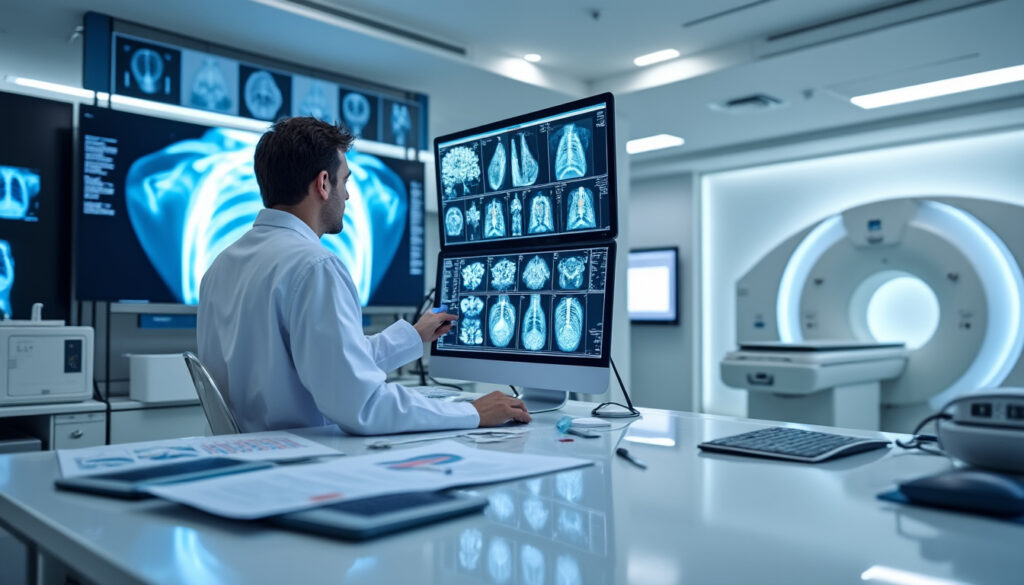
In the complex world of spinal surgery and multidisciplinary healthcare, precise organization of medical imaging examinations stands as a pivotal element for patient safety and surgical success. As demand rises for cross-border medical collaboration, particularly between regions like Québec and France, the orchestration of diagnostic imaging workflows has grown sophisticated and highly structured. Whether managing the intricate protocols of radiology or optimizing patient management pathways, healthcare providers now face the challenge of harmonizing technology, communication, and clinical expertise.
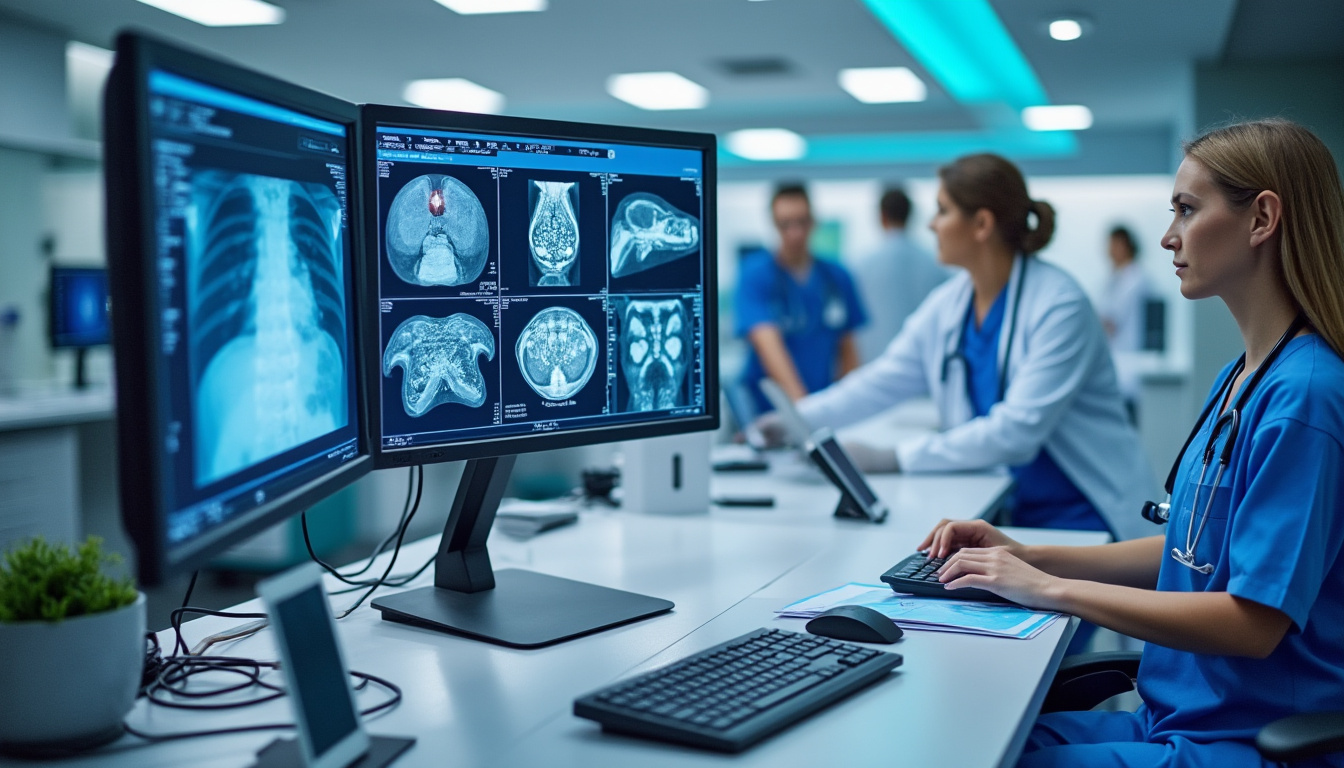
Coordinated efforts in medical imaging are essential to ensure seamless transfer of high-quality diagnostic images, adherence to specific protocols for examinations such as MRI, CT scans, and radiographs, and to minimize delays from scheduling through to interpretation. Advances in imaging technologies and workflow optimization tools add a further layer of complexity but also opportunity, enabling enhanced diagnostic accuracy and accelerated treatment timelines. Critical to this process is the maintenance of meticulous medical records and ensuring all stakeholders—from radiologists and surgeons to patient coordinators—are synchronized for optimal outcomes.
Foundations of Efficient Medical Imaging Examination Organization for Spinal Surgery
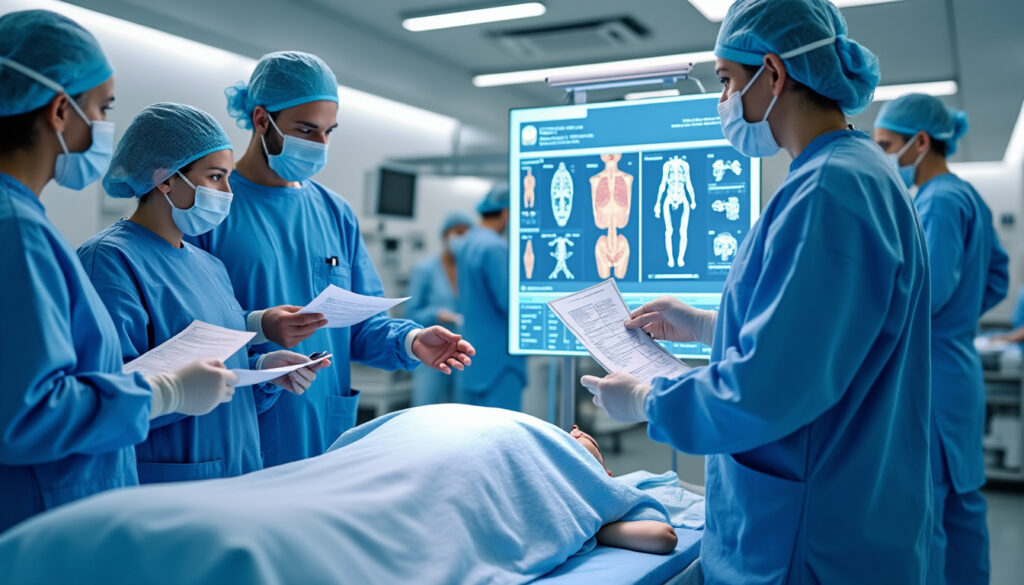
The backbone of effective medical imaging lies in a meticulously designed framework that integrates strict imaging protocols with robust scheduling and communication channels. Key to this framework is the initial patient evaluation phase where clinical needs determine the type of imaging examinations required. For candidates of spine surgery, examinations often commence at the patient’s local facility—frequently in Québec—where teams like TAGMED conduct a comprehensive review of prior medical imaging and patient history to plan the subsequent diagnostic steps.
Properly organizing medical imaging is not limited to ordering standard X-rays, MRIs, or CT scans; it necessitates customizing imaging protocols tailored to the patient’s particular spinal pathology. These adjustments improve the accuracy and interpretability of images for spine specialists in France. For instance, a compressive lesion assessment might call for high-resolution MRI with specific sequences targeting neural structures, while bony deformities benefit from multiplanar CT reconstructions.
Scheduling also demands precision; every diagnostic appointment is strategically planned to coincide with surgical timelines, ensuring no delays hinder treatment. This careful planning prevents redundant examinations, reducing patient exposure to radiation and unnecessary costs. Communication plays a crucial role: all imaging data must be digitized and transferred securely to the French surgical team, supporting seamless healthcare coordination and patient management.
Consider a case of a patient suffering chronic lumbar pain potentially requiring dynamic stabilization surgery. Organized imaging workflow includes gathering all historical images in digital form, scheduling an updated MRI adhering to French protocol standards, and transmitting the studies ahead of surgical planning. This example highlights how careful orchestration of diagnostic imaging supports evidence-based clinical decisions and enhances surgical outcomes.

Can Medical Logistics and Accommodation Help Avoid Surgery?
The management of spinal pathologies is an intricate process, often necessitating a multidisciplinary approach that combines advanced medical interventions with comprehensive healthcare planning. For patients, especially those traveling internationally, meticulous coordination of medical logistics and accommodation can not only enhance…
Role of Specialized Centers like Neurothérapie Montréal in Coordinating Imaging and Patient Care
Neurothérapie Montréal exemplifies advanced medical imaging coordination coupled with patient-centric follow-up. Under expert management, this center integrates neurotherapeutic evaluation and rehabilitation, bridging the Canadian and French healthcare systems for spinal surgery candidates. The center ensures that imaging data comply fully with rigorous quality standards and imaging protocols necessary for precise diagnosis.
Experts at Neurothérapie Montréal meticulously collect, verify, and manage all imaging and medical records before communicating with French surgical counterparts. This continuous liaison avoids misinterpretation and delays, while reinforcing a tailored patient management scheme designed to optimize preoperative preparation and postoperative recovery. Technologies such as neurofunctional assessments, biofeedback, and neurofeedback complement imaging results, providing a holistic picture of a patient’s neurological status.
Postoperative follow-up managed by Neurothérapie allows close monitoring of recovery and early detection of complications, significantly impacting the quality of care. The center’s coordination with travel and medical logistics providers ensures patients receive seamless assistance throughout their transatlantic medical journey, addressing both clinical and administrative needs.
This model of integrated service not only reduces the complexity of international medical care but enhances patient confidence and safety by providing empathetic, yet scientifically grounded, support at all stages.
Why Experts Advocate for Thorough Preparation Before Surgery in France
In recent years, France has become a preferred destination for patients seeking advanced surgical care, especially for complex procedures such as spinal surgeries. The country’s commitment to medical excellence is reflected in its integration of cutting-edge technology and comprehensive patient…
Advanced Medical Imaging Technologies: Impact on Protocol Setting and Patient Safety
Developing and adhering to standardized imaging protocols is a fundamental pillar in medical imaging examinations, particularly for complex surgeries such as spinal interventions. Each diagnostic modality—be it standard radiographs, high-field MRI, or multislice CT—possesses unique parameter settings that must be fine-tuned to deliver optimal information with minimal risk to patients.
In 2026, workflow optimization within radiology departments includes harnessing sophisticated scheduling software that projects resource availability, manages patient flow, and ensures accessibility to top-tier imaging systems. Such optimization reduces wait times, maintains strict adherence to imaging protocols, and decreases patient stress. A central tenet is safeguarding against overexposure to ionizing radiation, achieved by validating prior images and employing technical strategies like dose modulation during CT scanning.
Recent scientific advancements have introduced functional imaging modalities to further elucidate neuromuscular and vascular components affecting spinal pathology. These innovative techniques, combined with emerging technologies like robotic navigation and 3D imaging platforms, support more precise diagnostic imaging and procedural planning, as noted in the latest spine surgery innovations.
Organizing and standardizing these evolving techniques require specialized staff training and strict quality controls to maintain patient safety and diagnostic integrity. Cross-referencing existing guidelines from authoritative sources, such as the American College of Radiology and the Radiological Society of North America, ensures that imaging centers worldwide deliver consistent, high-quality care aligned with contemporary standards.

Unveiling the Hidden Benefits of Simple Surgery, Fusion, and Motion Techniques
Spinal health has undergone a remarkable transformation in recent years, with advancements in surgical approaches dramatically altering patient outcomes. In an era where maintaining quality of life is paramount, the fusion of innovative technologies with surgical expertise has unveiled a…
Optimizing Scheduling and Workflow for Medical Imaging Examinations
Operational efficiency in medical imaging hinges on refined workflow processes that encompass everything from requisition to image interpretation. Implementation of integrated radiology information systems (RIS) and picture archiving and communication systems (PACS) enables real-time tracking and management of imaging orders and results, critical for patient-centered care.
Workflow optimization addresses common bottlenecks such as delayed image acquisition, report turnaround, and communication gaps between referring physicians and radiologists. Institutions with mature workflow practices employ dedicated coordinators to oversee examination scheduling, confirm protocol compliance, and anticipate patient needs like contrast allergies or preparation requirements.
Case management software tailored for medical imaging allows seamless interface with broader electronic medical record (EMR) systems, ensuring that all relevant clinical information accompanies imaging studies. This interconnectedness facilitates expedited, accurate diagnostic imaging and supports multidisciplinary teams delivering complex patient care, especially in international medical contexts.
An effective scheduling system also prioritizes urgent cases, aligns appointments with surgical dates, and accommodates patient preferences and logistical factors, minimizing delays and cancellations that could adversely affect clinical outcomes.

Post-Operative Back Surgery Care: A Clear Guide for Quebec Patients
In recent years, an increasing number of Quebec patients have chosen to undergo back surgery in France, drawn by the country’s advanced surgical techniques and high standard of care. This cross-continental approach to managing spinal conditions highlights not only the…
Comprehensive Patient Preparation and Education for Medical Imaging Examinations
Patient involvement is a critical, yet sometimes underestimated, element in the success of diagnostic imaging examinations. Educated patients who understand examination protocols, preparation requirements, and potential risks contribute actively to workflow efficiency and diagnostic quality.
Pre-examination consultations provide opportunities to inform patients about necessary steps such as fasting, elimination of metallic objects, and allergy disclosures related to contrast agents. This preparation reduces the likelihood of rescheduling and ensures compliance with safety standards.
In international care models, detailed patient education also encompasses explanations about the purpose of each imaging modality, the importance of timely image submission, and the significance of providing comprehensive prior medical records. By emphasizing the need for digital image formats, patients help healthcare teams avoid duplicated scans, unnecessary radiation exposures, and delays in treatment planning.
Clear communication channels must exist between patients and coordinators, allowing questions to be answered promptly and mitigating anxiety around procedures. This patient-centered approach aligns with best practices for medical imaging and supports adherence to defined protocols, ultimately improving diagnostic accuracy and patient satisfaction.

Why Experts Advocate for Patient Testimonials During Recovery
The recovery journey from surgical interventions, especially those involving complex procedures like spinal surgeries, is far more than the body’s physical healing. It encompasses an intricate interplay of emotional resilience, psychological endurance, and the need for a nurturing support system.…
Critical Importance of International Coordination in Medical Imaging Examination Organization
Cross-border healthcare collaborations between Québec and France rely heavily on meticulous coordination in medical imaging to streamline clinical workflows and patient management. The exchange of high-quality medical records and diagnostic imaging data serves as a cornerstone for this collaboration.
Specialized intermediaries and coordinating bodies ensure that examination scheduling aligns with transatlantic surgical appointments, facilitating rapid decision-making and reducing waiting periods significantly. This international synchronization allows patients to access advanced surgical techniques and rehabilitation protocols not readily available in their home regions.
An effective international coordination corps also manages legal and administrative aspects, such as medical record privacy, imaging data transmission security, and patient consent. These safeguards are crucial given the different healthcare regulations in Canada and France.
Ultimately, this interconnected model not only accelerates access to specialized care but nurtures a patient journey characterized by transparency, safety, and technological innovation, reflecting the latest standards in medical imaging and spine surgery.


Can Simple Surgery, Fusion, or Motion Techniques Help You Avoid More Invasive Procedures?
As chronic back pain continues to burden millions worldwide, the spectrum of spinal treatments evolves with remarkable advancements in 2026. Patients seeking relief from debilitating conditions often confront the dilemma of whether to pursue traditional, highly invasive surgeries or consider…
Guidelines and Resources Supporting Medical Imaging Examination Organization
Healthcare professionals involved in organizing medical imaging examinations benefit greatly from a wealth of authoritative resources that inform best practices and guidelines. The American College of Radiology’s clinical tools and references offer comprehensive diagnostic imaging recommendations that enhance decision-making in radiology workflows.
Other vital documents, such as the Radiology Ordering Guide from the Abington Radiology group, assist clinicians in selecting the most appropriate imaging studies and provide corresponding CPT codes essential for accurate documentation and reimbursement.
Access to clinical tools and reference resources and standardized reporting guidelines like those from the Royal College of Radiologists ensures the continuous elevation of radiology practice standards. Additionally, learning modules and study guides focusing on essentials of radiology and imaging protocols are indispensable for maintaining high proficiency levels.
For patient-facing education, websites such as RadiologyInfo provide reliable, up-to-date explanations of radiologic procedures, aiding patients in understanding their examinations and improving cooperation during processes.
Healthcare teams engaged in international spinal surgery collaborations particularly benefit from integrating these resources with local expertise and technological advances, underscoring the critical role of education and evidence-based management in medical imaging organization.

Everything You Need to Know About Device Quality and Certification
In the ever-evolving landscape of healthcare technology, the quality assurance and certification of medical devices have become pivotal elements ensuring patient safety and clinical efficacy. The increasing sophistication of devices—from spinal implants to robotic surgical assistants—demands a rigorous adherence to…
Best Practices to Ensure Safe and Effective Medical Imaging Exam Protocol Compliance
Ensuring adherence to imaging examination protocols requires a multi-faceted approach emphasizing communication, quality assurance, and continuous training. Protocols are designed not only for diagnostic accuracy but also for patient safety, minimizing exposure to risks such as radiation or adverse reactions to contrast media.
Structured checklists implemented across radiology departments verify patient identification, preparation status, and contraindications prior to examination. Staff education on updated guidelines sustains the knowledge base required to adapt to technological advancements and evolving clinical standards.
Regular audits of imaging quality and protocol compliance are vital for identifying areas of improvement and preventing diagnostic errors. Moreover, active feedback loops among radiologists, technologists, and referring clinicians encourage ongoing refinement of examination procedures and workflow optimization.
Integration of advanced medical IT systems, including decision support tools and alert mechanisms, further aids in protocol adherence, ensuring each examination is completed with the highest standard.
International Comparison: Insights into the Organization of Medical Imaging Examinations
In the realm of modern healthcare, the organization of medical imaging examinations plays a pivotal role in ensuring timely, accurate diagnostics and seamless patient care across borders. As spinal surgery continues to evolve, the need for cross-country coordination of radiology…
Essential Patient Documentation and Medical Records Management in Imaging Exams
Managing patient documentation and medical records is a critical aspect of organizing medical imaging examinations with direct implications for diagnostic imaging quality and the overall treatment pathway. Accurate and complete medical records enable radiologists to interpret images within the proper clinical context, which is particularly vital in complex spine surgeries.
The shift towards digital imaging and electronic health records (EHR) has streamlined the storage, retrieval, and transmission of medical imaging data, supporting quicker clinical decision-making. Yet, ensuring data interoperability between different healthcare systems, especially across countries, requires careful standardization and secure transfer protocols.
Patients are encouraged to supply all prior imaging and medical reports preferably in digital formats to avoid redundant scans and delays. Healthcare providers must implement secure systems to manage these records, safeguarding patient privacy and adhering to data protection regulations.
Well-maintained documentation also facilitates multidisciplinary discussions and supports longitudinal follow-up care, which is essential in monitoring surgical outcomes and planning rehabilitation strategies in spinal disease management.
| Type of Medical Imaging | Main Indication | Specific Advantages | Impact on Patient Management |
|---|---|---|---|
| Standard Radiography | Assessment of spinal bone structure | Quick, accessible, provides basic anatomical overview | Initial diagnostic baseline, guides further imaging |
| Magnetic Resonance Imaging (MRI) | Soft tissue and neural structure evaluation | Detailed visualization without ionizing radiation | Refines surgical planning, detects nerve compression |
| Computed Tomography (CT) Scan | Bony anomaly and implant tracking | High-resolution images of bone, used postoperatively | Confirms implant placement, monitors surgical outcomes |
| Functional Imaging | Dynamic neuromuscular assessment | Complements structural imaging with clinical function insight | Enhances understanding of neuromuscular pathology, improves post-op protocols |
Comprehensive Guide: Organizing Medical Imaging Examinations
Focus: Key Steps for Organizing Medical Imaging Examinations in Spinal Surgery
Evolving Standards and International Insights into Spinal Imaging Examination Organization
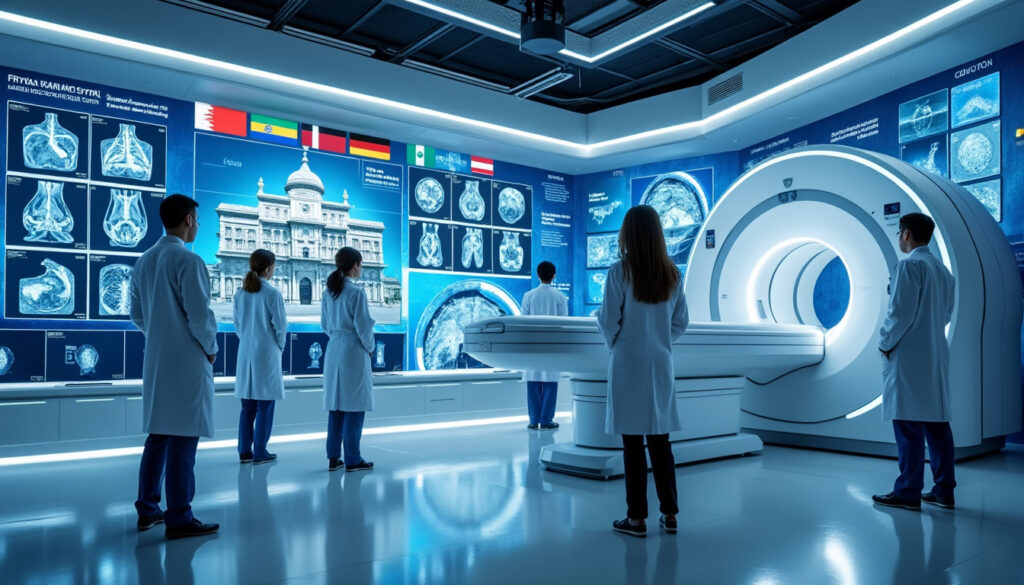
International comparisons reveal continuous evolution in the organization of medical imaging examinations for spinal surgery. Countries like France and Canada implement standards reflecting local expertise, technology availability, and patient care philosophies, yet a growing trend favors harmonizing procedures to facilitate collaborative international treatment.
Expert panels recommend adopting structured protocols for imaging order justification, acquisition parameters, and reporting standards. This approach leads to decreased variability and improved reliability of diagnostic imaging, critical for planning interventions such as minimally invasive or dynamic spinal surgeries like those involving TOPS and Intraspine devices.
Emerging models in Québec emphasize streamlined imaging exam scheduling and robust preoperative management, as highlighted in practical case studies available at how streamlining imaging exam scheduling boosts clinical outcomes. These insights inform best practices globally, fostering safer, more efficient patient pathways.
Continuing education and multidisciplinary workshops, such as the EUROSPINE Endoscopic Spine Course or the DIU Spine Surgery certifications, reinforce clinical expertise and update healthcare providers on the latest imaging technologies and workflow advances. These initiatives underpin the international benchmarking of radiology and patient management standards, ensuring cutting-edge care quality.

What types of medical imaging are essential before spinal surgery in France?
Key imaging examinations include standard radiographs, MRI, and CT scans, customized by the surgeon’s indications. Additional functional imaging may be necessary for comprehensive assessments.
How does Neurothérapie Montréal support patients in organizing imaging exams?
Neurothérapie Montréal manages image collection, verification, and communication between Canadian patients and French medical teams to ensure a smooth, personalized follow-up.
What are the critical prerequisites for successful medical imaging examinations?
Patients must supply all prior images in digital format, disclose allergies, comply with exam-specific instructions, and maintain regular contact with coordinators.
How does international coordination between Québec and France benefit imaging examination processes?
This collaboration shortens waiting times, provides access to innovative surgical techniques, and ensures personalized, secure care throughout the medical journey.
How can patients determine if they are candidates for spine surgery in France?
Patients can seek personalized evaluations by contacting specialized medical tourism coordinators who guide them based on their specific neurological and clinical profiles.