
Comprehensive Guide to Organizing Medical Imaging Examinations
May 26, 2026
Why Experts Advocate for Patient Testimonials During Recovery
May 26, 2026
As chronic back pain continues to burden millions worldwide, the spectrum of spinal treatments evolves with remarkable advancements in 2026. Patients seeking relief from debilitating conditions often confront the dilemma of whether to pursue traditional, highly invasive surgeries or consider less aggressive interventions. The rise of simple surgery, spinal fusion, and innovative motion techniques presents new opportunities to address spinal pathologies while potentially circumventing the need for extensive procedures. These surgical alternatives are reshaping patient recovery by emphasizing preservation of function and accelerating return to daily activities. However, understanding which approach best suits individual cases relies heavily on comprehensive evaluations and tailored strategies. Quebec patients, in particular, face long wait times and high private care expenses, prompting increased interest in specialized techniques abroad, notably in France, where a collaborative transatlantic approach optimizes care. This intersection of cutting-edge orthopedic surgery, minimally invasive strategies, and non-invasive methods creates a more nuanced landscape for spine treatment today, prompting an imperative exploration of these options to enhance surgical outcomes and improve quality of life.
Simple Surgery in Spinal Care: Minimally Invasive Relief with Rapid Recovery
Simple surgery, often delineated as decompression procedures, focuses on relieving compressed neural elements such as nerve roots or the spinal cord without permanently immobilizing the spine. This approach addresses conditions like mild herniated discs or spinal stenosis where the nerve impingement causes significant pain or neurological symptoms but spinal stability is preserved. The hallmark of simple surgery is its minimally invasive nature, employing smaller incisions and tissue-sparing techniques that reduce collateral damage.
Patient recovery after simple decompression surgeries is considerably faster compared with fusion or more complex interventions, often requiring only brief hospitalization or outpatient care. This swift recuperation is attributed to the reduced muscle dissection and preservation of native spinal anatomy. Furthermore, the mobility of the treated segment remains intact, preventing the loss of natural spinal motion. Such preservation is crucial in maintaining overall spinal biomechanics and functionality.
For example, a patient suffering from a moderate lumbar herniated disc with radiculopathy but no segmental instability can benefit immensely from a microdiscectomy or laminectomy. This procedure removes the offending disc fragment or bone spur causing nerve pressure. Following this surgery, patients typically experience substantial pain relief within weeks, enabling them to return to occupational and recreational activities without the prolonged immobilization characteristic of fusion methods.
However, the benefits of simple surgery come with limitations. This approach is not suitable for individuals with significant spinal deformities, advanced degenerative instability, or fractures requiring stabilization. In such cases, the risk of persistent pain or deformity progression remains high if solely decompression is performed. Thus, careful preoperative assessment is essential to identify candidates who will benefit most from this conservatory surgical option.
Medical centers such as the Clinique TAGMED in Quebec have integrated non-invasive decompression neurotherapy to complement surgical decisions, enabling some patients to delay or avoid surgery entirely. When simple surgery is warranted, its minimally invasive essence ensures lower post-operative complications, reduced blood loss, and a minimized hospital stay. Enhanced imaging and robotic-assisted techniques further refine precision, enhancing surgical outcomes and fostering patient confidence.
Overall, simple surgery exemplifies a bridge between non-invasive treatments and invasive interventions, optimizing patient recovery while minimizing disruption to spinal mobility. For patients seeking relief without the burden of extended rehabilitation or immobility, exploring options under the guidance of experienced spinal surgery consultants is highly recommended. Those interested can find further insights on minimally invasive spine surgery techniques and their indications at OrthoInfo’s comprehensive guide.

Understanding Sciatic Pain: Key Symptoms and When to Seek Medical Advice
Sciatic pain is a prevalent condition impacting a wide demographic, manifesting primarily as intense pain radiating from the lower back down the leg. This pain stems from irritation or compression of the sciatic nerve, a major nerve extending through the…
Spinal Fusion: Stabilization that Sacrifices Motion but Gains Control
When spinal instability, severe deformities or advanced degeneration dominate the clinical picture, spinal fusion surgery emerges as the definitive stabilizing option. This procedure achieves permanent fusion of two or more vertebrae, eliminating motion at the affected segments. By doing so, it halts pathological micro-motional forces that provoke chronic pain and neurological deterioration.
The core principle of fusion lies in arthrodesis, where bone grafts and instrumentation such as screws and rods reinforce the spine until bony fusion occurs. This technique has long been a cornerstone in orthopedic surgery for conditions including spondylolisthesis, spinal fractures, and complex deformity correction. Yet it carries inherent trade-offs, primarily the loss of segmental mobility which may adversely alter biomechanics of adjacent levels.
In 2026, the advent of minimally invasive spinal fusion techniques, as detailed by institutions like Johns Hopkins Medicine, enhances patient outcomes by reducing operative trauma. Smaller incisions, percutaneous screw placement, and advanced navigation systems converge to lessen soft tissue injury. The result is diminished post-operative pain and shortened hospitalization, critical for faster rehabilitation.
Nevertheless, fusion surgery remains a major intervention, necessitating weeks to months for full biological fusion to consolidate. This period challenges patient compliance and requires structured physical therapy aimed at strengthening paraspinal musculature and promoting overall spinal health. Despite stabilization benefits, spinal fusion may predispose adjacent segments to accelerated wear, a phenomenon known as adjacent segment disease (ASD).
For example, a middle-aged individual with a severely degenerated lumbar segment exhibiting vertebral slippage and nerve compression may derive substantial benefit from lumbar fusion. By rigidly stabilizing the involved vertebrae, the surgery eliminates painful motion and prevents further nerve impingement. However, clinicians must counsel patients on potential postoperative limitations and vigilant monitoring for ASD development.
The evolution of fusion techniques and biomaterials, as well as the adoption of minimally invasive spine surgery, have significantly improved the safety profile and accelerated recovery. Yet, the functional sacrifices inherent to fusion prompt ongoing research and clinical interest in motion-preserving alternatives that may reduce the long-term drawbacks. Patients can learn more about these advances and their implications by visiting Johns Hopkins Medicine’s overview of minimally invasive spinal fusion.

The Stepwise Role of Functional Recovery in Achieving Successful Outcomes
The journey to full recovery following spinal surgery is often complex and multifaceted, demanding a meticulously structured approach to ensure optimal functional outcomes. In recent years, the concept of functional recovery through a stepwise approach has garnered significant attention in…
Emergence of Motion Techniques: Striking a Balance Between Stability and Mobility
Motion techniques in spine surgery symbolize a paradigm shift by incorporating fixation that maintains physiological spinal movement. These fusion-sparing methods rely on dynamic implants designed to stabilize pathological segments while preserving flexion, extension, and rotation. By avoiding total immobilization, motion-preserving surgery aims to provide pain relief comparable to fusion yet mitigate complications such as adjacent segment degeneration.
Innovative devices like the TOPS system or IntraSPINE operate biomechanically by buffering loads and allowing controlled motion, mimicking natural biomechanics. This dynamic stabilization helps maintain the functional integrity of the spinal unit and reduces abnormal stress transfer to neighboring vertebrae. Particularly in patients with moderate instabilities without gross deformities, motion techniques offer an appealing middle ground.
Clinical application of motion techniques requires stringent patient selection due to the nuanced balance between stability and mobility. For active individuals or those concerned about preserving quality of life, these options may reduce the need for more invasive fusion while optimizing surgical outcomes. With this, patient recovery often benefits from less muscle trauma and a focus on regaining range of motion promptly.
The benefits extend beyond mechanical preservation; reports emphasize diminished neuropathic pain and enhanced orthopedic function post-surgery. Leading surgical centers in France and across Europe increasingly adopt motion procedures, supported by advanced minimally invasive approaches that further limit soft tissue disruption.
Recent studies and expert insights highlight the growing acceptance of motion preservation surgeries within spine treatment repertoires. Educational resources such as Fondren Orthopedic’s analysis of motion-preserving techniques offer comprehensive information for patients and clinicians alike. These innovations contribute not only to better quality of life but also to a potential reduction in secondary surgeries linked to fusion complications.
Despite the optimistic outlook, it remains critical to monitor long-term data on implant durability and biomechanical efficacy. Surgeons emphasize the importance of multidisciplinary evaluations to tailor interventions that correspond to individual pathologies and lifestyle needs.

Transatlantic Patient Journey: Insights into Indications, Benefits, and Challenges
The emergence of the Transatlantic Patient Journey as a strategic model within healthcare continues to capture attention for its innovative potential, especially in specialized fields such as spinal surgery. This cross-border care pathway integrates rigorous medical evaluation from Quebec with…
Robotic Assistance and Imaging: Enhancing Precision in Minimally Invasive Spine Treatments
The integration of cutting-edge technological advances such as robotic assistance and enhanced 3D imaging platforms continues to revolutionize spine treatment paradigms. These tools augment orthopedic surgery by providing unparalleled accuracy in instrument placement and minimally invasive access, significantly reducing procedural risks.
Robotic systems, including those cleared by regulatory agencies like the FDA, provide surgeons with real-time navigation, thus improving targeting precision for screw insertion or implant positioning. Such refinement is instrumental in executing both fusion and motion techniques with minimal collateral tissue disruption. The clinical outcome is often improved surgical accuracy and decreased operative times.
Complementary imaging modalities offer surgeons detailed visualization of complex spinal anatomy, aiding in preoperative planning and intraoperative adjustments. This technology minimizes guesswork and enhances the safety profile of minimally invasive surgeries.
Data from recent studies in France confirms that robotic-assisted minimally invasive spine surgeries reduce blood loss, shorten hospital stays, and contribute to quicker patient recovery. For instance, systems developed by eCential Robotics showcase how 3D imaging and robotic platforms synergize to optimize spine procedures.
Moreover, this technological leap enables wider adoption of motion techniques by facilitating precise implant placement necessary for maintaining spinal kinematics. Patients benefit from a lower incidence of complications, faster mobilization, and a more personalized surgical experience, tailored to their unique spinal structure.
The adoption of robotic platforms complements ongoing innovations in minimally invasive spine surgery and highlights the trajectory of future orthopedic interventions. Institutions focusing on spine surgery innovation provide patients with access to these technologies, enhancing overall care quality.
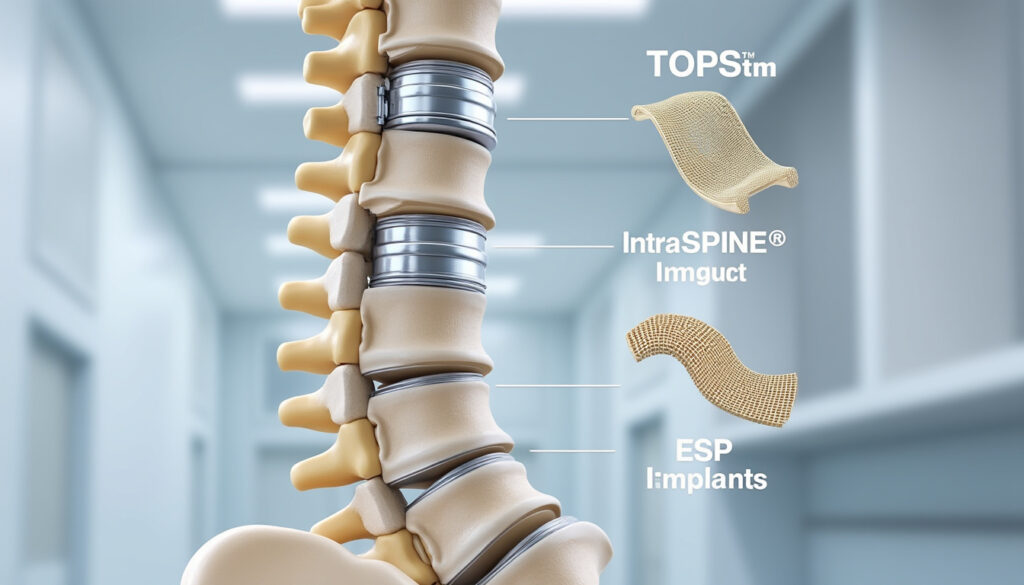
The evolving field of spinal surgery is witnessing a transformative shift, fueled by cutting-edge implant technologies such as TOPS, Intraspine, and ESP. These innovative implants redefine treatment possibilities by emphasizing preservation of natural spinal mechanics, while ensuring durable stabilization and…
Combining Conservative Care and Surgery: The Role of Non-Invasive Treatments Before Operating
Modern spinal care emphasizes the critical role of conservative treatment strategies prior to considering surgical intervention. Non-invasive methods including physical therapy, pharmacologic management, and advanced neurovertabral decompression techniques aim to alleviate pain while promoting functional recovery without the risks associated with surgery.
Clinics such as TAGMED in Quebec pioneer neurovertabral decompression using robot-assisted traction to precisely relieve nerve compression. This approach can delay or prevent the need for surgery by restoring space around neural structures in a controlled, gentle manner.
Conservative care protocols often span 3 to 6 months, forming the foundation of a stepped treatment pathway that prioritizes patient safety. Alongside neurovertabral decompression, components such as osteopathic care, posture education, and ergonomic interventions address biomechanical contributors to pain and disability.
When conservative measures fail, the data-driven integration of surgery, whether simple, fusion, or motion techniques, occurs within a carefully supervised framework. This ensures surgery is reserved for cases where expected benefits outweigh risks, thus enhancing overall patient recovery and satisfaction.
This comprehensive management approach aligns with evolving perspectives in orthopedic surgery, valuing non-invasive solutions and personalized care planning. Patients who undergo rigorous conservative evaluation often experience superior surgical outcomes when surgery becomes unavoidable.
Resources detailing this integrative philosophy and the balance between non-invasive and surgical modalities are available through specialist sites like SOS Herniated Disc, providing insights into advancements that reduce hospital stay durations and maintain post-surgery mobility.

Preparing for Surgery in France: Key Indications, Benefits, and Limitations
In an evolving global healthcare landscape, France emerges as a beacon of advanced surgical expertise, particularly attracting international patients seeking expedited and innovative medical interventions. Patients from regions experiencing long wait times, such as Quebec, increasingly view France as an…
Global Collaboration in Spine Surgery: Accessing Advanced Care Through Transatlantic Partnerships
The complexity and cost of spine surgery in certain regions have motivated patients to seek innovative treatments abroad, with France emerging as a hub for advanced spinal interventions. Strategic collaborations between Quebec and French medical teams offer patients a seamless transatlantic pathway, combining expertise and access to cutting-edge technologies.
This partnership includes detailed pre-surgical evaluations conducted locally in Quebec, followed by surgery performed in specialized French centers renowned for minimally invasive and motion-preserving techniques. Post-operative rehabilitation is then coordinated back in Canada, providing a comprehensive continuum of care.
Logistical arrangements managed by agencies like Franchir facilitate travel, accommodations, and appointment scheduling, alleviating patient stress and enhancing safety. This model exemplifies how international cooperation broadens access to sophisticated orthopedic surgery while maintaining high standards of safety and personalization.
The cross-border approach also fosters knowledge exchange between surgical teams, accelerating the adoption of innovations such as dynamic implants and robotic assistance. Patients benefit from a broader range of options tailored to their pathology and lifestyle.
As global medical tourism continues to evolve, this transatlantic model presents a blueprint for integrating non-invasive methods with surgical advancements to maximize patient recovery and overall satisfaction.


Unveiling the Hidden Benefits of Quality and Certification in Devices
The landscape of device manufacturing and clinical application in 2026 has been fundamentally shaped by the rigorous interplay between quality management and certification processes. Within this complex framework, the hidden benefits of adhering to international standards and obtaining relevant certifications…
Comparative Overview of Simple Surgery, Fusion, and Motion Techniques in Spine Treatment
| Technique | Main Objective | Advantages | Limitations | Typical Indications |
|---|---|---|---|---|
| Simple Surgery | Neural Decompression without Fusion | Minimally invasive, rapid recovery, preserves spine mobility | Does not address major spinal instability | Mild disc herniation, mild stenosis without instability |
| Fusion | Permanently Stabilize Spinal Segments | Highly effective for severe instability and deformities | Permanent loss of segmental motion, risk of adjacent segment disease | Spondylolisthesis, fractures, advanced degeneration |
| Motion Techniques | Dynamic Stabilization with Motion Preservation | Maintains mobility, reduces degenerative risk on adjacent segments | Requires careful patient selection, newer technology | Moderate instability, active patients desiring motion preservation |
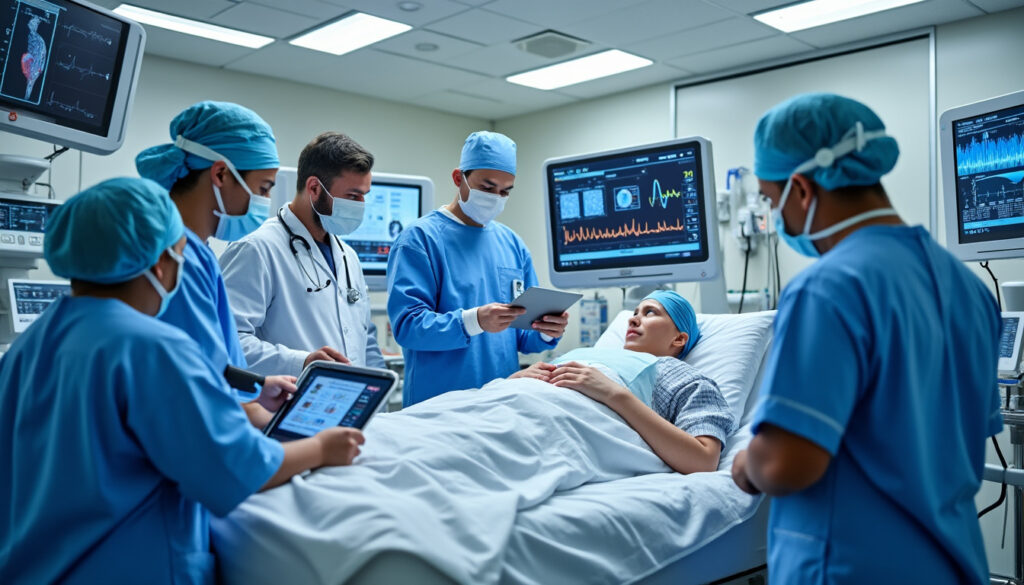
Why Experts Advocate for Comprehensive Preoperative Evaluations
In the complex and demanding field of spinal surgery, the emphasis on comprehensive preoperative evaluations has become a fundamental pillar supporting successful surgical outcomes. These evaluations, far beyond mere routine checks, integrate detailed analyses of patient health, surgical risk assessments,…
Essential List: Key Considerations When Choosing Spinal Surgery Options
- Evaluate the severity of spinal instability to determine if fusion or motion preservation is required.
- Consider patient lifestyle and functional goals; active individuals may favor motion techniques.
- Prioritize conservative treatment attempts before opting for surgical procedures.
- Ensure surgical techniques are minimally invasive to reduce hospitalization time and improve recovery.
- Collaborate with multidisciplinary teams for precise diagnosis and personalized treatment plans.
- Assess the availability and expertise of technology such as robotics and dynamic implants at treatment centers.
Surgical Techniques Comparison
Filter table rows dynamically.
| Technique | Objective | Advantages | Disadvantages | Use Case |
|---|
No results match your filter.
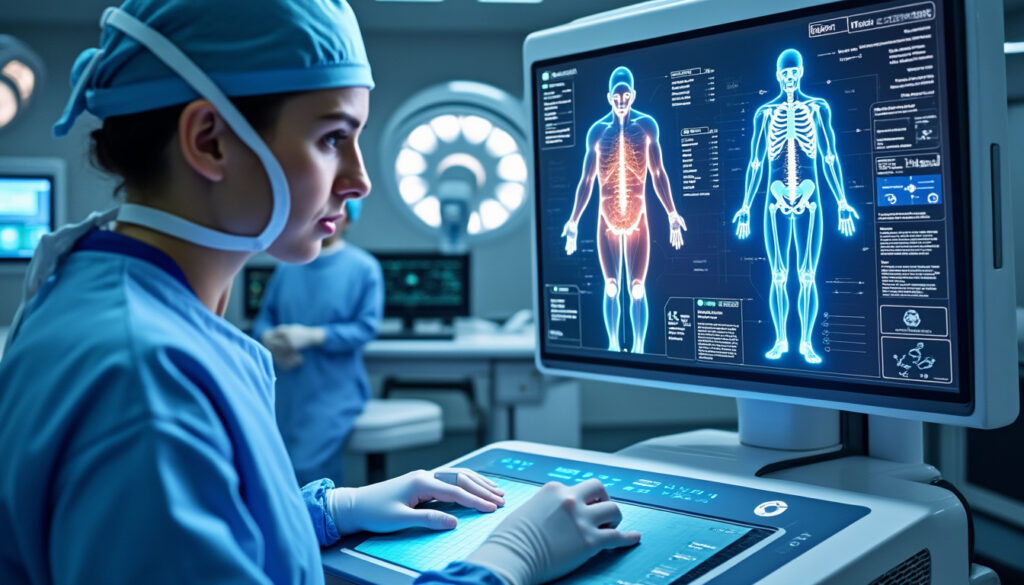
The Future of Surgery Lies in Stepwise Functional Recovery
The evolution of surgical care in 2026 reveals a compelling shift toward approaches that prioritize the holistic recovery of patients, moving beyond traditional metrics like length of hospital stay or mortality rates. This modern paradigm highlights the principle that the…
Evolving Perspectives on Patient Recovery and Post-Surgical Outcomes
Recent years have seen a marked emphasis on enhancing surgical outcomes while minimizing long-term sequelae in spine treatment. Patient recovery now is measured not just by pain relief but by restoration of function and the ability to resume pre-morbid levels of daily activity. The choice among simple surgery, fusion, or motion preservation is instrumental in shaping these outcomes.
Minimally invasive techniques and the use of innovative dynamic implants contribute to reduced operative trauma, shorter hospital stays, and less postoperative pain. These improvements translate into faster rehabilitation timelines and improved patient satisfaction. For example, patients undergoing motion technique surgeries benefit from the ability to preserve natural spinal kinematics, translating into a more natural biomechanical environment postoperatively.
Conversely, fusion patients require cautious postoperative rehabilitation to mitigate the risks of adjacent segment degeneration and to optimize strength around the fused segments. Physical therapy regimens tailored to fusion patients focus on maintaining overall spinal health while respecting the immobility of fused segments.
Emerging data from North American and European centers point to the value of early intervention and precise surgical technique selection as key determinants in long-term success. Leveraging preoperative conservative treatments optimizes surgical candidacy, reducing complications and enhancing functional results.
For those seeking detailed resources on these developments, professional platforms such as the American Association of Neurological Surgeons provide updates on minimally invasive and motion-preserving techniques impacting patient recovery.
Policy and Education: Advancing Spine Surgery Knowledge and Training
The field of spinal surgery in 2026 is supported by robust educational frameworks designed to disseminate knowledge of simple surgery, fusion, and motion techniques. Institutions like the Société Française de Chirurgie Rachidienne (SFCR) and university diplomas provide clinicians with comprehensive training to master these modalities. This ensures surgeons remain at the forefront of innovation, improving patient care quality globally.
Ongoing continuing education includes hands-on workshops, cadaver labs, and courses featuring cutting-edge technology such as endoscopic spine surgery and robotic navigation. Accreditation programs emphasize patient safety, surgical outcomes, and multidisciplinary collaboration.
Moreover, policies promoting access to minimally invasive and biologically friendly spine treatments facilitate wider adoption in clinical practice. This is particularly relevant in publicly funded healthcare systems, where balancing cost-effectiveness with quality outcomes drives decision-making.
By fostering a culture of evidence-based practice and technological adoption, educational and policy advances empower orthopedic surgeons to tailor spine treatment according to the latest scientific data. This approach ultimately enhances patient satisfaction and optimizes resource utilization within healthcare systems.
{“@context”:”https://schema.org”,”@type”:”FAQPage”,”mainEntity”:[{“@type”:”Question”,”name”:”What are the main differences between simple surgery, fusion, and motion techniques?”,”acceptedAnswer”:{“@type”:”Answer”,”text”:”Simple surgery focuses on neural decompression without fusion, leading to faster recovery but is limited in treating major instability. Fusion permanently stabilizes segments but sacrifices motion and may accelerate adjacent segment degeneration. Motion techniques dynamically stabilize while preserving spinal movement, suitable for moderate instability in active patients.”}},{“@type”:”Question”,”name”:”Can minimally invasive spine procedures really reduce hospital stay and improve recovery?”,”acceptedAnswer”:{“@type”:”Answer”,”text”:”Yes, minimally invasive approaches lead to less tissue damage, less pain, and quicker mobilization, significantly reducing hospital stays and accelerating patient recovery compared to traditional open surgeries.”}},{“@type”:”Question”,”name”:”When is spinal fusion recommended over motion preservation techniques?”,”acceptedAnswer”:{“@type”:”Answer”,”text”:”Spinal fusion is generally recommended for severe spinal instability, fractures, or deformities where rigid stabilization is necessary. Motion preservation is more suitable for moderate instability when maintaining motion is a priority.”}},{“@type”:”Question”,”name”:”Are there non-surgical options to avoid spine surgery?”,”acceptedAnswer”:{“@type”:”Answer”,”text”:”Non-invasive treatments such as neurovertabral decompression, physical therapy, and medication can often alleviate symptoms and delay or avoid the need for surgery. These are essential first steps before considering surgical intervention.”}},{“@type”:”Question”,”name”:”How does the transatlantic patient care model benefit spine surgery patients?”,”acceptedAnswer”:{“@type”:”Answer”,”text”:”This model allows patients to receive expert evaluations locally, access advanced surgical techniques abroad, and return home for personalized postoperative care, ensuring a comprehensive and coordinated pathway that optimizes safety and outcomes.”}}]}What are the main differences between simple surgery, fusion, and motion techniques?
Simple surgery focuses on neural decompression without fusion, leading to faster recovery but is limited in treating major instability. Fusion permanently stabilizes segments but sacrifices motion and may accelerate adjacent segment degeneration. Motion techniques dynamically stabilize while preserving spinal movement, suitable for moderate instability in active patients.
Can minimally invasive spine procedures really reduce hospital stay and improve recovery?
Yes, minimally invasive approaches lead to less tissue damage, less pain, and quicker mobilization, significantly reducing hospital stays and accelerating patient recovery compared to traditional open surgeries.
When is spinal fusion recommended over motion preservation techniques?
Spinal fusion is generally recommended for severe spinal instability, fractures, or deformities where rigid stabilization is necessary. Motion preservation is more suitable for moderate instability when maintaining motion is a priority.
Are there non-surgical options to avoid spine surgery?
Non-invasive treatments such as neurovertabral decompression, physical therapy, and medication can often alleviate symptoms and delay or avoid the need for surgery. These are essential first steps before considering surgical intervention.
How does the transatlantic patient care model benefit spine surgery patients?
This model allows patients to receive expert evaluations locally, access advanced surgical techniques abroad, and return home for personalized postoperative care, ensuring a comprehensive and coordinated pathway that optimizes safety and outcomes.