
Post-Operative Back Surgery Care: A Clear Guide for Quebec Patients
May 27, 2026
Why Experts Advocate for Thorough Preparation Before Surgery in France
May 27, 2026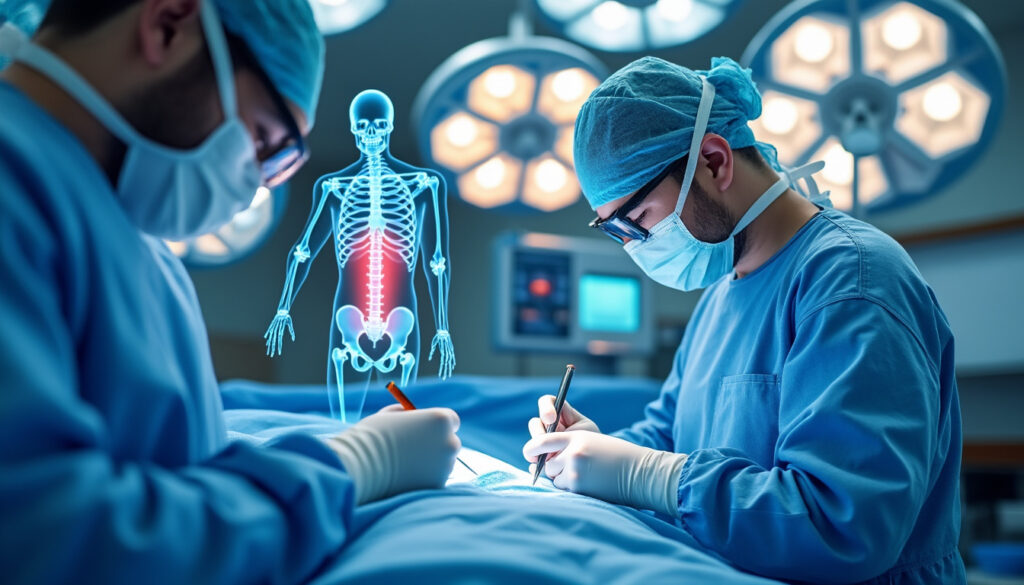
Spinal health has undergone a remarkable transformation in recent years, with advancements in surgical approaches dramatically altering patient outcomes. In an era where maintaining quality of life is paramount, the fusion of innovative technologies with surgical expertise has unveiled a spectrum of benefits previously underappreciated. From straightforward procedures designed for rapid recovery to sophisticated motion preservation techniques, the landscape of spinal surgery now deeply values both stability and mobility. Patients today face choices that not only alleviate pain but also prioritize the natural biomechanics of the spine, fostering long-term wellness.
The evolution in spinal surgery techniques reflects a broader trend toward minimally invasive strategies, enhancing recovery times while minimizing complications. This combination has ushered in a new paradigm in orthopedic care, where surgical innovation focuses on optimizing movement and reducing the burden on adjacent spinal segments. Specialized centers across North America and Europe have further refined their protocols, integrating interdisciplinary approaches for comprehensive patient rehabilitation. Such advancements are particularly valuable for individuals in regions grappling with healthcare access or extended waitlists, as collaborative international care pathways accelerate timely intervention without sacrificing safety or ethical standards.
Fundamentals of Simple Surgery: Rapid Recovery and Mobility Preservation
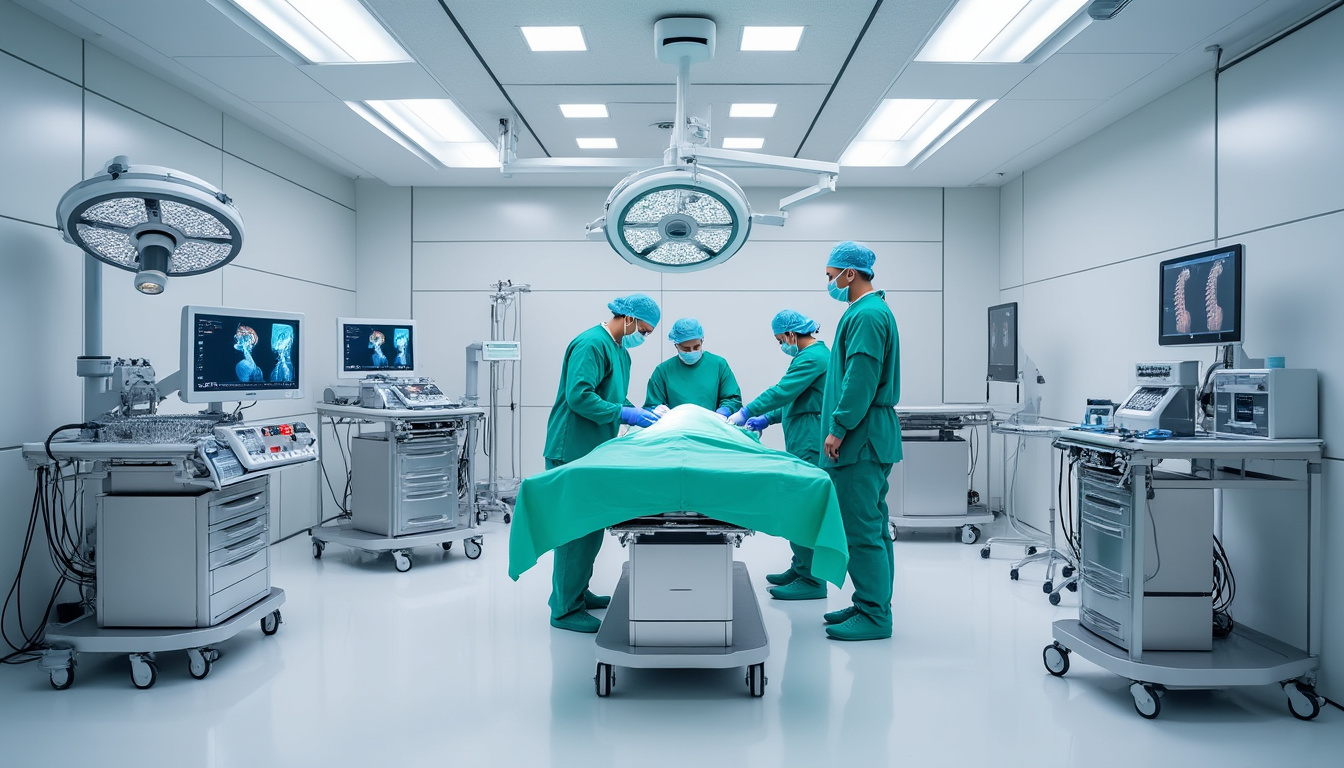
Simple surgery in spinal care typically involves neural decompression procedures that aim to alleviate nerve root compression without altering spinal stability. This category of surgery targets conditions such as herniated discs or spinal stenosis after conservative treatments fail, providing relief while preserving natural spinal movement. The procedural design prioritizes minimal tissue disruption through small incisions and precise interventions, often utilizing robotic assistance for enhanced accuracy.
For example, patients experiencing radiculopathy or sciatica due to localized nerve impingement can benefit immensely from such procedures. By addressing the underlying mechanical pressure without rigidly stabilizing the spine, simple surgeries facilitate a swifter return to daily activities, reducing post-operative pain and complications associated with longer immobility. The emphasis on preserving normal range of motion supports better functional outcomes compared to traditional approaches.
Additionally, the integration of computer-assisted navigation tools enables surgeons to target pathology precisely, minimizing surrounding tissue trauma. As noted in leading medical centers, such minimally invasive techniques coupled with simple surgery have significantly shortened hospitalization periods and improved overall patient satisfaction.

Understanding Sciatic Pain: Key Symptoms and When to Seek Medical Advice
Sciatic pain is a prevalent condition impacting a wide demographic, manifesting primarily as intense pain radiating from the lower back down the leg. This pain stems from irritation or compression of the sciatic nerve, a major nerve extending through the…
Spinal Fusion Techniques: Stability Through Structural Reinforcement
Spinal fusion remains a foundational approach when instability threatens spinal integrity or severe degenerative changes render segments vulnerable to further damage. This technique involves the rigid fixation of vertebrae through implants and bone grafts, eliminating motion in targeted segments to prevent pain exacerbation.
Though effective in restoring mechanical stability, fusion surgery traditionally results in reduced segmental mobility, which may predispose adjacent vertebral levels to accelerated wear—a concern known as adjacent segment disease. Surgeons often reserve fusion for cases where conservative management and motion-preserving alternatives do not adequately address pathology.
Notably, innovations in fusion techniques now incorporate minimally invasive approaches that limit trauma, reduce blood loss, and enhance recovery speed. For example, percutaneous instrumentation allows for precise implant placement with diminished soft tissue disruption. These advancements decrease operative times and mitigate postoperative pain.
The significance of balancing stability with motion is emphasized in the discussions by experts featured on platforms such as Becker’s Spine, where the tension between traditional fusion and emerging motion techniques reflects ongoing efforts to optimize surgical outcomes based on individual patient anatomy and pathology.
Comparative Overview: Simple Surgery, Fusion, and Motion Techniques
| Technique | Primary Goal | Effect on Mobility | Key Benefits | Potential Limitations |
|---|---|---|---|---|
| Simple Surgery (Decompression) | Relieve nerve compression | Preserves natural mobility | Rapid recovery, less pain | Does not address instability |
| Spinal Fusion | Stabilize unstable segments | Restricts movement at fused levels | Strong mechanical stability, pain relief | Risk of adjacent segment degeneration |
| Motion Techniques (Dynamic Stabilization) | Maintain stability and motion | Preserves physiologic spinal movements | Improved quality of life, reduced complications | Limited availability, higher costs |

The Stepwise Role of Functional Recovery in Achieving Successful Outcomes
The journey to full recovery following spinal surgery is often complex and multifaceted, demanding a meticulously structured approach to ensure optimal functional outcomes. In recent years, the concept of functional recovery through a stepwise approach has garnered significant attention in…
Advancements in Motion Techniques: Preserving Natural Spinal Biomechanics
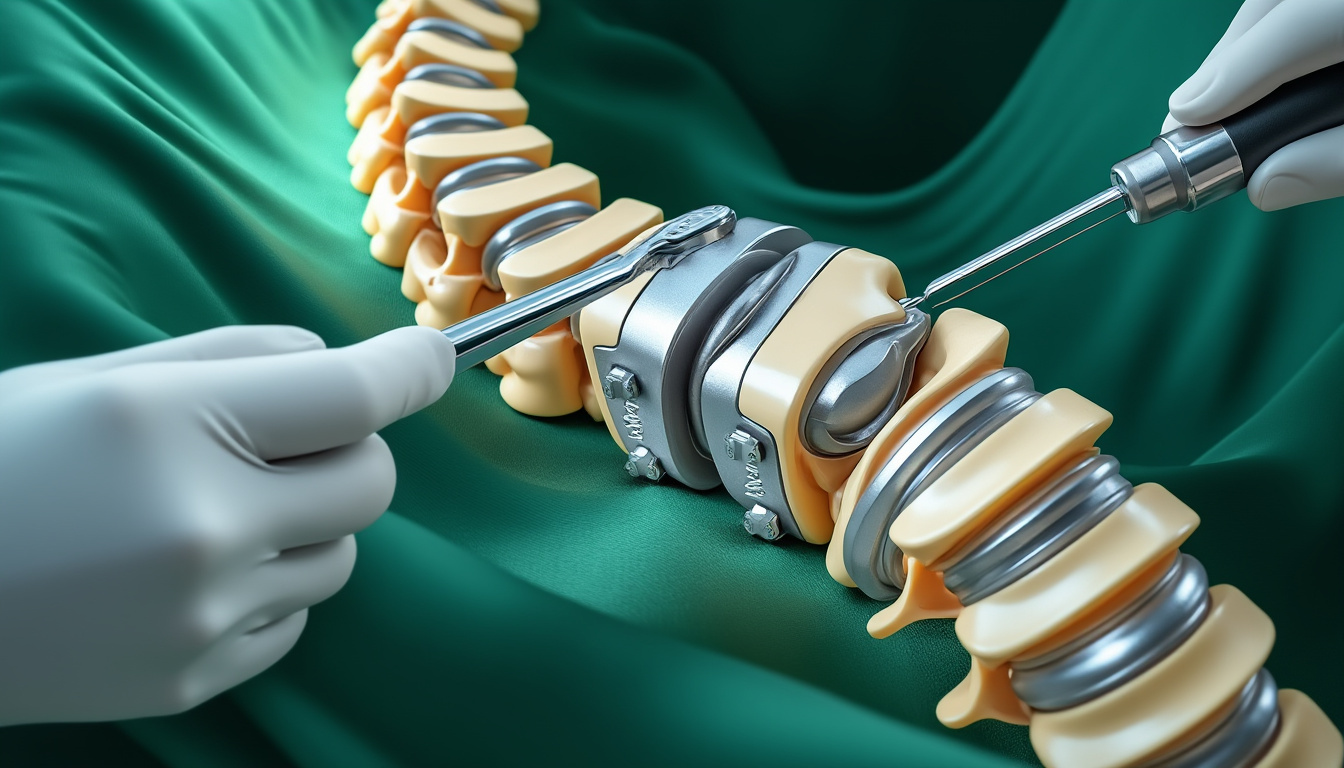
The advent of motion-preserving surgeries marks a transformative chapter in spinal care. These dynamic stabilization methods utilize specialized implants designed to stabilize impaired segments while maintaining essential spinal movements including flexion, extension, and rotation. Devices like the TOPS system and IntraSPINE prosthesis exemplify this innovative approach, offering alternatives that avoid the downsides commonly associated with fusion.
One of the hidden benefits of motion techniques is the substantial reduction in the progression of degeneration in adjacent spinal segments. By avoiding rigid fixation, these methods distribute biomechanical stresses more evenly, preserving overall spinal function. This has a profound impact on the patient’s long-term outcomes and satisfaction.
Clinical evidence supports better rehabilitation trajectories with motion-preserving interventions, promoting quicker functional recovery and less dependency on prolonged physical therapy. Furthermore, patients typically experience enhanced comfort and mobility postoperatively, contributing to higher quality of life scores compared to traditional fusion cases, as supported by data from motion-sparing spine surgery studies.

Transatlantic Patient Journey: Insights into Indications, Benefits, and Challenges
The emergence of the Transatlantic Patient Journey as a strategic model within healthcare continues to capture attention for its innovative potential, especially in specialized fields such as spinal surgery. This cross-border care pathway integrates rigorous medical evaluation from Quebec with…
International Collaboration and the Transatlantic Patient Pathway
Facilitating access to state-of-the-art spinal surgical care has become a priority for medical experts bridging geographical and systemic healthcare disparities. Patients in places with prolonged wait times or costly procedures now benefit from a comprehensive transatlantic pathway that harmonizes expertise between North American and European centers.
This collaborative model begins with meticulous evaluation and conservative management locally, often employing advanced neurovertebral decompression guided by robotics or computer assistance. Once surgical intervention is necessitated, patients are directed to French clinics offering cutting-edge fusion and dynamic stabilization techniques, coordinated by specialized organizations ensuring seamless logistics and medical oversight.
The pathway not only expedites care delivery but also emphasizes robust perioperative support, including personalized rehabilitation provided by expert clinics upon returning home. This holistic approach addresses physical recovery and psychological readiness, improving surgery success rates and enhancing patient confidence. For detailed insights, explore the successes documented in expert perspectives on spinal surgery pathways.
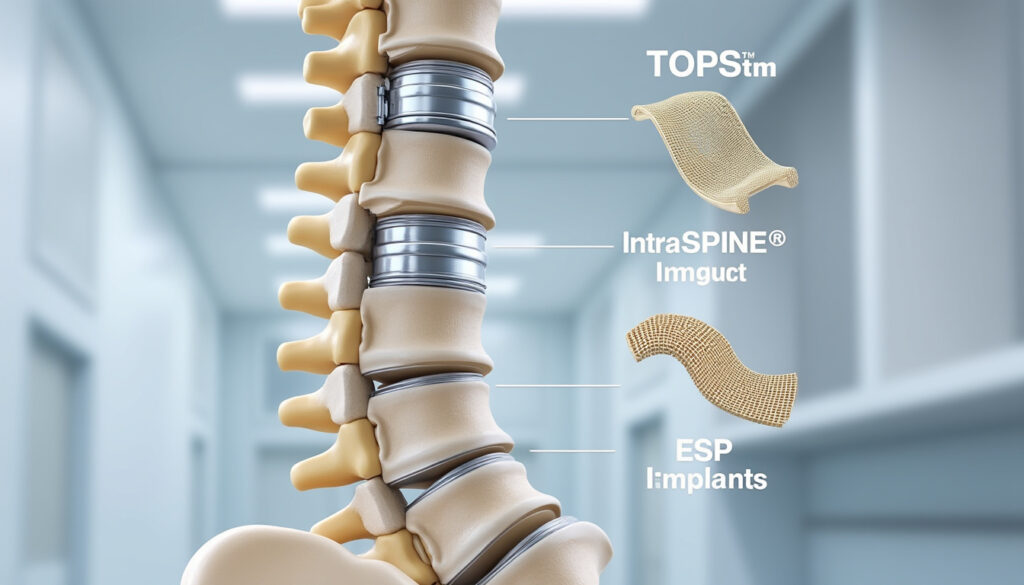
The evolving field of spinal surgery is witnessing a transformative shift, fueled by cutting-edge implant technologies such as TOPS, Intraspine, and ESP. These innovative implants redefine treatment possibilities by emphasizing preservation of natural spinal mechanics, while ensuring durable stabilization and…
Technological Innovations Transforming Spinal Surgery in 2026
Modern spinal surgery in 2026 is deeply intertwined with technological breakthroughs. Robotics, computer-assisted navigation, and 3D printing have reshaped procedures, offering unparalleled precision and customization. These tools allow surgeons to tailor implants to patient-specific anatomy, significantly enhancing implant integration and function.
Robotic systems refine surgical movements, decreasing operative trauma while increasing safety. Meanwhile, 3D-printed implants are manufactured with exacting dimensions, ensuring biomechanical compatibility and durability, notably for dynamic stabilization devices like the IntraSPINE prosthesis. Together with minimally invasive techniques, these advances reduce hospital stays and facilitate rapid rehabilitation.
The integration of such technology underlines a shift toward patient-centered care focused on optimizing both surgical outcomes and functional recovery, supported by comprehensive preoperative planning and meticulous postoperative management.
Key Advantages of Technological Integration:
- Enhanced surgical precision minimizing collateral tissue damage.
- Customized implants improving biomechanical fit and longevity.
- Reduced postoperative pain enabling quicker mobilization.
- Lowered complication rates through improved stability and accuracy.
- Shortened hospital stay enhancing cost-effectiveness.
Preparing for Surgery in France: Key Indications, Benefits, and Limitations
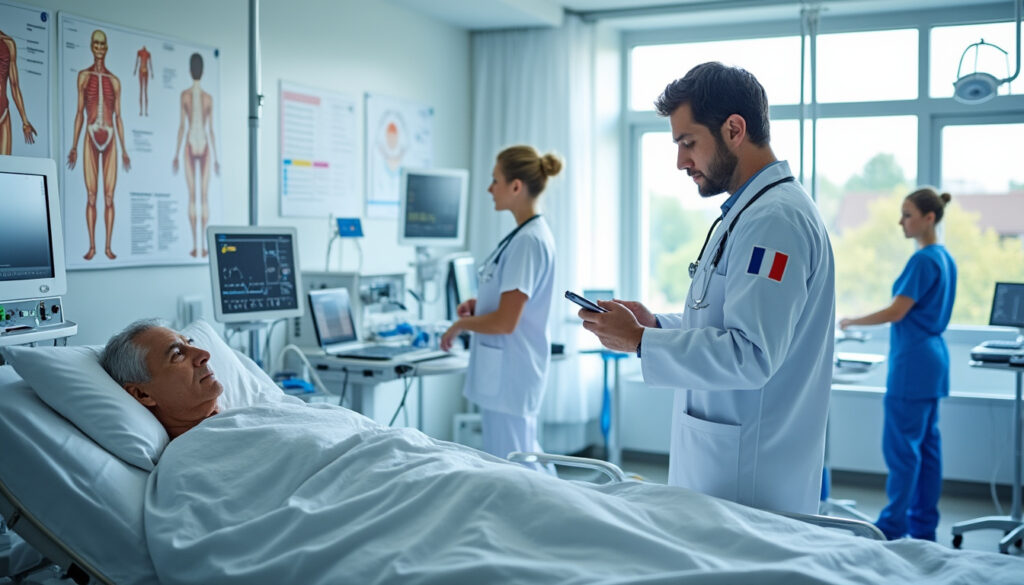
In an evolving global healthcare landscape, France emerges as a beacon of advanced surgical expertise, particularly attracting international patients seeking expedited and innovative medical interventions. Patients from regions experiencing long wait times, such as Quebec, increasingly view France as an…
Minimally Invasive Approaches: Redefining Patient Outcomes and Recovery
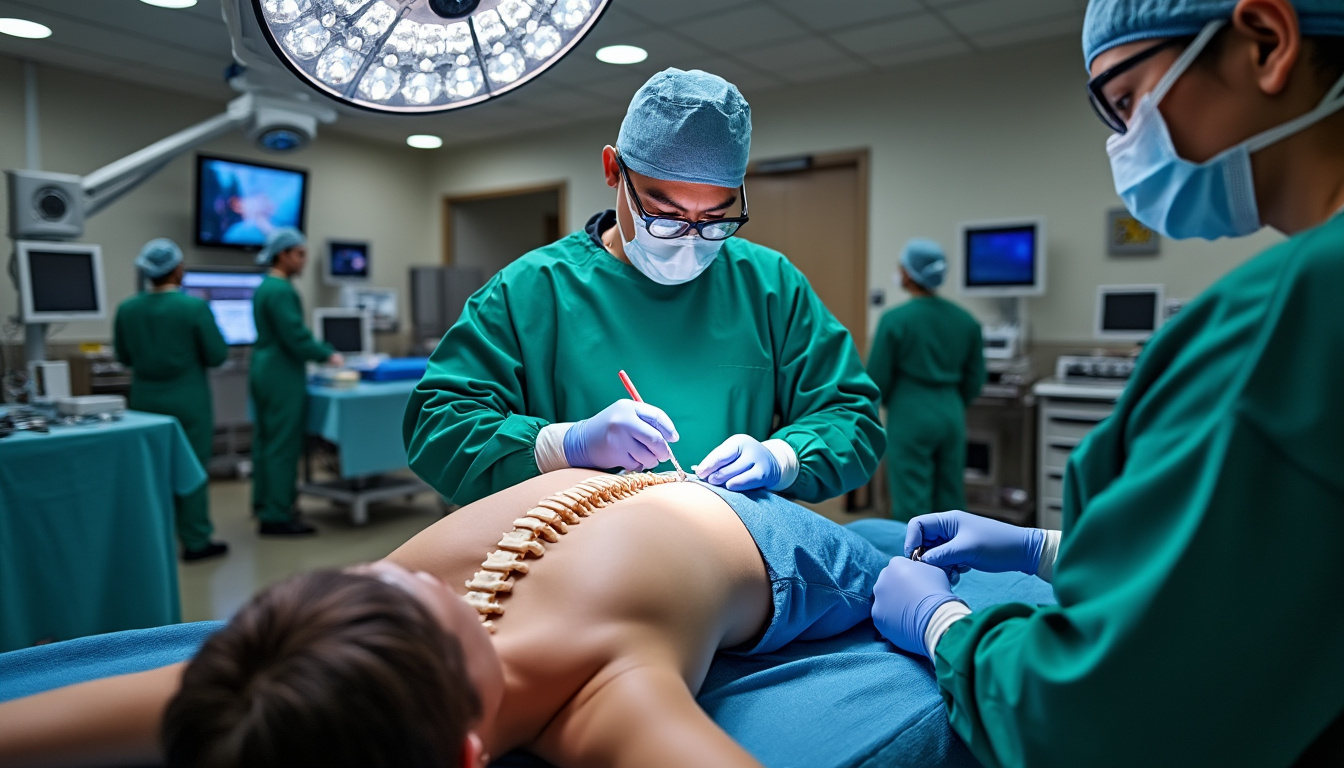
Minimally invasive spinal surgeries represent a cornerstone in the drive to improve patient outcomes. These approaches involve smaller incisions, reduced muscle dissection, and diminished blood loss. The direct benefits include less postoperative pain, diminished infection risk, and accelerated return to normal activity.
By preserving soft tissue integrity and spinal musculature, these surgeries maintain the biomechanical environment conducive to faster healing. Combined with innovations like endoscopic visualization and robotic guidance, minimally invasive methods support enhanced safety profiles and broaden patient eligibility for surgical intervention.
Evidence from top centers worldwide reinforces that minimally invasive surgeries not only shorten hospitalization but also significantly lower complication rates compared to open surgery. This paradigm shift is illustrated further in resources focused on the advantages of spinal treatments that maintain mobility.

Unveiling the Hidden Benefits of Quality and Certification in Devices
The landscape of device manufacturing and clinical application in 2026 has been fundamentally shaped by the rigorous interplay between quality management and certification processes. Within this complex framework, the hidden benefits of adhering to international standards and obtaining relevant certifications…
The Crucial Role of Conservative Treatments Before Surgery
Effective management of spinal disorders often begins with rigorous conservative treatments, serving as the foundation before any surgical consideration. Such modalities include physical therapy tailored to strengthen paraspinal musculature, pain management strategies, and specialized neurovertebral decompression techniques delivered robotically or through guided traction.
Clinics specializing in these non-surgical options play a pivotal role in patient recovery, potentially reducing the necessity for surgery by restoring function and alleviating nerve compression symptoms. The stepwise functional recovery process emphasizes patient education and adherence to individualized protocols, as demonstrated in the comprehensive models advocated by leading spinal experts.
Consequently, surgery is viewed as an essential but final resort when conservative management fails over a sufficient timeframe, often spanning three to six months. This approach aligns with best practices, emphasizing safety, ethical standards, and optimized long-term outcomes for patients dealing with spinal pathologies.
Benefits of Conservative Management Include:
- Reduction of unnecessary surgical interventions.
- Improved patient understanding of spinal health.
- Enhanced pre-surgical conditioning facilitating better recovery.
- Lower overall healthcare costs by avoiding premature surgery.
Unveiling the Hidden Benefits of Simple Surgery, Fusion, and Motion Techniques – Comparison
Compare key aspects including recovery time, mobility preservation, complication rates, and long-term patient satisfaction.
| Criterion | Simple Surgery | Fusion Technique | Motion Technique |
|---|---|---|---|
| Recovery Time (weeks) | 4 | 12 | 10 |
| Mobility Preservation (%) | 70% | 30% | 85% |
| Complication Rates (%) | 8% | 15% | 10% |
| Long-term Patient Satisfaction (%) | 75% | 70% | 90% |
Why Experts Advocate for Comprehensive Preoperative Evaluations
In the complex and demanding field of spinal surgery, the emphasis on comprehensive preoperative evaluations has become a fundamental pillar supporting successful surgical outcomes. These evaluations, far beyond mere routine checks, integrate detailed analyses of patient health, surgical risk assessments,…
Personalized Rehabilitation for Sustainable Functional Recovery
Postoperative care has become an integral component for achieving lasting success after spinal surgery. Rehabilitation strategies are meticulously tailored to patient-specific surgical procedures, physical conditions, and lifestyle demands. Emphasizing gradual restoration of spinal flexibility while safeguarding fused or stabilized segments, rehabilitation protocols enhance neuromuscular control and endurance.
Emerging therapies including targeted functional electrical stimulation, and cognitive-motor training support patients in regaining independence promptly with minimal setbacks. Engaging patients in supervised physical programs that progressively increase activity levels helps prevent complications and improves long-term outcomes.
Notably, facilities that integrate comprehensive rehabilitation within the patient journey report higher satisfaction and reduced rates of secondary surgeries. This multidisciplinary model underscores a holistic vision of spinal surgery, where restoration of movement and pain relief go hand in hand.
What are the main advantages of motion preservation over spinal fusion?
Motion-preserving surgeries maintain natural spinal movement, significantly reducing stress on adjacent parts and lowering the risk of adjacent segment degeneration compared to spinal fusion.
How does minimally invasive spinal surgery enhance patient recovery?
Minimally invasive approaches use smaller incisions and cause less tissue damage, which results in decreased postoperative pain, faster healing, and reduced hospitalization.
When is spinal fusion preferred over motion techniques?
Spinal fusion is typically chosen in the presence of pathological spinal instability where rigid stabilization is necessary, especially if motion-preserving techniques are insufficient to secure the affected area.
What role do conservative treatments play before considering spinal surgery?
Conservative treatments optimize recovery chances and prevent unnecessary surgery by addressing symptoms through physical therapy, pain management, and neurovertebral decompression.
How does international collaboration improve spinal surgery outcomes?
Coordinated transatlantic pathways provide timely access to advanced surgical techniques, personalized care, and comprehensive rehabilitation, enhancing safety and functional recovery.
The Future of Surgery Lies in Stepwise Functional Recovery
The evolution of surgical care in 2026 reveals a compelling shift toward approaches that prioritize the holistic recovery of patients, moving beyond traditional metrics like length of hospital stay or mortality rates. This modern paradigm highlights the principle that the…