Essential Tips for Successfully Preparing Your Transatlantic Patient Journey
May 25, 2026
Everything You Need to Know About Device Quality and Certification
May 25, 2026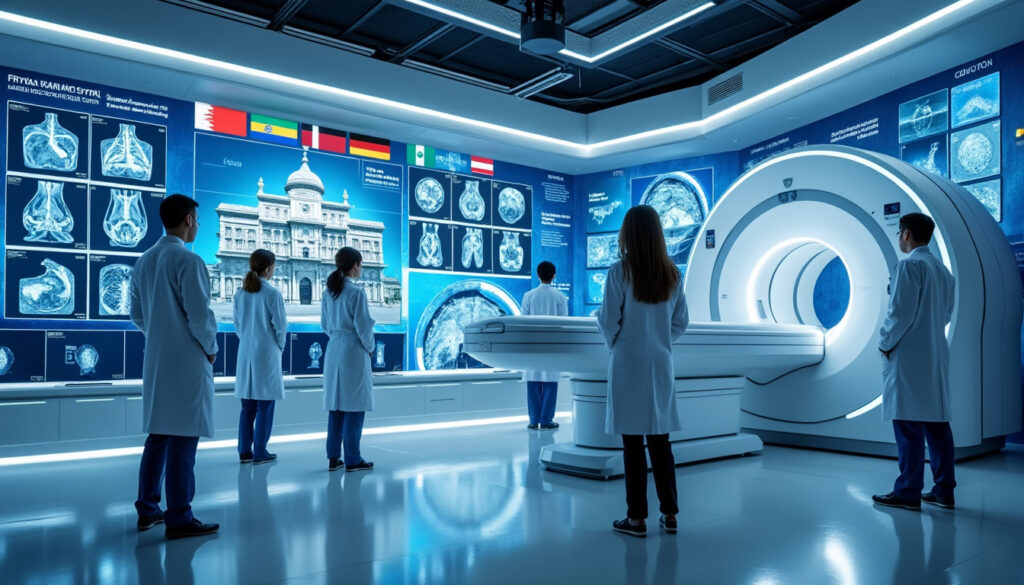
In the realm of modern healthcare, the organization of medical imaging examinations plays a pivotal role in ensuring timely, accurate diagnostics and seamless patient care across borders. As spinal surgery continues to evolve, the need for cross-country coordination of radiology services, especially between regions such as Québec and France, underscores the importance of harmonizing imaging protocols and optimizing healthcare organization for superior clinical outcomes. This international comparison reveals key insights into how various healthcare systems structure their diagnostic imaging processes, highlighting both efficiencies and challenges in radiology services and medical imaging efficiency. Through advanced collaboration frameworks and standardized imaging examinations, patients experience reduced delays and enhanced diagnostic precision, a testament to the progress achieved in integrating global healthcare systems.
Comparisons between international models expose critical differences in how medical imaging examinations are scheduled, managed, and interpreted. These differences influence not only access but also the quality of diagnostic imaging and subsequent clinical decisions. Emphasis on streamlined protocols and radioprotection standards manifests in improved safety margins and patient adherence. A robust cross-country analysis illuminates best practices for managing imaging examinations, from initial referral to post-imaging clinical integration, offering valuable guidance for healthcare stakeholders aiming to elevate care coordination and medical imaging quality internationally.
Comparative Structures of Healthcare Organization for Medical Imaging Examinations
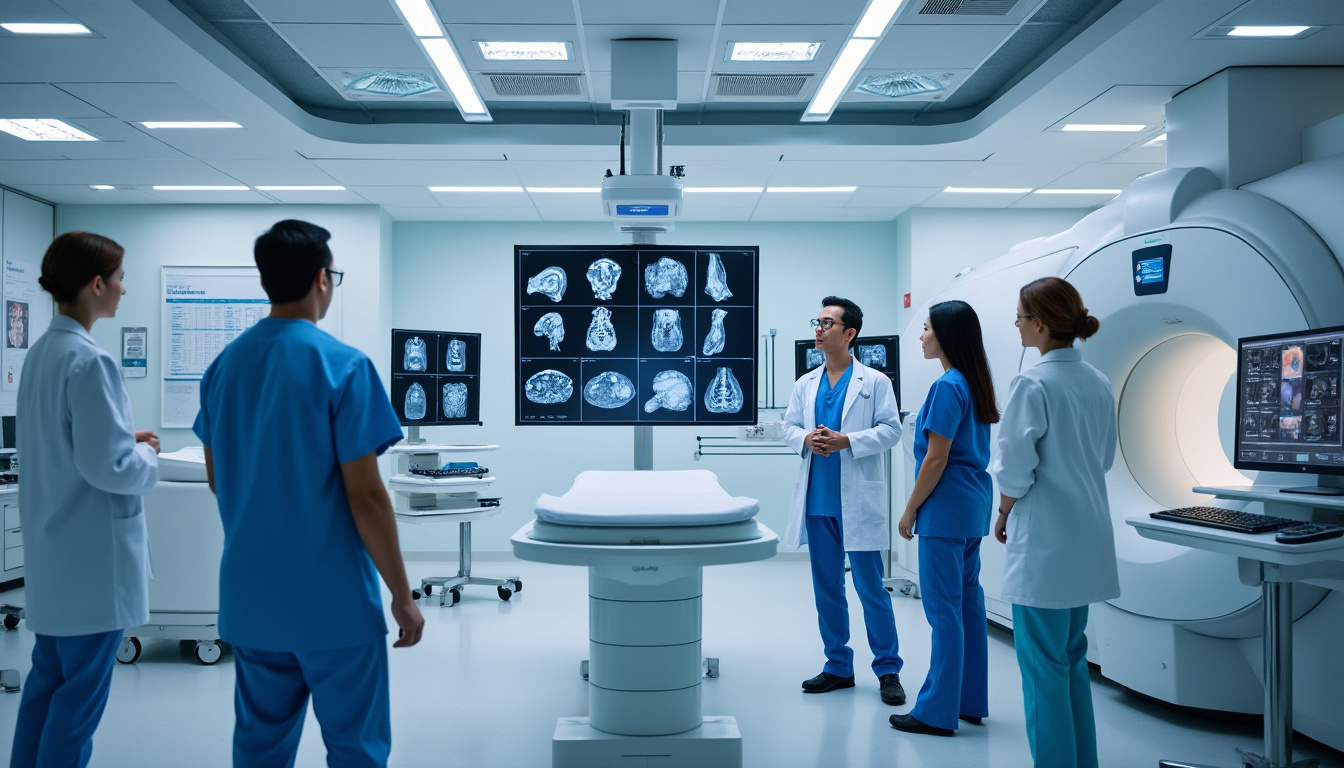
Healthcare systems worldwide exhibit diverse organizational frameworks that govern the delivery of medical imaging examinations. In countries with advanced infrastructures, such as France and Québec, integrated oncology and spine surgery pathways exemplify how efficient coordination can improve patient outcomes. These systems often employ centralized scheduling platforms and stringent imaging protocols to minimize redundant procedures and ensure comprehensive diagnostic data for clinical decision-making.
In the Québec-France transatlantic collaboration, the organization hinges on seamless information exchange and adherence to internationally recognized radiology standards. Under expert coordination, imaging data such as MRI and CT scans are systematically collected, verified for quality, and reviewed by multidisciplinary teams. This model reduces patient radiological burden and expedites surgical preparation, illustrating how healthcare organization directly impacts diagnostic imaging efficacy.
Conversely, systems operating under resource constraints face distinct challenges, with delayed access to imaging services and variable quality standards. The World Health Organization highlights the necessity of strengthening medical imaging globally to equalize healthcare opportunities. Some regions implement task-shifting and remote radiology reporting to mitigate workforce shortages. Cross-country analysis becomes essential in identifying scalable solutions to harmonize imaging examination workflows across heterogeneous healthcare environments.
A crucial element of healthcare organization in medical imaging lies in establishing standardized protocols. Protocols ensure that each imaging examination is clinically justified, conforming to safety guidelines while maximizing diagnostic yield. International organizations advocate for such harmonization to foster interoperability of medical imaging data, which not only accelerates patient care but also enhances radiology services’ reproducibility and reliability worldwide.
Key factors defining efficient healthcare organization in imaging:
- Centralized scheduling systems reducing patient wait times and avoiding duplicate imaging.
- Multidisciplinary review teams ensuring clinical relevance and quality control.
- Protocols aligned to international radioprotection standards minimizing patient exposure risks.
- Advanced IT infrastructures supporting secure, real-time exchange of imaging data across borders.
- Training and certification frameworks for consistent imaging quality and interpretation skills.
Understanding these organizational components provides a foundation to compare how different healthcare systems strategically manage medical imaging examinations with the dual goal of enhancing patient safety and streamlining clinical workflows.

Can Medical Logistics and Accommodation Help Avoid Surgery?
The management of spinal pathologies is an intricate process, often necessitating a multidisciplinary approach that combines advanced medical interventions with comprehensive healthcare planning. For patients, especially those traveling internationally, meticulous coordination of medical logistics and accommodation can not only enhance…
Why Experts Advocate for Thorough Preparation Before Surgery in France
In recent years, France has become a preferred destination for patients seeking advanced surgical care, especially for complex procedures such as spinal surgeries. The country’s commitment to medical excellence is reflected in its integration of cutting-edge technology and comprehensive patient…
Strategic Planning and Protocols Adapted for Cross-Border Patient Care
The orchestration of medical imaging examinations in transnational healthcare paths, particularly for complex procedures like spinal surgery, necessitates careful strategic planning and adaptation of protocols that cater to patients’ specific needs. Through effective strategies, Québec and French healthcare partners have developed an exemplary approach to imaging coordination that enhances diagnostic accuracy and respects patient comfort.
Initial steps involve thorough compilation and validation of prior imaging results, including MRIs, radiographs, and neurofunctional assessments, to form a comprehensive medical dossier. Rigorously developed imaging protocols, compliant with international standards, prioritize clinical relevance and eliminate unnecessary repetition. For example, in lumbar disc herniation cases, high-definition MRIs tailored for dynamic assessment are indispensable for precise surgical planning.
The collaboration is supported by specialized medical logistics companies, such as Franchir, which manage the scheduling of examinations, patient transfers, and accommodations, ensuring an uninterrupted continuum of care. Meanwhile, patient-oriented organizations like SOS Tourisme Médical bridge communication gaps by providing clear, transparent information on examination requirements and procedural steps, thereby reducing patient anxieties and enhancing the overall healthcare experience.
This model shows the profound impact strategic planning can have on managing cross-border medical imaging examinations. By harmonizing examination scheduling and protocols, it enables reduction of waiting times, enhances imaging quality, and contributes decisively to improved surgical outcomes. Such international coordination exemplifies how healthcare systems can evolve towards more patient-centric, efficient radiology services.
Benefits of protocol adaptation and strategic planning:
- Reduced patient stress via transparent and supportive communication.
- Compliance with radioprotection norms ensuring clinically justified imaging.
- Elimination of redundant examinations lowering radiation dose and resource utilization.
- Expedited access to advanced imaging modalities critical for complex diagnoses.
- Coordinated logistics that facilitate seamless patient journeys through healthcare systems.
Unveiling the Hidden Benefits of Simple Surgery, Fusion, and Motion Techniques
Spinal health has undergone a remarkable transformation in recent years, with advancements in surgical approaches dramatically altering patient outcomes. In an era where maintaining quality of life is paramount, the fusion of innovative technologies with surgical expertise has unveiled a…
Post-Operative Back Surgery Care: A Clear Guide for Quebec Patients
In recent years, an increasing number of Quebec patients have chosen to undergo back surgery in France, drawn by the country’s advanced surgical techniques and high standard of care. This cross-continental approach to managing spinal conditions highlights not only the…
Innovative Imaging Technologies Shaping Modern Medical Imaging Exams
Recent advancements in medical imaging technology have significantly altered the landscape of diagnostic examinations, particularly in the surgical field. The introduction of dynamic MRI, high-resolution 3D CT scans, and enhanced neurofunctional imaging, combined with biofeedback techniques, marks a transition to more comprehensive and patient-specific diagnostic imaging.
These technologies facilitate accurate preoperative assessments by revealing biomechanical instabilities and neurological impairments that static imaging might miss. For example, in spine surgery, dynamically acquired MRIs help elucidate vertebral instabilities that influence surgical approach decisions. Similarly, 3D CT imaging with robotic navigation platforms has opened new frontiers in minimally invasive procedures, ensuring precision and safety.
Partnerships with technologically equipped centers, notably in France, ensure access to such innovations for Québec patients. Advanced devices like interlaminar stabilization implants (e.g., TOPS, Intraspine) highlight the intersection of medical imaging precision and sophisticated surgical materials. This international collaboration delivers state-of-the-art care grounded in the latest imaging innovations, optimizing postoperative outcomes and patient mobility preservation.
The following table outlines some transformative imaging technologies and their applications in spine surgery:
| Imaging Technology | Clinical Application | Patient Benefits |
|---|---|---|
| Dynamic MRI | Detection of vertebral instability and soft tissue pathology | More precise diagnosis and tailored surgical planning |
| 3D High-Resolution CT Scan | Preoperative planning for robotic-assisted spine surgery | Minimally invasive surgery, reduced complications |
| Biofeedback & Neurofeedback Imaging | Functional status evaluation pre- and post-surgery | Customized rehabilitation and enhanced recovery |
These technologies exemplify the drive towards integrating sophisticated imaging exam protocols into routine clinical pathways. They also reflect global trends in medical imaging, emphasizing the role of innovation in improving care quality and efficiency. For a deeper understanding of these advancements, the comprehensive comparison of different medical imaging techniques available at this detailed analysis serves as a valuable resource.

Why Experts Advocate for Patient Testimonials During Recovery
The recovery journey from surgical interventions, especially those involving complex procedures like spinal surgeries, is far more than the body’s physical healing. It encompasses an intricate interplay of emotional resilience, psychological endurance, and the need for a nurturing support system.…
Can Simple Surgery, Fusion, or Motion Techniques Help You Avoid More Invasive Procedures?
As chronic back pain continues to burden millions worldwide, the spectrum of spinal treatments evolves with remarkable advancements in 2026. Patients seeking relief from debilitating conditions often confront the dilemma of whether to pursue traditional, highly invasive surgeries or consider…
Impact of Multidisciplinary Coordination on Diagnostic Imaging Quality
The multidisciplinary collaboration among radiologists, surgeons, neurotherapists, and logistical coordinators is pivotal to ensuring excellence in diagnostic imaging quality and patient-centered care. Multidisciplinary teams engage in protocol review, quality control, and interpretation of imaging examinations, which collectively enhances clinical decision-making.
For instance, the team involved in managing Québec patients for surgery in France involves both initial evaluation by clinical teams in Québec and expert radiological reviews in France via the cooperative platform Franchir. Such collaboration not only promotes the consistency and standardization of imaging exams but also supports decision-making processes for innovative surgical techniques that demand high fidelity diagnostic imaging.
The integration of continuous professional development, such as certification courses in spine surgery and imaging methodology (e.g., the Diplôme Inter-Universitaire de Chirurgie du Rachis), is vital for upholding diagnostic imaging standards. This training fosters updates in protocol adherence and new radiological technologies, ensuring that practitioners remain aligned with the best clinical practices and international standards.
Optimizing medical imaging exams through multidisciplinary coordination improves clinical outcomes by:
- Ensuring imaging relevance by aligning exam protocols with surgical needs.
- Maintaining radiological safety and minimizing unnecessary exposures.
- Promoting continuous skill development among the imaging and surgical teams.
- Facilitating integration of imaging advances into routine diagnostic pathways.
- Enhancing communication flow between international healthcare teams and patients.
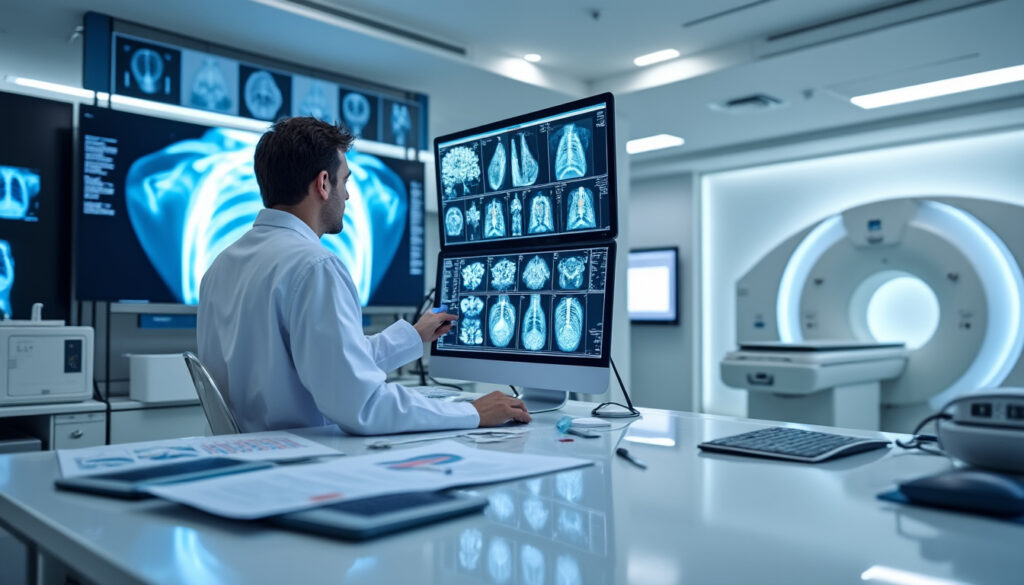
Comprehensive Guide to Organizing Medical Imaging Examinations
In the complex world of spinal surgery and multidisciplinary healthcare, precise organization of medical imaging examinations stands as a pivotal element for patient safety and surgical success. As demand rises for cross-border medical collaboration, particularly between regions like Québec and…

Everything You Need to Know About Device Quality and Certification
In the ever-evolving landscape of healthcare technology, the quality assurance and certification of medical devices have become pivotal elements ensuring patient safety and clinical efficacy. The increasing sophistication of devices—from spinal implants to robotic surgical assistants—demands a rigorous adherence to…
Technological and Logistical Frameworks Enhancing Imaging Exam Coordination
The organization of medical imaging examinations relies profoundly on technological infrastructure and meticulously planned logistics. Imaging scheduling, quality control, and patient logistics must be harmonized to avoid delays, redundancies, and patient discomfort. Recent trends include centralized digital hubs that monitor imaging workflows and guarantee adherence to imaging protocols.
One exemplary framework is the partnership of SOS Tourisme Médical and Franchir, which manages complex patient journeys involving travel, accommodations, and timely appointment coordination. This framework operates with an emphasis on patient comfort, transparency, and procedural clarity. Such logistical integration is essential for international patient cohorts facing lengthy medical travel pathways, such as those undergoing spinal surgery across Québec and France.
Technological solutions also extend to advanced telemedicine and cloud-based image sharing platforms that allow instant access and review of medical imaging data by multidisciplinary teams, accelerating diagnostic and therapeutic decisions. Furthermore, regulatory oversight ensures that imaging devices meet international certification standards, contributing to quality assurance and operational efficiency.
These frameworks contribute to the overall medical imaging efficiency and are instrumental in reducing waiting times while safeguarding examination quality and patient satisfaction. For further insights into managing imaging exam coordination and its impact on clinical outcomes, resources like this expert guidance offer in-depth perspectives.
Patient-Centered Approaches in Medical Imaging Services Across Borders
Effective organization ensures that patient needs remain at the forefront of all imaging examination protocols and logistical arrangements. Transnational care models prioritize not only diagnostic accuracy but also emotional support and educational guidance. Patient-oriented communication by SOS Tourisme Médical illustrates a commitment to reduce patient apprehension through explaining procedures, required documentation, and radioprotection policies in accessible language.
This human-centered approach is essential given the intricate nature of cross-border medical treatments. Patients undergoing spinal surgery enjoy personalized follow-ups, incorporating neurofunctional assessments and tailored rehabilitation support, facilitated by Neurothérapie Montréal. This dynamic follow-up framework integrates diagnostic imaging results with clinical progress markers, enhancing longitudinal care quality.
Ensuring continuity of care post-operation also involves adapting protocols for remote monitoring and leveraging biofeedback imaging, enabling clinicians to make informed adjustments to recovery plans. These strategies highlight the growing synergy between technological innovation and humanized care in the sphere of international medical imaging examinations.
Benefits of patient-centered medical imaging organization:
- Enhanced comprehension of imaging processes through clear communication.
- Emotional support that addresses anxieties connected with medical travel.
- Customized examination scheduling to accommodate patient convenience.
- Integrated rehabilitation using imaging-guided neurofeedback tools.
- Continuous remote monitoring facilitating adaptive patient care.
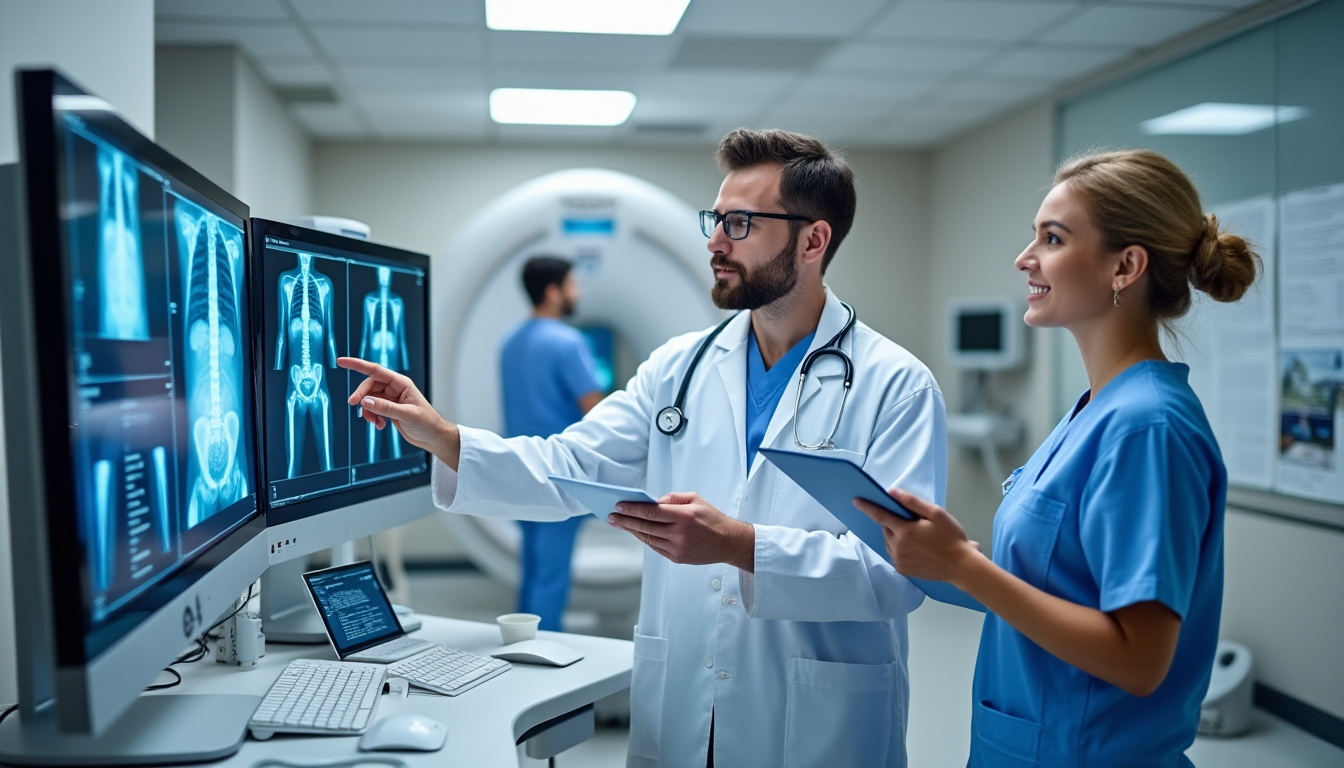
Global Standards and Professional Training Upholding Diagnostic Imaging Excellence
Global standards governing medical imaging quality and safety, coupled with comprehensive professional training, establish the backbone of reliable and efficient radiology services internationally. Certifications such as the European CE mark for medical devices and rigorous academic programs like the Diplôme Inter-Universitaire de Chirurgie du Rachis foster excellence and uniformity across borders.
Adherence to these standards prevents procedural errors, ensures optimal image resolution, and implements radioprotection protocols that minimize patient exposure. Consistent audits and institutional validations verify compliance and encourage continuous improvement aligned with the latest scientific discoveries and technological advances.
Beyond equipment and protocols, professional development is critical. Educational initiatives, including training in spine surgery imaging innovations and participation in specialized courses like the Endoscopic Spine Course at IRCAD Strasbourg, enhance practitioners’ competencies and facilitate the assimilation of cutting-edge imaging modalities in clinical practice.
Such a focus on education and standardization reflects the international healthcare community’s commitment to delivering safe, high-quality diagnostic imaging that drives better clinical outcomes in complex specialties like spinal surgery.
International Comparison: Insights into the Organization of Medical Imaging Examinations
How can patients determine if they are suitable candidates for spine surgery involving international imaging exams?
Initial evaluation by specialized teams in Québec followed by multidisciplinary review ensures appropriate surgical planning and imaging management, guiding patient suitability.
What documents are essential for the initial medical imaging evaluation?
Patients must provide recent imaging exams such as MRIs, radiographs, medical reports, and clinical questionnaires to build a comprehensive diagnostic dossier.
How is postoperative follow-up handled for patients returning to Québec?
Personalized follow-up protocols incorporating neurofunctional evaluations, biofeedback, and patient support are managed by Neurothérapie Montréal for optimal recovery.
What are the technology innovations in France not widely available in Québec?
Innovative implants, dynamic prostheses like TOPS, and minimally invasive surgical techniques accessible in France often face access delays in Québec due to waiting lists.
How is the surgical stay logistics in France managed for international patients?
Companies such as Franchir coordinate all aspects of the surgical journey including surgeon selection, travel, accommodations, and transfers to deliver a streamlined patient experience.