
Neck Surgery in Montreal: Ensuring Mobility Preservation After Procedure
May 27, 2026
Unveiling the Hidden Benefits of Simple Surgery, Fusion, and Motion Techniques
May 27, 2026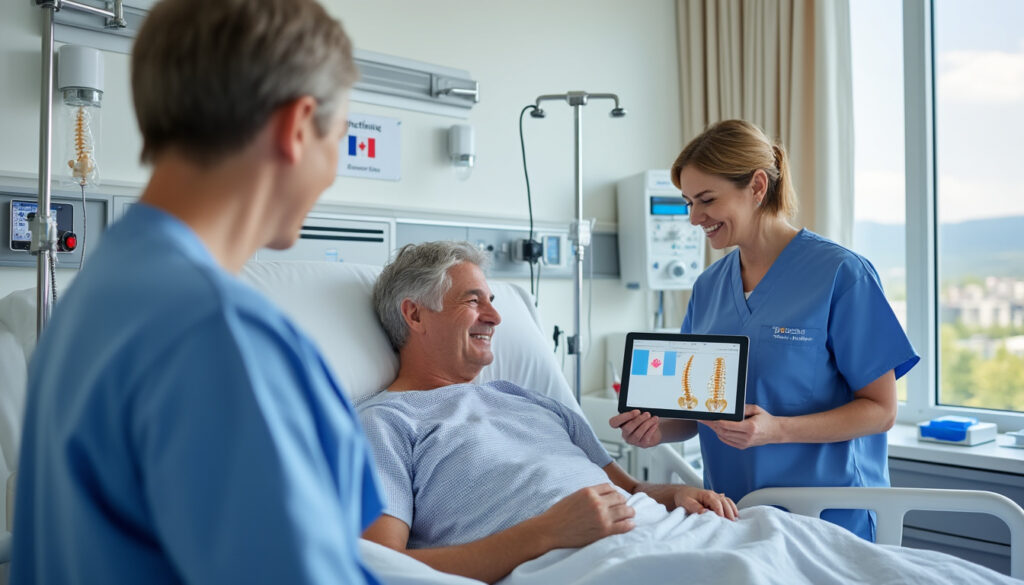
In recent years, an increasing number of Quebec patients have chosen to undergo back surgery in France, drawn by the country’s advanced surgical techniques and high standard of care. This cross-continental approach to managing spinal conditions highlights not only the quality of treatment during the operation but also the importance of meticulous post-operative care to ensure successful surgical outcomes. Effective post-operative care is the linchpin that bridges the gap between surgery and full recovery, emphasizing prevention of complications, management of pain, and tailored rehabilitation programs that facilitate a healthy return to daily activities.
Experts in neuromodulation, such as Philippe Mazaltarim of Neurothérapie Montréal, play a vital role in supporting Quebec patients throughout their recovery. By combining personalized follow-up and cutting-edge therapies, including repetitive Transcranial Magnetic Stimulation (rTMS), they address both the physical and psychological challenges that arise after back surgery. This innovative approach showcases the evolution of post-operative care beyond traditional methods, underscoring the necessity of multidisciplinary collaboration between Canadian and French medical teams. Patients benefit from a seamless healthcare journey, from pre-operative consultation to their rehabilitation phase back in Quebec.
The journey of a Quebec patient undergoing back surgery abroad exemplifies the complex nature of spinal treatment—a path where optimal surgical results depend heavily on comprehensive post-operative support. Leveraging advancements in neuromodulation and rehabilitation, as well as robust international coordination between healthcare partners like SOS Tourisme Médical and Franchir, this model of care prioritizes patient education, clinical monitoring, and timely interventions. Quebec patients can thus anticipate a guided and informed surgical recovery, addressing their individual needs and encouraging active participation in wound care and physical therapy.

Understanding the Importance of Post-Operative Care in Back Surgery for Quebec Patients
Post-operative care following back surgery holds a paramount place in a patient’s surgical recovery, particularly for Quebec patients navigating the additional nuances of international healthcare. The complexities involved in recuperation go well beyond the surgical procedure itself, encompassing pain management, wound care, physical rehabilitation, and ongoing medical follow-up. The early days after surgery are critical, requiring close attention to preventing complications such as infections, blood clots, and neurological issues which can arise in the delicate spinal region.
Healthcare providers encourage Quebec patients to engage in mobilization as soon as medically feasible—often within the first 24 to 48 hours after surgery. This early activity significantly reduces risks such as post-operative thromboses and promotes circulation, while also helping to rebuild strength and reassures patients psychologically. For example, after a discectomy or decompression surgery, a patient might be prompted to sit and walk short distances multiple times daily, gradually increasing activity levels reflective of individual tolerance and surgical specifics.
Patient education during this period serves as a foundation for safe recovery. It includes instructions on proper posture, the importance of avoiding bending or twisting excessively, and guidance on lifting limitations generally capped at 10 pounds during the initial weeks. Quebec patients are also advised on wound monitoring: knowing what signs—such as unusual redness, swelling, or discharge—necessitate immediate consultation can prevent progression to severe complications.
Integrating a personalized post-operative care plan addresses the unique needs stemming from different types of spine surgeries. Simple procedures, like a lumbar discectomy, typically have a recovery pathway involving quicker mobilization and return to normal gait within two weeks. In contrast, complex surgeries such as spinal fusions demand a more cautious, longer-term approach due to the biological processes needed to consolidate bone fusion, sometimes extending over several months.
These tailored care protocols enhance safety and optimize healing trajectories while minimizing hospital readmissions. Moreover, detailed follow-ups, often facilitated by telehealth platforms for Quebec patients post-return, ensure that any emerging issues are promptly detected and managed. This integrated parameter is crucial for continuity of care when patients split their treatment phase between countries.
Early Mobilization Protocols and Their Benefits
Early mobilization in post-operative back surgery care is a cornerstone strategy supported by institutions like the Jewish General Hospital, which advocates for patients to get out of bed multiple times daily starting the day after surgery. This gradual reintroduction to movement not only supports blood flow and reduces complications like deep vein thrombosis but also facilitates quicker functional recovery and pain modulation. Quebec patients, in particular, benefit from a structured mobilization protocol that balances safety and gradual activity escalation.
The impact of such mobilization is evident in patients who resume short walks within hospital wards and transition to longer ambulation at home as tolerated. This approach encourages the maintenance of muscular endurance and prevents deleterious effects of prolonged bed rest. The regimen is customized depending on the surgical intervention and patient condition.
Research shows that early physical activity, aligned with patient education on proper biomechanics, lessens the incidence of post-operative stiffness and complications and contributes positively to mental well-being. Empowering patients with knowledge about their recovery process can significantly improve adherence and outcomes.
Combining early mobilization with effective pain management is crucial. Multimodal analgesia and, where indicated, innovative methods such as rTMS, complement physical activity by reducing pain-related immobilization behaviors.
Key Post-Operative Care Instructions for Quebec Patients
- Monitor wound regularly: Look out for infection signs and maintain hygiene as advised.
- Begin mobilization early: Follow physician-approved activity levels starting the first day post-surgery.
- Avoid heavy lifting and strenuous activities for at least 6-8 weeks depending on the surgery type.
- Adhere to prescribed medication: Follow pain management plans precisely to optimize comfort and prevent complications.
- Engage in physical therapy: Participate actively in rehabilitation sessions to regain strength and mobility.
- Maintain regular medical follow-ups: Attend both in-person and virtual appointments for ongoing evaluation and adjustments.
To gain an informed perspective on what post-operative care might entail, Quebec patients might explore comprehensive recovery guidelines from reputable sources such as Jewish General Hospital’s recovery and discharge information or BackCareCanada’s overview of surgical expectations. These resources reinforce consistent themes in care emphasizing patient empowerment and safety.

Understanding Sciatic Pain: Key Symptoms and When to Seek Medical Advice
Sciatic pain is a prevalent condition impacting a wide demographic, manifesting primarily as intense pain radiating from the lower back down the leg. This pain stems from irritation or compression of the sciatic nerve, a major nerve extending through the…
Innovative Pain Management Strategies: Role of Neuromodulation like rTMS in Quebec Patients’ Recovery
Managing post-operative pain effectively in back surgery patients is critical, especially given the risk of chronic neuropathic pain and psychological strain such as depression and anxiety that often accompany recovery. Repetitive Transcranial Magnetic Stimulation (rTMS), a non-invasive neuromodulation technique, has emerged as a promising adjunct therapy integrated into post-operative care regimens at facilities like Neurothérapie Montréal.
rTMS utilizes magnetic pulses targeted at specific brain regions involved in pain processing and emotional regulation, effectively modulating neuronal circuits implicated in chronic pain syndromes. This technique can substantially reduce neuropathic pain common after procedures such as laminectomy or spinal fusion, which traditional pharmacological treatments cannot always fully control.
Beyond physical pain relief, rTMS is increasingly recognized for enhancing patients’ psychological resilience and well-being during recovery. The improvement in mood and reduction of anxiety symptoms contributes to greater motivation in rehabilitation exercises and overall better surgical outcomes.
Concrete clinical cases highlight these benefits. A typical scenario involves a patient who, despite successful anatomical recovery, experiences persistent pain and mood disturbances. After a series of approximately 15 rTMS sessions, marked improvements are often recorded, including reduced pain levels, better sleep quality, and elevated spirits, facilitating a return to normal functions and professional activities.
The safety profile of rTMS is notably favorable, with minimal adverse effects reported. For Quebec patients, this translates into a valuable, drug-sparing option that complements physical therapy and medical follow-up.
Integrating such neuromodulation approaches within a comprehensive treatment framework has reshaped pain management paradigms in spine surgery recovery, enabling tailored post-operative care strategies that address both physiological and psychosocial dimensions.
Advantages of Neuromodulation in Post-Surgical Pain Management
Neuromodulation techniques like rTMS confer multiple advantages within post-operative care:
- Non-invasive intervention, eliminating risks associated with additional surgery or injections;
- Targeted pain modulation through direct cortical stimulation;
- Reduction of reliance on opioid medications, mitigating side-effect profiles;
- Improvement in comorbid anxiety and depressive symptoms enhancing quality of life;
- Adaptability to varying patient needs through personalized protocols;
- Facilitation of enhanced engagement with physical therapy and rehabilitation programs.
These advantages demonstrate why integrating neuromodulation into post-operative back surgery care is becoming a standard component of modern pain management strategies for Quebec patients.
Collaborative Care Model Leveraging rTMS
The success of neuromodulation in spinal surgery recovery is closely linked to multidisciplinary collaboration. Professionals in Quebec and France coordinate closely, combining surgical expertise, rehabilitative care, and neuromodulation knowledge to optimize patient outcomes. This continuous communication allows adjustments to treatment plans based on real-time patient feedback and clinical assessments.
Patients receive education about the role and benefits of rTMS, empowering them to actively participate in decision-making. Such partnerships also help evaluate the timing of rTMS initiation, generally recommended around the third week post-operation when traditional rehabilitation begins but persistent pain remains a challenge.
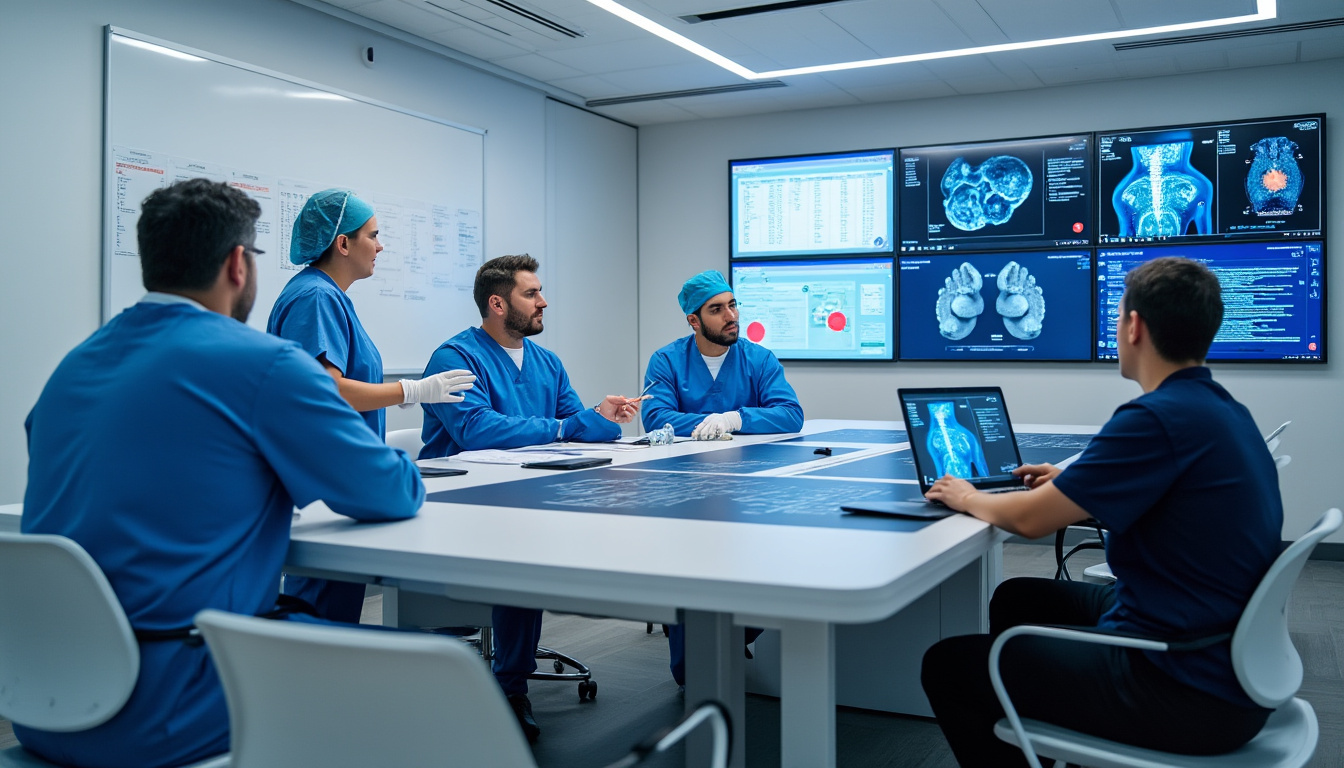

The Stepwise Role of Functional Recovery in Achieving Successful Outcomes
The journey to full recovery following spinal surgery is often complex and multifaceted, demanding a meticulously structured approach to ensure optimal functional outcomes. In recent years, the concept of functional recovery through a stepwise approach has garnered significant attention in…
Coordinating Seamless Post-Operative Back Surgery Care Between Quebec and France
Effective coordination between healthcare teams in Quebec and France is paramount to delivering high-quality post-operative care for back surgery patients who choose to undergo interventions overseas. This cross-border partnership emphasizes patient safety, personalized follow-up, and logistical support through specialized agencies such as SOS Tourisme Médical and Franchir.
The coordination begins during the pre-operative phase, with shared communication ensuring patients are well-informed and properly prepared for their surgical journey in France. Upon return to Quebec, care transitions smoothly to local providers like Neurothérapie Montréal, where ongoing medical follow-up and rehabilitation are managed meticulously.
This integrated approach covers evaluations of neurofunctional recovery, pain assessments, wound inspections, and adjustments to rehabilitation schedules. The shared electronic medical records and real-time video consultations improve monitoring accuracy and patient convenience. Quebec patients benefit from a consistent continuum of care, minimizing the anxiety often associated with international medical travel.
Furthermore, personalized care pathways take into account each patient’s surgical procedure, baseline health status, and social environment, creating tailored recovery milestones and support mechanisms. Such thoughtful planning ensures optimal recovery timelines, mitigates risks of complications, and accelerates return to work or sports activities.
The synergy between transatlantic teams not only guarantees safety but also embodies an innovative model of collaborative healthcare delivery in modern spine surgery rehabilitation.
Benefits of International Healthcare Collaboration
International coordination offers distinct advantages:
- Access to innovative surgical techniques delivered by expert French surgeons;
- Comprehensive pre-operative counseling and education enhancing patient preparedness;
- Seamless transition to specialized post-operative care in Quebec;
- Remote monitoring and telemedicine consultations that reduce patient travel;
- Integration of novel pain management strategies like neuromodulation;
- Holistic approach addressing psychological, physical, and social recovery needs.
More detailed information on coordinated international patient pathways, including tips for Quebec patients undergoing back surgery abroad, can be found in guides such as this comprehensive guide for Quebec patients.

Transatlantic Patient Journey: Insights into Indications, Benefits, and Challenges
The emergence of the Transatlantic Patient Journey as a strategic model within healthcare continues to capture attention for its innovative potential, especially in specialized fields such as spinal surgery. This cross-border care pathway integrates rigorous medical evaluation from Quebec with…
Physical Therapy and Rehabilitation: Restoring Function after Back Surgery
Rehabilitation is a cornerstone of successful recovery from back surgery. Physical therapy targets restoration of mobility, muscle strength enhancement, and prevention of post-surgical complications. This intensive and progressive therapy begins early in the recovery process yet respects individual limits imposed by the surgical intervention.
Protocols are adjusted according to the type of surgery: patients undergoing simple decompression may begin dynamic strengthening exercises earlier, whereas those with spinal fusion require a slower, carefully graduated regimen to accommodate bone healing. The rehabilitation plan typically encompasses gentle stretching, low-impact aerobic activities, and later functional exercises tailored to patients’ occupational and leisure activities.
Neurothérapie Montréal emphasizes combining conventional physical therapy with neuromodulation modalities to optimize pain relief and functional gains. Studies confirm that such synergistic approaches accelerate return to normal walking patterns, reduce the incidence of chronic pain syndromes, and enhance overall patient satisfaction.
Patients are coached in proper body mechanics and ergonomics to prevent future injuries and maintain spinal health. This education includes awareness of posture during daily tasks, safe lifting techniques, and importance of continued physical activity.
| Phase of Rehabilitation | Typical Activities | Expected Timeline |
|---|---|---|
| Weeks 1-2 | Gentle mobilization, short walks, monitoring for swelling and pain | Initial post-hospital phase |
| Weeks 3-6 | Active exercises, beginning muscle strengthening | Early rehabilitation phase |
| Weeks 6-12 | Increased physical activity, targeted strength and flexibility exercises | Intensification of rehab efforts |
| Beyond 3 months | Gradual return to sports and work, with medical clearance | Advanced recovery phase |
Quebec patients are advised that physical therapy programs require consistency and active engagement, with continuous adjustments made by therapists to ensure alignment with healing progress. Combining therapy with neuromodulation helps specifically target neurological sequelae like post-laminectomy syndrome.
Encouraging Patient Education and Long-Term Self-Management
In addition to physical interventions, patient education focuses on long-term self-care strategies. Emphasizing the importance of lifestyle modifications, gradual increase in physical activity, and avoidance of high-risk movements, this education supports sustainable spine health.
Resources such as ProOrtho’s detailed back surgery post-operative instructions provide valuable insight for Quebec patients on managing rehabilitation and setting realistic expectations for recovery milestones. Patients equipped with comprehensive knowledge about their recovery tend to have improved adherence to therapy, fewer setbacks, and enhanced quality of life.
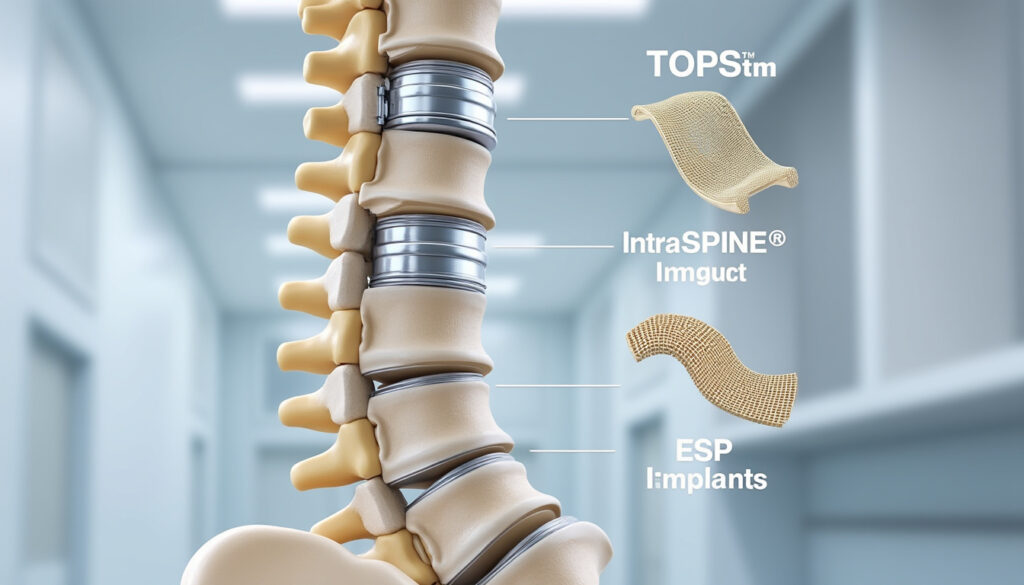
The evolving field of spinal surgery is witnessing a transformative shift, fueled by cutting-edge implant technologies such as TOPS, Intraspine, and ESP. These innovative implants redefine treatment possibilities by emphasizing preservation of natural spinal mechanics, while ensuring durable stabilization and…
Common Challenges in Post-Operative Care and How Quebec Patients Can Avoid Them
The path to surgical recovery is seldom linear; Quebec patients face specific challenges in post-operative care that may jeopardize optimal outcomes if not proactively managed. Awareness and preventive strategies can dramatically improve the healing process.
One common issue is premature overexertion where patients return to heavy physical activities before adequate healing, risking re-injury or delays in spinal fusion integrity. This underscores the importance of adherence to progressive guidelines personalized by surgical teams and physical therapists.
Another frequent challenge is pain mismanagement, particularly reliance on excessive opioid medications without adjunct non-pharmacologic approaches like neuromodulation. Overreliance on medication may lead to tolerance, side effects, and insufficient functional recovery.
Additionally, lack of clear communication between international healthcare providers or poorly coordinated follow-up care can leave patients uncertain about their recovery trajectory and frustrated by unresolved symptoms or complications.
Quebec patients are encouraged to avoid these pitfalls by:
- Following prescribed activity restrictions and not rushing rehabilitation phases;
- Engaging in scheduled medical follow-ups and communicating any concerning symptoms;
- Exploring alternative pain management strategies such as rTMS where appropriate;
- Ensuring smooth liaison among care teams across countries for coherent treatment plans;
- Receiving proper patient education to recognize signs requiring prompt medical attention.
For more detailed awareness of these common errors and preventive tips, patients can consult resources like common mistakes to avoid in post-operative care following back surgery.
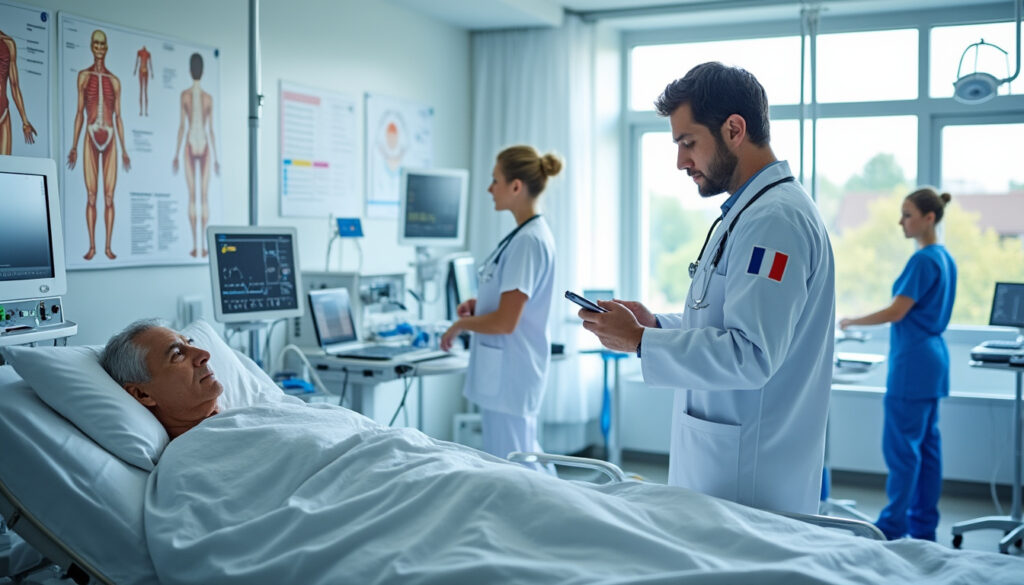
Preparing for Surgery in France: Key Indications, Benefits, and Limitations
In an evolving global healthcare landscape, France emerges as a beacon of advanced surgical expertise, particularly attracting international patients seeking expedited and innovative medical interventions. Patients from regions experiencing long wait times, such as Quebec, increasingly view France as an…
Real-Life Experiences of Quebec Patients Navigating Post-Operative Back Surgery Care
Real patient stories highlight the transformative power of coordinated and innovative post-operative care. Take Marie, a 45-year-old Quebecer who underwent lumbar disc herniation surgery in France. Upon returning home, she experienced a period of uncertainty and pain that was effectively managed through tailored rTMS sessions coupled with physical therapy, leading to her successful return to work and hiking.
Another example is Pierre, aged 58, who had a lumbar spinal fusion. Despite a technically successful surgery, he struggled with persistent neuropathic pain that was mitigated via neuromodulation therapies. His recovery was complemented by a robust international follow-up coordination that provided reassurance and precise rehabilitation guidance.
Such testimonials underscore the critical role of comprehensive post-operative care that not only addresses physical needs but also psychological support and patient empowerment. By sharing these experiences, healthcare providers convey practical hope and guidelines to others embarking on similar journeys.

Unveiling the Hidden Benefits of Quality and Certification in Devices
The landscape of device manufacturing and clinical application in 2026 has been fundamentally shaped by the rigorous interplay between quality management and certification processes. Within this complex framework, the hidden benefits of adhering to international standards and obtaining relevant certifications…
Emerging Trends in Post-Operative Back Surgery Care for Quebec Patients in 2026
The landscape of post-operative back surgery care continues to evolve, integrating technological advances and evidence-based protocols to enhance patient outcomes. Innovations in robotic-assisted spinal surgery, 3D imaging, and minimally invasive techniques practiced in France are subsequently paired with sophisticated recovery strategies back in Quebec.
Neurothérapie Montréal and allied partners are pioneering incorporation of personalized neuromodulation schedules and remote monitoring devices that track rehabilitation progress and provide real-time feedback to clinicians. Artificial intelligence-driven tools predict recovery trajectories and customize rehabilitation intensity accordingly, increasing accuracy and patient safety.
Moreover, expanding telehealth platforms strengthen the bond between patients and their multidisciplinary team, facilitating timely adjustments in care and patient education. The cross-Atlantic partnership model serves as an exemplar of international healthcare synergy for complex surgical recovery.
Quebec patients can anticipate that post-operative care in the near future will increasingly emphasize individualized protocols, greater integration of technology, and holistic approaches targeting physical, psychological, and social well-being to optimize back surgery outcomes.
Post-Operative Back Surgery Care Timeline
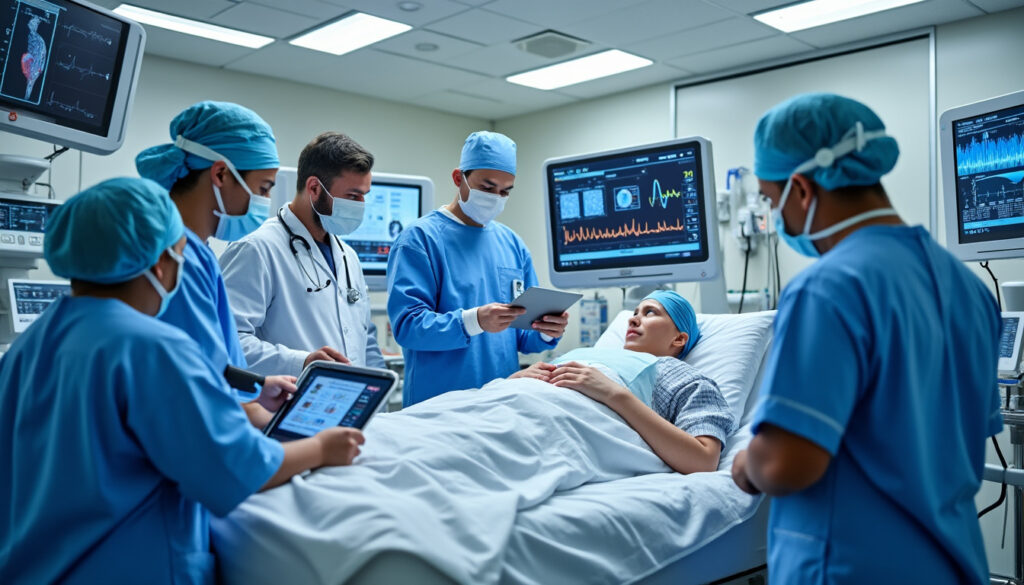
Why Experts Advocate for Comprehensive Preoperative Evaluations
In the complex and demanding field of spinal surgery, the emphasis on comprehensive preoperative evaluations has become a fundamental pillar supporting successful surgical outcomes. These evaluations, far beyond mere routine checks, integrate detailed analyses of patient health, surgical risk assessments,…
Key Milestones in Post-Operative Back Surgery Rehabilitation for Quebec Patients
Understanding the expected milestones in post-operative recovery can empower Quebec patients undergoing back surgery with the right expectations and motivation. Different surgical approaches dictate distinct timelines, but there are shared goals at each stage.
| Type of Surgery | Initial Mobilization | Return to Normal Walking | Return to Work | Return to Sports |
|---|---|---|---|---|
| Simple Surgery (Discectomy, Decompression) | Within 1 day | 7 to 14 days | 4 to 6 weeks | 6 to 8 weeks |
| Motion-Preserving Surgery (Disc Prosthesis, Dynamic Stabilization) | 1 to 2 days | 2 to 3 weeks | 6 to 8 weeks | 8 to 12 weeks |
| Spinal Fusion (Arthrodesis) | 2 to 3 days | 3 to 6 weeks | 8 to 12 weeks | 3 to 6 months |
By observing such milestones and working closely with care teams, Quebec patients can anticipate realistic progression and plan their return to professional and personal pursuits with confidence. More details about these recovery stages and surgical outcomes can be explored in extensive resources such as spine surgery recovery milestones.
How long does post-operative recovery typically take after back surgery?
Recovery duration varies widely based on the type of surgery. Simple procedures may see activity resumption at 4-6 weeks, while extensive surgeries like spinal fusion might require several months to fully return to work or sports.
What is repetitive Transcranial Magnetic Stimulation (rTMS) and how does it aid in post-operative care?
rTMS is a non-invasive neuromodulation method that modulates brain pathways responsible for chronic pain and mood regulation. It complements physical therapy, especially for neuropathic pain and post-surgical depression.
How is post-operative care coordinated between Quebec and France?
Partnerships among Neurothérapie Montréal, Franchir, and SOS Tourisme Médical provide a seamless care continuum: pre-operative orientation, surgery coordination in France, and personalized follow-up after returning to Quebec.
What are best practices for managing rehabilitation after back surgery?
Initiate gentle mobilization early, progress to active exercises from the third week, and continually adapt activities based on clinical assessments. Regular medical follow-ups are key to adjusting rehabilitation plans effectively.
When can patients generally resume professional activities post-surgery?
Return to work depends on surgery complexity and overall health. Simple surgeries often permit return within 4-6 weeks, while complex fusions may necessitate 3 months or more before resuming full duties.
The Future of Surgery Lies in Stepwise Functional Recovery
The evolution of surgical care in 2026 reveals a compelling shift toward approaches that prioritize the holistic recovery of patients, moving beyond traditional metrics like length of hospital stay or mortality rates. This modern paradigm highlights the principle that the…