Can Simple Surgery, Fusion, or Motion Techniques Help You Avoid More Invasive Procedures?
May 26, 2026
Lumbar Disc Prosthesis in Saguenay: Innovative Alternative to Rigid Fusion
May 26, 2026
The recovery journey from surgical interventions, especially those involving complex procedures like spinal surgeries, is far more than the body’s physical healing. It encompasses an intricate interplay of emotional resilience, psychological endurance, and the need for a nurturing support system. Experts in the medical field increasingly recognize that patient testimonials offer a profound window into this multifaceted recovery process. Unlike statistics or clinical data, these personal narratives breathe life into the understanding of what recovery truly entails, illuminating challenges and triumphs in a way that cultivates empathy and motivates both patients and healthcare providers.
Consider the unique scenario faced by patients traveling internationally for surgery—for instance, Quebecois patients undergoing spine surgery in France. Their recovery is complicated not only by the surgical trauma but also by cultural and geographic divides. Personalized follow-up care, incorporating innovative neuromodulation techniques such as repetitive Transcranial Magnetic Stimulation (rTMS), becomes essential in bridging these divides. Patient testimonials collected in this context reveal the vital tapestry of emotional support, effective communication, and scientific innovation that coalesce to optimize outcomes and foster healthcare trust. These narratives not only educate future patients but also empower them, offering reassurance through shared experience and reinforcing the human side of medical treatment.
How Patient Testimonials Illuminate the Realities of the Recovery Process
Patient testimonials serve as a bridge between clinical expertise and the lived experience of recovery, providing a unique insight into the nuances of the rehabilitation journey. Recovery is often laden with unexpected obstacles—persistent pain, emotional upheavals, and social isolation—that clinical summaries might overlook. Through detailed personal accounts, patients communicate the subtle and profound aspects of these challenges, such as pain management strategies, emotional resilience, and adapting to lifestyle changes.
These stories humanize the recovery trajectory, moving it beyond a generic timeline into a vivid, relatable process. For example, patients recount their experiences with preparation before surgery, the initial days of limited mobility, and subsequent phases of regaining independence—each stage laden with psychological hurdles and physical milestones. By sharing these experiences, patients contribute to a communal knowledge base that enhances patient motivation and peer impact, two critical factors that medics appreciate yet are difficult to quantify.
Incorporating testimonials into patient education can mitigate stigma around the recovery process, fostering an environment where patients feel understood and supported. Medical teams can harness these insights to tailor communication and interventions, leading to better treatment outcomes. Notably, evidence suggests that hearing from others who have survived similar challenges significantly improves emotional support perceptions and facilitates rehabilitation success.
Such narratives are invaluable to healthcare providers, who gain a richer understanding of patient experiences beyond clinical parameters. This understanding fuels empathetic care models that prioritize individual needs and emotional well-being, optimizing the recovery process’s overall success.

The Stepwise Role of Functional Recovery in Achieving Successful Outcomes
The journey to full recovery following spinal surgery is often complex and multifaceted, demanding a meticulously structured approach to ensure optimal functional outcomes. In recent years, the concept of functional recovery through a stepwise approach has garnered significant attention in…
Expert Advocacy for Integrating Patient Voices to Enhance Healthcare Trust
Healthcare experts increasingly advocate for the systematic inclusion of patient testimonials as a core component of postoperative care strategy. Trust between healthcare professionals and patients is foundational, and patient stories are a powerful tool in building and sustaining that trust. When patients share their recovery experiences openly, they validate not only their challenges but also the efficacy of treatment plans, providing visible proof of recovery process success.
One compelling example involves Philippe Mazaltarim, a director of Neurothérapie Montréal, who provides specialized follow-up for Quebecois patients operated on in France. His expertise in neuromodulation techniques, including rTMS and devices like BrainPort and PoNS, is enhanced by the patient feedback loop established through testimonial sharing. This two-way communication strengthens healthcare trust by making the recovery path transparent and personalized.
Patient testimonials also serve as an advocacy platform, equipping patients and caregivers with knowledge to engage meaningfully with their treatment regimens. Listening to patient stories enables medical professionals to identify common emotional and physical barriers encountered during recovery, thereby tailoring interventions that address these challenges pragmatically. This proactive approach not only enhances clinical care but also respects patient autonomy and promotes shared decision-making.
Moreover, testimonials play a critical role in peer support networks, which experts recognize as indispensable for sustainable recovery. They engender a sense of belonging and reduce feelings of isolation frequently experienced after major surgery. Through these narratives, patients are empowered to become advocates for themselves and others, fostering community-wide improvements in healthcare quality and accessibility.

Transatlantic Patient Journey: Insights into Indications, Benefits, and Challenges
The emergence of the Transatlantic Patient Journey as a strategic model within healthcare continues to capture attention for its innovative potential, especially in specialized fields such as spinal surgery. This cross-border care pathway integrates rigorous medical evaluation from Quebec with…
Detailed Insights from Patient Experiences: Overcoming Psychological Challenges Post Surgery
Beyond physical recovery, the psychological toll of postoperative convalescence is considerable and often underestimated. Patient testimonials shine a light on this dimension, capturing struggles with anxiety, depression, and fluctuating motivation that frequently accompany recovery from surgeries such as spinal fusions or decompression procedures. These emotional factors directly influence engagement with rehabilitation efforts and overall treatment outcomes.
The use of neuromodulation techniques like rTMS illustrates an innovative approach that complements traditional rehabilitation. Patients have reported significant reductions in chronic neuropathic pain and mood symptoms following these treatments, highlighting the synergy of combining physical and psychological care. Testimonials validate the subjective benefits, providing a patient-centered metric for therapeutic efficacy.
Moreover, testimonials reveal practical coping strategies employed by patients, including progressive physical activity, pain management routines, and the importance of a supportive social environment. Such shared wisdom becomes a reference for newly recovering patients, targeting common fears and misconceptions that can hinder progress. The peer impact here is substantial—knowing that others have navigated similar hurdles fosters resilience and motivates sustained participation in rehabilitation protocols.
Importantly, this emotional support extends to the caregivers and medical staff, who also benefit from understanding patient perspectives on recovery challenges. This informed empathy drives improvements in patient care practices and cultivates an atmosphere that values emotional well-being alongside clinical objectives.
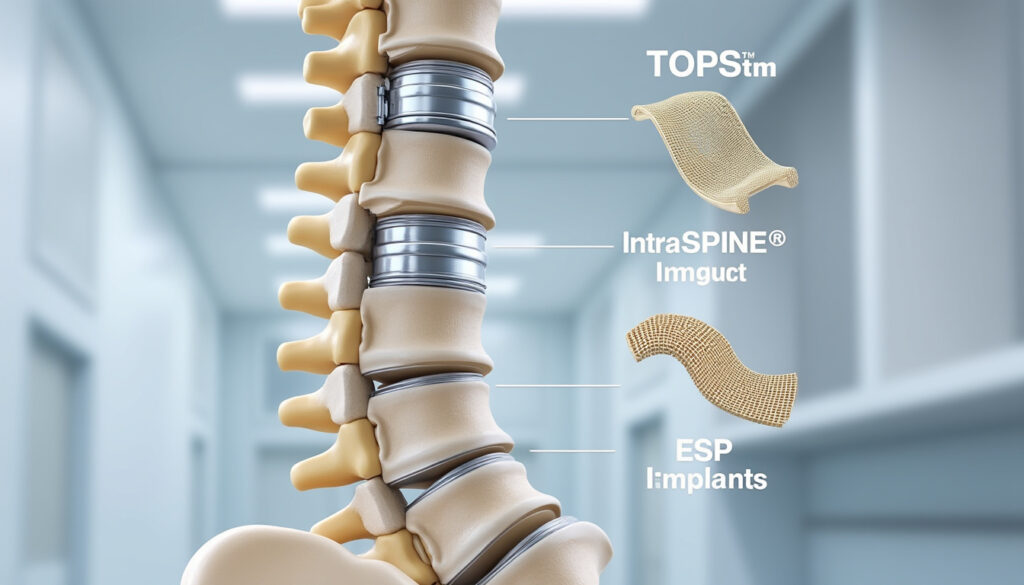
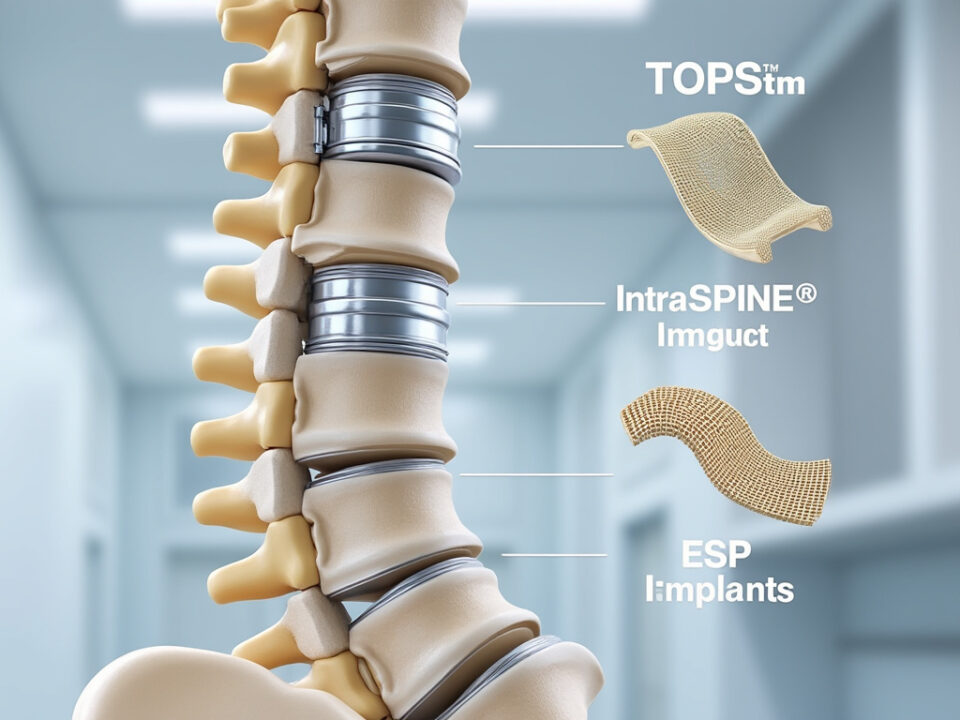
The evolving field of spinal surgery is witnessing a transformative shift, fueled by cutting-edge implant technologies such as TOPS, Intraspine, and ESP. These innovative implants redefine treatment possibilities by emphasizing preservation of natural spinal mechanics, while ensuring durable stabilization and…
International Collaboration in Post-Surgical Care: A Model for Seamless Patient Support
Navigating the complexities of transcontinental surgical care requires meticulous coordination among diverse healthcare providers and organizations. Patient testimonials emphasize how such collaborations profoundly impact recovery quality, offering continuity and personalized attention. The partnership between Neurothérapie Montréal, SOS Tourisme Médical in Quebec, and Franchir in France exemplifies this model.
SOS Tourisme Médical guides patients through preoperative consultations, insurance coordination, and logistical arrangements, alleviating anxiety associated with cross-border care. Franchir ensures the surgical stay in France is smooth, managing accommodations, transport, and clinical appointments. Upon returning to Canada, Neurothérapie Montréal takes charge of post-operative follow-up, employing neuromodulation technologies and personalized rehabilitation plans.
This integrated system emerges as more than a set of medical interventions; it is a comprehensive support network fueled by patient feedback. Testimonials collected during various recovery stages provide actionable insights that help refine care pathways and address patient needs dynamically. Patients report feeling safeguarded and motivated, knowing their journey is expertly managed across continents.
Such collaboration underscores the evolving landscape of global healthcare, where expert advocacy for patient-centered care is not confined by geography but strengthened by connectivity and shared expertise.
Preparing for Surgery in France: Key Indications, Benefits, and Limitations
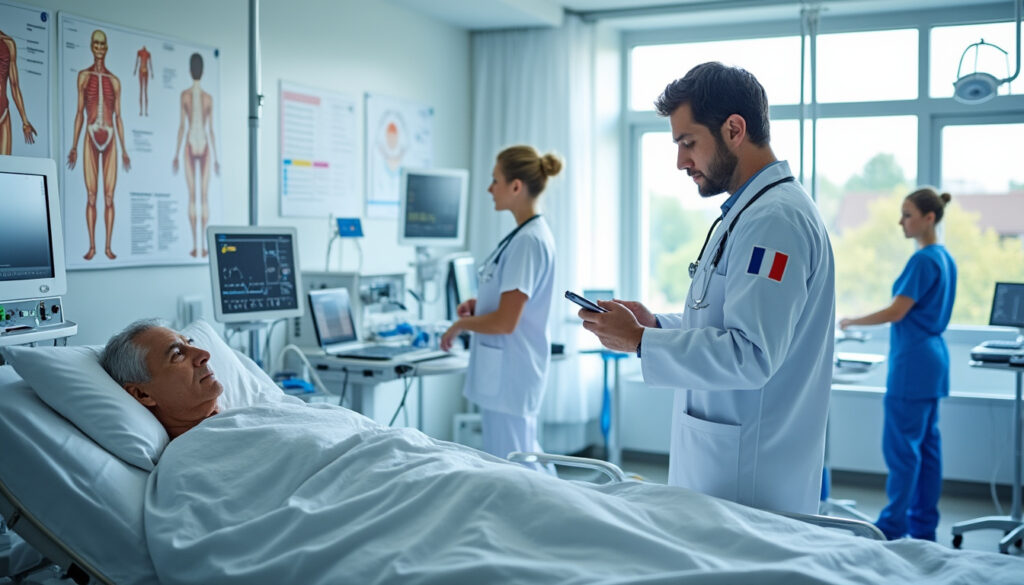
In an evolving global healthcare landscape, France emerges as a beacon of advanced surgical expertise, particularly attracting international patients seeking expedited and innovative medical interventions. Patients from regions experiencing long wait times, such as Quebec, increasingly view France as an…
Practical Recommendations from Patient Testimonials for an Optimized Recovery Process
Patient testimonials frequently highlight specific practical advice that can streamline the recovery experience while minimizing risks. These recommendations often touch on balancing activity and rest, mental health vigilance, and open communication with healthcare professionals.
Key practical tips drawn from diverse patient narratives include:
- Adhering strictly to prescribed rest periods post-surgery to avoid elevating physical stress and precipitating complications.
- Engaging in progressive, moderate physical activities such as gentle walking to prevent joint stiffness and encourage circulation.
- Implementing neuromodulation treatments early upon signs of persistent neuropathic pain for improved symptom management.
- Maintaining regular psychological support to address mood fluctuations and reinforce motivation.
- Ensuring transparent and consistent communication with medical teams to personalize rehabilitation strategies based on patient feedback.
Such advice not only fosters rehabilitation success but empowers patients as active participants in their recovery journeys, reinforcing healthcare trust and patient motivation. These insights resonate across different types of spinal surgeries, from simple discectomies to complex arthrodesis procedures, underscoring their broad applicability.
| Type of Surgery | Average Recovery Time | Recommended Time to Resume Walking | Return to Work | Sport Resumption |
|---|---|---|---|---|
| Simple Surgery (Discectomy, Decompression) | 6 to 8 weeks | 1 to 2 weeks post-op | 4 to 6 weeks | 8 to 12 weeks |
| Motion Surgery (Disc Prosthesis) | 8 to 12 weeks | 1 to 3 weeks post-op | 6 to 8 weeks | 12 to 16 weeks |
| Arthrodesis / Lumbar or Cervical Fusion | 12 to 16 weeks | 2 to 4 weeks post-op | 8 to 12 weeks | 16 to 20 weeks |

Unveiling the Hidden Benefits of Quality and Certification in Devices
The landscape of device manufacturing and clinical application in 2026 has been fundamentally shaped by the rigorous interplay between quality management and certification processes. Within this complex framework, the hidden benefits of adhering to international standards and obtaining relevant certifications…
The Transformative Role of Storytelling in Patient Motivation and Rehabilitation Success
The art of storytelling transcends mere recounting of events; it serves as a therapeutic and motivational device during the recovery process. Sharing patient testimonials contributes to a collective narrative that empowers others to envision possibilities beyond their current pain and limitations. By humanizing recovery, these stories instill hope and resilience amidst uncertainty.
Studies and healthcare practitioners have noted that the peer impact of testimonies functions as both encouragement and education. Real-life success stories provide concrete examples of how adherence to treatment plans and proactive engagement can lead to substantial improvements. This dynamic fosters emotional support that buffers against discouragement and facilitates sustained rehabilitation efforts.
Platforms that highlight these narratives, such as real stories of recovery and comprehensive guides to patient recovery, respectively, are invaluable resources for patients, caregivers, and healthcare professionals. They create a space where patient experience is not only recorded but celebrated as a critical component of healing.
Why Experts Advocate for Comprehensive Preoperative Evaluations
In the complex and demanding field of spinal surgery, the emphasis on comprehensive preoperative evaluations has become a fundamental pillar supporting successful surgical outcomes. These evaluations, far beyond mere routine checks, integrate detailed analyses of patient health, surgical risk assessments,…
Ethical Considerations and Best Practices in Using Patient Testimonials
While patient testimonials are powerful tools, their use must align with ethical standards to protect privacy, ensure accuracy, and uphold patient dignity. Experts emphasize the importance of informed consent and the safeguarding of sensitive information when collecting and disseminating patient stories.
Healthcare providers should foster environments where patients feel safe and respected when sharing testimonials. Transparency about the purpose of testimonial use and the measures taken to protect confidentiality strengthens patient confidence and healthcare trust.
Moreover, ensuring testimonial authenticity is paramount. Exaggerations or selective storytelling can distort perceptions of treatment outcomes, potentially undermining patient motivation and trust. Balanced, truthful narratives that include both successes and challenges offer the most valuable insights for recovery support.
Implementing standardized protocols for testimonial collection and review fosters consistency and reliability, while also supporting peer impact positively. Aligning these practices with guidelines from scholars and organizations dedicated to patient-centered care enhances the responsible use of testimonials in medical communication.

The Future of Surgery Lies in Stepwise Functional Recovery
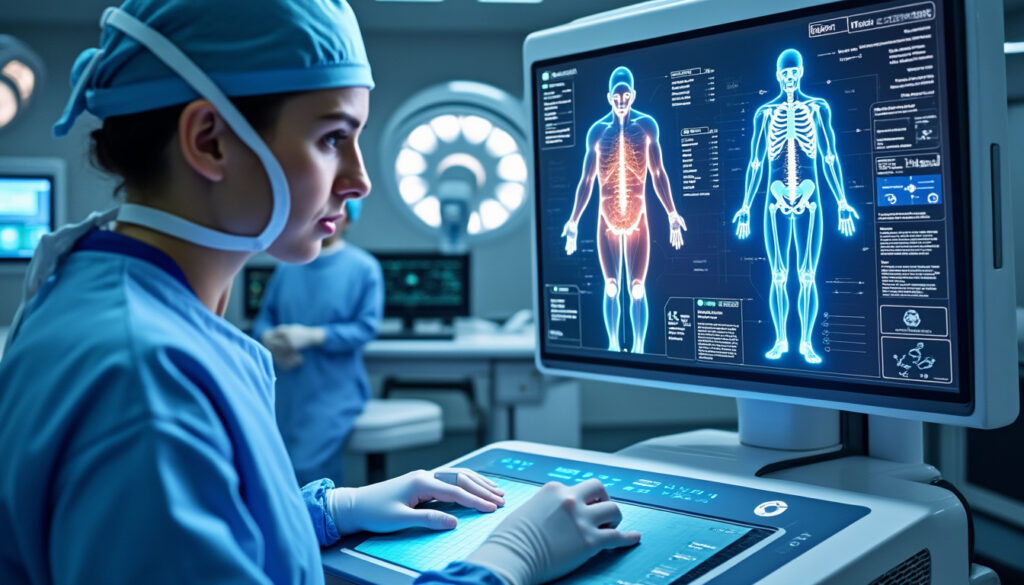
The evolution of surgical care in 2026 reveals a compelling shift toward approaches that prioritize the holistic recovery of patients, moving beyond traditional metrics like length of hospital stay or mortality rates. This modern paradigm highlights the principle that the…
Leveraging Patient Testimonials for Continuous Improvement in Recovery Programs
Patient feedback embedded in testimonials provides critical data that healthcare institutions can harness to enhance recovery protocols continually. These firsthand accounts identify gaps in care, reveal areas for improving emotional support, and guide innovations in neuromodulation and rehabilitation techniques.
Incorporating patient voices helps create personalized care pathways that account for individual variability in recovery timelines and challenges. As healthcare strives for excellence in patient-centered outcomes, testimonials offer invaluable qualitative data augmenting clinical metrics.
For instance, developing targeted programs that integrate early psychological interventions alongside physical rehabilitation is often informed by patient stories highlighting common emotional struggles. This integrative approach leads to more comprehensive recovery programs, optimized treatment outcomes, and enhanced patient motivation.
Institutionally, sharing selected testimonials with multidisciplinary teams reinforces a culture of empathy and continuous learning. It also advances collaborative approaches to complex cases, ensuring that patient experience remains at the core of recovery innovation.
#testimonial-infographic { max-height: 2000px; overflow-y: auto; font-family: ‘Inter’, sans-serif; } .bar-bg { background-color: #d1d5db; /* Tailwind gray-300 */ border-radius: 0.375rem; /* rounded-md */ height: 1.5rem; position: relative; margin-top: 0.25rem; } .bar-fill { height: 100%; border-radius: 0.375rem; transition: width 0.7s ease-in-out; } .bar-label { font-weight: 600; color: #374151; /* Tailwind gray-700 */ } .legend-circle { width: 1rem; height: 1rem; border-radius: 9999px; display: inline-block; margin-right: 0.5rem; } .legend-item { display: flex; align-items: center; margin-bottom: 0.5rem; }Key Benefits of Patient Testimonials in Recovery
Explore why experts highly value patient testimonials during the recovery process and their impact on healthcare.
Legend
What are the main advantages of rTMS in postoperative care?
rTMS modulates cerebral activity to alleviate chronic neuropathic pain and improve patients’ mood, leading to a more rapid and efficient recovery process.
How is the collaboration between Neurothérapie Montréal, SOS Tourisme Médical, and Franchir organized?
Neurothérapie Montréal provides personalized and integrated patient follow-up upon return; SOS Tourisme Médical assists with preparation and administrative procedures; Franchir organizes the surgical stay in France.
When can a patient typically resume light physical activity after spine surgery?
Depending on the procedure, moderate walking can usually restart between one and four weeks post-surgery, with a gradual return to sports over 8 to 20 weeks.
Are patient testimonials truly helpful for future surgical patients?
Absolutely. They offer concrete insights into real experiences, set realistic expectations, and provide strategies for managing pain and emotions, strengthening moral support and confidence essential for successful recovery.
What are essential recommendations for optimal postoperative follow-up?
Follow medical advice diligently, maintain regular communication, engage in appropriate neuromodulation sessions, and share feelings openly with the care team.
Common Pitfalls to Avoid in Neurovertebral Decompression Therapy and Its Crucial Role
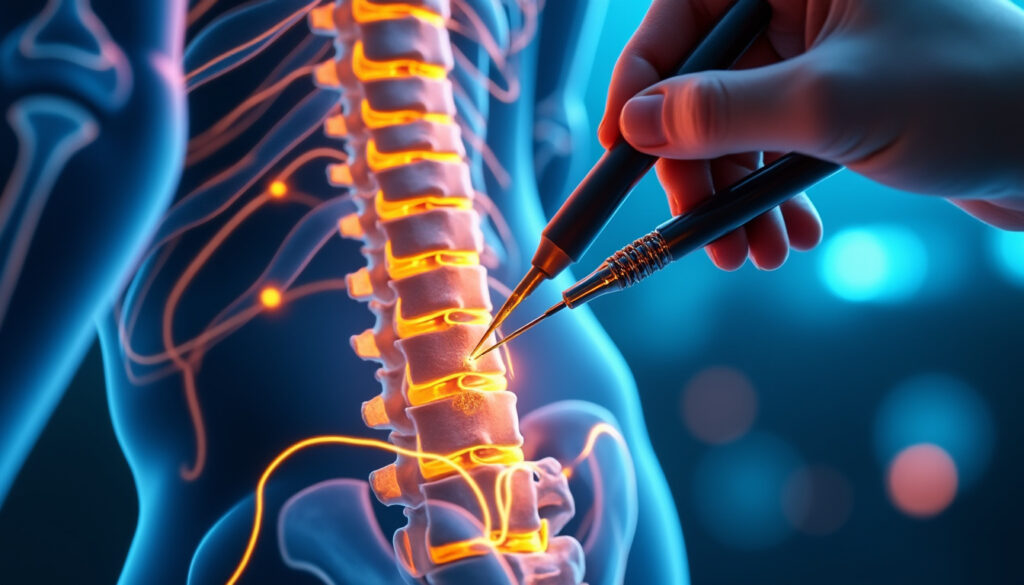
Neurovertebral decompression therapy has emerged as a sophisticated non-invasive medical intervention aimed at relieving chronic spinal pain, particularly associated with conditions such as herniated discs and spinal stenosis. As spinal disorders persist as a leading cause of disability worldwide, patients…