Comprehensive Guide to Device Quality and Certification Standards
June 26, 2026
Comprehensive Insights into the Role of Spinal Decompression Therapy
June 27, 2026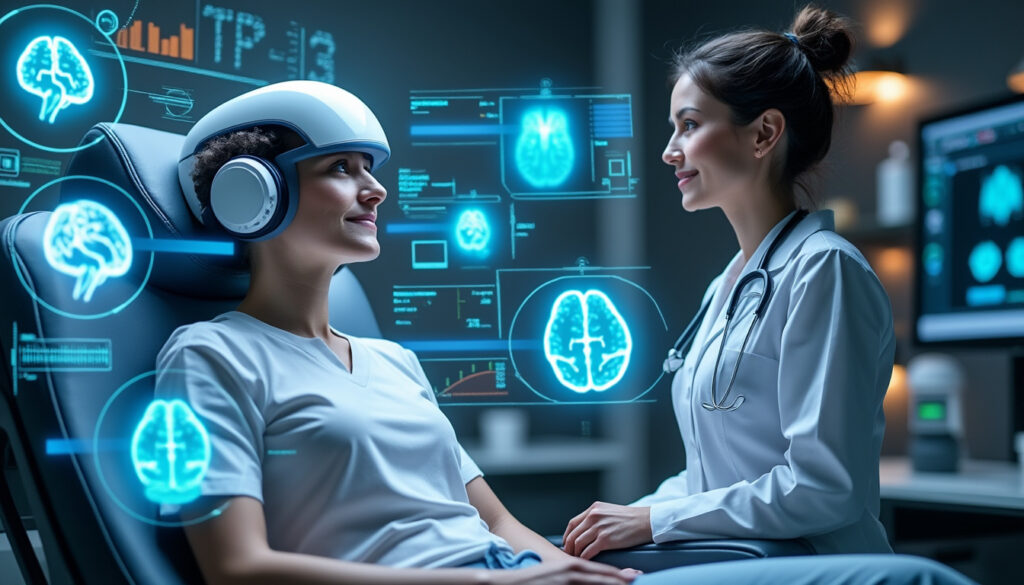
Recovery following spinal surgery presents numerous challenges, often demanding innovative therapeutic strategies to maximize outcomes for patients. Surgical techniques like spinal fusion, motion preservation procedures, and endoscopic interventions offer advanced solutions, but the postoperative period remains critical for ensuring long-term success. Among recent therapeutic breakthroughs, repetitive transcranial magnetic stimulation (rTMS) has emerged as a transformative adjunct in post-surgical recovery. This non-invasive neuromodulation technique plays a pivotal yet often underappreciated role in managing chronic pain, enhancing brain plasticity, and supporting mental health during rehabilitation, especially after spinal operations.
Neurotherapeutic centers such as Neurothérapie Montréal, under expert guidance, exemplify an integrated approach combining scientific precision with personalized care. By coordinating preoperative preparation, overseas surgical experiences, and thorough postoperative monitoring—including specialized rTMS protocols—patients benefit from a seamless, transatlantic recovery pathway. This integration not only targets physical restoration but also addresses neurocognitive and psychological needs elucidated through recent clinical studies. A comprehensive understanding of these hidden benefits offers valuable insights into optimizing spinal surgery outcomes while advancing the evolving landscape of brain stimulation therapies worldwide.
Comprehensive Role of rTMS in Post-Surgical Spinal Rehabilitation for Enhanced Recovery and Pain Management
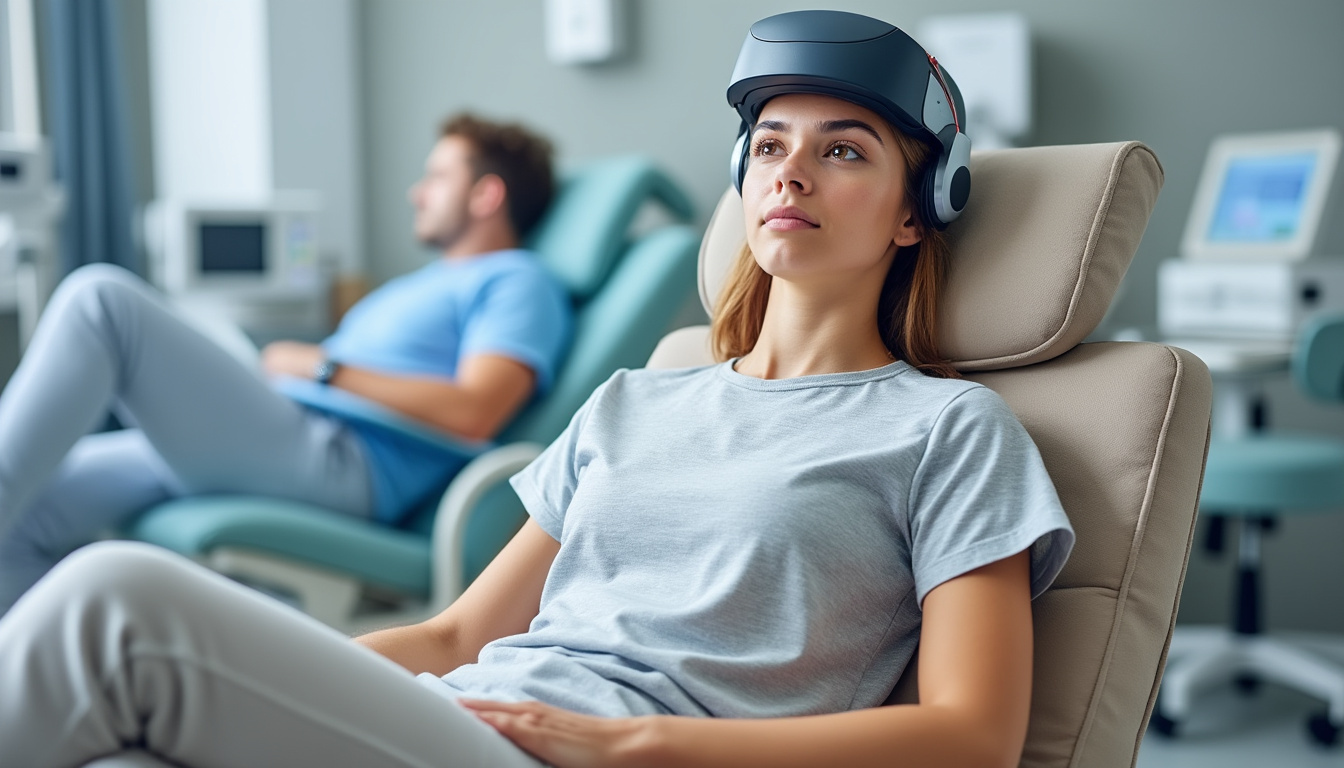
Repetitive transcranial magnetic stimulation (rTMS) is a cutting-edge neuromodulation technique that modulates cortical excitability through targeted electromagnetic pulses. Primarily utilized to treat treatment-resistant depression, its application has expanded significantly, demonstrating robust clinical benefits in post-surgical spinal rehabilitation. The fundamental principle behind rTMS involves stimulating specific brain regions, such as the motor cortex or dorsolateral prefrontal cortex, to enhance neural plasticity and promote adaptive reorganization of neural circuits disrupted by surgery or chronic pain.
One of the core challenges post-spinal surgery is persistent neuropathic pain, often characterized by treatment-resistant symptoms linked to syndromes like post-laminectomy pain syndrome. rTMS effectively attenuates such chronic neuropathic pain by downregulating hyperactive cortical networks responsible for maintaining the pain state. This analgesic effect is sustained through repeated sessions, allowing for significant reductions in opioid and analgesic consumption, thereby minimizing side effects associated with pharmacologic interventions.
In addition to pain relief, rTMS enhances motor function recovery by stimulating the motor cortex, which is crucial for regaining mobility and functionality after spinal interventions. Clinical reports reveal accelerated improvements in motor coordination and voluntary movement control, supporting traditional physical therapy efforts. By increasing cortical excitability and facilitating synaptic efficacy, rTMS complements rehabilitative exercises, promoting more efficient neuromuscular restoration.
Beyond its neurophysiological advantages, rTMS also addresses psychological challenges commonly encountered post-surgery. Depression and anxiety often exacerbate pain perception and hinder rehabilitation progress; the antidepressant properties of rTMS help stabilize mood and improve emotional well-being. This dual action fosters a holistic recovery environment, emphasizing both physical and mental health stabilization, which is critical for long-term quality of life.
Recent trials continue to strengthen the evidence base for rTMS integration into postoperative protocols. For example, the technique has proven superior to other neuromodulation modalities such as transcranial direct current stimulation (tDCS) in improving pain outcomes after spinal surgeries, positioning it as a preferred therapy in specialized centers. These advancements align well with evolving spine surgery methods—such as dynamic implants like TOPS and Intraspine—where patients require tailored neurorehabilitation strategies that address both structural and cortical recovery needs.

Understanding Sciatic Pain: Key Symptoms and When to Seek Medical Advice
Sciatic pain is a prevalent condition impacting a wide demographic, manifesting primarily as intense pain radiating from the lower back down the leg. This pain stems from irritation or compression of the sciatic nerve, a major nerve extending through the…
Personalized Integration of rTMS within Multimodal Postoperative Care Pathways
The success of rTMS in enhancing recovery hinges on integrating the intervention within a comprehensive, patient-centered postoperative care framework. This integration begins with meticulous preoperative assessment, where factors such as neurological status, pain characteristics, and psychological profile inform eligibility and customization of rTMS protocols. Neurotherapeutic centers emphasize a detailed neurofunctional evaluation prior to surgery, which facilitates strategic planning of subsequent brain stimulation sessions.
Coordination between surgical teams abroad and follow-up providers locally ensures continuity in care, significantly reducing fragmentation often seen in transnational healthcare pathways. A standout example is the dedicated management by Neurothérapie Montréal for Canadian patients undergoing spinal surgery in France, where preoperative neuro-assessments, tailored rTMS sessions, and progressive rehabilitation plans are meticulously synchronized.
Postoperative monitoring incorporates regular clinical evaluations to adjust stimulation parameters and address emergent complications such as neuropathic pain flare-ups or depressive symptoms. This dynamic approach supports sustained recovery, allowing for personalized modulation of session frequency and intensity. Typically, recovery protocols involve 15 to 20 rTMS sessions spread over several weeks, with maintenance treatments considered to prolong therapeutic benefits.
Interdisciplinary collaboration enhances this pathway, involving neurorehabilitation specialists, physiotherapists, pain management experts, and mental health professionals. Such synergy optimizes function while mitigating complications. Integration of rTMS also complements contemporary surgical innovations, including minimally invasive robotic-assisted spine procedures, by facilitating neural recovery in parallel with structural correction.
This comprehensive care structure is critical to overcoming the complex, multifactorial challenges in postoperative spinal recovery, establishing rTMS not solely as a pain management tool but as a central element in a modern rehabilitation ecosystem.

The Stepwise Role of Functional Recovery in Achieving Successful Outcomes
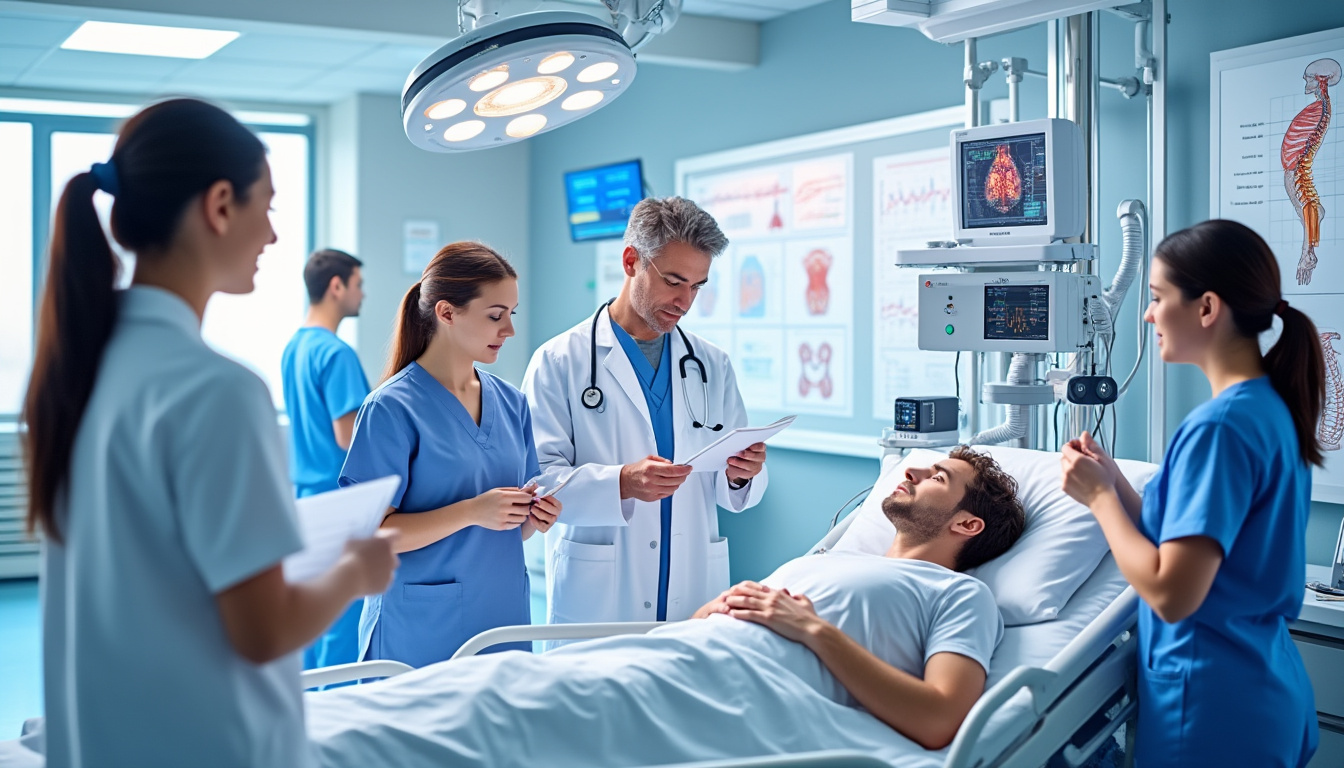
The journey to full recovery following spinal surgery is often complex and multifaceted, demanding a meticulously structured approach to ensure optimal functional outcomes. In recent years, the concept of functional recovery through a stepwise approach has garnered significant attention in…
International Collaboration Enhancing rTMS Postoperative Support – Case of Quebec-France Partnership
The implementation of rTMS post-surgery benefits greatly from international collaboration, exemplified by the Quebec-France partnership. This alliance combines surgical excellence with innovative neurostimulation practices, establishing a robust support network for patients undergoing complex spinal surgeries abroad.
Organizations such as SOS Tourisme Médical facilitate patient education and streamline administrative and logistical preparations, enabling seamless access to advanced spinal surgery techniques in France. Meanwhile, agencies like Franchir coordinate travel, accommodation, and local appointments, reducing patient stress and ensuring adherence to postoperative protocols.
This structured cooperation also enables the continuity of rTMS therapy after patients return home, with local neurorehabilitation centers like Neurothérapie Montréal providing expert-driven therapy sessions. The partnership maintains a closed feedback loop between surgical teams, therapists, and patients, ensuring efficient communication and rapid response to recovery needs.
Such collaborative models in healthcare illustrate the future of globalized postoperative care, where geographical boundaries no longer hinder optimal rehabilitation strategies. The integration of rTMS within this international framework elevates the standard of care, applying the latest brain stimulation technologies to promote recovery and mental health harmoniously.
Transatlantic Patient Journey: Insights into Indications, Benefits, and Challenges
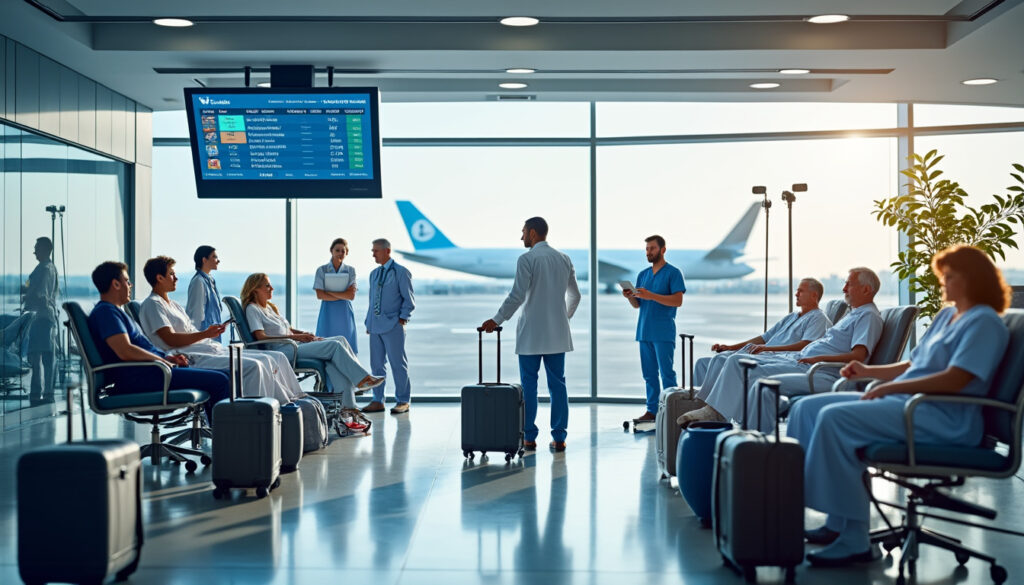
The emergence of the Transatlantic Patient Journey as a strategic model within healthcare continues to capture attention for its innovative potential, especially in specialized fields such as spinal surgery. This cross-border care pathway integrates rigorous medical evaluation from Quebec with…
Synergistic Effects of rTMS and Physical Rehabilitation in Promoting Functional Recovery
Physical rehabilitation remains a cornerstone of postoperative spinal care. When combined with rTMS, its efficacy is significantly amplified due to neuroplastic enhancements induced by brain stimulation.
Various types of spinal surgeries require distinct rehabilitation protocols, each benefiting uniquely from rTMS intervention. For straightforward decompression surgeries, early mobilization supported by rTMS assists in mitigating localized pain and improving cortical engagement with motor pathways. For motion-preserving surgeries, rTMS enhances neuromuscular control, allowing for safer and accelerated resumption of physical activities, including sports.
In more extensive procedures such as vertebral fusions, where immobilization periods are longer, rTMS plays a crucial role in alleviating neuropathic pain and counteracting depressive symptoms. This psychological support fosters patient motivation, which is essential for enduring gradual and often strenuous rehabilitation routines.
The table below summarizes rehabilitation milestones and the complementary role of rTMS tailored to common spinal surgical procedures:
| Type of Spinal Surgery | Key Rehabilitation Phases | Average Return to Activities | Role of rTMS in Recovery |
|---|---|---|---|
| Spinal decompression | Short immobilization, quick mobilization beginning Day 1 | Walking resumed Day 3; Return to work within 2-4 weeks | Pain attenuation and facilitation of early neuroplastic changes |
| Motion preservation surgery (e.g., TOPS, Intraspine) | Gradual muscle strengthening, avoiding excessive strain | Walking Day 2; Sports reintroduction at 6-8 weeks | Enhanced neuromuscular recovery and anxiety reduction |
| Spinal fusion | Orthosis use, phased physical therapy progression | Return to work by 3 months; Sports at 6 months+ | Neuropathic pain management and mood stabilization |
Such integration fosters a multifaceted recovery emphasizing autonomy and quality of life improvements. Concrete examples demonstrate patients resuming demanding activities, such as competitive sports, faster than traditional methods due to combined rTMS and physical therapy.
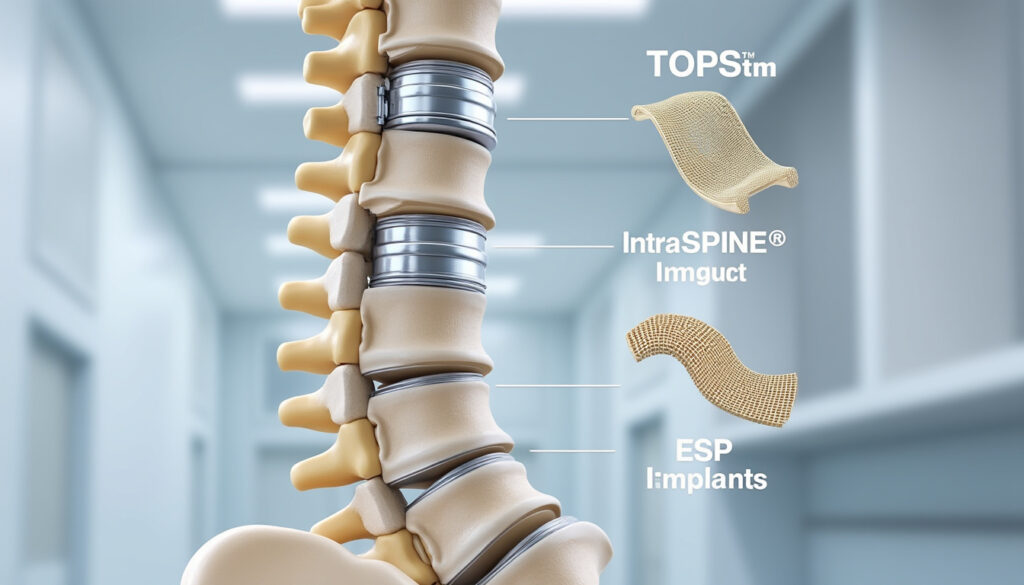
The evolving field of spinal surgery is witnessing a transformative shift, fueled by cutting-edge implant technologies such as TOPS, Intraspine, and ESP. These innovative implants redefine treatment possibilities by emphasizing preservation of natural spinal mechanics, while ensuring durable stabilization and…
Advanced Brain Stimulation Techniques: Expanding Clinical Benefits of rTMS Beyond Pain Relief
While pain management and motor recovery constitute prominent benefits of rTMS post-surgery, emerging research highlights additional clinical applications related to cognitive enhancement and mental health stabilization. Surgery-related cognitive decline and delirium, especially in elderly patients, represent serious postoperative complications impacting recovery trajectories.
Pre- and postoperative rTMS protocols have demonstrated potential in safeguarding and improving cognitive functions by modulating neural networks involved in attention, memory, and executive functions. This protective effect is critical for sustaining patient engagement with rehabilitation and reducing long-term neurocognitive deficits.
Moreover, the antidepressant and anxiolytic effects assist in mitigating perioperative delirium and mood disorders, supporting a balanced neuro-psychological milieu. Continuous advancements in stimulation protocols and coil navigation systems further refine targeting accuracy, maximizing clinical benefits while minimizing side effects.
The expanded scope of rTMS underscores its transformative potential across multiple dimensions of postoperative care, transcending traditional pain-focused approaches to incorporate comprehensive brain health strategies.
Preparing for Surgery in France: Key Indications, Benefits, and Limitations
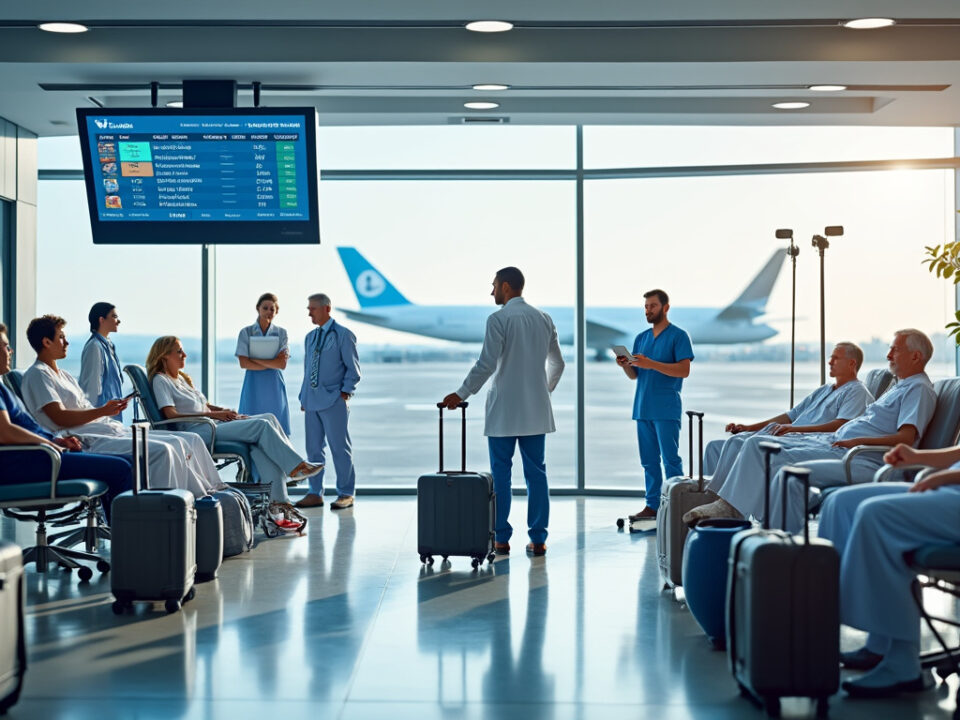
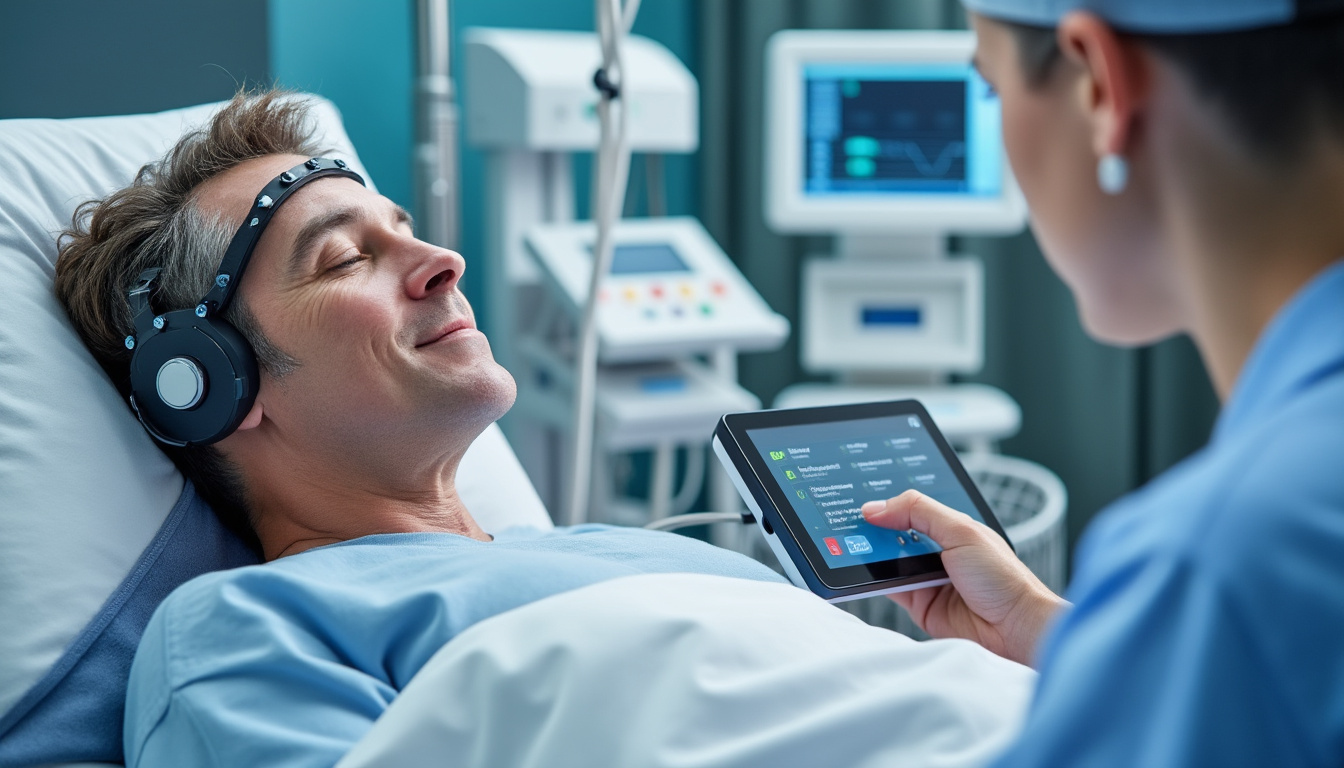
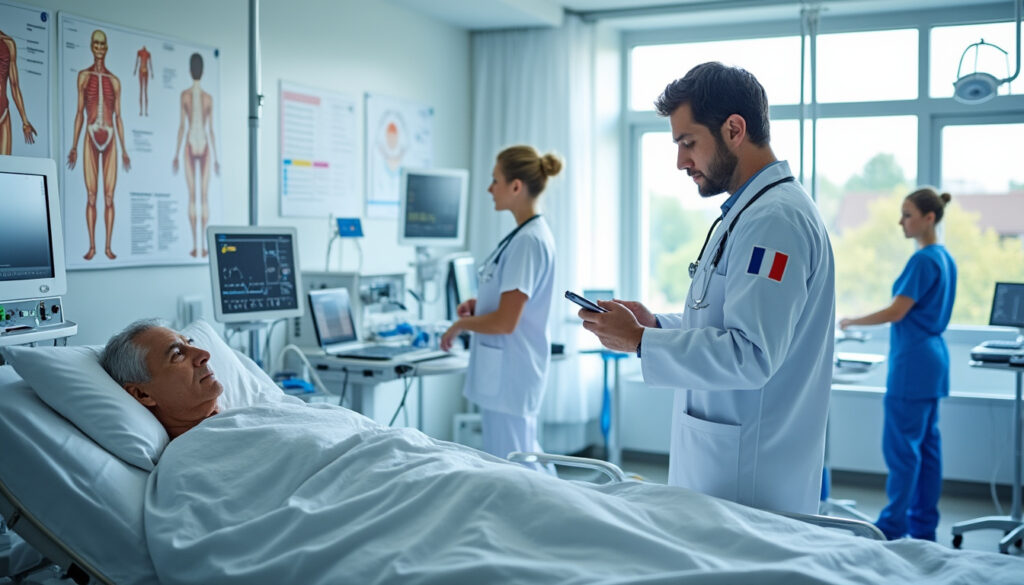
In an evolving global healthcare landscape, France emerges as a beacon of advanced surgical expertise, particularly attracting international patients seeking expedited and innovative medical interventions. Patients from regions experiencing long wait times, such as Quebec, increasingly view France as an…
Innovative Neurotherapeutic Approaches and Research in rTMS Integration Post-Surgery
Institutions like Neurothérapie Montréal actively engage in forward-looking research to optimize rTMS protocols and extend its indications. The incorporation of complementary techniques such as BrainPort and PoNS devices broadens therapeutic possibilities by targeting different neural substrates simultaneously.
Clinical research ongoing in reputable centers aims to quantify long-term outcomes, establish standardized treatment algorithms, and identify patient subgroups most likely to benefit from rTMS-enhanced rehabilitation. Advances in personalized medicine, facilitated by neuroimaging and neurophysiological monitoring, guide precise adaptation of stimulation parameters in real-time.
This innovative research landscape signals a shift toward integrated neural recovery models, where rTMS serves as a cornerstone technology empowering patients beyond traditional limits of surgical recovery.
For practitioners and patients keen on exploring this frontier, comprehensive guides and expert insights are available offering detailed protocols and preparation strategies. Resources from leading sources provide accessible information to ensure informed decision-making throughout the perioperative journey.

Unveiling the Hidden Benefits of Quality and Certification in Devices
The landscape of device manufacturing and clinical application in 2026 has been fundamentally shaped by the rigorous interplay between quality management and certification processes. Within this complex framework, the hidden benefits of adhering to international standards and obtaining relevant certifications…
Strategic Clinical and Logistical Preparation for Effective rTMS Integration in Postoperative Care
Maximizing rTMS efficacy necessitates thorough preparation, including patient education, screening for contraindications, and logistical coordination of treatment schedules. Establishing clear communication channels among the multidisciplinary team ensures consistency and responsiveness to patient needs.
Strategies such as pre-surgical neurocognitive baseline assessments, understanding patient expectations, and addressing psychosocial factors contribute significantly to therapeutic success. Moreover, coordinating timing between surgical recovery milestones and rTMS initiation optimizes neuroplastic windows, facilitating more rapid and comprehensive rehabilitation outcomes.
Practical considerations like travel logistics, session frequency, and integration with physical therapy schedules are managed strategically to reduce burden and enhance adherence, especially in international care settings involving medical tourism frameworks.
Why Experts Advocate for Comprehensive Preoperative Evaluations
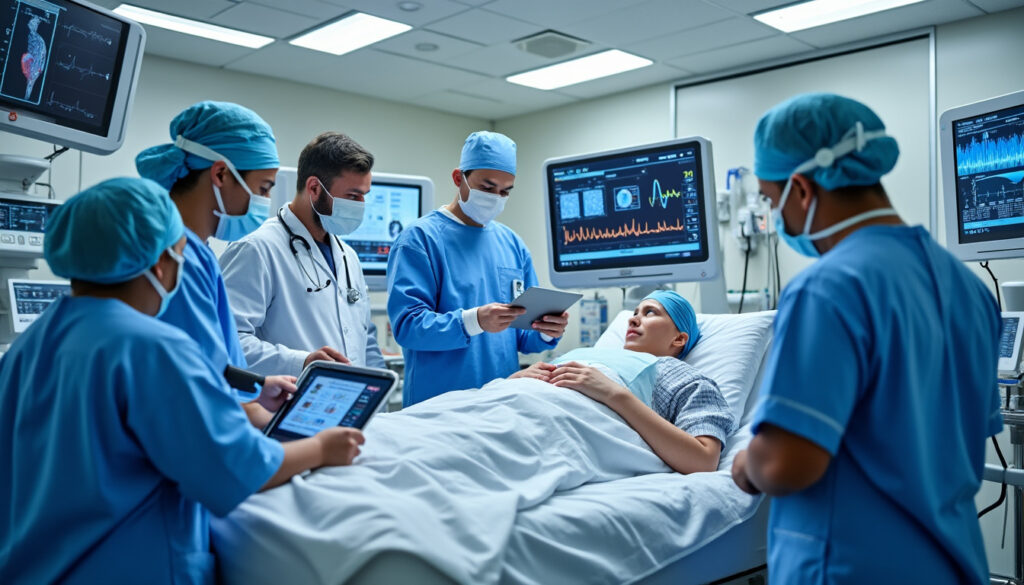
In the complex and demanding field of spinal surgery, the emphasis on comprehensive preoperative evaluations has become a fundamental pillar supporting successful surgical outcomes. These evaluations, far beyond mere routine checks, integrate detailed analyses of patient health, surgical risk assessments,…
Evidence-Based Outcomes and Patient Perspectives on rTMS Integration Post Spinal Surgery
Clinical outcome data consistently demonstrate tangible benefits of rTMS when incorporated into postoperative management. Patients report substantial improvements in pain relief, mood stabilization, and functional gains, corroborated by objective measures of motor recovery and neurocognitive testing.
Longitudinal studies emphasize reduced analgesic dependence and lower incidence of chronic disability. Qualitative data reflect enhanced quality of life and renewed autonomy, with many patients appreciating the dual physical and psychological support provided by rTMS-enhanced protocols.
Patient narratives often highlight the transformation from a purely mechanical view of recovery toward a holistic journey encompassing mental resilience and cognitive health. This evolution in care perception marks a critical advancement in spinal surgery rehabilitation.
{“@context”:”https://schema.org”,”@type”:”FAQPage”,”mainEntity”:[{“@type”:”Question”,”name”:”What types of post-surgical pain can rTMS alleviate?”,”acceptedAnswer”:{“@type”:”Answer”,”text”:”rTMS is particularly effective for chronic neuropathic pain, including post-laminectomy syndrome and persistent pain following fusion or motion preservation surgeries.”}},{“@type”:”Question”,”name”:”Is rTMS suitable for all patients after spinal surgery?”,”acceptedAnswer”:{“@type”:”Answer”,”text”:”Each patient undergoes a personalized evaluation to determine eligibility for rTMS, considering possible contraindications and clinical nuances.”}},{“@type”:”Question”,”name”:”How many rTMS sessions are typically required to observe improvement?”,”acceptedAnswer”:{“@type”:”Answer”,”text”:”Standard treatment protocols generally include 15 to 20 sessions over several weeks, with maintenance therapy to prolong benefits as needed.”}},{“@type”:”Question”,”name”:”How does rTMS complement conventional physical rehabilitation?”,”acceptedAnswer”:{“@type”:”Answer”,”text”:”rTMS enhances cortical plasticity, facilitating motor recovery and pain reduction, which accelerates progress during physical therapy.”}},{“@type”:”Question”,”name”:”Where can I access coordinated post-surgical care incorporating rTMS?”,”acceptedAnswer”:{“@type”:”Answer”,”text”:”Facilities like Neurothu00e9rapie Montru00e9al provide comprehensive post-surgery support including rTMS, often coordinated with international medical tourism agencies ensuring seamless care.”}}]}What types of post-surgical pain can rTMS alleviate?
rTMS is particularly effective for chronic neuropathic pain, including post-laminectomy syndrome and persistent pain following fusion or motion preservation surgeries.
Is rTMS suitable for all patients after spinal surgery?
Each patient undergoes a personalized evaluation to determine eligibility for rTMS, considering possible contraindications and clinical nuances.
How many rTMS sessions are typically required to observe improvement?
Standard treatment protocols generally include 15 to 20 sessions over several weeks, with maintenance therapy to prolong benefits as needed.
How does rTMS complement conventional physical rehabilitation?
rTMS enhances cortical plasticity, facilitating motor recovery and pain reduction, which accelerates progress during physical therapy.
Where can I access coordinated post-surgical care incorporating rTMS?
Facilities like Neurothérapie Montréal provide comprehensive post-surgery support including rTMS, often coordinated with international medical tourism agencies ensuring seamless care.
Unlocking Hidden Benefits of rTMS Integration Post-Surgery
Hover or click on each benefit to reveal detailed explanation and data-driven insights.
Select a benefit above to learn more.
${benefit.title}
Click or press enter for details
`;li.addEventListener(‘click’, () => showDetail(benefit, li)); li.addEventListener(‘keydown’, e => { if(e.key === “Enter” || e.key === ” “) { e.preventDefault(); showDetail(benefit, li); } });return li; }// Clear pressed state from all items to manage aria-pressed toggling function clearPressedState() { const buttons = infographic.querySelectorAll(‘[role=”button”]’); buttons.forEach(btn => btn.setAttribute(‘aria-pressed’, ‘false’)); }// Show detail of selected benefit in detail panel function showDetail(benefit, targetElem) { clearPressedState(); targetElem.setAttribute(‘aria-pressed’, ‘true’);detailPanel.innerHTML = `${benefit.title}
${benefit.description}
${benefit.exampleStat}
`; detailPanel.focus(); }// Initialize list items in DOM benefitsData.forEach(benefit => { listContainer.appendChild(createListItem(benefit)); });})();/* No external API is used in this infographic as data is static and illustrative. If dynamic external data is needed in the future, suitable free APIs such as: – https://covid19api.com/ (Free COVID-19 data) – https://api.publicapis.org/entries (Public API directory) Could be integrated with proper comments and usage examples. */
The Future of Surgery Lies in Stepwise Functional Recovery
The evolution of surgical care in 2026 reveals a compelling shift toward approaches that prioritize the holistic recovery of patients, moving beyond traditional metrics like length of hospital stay or mortality rates. This modern paradigm highlights the principle that the…