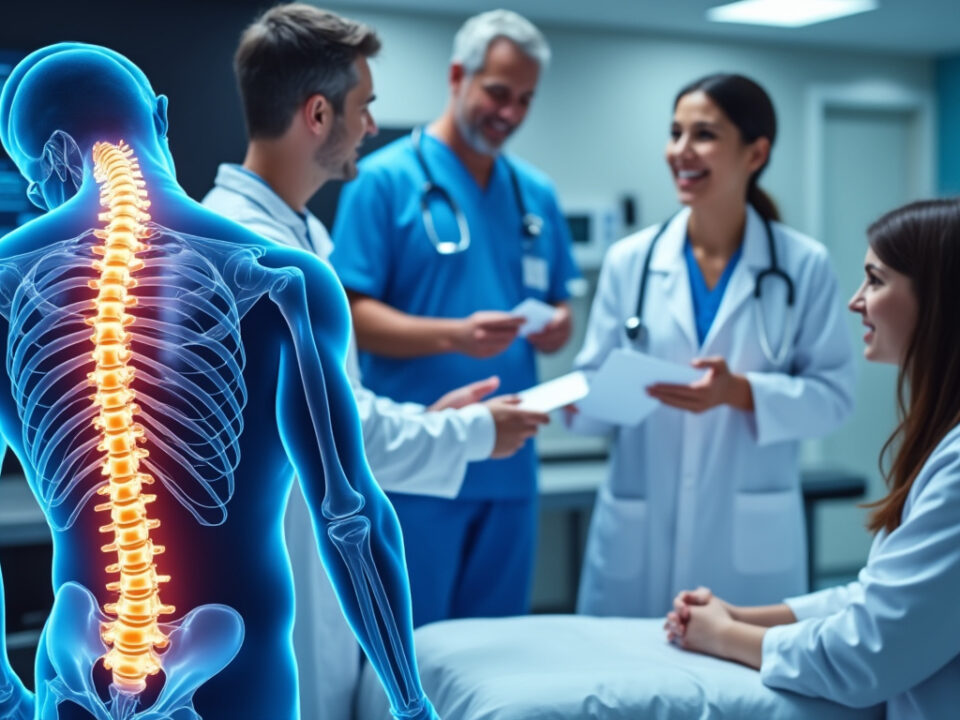
Cutting-Edge Implants: TOPS™, Intraspine®, ESP – User Testimonials and Experience Insights
June 28, 2026
In recent years, spinal disorders have emerged as a growing concern both in Quebec and France, highlighting significant challenges in access to specialized care, treatment costs, and patient outcomes. These difficulties have prompted a closer examination of spinal care strategies across these two regions, revealing a promising transatlantic collaboration that brings innovative surgical techniques and personalized care pathways to the forefront.
Quebec’s healthcare system, characterized by an emphasis on chronic patient management, often faces prolonged waiting periods for specialist consultations and limited coverage for physiotherapy services. Meanwhile, France’s system, noting a focus on early physical activity and spontaneous remission for acute cases, boasts advanced surgical advancements and a structured approach built on highly specialized medical training.
Personal narratives from patients navigating these different healthcare landscapes offer invaluable insights into the journey of spinal care from initial evaluation to rehabilitation. Combined with expert assessments and cooperation initiatives led by recognized specialists such as Dr Sylvain Desforges, these stories emphasize the benefits of an integrated and tailored medical pathway, enhancing quality of life and functional recovery for individuals suffering from spinal disorders.

Innovative Surgical Techniques in France Elevating Spinal Care Outcomes
France distinguishes itself through a diverse array of advanced surgical interventions designed to address complex spinal conditions more effectively than many local options available in Quebec. The repertoire ranges from minimally invasive techniques to highly specialized fusions, as well as novel approaches prioritizing motion preservation to maintain spinal flexibility post-surgery.
Minimally invasive surgeries, including endoscopic and robot-assisted procedures, serve as a frontline solution for conditions like herniated discs and radicular stenosis. These approaches reduce tissue trauma, inflammation, and postoperative pain, facilitating quicker recovery and reducing hospitalization time. A significant example includes ambulatory procedures that allow patients to resume daily activities sooner — a particularly appreciated contrast in Quebec, where specialist appointment wait times remain lengthy.
For cases involving severe spinal instability, such as spondylolisthesis or vertebral fractures, spinal fusion surgery (arthrodesis) remains the gold standard in France. Collaborative development with biomedical companies results in implants that provide robust mechanical stability, accommodating patient needs while minimizing long-term complications and improving pain control. These devices are a crucial factor in restoring durability and functional confidence to patients.
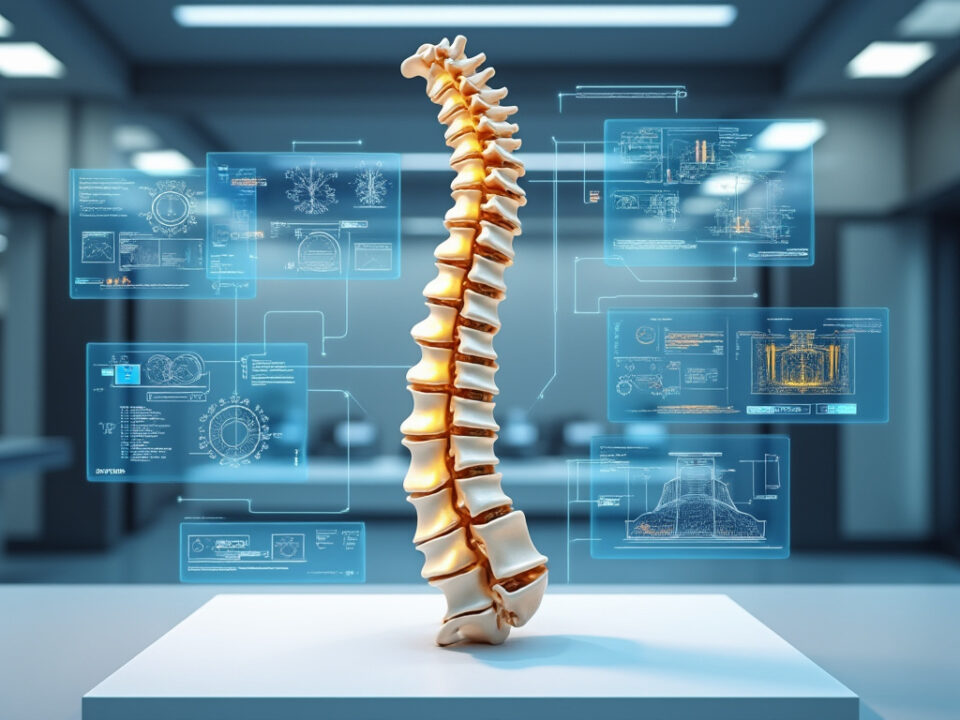
Furthermore, France leads in “motion preservation” surgeries involving dynamic implants like TOPS and Intraspine. These futuristic prostheses stabilize affected spinal segments without compromising the vertebral column’s movement, thus reducing mechanical stress on adjacent levels and delaying degenerative changes. Patients commonly report enhanced functional outcomes and improved postoperative comfort, making this approach a sought-after option in the pursuit of quality of life.
| Surgical Technique | Main Indications | Advantages | Patient Benefits |
|---|---|---|---|
| Minimally Invasive Surgery (Endoscopy, Robot-assisted) | Herniated discs, radicular stenosis | Reduced trauma, faster recovery | Significant pain reduction, quick return to everyday life |
| Spinal Fusion Surgery (Arthrodesis) | Severe instability, fractures | High biomechanical stability, advanced implants | Durable pain control, restoration of spinal robustness |
| Motion Preservation Techniques (Dynamic Implants) | Disc disorders without major instability | Maintains mobility, reduces adjacent stress | Enhanced life quality, improved functional capacity |
Programs such as Franchir play a crucial role in connecting patients with experienced surgeons and well-equipped centers across France, organizing comprehensive transatlantic treatment stays. This seamless navigation ensures optimal resource use and patient comfort during surgical episodes and recovery, contributing to a holistic approach to spinal care that underscores innovation and personalized attention.
The rapid integration of robotics and 3D imaging platforms further exemplifies the technological advancements bolstering France’s leadership in spinal surgery. Such tools not only enhance surgical precision but also minimize complications — a crucial consideration given the complex nature of spine interventions.
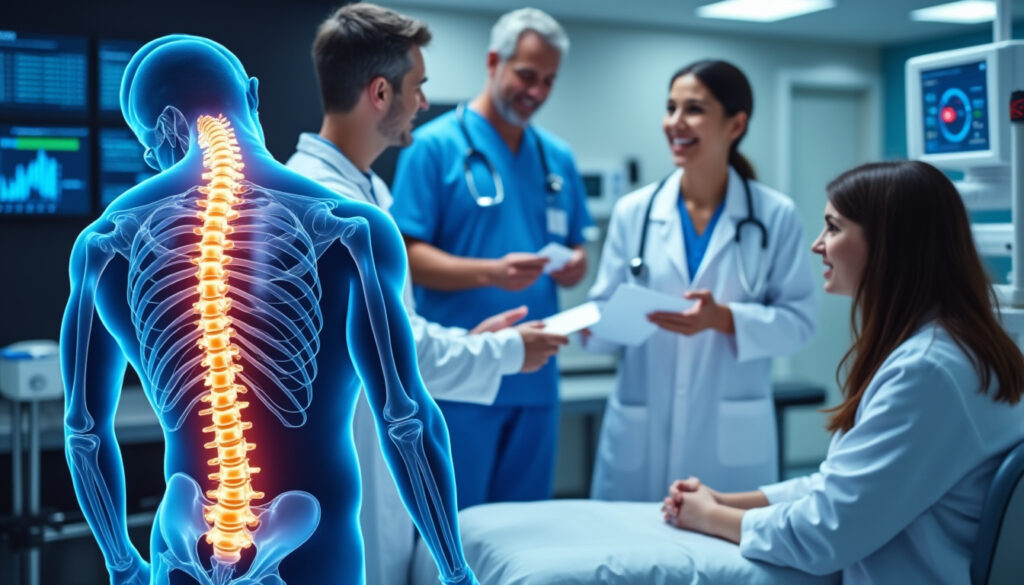
Cutting-Edge Implants: TOPS™, Intraspine®, ESP – User Testimonials and Experience Insights
The field of spinal surgery has witnessed a remarkable transformation with the introduction of cutting-edge implants like TOPS, Intraspine, and ESP. These innovations represent a major leap beyond traditional spinal fusion, offering dynamic stabilization options that preserve the natural biomechanics…
Conservative Treatment Protocols and Specialized Rehabilitation Support in Quebec
Before surgical options are contemplated, Quebec’s healthcare protocol stresses an extended phase of conservative treatment emphasizing patient recovery through non-invasive methods. This stage typically lasts between three to six months, aiming to mitigate symptoms and improve functional outcomes without resorting to surgery.
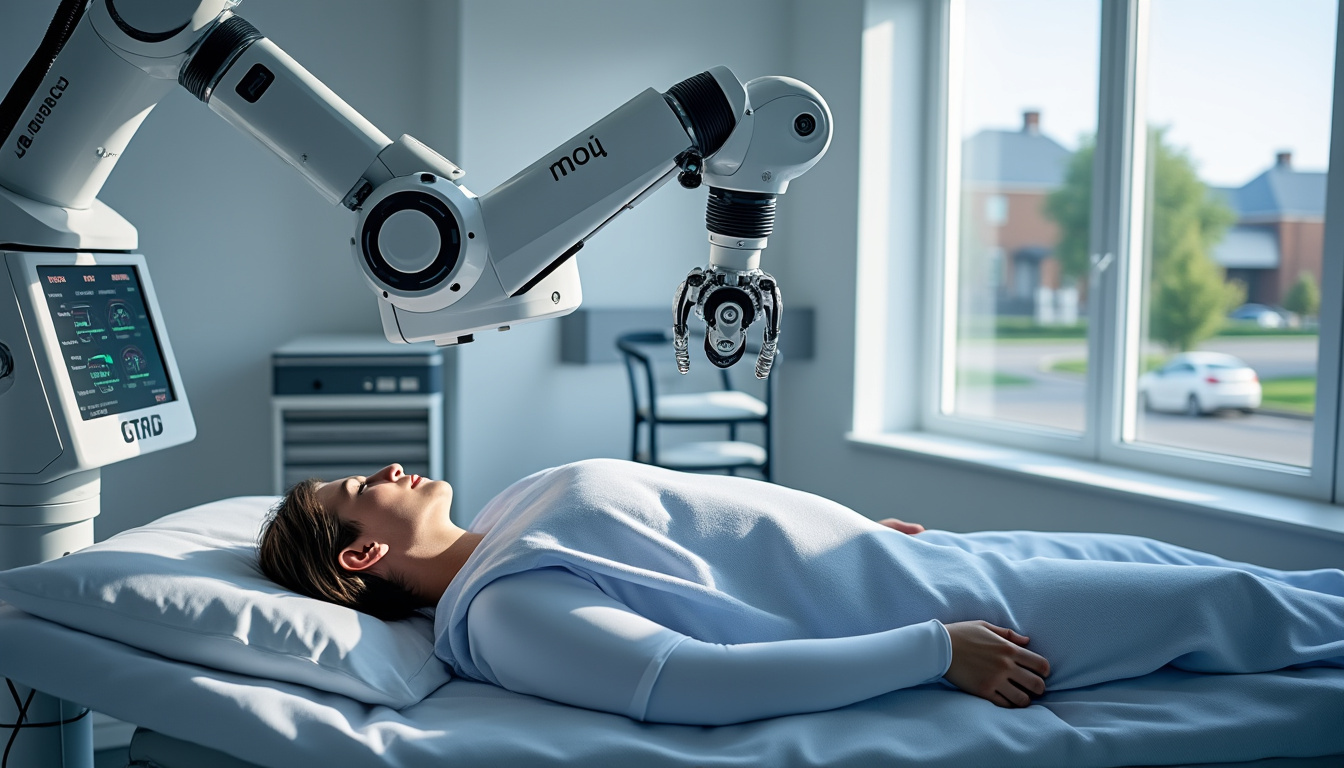
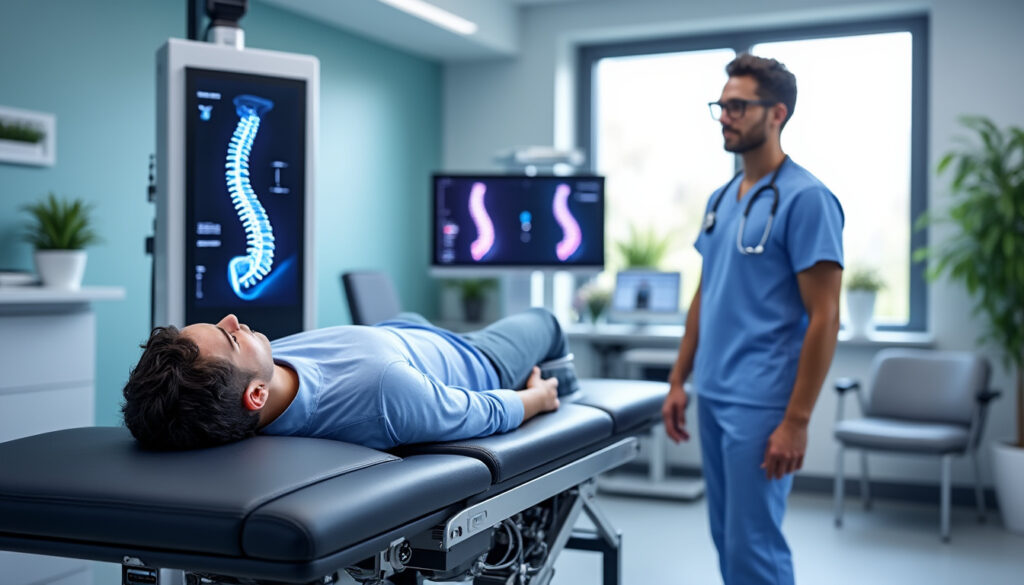
Central to this approach is neurovertebral decompression using computerized robotic traction technology available at clinics such as TAGMED in Montreal and Terrebonne. This method targets nerve compression precisely, promoting natural healing and gradual pain relief while circumventing the risks associated with invasive procedures.
The conservative care pathway also integrates chiropractic treatment, physiotherapy, and multidisciplinary rehabilitation tailored to individual patient profiles. The availability of such comprehensive services within the public system supports ongoing management of spinal pain and functional recovery, albeit complicated by varying wait times and coverage limitations.
Personal testimonials reveal that patients undergoing this phase often experience meaningful improvements, allowing some to avoid surgery altogether. However, persistent cases eventually proceed to surgical evaluation, facilitated by coordinated services aiming to ensure the best possible outcomes.
This emphasis on rigorous conservative care before surgical intervention aligns with ethical guidelines and is overseen by recognized experts, ensuring evidence-based, patient-centered management throughout the treatment journey.
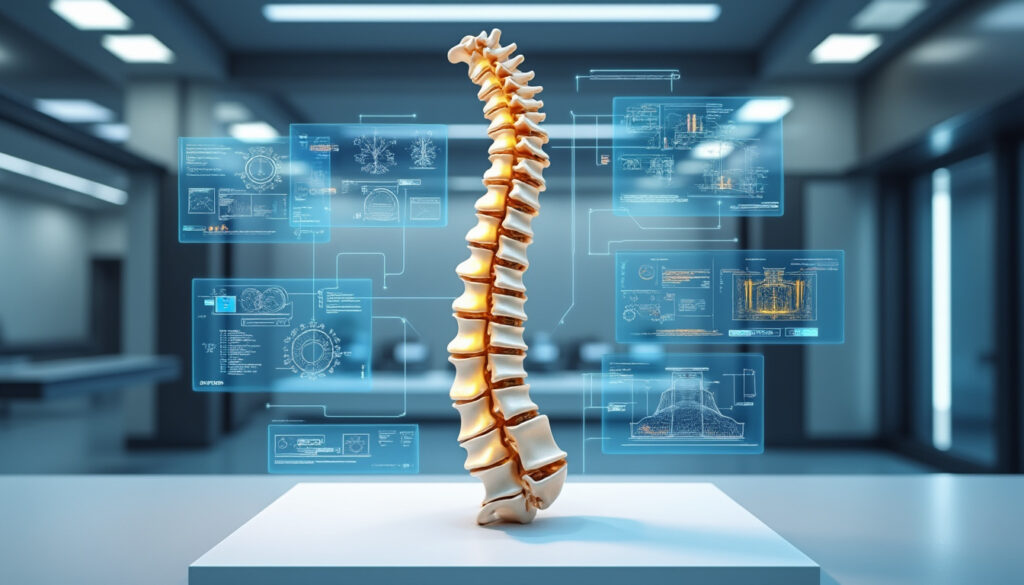
Common Pitfalls to Avoid with Cousin Spine and Franchir Technology
The advanced integration of Cousin Spine and Franchir Technology marks a pivotal development in spinal surgery, offering patients worldwide access to innovative, motion-preserving implants and streamlined surgical pathways. However, despite these advancements, the complexity of these systems brings a set…
The Structured Patient Journey Between France and Quebec: Evaluation, Surgery, and Follow-up
One of the defining features of the France-Quebec cooperation in spinal care is its highly organized patient pathway comprised of rigorous evaluation, treatment, and aftercare phases, ensuring safety and effectiveness.
The initial assessment conducted by professionals like Dr. Sylvain Desforges at the Clinique TAGMED is critical in accurately diagnosing spinal pathologies and determining the most suitable treatment plan. This detailed appraisal includes reviewing medical histories, performing specialized imaging, and formulating customized strategies that integrate both conservative therapy and surgical considerations.
When surgery becomes necessary, the process is coordinated by facilitators such as the Franchir organization, responsible for securing appointments with expert surgeons and managing logistics including travel and accommodation for French medical care. This coordinated approach minimizes administrative burdens and allows patients to focus solely on their health journey.
Once the procedure is completed in technologically advanced French centers equipped with the latest innovations, patients return to Quebec for long-term rehabilitation and pain management support, often through specialized clinics like Neurothérapie Montréal. This continuum helps maintain surgical benefits, further enhancing recovery rates and patient satisfaction.
This collaborative model, focusing on structured, multi-stage care, ultimately maximizes clinical and personal benefits while balancing economic and logistical considerations inherent in transatlantic medical journeys.

How to Effectively Prepare for a Comprehensive Preoperative Evaluation
Preparing for a surgical intervention requires meticulous attention to the preoperative evaluation process, a vital step that significantly influences surgical outcomes and patient safety. For patients planning spinal surgery, particularly those who journey from places like Quebec to France, this…
Comparative Cultural and Organizational Influences on Spinal Care Practices in France and Quebec
The differences in healthcare delivery and patient management between France and Quebec extend beyond technical methods, rooted instead in distinct cultural and organizational frameworks. France’s system is notably centralized and based on stringent biomedical protocols with advanced university-level training, such as the Diplôme Inter-Universitaire de Chirurgie du Rachis (DIU), which ensures homogenized and cutting-edge spinal surgery expertise.
Quebec, conversely, favors a multidisciplinary and flexible model that includes chiropractic treatment, kinesitherapy, and primary care integration, focusing heavily on empathetic patient-provider relationships. This decentralized setup allows healthcare providers to adapt treatments according to individual patient contexts and preferences, reflecting Quebec’s sociocultural values.
The following table illustrates key differences in therapeutic approaches and professional training characteristics:
| Aspect | France | Quebec |
|---|---|---|
| Therapeutic Approach | Standardized biomedical model | Multidisciplinary, individualized care |
| Professional Training | Specialized university diplomas (DIU, SFCR) | Mixed professional backgrounds: kinésithérapie, chiropractic, primary care |
| Patient-Provider Relationship | Rigorous adherence to clinical guidelines | Emphasis on listening, empathy, and dialogue |
| Healthcare Organization | Centralized, high standardization | Decentralized, adaptable framework |
Recognizing these distinctions allows patients and clinicians to set appropriate expectations and encourages the application of best practices from each system when addressing spinal health concerns. This nuanced view of healthcare comparison creates a richer understanding of patient experiences and insights across the Atlantic, enhancing effective spinal care delivery.
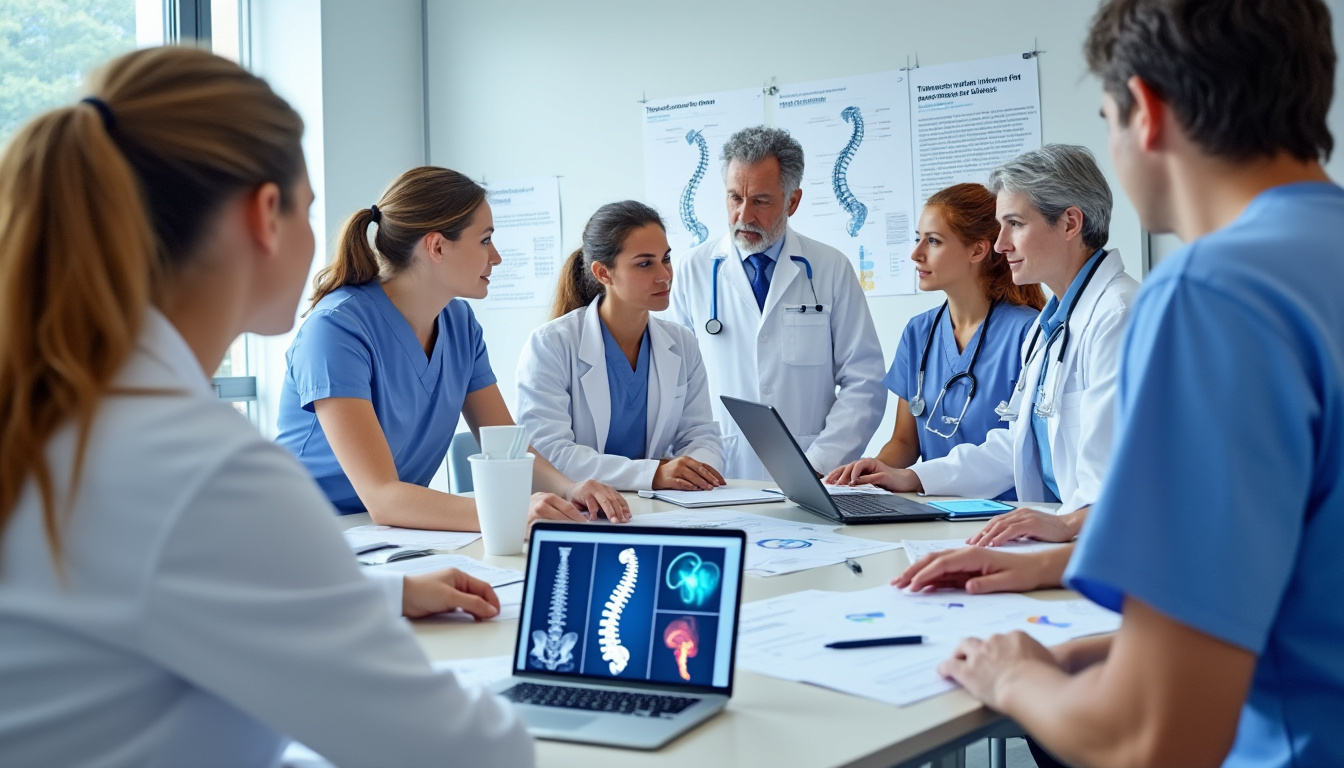

The Preventive Role of Tackling Post-Laminectomy Syndrome for a Successful Recovery Journey
Spinal surgeries such as laminectomies are pivotal in addressing severe chronic pains associated with spinal conditions. Yet, even with technical advancements, a challenge remains: the occurrence of post-laminectomy syndrome. This condition, marked by persistent or recurring pain following spinal decompression,…
Financial Aspects and Resource Optimization in Transatlantic Spinal Care Pathways
While the prospect of traveling abroad for spinal surgery might initially suggest additional financial burdens, the integrated France-Quebec treatment pathway often presents a compelling economic case. Factoring in Quebec’s long waiting times for specialists and limited local physiotherapy coverage, many patients find the transatlantic option to be a more effective and timely solution.
Costs related to surgery, travel, accommodation, and postoperative care are balanced against the benefits of faster recovery, reduced work absences, and fewer complications. Patients frequently report that the reduction in indirect expenses—such as lost income and prolonged disability—outweighs the upfront investments, making the approach both cost-efficient and patient-friendly.
This economic efficiency is further supported by certified organizations overseeing the entire care continuum, streamlining appointments, and minimizing administrative overload, which traditionally can prolong treatment delays.
List of Transatlantic Spinal Care Advantages
- Access to cutting-edge surgical innovations unavailable locally
- Shorter waiting periods compared to public healthcare delays in Quebec
- Comprehensive logistical support reducing patient stress
- Intensively supervised conservative care before considering surgery
- Personalized rehabilitation and follow-up ensuring sustained recovery
Spinal Care in France vs. Quebec: Comparison
Type to filter the comparison aspects in the table below.
| Aspect ▲ | France | Quebec |
|---|
Comprehensive Guide to Simple Surgery, Fusion Techniques, and Motion Preservation
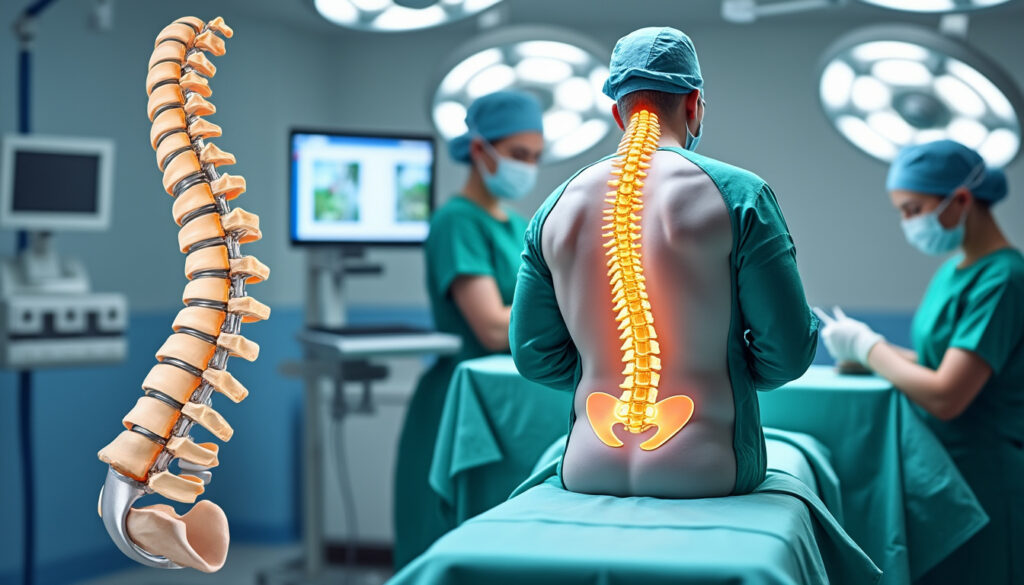
Back pain and spinal disorders remain a substantial challenge worldwide, particularly for patients seeking effective and lasting relief. Advances in spinal surgery have opened new frontiers, blending traditional methods with innovative techniques such as motion preservation to offer personalized treatment.…
Patient Experiences Shaping Insights into Spine Care in France and Quebec
Personal stories are invaluable in understanding the nuanced differences between spinal care in France and Quebec. Patients consistently cite contrasts in waiting times, the quality of surgical innovations, and the level of individualized support as pivotal to their treatment success.
For instance, one Quebec patient described the frustration of extended waits for specialist consultations and physiotherapy coverage challenges. In contrast, after engaging with the French surgical system via the Franchir program, they reported a transformative experience marked by efficiency, access to advanced implants, and attentive rehabilitation support that enhanced their mobility and pain relief.
Such testimonies echo across various medical forums and demonstrate how the Franco-Quebec collaboration goes beyond simple care delivery to embody a holistic patient-centered philosophy. Educational resources and patient advocacy initiatives further empower individuals to make informed choices about their spinal health journey, translating into better clinical outcomes.

Can Medical Guidance from Quebec Help You Avoid Surgery?
Quebec’s healthcare system is navigating a complex landscape marked by increasing surgical wait times and a pressing need for optimized patient care pathways. Amidst the challenge of surgical backlogs, particularly in spinal surgery, Quebec has been pioneering medical guidance strategies…
Emerging Technologies and Future Directions in Spinal Care Across Borders
The advancement of spinal care continues to be shaped by rapid technological progress on both sides of the Atlantic. France’s adoption of robotic surgery and 3D imaging platforms is complemented by emerging Quebec innovations in conservative treatment technologies like neurovertebral decompression robotics, fostering a synergistic landscape of progress.
Continued investment in research collaborations and educational programs, such as the Diplôme Inter-Universitaire de Chirurgie du Rachis (DIU), ensures the development of highly trained specialists dedicated to the latest clinical standards. International conferences and workshops, including those hosted by organizations like EUROSPINE, facilitate knowledge exchange essential for refining surgical techniques and rehabilitation protocols globally.
This dynamic, coupled with increasing patient advocacy and awareness, sets a promising path toward optimized spinal care outcomes through combined expertise, shared resources, and personalized medical strategies.
Comprehensive Insights into the Role of Spinal Decompression Therapy
Chronic back pain represents a significant health concern worldwide, often stemming from conditions such as herniated discs, nerve compression, and spine misalignment. With advancing medical technologies and treatment methodologies, spinal decompression therapy has risen as a beacon of hope for…
Understanding the Role of Chiropractic Treatment and Rehabilitation in Spinal Care
Chiropractic treatment constitutes a vital component of the multidisciplinary approach prevalent in Quebec, contributing significantly to the management of spinal pain. This modality complements medical and physiotherapy interventions with manual techniques aimed at restoring joint mobility and reducing neuromuscular stress.
In France, while chiropractic care is less emphasized institutionally, rehabilitation remains a cornerstone of post-surgical and conservative treatment. Structured physical therapy programs focus on strength recovery, posture correction, and functionality enhancement, critical for long-term spinal health maintenance.
Patient experiences often highlight the synergy created by combining chiropractic care and physiotherapy, promoting not only pain alleviation but also prevention of future spinal complications. This underscores the importance of integrating rehabilitation and manual therapies within overall spinal care frameworks to optimize patient outcomes.
Comprehensive insights into spinal care provide further detail on how these complementary treatment modalities enhance recovery in varied healthcare settings.
{“@context”:”https://schema.org”,”@type”:”FAQPage”,”mainEntity”:[{“@type”:”Question”,”name”:”What are the main differences in spinal care protocols between France and Quebec?”,”acceptedAnswer”:{“@type”:”Answer”,”text”:”France emphasizes advanced surgical techniques and a centralized, biomedical approach, while Quebec focuses more on multidisciplinary conservative care and empathetic patient-provider relationships.”}},{“@type”:”Question”,”name”:”Why is a conservative treatment phase important before considering spinal surgery?”,”acceptedAnswer”:{“@type”:”Answer”,”text”:”A period of non-invasive treatment, lasting 3-6 months, helps mitigate symptoms and allow natural healing, reducing the risks and necessity for surgery.”}},{“@type”:”Question”,”name”:”How do dynamic implants in France improve post-surgical spinal care?”,”acceptedAnswer”:{“@type”:”Answer”,”text”:”Dynamic implants preserve vertebral mobility, minimize stress on adjacent segments, and improve long-term function and comfort compared to traditional fusion.”}},{“@type”:”Question”,”name”:”What logistical support is provided to patients traveling from Quebec to France for spinal surgery?”,”acceptedAnswer”:{“@type”:”Answer”,”text”:”Organizations like Franchir coordinate appointments, travel, accommodation, and post-op care, minimizing patient stress and ensuring a streamlined healthcare journey.”}},{“@type”:”Question”,”name”:”How do technological advancements impact spinal surgery outcomes?”,”acceptedAnswer”:{“@type”:”Answer”,”text”:”Innovations such as robotic assistance and 3D imaging increase surgical precision, reduce complications, and promote faster, safer patient recoveries.”}}]}What are the main differences in spinal care protocols between France and Quebec?
France emphasizes advanced surgical techniques and a centralized, biomedical approach, while Quebec focuses more on multidisciplinary conservative care and empathetic patient-provider relationships.
Why is a conservative treatment phase important before considering spinal surgery?
A period of non-invasive treatment, lasting 3-6 months, helps mitigate symptoms and allow natural healing, reducing the risks and necessity for surgery.
How do dynamic implants in France improve post-surgical spinal care?
Dynamic implants preserve vertebral mobility, minimize stress on adjacent segments, and improve long-term function and comfort compared to traditional fusion.
What logistical support is provided to patients traveling from Quebec to France for spinal surgery?
Organizations like Franchir coordinate appointments, travel, accommodation, and post-op care, minimizing patient stress and ensuring a streamlined healthcare journey.
How do technological advancements impact spinal surgery outcomes?
Innovations such as robotic assistance and 3D imaging increase surgical precision, reduce complications, and promote faster, safer patient recoveries.

Unlocking Hidden Benefits of rTMS Integration Post-Surgery
Recovery following spinal surgery presents numerous challenges, often demanding innovative therapeutic strategies to maximize outcomes for patients. Surgical techniques like spinal fusion, motion preservation procedures, and endoscopic interventions offer advanced solutions, but the postoperative period remains critical for ensuring long-term…