Can Medical Guidance from Quebec Help You Avoid Surgery?
June 27, 2026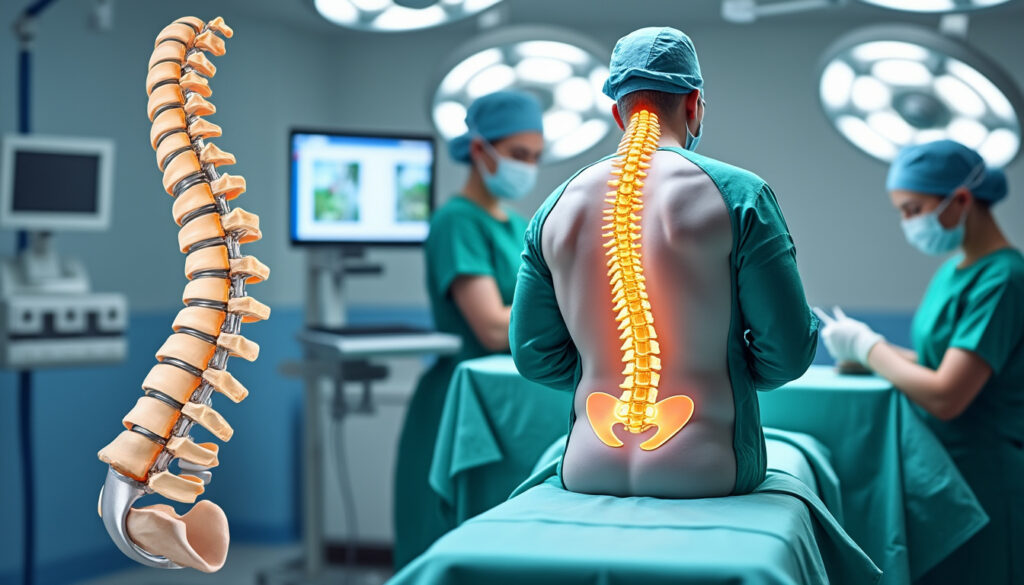
Back pain and spinal disorders remain a substantial challenge worldwide, particularly for patients seeking effective and lasting relief. Advances in spinal surgery have opened new frontiers, blending traditional methods with innovative techniques such as motion preservation to offer personalized treatment. Today, the collaboration between French and Canadian healthcare systems exemplifies how cross-border partnerships expedite access to state-of-the-art spinal care involving simple surgery, fusion techniques, and motion-preserving procedures. These approaches not only address severe pathologies but also emphasize functional recovery, aiming to minimize limitations and enhance patient quality of life. Understanding these surgical options, their biomechanical impacts, and patient-related outcomes is critical as spinal surgery evolves into a more patient-centered, technologically advanced discipline.
Spinal surgery’s landscape has been notably reshaped by minimally invasive techniques and sophisticated implants capable of preserving spinal mobility. The spectrum of procedures ranges from targeted simple surgeries that alleviate nerve compression, to fusion methods that stabilize compromised vertebral segments, and motion-preservation strategies that maintain physiological movement and reduce adjacent segment degeneration risks. In 2026, integrating these techniques within a well-defined patient pathway ensures not only surgical success but also holistic care encompassing evaluation, operation, recovery, and rehabilitation phases. This comprehensive framework results in improved therapeutic precision, reduced recovery times, and better management of complications, reflecting a progressive vision of spinal health management.
Fundamentals and Clinical Applications of Simple Surgery in Spine Care
Simple surgery in spinal treatment refers primarily to minimally invasive decompressive procedures. It targets specific pathologies such as isolated disc herniation or moderate spinal stenosis without altering spinal stability. By focusing on the relief of nerve root compression, these interventions decrease pain and restore function quickly with minimal tissue disruption. Surgical examples include microdiscectomy, where herniated disc fragments impinging on nerves are removed through small incisions, sparing surrounding muscles and ligaments. This technique is often preferred for radicular pain unresponsive to conservative management within three to six months.
The advantages of simple surgery are multifold. The limited invasiveness translates into shorter hospital stays, faster convalescence, and fewer complications. For patients, this means an earlier return to daily activities and improved quality of life. Additionally, simple surgeries often do not necessitate spinal fusion, preserving natural biomechanics and mobility. For instance, individuals suffering from lumbar disk herniation benefit massively from microdiscectomy by experiencing immediate nerve decompression that relieves sciatica symptoms, without long-term immobilization.
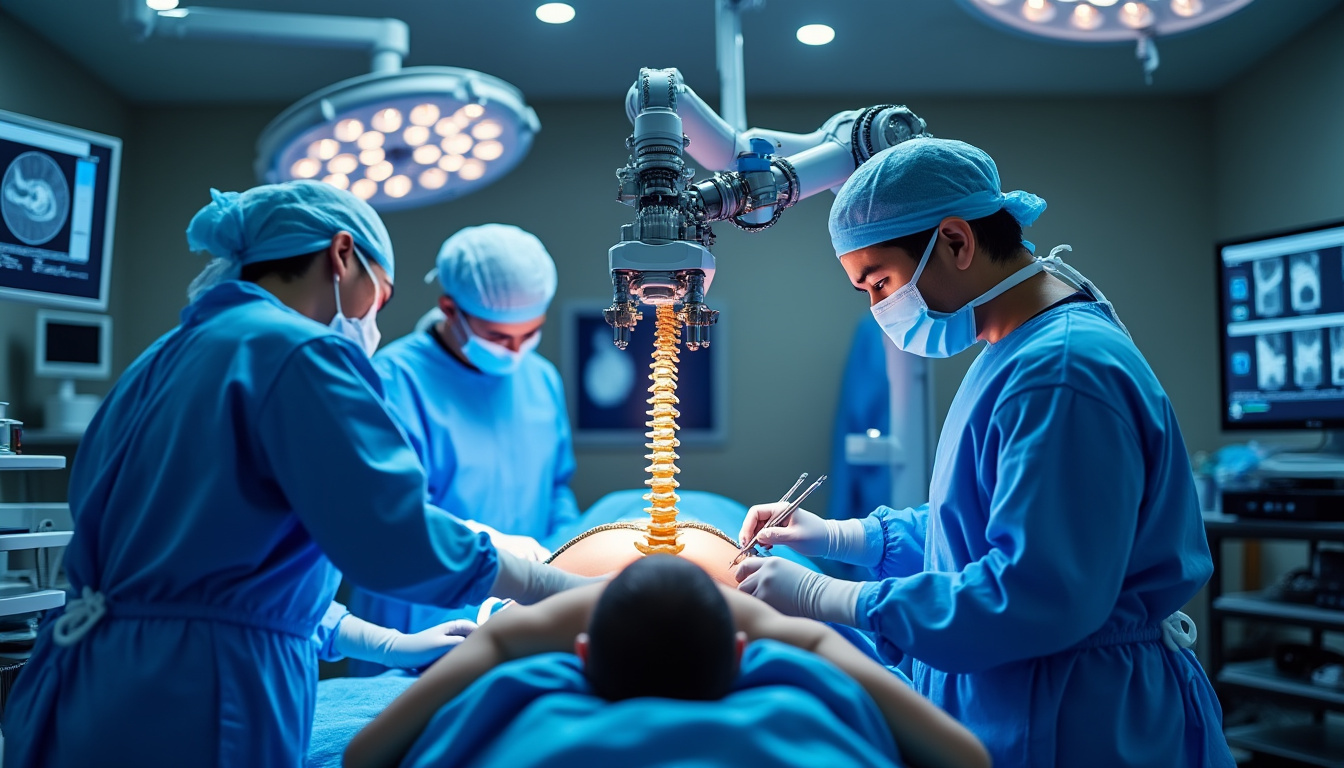
In clinical practice, the careful selection of candidates for simple surgery is paramount. Indications are rigorously defined based on neurological assessment, imaging studies, and the failure of non-surgical options such as physiotherapy or neurovertébral decompression therapy. Techniques guided by robotics and endoscopy have further refined these procedures, augmenting safety margins and visual clarity during operations. These innovations not only optimize surgical precision but also ensure muscle preservation critical for maintaining spinal function.
Despite the perceived simplicity, these surgical interventions require expert knowledge of spinal anatomy, careful preoperative planning, and precise intraoperative execution. Leading institutions emphasize multidisciplinary approaches combining neurologic assessments, biomechanical considerations, and patient-specific goals, illustrating the delicate balance between efficacy and preservation in spinal surgery. Detailed insights into these surgical procedures can be explored through specialized resources such as Benzel’s Spine Surgery, which thoroughly covers the nuances of minimal access spinal surgery.

Can Medical Guidance from Quebec Help You Avoid Surgery?
Quebec’s healthcare system is navigating a complex landscape marked by increasing surgical wait times and a pressing need for optimized patient care pathways. Amidst the challenge of surgical backlogs, particularly in spinal surgery, Quebec has been pioneering medical guidance strategies…
Spinal Fusion Techniques: Restoring Stability by Sacrificing Mobility
Spinal fusion, also known as arthrodesis, remains a foundational technique in managing spinal instability caused by trauma, degenerative diseases, deformities, or tumor resections. This procedure induces bony fusion between two or more vertebrae to eliminate pathological motion at compromised segments. Typically, metallic implants such as screws and rods fixate the vertebrae while bone grafts promote osteogenesis, resulting in a rigid, stable spinal segment.
Although spinal fusion effectively reduces pain and neurological deficits, it inherently sacrifices segmental mobility, which can alter spinal biomechanics. This immobilization shifts mechanical loads to adjacent vertebral levels, often accelerating degenerative changes in those areas, a phenomenon known as adjacent segment disease. Therefore, comprehensive biomechanical assessment prior to fusion is indispensable to balance long-term outcomes and the need for spinal stability.
Clinical indications for fusion include spondylolisthesis, complex fractures, and severe disc degeneration with instability. Advances in surgical instrumentation and biologic adjuncts like bone morphogenetic proteins have enhanced fusion rates and reduced complications.
The pros and cons of spinal fusion techniques are summarized below to aid clinical decision-making:
| Aspect | Benefits | Limitations |
|---|---|---|
| Stability | Permanent stabilization of spinal segments | Loss of natural motion at fused levels |
| Pain Relief | Effective in severe mechanical pain | Potential for residual discomfort from adjacent segments |
| Surgical Complexity | Established procedures with standardized steps | Risks of infection, hardware failure, and nonunion |
| Rehabilitation | Structured recovery protocols with predictable outcomes | Longer rehabilitation due to fusion-related stiffness |
Despite inherent drawbacks, fusion remains indispensable for specific severe pathologies. The current trend integrates fusion with motion preservation wherever feasible, aiming to tailor surgical strategies leveraging biomechanics to optimize patient recovery. In-depth discussions on fusion techniques and contemporary approaches are available in comprehensive guides like Benzel’s Spine Surgery E-Book, which details instrumentation, pathophysiology, and surgical nuances.
Comprehensive Insights into the Role of Spinal Decompression Therapy
Chronic back pain represents a significant health concern worldwide, often stemming from conditions such as herniated discs, nerve compression, and spine misalignment. With advancing medical technologies and treatment methodologies, spinal decompression therapy has risen as a beacon of hope for…
Motion Preservation in Spinal Surgery: Innovative Approaches to Maintain Functionality
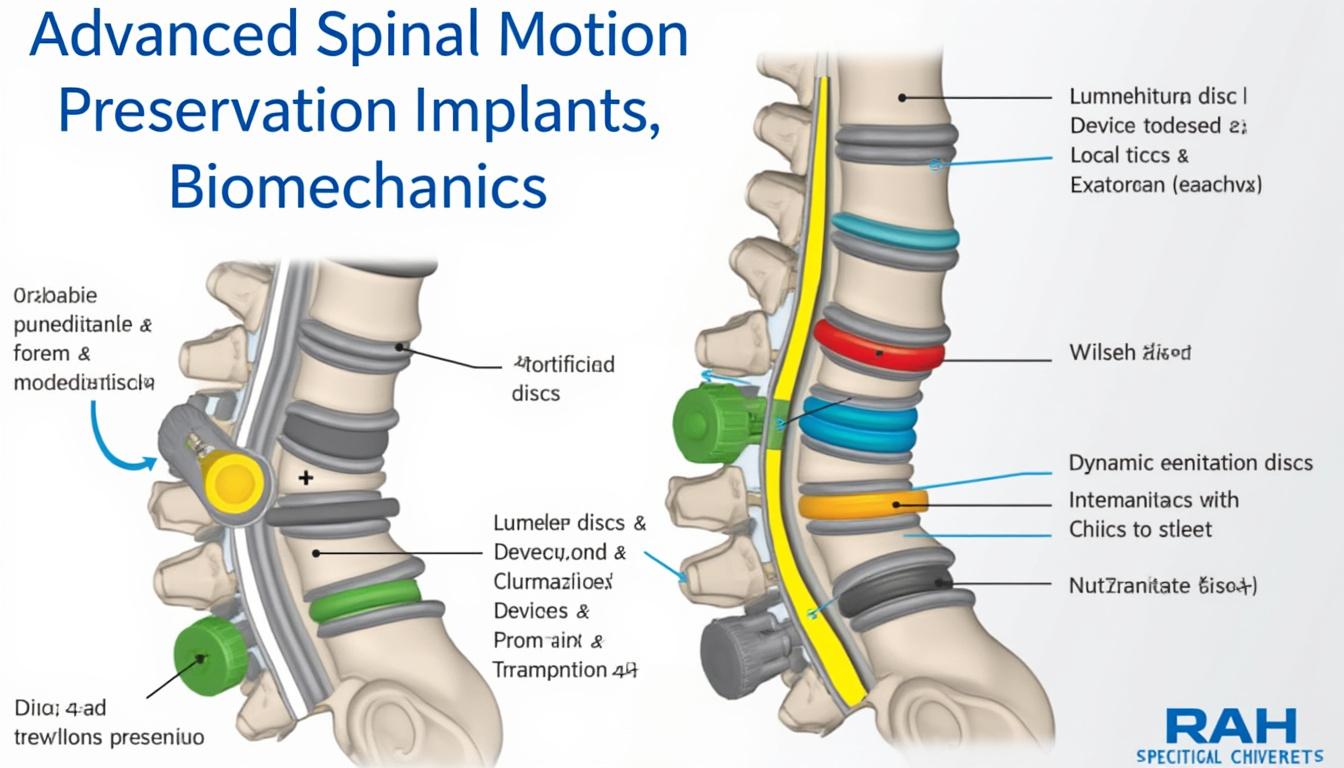
Emerging prominently in the realm of spinal care, motion preservation techniques endeavor to maintain or restore the physiological movement of spinal segments while addressing pathological conditions. Unlike fusion, these strategies deploy dynamic implants that allow controlled flexion, extension, and rotational movements, reducing mechanical stress on adjacent vertebrae and preserving spinal biomechanics.
Devices such as the TOPS (Total Posterior Arthroplasty System) and IntraSPINE are exemplary, functioning as biomechanical hinges or flexible stabilizers. These implants provide sufficient stability to relieve symptoms caused by stenosis or disc degeneration while permitting near-normal spinal kinematics. This reduces long-term complications like adjacent segment degeneration, which is common after fusion.
Motion preservation is particularly beneficial for younger, active individuals who prioritize maintaining spinal flexibility and minimizing lifestyle limitations. The precise selection of candidates involves evaluating disease severity, spinal stability, and patient expectations. Advanced imaging and biomechanical modeling are integral to tailoring implant design and positioning, ensuring alignment with individual spinal mechanics.
Clinical evidence demonstrates motion preservation surgery contributes to accelerated patient recovery and improved functional outcomes as compared to fusion. A key study analyzing one-year post-surgical follow-up revealed significant improvements in pain scores, mobility, and quality of life metrics, reinforcing the paradigm shift towards these techniques.
These developments have positioned motion preservation as a cornerstone in modern spinal surgery pathways. Further explorations into this technique’s biomechanical rationale and surgical innovations can be accessed via the National Spine Health Foundation’s motion preservation resources and scientific reviews highlighting the evolutionary trajectory of these procedures The Evolution of Motion-Preserving Spine Procedures.

Unlocking Hidden Benefits of rTMS Integration Post-Surgery
Recovery following spinal surgery presents numerous challenges, often demanding innovative therapeutic strategies to maximize outcomes for patients. Surgical techniques like spinal fusion, motion preservation procedures, and endoscopic interventions offer advanced solutions, but the postoperative period remains critical for ensuring long-term…
Key Elements of Patient Care Pathways Combining Simple Surgery, Fusion, and Motion Preservation
Successful spinal surgery today depends on a multidisciplinary, personalized care pathway that integrates patient evaluation, surgical decision-making, and post-operative management. This approach embodies evidence-based orthopedic techniques and robust biomechanical assessments, ensuring each patient’s unique pathology and functional needs guide the choice among simple surgery, fusion, or motion preservation.
The pathway can be delineated into distinct but interconnected stages:
- Comprehensive clinical and imaging evaluation: Accurate diagnosis and biomechanical analysis led by spinal surgery consultants and specialists to identify optimal surgical indications.
- Conservative management and prehabilitation: Utilizing therapies like neurovertébral decompression and targeted physiotherapy to maximize spinal health before surgical intervention.
- Shared decision-making: Informing patients regarding benefits and trade-offs among simple surgery, fusion techniques, and motion preservation, promoting informed consent.
- Surgical intervention: Application of minimally invasive or advanced surgical procedures using robotics, endoscopy, and dynamic implants according to patient-specific considerations.
- Post-operative care and rehabilitation: Customized protocols to expedite patient recovery, reduce complications, and restore optimal spinal function.
This structured care pathway elevates patient outcomes by reducing risks and enhancing recovery experiences. Coordination between centers in Quebec and France exemplifies how transatlantic collaboration offers access to innovative surgical techniques and continuous support, facilitating a seamless journey from diagnosis through recovery.
A detailed guide emphasizing clinical pathways and patient-centered care is available, reinforcing the roles of simple surgery, fusion, and motion preservation in maximizing therapeutic success within an integrated framework Simple Surgery, Fusion & Motion: Key Steps in Care Pathways.

Comprehensive Guide to Device Quality and Certification Standards
In the rapidly advancing world of medical technology, device quality and certification standards stand as critical pillars ensuring patient safety and advancing clinical success. With ongoing innovations especially in spinal surgery, rigorous adherence to international quality assurance protocols has become…
Precision and Technological Innovations Advancing Spinal Surgery Outcomes
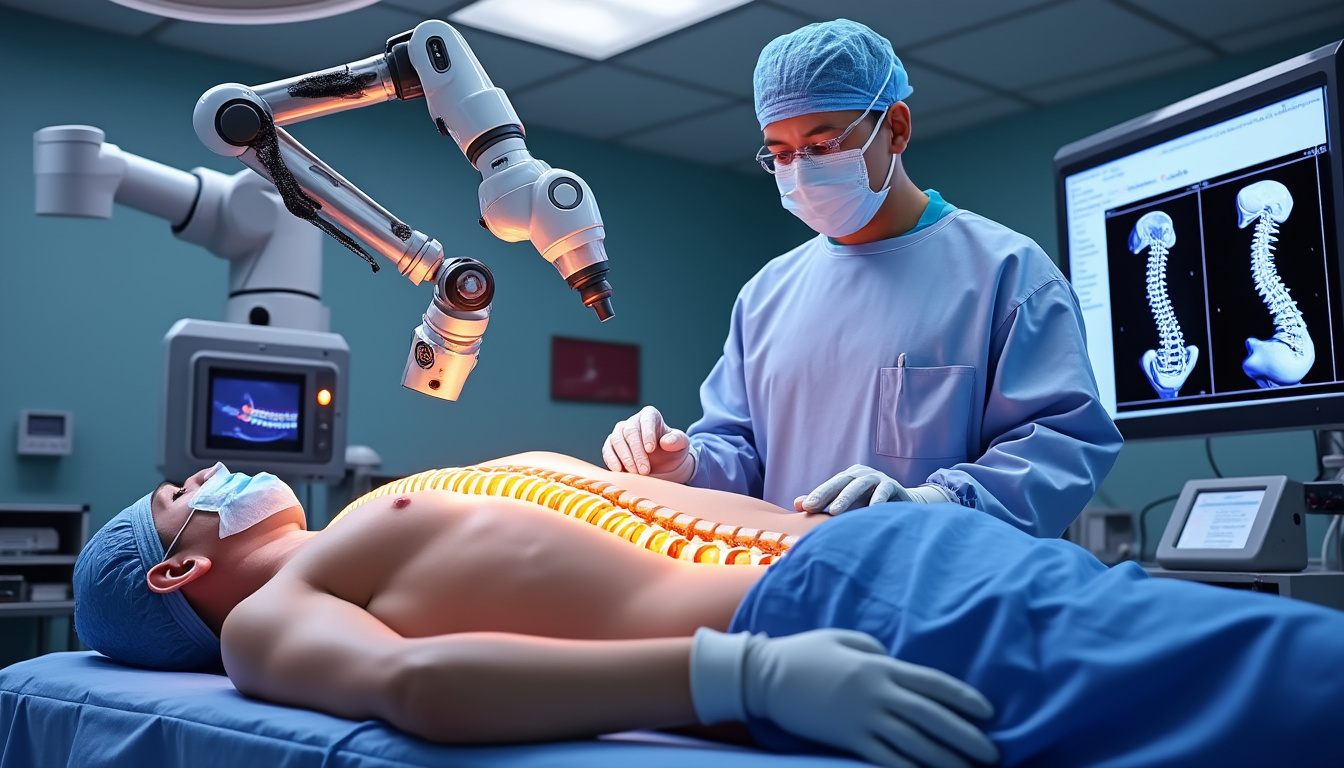
By 2026, the incorporation of robotics and 3D imaging technologies stands at the forefront of spinal surgery innovation, enhancing accuracy and reducing intraoperative risks. Navigation platforms enable real-time visualization and precise hardware placement in complex anatomical terrains.
Robotic assistance facilitates minimally invasive approaches, limiting soft tissue injury and blood loss. This technological leap supports complex fusion procedures and the implantation of advanced motion preservation devices with enhanced safety profiles. For example, regulatory approval of new robotic spine navigation systems has accelerated adoption in premier centers, revolutionizing how surgeons integrate biomechanical principles with surgical anatomy.
Furthermore, endoscopic spinal surgery offers reduced surgical trauma, even for complex decompressions, aligning with the principles of simple surgery. The refinement of these instruments contributes to faster patient recovery, diminished pain, and lower complication rates.
Such advancements are not confined to developed countries; cooperation between Quebec and France provides patients with access to these cutting-edge modalities, ensuring equitable care. Detailed technological perspectives can be found in authoritative resources like the Mayo Clinic’s insights on biomechanics and motion preservation techniques Mayo Clinic Neurosurgery Guides.
The Role of Franchir in Patient Management and Its Influence on Surgical Decision-Making
The evolving landscape of spinal surgery demands not only surgical expertise but also a well-coordinated and patient-centric management framework. At the forefront of this transformation is Franchir, a pivotal entity that bridges geographical and clinical gaps to enhance patient management…
Biomechanical Considerations and Their Implications on Surgical Choice and Recovery
The spine’s complex biomechanics dictate that surgical interventions must delicately balance pain relief with the preservation of mechanical function. Each surgical technique influences biomechanical dynamics differently:
- Simple surgery preserves segmental motion and muscular integrity but may not provide structural reinforcement in instability cases.
- Fusion techniques eliminate motion at surgical sites, providing stability but redistributing forces that can accelerate degeneration nearby.
- Motion preservation offers controlled motion retention, maintaining load distribution and reducing adjacent segment stress.
Understanding these biomechanical effects is critical in tailoring treatment. For example, a patient with degenerative spondylolisthesis may require fusion for stability, whereas a younger, active patient with spinal stenosis might benefit most from motion preservation. This biomechanical perspective guides not only surgical planning but also rehabilitation strategies focused on restoring muscular support and functional biomechanics.
Recent biomechanical innovations also include dynamic stabilization devices that act as ‘shock absorbers’, diminishing abnormal vertebral movements while avoiding fusion’s rigidity. Such devices exemplify how modern orthopedic techniques progress toward preserving natural spinal mechanics.
The Future of Surgery Lies in Comprehensive Preoperative Assessment
In the rapidly evolving landscape of surgical practices, the integration of comprehensive preoperative assessment signifies a paradigm shift towards maximizing patient safety, optimizing surgical outcomes, and embracing groundbreaking innovations in perioperative care. As medical technology advances at an unprecedented pace,…
International Collaboration Accelerating Access to Advanced Spinal Surgery
In response to challenges like long wait times and resource scarcity in some healthcare systems, international medical collaborations between France and Quebec have become exemplary models for improving access to advanced spine care. These partnerships facilitate patient referral, coordination of surgical logistics, and post-operative rehabilitation management.
The transatlantic healthcare collaboration leverages France’s cutting-edge spinal surgery centers and expertise, particularly in motion preservation and minimally invasive fusion techniques. Quebec patients gain expedited access to these specialized resources while continuing follow-up care locally via dedicated teams.
This harmonized model integrates administrative support with clinical excellence. For instance, organizations facilitate travel booking, hospital admission, and continuity of care, easing patient burden and enhancing safety. Moreover, unity in shared decision-making and multidisciplinary assessments ensures tailored surgical approaches respecting patient preferences and biomechanics.
Examples of patients benefiting from such collaborations illustrate successful recovery stories demonstrating improved mobility and reduced pain, underscoring the model’s efficacy in addressing complex spinal disorders.

Comprehensive Insights into Patient Recovery Stories
Patient recovery narratives offer an invaluable perspective on the intersection of medical intervention and human resilience, unfolding a complex tapestry of hope, challenges, and wellness progress. In contemporary healthcare, the richness of these stories provides insights beyond clinical data, revealing…
Practical Guidance for Patients Considering Spinal Surgery Abroad: Planning and Support
Embarking on spinal surgery internationally requires thorough preparation. Patients must undertake a sequence of evaluations, including comprehensive clinical assessments, imaging, and consultations to determine the most appropriate intervention: simple surgery, fusion, or motion preservation. This stage often begins with conservative treatments to optimize spinal health and is guided by experts such as Dr. Sylvain Desforges in Quebec.
Once surgery is deemed necessary, support agencies play pivotal roles in organizing travel logistics, hospital stays, and administrative paperwork. Encouragingly, the integrated model includes continuous monitoring and remote follow-ups through telemedicine platforms, such as those provided by Neurotherapy Montreal.
Key practical tips for prospective patients include:
- Strict adherence to preoperative protocols and conservative management to minimize risks.
- Engaging with specialized agencies to handle cross-border arrangements smoothly.
- Understanding the biomechanical benefits and limitations of different surgical options.
- Participating actively in post-operative rehabilitation to enhance functional outcomes.
- Utilizing available educational resources to facilitate shared decision-making, including guides on how to prepare effectively for spinal surgery in France.
Such preparation ensures the surgical journey is safer and more predictable, empowering patients to make informed choices while minimizing anxiety related to international care pathways.
Comprehensive Guide to Simple Surgery, Fusion Techniques, and Motion Preservation
Interactive step-by-step infographic outlining the clinical process, treatment options, and recovery phases.
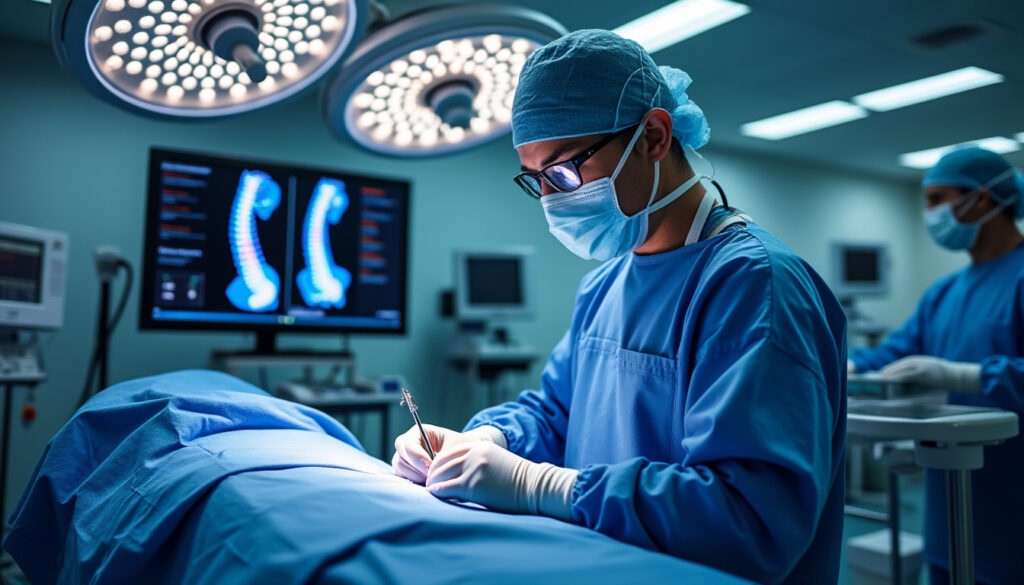
Simple Surgery, Fusion, and Motion: Exploring Their Impact on Surgical Decision-Making
The management of spinal disorders in 2026 involves a complex interplay between different surgical options, each tailored to address specific biomechanical challenges and patient needs. The landscape has been significantly influenced by advances in technology and a growing understanding of…
Comprehensive Insights on the Biomechanics and Patient Recovery in Spinal Surgery
Biomechanics deeply influence postoperative recovery and long-term outcomes in spinal surgery. Proper alignment, load distribution, and muscle balance contribute to pain relief and functional restoration. Postoperative rehabilitation focuses on strengthening paraspinal musculature and maintaining optimal spinal mechanics.
An integrated view recognizes that motion preservation surgery reduces adjacent segment overloading, thereby improving durability of surgical results. Conversely, patients undergoing fusion require careful rehabilitation to accommodate and compensate for altered mechanical forces to prevent subsequent degeneration.
Patient education on biomechanics and surgical impact fosters realistic expectations and encourages adherence to recovery regimens. Technological advances like robotic assistance further enhance precision, reducing tissue trauma and improving functional restoration timelines.
Clinicians emphasize that tailored rehabilitation, combining physical therapy with ergonomic considerations, optimizes the balance between protection and mobilization, ultimately supporting sustained patient wellbeing.
Engaging Educational Videos to Complement Understanding of Spinal Surgical Techniques
Visual learning through well-crafted videos enables patients and professionals to appreciate the nuances of spinal surgical procedures, from biomechanical implications to recovery protocols. These resources reinforce the complex interplay between surgical objectives and patient mobility.
Documented patient experiences and surgical demonstrations provide empowering perspectives on advances in minimally invasive spine surgery, showcasing the real-world benefits of motion preservation and fusion technologies.
{“@context”:”https://schema.org”,”@type”:”FAQPage”,”mainEntity”:[{“@type”:”Question”,”name”:”What distinguishes simple surgery from fusion in spinal procedures?”,”acceptedAnswer”:{“@type”:”Answer”,”text”:”Simple surgery primarily aims to relieve nerve compression without altering spinal stability, offering minimal invasiveness and faster recovery. Fusion provides permanent segment immobilization to correct instability but reduces mobility and may affect adjacent segments.”}},{“@type”:”Question”,”name”:”Who is an ideal candidate for motion preservation spinal surgery?”,”acceptedAnswer”:{“@type”:”Answer”,”text”:”Candidates are typically younger, active patients with segmental spinal pathologies who value maintaining mobility and want to avoid the drawbacks of fusion. Biomechanical appropriateness and disease severity are also considered.”}},{“@type”:”Question”,”name”:”How does international collaboration impact spinal surgery patient care?”,”acceptedAnswer”:{“@type”:”Answer”,”text”:”Cooperation between countries like France and Quebec improves access to cutting-edge surgical techniques, reduces wait times, and ensures a comprehensive, well-coordinated patient care pathway, including post-op support.”}},{“@type”:”Question”,”name”:”What are the main biomechanical concerns following spinal fusion?”,”acceptedAnswer”:{“@type”:”Answer”,”text”:”Fusion disrupts natural spinal motion, potentially increasing mechanical load and degeneration risk at adjacent spinal segments. Proper patient selection and rehabilitation are essential to mitigate these effects.”}},{“@type”:”Question”,”name”:”Why is conservative treatment important before spinal surgery?”,”acceptedAnswer”:{“@type”:”Answer”,”text”:”Conservative management, including physiotherapy and neurovertu00e9bral decompression, is crucial to optimize patient condition, potentially avoiding surgery, or preparing the spine for better surgical outcomes.”}}]}What distinguishes simple surgery from fusion in spinal procedures?
Simple surgery primarily aims to relieve nerve compression without altering spinal stability, offering minimal invasiveness and faster recovery. Fusion provides permanent segment immobilization to correct instability but reduces mobility and may affect adjacent segments.
Who is an ideal candidate for motion preservation spinal surgery?
Candidates are typically younger, active patients with segmental spinal pathologies who value maintaining mobility and want to avoid the drawbacks of fusion. Biomechanical appropriateness and disease severity are also considered.
How does international collaboration impact spinal surgery patient care?
Cooperation between countries like France and Quebec improves access to cutting-edge surgical techniques, reduces wait times, and ensures a comprehensive, well-coordinated patient care pathway, including post-op support.
What are the main biomechanical concerns following spinal fusion?
Fusion disrupts natural spinal motion, potentially increasing mechanical load and degeneration risk at adjacent spinal segments. Proper patient selection and rehabilitation are essential to mitigate these effects.
Why is conservative treatment important before spinal surgery?
Conservative management, including physiotherapy and neurovertébral decompression, is crucial to optimize patient condition, potentially avoiding surgery, or preparing the spine for better surgical outcomes.