Herniated Disc in Plateau-Mont-Royal: 5 Key Symptoms to Identify and Neurovertebral Decompression Treatment Explained
June 27, 2026
How to Effectively Prepare for a Comprehensive Preoperative Evaluation
June 27, 2026
Spinal surgeries such as laminectomies are pivotal in addressing severe chronic pains associated with spinal conditions. Yet, even with technical advancements, a challenge remains: the occurrence of post-laminectomy syndrome. This condition, marked by persistent or recurring pain following spinal decompression, can significantly impede the pathway to successful recovery. In 2026, tackling post-laminectomy syndrome with robust preventive measures has transformed from an afterthought into a cornerstone of effective spine surgery protocols.
Innovations in preoperative assessments, surgical techniques, and postoperative rehabilitation have contributed to not only reducing the incidence of post-laminectomy syndrome but also enhancing patient outcomes. International collaborations, especially between Quebec and France, exemplify comprehensive care models that integrate multidisciplinary strategies, offering patients tailored pain management and rehabilitation plans. Such coordinated efforts emphasize prevention of nerve pain and chronic pain management, ensuring that the surgical intervention leads to improvement, not prolonged suffering.
Comprehensive Neurofunctional Evaluation: The Foundation of Preventive Measures against Post-Laminectomy Syndrome
In the modern management of spine surgery patients, a fundamental step in preventing post-laminectomy syndrome is a detailed neurofunctional evaluation prior to the operation. This assessment involves meticulous analysis of nerve function, pain patterns, and spinal mobility. It helps define the least invasive surgical approach, thus minimizing trauma to tissues and nerves that often trigger persistent postoperative pain.
For example, consider a case of someone suffering severe lumbar pain. A deep neurofunctional evaluation could identify specific nerve roots affected, allowing the surgeon to target the laminectomy precisely. This focused approach limits unnecessary bone or nerve tissue removal, reducing the likelihood of postoperative neuropathic pain. Optimizing patient preparation through neurofunctional assessments aligns with recommendations found in leading surgical preparation protocols, which highlight the importance of personalized treatment plans to improve surgical outcomes.
Furthermore, comprehending the patient’s preexisting conditions such as diabetes or anxiety informs the medical team to anticipate and manage these variables proactively. Pain management strategies implemented even before surgery can ‘train’ the brain to better tolerate postoperative discomfort, lowering chronic pain development risks. The synergy between clinical evaluations and personalized pain control illustrates an advanced preventive strategy that significantly impacts successful recovery journeys.
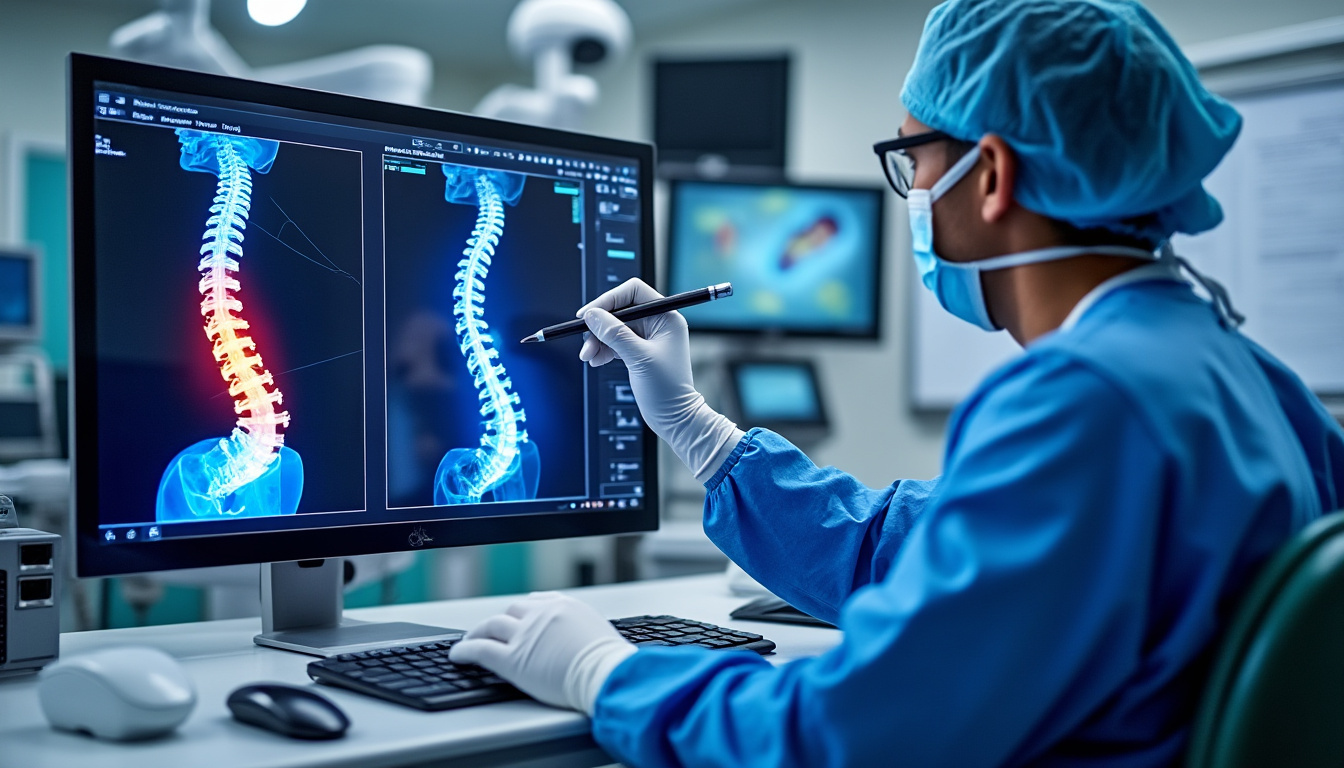

Understanding Sciatic Pain: Key Symptoms and When to Seek Medical Advice
Sciatic pain is a prevalent condition impacting a wide demographic, manifesting primarily as intense pain radiating from the lower back down the leg. This pain stems from irritation or compression of the sciatic nerve, a major nerve extending through the…

The Stepwise Role of Functional Recovery in Achieving Successful Outcomes
The journey to full recovery following spinal surgery is often complex and multifaceted, demanding a meticulously structured approach to ensure optimal functional outcomes. In recent years, the concept of functional recovery through a stepwise approach has garnered significant attention in…
Innovations in Minimally Invasive Spine Surgery Techniques Reducing Post-Surgical Pain Risks
Minimally invasive surgical techniques have revolutionized spine surgery by reducing tissue damage and accelerating healing. These advancements play a significant preventive role in tackling post-laminectomy syndrome by limiting the trauma which is a key contributor to prolonged postoperative pain.
Techniques such as endoscopic laminectomy allow surgeons to decompress nerve roots through smaller incisions with precisely targeted interventions. Dynamic stabilization devices like TOPS or Intraspine implants not only decompress nerves but preserve spinal segment motion, mitigating mechanical stress that often leads to recurrent symptoms. Additionally, robot-assisted surgeries enhance precision, diminish operative complications, and facilitate faster functional recovery, as seen in recent studies highlighted by spinal surgery innovation platforms.
| Technique | Main Objective | Benefits Regarding Postoperative Recovery |
|---|---|---|
| Endoscopic Laminectomy | Targeted nerve decompression | Less invasive, reduced postoperative pain, quicker return to activities |
| Dynamic Stabilization (TOPS, Intraspine) | Maintain vertebral mobility | Reduces mechanical stress, lowers risk of post-laminectomy syndrome |
| Robot-Assisted Surgery | Enhanced surgical precision | Fewer complications, improved functional recovery speed |
This blend of surgical innovations is integral in modern spine care. It ensures not only the immediate relief of nerve compression but also guards against long-term complications such as chronic pain and nerve irritation. The availability of these techniques and their role in improving patient outcomes are frequently addressed in reputable medical resources online, such as post-laminectomy pain management guides.

Transatlantic Patient Journey: Insights into Indications, Benefits, and Challenges
The emergence of the Transatlantic Patient Journey as a strategic model within healthcare continues to capture attention for its innovative potential, especially in specialized fields such as spinal surgery. This cross-border care pathway integrates rigorous medical evaluation from Quebec with…
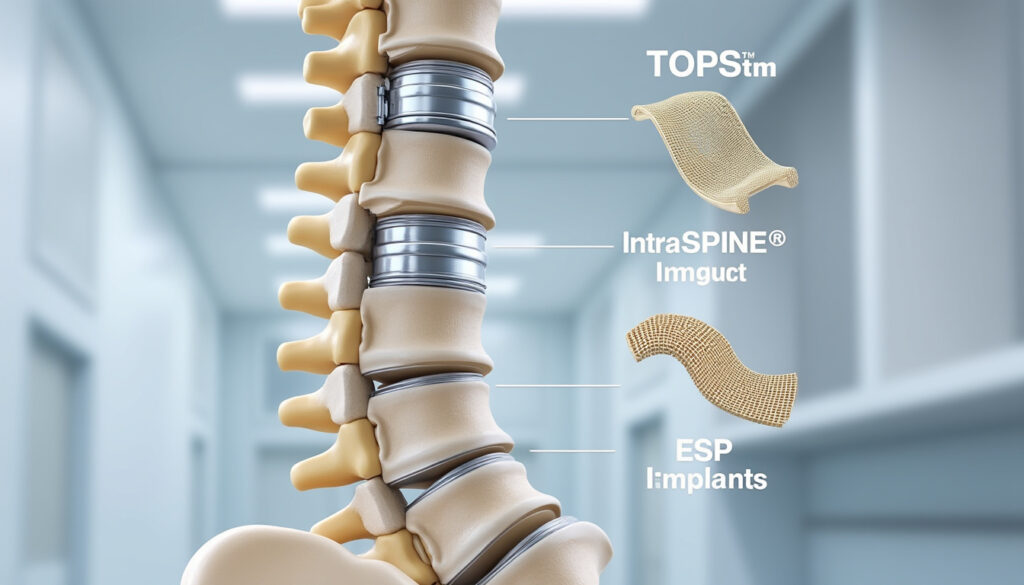
The evolving field of spinal surgery is witnessing a transformative shift, fueled by cutting-edge implant technologies such as TOPS, Intraspine, and ESP. These innovative implants redefine treatment possibilities by emphasizing preservation of natural spinal mechanics, while ensuring durable stabilization and…
Personalized Postoperative Follow-Up and Rehabilitation Minimizing Chronic Pain Sequelae
Preventing post-laminectomy syndrome extends well beyond the operating room. Postoperative care tailored to individual patient needs ensures early detection and management of complications, including neuropathic pain. This approach incorporates continuous neurofunctional assessments to monitor evolving symptoms and adjust therapies accordingly.
Physical therapy programs adopt a phased progression—initial gentle mobilization leading to strengthening exercises such as swimming and stationary cycling to rebuild spine stability. Functional tasks like the “five-point support” exercise help reinforce lumbar muscle groups critical to postural control and reduce mechanical strain on treated spinal segments.
Moreover, novel treatments such as repetitive transcranial magnetic stimulation (rTMS) have gained prominence. By stimulating cortical areas involved in pain and mood regulation, rTMS decreases neuropathic pain intensity and alleviates postoperative depression, contributing to comprehensive rehabilitation.Research on integrating rTMS postoperatively underscores its potential to significantly improve both pain outcomes and quality of life in spine surgery patients.
Consider the example of a patient with lumbar fusion surgery who, through this integrated post-op program, restored mobility, and reduced chronic pain within half a year, returning to preferred sports activities with confidence.
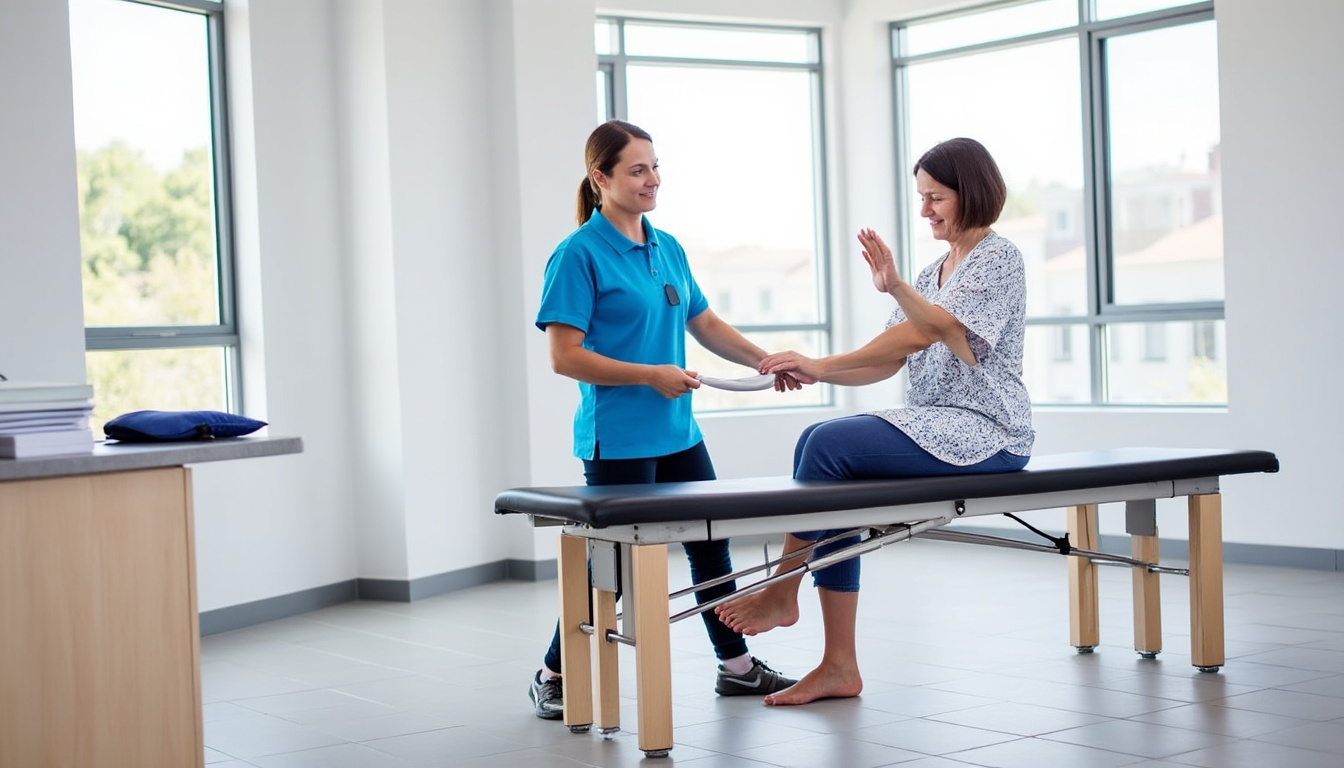

Preparing for Surgery in France: Key Indications, Benefits, and Limitations
In an evolving global healthcare landscape, France emerges as a beacon of advanced surgical expertise, particularly attracting international patients seeking expedited and innovative medical interventions. Patients from regions experiencing long wait times, such as Quebec, increasingly view France as an…

Unveiling the Hidden Benefits of Quality and Certification in Devices
The landscape of device manufacturing and clinical application in 2026 has been fundamentally shaped by the rigorous interplay between quality management and certification processes. Within this complex framework, the hidden benefits of adhering to international standards and obtaining relevant certifications…
International Coordination in Spine Surgery Care: Optimizing Patient Outcomes Through Collaboration
A hallmark of contemporary spine care, particularly for patients traveling internationally such as those from Quebec receiving treatment in France, is highly coordinated, multidisciplinary management. Entities like Neurotherapy Montréal liaise closely with surgical centers and medical tourism facilitators to ensure seamless care transitions from preoperative planning right through rehabilitation at home.
This model facilitates customized patient education, psychological support, and continuous communication between healthcare providers across borders. Ensuring that records, imaging, and therapeutic adjustments follow patients effectively reduces treatment gaps that can exacerbate post-laminectomy issues. The integration of organizations such as SOS Tourisme Médical and Franchir further enhances logistical and administrative processes, letting patients focus entirely on recovery instead of procedural complexities.
This collaboration also incorporates contemporary clinical knowledge and advances in pain management and rehabilitation, fostering an environment where patients receive the best preventive and reactive care to mitigate post-laminectomy syndrome. Insightful reflections on international care coordination reveal how this practice significantly elevates success rates and patient satisfaction.

Why Experts Advocate for Comprehensive Preoperative Evaluations
In the complex and demanding field of spinal surgery, the emphasis on comprehensive preoperative evaluations has become a fundamental pillar supporting successful surgical outcomes. These evaluations, far beyond mere routine checks, integrate detailed analyses of patient health, surgical risk assessments,…
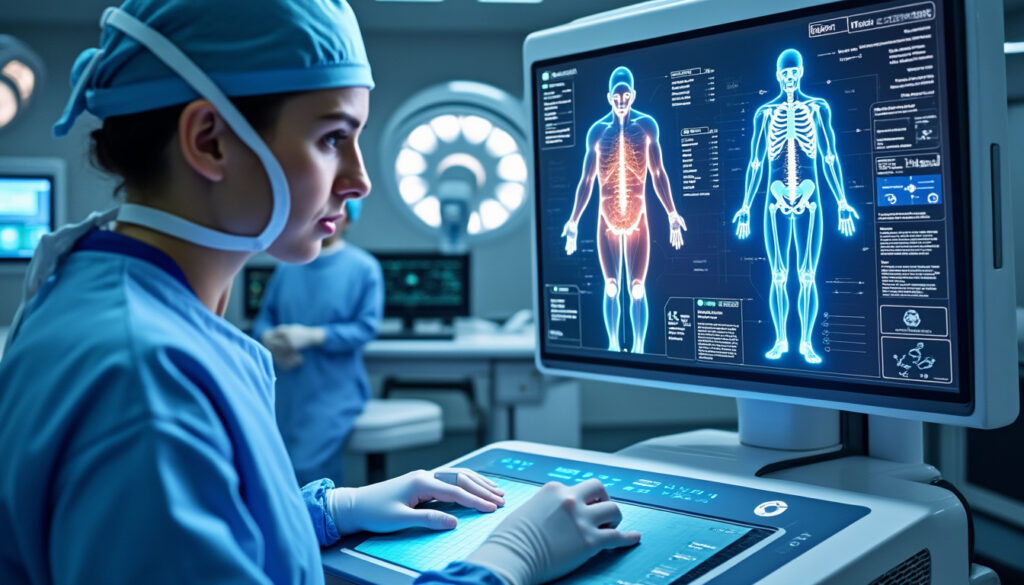
The Future of Surgery Lies in Stepwise Functional Recovery
The evolution of surgical care in 2026 reveals a compelling shift toward approaches that prioritize the holistic recovery of patients, moving beyond traditional metrics like length of hospital stay or mortality rates. This modern paradigm highlights the principle that the…
Critical Lifestyle and Rehabilitation Recommendations to Avoid Post-Laminectomy Syndrome
After spine surgery, maintaining an optimal lifestyle combined with targeted rehabilitation routines is essential for sustaining successful recovery and minimizing nerve pain or chronic discomfort relapses. Postoperative guidelines recommend avoiding sitting for long periods and heavy lifting for at least three months to prevent mechanical stress on healing structures.
Regular short walks, ideally every 30 to 40 minutes in sedentary jobs, help maintain spinal flexibility and circulation. Wearing a dorsal brace during movement in the first month may provide additional support to the surgical site without restricting normal physiological rest phases. Early incorporation of low-impact cardio exercises like swimming and stationary biking supports cardiovascular health and muscular reinforcement.
- Avoid prolonged sitting and heavy lifting for 3 months post-surgery
- Engage in gentle daily walking breaks if sedentary
- Use a dorsal brace during initial mobilizations
- Begin low-impact exercises like swimming from the second month
- Practice targeted functional exercises such as five-point supports
- Maintain regular follow-up consultations for individualized adjustments
- Consider adjunctive therapies like rTMS when recommended
Patience remains crucial since intervertebral disc regeneration primarily occurs in the first three months postoperation. Proper adherence dramatically reduces the estimated 2 to 5% risk of developing post-laminectomy syndrome typically linked with advanced disc degeneration and lifestyle mismatches. These recommendations empower patients to play an active role in their chronic pain management journey and optimize rehabilitation benefits.

Exploring the Pathophysiology of Post-Laminectomy Syndrome: Causes and Implications
Understanding post-laminectomy syndrome requires deep insight into its multifactorial roots. This syndrome often results from persistent nerve irritation, scar tissue formation, or inadequate decompression during surgery. Additionally, underlying systemic factors like metabolic disorders or psychological stressors can exacerbate pain symptoms postoperatively.
The condition manifests as chronic pain localized in the lumbar or leg regions, sometimes accompanied by sensory or motor impairments. The complexity is exemplified by overlapping nociceptive and neuropathic pain mechanisms, which complicate clinical management. Recognizing these pathological processes permits clinicians to design more effective preventive and treatment strategies, centered on addressing both physical and neuropsychological contributors.
For example, scar tissue around the nerve root (epidural fibrosis) can ensnare nerves, causing continuous electrical irritation and pain signals, which remain resistant to standard analgesics. Integrating advanced diagnostics and personalized approaches mitigates such complications, ensuring better long-term patient outcomes documented in medical reviews and case studies.
Paying Close Attention to Patient Education and Psychological Support During Recovery
Patient engagement through education and psychological support is vital in preventing post-laminectomy syndrome. Anxiety, stress, and depression can profoundly influence pain perception and healing rates. Multidisciplinary teams focus on preparing patients for what to expect and providing coping tools to manage postoperative discomfort.
Programs integrate cognitive behavioral therapy and mindfulness techniques alongside conventional medical treatments, aiming to empower patients to tackle pain proactively. Evidence shows that well-informed patients experience lower complication rates and better physical therapy adherence. This holistic care model elevates the quality of recovery and acts as a safeguard against persistent pain syndromes.
A compelling narrative from patient testimonials on recovery platforms highlights how timely psychological interventions reduce fears about relapse and support sustained lifestyle adjustments, ultimately translating into improved spine surgery outcomes and fewer incidences of post-laminectomy syndrome.
Steps to Prevent Post-Laminectomy Syndrome
${data.items[index].label}
` + `${data.items[index].description}
` + `${translations.currentStepLabel} ${index + 1} / ${data.items.length}
`;article.style.opacity = ‘1’; }, 200);// Update nav buttons styles and aria-current attribute Array.from(nav.children).forEach((btn, i) => { if(i === index) { btn.classList.add(‘bg-green-600’, ‘text-white’); btn.setAttribute(‘aria-current’, ‘step’); btn.setAttribute(‘disabled’, ‘true’); } else { btn.classList.remove(‘bg-green-600’, ‘text-white’); btn.removeAttribute(‘aria-current’); btn.removeAttribute(‘disabled’); } }); }/* * Keyboard navigation support: left/right arrow keys to move steps */ function keyboardNavigation(e) { if (e.key === ‘ArrowRight’ || e.key === ‘ArrowDown’) { e.preventDefault(); let next = currentIndex + 1; if (next >= data.items.length) next = 0; setStep(next); } else if (e.key === ‘ArrowLeft’ || e.key === ‘ArrowUp’) { e.preventDefault(); let prev = currentIndex – 1; if (prev < 0) prev = data.items.length -1; setStep(prev); } }/* * Initialize infographic on page load */ function init() { createNavButtons(); setStep(0); // Add keyboard listener for nav region section.addEventListener('keydown', keyboardNavigation); }// Run init when script loads init();{“@context”:”https://schema.org”,”@type”:”FAQPage”,”mainEntity”:[{“@type”:”Question”,”name”:”What is post-laminectomy syndrome?”,”acceptedAnswer”:{“@type”:”Answer”,”text”:”It is a condition characterized by persistent or recurrent pain after spinal decompression surgery, often accompanied by sensory or motor disturbances affecting quality of life.”}},{“@type”:”Question”,”name”:”How does rTMS aid recovery after spine surgery?”,”acceptedAnswer”:{“@type”:”Answer”,”text”:”Repetitive transcranial magnetic stimulation reduces neuropathic pain and alleviates post-operative depressive symptoms, facilitating overall recovery.”}},{“@type”:”Question”,”name”:”Which exercises are recommended post-laminectomy?”,”acceptedAnswer”:{“@type”:”Answer”,”text”:”Swimming, stationary cycling, and targeted functional exercises such as the five-point support help strengthen lumbar muscles and improve spinal stability while minimizing relapse risk.”}},{“@type”:”Question”,”name”:”What is the typical recovery duration after lumbar fusion?”,”acceptedAnswer”:{“@type”:”Answer”,”text”:”The critical recovery phase lasts around three months, involving a gradual return to activities adapted to the individualu2019s condition under professional supervision.”}},{“@type”:”Question”,”name”:”How can an international surgical pathway be organized between Quebec and France?”,”acceptedAnswer”:{“@type”:”Answer”,”text”:”Networks including medical tourism facilitators and specialized rehabilitation centers ensure comprehensive, coordinated care from initial qualification through postoperative recovery.”}}]}What is post-laminectomy syndrome?
It is a condition characterized by persistent or recurrent pain after spinal decompression surgery, often accompanied by sensory or motor disturbances affecting quality of life.
How does rTMS aid recovery after spine surgery?
Repetitive transcranial magnetic stimulation reduces neuropathic pain and alleviates post-operative depressive symptoms, facilitating overall recovery.
Which exercises are recommended post-laminectomy?
Swimming, stationary cycling, and targeted functional exercises such as the five-point support help strengthen lumbar muscles and improve spinal stability while minimizing relapse risk.
What is the typical recovery duration after lumbar fusion?
The critical recovery phase lasts around three months, involving a gradual return to activities adapted to the individual’s condition under professional supervision.
How can an international surgical pathway be organized between Quebec and France?
Networks including medical tourism facilitators and specialized rehabilitation centers ensure comprehensive, coordinated care from initial qualification through postoperative recovery.