
Disc Herniation in Côte-des-Neiges–Notre-Dame-de-Grâce: Cutting-Edge Technologies and Neurovertebral Decompression Therapy Advances
November 26, 2025
Comprehensive Preoperative Assessment: Insights and Real-Life Experiences
November 26, 2025
Quebec patients seeking relief from spinal conditions are often presented with a pivotal choice: embrace conservative treatments or proceed with surgical intervention. The decision is intensified by factors such as limited access to timely surgery within the public healthcare system and the financial implications of private care. In this complex landscape, a transatlantic partnership between Quebec and France emerges as a beacon, combining rigorous scientific evaluation, cutting-edge technologies, and compassionate patient management. This collaboration streamlines the patient journey, from initial assessment through to postoperative care, guided by experts like Dr. Sylvain Desforges, renowned for his comprehensive approach to spinal pathologies. The evolving treatment options challenge patients and clinicians alike to weigh non-surgical care against operative solutions thoughtfully, ensuring that decisions align with individual health profiles and desired recovery outcomes.
Spinal disorders impact not only physical health but also emotional well-being and daily function. The availability of advanced conservative treatments such as neurovertebral decompression and ergonomically designed physiotherapy regimens offers a promising pathway to pain reduction and mobility preservation without surgery. Meanwhile, France’s innovative surgical techniques, including robotic-assisted interventions and dynamic spinal implants, provide Quebec patients access to state-of-the-art procedures, often with reduced recovery times and improved outcomes. This guide examines the distinct modalities of treatment available, highlighting their benefits and limitations, and provides practical insights into medical decision-making to empower patients navigating their healthcare choices.
Conservative Treatments for Spinal Conditions: Foundations, Benefits, and Boundaries in Quebec
Conservative treatments serve as the frontline defense against spinal disorders, emphasizing non-invasive or minimally invasive approaches that prioritize preserving the patient’s natural spinal function. Quebec patients often embark on conservative care to alleviate pain, enhance mobility, and delay or altogether avoid the need for surgery. Key interventions include:
- Infiltration Therapy: Targeted corticosteroid injections reduce localized inflammation near nerve roots or intervertebral joints. While they can provide rapid symptom relief, effects are typically temporary, necessitating cautious management to avoid therapeutic overuse.
- Physiotherapy and Functional Rehabilitation: Strengthening paraspinal musculature, correcting posture, and improving joint flexibility form the foundation of lasting spinal support and pain management.
- Robot-Assisted Neurovertebral Decompression: Avant-garde techniques, such as those available at Clinique TAGMED, utilize computer-guided decompression to alleviate pressure on spinal nerves, offering durable pain attenuation and functional improvement.
- Lifestyle and Stress Management: Modifications aimed at reducing mechanical spinal stress complement physical treatments, contributing to overall well-being and sustained symptom control.
The conservative treatment phase typically extends over three to six months, allowing enough time for significant improvement and preventing premature surgical decisions. Persistent symptoms or functional decline after this period prompt consideration of surgical options, a decision overseen by specialists like Dr. Desforges to ensure ethical and individualized care.
| Conservative Treatment | Main Objectives | Recommended Duration | Common Limitations |
|---|---|---|---|
| Infiltration Therapy | Reduce local inflammation and pain | 1-3 sessions over 3 months | Temporary relief; corticosteroid side effects |
| Physiotherapy & Rehabilitation | Muscle strengthening and posture correction | 3-6 months | Varied effectiveness dependent on adherence |
| Robot-Assisted Neurovertebral Decompression | Mechanical nerve pressure relief with lasting effect | 3-6 months | Limited availability; specialized centers only |
Quebec patients may find valuable detailed perspectives on conservative care and its advantages by consulting dedicated resources like in-depth conservative treatment reviews and expert insights into the balance between these non-surgical methods and more invasive options.
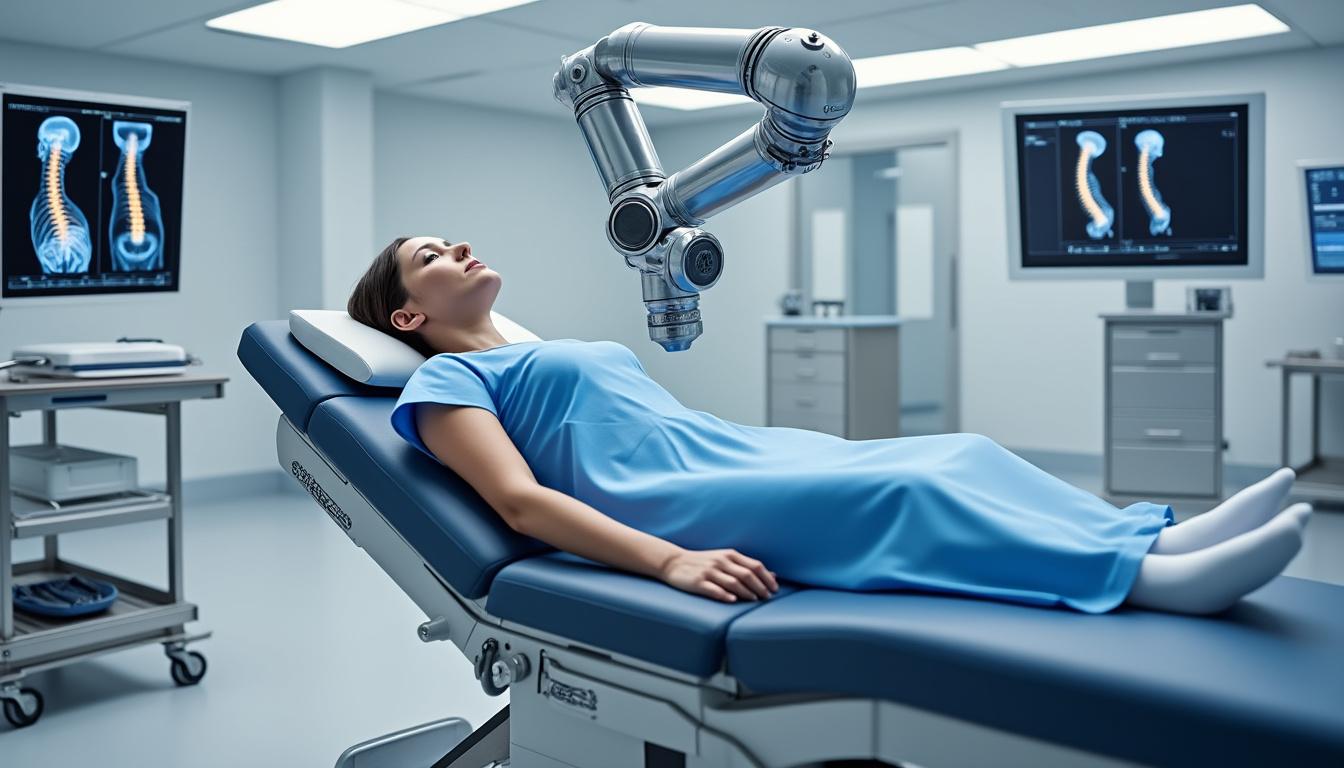

Understanding Sciatic Pain: Key Symptoms and When to Seek Medical Advice
Sciatic pain is a prevalent condition impacting a wide demographic, manifesting primarily as intense pain radiating from the lower back down the leg. This pain stems from irritation or compression of the sciatic nerve, a major nerve extending through the…
Innovations in Spine Surgery from France: Advanced Techniques Enhancing Quebec Patient Outcomes
When conservative treatments fail to produce adequate relief or when structural spinal issues necessitate intervention, surgical approaches become a crucial consideration. France’s commitment to spinal surgery excellence introduces Quebec patients to cutting-edge methods that merge innovation, safety, and efficacy.
Surgical innovations accessible through a coordinated Quebec-France program include:
- Simple Decompression Surgery: Removal or adjustment of bone and ligament tissue to reduce nerve pressure, mostly suitable for earlier-stage conditions requiring less extensive intervention.
- Spinal Fusion (Arthrodesis): Traditional stabilization of problematic vertebral segments to eliminate motion-induced pain, albeit with resulting local stiffness and diminished mobility.
- Dynamic Implants like TOPS and IntraSPINE: Designed to preserve postoperative spinal mobility and reduce degeneration risk of adjacent segments by acting as biomechanical cushions.
- Minimally Invasive and Endoscopic Procedures: Approaches utilizing small incisions and optic devices to minimize tissue trauma and accelerate recovery.
- Cervical and Lumbar Disc Prostheses: Artificial discs that maintain functional segmental motion, offering a modern alternative to fusion.
| Surgical Technique | Main Goals | Key Advantages | Potential Drawbacks |
|---|---|---|---|
| Decompression Surgery | Relieve nerve compression | Less invasive; shortened recovery | May be inadequate for complex cases |
| Spinal Fusion | Stabilize painful vertebral segments | Well-established procedure; widely available | Loss of segmental mobility |
| Dynamic Implants (TOPS, IntraSPINE) | Preserve vertebral mobility | Reduces adjacent segment degeneration | Higher costs; limited availability |
| Disc Prostheses | Maintain disc functionality | Less rigidity; improved postoperative function | Not suitable for all patients |
Quebec patients benefit from this international alliance through facilitated access to these interventions, supported by logistical coordination and postoperative care programs managed in Quebec by experts such as Neurothérapie Montréal. Further details can be explored through comprehensive guides presenting the balance of surgical and conservative treatment options for the spine.

The Stepwise Role of Functional Recovery in Achieving Successful Outcomes
The journey to full recovery following spinal surgery is often complex and multifaceted, demanding a meticulously structured approach to ensure optimal functional outcomes. In recent years, the concept of functional recovery through a stepwise approach has garnered significant attention in…
Structured Patient Pathways Between Quebec and France: Integrated Spine Care for Informed Decisions
The intercontinental healthcare collaboration presents Quebec patients with a streamlined journey that respects medical standards and cultural expectations. The stages include:
- Initial Evaluation in Quebec: Conducted by specialists at Clinique TAGMED, emphasizing thorough clinical review and oversight of conservative measures.
- Coordination for Surgical Planning in France: Managed by Franchir, encompassing surgeon selection, clinic identification, and travel logistics.
- Performing the Surgery: Executed in accredited French centers equipped with state-of-the-art technology and expert teams.
- Postoperative Follow-Up: Delivered in Quebec through specialized rehabilitation and monitoring programs, ensuring seamless recovery.
| Stage | Key Stakeholders | Objectives | Patient Benefits |
|---|---|---|---|
| Initial Assessment | Dr. Sylvain Desforges & TAGMED team | Comprehensive evaluation and conservative treatments supervision | Accurate diagnosis; personalized care direction |
| Surgery Organization | Franchir | Selection of surgical team and logistical arrangements | Stress-free journey; efficient scheduling |
| Surgical Intervention | French specialized clinics | Safe and innovative operative procedures | Improved prognosis and reduced complications |
| Postoperative Follow-up | Neurothérapie Montréal | Rehabilitation and patient support | Continued care and optimized recovery |
This coordinated approach ensures Quebec patients can navigate complex healthcare choices with confidence and benefit from advanced treatment options that might otherwise be inaccessible.

Transatlantic Patient Journey: Insights into Indications, Benefits, and Challenges
The emergence of the Transatlantic Patient Journey as a strategic model within healthcare continues to capture attention for its innovative potential, especially in specialized fields such as spinal surgery. This cross-border care pathway integrates rigorous medical evaluation from Quebec with…
Why Conservative Care Should Precede Surgical Intervention in Spine Medicine
The prevailing consensus in contemporary spine care emphasizes the crucial role of a comprehensive conservative treatment phase before considering surgery. This approach is grounded in scientific evidence and patient safety concerns, which prioritize reducing unnecessary surgical exposure while maximizing the body’s own healing potential.
Several reasons underpin this treatment philosophy:
- Maximizing Non-Surgical Benefits: Effective pain reduction and functional improvement through therapies such as neurovertebral decompression can negate surgery’s need.
- Risk Minimization: Surgery carries inherent risks including infection, neurological complications, and prolonged recovery, making conservative care a safer initial path.
- Patient-Centered Decision-Making: Monitoring symptom evolution during a clearly defined timeframe enables better-informed choices tailored to the individual’s response.
- Ethical Considerations: Avoidance of therapeutic overreach and “acharnement thérapeutique,” promoting treatments aligned with patient benefit.
| Conservative Phase | Duration | Primary Objectives | Indications for Surgery |
|---|---|---|---|
| Neurovertebral Decompression and Related Therapies | 3-6 months | Reduce pain; enhance function | Persistent disabling pain; functional decline |
Access to specialized conservative treatments in Quebec, as highlighted by expert groups, improves outcomes and optimizes timing for those needing surgery. For those interested in detailed distinctions, sources like comparative analyses of conservative versus surgical options offer valuable perspectives.
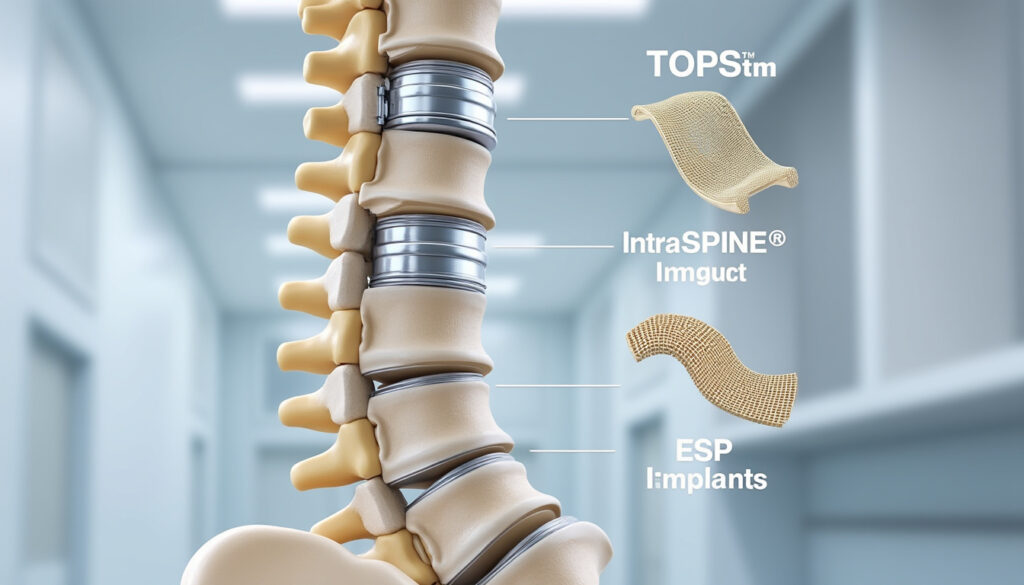
The evolving field of spinal surgery is witnessing a transformative shift, fueled by cutting-edge implant technologies such as TOPS, Intraspine, and ESP. These innovative implants redefine treatment possibilities by emphasizing preservation of natural spinal mechanics, while ensuring durable stabilization and…
The Impact of Healthcare Accessibility on Treatment Choices in Quebec
Quebec’s healthcare system presents unique challenges that shape decisions between conservative treatments and surgical intervention. Prolonged wait times for spinal surgeries within the public system often compel patients to explore alternatives.
Key factors influencing treatment decisions include:
- Resource Constraints: Intensive demand for surgical procedures leads to delays, potentially worsening patient symptoms and quality of life.
- Financial Considerations: Private surgical options, though faster, come at significant expense, influencing patient willingness to undergo surgery.
- Psychological Factors: Anxiety about surgery prompts many to prioritize non-surgical care initially, seeking to avoid operative risks.
- Technological Availability: Access to advanced conservative therapies such as neurovertebral decompression is limited to specialized clinics, further complicating choices.
| Healthcare Factor | Impact on Treatment Choices | Patient Implications |
|---|---|---|
| Public Surgery Wait Times | Delays prolong pain duration | Increased interest in conservative care |
| Cost of Private Surgery | Financial barriers limit access | Patients may delay surgery or seek alternatives |
| Fear and Anxiety | Preference for non-surgical options | Emphasis on conservative treatments |
| Availability of Advanced Conservative Therapies | Limited to specialty centers | Not all patients can access initial conservative care |
Quebec patients facing these multifaceted influences can benefit from an informed discussion of healthcare options, supported by patient guides and expert consultations such as those found on dedicated platforms focused on Quebec patient education.

Preparing for Surgery in France: Key Indications, Benefits, and Limitations
In an evolving global healthcare landscape, France emerges as a beacon of advanced surgical expertise, particularly attracting international patients seeking expedited and innovative medical interventions. Patients from regions experiencing long wait times, such as Quebec, increasingly view France as an…
Balancing Recovery Outcomes: What Quebec Patients Should Expect from Conservative Care vs Surgery
Recovery trajectories differ substantially between conservative and surgical spine treatments, influencing patient expectations and quality of life post-intervention.
Typical recovery considerations include:
- Conservative Treatment Recovery: Gradual symptom improvement over months, emphasizing adherence to physiotherapy and lifestyle adaptations.
- Surgical Recovery: Faster initial pain relief but involves rehabilitation, potential complications, and variable return to full function timing.
- Long-Term Functional Preservation: Innovative surgical implants aim to maintain spinal mobility, enhancing post-op quality of life relative to traditional fusion.
- Psychosocial Impact: Patient confidence and mental health are critical to successful recovery regardless of treatment modality.
| Treatment Type | Recovery Timeline | Functional Outcome | Patient Experience |
|---|---|---|---|
| Conservative Care | 3-6 months | Improved mobility and pain reduction | Requires commitment; gradual progress |
| Surgical Intervention | Weeks to months | Rapid symptom relief; variable long-term mobility | Involves risk; structured rehabilitation |
For comprehensive insights into recovery expectations and decision-making, Quebec patients can consult expert discussions on balancing conservative and surgical spine care in resources such as treatment pros and cons analyses.
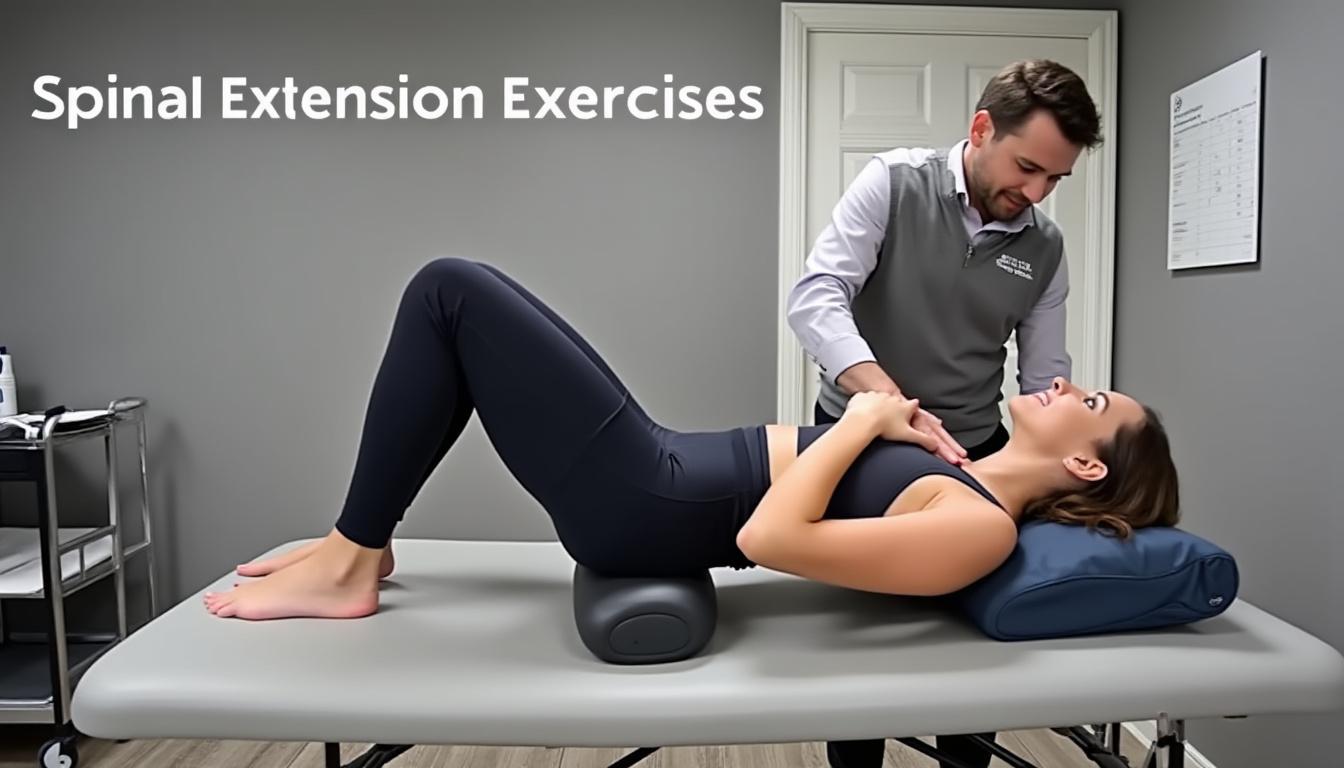

Unveiling the Hidden Benefits of Quality and Certification in Devices
The landscape of device manufacturing and clinical application in 2026 has been fundamentally shaped by the rigorous interplay between quality management and certification processes. Within this complex framework, the hidden benefits of adhering to international standards and obtaining relevant certifications…
Understanding Medical Decision-Making: How Quebec Patients Can Navigate Complex Spinal Care Choices
Medical decision-making regarding spinal treatment involves multiple variables that patients and clinicians must weigh carefully. Personalized care planning integrates symptom severity, patient health status, lifestyle priorities, and treatment accessibility.
Key components influencing the process include:
- Diagnostic Accuracy: Detailed imaging and clinical evaluation ensure treatment aligns with the underlying pathology.
- Risk-Benefit Assessment: Understanding potential complications versus expected benefits guides therapeutic choices.
- Patient Values and Preferences: Patient engagement in discussions about goals and expectations improves satisfaction and adherence.
- Multidisciplinary Collaboration: Coordinated input from surgeons, physiotherapists, and pain specialists enhances decision quality.
| Decision-Making Factor | Description | Patient Impact |
|---|---|---|
| Accurate Diagnosis | Comprehensive clinical and imaging analysis | Tailored treatment selection |
| Risk-Benefit Balance | Evaluation of surgical risks vs conservative benefits | Informed consent and realistic expectations |
| Patient Preferences | Involving patients in choice discussions | Improved adherence and satisfaction |
| Team Collaboration | Interdisciplinary treatment planning | Enhanced treatment outcomes |
By engaging with patient-centered guides such as those provided by expert platforms highlighting essential treatment insights, Quebec patients are empowered to make confident healthcare choices.

Why Experts Advocate for Comprehensive Preoperative Evaluations
In the complex and demanding field of spinal surgery, the emphasis on comprehensive preoperative evaluations has become a fundamental pillar supporting successful surgical outcomes. These evaluations, far beyond mere routine checks, integrate detailed analyses of patient health, surgical risk assessments,…
Leveraging Emerging Technologies and International Partnerships to Enhance Quebec’s Spine Care
The fusion of advanced technology with international collaboration elevates treatment possibilities for Quebec patients, bridging gaps in care accessibility and offering innovative therapeutic avenues previously unavailable locally.
Recent technology-driven advancements include:
- Robotic-Assisted Surgery and Navigation: Platforms such as those developed by eCential Robotics refine precision in spinal operations, improving accuracy and reducing intraoperative risks.
- Three-Dimensional Printed Vertebral Models: 3D printing enhances surgical planning by visualizing complex anatomy and simulating interventions, a transformative aid employed in leading French centers.
- Dynamic Stabilization Devices: Implants like IntraSPINE allow motion preservation post-surgery, enhancing functional outcomes.
- Telemedicine and Remote Rehabilitation: Facilitating postoperative monitoring and therapy adherence through digital platforms connecting Quebec and France.
| Technology | Application | Patient Benefit |
|---|---|---|
| Robotic-Assisted Surgery | Enhanced surgical accuracy and planning | Reduced complications and faster recovery |
| 3D Printed Models | Preoperative simulation and education | Improved surgical outcomes and patient understanding |
| Dynamic Implants | Preservation of spinal mobility | Better functional recovery and reduced adjacent segment disease |
| Digital Rehabilitation Platforms | Remote monitoring and exercise guidance | Improved adherence and personalized care |
Quebec’s partnership with French spinal centers is a prime example of leveraging such advancements to benefit patient healthcare choices and recovery paths. More on these cutting-edge developments can be explored through the role of international cooperation in modern spinal treatment.
Conservative Treatments vs Surgery: A Clear Guide for Quebec Patients
| Treatment | Key Benefits | Limitations | Ideal Patient Profile |
|---|
Select a patient profile to filter the treatment options below.
What are the main advantages of conservative treatments for spinal conditions?
Conservative treatments offer non-invasive options that reduce inflammation and pain while preserving spinal function. They minimize surgical risks and are often the first line of care to improve patient quality of life.
When should Quebec patients consider surgery for spinal problems?
Surgery is typically recommended after a thorough conservative treatment phase of 3 to 6 months if symptoms persist or worsen, particularly in cases of structural damage or functional decline.
How do innovative surgical implants benefit patients?
Dynamic implants like TOPS and IntraSPINE preserve spinal mobility and decrease the risk of deterioration in adjacent segments, supporting better long-term functional outcomes.
What role does the Quebec-France partnership play in spine care?
This partnership facilitates access to advanced surgical techniques and technologies in France, combined with local pre-and post-operative care, providing Quebec patients with comprehensive, personalized treatment pathways.
How can patients make informed healthcare choices between conservative care and surgery?
Engaging in multidisciplinary consultations, understanding risks and benefits, and accessing educational resources empower patients to participate actively in deciding the best treatment tailored to their needs.
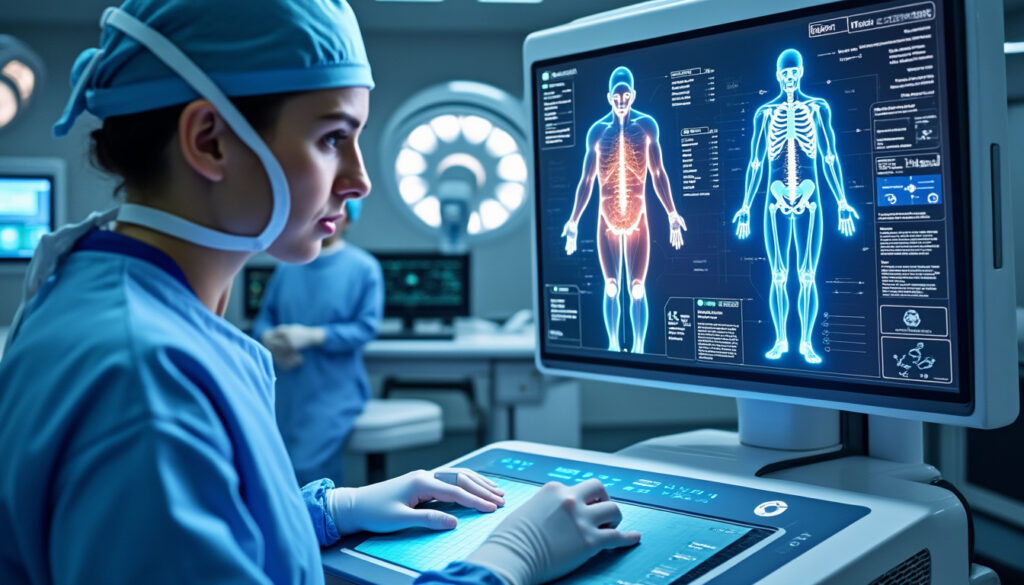
The Future of Surgery Lies in Stepwise Functional Recovery
The evolution of surgical care in 2026 reveals a compelling shift toward approaches that prioritize the holistic recovery of patients, moving beyond traditional metrics like length of hospital stay or mortality rates. This modern paradigm highlights the principle that the…