The Future of Surgery: Embracing Conservative Treatments Over Traditional Procedures
May 16, 2026
Comprehensive Guide to Patient Recovery Stories: Insights and Inspirations
May 16, 2026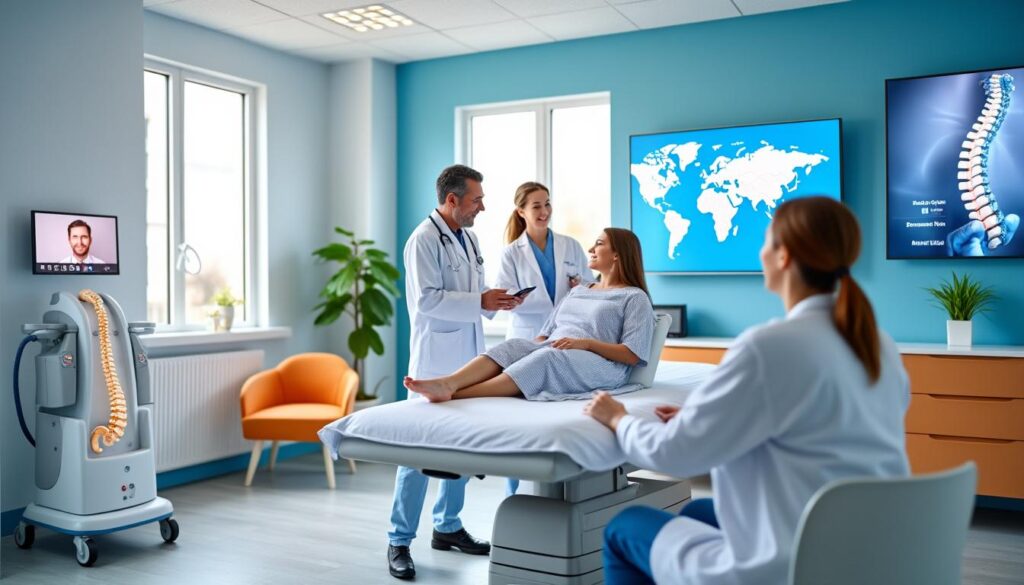
In the bustling community of Pointe-Claire, back pain caused by herniated discs remains a prevalent concern, significantly impacting the day-to-day lives of many residents. These patients often face debilitating symptoms that restrict mobility, interfere with work, and affect overall happiness. It’s against this backdrop that advanced, non-surgical therapies such as neurovertebral decompression emerge as promising options, offering new hope for those seeking effective relief without the risks associated with invasive procedures.
Back pain relief and spinal health are critical in maintaining an active lifestyle, and patients increasingly demand treatment approaches that prioritize safety, scientific rigor, and personalized care. Thanks to pioneers like Dr. Sylvain Desforges, with his over 35 years of experience and leadership in spinal therapy, Pointe-Claire benefits from innovative methods that blend clinical expertise with state-of-the-art technology. His approach embraces collaboration among osteopaths, physiotherapists, and spine specialists, ensuring that patients receive a comprehensive pathway from diagnosis through to recovery.
This article explores the essential aspects of managing a herniated disc specifically in Pointe-Claire, focusing on optimal recovery strategies, neurovertebral decompression therapy, and the steps patients can take to regain their quality of life. Throughout, the emphasis remains on accessible education, allowing readers to grasp complex therapeutic concepts whilst feeling encouraged and supported in their unique journey to spinal wellness.
Precise Evaluation and Diagnosis of Herniated Disc in Pointe-Claire
A thorough and detailed evaluation is the cornerstone of effective herniated disc care in Pointe-Claire. The process starts with an in-depth medical history to understand symptom patterns, triggers, and any neurological deficits such as numbness or muscle weakness. A clinical examination follows, which includes assessment of spine mobility, reflexes, and sensory responses.
Imaging technologies play a pivotal role in confirming the diagnosis and are readily available in specialized clinics across the Grand Montréal area. Magnetic Resonance Imaging (MRI) provides high-definition views of the intervertebral discs and nerve roots, enabling clinicians to pinpoint the disc herniation’s location and severity accurately. Computed tomography (CT) scans can be employed as complementary tools for complex cases.
Distinguishing a herniated disc from other conditions that mimic similar symptoms — including foraminal stenosis or radiculopathy from alternate causes — is essential. This precision guides the subsequent choice of treatment, as the intervention for each pathology differs significantly.
The use of advanced imaging combined with ongoing clinical assessments enables a dynamic approach to patient management. For instance, in neurovertebral decompression therapy, repeated evaluations ensure that the treatment parameters adapt to changes in the disc and surrounding tissue condition, optimizing results and preventing potential complications.
Clinical coordination in Pointe-Claire is exemplary, with multidisciplinary teams collaborating efficiently. Dr. Sylvain Desforges spearheads such initiatives at Clinique TAGMED, ensuring patients benefit from a continuum of care that integrates osteopathic expertise, neurovertebral decompression technology, and physical rehabilitation protocols tailored for lumbar disc disorders. This synergy has enhanced patient satisfaction and improved treatment outcomes throughout the region.
IntraSPINE® in Sherbrooke: A Long-Lasting Solution for Chronic Lower Back Pain
Chronic lower back pain remains one of the most pressing health concerns in Sherbrooke and beyond, impacting millions and often diminishing daily quality of life. Despite the prevalence of lumbar discomfort, many face limited access to cutting-edge treatments amidst lengthy…
Understanding Neurovertebral Decompression Therapy: Principles and Benefits for Herniated Disc Treatment
Neurovertebral decompression therapy represents a non-surgical and innovative spinal therapy designed to alleviate pressure on spinal discs and nerves by applying gentle, controlled traction. Unlike traditional surgery, this method aims to increase intervertebral space, promote disc rehydration, and encourage the herniated material to retract gradually.
The therapy works through a specialized traction table that adjusts to the patient’s spinal curvature and anatomical needs. During sessions, intermittent traction cycles gently stretch the spine without causing discomfort or tissue damage. This gradual intervention fosters reduced nerve compression, less inflammation, and decreased pain intensity over time.
In Pointe-Claire, the integration of neurovertebral decompression at Clinics such as TAGMED illustrates the fusion of cutting-edge technology and expert clinical oversight under Dr. Desforges’ guidance. This approach ensures not only a customized treatment plan but also adherence to safety protocols aligned with Quebec and Canadian medical regulations.
Several studies have confirmed the effectiveness of spinal decompression in reducing symptoms associated with lumbar herniated discs. Patients typically experience persistent improvement after multiple sessions, marked by enhanced mobility and a revived capacity for daily activities. Neurovertebral decompression is especially valuable for those who have not responded adequately to standard conservative management such as physical rehabilitation alone.
However, recognizing the therapy as part of a comprehensive recovery strategy is essential. It works best when combined with physical therapy exercises, postural corrections, and appropriate lifestyle changes. Patients should also understand that results are not immediate but evolve progressively, requiring commitment to the treatment protocol.
Research from clinics globally supports this non-invasive option as a preferred alternative to surgery for many herniated disc patients, which correlates with the increasing demand in Pointe-Claire for safer and scientifically grounded spinal health solutions.
Herniated Disc Care in Sainte-Julie: Why TAGMED’s Neurovertebral Decompression Therapy Stands Out
In the vibrant community of Sainte-Julie, back pain—particularly that stemming from herniated discs—has become a widespread concern affecting people from all walks of life. The relentless search for effective, non-invasive treatments has brought renewed attention to a pioneering therapy that…
Targeted Physical Rehabilitation Exercises for Lumbar Herniated Disc Recovery in Pointe-Claire
Rehabilitation exercises are fundamental for healing a herniated disc and preventing future episodes. Dr. Sylvain Desforges emphasizes a patient-specific regimen combining techniques like the McKenzie Method with muscle strengthening and flexibility training.
The McKenzie extension exercises involve gentle back extensions performed repeatedly in a controlled manner to mechanically encourage the disc material to move away from nerve roots. Patients typically start these motions under professional supervision, gradually integrating them into their home exercise routines.
Complementary stretches target the gluteal muscles and the sciatic nerve to relieve tension often associated with lumbar disc herniation. These stretches improve nerve mobility and reduce radiating leg pain.
Core stabilization through abdominal and dorsal muscle strengthening exercises is also critical. These muscles support the spine, distribute loads evenly, and enhance postural stability. Common exercises include planks (front, side, and reverse), pelvic tilts, and controlled leg lifts with attention to maintaining neutral spine alignment.
To empower patients beyond clinical visits, Pointe-Claire providers widely utilize digital resources featuring video demonstrations, ensuring proper form and adherence. This approach complements in-clinic coaching and reinforces long-term behavioral change.
- McKenzie extension exercises to facilitate disc resorption
- Gluteal and sciatic nerve stretches to alleviate peripheral tension
- Core strengthening including abdominal and back muscles for spinal support
- Light aerobic activities such as walking to improve circulation and endurance
- Breathing techniques to reduce muscle tension and improve relaxation
Engaging fully in these rehabilitation exercises while maintaining regular consultations optimizes pain management and speeds recovery from a herniated disc without resorting to invasive surgery.
Back Surgery in Trois-Rivières: Alleviating Pain While Preserving Mobility
In Trois-Rivières, Quebec, the persistence of back pain affects a substantial portion of the population seeking effective and personalized solutions. Back pain, often caused by spinal disorders or herniated discs, can drastically diminish quality of life, limiting mobility and causing…
Safe Sports and Physical Activities to Support Spine Recovery and Avoid Herniated Disc Aggravation
Maintaining physical activity is vital even during recovery from a herniated disc, provided it is approached with caution. Patients in Pointe-Claire are increasingly educated on choosing activities that preserve spinal health while minimizing the risk of increasing disc injury.
Low-impact exercises like regular walking support blood flow to the disc region and keep muscles flexible without undue stress. Swimming is similarly recommended for its water buoyancy effect, reducing spinal load while strengthening core muscles.
Gentle yoga and pilates are also favored modalities that enhance spinal mobility and strengthen stabilizing musculature when practiced under professional supervision. These activities emphasize body awareness and posture, which are crucial in reducing ongoing stress on vulnerable discs.
Conversely, high-impact sports — including running, basketball, football, and activities involving intense jumping — are discouraged during active recovery phases due to the risk of microtrauma and exacerbation of symptoms.
The following table highlights practical recommendations for safe and risky activities:
| Activity Type | Recommended | To Avoid |
|---|---|---|
| Low Impact | Walking, swimming, yoga, pilates | None |
| Moderate Impact | Flat terrain cycling | Running, jumping sports |
| High Impact | None | Football, basketball, martial arts |
Dr. Desforges underscores the importance of individualized programs and suggests consulting with a spinal expert before starting or resuming sports, to tailor recommendations fitting one’s injury stage and overall health.
Disc herniation remains a significant health concern in Pointe-Claire, impacting the lives of a diverse population ranging from labor-intensive workers to the aging community. The condition, characterized by the displacement or rupture of the intervertebral disc, often leads to debilitating…
Nutrition Strategies to Enhance Disc Regeneration and Manage Back Pain
Nutrition is a frequently underestimated yet vital element supporting spinal health and pain management. Specific nutrients actively contribute to the repair and maintenance of intervertebral discs affected by herniation.
Proteins rich in collagen are especially important as collagen forms a large part of the disc’s structural matrix. Consuming broths rich in bone collagen or supplements containing hydrolyzed collagen supports tissue elasticity and durability.
Omega-3 fatty acids, found in fatty fish such as salmon and mackerel, possess potent anti-inflammatory properties that help reduce the local swelling and irritation common in disc injuries. A diet abundant in bright fruits and vegetables delivers antioxidants like vitamins C and E, which fight oxidative stress and foster tissue healing.
Hydration must not be overlooked. Discs require sufficient water content to maintain their shock-absorbing properties and flexibility. Patients are encouraged to drink adequate amounts of water throughout the day while limiting processed foods, excessive salt, and added sugars, which may exacerbate inflammation.
Overall, nutrition is best viewed as a complementary strategy within a holistic spinal care plan, boosting the effects of neurovertebral decompression and physical rehabilitation efforts. Patients can find tailored dietary advice integrated at Pointe-Claire clinics under Dr. Desforges’ guidance.
At Gouin Clinic, the landscape of herniated disc therapy has entered a transformative era marked by the integration of Personalized Treatment Plans and breakthrough Neurovertebral Decompression Therapy. This non-surgical approach is revolutionizing how spinal disorders are managed, offering patients an…
Natural Remedies and Complementary Approaches for Pain Relief and Muscle Relaxation
Complementary therapies often enhance patient comfort and support recovery from a herniated disc by addressing inflammation and muscular tension naturally. In Pointe-Claire, patients commonly incorporate several time-honored remedies alongside their medical treatment plans.
Alternating hot and cold compresses are a practical, evidence-supported method to relieve acute back pain. Heat helps relax muscles and improve blood flow, while cold reduces inflammation and numbs pain.
Massages using castor oil or other natural oils improve circulation and contribute to muscle loosening. Herbal infusions, particularly turmeric tea, offer anti-inflammatory benefits due to curcumin’s properties.
Mind-body techniques like meditation, deep breathing, and guided relaxation are valuable tools for managing chronic pain perception. These psychocorporeal methods assist in breaking the cycle of pain and stress, fostering a sense of control and wellbeing.
Despite their benefits, these approaches are supplements rather than replacements for professional care. Patients are encouraged to discuss natural remedies with their healthcare provider to ensure their safety and proper integration.

Cervical Disc Prosthesis in Quebec: Preventing Post-Operative Stiffness
Neck pain is one of the most common musculoskeletal complaints in Quebec, affecting a significant portion of the population annually. Often rooted in degenerative cervical disc diseases or herniated discs, this persistent discomfort severely impacts daily life and mobility. Fortunately,…
Maintaining Motivation and Embracing Treatment for Long-Term Recovery Success
Recovering from a herniated disc is as much a psychological journey as a physical one. Persistent pain and movement limitations can lead to frustration and even withdrawal from treatment. Here, a supportive and empathetic relationship with the healthcare team makes a profound difference.
Patients in Pointe-Claire find encouragement through clear explanations of their condition and realistic expectations about recovery timelines. Dr. Sylvain Desforges fosters open dialogue, addressing questions and adapting care plans based on progress and patient feedback.
Setting incremental goals — such as gradually increasing exercise duration or walking distance — helps sustain momentum and builds patient confidence. Visualizing objective improvements during follow-up visits strengthens resolve.
Social support from family, friends, or peer groups also plays a key role in fostering adherence and emotional wellbeing. Sharing experiences with others coping with similar spinal injuries can provide reassurance and practical coping strategies.
Ultimately, patient engagement combined with expert interdisciplinary guidance creates the foundation for sustained recovery, reducing recurrences and enabling a return to fulfilling daily life.
The prevalence of herniated disc conditions in Blainville has sparked considerable discussion and misconceptions about their causes, symptoms, and treatments. While the pain and disability associated with this spinal disorder are well documented, the emergence of non-surgical options such as…
Integrating International Expertise in Spine Care: Coordinated Patient Journeys between Canada and France
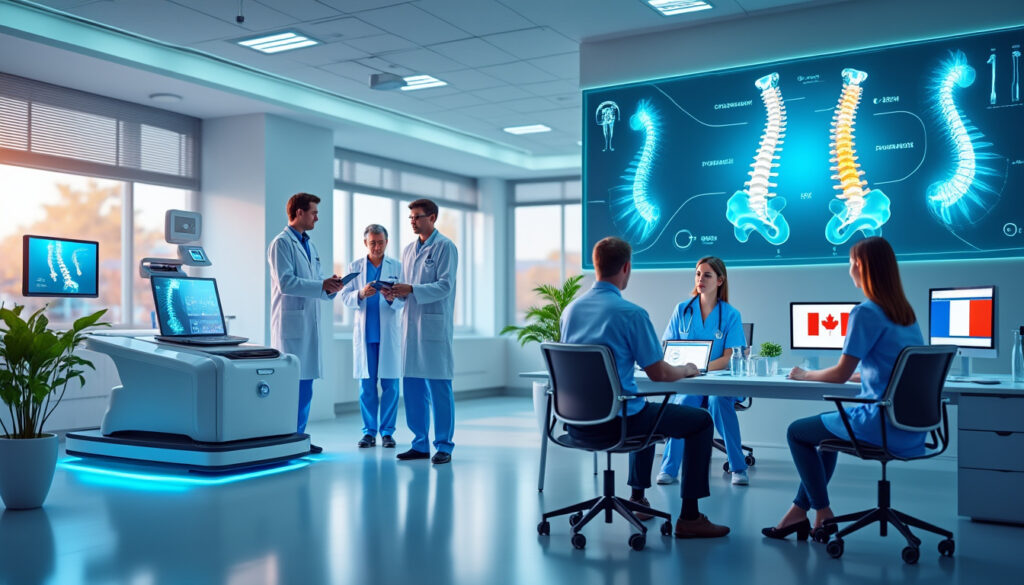
Dr. Sylvain Desforges stands as a beacon of innovation in spinal care, notably for his role in coordinating transatlantic patient pathways connecting Pointe-Claire and medical centers in France. This international collaboration enriches treatment options and patient experiences by combining the strengths of distinct healthcare systems.
Through partnerships with leading spine surgeons and multiclinic networks, patients benefit from accelerated timelines and access to advanced surgical technologies or implants not always available domestically. Platforms such as SOS Tourisme Médical facilitate seamless referrals and logistical support for cross-border care.
This global approach enhances personalized spinal therapy, with patients returning to Pointe-Claire for comprehensive pre-operative evaluations, neurovertebral decompression treatments, and attentive post-operative rehabilitation. The continuous exchange of clinical data and expert consultation ensures consistent quality and safety in patient care.
Such initiatives showcase how innovation, ethics, and empirical evidence guide Dr. Desforges’ commitment to providing world-class spine care tailored uniquely to each patient’s circumstances.
What is the typical duration of neurovertebral decompression treatment for a herniated disc in Pointe-Claire?
Treatment length varies depending on herniation severity and patient response, but a full program typically spans several weeks to months with frequent early sessions.
Can I safely practice sports with a herniated disc?
Yes, prioritizing low-impact activities like walking, swimming, or yoga while avoiding high-impact, jarring sports helps prevent aggravation of the condition.
Is neurovertebral decompression a substitute for surgery?
This non-invasive therapy often serves as an effective alternative to surgery when patients adhere to the treatment plan and achieve pain control.
Which foods aid disc regeneration?
Foods rich in collagen, omega-3 fatty acids, and antioxidants support disc health. Staying hydrated and eating a balanced, anti-inflammatory diet is also crucial.
How important is patient motivation during recovery?
Active patient participation and motivation are key to successful recovery. Realistic goals, regular follow-up, and a supportive care team help maintain adherence and encourage progress.
Minimally Invasive Surgery in Longueuil: Reducing Hospital Stays for Faster Recovery
In recent years, a transformative wave has swept through spinal healthcare in Longueuil, aiming to revolutionize treatment experiences for patients suffering from back disorders. This shift stems from a growing demand for procedures that minimize hospital stays without compromising efficacy.…