Saint-Jérôme Cervical Disc Care for Chronic Pain Sufferers
November 15, 2025
Why Experts Advocate for Simple Surgery, Fusion, and Motion Preservation Techniques
November 16, 2025
In the dynamic community of Terrebonne, spinal health is at the forefront for many experiencing persistent back or neck discomfort. Herniated discs represent a common yet often misunderstood condition that significantly impacts quality of life, mobility, and overall wellness. Understanding the subtle yet crucial symptoms that indicate a herniated disc is vital for timely and effective care. Thanks to advances in non-invasive therapeutic options like neurovertebral decompression, patients now have innovative paths toward relief without surgery. These modern treatments, especially when guided by experts with rich clinical experience and scientific rigor, provide renewed hope for those seeking lasting solutions for spinal ailments.
Spinal conditions remain a leading cause of disability worldwide, making early detection and intervention critical. The subtle progression of herniated discs demands attention to specific symptoms which, if ignored, may escalate into debilitating pain or neurological deficits. The expertise of clinicians in Terrebonne, especially at facilities like Clinique TAGMED and NeuroVert Terrebonne, allows patients to benefit from treatments tailored to their unique spinal anatomy and condition severity. These clinics emphasize combining advanced technology with compassionate care, ensuring patients are well-informed and supported throughout their journey. With over three decades of experience, Dr. Sylvain Desforges stands as a pillar of this approach, advising and overseeing treatment pathways grounded in ethics and innovation.
Recognizing the 5 Critical Symptoms of Herniated Disc in Terrebonne Residents
Timely recognition of a herniated disc can dramatically improve patient outcomes by enabling early intervention with conservative therapies. Many individuals in Terrebonne initially dismiss their symptoms as normal back strain or aging effects, which delays proper evaluation and treatment. Below are the five key symptoms to watch for that warrant professional evaluation at specialized centers such as the NeuroDiscClinic or SpineHealth professionals.
- Persistent Lower Back Pain: This is not typical muscle soreness but a constant, deep ache often intensifying during bending, lifting, or prolonged sitting.
- Radiating Sciatic Pain: Sharp or burning sensations trailing down one leg, sometimes reaching the foot, often misattributed to general muscle cramps.
- Numbness and Tingling: Loss of sensation or prickling usually affecting parts of the legs, occasionally extending to the pelvic region, signaling nerve involvement.
- Muscle Weakness: Noticeable reduction in strength, causing difficulty in foot dorsiflexion or knee extension, affecting gait and balance.
- Functional Limitations: Trouble performing routine activities such as standing from a seated position or walking steadily due to pain or instability.
Patients reporting these symptoms are encouraged to seek thorough assessment at clinics offering neurovertebral decompression and multidisciplinary spinal care. Early diagnosis often involves detailed physical examination and imaging techniques like MRI, helping specialists pinpoint the herniated disc’s exact location and nerve involvement.
| Symptom | Description | Clinical Importance |
|---|---|---|
| Lower Back Pain | Persistent and aggravated by movement | Indicates spinal stress or disc involvement |
| Sciatic Irradiation | Pain radiating along the sciatic nerve down the leg | Sign of nerve root compression |
| Numbness/Tingling | Loss of sensation or pins and needles sensation | Neurological indicator of nerve irritation |
| Muscle Weakness | Reduced muscular function in the legs | Signals nerve impairment affecting motor control |
| Functional Restrictions | Difficulty in daily movements due to pain or weakness | Direct impact on patient quality of life |
Understanding these symptoms facilitates better communication between patients and healthcare professionals, ensuring care pathways that emphasize individualized management and evidence-based interventions. More resources are available to residents at neurodisc-focused educational platforms, fostering patient empowerment and informed decision-making.
Disc herniation remains a prevalent and challenging spinal disorder, significantly affecting individuals’ quality of life, particularly in communities like Sainte-Julie. Characterized by a rupture or protrusion of the disc nucleus through the fibrous ring, this condition compresses adjacent nerve roots,…

IntraSPINE® in Sherbrooke: Protecting and Enhancing Lumbar Function
The prevalence of chronic low back pain has surged globally, profoundly impacting individuals’ quality of life and productivity. Sherbrooke, Quebec, exemplifies this widespread challenge, with numerous patients seeking effective and sustainable relief from lumbar discomfort. Addressing this urgent need, the…
Types of Herniated Discs in Terrebonne: Clinical Implications and Specific Symptoms
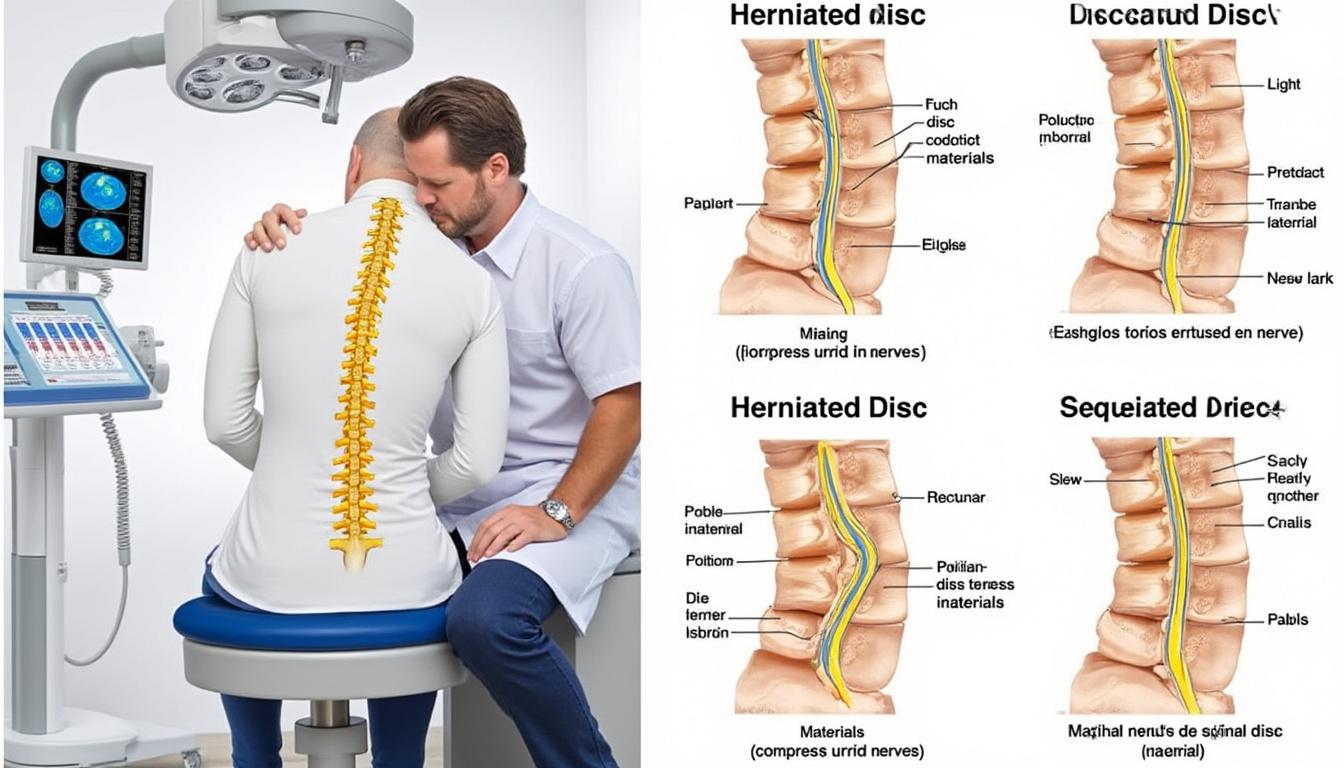
Recognizing the precise type and location of a herniated disc is fundamental for tailoring effective treatment plans. In Terrebonne, the most prevalent forms include lumbar, cervical, thoracic, extraforaminal, and median hernias. Each anatomical variation presents unique clinical manifestations and prognosis challenges.
- Lumbar Herniated Disc: Frequently encountered, characterized by lower back pain and sciatica. It compromises lumbar nerve roots causing radiating leg pain.
- Cervical Herniated Disc: Impacts the neck, resulting in pain that radiates into shoulders and arms, often accompanied by sensory changes or motor weakness in the upper limbs.
- Thoracic Herniated Disc: Less common; may cause mid-back aches and potential neurological deficits, requiring keen diagnostic acumen.
- Extraforaminal Herniated Disc: Occurs outside typical nerve exit points, compressing peripheral nerves with distinct symptom patterns.
- Median/Paramedian Herniation: Central disc protrusion potentially compressing the spinal cord, posing significant neurological risks and requiring urgent assessment.
The differentiation impacts treatment choices, especially when deciding between conservative and invasive interventions. Specialists, such as those at leading research institutions and clinical centers, emphasize the need for personalized therapy considering the hernia’s characteristics and neurological involvement.
| Herniated Disc Type | Region | Primary Symptoms | Clinical Significance |
|---|---|---|---|
| Lumbar | Lower Back | Sciatica, lower limb pain | Common, often treated conservatively |
| Cervical | Neck | Neck/arm pain, numbness, weakness | Risk of motor/sensory deficits |
| Thoracic | Mid-back | Localized back pain, sensory changes | Rare, complex diagnosis |
| Extraforaminal | Outside vertebral foramen | Peripheral nerve symptoms | Targeted nerve decompression needed |
| Median/Paramedian | Center of spine | Severe nerve compression | Requires urgent care to avoid paralysis |
The attentive coordination of care by experts like Dr. Sylvain Desforges ensures that the intricate nature of these hernias is evaluated thoroughly, combining scientific knowledge with precise clinical techniques. Residents seeking clarity on their specific herniated disc can explore comprehensive evaluations at leading neurovertebral decompression clinics to understand their conditions fully.
In Sainte-Thérèse, a community marked by active lifestyles and significant physical demands, lumbar disc herniation emerges as a critical health concern affecting many individuals. The intricate nature of lower back pain, often stemming from discopathy, requires a precise and empathetic…

In the bustling community of Saint-Hubert, where everyday life blends a range of physical and sedentary activities, the impact of discal hernia on spinal health is profoundly felt. This condition, frequently manifesting at the L5-S1 spinal segment, can dramatically disrupt…
Cutting-Edge Neurovertebral Decompression Therapy: A Breakthrough Treatment in Terrebonne
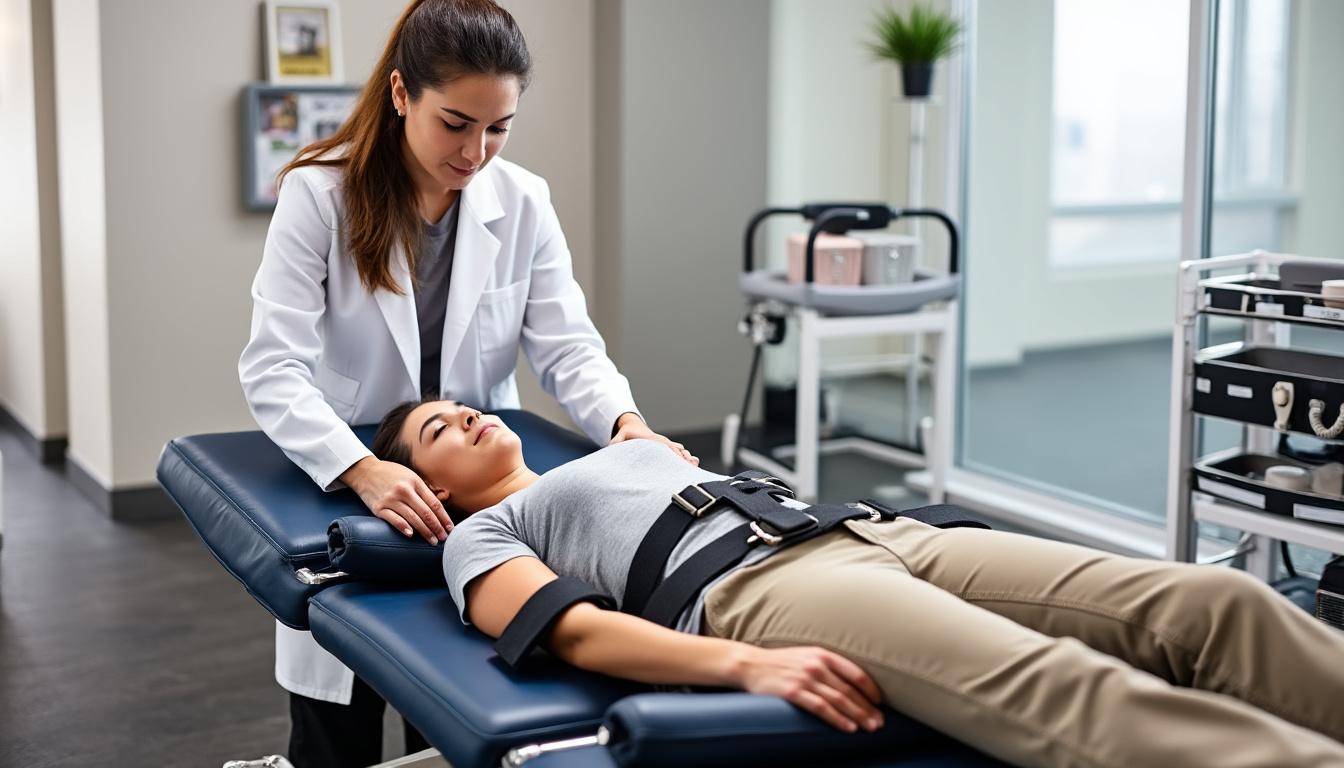
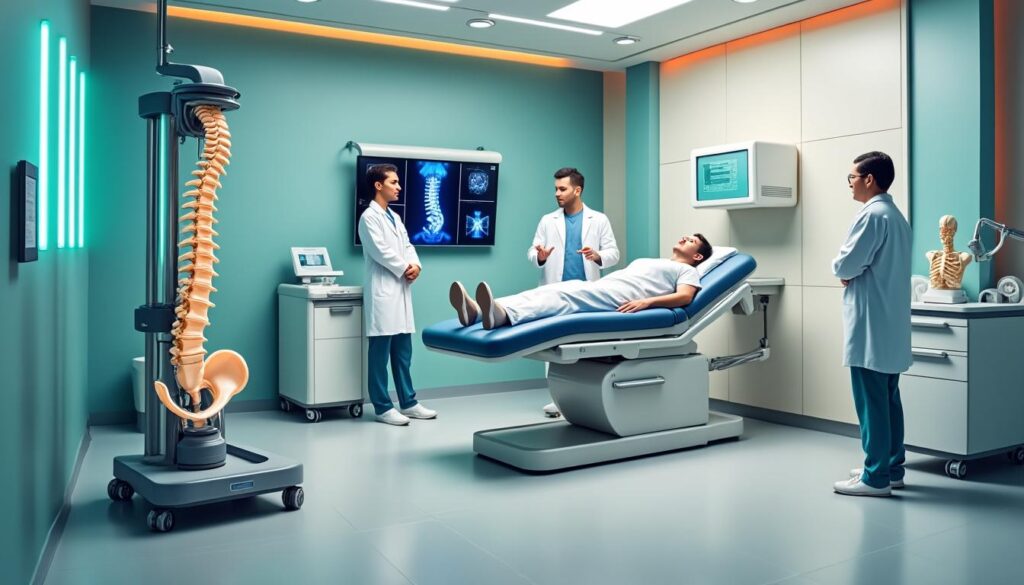
Neurovertebral decompression therapy represents a revolutionary, non-surgical option available at distinguished centers such as Clinique TAGMED in Terrebonne. This treatment aims to reduce intra-discal pressure using precise mechanical traction, promoting natural disc healing and symptom relief while avoiding the risks of surgery.
- Mechanism: Controlled spinal traction gently stretches the spine, increasing the space between vertebrae.
- Benefits: Alleviates nerve root compression, reduces disc protrusion size, and improves blood flow to affected tissues.
- Safety: Non-invasive with minimal risks, performed under expert supervision ensuring patient comfort and monitoring.
- Customization: Treatment intensity and duration are tailored according to individual patient needs and response.
Clinical studies and patient testimonials, such as those chronicled by specialist medical websites, highlight the increasing success of neurovertebral decompression in managing herniated disc symptoms in populations like TerrebonneSpine patients.
| Feature | Neurovertebral Decompression | Surgical Intervention |
|---|---|---|
| Invasiveness | Non-invasive | Invasive |
| Recovery Time | Minimal | Extended |
| Risks | Minor, closely monitored | Significant, including infection and anesthesia complications |
| Cost | Moderate, often covered partially by insurance | Higher, with hospital stays |
| Symptom Relief Timeline | Weeks to months | Immediate but with longer convalescence |
To optimize recovery, neurovertebral decompression is often combined with adjunct therapies such as osteopathy and spinal exercises, reinforcing the holistic approach practiced at BackBalance and other specialized clinics. For more on treatment details, visit Clinique TAGMED’s spinal decompression program.

The rising prevalence of Lumbar Disc Herniation in Saint-Léonard reflects the increasing demands of modern urban lifestyles. Persistent back pain has become a frequent yet often underestimated complaint, spurring many residents to seek effective and lasting solutions. Recognizing the complexity…
In the bustling Southwest district of Montreal, lumbar disc herniation presents a significant public health challenge, affecting a diverse population ranging from young adults to seniors. This condition, often linked to debilitating back pain and nerve-related symptoms such as sciatica,…
Integrating Osteopathy and Targeted Spinal Rehabilitation for Enhanced Recovery in Terrebonne Patients
While neurovertebral decompression technology addresses disc pressure, complementary interventions like osteopathy and physical rehabilitation are essential for long-term spine health. At Clinique TAGMED and associated TerraBonne specialists, these multidisciplinary approaches converge to restore functional mobility and prevent recurrence.
- Osteopathic Intervention: Manual techniques to correct postural imbalances, reduce inflammation, and restore neuromuscular function.
- Spinal Rehabilitation: Customized exercise regimens focused on strengthening core muscles, enhancing flexibility, and promoting healthy movement patterns.
- Patient Education: Guidance on ergonomic practices and lifestyle adaptations to minimize spine stress in daily activities.
- Collaborative Care: Regular communication among osteopaths, decompression therapists, and medical professionals for coordinated treatment.
This synergistic care model is supported by clinical evidence underscoring the importance of comprehensive spinal management, something thoroughly applied by experts such as Dr. Sylvain Desforges. Residents are encouraged to explore options at specialized institutions like the BackRestore and NeuroRelief centers for integrated rehabilitation protocols.
| Therapeutic Component | Role in Recovery | Expected Benefits |
|---|---|---|
| Osteopathy | Realigns vertebrae, reduces tension | Improves spinal mobility, reduces pain |
| Spinal Exercises | Strengthens muscles, enhances flexibility | Prevents relapse, supports posture |
| Ergonomic Education | Adapts habits and environment | Minimizes strain on spine |
| Coordinated Care | Ensures treatment cohesion | Faster and sustained recovery |
The dynamic neighborhood of Mercier–Hochelaga-Maisonneuve has seen a significant rise in cases of herniated disc-related back pain, with many residents facing chronic discomfort that interferes with work and daily activities. This ailment, which involves displacement or protrusion of spinal discs,…

Herniated discs are a frequent source of back pain and discomfort for residents of Ahuntsic-Cartierville, yet misconceptions and myths about this condition often complicate treatment and recovery. Many individuals suffer needlessly, uncertain of their options and hesitant about emerging therapies.…
When to Consider Surgery and How Conservative Care Stands Out in Terrebonne’s Spine Treatment Landscape
Surgical intervention for herniated discs is typically reserved for cases exhibiting significant neurological impairment or failure of conservative care. Dr. Sylvain Desforges advocates always exploring evidence-based non-surgical therapies first, in keeping with current Québec and Canadian medical guidelines.
- Indications for Surgery: Progressive muscle weakness, loss of bladder or bowel control, or severe nerve compression symptoms.
- Conservative Care Benefits: Reduced risks, avoidance of anesthetic complications, and natural healing stimulation.
- Patient Suitability: Most patients benefit from decompression, osteopathy, and rehabilitation before surgery is considered.
- Decision-Making: Collaborative consultations involving multidisciplinary teams optimize individualized care plans.
In Terrebonne, clinics like the NeuroDiscClinic champion these bespoke, conservative pathways. Detailed diagnostic workup and close monitoring ensure surgical interventions are reserved for only those who truly require them, ensuring safer outcomes.
| Treatment Approach | Indications | Advantages | Considerations |
|---|---|---|---|
| Conservative (Decompression, Osteopathy, Rehab) | No severe neurological deficits | Non-invasive, nurtures natural healing | Requires patient commitment, longer course |
| Surgical | Severe motor loss or neurological emergencies | Rapid symptom relief in critical cases | Inherent risks, longer recovery period |
For patients and families pondering their options, learning from testimonials and expert guides like those at regional neurovertebral therapy success stories can provide reassurance and insight into effective paths.
Step-by-Step Guide to Neurovertebral Decompression Treatment at Terrebonne’s Premier Clinic
Successful outcomes from neurovertebral decompression require meticulous preparation, treatment administration, and post-therapy care. At TAGMED and affiliated Terrebonne centers, a patient-centric process ensures transparency and individualized management.
- Preparation: Bringing recent imaging results (MRI), completing health history documentation, and wearing comfortable attire.
- Treatment Sessions: 20-30 minutes of gentle, computerized spinal traction tailored precisely to disc location and patient feedback.
- Monitoring: Continuous observation by clinicians to adjust traction and ensure no discomfort or adverse effects.
- Follow-Up: Scheduled evaluations to track symptom improvement and integrate complementary therapies like osteopathy.
The combination of advanced technology, rigorous clinical protocols, and the deep expertise of Dr. Sylvain Desforges’ team underpins the success of care in Terrebonne. Interested individuals are invited to discover detailed treatment pathways and expert advice at dedicated neurodiscal therapy resources.
| Step | Details | Patient Role |
|---|---|---|
| Consultation and Assessment | Review history, diagnostics | Provide detailed symptoms and history |
| Session Preparation | Wear comfortable clothes, consent | Follow pre-session guidelines |
| Treatment Delivery | Controlled spinal traction applied | Communicate feedback during session |
| Post-Treatment Follow-up | Monitoring and adjunct therapy | Attend scheduled check-ups |

International Collaboration Enhances Patient Care Journey Between Canada and France
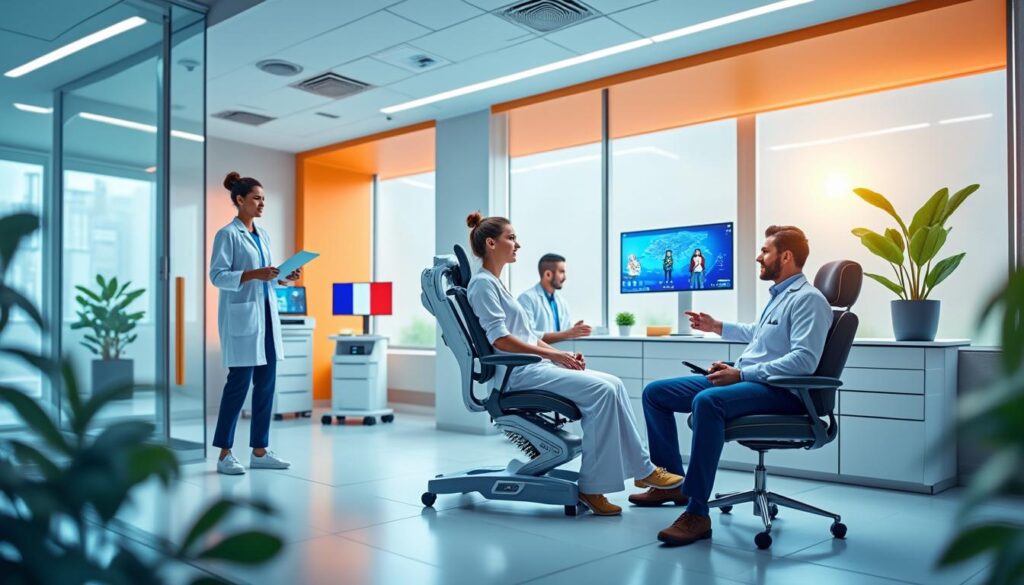
Dr. Sylvain Desforges’ unique role extends beyond clinical expertise to the coordination of transatlantic care pathways bridging Québec and France. This international collaboration optimizes patient outcomes through multidisciplinary teamwork and streamlined treatment access.
- Cross-border Expertise Sharing: Collaboration with top spine surgeons and clinics in France enriches diagnostic and therapeutic options.
- Medical Tourism Facilitation: Partnerships with platforms like SOS Tourisme Médical ensure seamless patient logistics and personalized care.
- Patient-centered Scheduling: Minimizes wait times and aligns international resources with local needs for optimal care timelines.
- Continuous Monitoring: Virtual consultations and follow-ups between continents maintain treatment continuity and safety.
This model exemplifies how cutting-edge spine care embraces global cooperation, benefiting patients who demand excellence and access to the latest technologies. More information on international patient support can be found at SOS Tourisme Médical.
| Benefit | Canada-France Collaboration | Impact on Patients |
|---|---|---|
| Access to Advanced Technology | Shared innovations like dynamic implants and laser therapy | Expanded treatment options |
| Faster Treatment Timeline | Coordinated scheduling and virtual evaluations | Reduced delays, quicker relief |
| Comprehensive Care | Integrated teams across countries | Improved patient outcomes |
| Patient Convenience | Organized travel and accommodation support | Streamlined experience |
What are early signs indicating a herniated disc?
Key symptoms include persistent back pain, radiating sciatic pain, numbness, muscle weakness, and limited mobility. Early detection is essential for effective treatment.
Is neurovertebral decompression therapy painful?
Most patients find the treatment relaxing, as the traction is gentle and precisely controlled. Any discomfort is closely monitored and minimized.
How long does a typical neurovertebral decompression course last?
Treatment duration varies but typically spans several weeks with sessions lasting 20 to 30 minutes each, depending on individual progress.
Can neurovertebral decompression be combined with other treatments?
Yes, combining decompression with osteopathy and targeted rehabilitation enhances recovery and reduces recurrence risk.
When is surgery necessary for a herniated disc?
Surgery is considered when neurological deficits such as paralysis or bladder dysfunction occur or when conservative treatments have failed to provide relief.