Conservative Treatments Versus Surgery: Understanding Their Impact on Surgical Decision-Making
May 24, 2026
Why Experts Advocate for Structured Imaging Exam Protocols
May 24, 2026
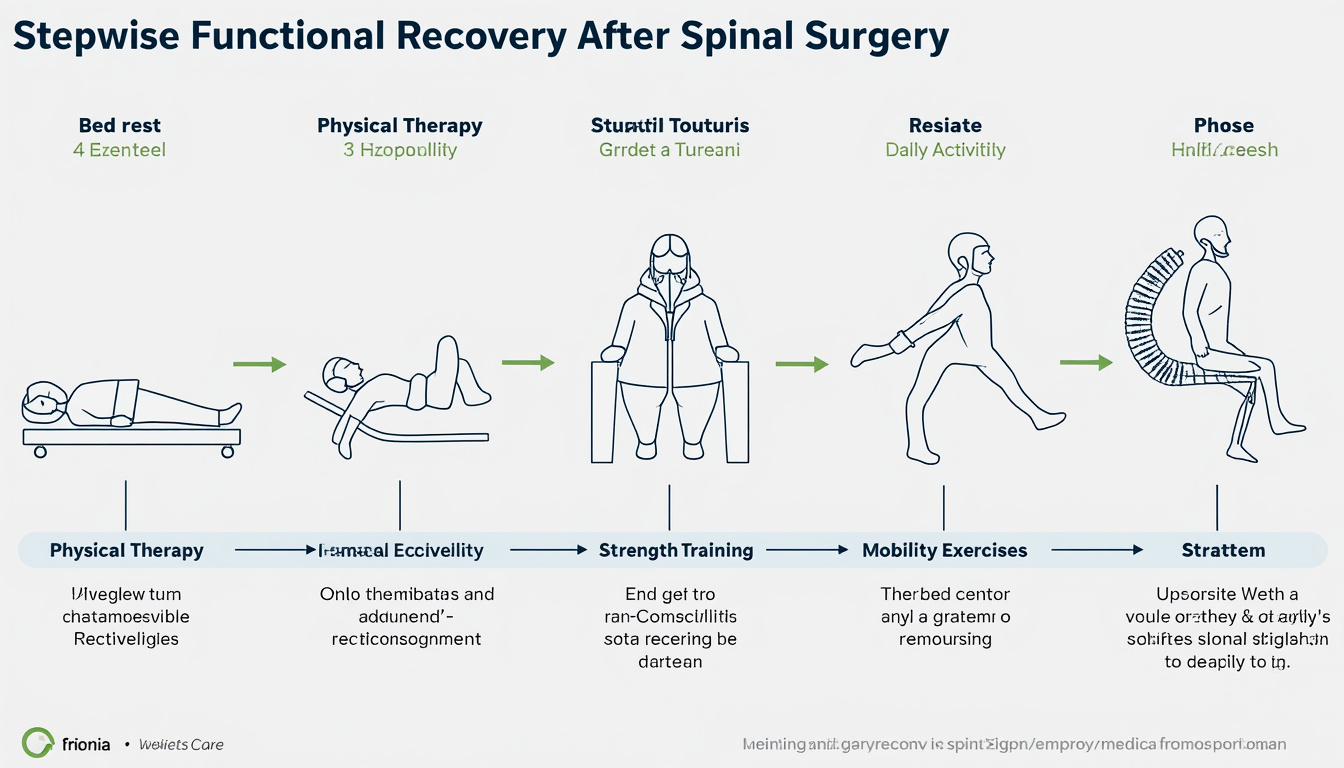
In the evolving field of spinal surgery and rehabilitative medicine, the concept of stepwise functional recovery has emerged as a pivotal framework fostering personalized and progressive patient care. This methodology, grounded in systematic stages tailored to the patient’s unique clinical condition, provides a transformative pathway to regain physical and functional autonomy after spinal interventions. Across continents, a detailed international comparison reveals diverse approaches to stepwise recovery, illuminating the shared principles and nuanced distinctions that characterize rehabilitation strategies worldwide.
From North America to Europe and Asia, this cross-cultural study examines the integration of innovative technologies, standardized protocols, and multidisciplinary cooperation designed to optimize health outcomes and enhance patient progress through each phase of recovery. In particular, the adoption of advanced therapeutic interventions such as repetitive transcranial magnetic stimulation (rTMS) offers an unprecedented opportunity to manage postoperative neuropathic pain and support neuropsychological wellbeing.
The complex injury landscapes addressed through spinal surgery necessitate a holistic recovery process, underscored by rigorous clinical follow-ups, functional assessments, and tailored rehabilitation regimens adapted to the demands of different surgical techniques. This comprehensive overview delves into how international protocols reconcile safety, efficacy, and patient engagement within the context of a stepwise functional recovery model, ultimately advocating for a more seamless return to active lifestyles.
Fundamentals of Stepwise Functional Recovery in Spinal Surgery
Stepwise functional recovery embodies a systematic and graduated approach, essential for the rehabilitation of patients following spinal surgery. The method’s cornerstone lies in its structured progression, which aligns clinical milestones with the patient’s evolving capacity for physical and neurological function. This progression facilitates safe mobilization, pain management, and restoration of musculoskeletal integrity, all while minimizing risks such as overexertion or delayed healing.
In spinal surgery contexts, ranging from minimally invasive discectomies to complex fusion procedures, the rehabilitation protocol adapts to the surgical intricacies and individual patient variables. A preoperative functional evaluation is crucial, providing baseline data that guides postoperative care pathways internationally recognized for their consistency and flexibility.
Challenges unique to spinal surgeries include neural tissue vulnerability, the potential for chronic pain syndromes, and psychological impacts such as anxiety or depression. Protocols tailored to these challenges incorporate functional goals that evolve from early mobility and pain regulation to advanced muscle strengthening and cognitive reintegration. For instance, patients undergoing fusion surgery might have protracted immobilization phases balanced carefully with muscle activation programs to prevent atrophy and enhance spinal stability.
Among the noteworthy practices in this realm, the involvement of specialized rehabilitation teams ensures continuous monitoring and adjustment of therapy steps. Integrating such a staged recovery contrasts vividly with traditional, less structured rehabilitation strategies. Numerous clinical studies emphasize that this method significantly accelerates functional recovery and reduces complications by systematically pacing patient activities according to objective functional criteria.
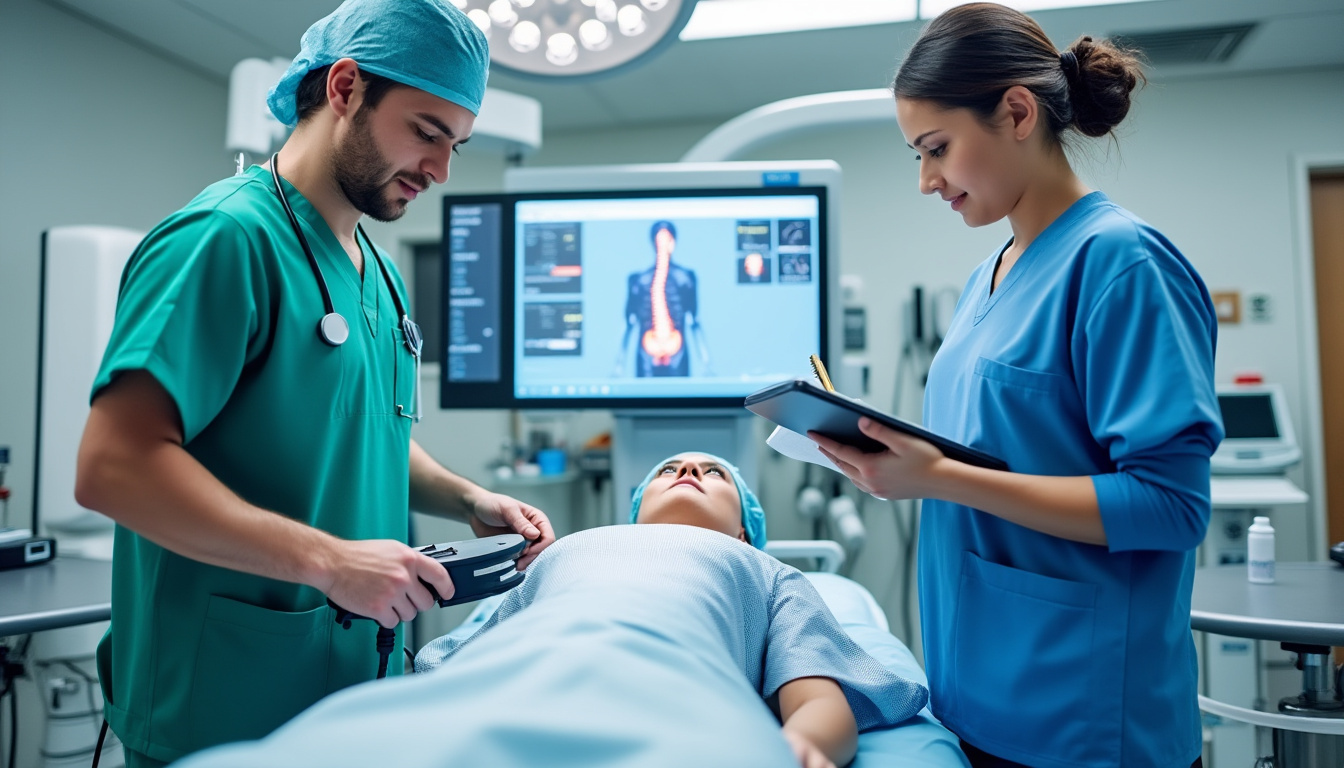
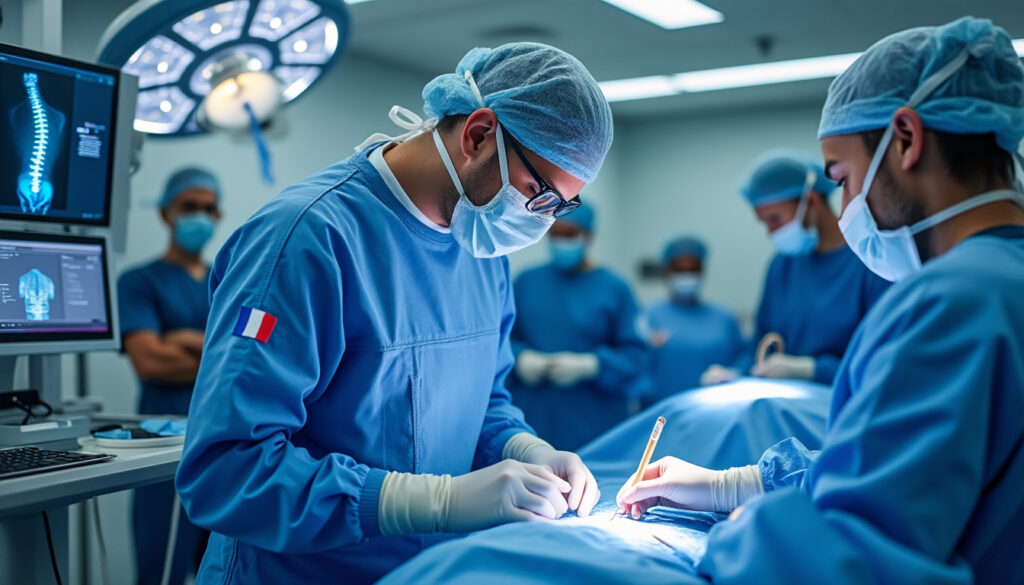
The Pivotal Role of Spinal Surgery in Achieving Successful Treatment Pathways in France
France’s healthcare system stands at the forefront of advancements in spinal surgery, reflecting a broader commitment to enhancing patient outcomes in orthopedic surgery and neurosurgery. The integration of spinal surgery within comprehensive treatment pathways is pivotal for managing complex spinal…
Role of Repetitive Transcranial Magnetic Stimulation in Enhancing Postoperative Rehabilitation
The application of repetitive transcranial magnetic stimulation (rTMS) represents a groundbreaking adjunct in managing chronic postoperative neuropathic pain and psychological sequelae. This non-invasive neuromodulation technique facilitates the modulation of cortical excitability, thereby influencing pain perception and emotional regulation.
International protocols increasingly endorse rTMS as part of the comprehensive stepwise recovery process, especially for patients who exhibit resistance to conventional pharmacological interventions. Its integration within rehabilitation programs exemplifies the medical community’s commitment to leveraging neurotherapeutic advancements for optimized recovery trajectories.
In practice, rTMS sessions are scheduled in synchrony with physical therapy regimens, aiming to reduce persistent pain that often hampers functional progress and to mitigate depressive symptoms that can undermine patient motivation. Clinical outcomes show significant improvements in pain scores and functional scales, demonstrating the efficacy of this combined therapeutic approach.
The strategic deployment of rTMS after spinal interventions varies across international treatment centers, with some emphasizing early initiation post-surgery, while others adopt more conservative timing aligned with distinct surgical recovery phases. What remains consistent is the consensus on rTMS’s role in enhancing the rehabilitation experience and contributing to sustainable functional gains.
Examples of rTMS Benefits in Different Recovery Scenarios
- Reduction in chronic neuropathic pain following decompression surgeries using repetitive neuromodulation.
- Improved psychological resilience in patients with motion preservation surgeries, reducing anxiety and depression episodes.
- Acceleration of muscle reactivation and functional milestone achievement by combined rTMS and exercise therapy in fusion surgery cases.

Can Medical Logistics and Accommodation Help Avoid Surgery?
The management of spinal pathologies is an intricate process, often necessitating a multidisciplinary approach that combines advanced medical interventions with comprehensive healthcare planning. For patients, especially those traveling internationally, meticulous coordination of medical logistics and accommodation can not only enhance…
International Protocols: Variations and Consensus in Stepwise Functional Recovery
This comparative review examines protocols adopted in North America, Europe, and Asia, highlighting both commonalities and divergences in managing the recovery process after spinal surgeries. Early mobilization is a prominent feature in North American rehabilitation, advocating assisted walking and gradual activity resumption from the first postoperative days. Conversely, some Asian centers favor extended initial immobilization, focusing on tissue healing before initiating aggressive rehabilitation techniques.
Europe presents a balanced approach incorporating evidence-based guidelines and a strong emphasis on functional outcome measurements to dictate progression through recovery stages. A shared principle among these international models is the customization of therapy based on patient-specific factors such as age, comorbidities, and occupation.
According to Philippe Mazaltarim, an authority in neurotherapy and rehabilitation, international collaboration facilitates the establishment of standardized benchmarks through tools like the Fugl-Meyer Assessment for lower extremities (FMA-LE), improving the comparability of patient progress globally.
Detailed databases and rehabilitation measure resources, such as those available via the Rehabilitation Measures Database, support clinicians worldwide in tracking therapeutic efficacy, enabling data-driven refinement of recovery steps. This fosters enhanced health outcomes and enables an agile response to adverse events or plateaus in patient progress.
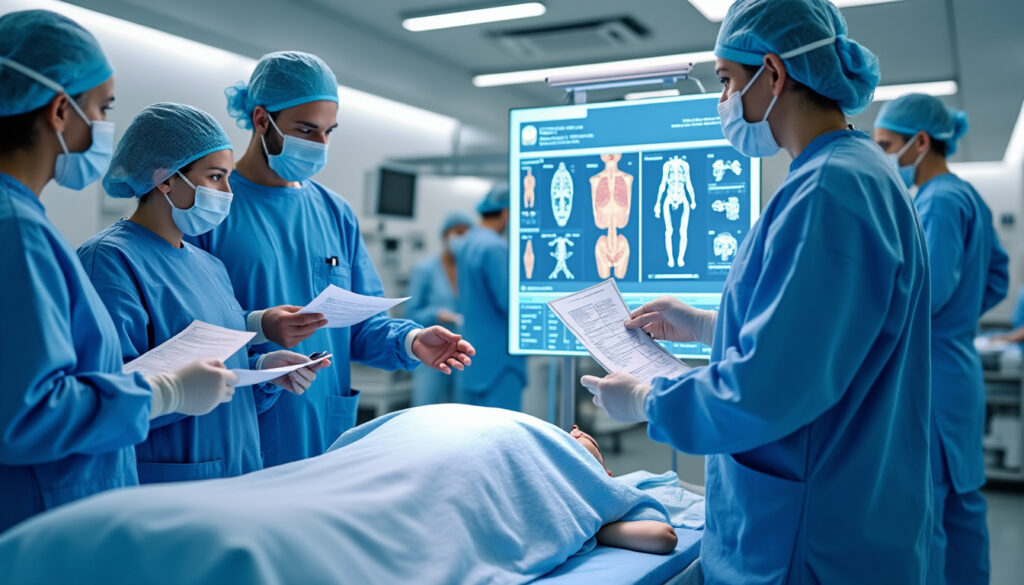
Why Experts Advocate for Thorough Preparation Before Surgery in France
In recent years, France has become a preferred destination for patients seeking advanced surgical care, especially for complex procedures such as spinal surgeries. The country’s commitment to medical excellence is reflected in its integration of cutting-edge technology and comprehensive patient…
Phases of Recovery: From Early Mobilization to Complex Functional Reintegration
The progression after spine surgery is characterized by clearly delineated phases, each with specific therapeutic objectives. Simple interventions, such as discectomy or decompression, often permit early ambulation within the first 48 hours. In contrast, fusion or motion preservation surgeries require prolonged phases emphasizing stability and controlled muscle activation.
Walking assistance protocols allow patients to regain neuromuscular control while protecting the surgical site, achieving a delicate balance between immobilization and mobilization. Work reintegration timings reflect these distinctions, with simple surgeries enabling a return within 3 to 6 weeks and intricate fusions necessitating up to 4 months before supported occupational engagement.
Sporting activities return is the longest phase, generally spanning 3 to 12 months and involving gradual intensity increments under clinical supervision. This incremental exposure prevents secondary injuries and ensures optimal conditioning.
The following table delineates recovery timelines linked to common spine surgeries, highlighting the role of rTMS in pain control and psychological support:
| Type of Surgery | Assisted Walking Start | Work Resumption (hrs/week) | Sports Return Timeline | Key Role of rTMS |
|---|---|---|---|---|
| Simple Surgery (Discectomy, Decompression) | Day 1-2 | 3-6 weeks (half-time possible) | 3-6 months | Pain management, chronic pain prevention |
| Spinal Fusion | Day 3-5 | 2-4 months | 6-12 months | Chronic pain control, psychological support |
| Motion Preservation Surgery | Day 3-5 | 2-4 months | 6-12 months | Functional optimization, pain modulation |
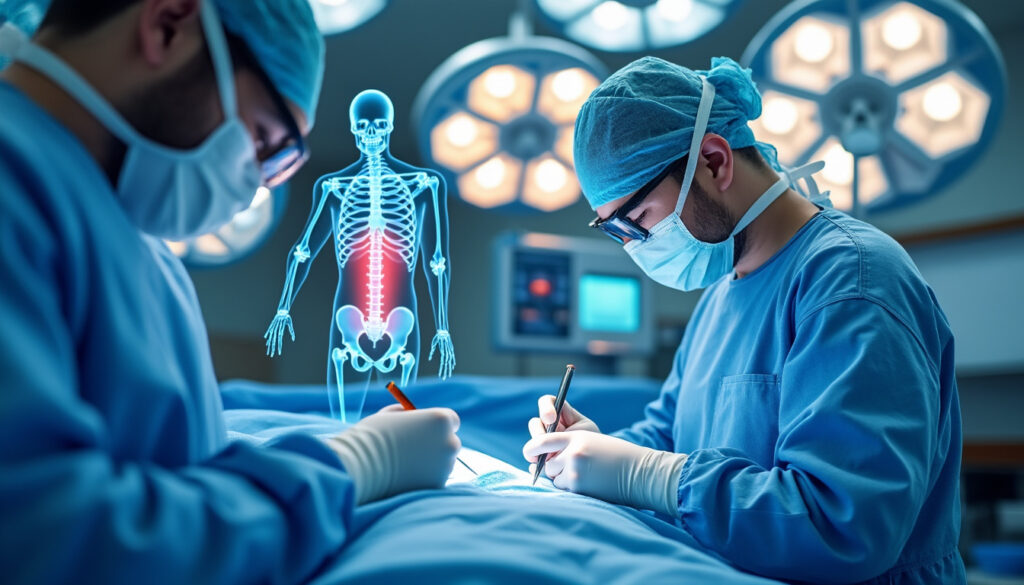
Unveiling the Hidden Benefits of Simple Surgery, Fusion, and Motion Techniques
Spinal health has undergone a remarkable transformation in recent years, with advancements in surgical approaches dramatically altering patient outcomes. In an era where maintaining quality of life is paramount, the fusion of innovative technologies with surgical expertise has unveiled a…
Innovations in Medical Rehabilitation Driving Enhanced Health Outcomes
Contemporary rehabilitation embraces a wide array of cutting-edge technological aids beyond conventional physiotherapy. Institutions like Neurothérapie Montréal play a critical role in merging traditional rehabilitation protocols with neuromodulation techniques and innovative devices such as BrainPort and PoNS. These tools harness neuroplasticity to restore motor and cognitive functions following spinal cord injury or neurological impairments.
Moreover, robotic-assisted surgeries guided by 3D imaging platforms have revolutionized operative precision and postoperative recovery expectations. In France, the clinical integration of these surgical innovations sets a high standard, underpinning faster recoveries and reduced complication rates. Continuous education programs like the EuroSpine Endoscopic Spine Course reinforce the dissemination of these progressive practices among global surgery and rehabilitation teams.
Such advancements offer patients a distinctly improved recovery environment, promoting sustained functional progress through patient-tailored therapy regimens.
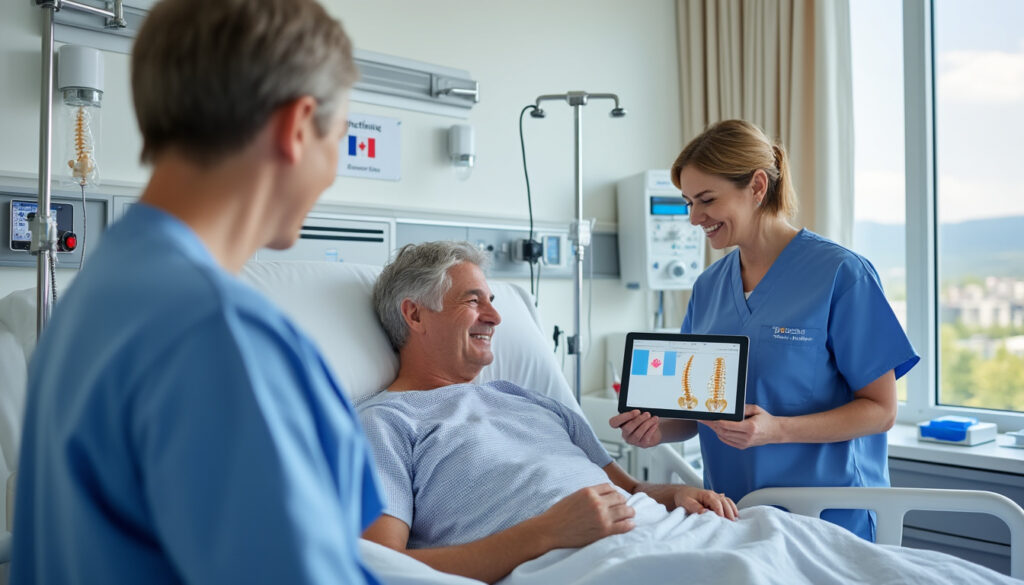
Post-Operative Back Surgery Care: A Clear Guide for Quebec Patients
In recent years, an increasing number of Quebec patients have chosen to undergo back surgery in France, drawn by the country’s advanced surgical techniques and high standard of care. This cross-continental approach to managing spinal conditions highlights not only the…
Addressing Chronic Pain and Psychological Wellbeing through a Multidisciplinary Therapeutic Approach
Chronic neuropathic pain and associated syndromes such as post-laminectomy syndrome remain primary obstacles in spinal surgery recovery. Addressing these requires an integrated approach combining pharmacologic, physical, and neuromodulatory therapies. Repetitive transcranial magnetic stimulation stands out as a validated tool to reduce pain intensity, curtail medication dependency, and enhance sleep quality, all crucial to optimal rehabilitation outcomes.
Psychological aspects are increasingly recognized as integral to functional recovery. Anxiety, depression, and diminished motivation are common postoperative challenges that can delay convalescence or precipitate relapse. The application of neuromodulation for mood regulation, alongside cognitive-behavioral support, offers a dual therapeutic lever to maintain patient engagement and improve quality of life.
Close collaboration between neurologists, surgeons, physical therapists, and psychologists underpins this comprehensive therapeutic model, ensuring that patients receive holistic care facilitating both physical and mental recuperation.

Why Experts Advocate for Patient Testimonials During Recovery
The recovery journey from surgical interventions, especially those involving complex procedures like spinal surgeries, is far more than the body’s physical healing. It encompasses an intricate interplay of emotional resilience, psychological endurance, and the need for a nurturing support system.…
Cross-border Cooperation: Streamlining a Transatlantic Recovery Journey
One exemplary model of international coordination is the management of Canadian patients undergoing spinal surgeries in France, coordinated by expert centers such as Neurothérapie Montréal and supported by medical travel organizations like SOS Tourisme Médical and Franchir. This triad ensures a seamless transition that preserves continuity of care through meticulous handovers between surgical teams and rehabilitation specialists.
The process involves detailed preoperative planning, patient education, and logistical coordination to minimize delay and prevent post-operative complications. This collaboration also reflects adaptive application of international protocols, which are refined by localized healthcare nuances and patient lifestyle considerations.
Patients benefit from ongoing monitoring and tailored rehabilitation that embraces stepwise functional recovery principles, culminating in improved confidence, reduced readmission rates, and sustained reintegration into daily activities.
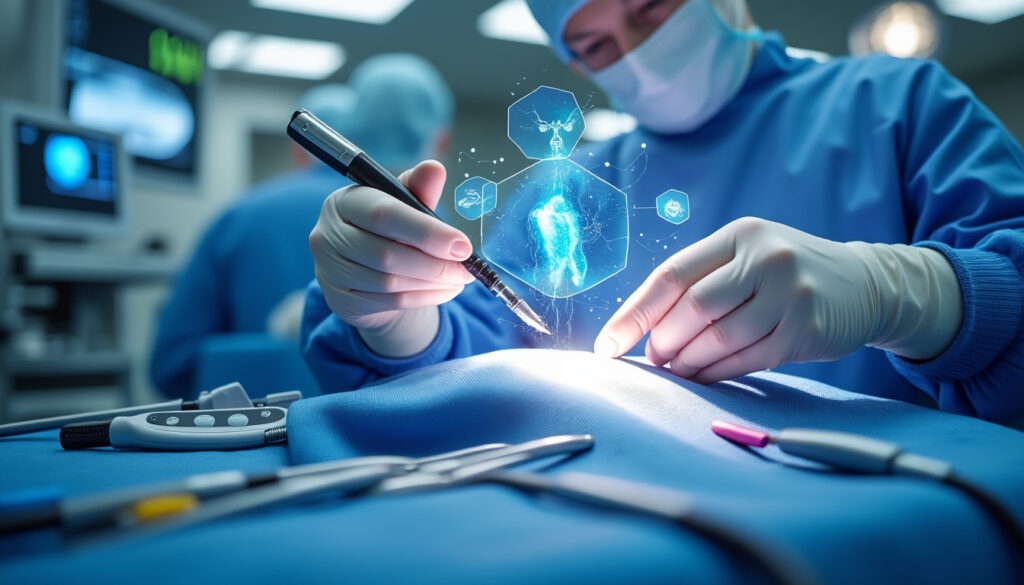
Can Simple Surgery, Fusion, or Motion Techniques Help You Avoid More Invasive Procedures?
As chronic back pain continues to burden millions worldwide, the spectrum of spinal treatments evolves with remarkable advancements in 2026. Patients seeking relief from debilitating conditions often confront the dilemma of whether to pursue traditional, highly invasive surgeries or consider…
Practical Recommendations for Maximizing Stepwise Functional Recovery
Effective rehabilitation is a shared responsibility between patients and healthcare providers. Optimizing recovery outcomes requires adherence to structured protocols and informed patient participation. Recommendations derived from international experience include:
- Regular functional assessments: Engage in periodic neurofunctional evaluations to adapt rehabilitation intensity and address emerging challenges promptly.
- Pain modulation strategies: Utilize non-pharmaceutical interventions such as rTMS in conjunction with traditional treatments to ensure effective pain control.
- Phased physical activity: Incrementally increase the intensity and complexity of exercises guided by recovery stage and individual tolerance.
- Psychological support: Identify and manage mental health concerns early through neuromodulation and counseling.
- Open communication: Maintain ongoing dialogue with the multidisciplinary care team to optimize personalized care plans and report any unusual symptoms.
Patient testimonials underscore the transformative potential of this approach. For example, an individual following lumbar fusion surgery achieved a full return to hiking within six months through a combined program emphasizing physical rehabilitation and neuromodulation, illustrating the tangible benefits of such comprehensive care.
International Comparison: An In-Depth Look at Stepwise Functional Recovery
| Aspect | North America | Europe | Asia |
|---|---|---|---|
| Mobilization Timing | Early post-op (<48h) | Moderate, functional guided | Delayed initial mobilization |
| Use of rTMS | Common, integrated | Increasing adoption | Emerging interest |
| Patient Assessment Tools | Standardized functional scales | FMA-LE widely used | Varying protocols |
| Multidisciplinary Coordination | High-level integration | Structured teams | Developing framework |
What defines stepwise functional recovery after spinal surgery?
Stepwise functional recovery is a progressive method organizing rehabilitation into clearly defined stages, allowing controlled and safe return to normal activities following spinal surgery.
How does rTMS contribute to postoperative recovery?
Repetitive transcranial magnetic stimulation helps modulate chronic pain, prevent postoperative depression, and increase the effectiveness of rehabilitation programs.
What role does Neurothérapie Montréal play in patient follow-up?
Neurothérapie Montréal provides personalized coordination for Quebec patients undergoing surgery in France, offering clinical, neurofunctional, and psychological monitoring tailored to individual needs.
What are international recommendations for activity resumption post-spinal surgery?
International protocols advise a gradual and tailored resumption of activities based on surgery type, with regular functional assessments to adjust rehabilitation and avoid complications.
Comprehensive Guide to Organizing Medical Imaging Examinations
In the complex world of spinal surgery and multidisciplinary healthcare, precise organization of medical imaging examinations stands as a pivotal element for patient safety and surgical success. As demand rises for cross-border medical collaboration, particularly between regions like Québec and…