IntraSPINE® in Sherbrooke: Enhancing Posture and Stability for Better Health
May 23, 2026
Can Stepwise Functional Recovery Help Us Sidestep Surgery?
May 23, 2026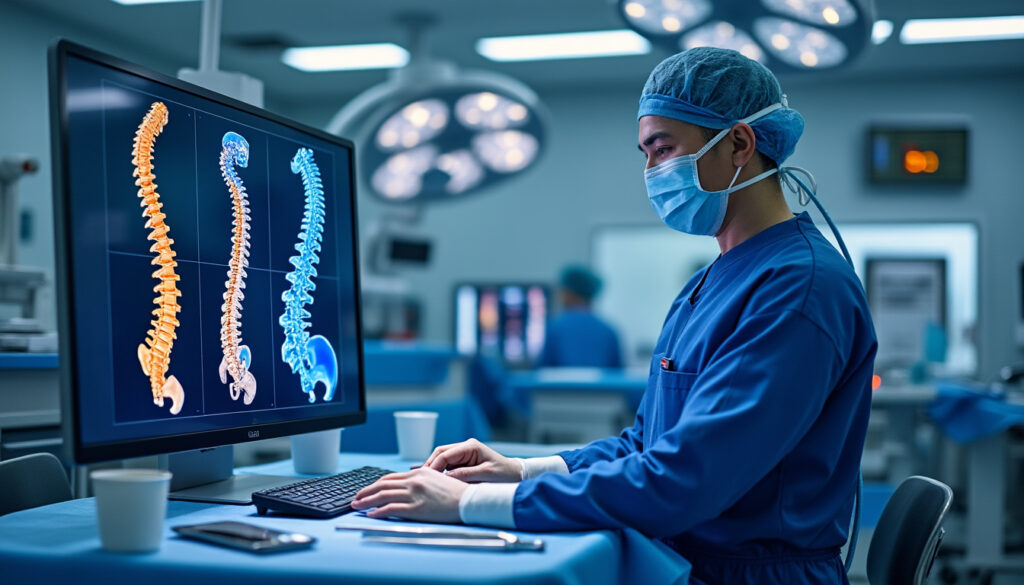
Spine surgery in France presents an advanced frontier of medical expertise, combining cutting-edge technologies with a patient-centered approach that appeals widely to both local and international patients. Specialists consistently advocate for France as a prime destination for spinal interventions due to the country’s integration of innovative surgical practices, streamlined patient pathways, and remarkable outcomes. Among patients struggling with chronic spinal conditions, particularly those from regions like Quebec facing lengthy wait times and high costs for private care, France offers a compelling alternative that merges medical tourism with exceptional specialist care. This blending of high-end technology and comprehensive support services ensures rapid access, individualized treatment plans, and sustained follow-up, optimizing patient recovery and satisfaction levels.
The landscape of spine surgery in France is defined by a multidisciplinary effort that spans expert orthopedic surgeons, neurosurgeons, rehabilitation specialists, and logistical coordinators. This holistic network not only ensures surgical excellence but also emphasizes minimally invasive techniques that preserve spinal function and diminish recovery periods. Surgical innovations such as endoscopic spine procedures and dynamic implants underscore France’s leadership in the field, backed by an evolving understanding of biomechanics that prioritizes patient quality of life beyond the operating room. Crucially, these advances align with rigorous ethical standards and rigorous national training programs, making France a global leader in delivering spine care.
Advanced Techniques in Spine Surgery in France: A Comparative Perspective
The diversity of surgical techniques available in France sets the country apart as a hub for spine surgery innovation. Traditional spinal fusion surgery remains a reliable option for severe deformities and instability, offering durable outcomes via mechanical stabilization with implants such as cages, screws, and plates. Despite the reduced local mobility following fusion, patients report significant gains in pain reduction and spinal realignment, especially for complex degenerative conditions.
Contrasting with fusion, specialists emphasize the growing adoption of motion-preserving implants like TOPS and IntraSPINE devices. These technologies cater predominantly to younger patients or those without advanced arthrosis, stabilizing problematic vertebral segments while maintaining physiological movement. This method substantially lessens stress on adjacent spinal levels, mitigating the risk of secondary degeneration and supporting an enhanced functional recovery. The ability to conserve natural biomechanics through dynamic stabilization represents a revolutionary leap from the limitations of rigid fusion, reflected in improved patient-reported outcomes and longer-term spinal health.
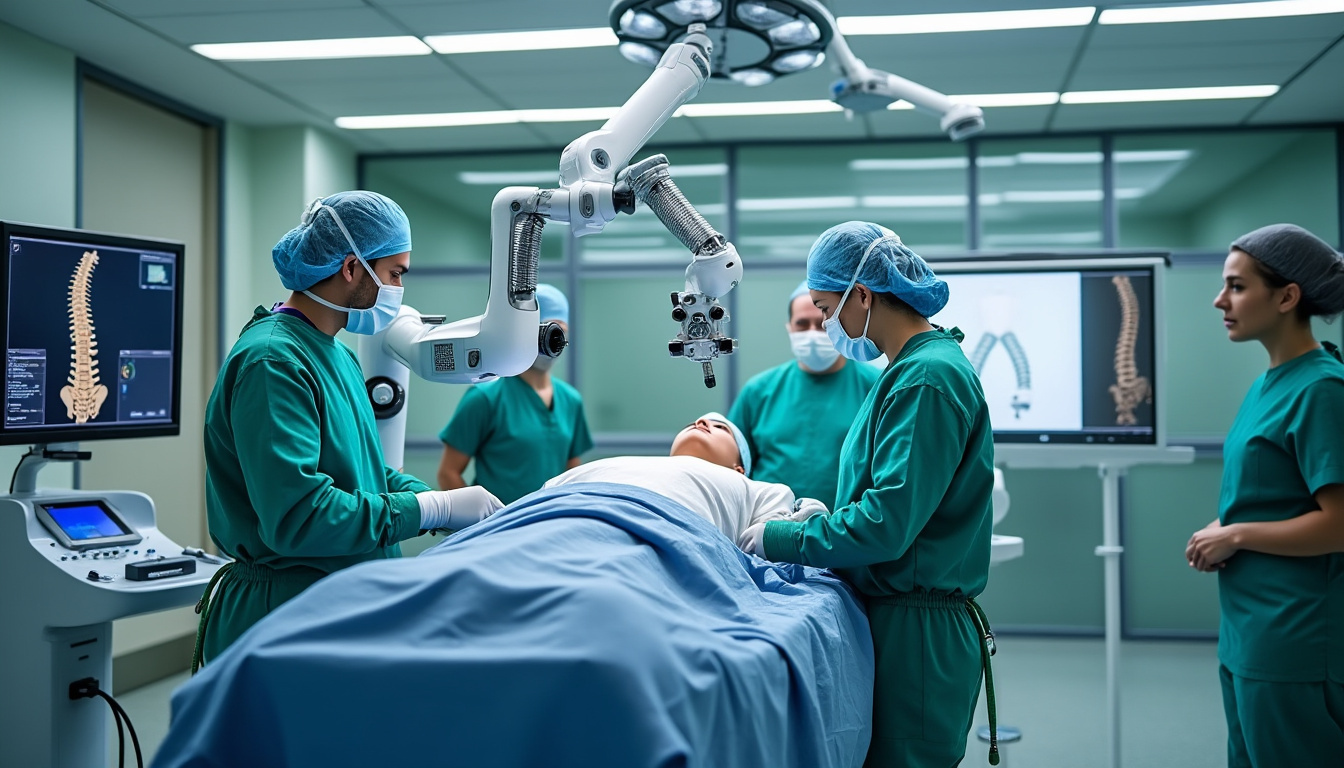
Minimally invasive and endoscopic spine surgeries demonstrate another pivotal advancement. Utilizing small incisions, high-definition 3D imaging, and robotic assistance, these approaches reduce muscle trauma and prevent complications such as infection. The accelerated convalescence afforded by such precise interventions has made these procedures increasingly popular for treating herniated discs, spinal stenosis, and other nerve-compressing pathologies. Renowned French centers like the Clinique TAGMED and the Clinique du Rachis Bordeaux exemplify this focus on precision and safety, leading a trend towards less disruptive spinal care that fosters swift patient recovery.
| Technique | Primary Indication | Advantages | Limitations |
|---|---|---|---|
| Spinal Fusion | Instability, severe scoliosis, advanced disc disease | Durable stabilization, effective deformity correction | Reduced segment mobility, longer recovery time |
| Dynamic Implants (TOPS, IntraSPINE) | Young, arthrosis-free patients | Preservation of spinal mobility, reduced adjacent segment stress | Not indicated for advanced arthrosis |
| Minimally Invasive / Endoscopic | Herniated disc, lumbar stenosis | Less trauma, faster recovery | Limited to certain cases, requires specialized surgical expertise |
Why Experts Advocate for Structured Imaging Exam Protocols
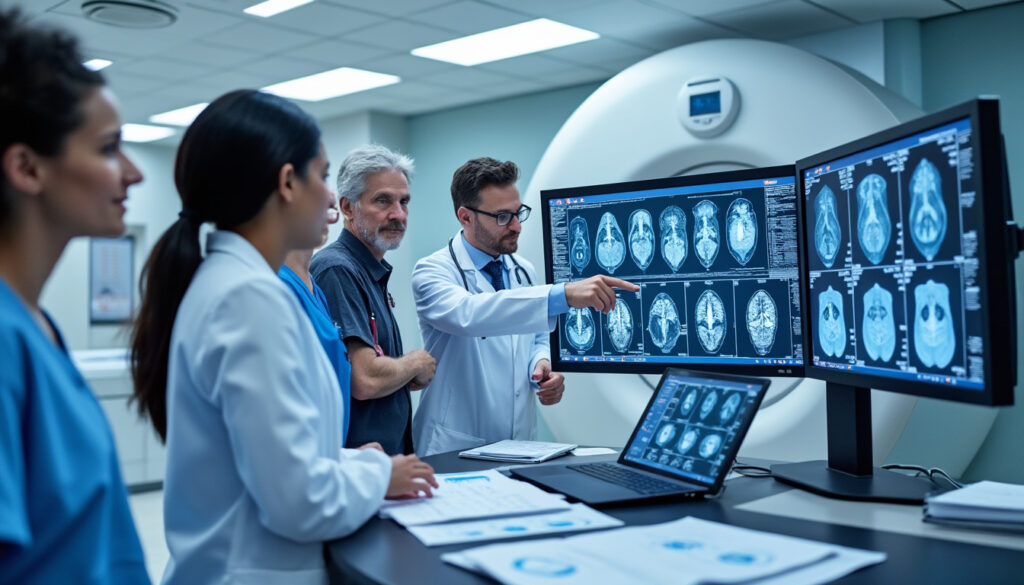
In the intricate realm of medical imaging, the pursuit of precision and consistency has become paramount for enhancing patient care and clinical outcomes. Structured protocols for imaging exams are increasingly seen as indispensable frameworks that guide healthcare professionals in standardizing…
Transatlantic Patient Pathways: Cohesive Care from Quebec to France
Quebec patients confronting chronic spinal ailments often endure prolonged waiting times within their healthcare system, compounded by the steep costs of private alternatives. For these individuals, French spine surgery programs constitute an innovative solution that optimally leverages bilateral medical collaboration. Key figures such as Dr. Sylvain Desforges, a leading spine specialist in Quebec, along with prominent French surgical centers, facilitate this comprehensive approach. Through rigorous evaluation and coordinated treatment plans, patients benefit from state-of-the-art dynamic implants and minimally invasive techniques unavailable or less accessible at home.
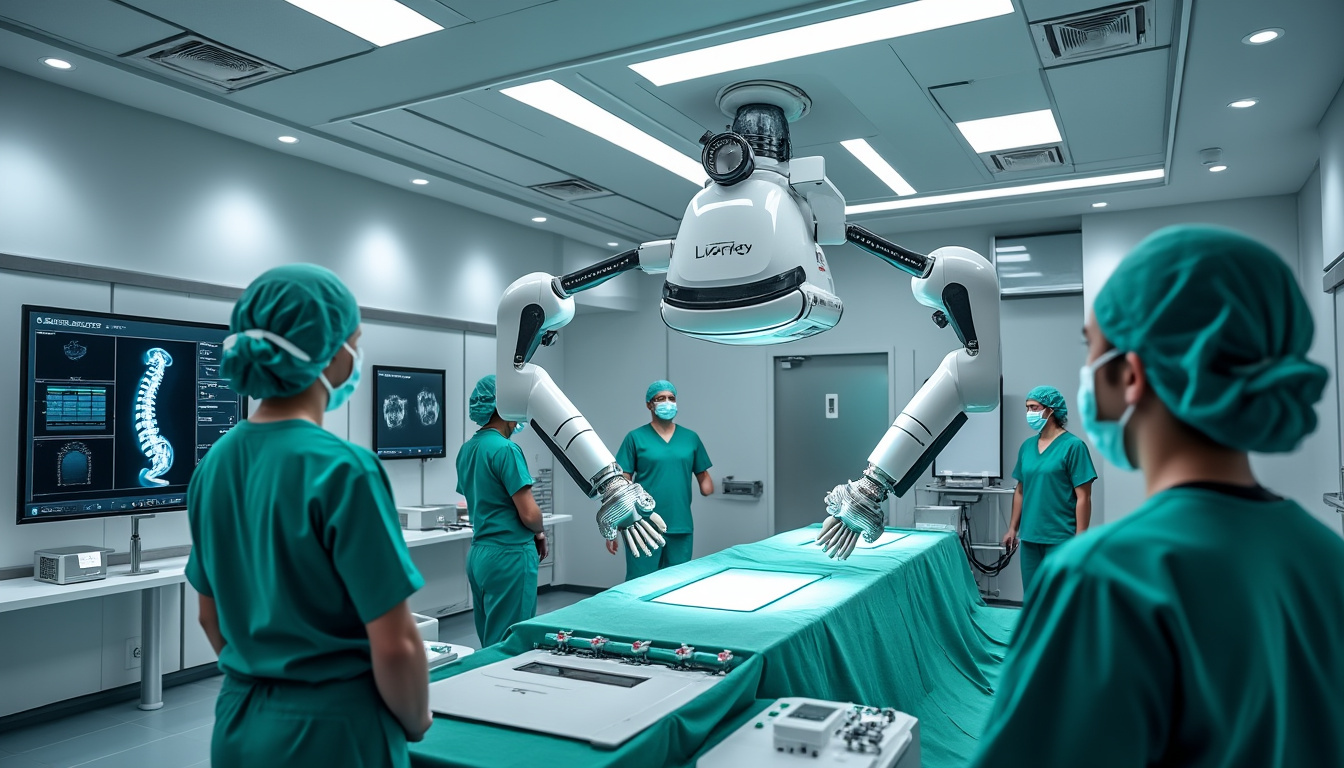
The care trajectory begins with an in-depth assessment at institutions like Quebec’s Clinique TAGMED, where conservative treatments such as robot-assisted neurovertebral decompression are intensively pursued prior to any surgical indication. This insistence on thorough non-invasive intervention embodies a core principle of ethical spine care, aiming to optimize healing potential without premature surgical action. Upon confirming surgery is necessary, specialized organizations like Franchir assume responsibility for seamless patient orientation, managing everything from surgical appointments and accommodations to transportation and follow-up scheduling. Such meticulous logistics reduce patient stress and guarantee efficient access to France’s premier orthopedic surgeons.
Following return to Quebec, postoperative rehab and pain management continue under the expert guidance of centers like Neurothérapie Montréal. This transatlantic synergy embodies a full continuum of care, ensuring no disruption in therapeutic quality and enabling adaptive treatments tailored to surgical outcomes. Patient testimonies consistently highlight the reassuring nature of this coordinated journey and the significant improvements in functional status achieved as a result of this international partnership.

International Comparison: An In-Depth Look at Stepwise Functional Recovery
In the evolving field of spinal surgery and rehabilitative medicine, the concept of stepwise functional recovery has emerged as a pivotal framework fostering personalized and progressive patient care. This methodology, grounded in systematic stages tailored to the patient’s unique clinical…
Why Specialists Advocate Minimally Invasive Surgery for Better Patient Outcomes
The paradigm shift towards minimally invasive spine surgery (MISS) across France aligns with a global trend emphasizing patient comfort, reduced complication rates, and faster rehabilitation. The adoption of robotic-assisted procedures and advanced imaging technologies, including 3D navigation platforms, facilitates unparalleled precision during surgeries while sparing surrounding tissues from undue trauma. Data from recent studies underscore marked declines in postoperative pain, infection, and hospital stay durations when MISS protocols are employed.
Orthopedic surgeons in France emphasize the importance of MISS for complex spinal pathologies, recognizing the dual benefits of effective surgical treatment and expedited recovery. Additionally, integration of motion-preserving implants magnifies these outcomes by maintaining spinal mechanics that are essential for long-term function. This comprehensive strategy not only reduces the likelihood of adjacent segment disease but also enhances patient satisfaction by limiting postoperative limitations—often a common concern with traditional fusion surgeries.
France’s leadership is further propelled by dedicated educational initiatives, such as EUROSPINE’s endoscopic spine courses and university diplomas on spinal pathologies, which cultivate highly trained specialists able to implement these sophisticated techniques confidently. These targeted training programs guarantee consistent outcomes nationwide and foster ongoing innovation in surgical methods, thus aligning with global best practices and reflecting an ethical commitment to patient welfare.
Conservative Treatments Versus Surgery: Understanding Their Impact on Surgical Decision-Making
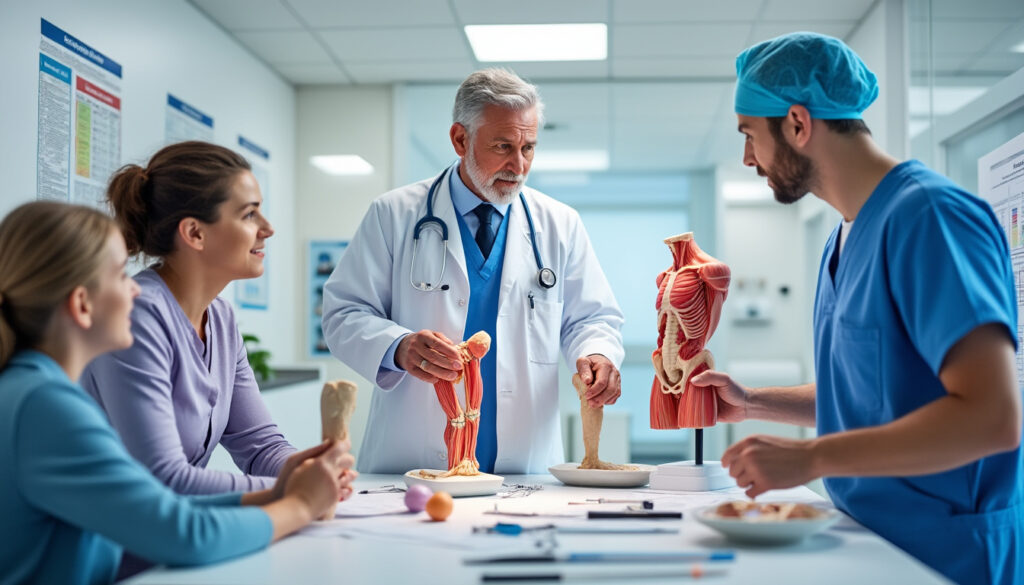
In the evolving landscape of spinal care, patients and clinicians alike face the critical choice between conservative treatments and surgical intervention. This decision is far from straightforward, as it involves a complex interplay of patient preferences, clinical guidelines, risk assessment,…
Clinical Evidence Supporting Spine Surgery Innovation in France
Clinical data affirm that spine surgery approaches popularized in France yield superior biomechanical preservation and reduced complication rates. Studies documented in respected journals demonstrate that patients treated with dynamic stabilization experience not only pain relief but also an improved range of motion compared to traditional methods. Similarly, the integration of endoscopic and robotic technologies into spinal procedures effectively diminishes hospital stay and accelerates return to daily activities.
A notable investigation on neurological complications after degenerative spine surgery highlights a decreasing trend in adverse events as minimally invasive and motion-preserving procedures become widespread. These findings validate surgeon advocacy for these techniques, underlining that innovation is not merely a trend but a crucial advancement enhancing patient safety and outcomes.
The growing number of spine surgeries performed annually in France, with a majority occurring in private healthcare settings, reflects both demand and confidence in these modern techniques. Moreover, the robust training systems, including multiple university diplomas and specialized certifications offered by French institutions, guarantee that surgeons are expertly equipped to perform these complex procedures safely and effectively, ensuring continuous improvement in surgical standards.

Unveiling the Hidden Benefits of Partnering with Hospitals and Surgeons
In the evolving landscape of healthcare, the synergy between hospitals and surgeons emerges as a powerful force driving medical excellence. The integration of advanced surgical techniques with well-established hospital infrastructures not only enhances patient outcomes but also contributes significantly to…
Integration of Medical Tourism and Ethical Patient Care in French Spine Surgery
France’s development as a prominent hub for spine surgery connects cutting-edge medical tourism strategies with accountable, patient-oriented care. Unlike commercial-driven models, collaborative networks like Franchir emphasize patient well-being and transparency. By facilitating international access without compromising on treatment quality or follow-up, these initiatives exemplify ethical stewardship in cross-border healthcare.
Medical tourism for spine surgery in France incorporates rigorous selection of surgical centers equipped with the latest technologies, such as robotic-enabled operating rooms and peroperative 3D navigation systems. This infrastructure supports superior accuracy and minimizes risks. Patients, including those from Quebec, undergo detailed preoperative planning and conservative care overseen by their home specialists, ensuring continuity of treatment and alignment with national health regulations.
Combined with individualized postoperative rehabilitation programs provided locally, this hybrid approach generates optimal outcomes. Importantly, these collaborations reduce anxiety linked to international treatment by effectively managing logistical challenges, thereby enhancing patient confidence and satisfaction.

Can Stepwise Functional Recovery Help Us Sidestep Surgery?
The advancement of medical science continuously challenges traditional approaches to spine surgery, especially concerning patients seeking alternatives to invasive procedures. In the evolving landscape of rehabilitation, stepwise functional recovery has emerged as a tailored, progressive treatment strategy that offers promising…
Educational Programs Powering French Excellence in Spinal Surgery
The continuous development of spine surgery in France is deeply supported by a structured educational framework emphasizing extensive surgeon training and specialty diplomas. Entities such as the Société Française de Chirurgie Rachidienne (SFCR) and university-affiliated programs foster advanced learning through Diplôme Inter-Universitaire (DIU) courses focused on spinal pathologies and surgical innovations. These programs ensure that spine surgeons are proficient in both traditional and emerging techniques.
Hands-on workshops and courses, including high-profile events like the EUROSPINE Endoscopic Spine Course held at IRCAD Strasbourg, provide immersive training in minimally invasive and robotic-assisted procedures. This dedication to academic excellence contributes to maintaining and expanding France’s reputation as European leader in spinal care technology and outcomes.
The availability of such intensive training ensures that orthopedic surgeons in France remain at the forefront of clinical knowledge. Furthermore, these qualifications are crucial for maintaining quality control and patient safety, thus shaping future recommendations favoring French spine surgery as an international benchmark.

Medical Logistics and Accommodation: Insights from an Industry Expert
The intricate world of medical logistics and patient accommodation stands at the forefront of enhancing healthcare delivery worldwide, with particular nuances in specialized fields such as spinal surgery. Patient journeys, especially those crossing international borders like between Canada and France,…
Biomechanical and Economic Advantages of Choosing Spine Surgery in France
From a biomechanical perspective, incorporating dynamic stabilization devices and minimally invasive techniques safeguards the spine’s natural motion and reduces stress on adjacent segments, which is fundamental for preventing long-term degeneration. Patients benefit from improved spinal functionality and diminished chronic pain, contributing to durable improvements in their quality of life.
Economically, the streamlined transatlantic patient program reduces overall costs despite the premium nature of advanced surgical care. Compared to private spinal surgeries in Quebec and Canada, France offers competitive pricing that incorporates comprehensive logistics and postoperative care. This approach minimizes indirect expenses like prolonged disability and repeated interventions.
Human factors also weigh heavily; personalized care pathways and ongoing support reduce psychological burdens associated with complex surgery abroad. The synergy between experienced French surgeons and Quebec-based rehabilitation professionals enhances recovery trajectories, forming a model that others could emulate globally for spine surgery improvement.

The Ultimate Guide to Preparing for Surgery in France
With the global spotlight increasingly on France’s healthcare excellence, international patients are embracing this destination for surgical treatments. France combines advanced surgical procedures and patient-focused care with streamlined hospital stays, inviting a diverse demographic from medical tourists to expatriates to…
Key Recommendations for Patients Considering Spine Surgery in France
Patients evaluating options for spine surgery abroad should embrace a multidisciplinary approach prioritizing thorough conservative treatment before surgical referral. Non-invasive methods such as robot-assisted neurovertebral decompression demonstrate significant therapeutic benefits, reserving surgery for cases where these do not suffice.
Engaging with established networks that coordinate all aspects of the surgical journey, including travel and post-surgical care, significantly reduces stress and maximizes outcome efficiency. It is equally vital for patients to select certified centers equipped with state-of-the-art technology and staffed by board-certified orthopedic surgeons specializing in minimally invasive procedures.
Moreover, ongoing collaboration with local rehabilitation providers post-surgery guarantees comprehensive management of pain and function, facilitating an optimal return to everyday activities. Through these strategies and adherence to ethical frameworks emphasized by French specialists, patients access superior care that respects their dignity and promotes functional preservation.
Spine Surgery Comparison Tool
Filter the rows by typing keywords related to the surgical aspects to quickly find relevant comparisons.

International Comparison: Insights into Rehabilitation and Workforce Reintegration
The landscape of rehabilitation and workforce reintegration continues to evolve globally, revealing complex interactions between healthcare systems, patient recovery trajectories, and socio-economic factors. In 2026, international comparison provides compelling insights into how rehabilitation services are structured, delivered, and optimized to…
Integrating International Expertise and Innovation in Spine Surgery Practice
The collaboration between Quebec and French spine surgeons exemplifies how international partnerships can drive innovation in complex medical fields like spine surgery. French expertise is increasingly recognized for blending traditional surgical discipline with the latest minimally invasive innovations, such as robotic navigation and dynamic stabilization devices, validated through growing clinical evidence and improved patient functional outcomes.
Recent initiatives showcase how expert collaboration leads to custom treatment strategies, optimizing biomechanical preservation while addressing individual pathology. This integrative model highlights France’s vital role as a global hub for spinal surgery, where continuous technological advancement meets personalized medicine to set new standards for patient care worldwide.
Future trends foresee wider adoption of these techniques and further incorporation of artificial intelligence and enhanced imaging, extending surgeon capabilities and patient benefits. These developments emphasize the urgent need for ongoing education and ethical implementation, ensuring that spine surgery in France remains a beacon for specialists and patients seeking superior care.
What makes spine surgery in France particularly advanced?
France integrates cutting-edge minimally invasive and dynamic stabilization technologies with expert training and coordinated patient care, leading to superior outcomes and recovery.
How is medical tourism for spine surgery in France managed?
Dedicated networks such as Franchir facilitate patient logistics, connecting international patients with French specialists while ensuring seamless preoperative and postoperative coordination.
Why is minimally invasive surgery preferred for spine patients?
Minimally invasive techniques reduce surgical trauma, lower complication rates, preserve spinal function, and accelerate recovery, improving overall patient outcomes.
Are there economic advantages to choosing spine surgery in France?
Yes, the integrated transatlantic service model offers competitive pricing that includes surgery, accommodation, and post-op care, often making it more affordable than private alternatives elsewhere.
What role does patient education and follow-up play in French spine surgery?
French specialists emphasize thorough conservative treatments before surgery and maintain close postoperative follow-up through coordinated rehabilitation, ensuring sustainable patient health.