Repentigny Lumbar Disc Bulge Solutions for Active Adults
May 15, 2026
Blainville Chronic Neck Pain Managed by TAGMED
May 15, 2026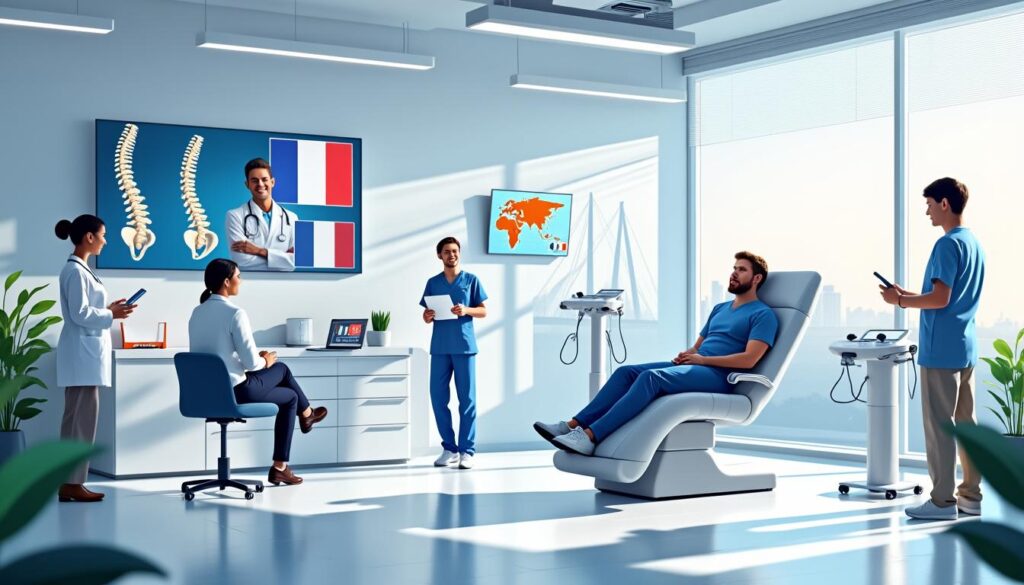
Chronic low back pain affects millions worldwide, often resisting conventional treatments and significantly impacting quality of life. In Laval, the emergence of the IntraSPINE implant represents a beacon of hope for those grappling with this debilitating condition. This innovative orthopedic treatment combines cutting-edge technology with minimally invasive techniques to offer effective pain relief while preserving the natural biomechanics of the spine. Unlike traditional approaches that may restrict spinal mobility, IntraSPINE is designed to maintain physiological motion, promoting spine health and accelerating recovery.
With a growing emphasis on dynamic stabilization and personalized care, the orthopedic community in Laval has embraced the IntraSPINE solution as a modern alternative to conventional back pain therapies. By integrating this device within a comprehensive treatment pathway, patients benefit from targeted intervention that addresses the root causes of chronic pain. The approach harmonizes scientific rigor and patient-centered innovation, making it a leading example of 21st-century spine care. This transformation in how we perceive and treat low back pain echoes the wider movement toward preserving mobility and minimizing surgical impact, ensuring that patients can return to active lives faster and with lasting results.
Understanding IntraSPINE: A Minimally Invasive Innovation for Chronic Low Back Pain in Laval
At the heart of modern spine health solutions, the IntraSPINE device stands out for its unique design and functionality. Created to address chronic low back pain caused primarily by degenerative disc disease and lumbar instability, this dynamic interlaminar stabilization system has garnered attention for combining pain relief with motion preservation. Unlike traditional spinal fusion or rigid implants, which limit movement and may lead to adjacent segment disease, IntraSPINE leverages flexible medical silica gel encapsulated in polyester fiber, enabling controlled motion while stabilizing the spine.
This system works by enlarging the foramina, reducing pressure on both the facet joints and intervertebral discs, which are often sources of pain in degenerative conditions. Positioned between the spinous processes, it provides interlaminar distraction, which helps maintain or restore disc height and decompresses nerve roots effectively. Patients undergoing surgery with IntraSPINE benefit from reduced postoperative pain, faster recovery times, and preservation of physiological lordosis — all critical contributors to improved quality of life.
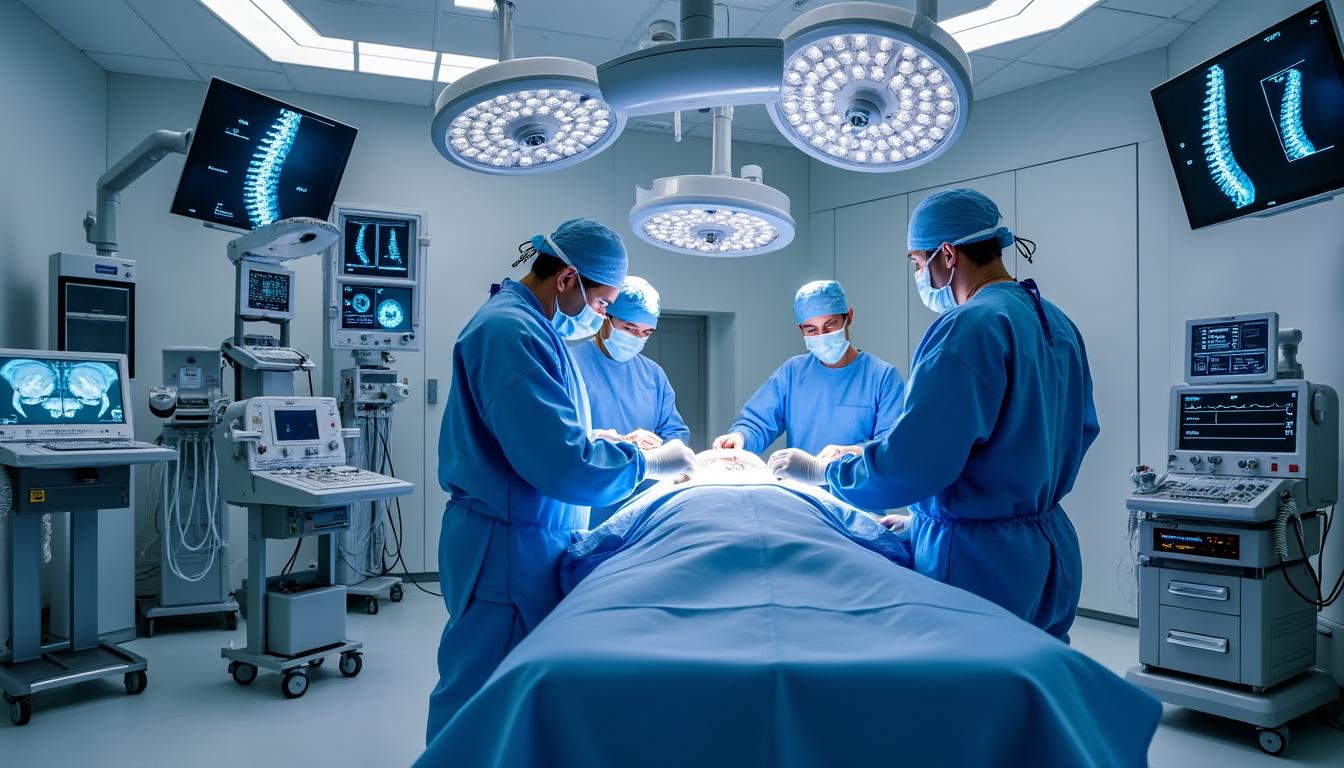
Technological advances allow the placement of IntraSPINE through a minimally invasive approach, minimizing tissue disruption and blood loss. This technique aligns perfectly with the objectives of modern orthopedic treatment: to achieve maximum therapeutic effect with the least invasive means. Surgeons in Laval have integrated this device into their practice, combining it with innovative surgical methods like unilateral biportal endoscopy (UBE) for decompression, which together redefine the standards of back pain therapy.
Understanding how IntraSPINE functions biomechanically is essential for appreciating its advantages. By allowing partial physiological motion at the treated spinal segment, it avoids the consequences of spinal rigidity inherent in fusion surgeries. This dynamic behavior helps preserve the mechanical and functional integrity of the spine over time, reducing the risk of adjacent segment degeneration and recurrent symptoms. The clinical benefits have been documented in numerous studies, which highlight excellent pain relief and functional improvement among patients receiving the device. Laval’s adoption of IntraSPINE marks a milestone in providing comprehensive, high-quality spine care.
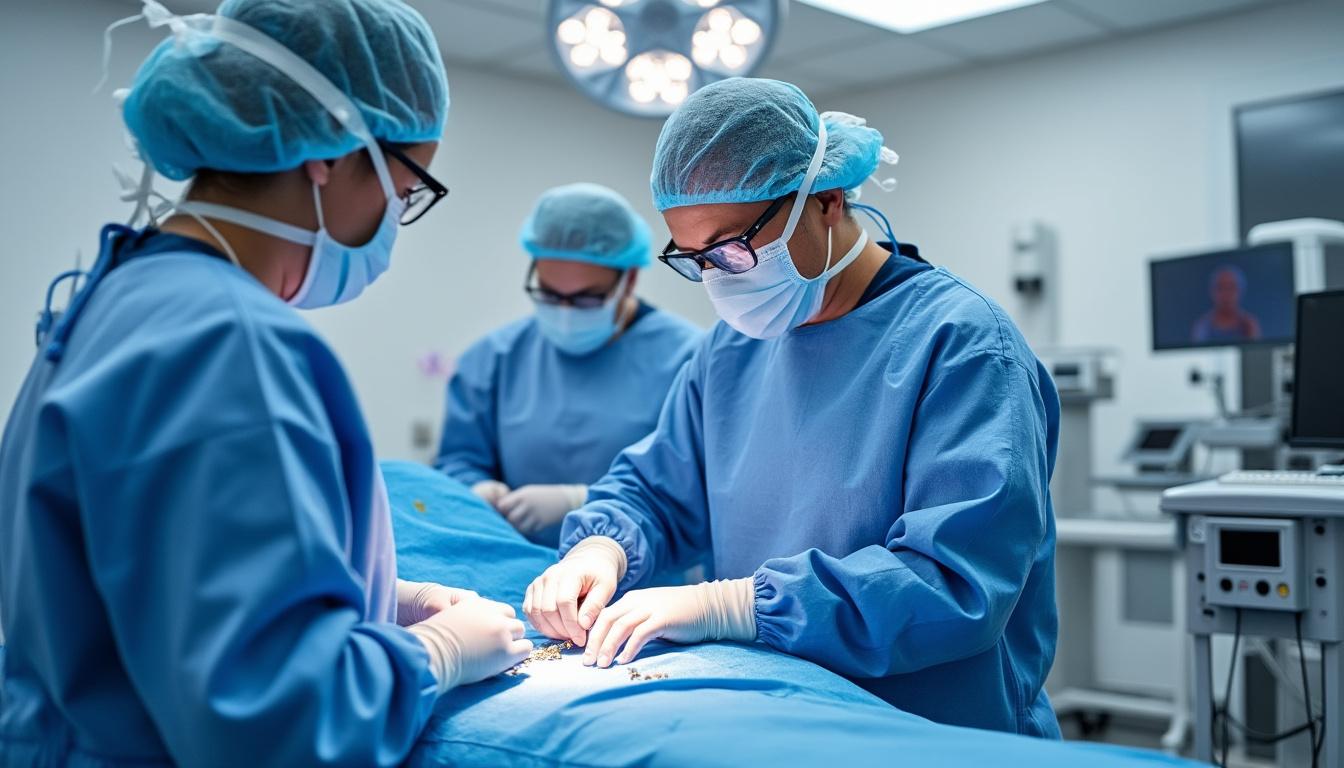
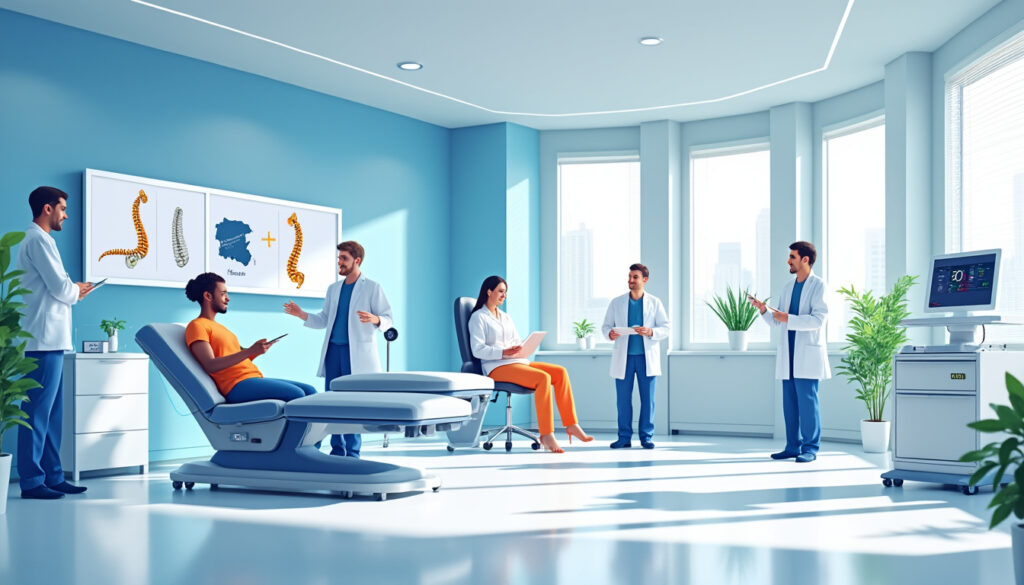
IntraSPINE® in Sherbrooke: Durable Solution for Chronic Low Back Pain
The management of chronic low back pain, a widespread condition affecting millions across Quebec and beyond, has reached a pivotal moment thanks to innovative medical technologies and coordinated care pathways. At the heart of this evolution lies the IntraSPINE implant,…
Biomechanical Advantages of IntraSPINE: Preserving Spine Health and Mobility
The effectiveness of any spinal intervention hinges not solely on alleviating pain but also on maintaining or restoring the natural biomechanics of the spine. The IntraSPINE implant excels in this regard due to its elastic design and dynamic stabilization properties. Unlike rigid fusion implants that immobilize spinal segments, IntraSPINE offers a controlled motion environment. This feature ensures the treated vertebral segment retains some degree of mobility while providing the necessary support to prevent further degeneration or instability.
Clinically, this translates to several critical biomechanical benefits:
- Increased posterior disc height, which decompresses nerve roots and reduces pressure on intervertebral discs.
- Reduction of load on facet joints, decreasing the risk of facet arthropathy.
- Preservation of segmental range of motion, reducing the biomechanical stress transferred to adjacent spinal segments, which often suffer accelerated degeneration post-fusion.
- Dynamic stabilization allows for physiological spinal movements such as flexion and extension, maintaining patient mobility and functional activity.
These biomechanical effects contribute to durable pain relief and enhanced recovery. Postoperative imaging studies support these findings, showing stabilization of the interlaminar space and preservation of spinal posture. A significant increase in the posterior disc height is indicative of effective neural decompression, which plays a pivotal role in the relief of radicular symptoms often present in chronic low back pain.
In Laval, surgeons have reported that patients treated with the IntraSPINE device experience expedited rehabilitation and reduced dependency on pain medications. The maintenance of motion reduces muscle stiffness and encourages an active recovery regimen. This advantage aligns with broader contemporary trends in spine surgery, emphasizing minimally invasive procedures that favor functional preservation.
The positive biomechanical impact of IntraSPINE on lumbar function is supported by ongoing clinical trials and patient registries, contributing to its growing acceptance as a reliable and effective spinal device. Knowing these advantages helps patients and practitioners alike make informed decisions, prioritizing interventions with the greatest potential for long-term spine health.
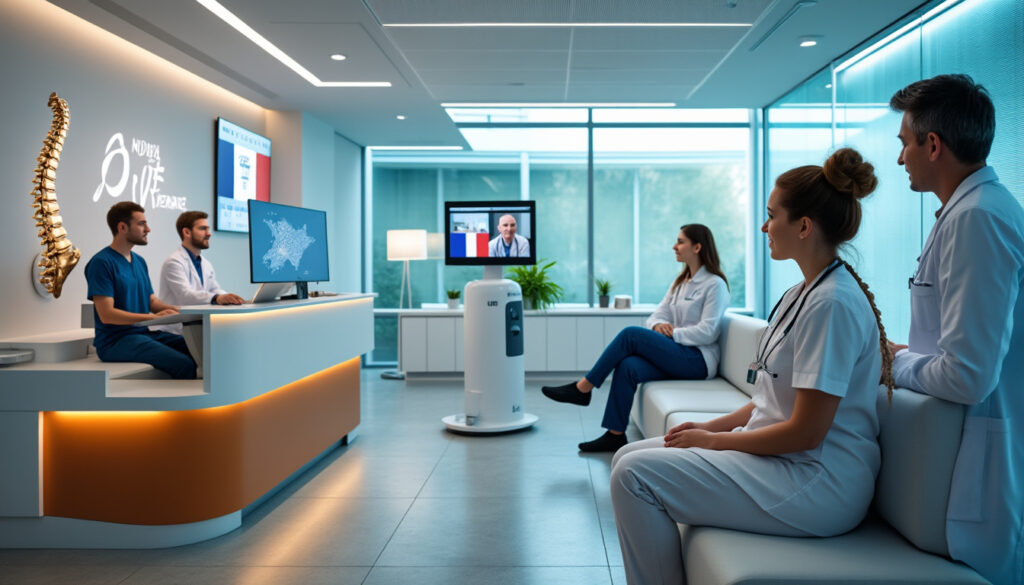
Spine Surgery in Trois-Rivières: Reduce Pain and Preserve Mobility
In recent years, spine surgery in Trois-Rivières has evolved notably, combining advanced medical expertise with innovative technologies to deliver patient-centered care. This growing field addresses the increasing demand among Quebec residents seeking effective solutions for chronic back pain and mobility…
Step-by-Step Patient Journey for IntraSPINE Treatment in Laval
Embarking on a medical journey involving spinal intervention can be daunting for patients suffering chronic low back pain. Understanding the comprehensive patient pathway integrated around the IntraSPINE procedure helps demystify the process and aligns expectations with clinical realities. From the initial assessment to post-surgical rehabilitation, every step is guided by precision, empathy, and evidence-based practice.
The pathway typically unfolds as follows:
- Comprehensive spinal evaluation: Conducted by experts like Dr. Sylvain Desforges, this includes in-depth clinical assessment and imaging studies to evaluate the patient’s specific pathology and suitability for IntraSPINE implantation.
- Conservative treatment phase: Patients usually undergo 3 to 6 months of advanced non-surgical therapies including physical therapy, pain management, and if not already tried, neurovertebral decompression at specialized clinics such as Clinique TAGMED.
- Multidisciplinary case review and surgical planning: A team of clinicians discusses candidacy, surgical approaches, and personalized plans ensuring all treatments align with safety standards and ethical guidelines.
- Minimally invasive surgery: The IntraSPINE device is implanted using refined techniques, often including unilateral biportal endoscopic discectomy for decompression, promoting less tissue trauma and rapid recovery.
- Early mobilization and rehabilitation: Postoperative care focuses on gradual restorations of strength, flexibility, and function under continuous monitoring.
- International coordination: For patients undergoing transatlantic care, coordination with partners in both Canada and France ensures seamless communication, timely intervention, and personalized follow-ups to optimize outcomes and reduce delays.
- Long-term monitoring and patient education: Longitudinal care includes continued assessments, lifestyle guidance, and education to prevent relapse and promote lasting spine health.
This structured approach not only addresses the spinal pathology but provides patients with a supportive framework promoting confidence and active participation in their treatment. The role of expert evaluation by Dr. Desforges is pivotal in tailoring this journey to each individual’s unique clinical picture. His commitment to scientific rigor and patient safety reassures patients facing complex decisions about their spine care.
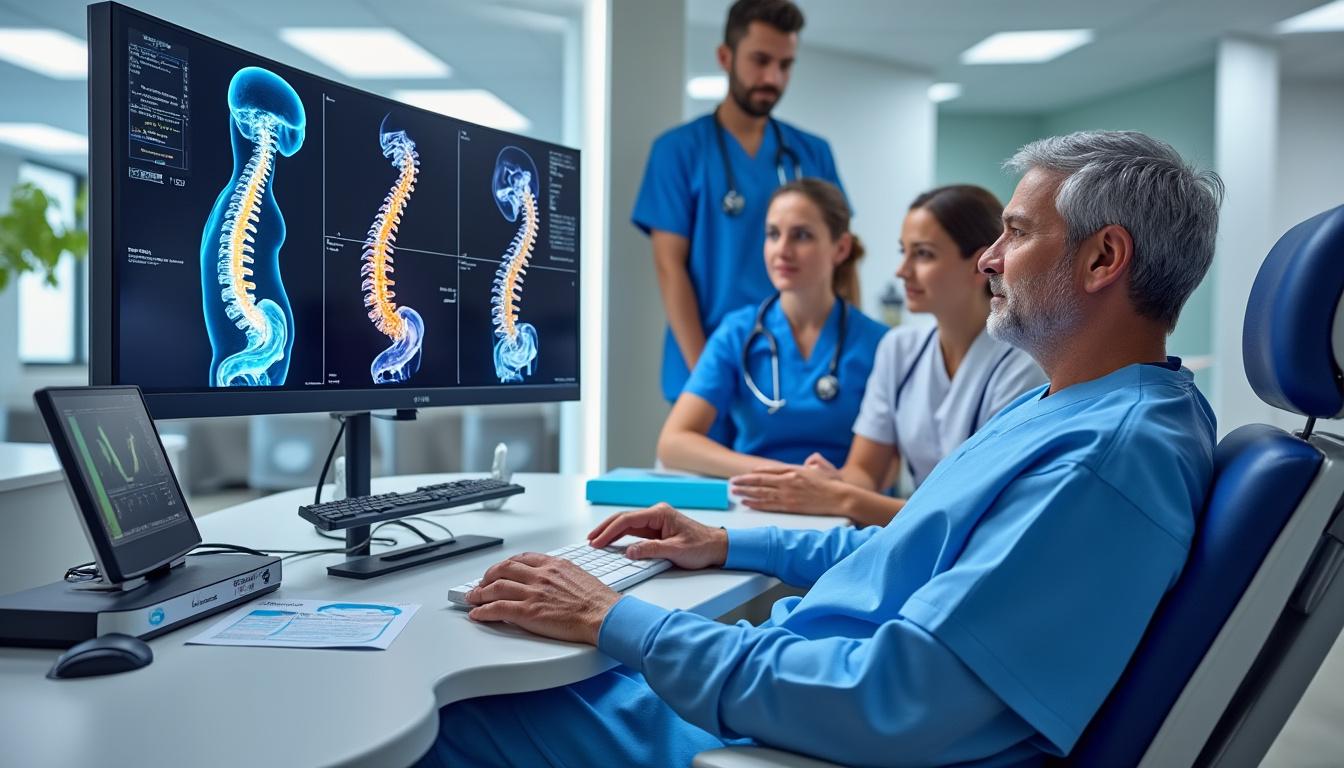
TOPS™ in Gatineau: High-Performance Option for the Lumbar Spine
The landscape of spinal surgery has witnessed profound evolution, particularly for patients grappling with lumbar spine disorders such as spinal stenosis and spondylolisthesis. These conditions, increasingly prevalent among Quebec’s population, impose substantial limitations on mobility and quality of life. The…
Advantages of Transatlantic Coordination in Spine Care: Bridging Canada and France for Optimal Outcomes
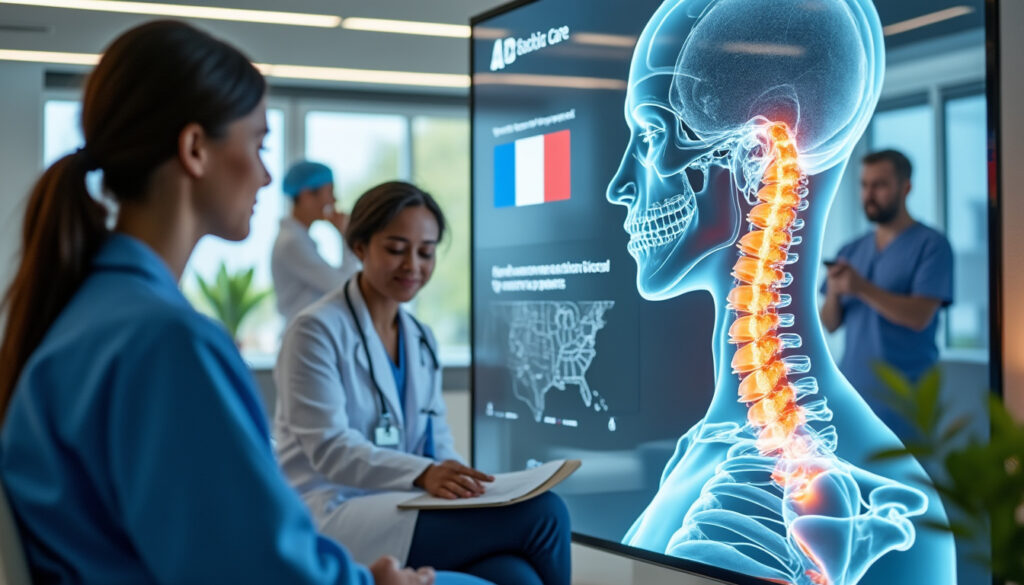
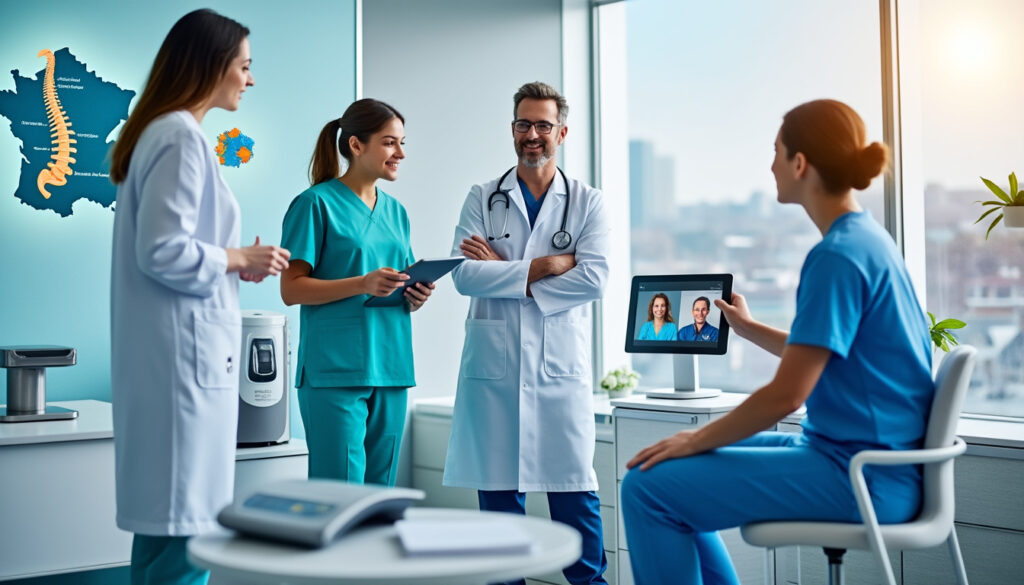
The landscape of spinal health treatment today transcends geographic boundaries, exemplified by seamless cooperative efforts between Canada and France. This transatlantic coordination enables patients, particularly from Quebec, to access innovative interventions like the IntraSPINE implant while benefiting from expert evaluation and ongoing care locally and abroad.
Key advantages of this international collaboration include:
- Enhanced access to cutting-edge technologies: Patients in Quebec can benefit from surgical options, such as IntraSPINE, that are pioneered or more readily available in European centers.
- Optimized timing of care: Collaboration ensures expedited scheduling, reducing often prohibitive wait times experienced in Canadian private healthcare systems.
- Personalized treatment pathways: Through joint case discussions involving Canadian experts like Dr. Desforges and their French counterparts, therapies are tailored for individual needs.
- Multidisciplinary support: Patients receive coordinated perioperative and postoperative care by multidisciplinary teams spanning both countries, enhancing safety and recovery quality.
- Cost-effectiveness: Leveraging healthcare synergies internationally often translates to financial savings without compromising care quality.
- Patient empowerment and education: Continuous communication bridges cultural and medical practice variations, ensuring patients stay informed and engaged.
For example, a patient suffering from chronic low back pain in Quebec may undergo initial evaluation and conservative care coordinated with the Clinique TAGMED before traveling to France for IntraSPINE implantation. Post-surgery, evaluation and rehabilitation continue locally, supported by remote consultations and shared medical records to foster continuity.
This model exemplifies the future of spine care, where innovation, ethics, and patient-centered care intersect across borders. It transforms what could be a fragmented experience into a coherent journey with optimal clinical and humanistic outcomes.
Cervical Disc Prosthesis in Quebec City: Avoid Post-Surgery Stiffness
Chronic neck pain remains a significant challenge for thousands of residents in Quebec City every year, often leading them to seek effective spinal surgery options that minimize downtime and maximize long-term mobility. Among the recent advancements revolutionizing cervical spine care,…
Ensuring a Solid Foundation: The Importance of Completing Conservative Treatments Before Considering IntraSPINE Surgery
Recognizing that surgery is not the immediate solution for every patient with chronic low back pain is fundamental. Prior to contemplating IntraSPINE implantation, patients are advised to exhaust well-structured conservative treatments. This philosophy safeguards patients from unnecessary procedures, minimizes surgical risks, and aligns with ethical medical practice standards.
The typical conservative care regimen includes:
- Physical therapy and rehabilitation: Focused on improving core strength, flexibility, and posture to alleviate mechanical stress on the lumbar spine.
- Pain management: Utilizing pharmacologic agents, injections, and non-pharmacologic techniques to control symptoms.
- Neurovertebral decompression therapy: Advanced mechanical decompression methods, as offered by specialized centers such as the Clinique TAGMED, which have demonstrated benefits in reducing disc pressure and promoting natural healing.
- Patient education and lifestyle modifications: Emphasizing ergonomic practices, weight management, and activity pacing.
These treatments typically extend over a period of three to six months. If pain and functional limitations persist despite thorough conservative therapy, and especially if neurovertebral decompression has not been part of prior care, then surgical options like the IntraSPINE device become reasonable considerations.
Dr. Sylvain Desforges and his team emphasize this stepwise approach, rooted in evidence-based medicine and patient safety. The goal is always to prevent premature surgical intervention and prioritize interventions with proven efficacy and minimal invasiveness. The model respects individual patient circumstances while integrating ongoing assessments to tailor care courses effectively.
Minimally Invasive Surgery in Longueuil: Reduce Hospital Stay Duration
In recent years, advances in spinal care have dramatically reshaped the treatment landscape for patients suffering from debilitating spinal conditions. Particularly in Longueuil, the emergence of minimally invasive surgery (MIS) techniques offers a transformative alternative to conventional open surgeries. These…
Innovative Surgical Techniques Paired with IntraSPINE for Enhanced Outcomes
The surgical landscape for treating degenerative lumbar conditions continues to evolve rapidly, with the integration of technologies such as the IntraSPINE device at its forefront. One landmark advancement is the use of unilateral biportal endoscopic (UBE) discectomy combined with IntraSPINE placement, which addresses significant lumbar disc herniations with minimal surgical trauma.
UBE involves creating two small portals for visualization and instrument passage, allowing surgeons to perform precise decompression and discectomy while preserving soft tissues. When paired with IntraSPINE, this approach safeguards spinal motion segments and restores intervertebral height, which is critical in preventing postoperative instability and further degeneration.
Clinical studies show that patients receiving this combined intervention report markedly improved Visual Analog Scale (VAS) scores for leg and low back pain as well as significant declines in Oswestry Disability Index (ODI) assessments, reflecting substantial functional recovery. Surgical times average less than two hours with reduced blood loss and shorter hospital stays than traditional open procedures.
This technique aligns seamlessly with the modern values of spine surgery: precision, minimal invasiveness, and biomechanical preservation. The synergy between UBE and IntraSPINE contributes to faster patient mobilization and more sustainable outcomes.
Such advances complement the expert evaluations provided by seasoned clinicians like Dr. Desforges, whose qualifications and dedication ensure patients receive care that is both scientifically grounded and empathetically delivered. This level of care underscores the importance of choosing surgical centers committed to innovation and patient safety.
IntraSPINE® in Laval: Modern Solution for Lumbar Stabilization
In the evolving landscape of orthopedic treatments, the city of Laval has become a hub for innovations addressing chronic lower back pain. Among the groundbreaking solutions gaining attention is the IntraSPINE device—a modern spinal implant designed to offer dynamic lumbar…
Highlighting the Specific Advantages of IntraSPINE Services in Laval
The availability of IntraSPINE implantation in Laval brings several distinct advantages that set its spinal care offering apart. These include:
- Access to cutting-edge, minimally invasive spinal devices that are approved, safe, and supported by a growing base of clinical evidence.
- Highly specialized surgical teams experienced in dynamic stabilization procedures combined with advanced endoscopic techniques.
- Comprehensive pre- and post-operative coordination ensuring seamless care from initial evaluation through rehabilitation.
- Use of high-precision imaging and intraoperative guidance technologies to optimize implant positioning and surgical outcomes.
- Integration of evidence-based conservative care pathways, with referral to leading centers such as Clinique TAGMED for adjunct therapies.
- Ongoing commitment to research and adaptation, positioning Laval as a hub for spine care innovation.
These factors result in a spine care experience that is patient-centered, streamlined, and optimized for recovery and long-term spinal health. The strong emphasis on both scientific rigor and ethical practice ensures patients receive treatments tailored to their anatomical and lifestyle needs.
Patients interested in exploring the IntraSPINE option in Laval benefit from candid conversations with experts who address the indications, limitations, and expected outcomes transparently, fostering informed decision-making. This approach prioritizes empowerment, reassurance, and personalized care, hallmarks of Dr. Desforges’s expertise.
Neck Surgery in Montreal: Maintain Cervical Flexibility and Function
Neck conditions causing persistent pain or functional loss place a substantial burden on individuals and healthcare systems, especially in urban centers like Montreal. Surgical interventions targeting the cervical spine have evolved tremendously, aiming not only to relieve symptoms but to…
Encouraging Patients Towards Informed spine health Decisions and Personalized Evaluations
Choosing the right intervention for chronic low back pain demands careful consideration, knowledge, and support. Patients in Laval and beyond can feel confident initiating this journey by seeking expert evaluation with a trusted professional like Dr. Sylvain Desforges. His wealth of experience — encompassing over 30 years and prestigious qualifications (B.Sc., D.O., N.D.) — coupled with leadership roles in international osteopathic associations, ensures patients receive thorough assessments grounded in evidence and patient safety.
Dr. Desforges excels in demystifying complex spinal pathologies and explaining the nuances of available treatments, including the innovative IntraSPINE device. His commitment to accessible, jargon-free communication empowers patients to actively participate in decisions about their care.
Anyone experiencing persistent low back pain, especially after comprehensive conservative treatments, is encouraged to pursue a detailed evaluation. This step is crucial to ascertain suitability for interventions like IntraSPINE and optimize personalized therapeutic plans. Moreover, thanks to transatlantic coordination between Canada and France, patients in Quebec can access a wider range of therapeutic options without lengthy delays.
For personalized recommendations and to discuss treatment possibilities in detail, prospective patients are invited to contact the clinic. Early engagement sets the stage for a pro-active approach to spine health, reducing pain and restoring function with modern, validated solutions tailored to the unique demands of each individual.
| Key Aspect | Details |
|---|---|
| Device Material | Flexible medical silica gel covered by polyester fiber |
| Insertion Method | Minimally invasive interlaminar placement preserving soft tissues |
| Primary Benefits | Pain relief, motion preservation, neural decompression, disc height restoration |
| Suitable Candidates | Adults with chronic low back pain due to degenerative disc disease or lumbar instability |
| Typical Recovery Time | Accelerated rehabilitation with early mobilization post-surgery |
How does IntraSPINE differ from traditional spinal fusion?
IntraSPINE is a dynamic interlaminar stabilization device that preserves natural spinal motion, unlike spinal fusion which immobilizes segments. This helps maintain spinal biomechanics and reduces adjacent segment degeneration.
Is IntraSPINE implantation a painful or risky procedure?
The procedure is minimally invasive with reduced tissue damage, leading to less postoperative pain and lower complication risks compared with traditional open surgeries.
Who is an ideal candidate for IntraSPINE treatment?
Adults suffering from chronic low back pain related to degenerative disc disease or lumbar instability, after completing conservative treatments including neurovertebral decompression when applicable.
What are the benefits of choosing treatment through the transatlantic care pathway?
Patients benefit from timely access to advanced surgical technologies, expert evaluations on both sides of the Atlantic, and seamless postoperative support tailored to individual needs.
Where can I learn more or schedule an evaluation?
For personalized information and expert evaluation regarding IntraSPINE and related treatments, please visit https://www.sostourismemedical.com/contact to initiate your journey.
Disc Prosthesis in Lévis: Quick and Long-Lasting Results
Chronic back pain caused by degenerative disc disease continues to profoundly impact the quality of life for many residents in Lévis and the broader Quebec area. For decades, traditional spinal fusion surgery has been the primary solution for alleviating severe…