Minimally Invasive Surgery in Longueuil: Maintain Function After Surgery
October 25, 2025
Cervical Disc Prosthesis in Quebec City: Superior Clinical Results
October 25, 2025
In the evolving field of spinal care, motion surgery presents a groundbreaking alternative to traditional spinal fusion, focusing on alleviating pain while preserving the natural mobility of the spine. Patients facing chronic back or neck pain often worry about losing flexibility after surgery. Motion-preserving techniques address this concern by maintaining the spine’s range of motion, thus offering improved long-term health outcomes and quality of life. With over three decades of experience in spinal evaluation and care, Dr. Sylvain Desforges, a pioneer and expert in the field, emphasizes the scientific rigor and ethical innovation behind these treatments, placing patient safety and evidence-based practices at the forefront.
More than just a surgical option, motion surgery is part of a coordinated, patient-centered journey, particularly for those in Quebec who seek affordable and expert care abroad, notably in France. This transatlantic partnership facilitates timely treatment, leveraging advanced technologies unavailable locally and ensuring comprehensive management before, during, and after surgery. Through clear communication and personalized assessments, patients are empowered to make informed decisions alongside healthcare professionals well-versed in these advanced spinal techniques.
Understanding Motion Surgery: Keeping Your Spine Flexible and Pain-Free
Motion surgery refers to a set of innovative spinal procedures designed to preserve the spine’s natural movement while addressing pain and dysfunction. Unlike the traditional spinal fusion, which permanently immobilizes affected vertebrae by joining them together, motion-preserving surgeries utilize specialized implants and techniques to maintain flexibility and function.
Consider spinal fusion as a solution that sacrifices motion for stability, effective in certain severe cases but with notable drawbacks such as increased stress on adjacent spinal segments, often leading to further degeneration and chronic discomfort. In contrast, motion surgery prioritizes preserving the biomechanics of the spine. This approach is exemplified by interventions like artificial disc replacement, dynamic stabilization, and facet joint replacement, each tailored to specific spinal conditions.
For example, an artificial disc replacement involves removing the damaged disc and replacing it with a device that mimics the natural disc’s function, allowing the spine to bend, twist, and extend with minimal restriction. Dynamic stabilization devices work like internal braces, supporting the spine while allowing controlled movement, thereby reducing abnormal motion and pain without rigid constraints. Facet joint replacement restores the function of specific small joints crucial for spinal motion, providing relief without sacrificing flexibility.
- Motion Surgery Techniques: Artificial Disc Replacement, Dynamic Stabilization, Facet Joint Replacement
- Benefits Include: Pain reduction, preserved mobility, faster recovery, lower risk of adjacent segment degeneration (ASD)
- Ideal Candidates: Patients with localized disc or joint degeneration, good overall health, and a preference for preserving spinal mobility
| Technique | Targeted Condition | Preserved Function | Procedure Details |
|---|---|---|---|
| Artificial Disc Replacement | Degenerated disc disease (cervical/lumbar) | Spinal motion and flexibility | Removal of damaged disc, implantation of artificial disc device |
| Dynamic Stabilization | Moderate spinal instability, early degeneration | Controlled movement with support | Implantation of flexible rods or cords to support spine |
| Facet Joint Replacement | Facet joint arthritis or damage | Joint motion preservation | Replacement of damaged facet joints with artificial components |
For patients exploring options in Quebec, understanding the distinctions between motion preservation and fusion is critical in deciding the path forward. More details can be found at maintaining the natural flexibility of the back and the innovative approaches used worldwide.


IntraSPINE® in Sherbrooke: Durable Solution for Chronic Low Back Pain
The management of chronic low back pain, a widespread condition affecting millions across Quebec and beyond, has reached a pivotal moment thanks to innovative medical technologies and coordinated care pathways. At the heart of this evolution lies the IntraSPINE implant,…
Exploring Surgical Options in France: Simple, Fusion, and Motion-Preserving Techniques
France has become an international reference in spinal surgery, offering a spectrum of procedures that include simple decompression, traditional fusion, and advanced motion-preserving surgeries. Each surgical option is carefully considered based on the patient’s diagnosis, symptoms, and personal circumstances.
Simple decompression surgeries aim to relieve pressure on nerves caused by disc herniation or spinal stenosis without stabilizing the spine. These are typically less invasive and involve fewer implants, offering quick recovery times but may not address instability or severe degeneration.
Traditional spinal fusion surgery remains a cornerstone for treating cases with significant spinal instability, deformity, or trauma. In fusion, two or more vertebrae are surgically joined to prevent motion, providing stability but at the expense of lost mobility and the risk of adjacent segment degeneration.
Motion-preserving surgery, by contrast, strives to blend the benefits of decompression and stabilization without sacrificing spinal movement. France’s expertise includes the use of dynamic implants, artificial discs (such as ProDisc or Activ-L), and facet replacement technologies like TOPS, often not yet widely available in Canada.
- Simple Surgeries: Nerve decompression, outpatient procedures, minimal implants
- Fusion Surgery: Stabilization by vertebral fusion, suitable for severe cases
- Motion Surgery: Advanced implants and techniques maintaining mobility
| Surgery Type | Indications | Advantages | Potential Drawbacks |
|---|---|---|---|
| Simple Decompression | Disc herniation, mild stenosis | Minimally invasive, fast recovery | May not correct instability or prevent degeneration |
| Fusion Surgery | Severe instability, deformities, trauma | Strong spinal stabilization | Loss of mobility, risk of adjacent segment degeneration |
| Motion Preservation Surgery | Localized degeneration, moderate instability | Maintains movement, reduces risk of future degeneration | Requires specialized expertise and implants |
Patients considering treatment in France appreciate the breadth of options and access to cutting-edge techniques with stringent safety and ethical standards. Dr. Desforges emphasizes that these advanced procedures are embedded in a rigorous evaluation and support system to optimize outcomes.
To explore France’s motion surgery offerings and how they align with your needs, refer to detailed resources such as motion-preserving spine surgery in France and surgeon expertise catalogs.
Spine Surgery in Trois-Rivières: Reduce Pain and Preserve Mobility
In recent years, spine surgery in Trois-Rivières has evolved notably, combining advanced medical expertise with innovative technologies to deliver patient-centered care. This growing field addresses the increasing demand among Quebec residents seeking effective solutions for chronic back pain and mobility…
Patient Journey: From Evaluation to Recovery Across the Atlantic
Embarking on a motion surgery treatment abroad involves a carefully coordinated journey, starting with a detailed clinical assessment. Dr. Sylvain Desforges’ role is pivotal in evaluating spinal pathologies through rigorous examinations, imaging, and functional assessments to personalize the surgical plan.
This initial evaluation informs recommendations, guiding whether conservative treatments are still advised or if motion surgery is appropriate. Often, patients undertake 3 to 6 months of advanced conservative care, including neurovertebral decompression therapies offered at the renowned Clinique TAGMED, before considering surgery.
Once surgical candidacy is confirmed, the transatlantic pathway includes preoperative preparations in Canada, referral to experienced surgeons and clinics in France, and streamlined scheduling to reduce waiting times. Dr. Desforges’ long-standing collaborations with surgical teams and platforms like SOS Tourisme Médical ensure personalized and efficient care coordination.
- Step 1: Comprehensive spinal evaluation and functional analysis in Quebec
- Step 2: Completion of conservative treatments including advanced decompression
- Step 3: Transatlantic referral and surgical planning with French specialists
- Step 4: Surgery using motion-preserving technology
- Step 5: Postoperative follow-up and rehabilitation coordinated between both countries
| Phase | Location | Key Activities | Duration |
|---|---|---|---|
| Evaluation | Quebec | Clinical assessments, imaging, conservative treatment trial | 3-6 months |
| Surgical Referral | Canada – France coordination | Surgical consultations, scheduling, travel preparation | 1-2 months |
| Surgery | France | Motion surgery procedures tailored to patient needs | Hospital stay varies; often outpatient or short stay |
| Recovery & Rehabilitation | Quebec & France coordination | Post-surgical care, physical therapy, monitoring | Up to 6 months |
Throughout this journey, prioritizing patient education, safety, and accessible information is vital. Clear communication ensures patients understand each step and are supported emotionally and medically. For more insights on the comprehensive care model, visit post-operative follow-up importance.

Cervical Disc Prosthesis in Quebec City: Avoid Post-Surgery Stiffness
Chronic neck pain remains a significant challenge for thousands of residents in Quebec City every year, often leading them to seek effective spinal surgery options that minimize downtime and maximize long-term mobility. Among the recent advancements revolutionizing cervical spine care,…
Biomechanical Advantages of Motion-Preserving Spinal Surgery
Preserving spinal motion is more than a lifestyle choice; it’s a biomechanical strategy that addresses the complex function of the spinal column. The spine’s natural flexibility allows it to absorb shocks, facilitate balance, and protect neurological elements. Motion-preserving surgeries maintain these essential biomechanical functions.
By avoiding rigid fusion, these surgeries distribute loads evenly across spinal segments, reducing abnormal stress concentrations. This biomechanical harmony helps prevent the accelerated wear commonly seen after fusion, known as adjacent segment degeneration (ASD), a frequent complication that can lead to further surgeries.
Additionally, mobility preservation supports healthy joint articulation and muscle function, aiding the body’s natural healing and long-term spine integrity.
- Even Load Distribution: Maintains natural load patterns reducing adjacent segment stress
- Enhanced Shock Absorption: Preserves disc and joint movement to absorb impact forces
- Muscle Function: Retains normal muscle dynamics supporting spine stability and motion
- Prevention of Adjacent Segment Degeneration: Reduces secondary spinal breakdown
| Biomechanical Factor | Effect of Fusion | Effect of Motion Preservation |
|---|---|---|
| Spinal Segment Mobility | Eliminated at fused levels | Maintained for natural function |
| Stress on Adjacent Vertebrae | Increased due to immobility | Reduced by preserving motion |
| Muscle Activity | Potentially diminished | Supported and maintained |
| Long-term Spinal Health | Higher risk of degeneration | Improved preservation |
The advantages extend beyond anatomy to daily function and quality of life, helping patients maintain active lifestyles. Learn more about biomechanical aspects at the benefits of motion preservation.
Minimally Invasive Surgery in Longueuil: Reduce Hospital Stay Duration
In recent years, advances in spinal care have dramatically reshaped the treatment landscape for patients suffering from debilitating spinal conditions. Particularly in Longueuil, the emergence of minimally invasive surgery (MIS) techniques offers a transformative alternative to conventional open surgeries. These…
Economic and Quality-of-Life Benefits of Choosing Motion Surgery Abroad
Faced with long wait times or prohibitive costs for private spinal care in Quebec, many patients consider international options. The partnership between Canada and France for motion surgery offers notable economic advantages without sacrificing quality.
Cost savings arise from access to advanced technologies and experienced surgical teams in well-established systems abroad, often at a fraction of local prices. Additionally, the reduced need for repeat surgeries due to lower rates of complications like adjacent segment degeneration translates to less long-term cost and disruption.
From a quality-of-life perspective, motion-preserving surgery enhances recovery speed, minimizes post-surgical limitations, and allows patients to return to work and daily activities sooner.
- Cost Savings: Competitive pricing for cutting-edge surgical care
- Shorter Wait Times: Accelerated access to treatment
- Higher Success Rates: Fewer complications and repeat interventions
- Improved Lifestyle: Faster return to mobility and quality of life
| Benefit Category | Motion Surgery Abroad | Typical Quebec Private Care |
|---|---|---|
| Treatment Cost | Variable but generally lower | Higher, especially for advanced procedures |
| Wait Time | Reduced significantly via coordinated pathways | Longer due to demand and limited resources |
| Access to Technology | Broad access to newest implants and techniques | More limited, especially for motion-preserving devices |
| Postoperative Support | Comprehensive international coordination | Varied, often less coordinated |
For detailed insight into the financial and lifestyle benefits, patients may explore how motion surgery has revolutionized spine care at motion preservation surgery options.

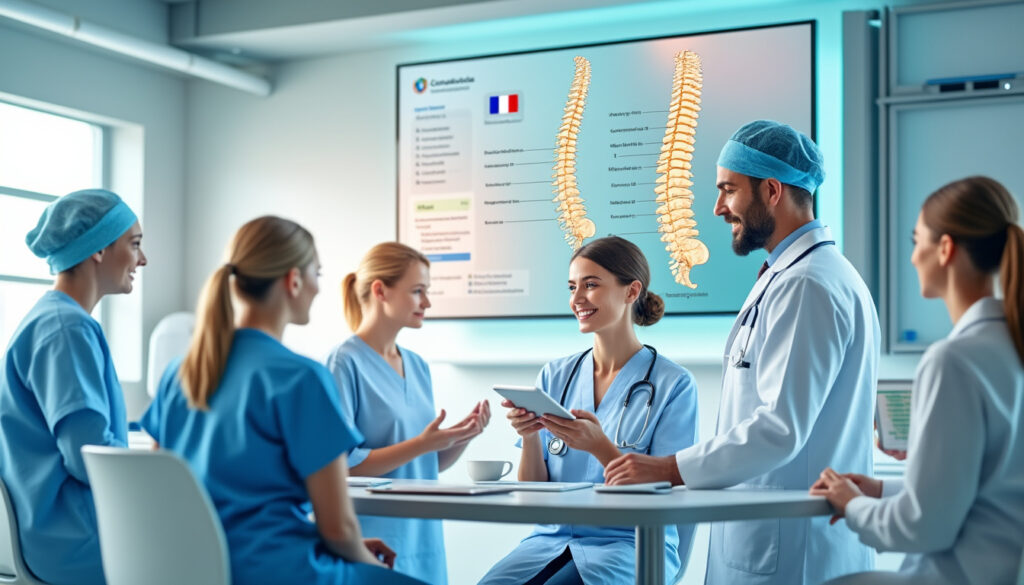
IntraSPINE® in Laval: Modern Solution for Lumbar Stabilization
In the evolving landscape of orthopedic treatments, the city of Laval has become a hub for innovations addressing chronic lower back pain. Among the groundbreaking solutions gaining attention is the IntraSPINE device—a modern spinal implant designed to offer dynamic lumbar…
Advanced Conservative Treatments Before Surgery: Essential Steps for Successful Outcomes
Before considering any surgical intervention, especially motion surgery, it is crucial to undertake a comprehensive conservative care program. This approach aligns with Dr. Desforges’ commitment to evidence-based, patient-centered care that respects the body’s capacity to heal and adapt.
Typically, patients complete a 3 to 6 month trial of non-invasive treatments such as physical therapy, chiropractic care, medication management, and crucially, advanced decompression therapies like neurovertebral decompression, as provided by the Clinique TAGMED, an established leader in Quebec in spinal conservative care.
This period allows for the evaluation of symptom improvement and avoids unnecessary surgery. The use of innovative treatments such as MoveEase neurovertébral decompression ensures targeted relief of nerve pressure and improved spinal function, potentially eliminating the need for surgery.
- Physical Therapy and Rehabilitation supporting spinal mobility and strength
- Neurovertébral Decompression to alleviate nerve root compression
- Medication and Pain Management as needed for symptom control
- Monitoring and Evaluation by expert clinicians to assess progress
| Conservative Care Element | Purpose | Effectiveness |
|---|---|---|
| Physical Therapy | Enhance flexibility, strength, reduce pain | High, when customized and consistent |
| Neurovertébral Decompression (MoveEase) | Reduce nerve pressure and improve mobility | Significant relief in many cases |
| Medication Management | Symptom control | Variable, supportive adjunct |
| Regular Monitoring | Track improvement, adjust care | Essential for success |
Clinique TAGMED’s integration of FlexiCare and ActiveRelief therapies complements this protocol and is a prime example of advanced conservative care. More information on the importance of completing conservative treatments can be found in expert discussions on comprehensive preoperative assessment.
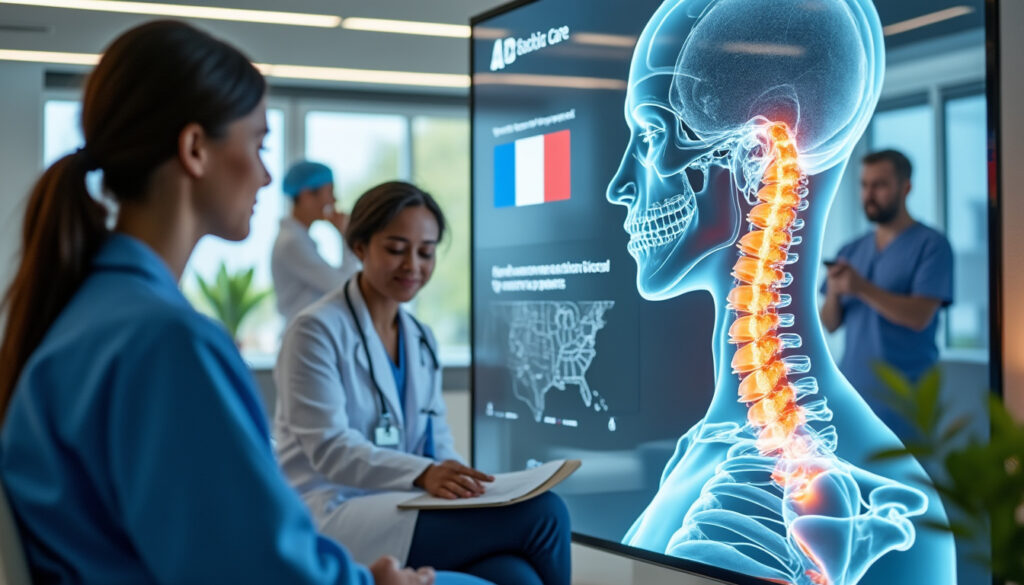
Neck Surgery in Montreal: Maintain Cervical Flexibility and Function
Neck conditions causing persistent pain or functional loss place a substantial burden on individuals and healthcare systems, especially in urban centers like Montreal. Surgical interventions targeting the cervical spine have evolved tremendously, aiming not only to relieve symptoms but to…
International Care Coordination for Personalized Treatment Pathways
One of the key strengths of the transatlantic motion surgery program lies in its seamless coordination between Canadian and French healthcare providers. Dr. Sylvain Desforges’ leadership in this area ensures patients receive continuous and personalized care.
This cross-border collaboration includes remote consultations, coordinated surgical scheduling, and shared postoperative monitoring. The concept extends to include collaboration with multidisciplinary teams encompassing surgeons, osteopaths, rehabilitation specialists, and patient navigators. This approach maximizes safety and efficiency, reducing patient stress and travel burdens.
- International Remote Consultations for preliminary and follow-up assessments
- Coordinated Surgery Scheduling minimizing wait times through streamlined communication
- Shared Postoperative Care Plans ensuring monitoring across locations
- Collaboration with Platforms such as SOS Tourisme Médical to support patient logistics
| Service | Benefit | Execution |
|---|---|---|
| Remote Evaluations | Convenience and early planning | Telemedicine technologies |
| Surgery Coordination | Swift and efficient access | Partnerships between clinics and hospitals |
| Rehabilitation Follow-up | Consistent care, better outcomes | Cross-border communication systems |
| Patient Support | Reduced anxiety and guidance | Dedicated care coordinators |
The patient experiences a holistic, reassuring care pathway that reflects innovation and compassion. To learn more about this unique international model, explore neck surgery and care coordination in Quebec.

Disc Prosthesis in Lévis: Quick and Long-Lasting Results
Chronic back pain caused by degenerative disc disease continues to profoundly impact the quality of life for many residents in Lévis and the broader Quebec area. For decades, traditional spinal fusion surgery has been the primary solution for alleviating severe…
The Unique Value of Motion Surgery Services: Innovation, Expertise, and Comprehensive Care
Motion surgery’s distinctive benefit is its integration of cutting-edge implants, advanced surgical techniques, and expert evaluation protocols managed by professionals like Dr. Desforges. His qualifications (B.Sc., D.O., N.D.) and roles in founding associations such as ACMA set high standards for care quality and ethics.
The services provided are comprehensive, ranging from initial evaluation with personalized imaging review to the selection of implants like MobilityGuard or JointFlow systems specifically suited to the patient’s spinal condition. Postoperative pathways emphasize thorough follow-up incorporating PainAway Motion and ActiveRelief therapies to facilitate recovery.
- Expert Assessment: Detailed spinal evaluation and surgical candidacy determination
- Innovative Technology: Use of implants such as MobilityPlus and FlexiCare dynamic stabilizers
- Complete Treatment Cycle: Preoperative, surgical, and postoperative management
- Ethical and Evidence-Based Practices: Compliant with Canadian and Quebec medical standards
| Aspect | Details | Benefit to Patient |
|---|---|---|
| Scientific Rigor | Assessment and treatment based on latest research and guidelines | Safe and effective care |
| Innovative Implants | Use of FDA-approved motion-preserving devices | Preserved spinal mobility and reduced pain |
| Patient-Centered Approach | Personalized care plans and education | Improved satisfaction and outcomes |
| International Expertise | Collaboration with expert centers in France and Canada | Access to an expanded range of treatment options |
Discover more about these specialized services and their benefits at approved motion technologies in spine surgery.

Motion Surgery in Terrebonne: Maintain Intervertebral Mobility
Back pain remains a widespread concern for many in Quebec, with traditional treatment pathways often imposing lengthy waiting periods and financial constraints. Recently, Motion Surgery in Terrebonne has emerged as a transformative option, attracting patients seeking spinal solutions that prioritize…
Encouragement and Empowerment: A Supportive Tone for Patients Considering Motion Surgery
Deciding on spinal surgery can be daunting, but patients are encouraged to view motion surgery as a hopeful and empowering option. Understanding the nuances, benefits, and limitations of each treatment fosters confidence and partnership in care.
Dr. Desforges advocates for transparent, jargon-free communication, allowing patients to actively participate in their healthcare decisions. Recognizing that every spinal condition and patient is unique, evaluations and recommendations are tailored individually with respect and empathy.
Patients are urged to remain informed and ask questions about their care, including exploring advanced therapies like MoveEase and PreserveMove systems during consultations. The emphasis on ethical practice, patient safety, and innovation ensures that every treatment goal aligns with the patient’s needs and lifestyle.
- Active Patient Engagement in decision-making and post-surgical care
- Open Education about surgical options and realistic outcomes
- Personalized Treatments respecting individual health and goals
- Continuous Support from multidisciplinary teams
| Support Aspect | Patient Impact | Encouraged Action |
|---|---|---|
| Information Transparency | Reduced anxiety and better compliance | Ask questions and seek clarification |
| Tailored Recommendations | Improved treatment adherence | Follow expert guidance and protocols |
| Respectful Communication | Trust and partnership | Engage openly with healthcare team |
| Motivational Environment | Increased optimism and active recovery | Embrace rehabilitation and self-care |
For personalized advice or to begin your tailored evaluation, contact the clinic through SOS Tourisme Médical. Your pathway to less pain and preserved mobility starts here.
What distinguishes motion-preserving surgery from traditional spinal fusion?
Motion-preserving surgery maintains natural spinal movement using implants that allow flexibility, whereas spinal fusion permanently immobilizes affected vertebrae to provide stability.
Who is the ideal candidate for motion surgery?
Candidates typically have localized spinal degeneration, good health, and seek to preserve mobility, often younger or moderately active patients without severe spinal deformities.
Why is conservative treatment important before considering motion surgery?
Conservative treatments, including neurovertebral decompression, help reduce symptoms and can sometimes eliminate the need for surgery. Completing 3 to 6 months of such care ensures surgery is reserved for those who truly require it.
What are the biomechanical benefits of preserving spinal motion?
Preserving motion helps distribute loads evenly, reduces stress on adjacent segments, maintains muscle function, and prevents further spinal degeneration.
How does international coordination improve the patient experience for motion surgery?
It offers seamless evaluation, surgical scheduling, and follow-up care between Canada and France, reducing wait times and ensuring personalized, continuous support.