
Can Rehabilitation and Return to Work Help Avoid Surgery?
July 13, 2026
Spine Surgery in Trois-Rivières: Personalized Patient-Centered Intervention
July 13, 2026
Back pain remains a significant health challenge in Quebec, affecting a wide range of adults and often leading to diminished quality of life. For many facing chronic spinal discomfort, determining eligibility for back surgery presents a complex yet crucial step in their care journey. This patient guide delves into the medical criteria and assessment processes involved in deciding candidacy for spinal surgery within Quebec’s healthcare system. It also explores options beyond provincial borders, highlighting innovative treatment avenues accessible through international collaborations, notably with France. Understanding the nuances of back surgery eligibility not only empowers patients but also facilitates informed decisions that align with personalized treatment goals.
Within the Quebec healthcare landscape, long wait times and limited access to certain surgical interventions often prompt patients to seek comprehensive alternatives. These alternatives bring together advanced surgical techniques and a multidisciplinary approach designed to optimize outcomes while maintaining patient safety. This evolving medical framework underscores the importance of detailed patient assessment alongside a thorough examination of available treatment options, ranging from conservative management to cutting-edge spinal procedures.
Medical Criteria Defining Surgery Eligibility for Back Pain Patients in Quebec
Back surgery eligibility is anchored on a stringent set of medical criteria crafted to ensure that only patients with a clear surgical indication proceed to intervention. The clinical evaluation involves a multilayered approach that integrates patient history, physical examination, imaging studies, and prior response to conservative treatments.
Key Indicators for Surgical Consideration
Persistence of disabling back pain despite comprehensive conservative treatment is one of the foremost criteria. This includes failed attempts at physiotherapy, pharmacologic pain management, and specialized rehabilitation programs conducted over a period typically ranging from 3 to 6 months. Patients experiencing chronic symptoms unresponsive to such measures warrant further diagnostic and therapeutic exploration.
Confirmatory diagnostic imaging plays a pivotal role. Recent magnetic resonance imaging (MRI) or computed tomography (CT) scans must reveal identifiable pathologies such as herniated discs, spinal stenosis, or vertebral instability directly accountable for the patient’s symptoms. These objective findings are essential for substantiating the surgical rationale and for tailoring the intervention to the specific spinal segment involved.
Functional impairments linked to neurological deficits, such as motor weakness, sensory disturbances, or gait abnormalities, further support the need for surgery. These signs indicate potential nerve root or spinal cord involvement necessitating timely surgical decompression or stabilization to prevent permanent disability.
General health and anesthesia fitness comprise additional considerations. A thorough preoperative assessment ensures patients do not have contraindications or high surgical risks that could jeopardize outcomes. This holistic evaluation is essential to maintain a favorable risk-benefit balance, prioritizing patient safety within the Quebec healthcare system.
This multidisciplinary approach involves experts like Dr. Sylvain Desforges and teams at TAGMED in Montreal, where patient assessment integrates clinical data, imaging, and response to previous treatments. The process aligns with ethical guidelines emphasizing surgery only after conservative options have been exhausted, thereby minimizing unnecessary operative interventions.
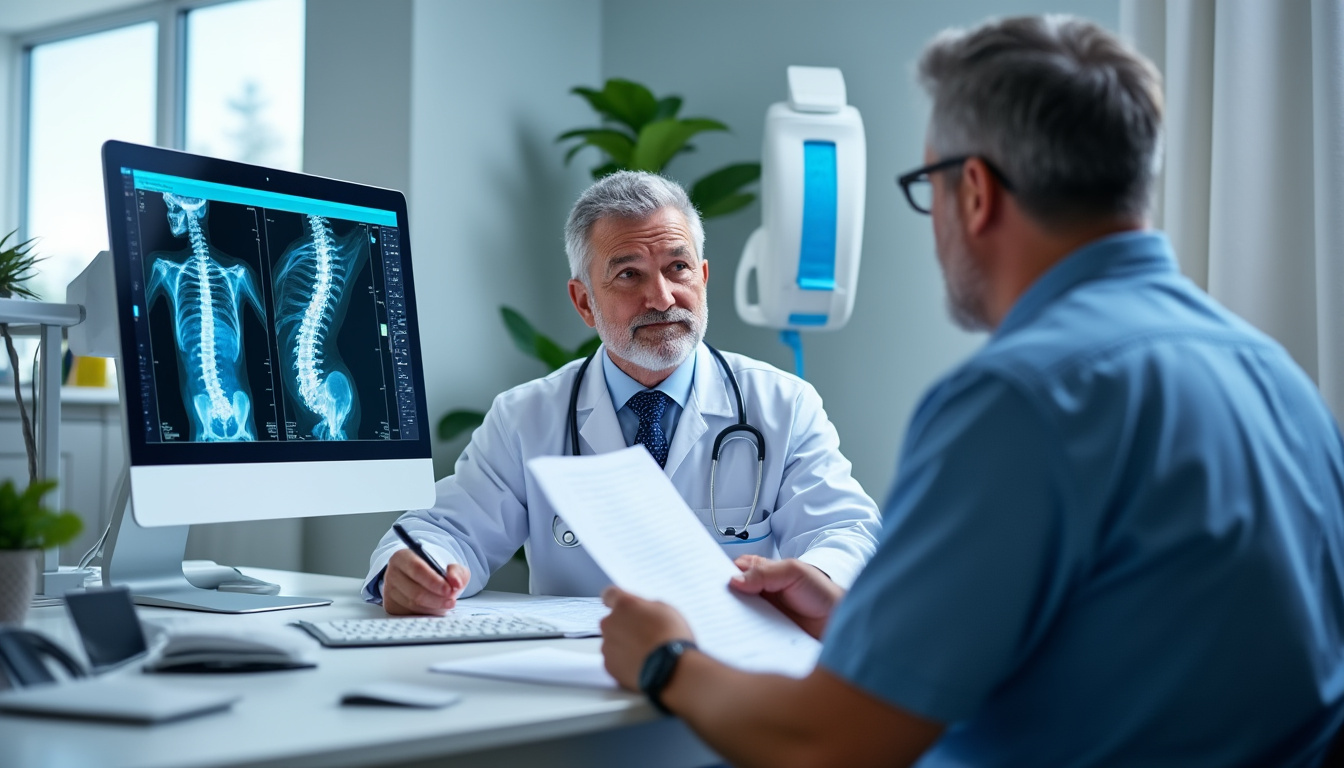

Understanding Sciatic Pain: Key Symptoms and When to Seek Medical Advice
Sciatic pain is a prevalent condition impacting a wide demographic, manifesting primarily as intense pain radiating from the lower back down the leg. This pain stems from irritation or compression of the sciatic nerve, a major nerve extending through the…
Detailed Patient Assessment Process: From Diagnosis to Surgical Planning
Evaluating surgery eligibility requires more than identifying a spinal pathology. It mandates a detailed patient assessment that contextualizes clinical findings within individual functional needs and lifestyle considerations. This process ensures surgical indications are appropriate and customized treatment plans are developed.
Initial Clinical Interviews and Quantitative Pain Assessments
Healthcare providers utilize in-depth patient interviews to document pain patterns, functional limitations, and psychosocial factors contributing to symptom severity. Structured questionnaires and pain scales quantify the impact on daily living, offering measurable parameters essential in monitoring treatment progress and surgical candidacy.
Advanced Imaging and Functional Testing
Complementing clinical evaluation, state-of-the-art imaging techniques provide high-resolution views of spinal anatomy. Recent MRI and CT scans discerning disc herniations or stenosis confirm pathology, while dynamic imaging may assess segmental instability. Additionally, electrophysiological studies can detect nerve impairments not clinically apparent.
Integration of Multidisciplinary Consultations
Input from neurologists, physiatrists, and pain specialists further refines patient evaluation. Collaborative case discussions, including surgeons and rehabilitation therapists, yield comprehensive insights that inform risk assessment and therapeutic selection. Such teamwork embodies modern spinal surgery practices and enhances patient outcomes.
Adopting these standardized patient assessments in Quebec aligns with international best practices and bolsters transparency in decision-making. Through this systematized approach, patients receive clear communication regarding their eligibility and understand the rationale behind recommended treatment plans.

The Stepwise Role of Functional Recovery in Achieving Successful Outcomes
The journey to full recovery following spinal surgery is often complex and multifaceted, demanding a meticulously structured approach to ensure optimal functional outcomes. In recent years, the concept of functional recovery through a stepwise approach has garnered significant attention in…
Exploring Surgical Treatment Options Available to Quebec Patients
Once eligibility is confirmed, the selection of surgical techniques depends on spinal pathology characteristics, patient health status, and desired functional preservation. Quebec patients benefit from a spectrum of procedures, ranging from traditional spinal fusion to innovative motion-preserving surgeries.
Conventional Spinal Fusion Surgeries
Spinal fusion remains a standard intervention for conditions causing instability or deformity. It involves joining two or more vertebrae to prevent abnormal movement and alleviate pain. While effective in pain relief, spinal fusion may limit segmental motion and is associated with longer recovery phases.
Minimally Invasive and Motion-Preserving Technologies
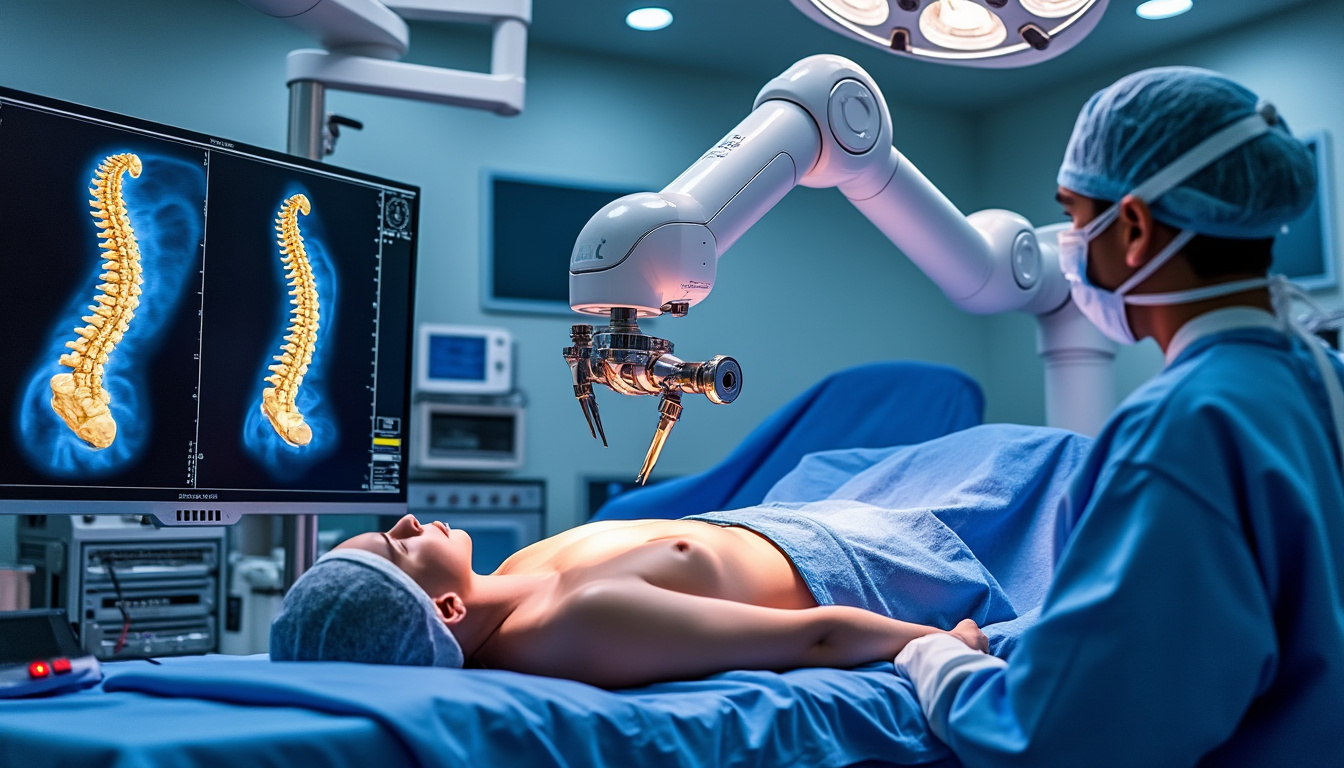
Advances in surgical technology have led to minimally invasive techniques that reduce tissue disruption, postoperative pain, and hospitalization time, promoting faster rehabilitation. Quebec patients increasingly explore options like decompression surgeries aided by robotic assistance and endoscopic methods.
Notably, international collaborations grant access to innovative implants such as the TOPS and Intraspine devices more commonly available in France. These dynamic stabilization implants offer a balance between maintaining spinal mobility and providing necessary support to degenerative or unstable segments, contributing to improved postoperative comfort and quicker return to activities.
Patients considering surgical options are encouraged to consult resources such as insights on spinal fusion advancements and explore centers of excellence including specialized spine surgery facilities in Montreal for detailed procedural information.

Transatlantic Patient Journey: Insights into Indications, Benefits, and Challenges
The emergence of the Transatlantic Patient Journey as a strategic model within healthcare continues to capture attention for its innovative potential, especially in specialized fields such as spinal surgery. This cross-border care pathway integrates rigorous medical evaluation from Quebec with…
International Medical Collaboration: Enhancing Surgical Access and Innovation
Due to extended wait times and limited surgical availability in Quebec’s public system, partnerships with international centers, especially in France, provide a valuable pathway for eligible patients.
This collaboration is coordinated by specialists like Marcel Mazaltarim at Neurothérapie Montréal, who oversees the transatlantic management of patients’ surgical journeys. After comprehensive assessment at TAGMED in Montreal, Franchir assists in travel arrangements, hospital admissions, and care coordination in France. This organizational structure ensures continuity of care and access to cutting-edge procedures unavailable locally.
The French healthcare system’s integration of advanced interventions, including robotic-assisted minimally invasive surgery and dynamic stabilization implants, is complemented by meticulous perioperative management and postoperative rehabilitation.
Such collaborations not only broaden treatment options but also reduce time-to-surgery delays, which is critical for preventing progressive disability. Patients benefit from personalized care plans backed by multidisciplinary teams, fostering safer outcomes and enhanced quality of life.

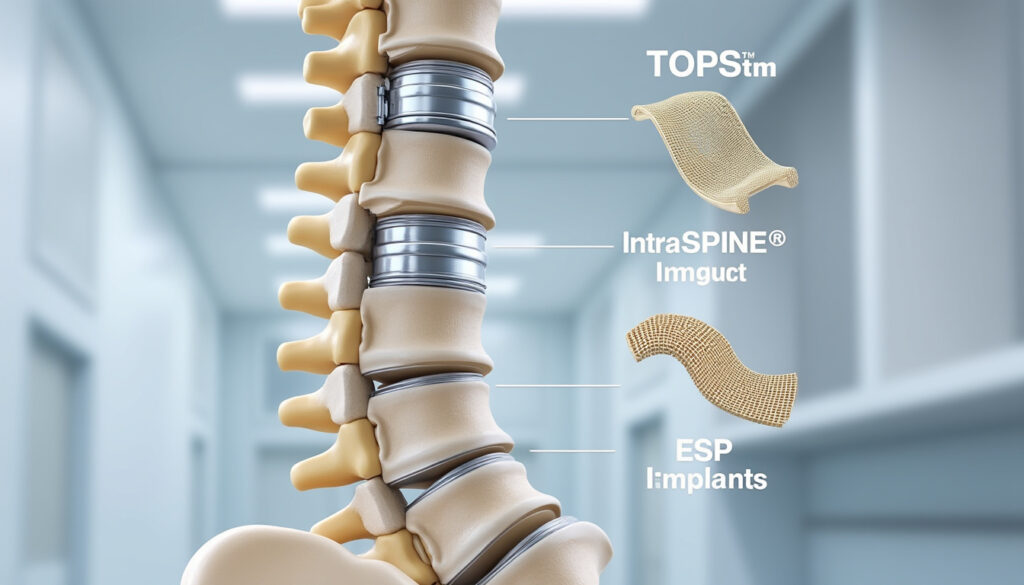
The evolving field of spinal surgery is witnessing a transformative shift, fueled by cutting-edge implant technologies such as TOPS, Intraspine, and ESP. These innovative implants redefine treatment possibilities by emphasizing preservation of natural spinal mechanics, while ensuring durable stabilization and…
Personalized Rehabilitation and Postoperative Follow-Up in Quebec
Back surgery eligibility extends beyond the operating room, underlying the necessity for targeted rehabilitation and ongoing assessment to maximize surgical benefits. Quebec’s integration with expert centers like Neurothérapie Montréal offers patients tailored neurofunctional follow-up employing cutting-edge technologies such as biofeedback and neurofeedback.
This detailed rehabilitation approach encompasses:
- Continuous evaluation of motor and sensory functions to promptly detect and address complications or residual impairments.
- Custom rehabilitation protocols crafted collaboratively among neurologists, physical therapists, and neurotherapists to optimize functional recovery.
- Psychological support to address anxiety and adapt to postoperative bodily changes, contributing to improved well-being and adherence to therapy.
- Coordinated communication with surgical teams in France to ensure seamless care transitions and consensus-based management decisions.
Patients returning to Quebec benefit from this integrated follow-up that fosters long-term recovery, facilitating faster reintegration into daily and professional activities.

Preparing for Surgery in France: Key Indications, Benefits, and Limitations
In an evolving global healthcare landscape, France emerges as a beacon of advanced surgical expertise, particularly attracting international patients seeking expedited and innovative medical interventions. Patients from regions experiencing long wait times, such as Quebec, increasingly view France as an…
Emerging Innovations Shaping Back Surgery Practices
The landscape of spinal surgery is evolving rapidly with the introduction of innovative technologies and methods that enhance patient outcomes while minimizing invasiveness.
Recent advances include the utilization of 3D spinal imaging combined with robotic navigation platforms, improving surgical precision and reducing risks. Clinics adopting these technologies report shorter hospital stays and fewer complications, reflecting improved procedural safety.
Dynamic implants such as the Intraspine interlaminar device and the TOPS stabilization system increasingly represent a paradigm shift towards motion preservation. Their FDA approvals and rising uses highlight a trend favoring functional preservation without compromising stability.
Dedicated educational courses like the FICV Spinal Solution Course and EuroSpine Endoscopic Spine Courses have expanded surgeons’ expertise in these emerging techniques, fostering a higher standard of care both in Quebec and internationally.

Unveiling the Hidden Benefits of Quality and Certification in Devices
The landscape of device manufacturing and clinical application in 2026 has been fundamentally shaped by the rigorous interplay between quality management and certification processes. Within this complex framework, the hidden benefits of adhering to international standards and obtaining relevant certifications…
Challenges and Solutions in Navigating Health Insurance for Surgical Coverage
Understanding health insurance eligibility and coverage is essential for patients considering back surgery in Quebec. The Régie de l’assurance maladie du Québec (RAMQ) governs access to healthcare services, including surgical treatments.
Patients must meet specific eligibility criteria to ensure coverage, including residency requirements and registration with RAMQ. While coverage includes many essential services, surgical interventions sometimes encounter delays and limited availability within the public system.
Supplementing provincial insurance, international treatment options often incur out-of-pocket expenses. However, detailed coordination through organizations like SOS Tourisme Médical facilitates transparent cost estimations and administrative assistance, easing patient navigation of financial considerations.
Patients are encouraged to consult RAMQ’s eligibility information and medical services thoroughly to optimize access and financial planning when considering back surgery within or beyond Quebec.
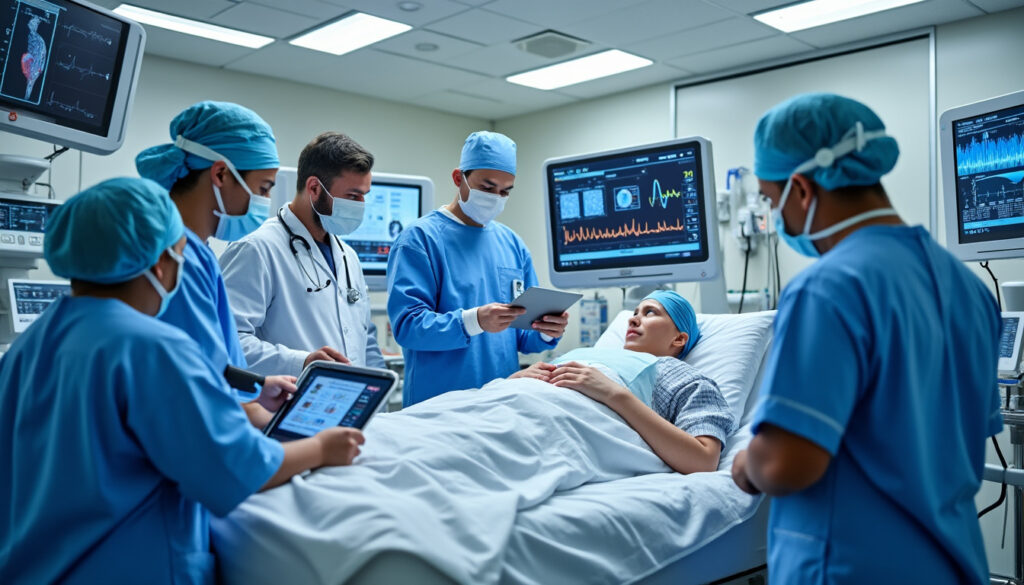
Why Experts Advocate for Comprehensive Preoperative Evaluations
In the complex and demanding field of spinal surgery, the emphasis on comprehensive preoperative evaluations has become a fundamental pillar supporting successful surgical outcomes. These evaluations, far beyond mere routine checks, integrate detailed analyses of patient health, surgical risk assessments,…
Patient Tips: Best Practices When Considering Back Surgery Eligibility
Making informed decisions about back surgery involves understanding key aspects that influence eligibility and outcomes. Patients are advised to:
- Document medical history thoroughly and maintain records of all previous treatments and imaging studies.
- Engage actively in conservative treatments over a substantial period before considering surgical options.
- Seek multidisciplinary evaluations to obtain comprehensive perspectives on surgical candidacy.
- Ask questions about surgical techniques and expected outcomes, particularly regarding mobility preservation and recovery timelines.
- Coordinate regular follow-up appointments to maximize rehabilitation benefits and monitor for potential complications post-surgery.
These practical recommendations help patients navigate the complex landscape of back surgery eligibility confidently and responsibly.
Back Surgery Techniques Comparison
What essential examinations must be completed before back surgery?
Patients must undergo recent imaging exams such as MRI and CT scans, complemented by a thorough clinical evaluation and pain/function questionnaires to establish a precise eligibility assessment.
How can a patient confirm eligibility for spinal surgery in France?
Eligibility depends on persistent symptoms after conservative treatments, imaging analysis, and absence of significant medical contraindications. The decision is validated by protocols managed through Neurothérapie Montréal and SOS Tourisme Médical.
What benefits do advanced implants like TOPS offer?
These innovative implants stabilize the spine while preserving natural movement, leading to better quality of life, reduced postoperative pain, and faster resumption of daily activities.
What kind of postoperative follow-up is provided?
Neurothérapie Montréal offers personalized neurofunctional follow-up involving biofeedback and neurofeedback, coordinated with French surgical teams to ensure optimal rehabilitation and ongoing support.
Why consider back surgery in France instead of Quebec?
France offers quicker access, innovative surgical techniques and implants not widely available in Quebec, experienced surgeons, and personalized care, resulting in notably improved outcomes.
The Future of Surgery Lies in Stepwise Functional Recovery
The evolution of surgical care in 2026 reveals a compelling shift toward approaches that prioritize the holistic recovery of patients, moving beyond traditional metrics like length of hospital stay or mortality rates. This modern paradigm highlights the principle that the…