Simple Surgery, Fusion, and Motion: Personal Stories and Insights
June 10, 2026
Back Surgery in Trois-Rivières: Strategies to Minimize Post-Operative Complications
June 11, 2026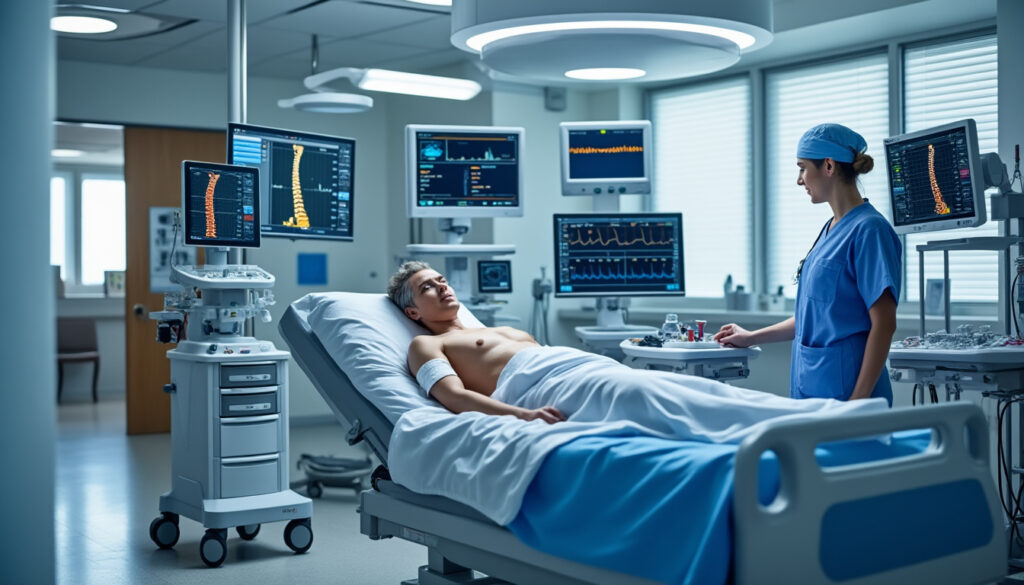
Spine surgery stands as a pivotal intervention for patients suffering from chronic pain or debilitating functional disorders, offering potential relief and a renewed quality of life. However, the success of these complex procedures extends far beyond the operating room. Post-operative monitoring emerges as an essential component that bridges surgical intervention and the patient’s journey to recovery. With coordinated care, advanced technologies, and individualized protocols, post-operative monitoring safeguards against complications, promotes neurological health, and accelerates rehabilitation.
Especially for patients undergoing transatlantic surgical treatments, such as those operated on in France and followed up in Canada, a seamless and integrated post-operative pathway is critical. Innovative neuromodulation techniques, expert clinical assessments, and multidisciplinary collaboration underscore the evolving paradigm of spine surgery recovery. Monitoring directly influences surgical outcomes by enabling early detection of complications, intensifying pain management, and tailoring rehabilitation strategies. In this landscape, patient-centered care aligns with the latest scientific advances to optimize recovery trajectories and long-term wellness after spine surgery.
Significance of Post-Operative Monitoring in Spine Surgery for Optimal Surgical Outcomes
Post-operative monitoring is indispensable for enhancing spine surgery results by enabling continuous assessment of the patient’s physiological status after intervention. This period is characterized by vulnerability to neurological deficits, infection, and excessive pain, all of which can hinder healing if not promptly addressed. Spine surgeries—ranging from discectomies and laminectomies to spinal fusions and disc replacements—demand tailored surveillance protocols to match the specific risks inherent to each procedure. Early mobilization, coupled with vigilant neurological assessment, plays a crucial role in minimizing post-operative complications.
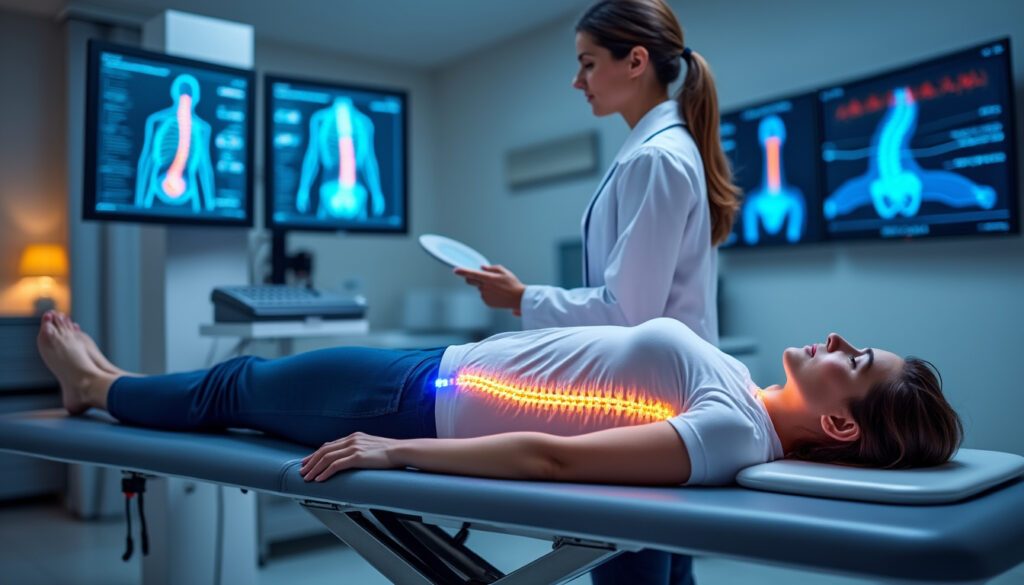
Clinical studies confirm that vigilant monitoring during the post-operative phase significantly reduces the incidence of adverse events such as thromboembolic complications and infections, which are critical risk factors in spine surgery patients. Moreover, continuous pain evaluation, including the application of neuromodulation modalities like repetitive transcranial magnetic stimulation (rTMS), helps optimize analgesic strategies while mitigating opioid dependence. Collaborative care pathways integrating multidisciplinary teams—surgeons, physiotherapists, nurses, and pain specialists—facilitate a dynamic response to emerging post-operative challenges.
Integration of advancements such as intraoperative neuromonitoring also improves the predictability of neurological outcomes, as detailed in recent research evaluating somatosensory and motor-evoked potentials. The emphasis on post-operative monitoring, therefore, represents not only a means to detect and counteract complications but also an opportunity to enhance functional restoration and eventually shorten hospital stays.

Can Rehabilitation and Returning to Work Help You Avoid Surgery?
In 2026, the evolving landscape of spinal care is increasingly influenced by innovative rehabilitation strategies and structured return-to-work programs aimed at minimizing the reliance on surgical interventions. With advancements in neuromodulation technologies like repetitive transcranial magnetic stimulation (rTMS) and integrated…
Phases of Patient Recovery After Spine Surgery: Tailoring Post-Operative Care
Understanding the distinct phases of recovery following spine surgery enables the design of effective post-operative monitoring strategies. The recovery pathway can be divided into immediate, early, and consolidation phases, each requiring specific clinical focus and interventions to optimize results.
Immediate Post-Operative Phase: Pain Management and Early Mobilization
In the days directly following surgery, patient safety hinges on pain control and prevention of complications such as deep vein thrombosis. Effective analgesia is vital to facilitate early mobilization, an essential step for restoring circulatory function and respiratory health. Innovative pain management techniques, including neuromodulation therapies like rTMS, serve to reduce neuropathic pain and minimize opioid use, which in turn decreases side-effect profiles.
Simultaneously, the medical team closely monitors neurological signs to promptly identify inflammatory or infectious anomalies. Early engagement of physiotherapists guides the patient through gentle mobilization exercises, respecting surgical precautions such as avoiding deep flexion or torsion. This foundational phase lays the groundwork for accelerated recovery and functional gain.
Early Recovery Phase: Gradual Resumption of Daily Activities and Neurological Rehabilitation
Spanning weeks one through four post-surgery, this phase focuses on progressive resumption of routine movements while maintaining vigilance for wound healing and infection control. The application of cutting-edge neuromodulation devices, such as BrainPort and PoNS, supports neurorehabilitation by stimulating neural circuits affected by surgery. These noninvasive tools complement established rehabilitation methods, tailoring recovery to the individual’s neurological profile.
Functional gains such as improved mobility and reduced pain enhance patient autonomy, which psychologically reinforces recovery efforts. Regular clinical evaluations ensure that rehabilitation intensity remains within safe limits, limiting the risk of fatigue or overexertion. The collaboration between surgical teams and outpatient care providers is essential to sustain momentum during this critical period.
Consolidation Phase: Muscular Reinforcement and Ergonomic Adaptation
The consolidation period, covering approximately one to three months post-intervention, emphasizes targeted muscle strengthening—especially of the core and paraspinal muscles—essential to spine stability and mobility. Patients with dynamic implants such as TOPS or IntraSPINE require individualized rehabilitation protocols that account for device-specific biomechanics. Comprehensive education on ergonomic principles is integrated to promote spine protection in daily and occupational tasks.
Longer recovery times may be necessary for patients with significant neurological deficits, warranting intensive multidisciplinary follow-up. The objective is sustained functional improvement and prevention of secondary complications, harnessing the synergy between physical therapy, pain management, and psychological support.
| Type of Spine Surgery | Return to Light Activities | Complete Recovery Timeline |
|---|---|---|
| Discectomy | 2-3 weeks | 6-8 weeks |
| Laminectomy / Spinal Decompression | 4-6 weeks | Up to 12 weeks |
| Spinal Fusion | 6-8 weeks | 6 to 12 months |
| Artificial Disc Replacement | 4-6 weeks | 6 months or more |
Shaping the Future of Spinal Surgery: A Comparative Insight Between France and Quebec
Spinal disorders continue to pose significant challenges to healthcare systems worldwide, notably in regions like Quebec and France where demographic shifts and sedentary lifestyles have amplified the incidence of spinal ailments. As the demand for advanced spinal surgery grows, understanding…
Advanced Technologies and Neuromodulation in Enhancing Post-Operative Follow-Up
Modern spinal surgery no longer relies solely on surgical precision but integrates progressively sophisticated technological adjuncts. Among these, neuromodulation plays a transformative role in post-operative care. Techniques like repetitive transcranial magnetic stimulation (rTMS) and novel devices such as BrainPort and PoNS have demonstrated efficacy in reducing neuropathic pain, modulating neuroplasticity, and supporting emotional wellbeing during recovery.
The clinical importance of these technologies is backed by emerging evidence underscoring their capacity to enhance rehabilitation outcomes and reduce medication dependency. For chronic post-surgical pain syndromes, including post-laminectomy syndrome, neuromodulation provides a scientific and individualized approach to symptom management, offering hope to patients with otherwise refractory symptoms.
In addition, integration of robotics and 3D imaging technologies in spinal navigation is revolutionizing operative accuracy and reducing intraoperative trauma, which indirectly benefits post-operative recovery by minimizing tissue damage and inflammatory response. These innovations, alongside rigorous post-operative monitoring, facilitate more predictable and successful surgical outcomes.

Effective Strategies to Excel in Initial Quizzes and Exams
In the pursuit of academic excellence, initial quizzes and exams stand as crucial gateways that set the tone for future success. These early assessments require not only a firm grasp of content but also strategic approaches to studying and test-taking.…
Importance of Multidisciplinary Coordination and Transatlantic Care Pathways
Successful spine surgery outcomes are increasingly dependent on a well-coordinated, multidisciplinary approach especially for patients whose operations span countries. Neurothérapie Montréal exemplifies this integrated care model with a robust transatlantic post-operative monitoring system connecting French surgical centers with Canadian follow-up teams. This framework ensures continuity in care, promotes effective communication between teams, and mitigates risks associated with fragmented follow-up.
This collaboration extends to partners like SOS Tourisme Médical, which facilitates patient education, navigates administrative processes, and prepares patients for the procedural journey ahead. Meanwhile, organizations such as Franchir assume logistical roles, including surgeon selection, scheduling, and accommodation coordination in France. Such seamless management alleviates patient stress and supports recovery by fostering trust and ease throughout the surgical timeline.
Regular updates, shared clinical documentation, and synchronized rehabilitation plans contribute to a comprehensive monitoring regime, enabling early complication detection and flexible adjustment of care protocols. Patients benefit from personalized attention not only to their physical health but also emotional and psychological support, forming a holistic recovery ecosystem.
How Cousin Spine and Franchir Technology Are Transforming Care for Quebec Patients
Quebec’s healthcare system faces persistent challenges in managing spinal conditions, a concern heightened by the rising incidence of cervical and lumbar pain among its population. These ailments not only impede daily functioning but also contribute to significant socio-economic burdens due…
Strategies for Effective Infection Control and Complication Detection During Post-Operative Monitoring
Infection and unforeseen complications present major challenges in spine surgery recovery, demanding precise post-operative monitoring to detect early warning signs. Vigilance includes routine clinical examination, wound inspection, and laboratory tests to monitor inflammatory markers. Signs such as fever, redness, swelling, or persistent pain can indicate complications that necessitate rapid intervention to avoid progression to serious sequelae.
Moreover, the risk of neurological deficits requires thorough and repeated neurological assessments to identify any deterioration that may signal issues such as hematoma formation, nerve root irritation, or hardware malfunction. Prompt imaging and surgical consultations form part of this reactive monitoring strategy.
A combination of clinical expertise, patient education, and technology-supported surveillance—such as wearable devices enabling real-time patient status reporting—is setting new standards in complication prevention. These proactive measures contribute to reduced readmission rates and solidify patient confidence in the post-operative pathway.
Post-Surgical rTMS Integration: Exploring Indications, Benefits, and Limitations
The landscape of spinal surgery recovery has witnessed significant evolution with the integration of innovative neuromodulation techniques such as repetitive transcranial magnetic stimulation (rTMS). This non-invasive brain stimulation method is reshaping patient outcomes, especially in post-surgical contexts where pain management…
Role of Follow-Up Care in Sustaining Long-Term Spine Surgery Success
The continuum of care post-discharge remains critical for realizing the long-term gains from spine surgery. Scheduled follow-up visits at two weeks, six weeks, three months, and up to a year allow clinicians to track healing progress, evaluate implant position, and make necessary adaptations to rehabilitation plans. Consistent follow-up is associated with improved functional outcomes and reduced incidence of late complications.
During these visits, healthcare providers assess pain evolution, functional capacity, and psychological status. Interventions are recalibrated accordingly to optimize patient engagement and recovery adherence. Emphasis on lifestyle modification and ergonomic education is reinforced to protect spinal integrity and prevent recurrence.
Research highlights that patients engaged in structured follow-up experience faster return to daily activities and report higher satisfaction rates. The integration of telemedicine and remote monitoring technologies is enhancing accessibility and enabling ongoing support, especially in geographically dispersed patient populations.

The Impact of Transatlantic Patient Journeys on Healthcare Success
The evolution of healthcare in a globally connected world has paved the way for transatlantic patient journeys, reshaping how patients access care and clinicians deliver treatment. As medical tourism grows beyond a simple concept of travel for treatment, it now…
Best Practices and Recommendations for Patients to Optimize Post-Operative Rehabilitation
Patient cooperation and adherence to post-operative care instructions strongly influence surgical success. To encourage optimal recovery and minimize setbacks, patients should consider the following guidelines:
- Adhere strictly to medical advice: Avoid sudden movements and heavy lifting that could compromise the surgical site.
- Ensure a safe home environment: Modify living spaces to reduce fall risks and accommodate mobility limitations.
- Maintain a balanced diet: Prioritize foods rich in protein, calcium, and vitamins essential for tissue repair.
- Stay well-hydrated: Proper hydration supports cellular regeneration and overall recovery.
- Participate in guided physical activities: Engage in supervised exercises designed to build strength without overexertion.
- Practice patience: Recovery timelines vary; listen to your body and avoid rushing through stages.
- Monitor warning signs: Seek prompt medical consultation if experiencing intense pain, fever, or swelling.
- Commit to scheduled follow-ups: Regular consultations enable timely adjustments and complication prevention.

Medical Guidance from Quebec: Central to the Patient Care Journey
Medical guidance from Quebec plays a pivotal role in navigating the complex healthcare journey for patients, especially those facing neurological and spinal conditions. In 2026, this guidance has become an essential bridge, connecting patients to centers of excellence in France…
Post-Operative Monitoring: Synthesizing Care to Drive Superior Spine Surgery Results
In the evolving field of spine surgery, post-operative monitoring is a cornerstone that sustains and magnifies surgical advances. It safeguards patient recovery by facilitating early complication diagnosis, optimizing pain management, and guiding personalized rehabilitation. The integration of advanced neuromodulation technologies and transnational care networks exemplifies the modern care model focused on holistic outcomes.
Patients undergoing spine surgery today benefit from structured, evidence-based monitoring protocols that extend from hospital discharge into extended outpatient support. These pathways not only improve physical restoration but also address psychological well-being and social reintegration. Sustained multidisciplinary collaboration ensures that the promise of spine surgery—alleviating pain, restoring function, and improving life quality—is fully realized.
Post-Operative Monitoring Checklist for Spine Surgery
Hover or tap on each item to learn more about its importance
Select an item to see its description.
${item.description}
`; itemDetailsEl.style.opacity = ‘1’; itemDetailsEl.setAttribute(‘data-active-index’, index.toString()); }, 150); }/* Clears the description panel to initial placeholder */ function clearDescription() { itemDetailsEl.style.opacity = ‘0.2’; setTimeout(() => { itemDetailsEl.innerHTML = ‘Select an item to see its description.
‘; itemDetailsEl.style.opacity = ‘1’; itemDetailsEl.removeAttribute(‘data-active-index’); }, 150); }/* Initialization: populate the checklist */ function initInfographic() { postOpData.items.forEach((item, idx) => { const el = createChecklistItem(item, idx); checklistEl.appendChild(el); });// Hide description panel if user leaves checklist container (accessibility) document.getElementById(‘postOpInfographic’).addEventListener(‘mouseleave’, clearDescription);// For keyboard navigation, if TAB leaves last button, clear description // Not strictly needed but enhances UX slightly const buttons = checklistEl.querySelectorAll(‘button’); if(buttons.length > 0) { buttons[buttons.length -1].addEventListener(‘blur’, (e) => { // Delay needed to detect where focus moves setTimeout(() => { if(!document.activeElement.closest(‘#checklist’)) { clearDescription(); } }, 10); }); } }// Run initialization on DOM ready (safe, can be inline script in body) initInfographic();{“@context”:”https://schema.org”,”@type”:”FAQPage”,”mainEntity”:[{“@type”:”Question”,”name”:”When can rehabilitation typically begin after spine surgery?”,”acceptedAnswer”:{“@type”:”Answer”,”text”:”Rehabilitation usually starts within the first few weeks after surgery, beginning with gentle massages and light stretching, progressing to gradual muscle strengthening based on patient tolerance and the specific surgery performed.”}},{“@type”:”Question”,”name”:”What are the benefits of dynamic implants like TOPS in spine surgery?”,”acceptedAnswer”:{“@type”:”Answer”,”text”:”Dynamic implants stabilize the spine while preserving its natural mobility, leading to faster recovery, reduced post-operative pain, and better return to daily and sports activities.”}},{“@type”:”Question”,”name”:”How is proper post-operative medical follow-up ensured?”,”acceptedAnswer”:{“@type”:”Answer”,”text”:”Scheduled regular consultations at intervals such as 2 weeks, 6 weeks, 3 months, and up to one year facilitate adjustment of rehabilitation, monitoring of fusion or implant positioning, and prevention of complications.”}},{“@type”:”Question”,”name”:”Can rehabilitation help in cases of persistent neurological deficits?”,”acceptedAnswer”:{“@type”:”Answer”,”text”:”Yes, with specific and prolonged physiotherapy, nerve functions can improve even up to a year after surgery depending on the initial severity.”}},{“@type”:”Question”,”name”:”What role does ergonomics play in post-surgical rehabilitation?”,”acceptedAnswer”:{“@type”:”Answer”,”text”:”Ergonomics promotes adapted daily gestures and postures that protect the spine, reduce mechanical stress, and prevent recurring pain or long-term complications.”}}]}When can rehabilitation typically begin after spine surgery?
Rehabilitation usually starts within the first few weeks after surgery, beginning with gentle massages and light stretching, progressing to gradual muscle strengthening based on patient tolerance and the specific surgery performed.
What are the benefits of dynamic implants like TOPS in spine surgery?
Dynamic implants stabilize the spine while preserving its natural mobility, leading to faster recovery, reduced post-operative pain, and better return to daily and sports activities.
How is proper post-operative medical follow-up ensured?
Scheduled regular consultations at intervals such as 2 weeks, 6 weeks, 3 months, and up to one year facilitate adjustment of rehabilitation, monitoring of fusion or implant positioning, and prevention of complications.
Can rehabilitation help in cases of persistent neurological deficits?
Yes, with specific and prolonged physiotherapy, nerve functions can improve even up to a year after surgery depending on the initial severity.
What role does ergonomics play in post-surgical rehabilitation?
Ergonomics promotes adapted daily gestures and postures that protect the spine, reduce mechanical stress, and prevent recurring pain or long-term complications.
Why Experts Advocate for Neurovertebral Decompression Therapy
In recent years, the increasing prevalence of chronic back and neck pain has spotlighted innovative therapies that promise significant relief without invasive procedures. Neurovertebral decompression therapy has emerged as a prime candidate among these treatments, widely recommended by leading specialists…