Innovative implants: understanding TOPS™, Intraspine®, and ESP for Quebec patients
August 13, 2025
hidden benefits of integrating rTMS following surgery
August 14, 2025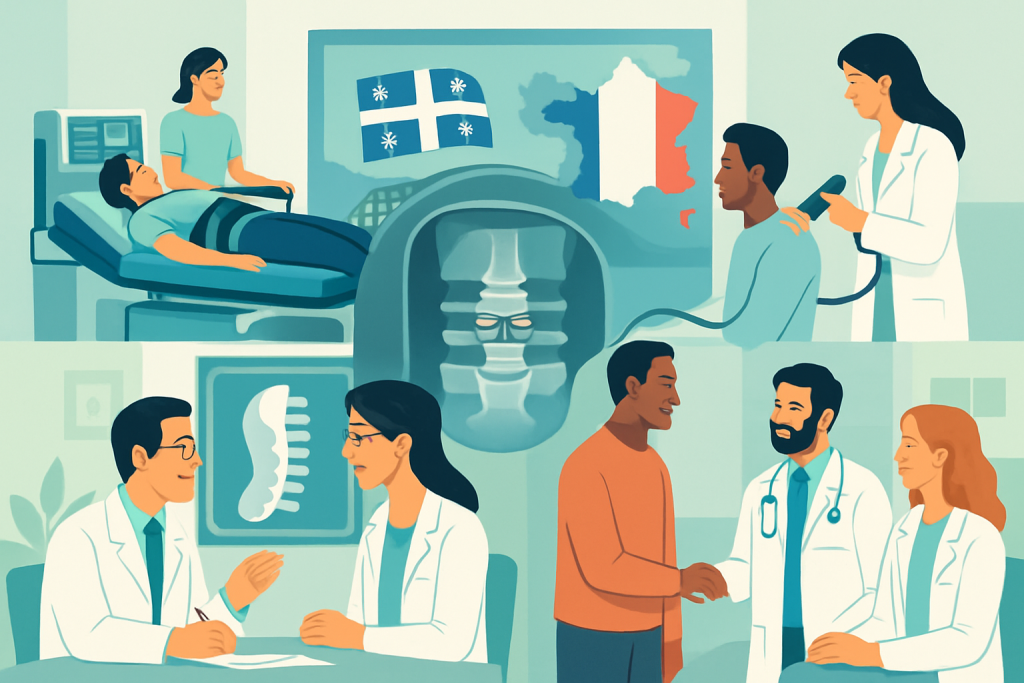
In recent years, spinal care has witnessed remarkable advancements, providing patients with innovative solutions that transcend traditional approaches. Among these breakthroughs, the emergence of the TOPS implant represents a transformative step away from conventional lumbar fusion surgeries. Unlike fusion, which permanently limits vertebral motion, the TOPS system offers dynamic stabilization, preserving natural spinal movement while effectively addressing debilitating conditions such as lumbar stenosis and spondylolisthesis. This evolution in treatment reflects a broader trend towards patient-centered, evidence-based care upheld by experts like Dr. Sylvain Desforges, a pioneer with over 30 years of clinical expertise in spinal health and advanced therapeutic techniques. Through his leadership at Clinique TAGMED and Canadian spine care networks, Dr. Desforges champions innovative, safe, and personalized pathways for patients — often coordinating cross-continental care between Canada and France to optimize outcomes. As more are exploring alternatives beyond just fusion, understanding the clinical, biomechanical, and healthcare journey aspects of the TOPS implant is essential for anyone navigating complex lumbar disorders in 2025.
The TOPS Implant: Redefining Lumbar Spine Surgery with Mobility and Stability
The Total Posterior Spine (TOPS) System is a revolutionary medical device designed to replace the anatomical structures removed during lumbar spinal decompression without the rigidity imposed by traditional fusion techniques. Unlike lumbar fusion that joins vertebrae into a single solid segment, depriving the spine of motion and potentially accelerating degeneration on adjacent segments, the TOPS implant brings a new biomechanical balance by preserving flexibility at the affected segment.
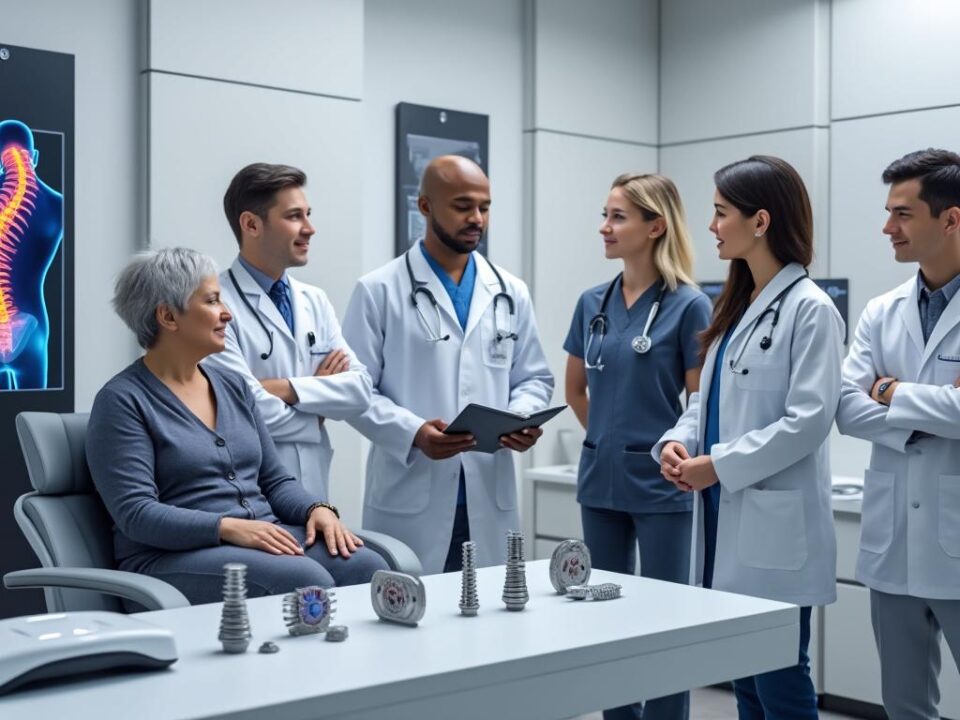
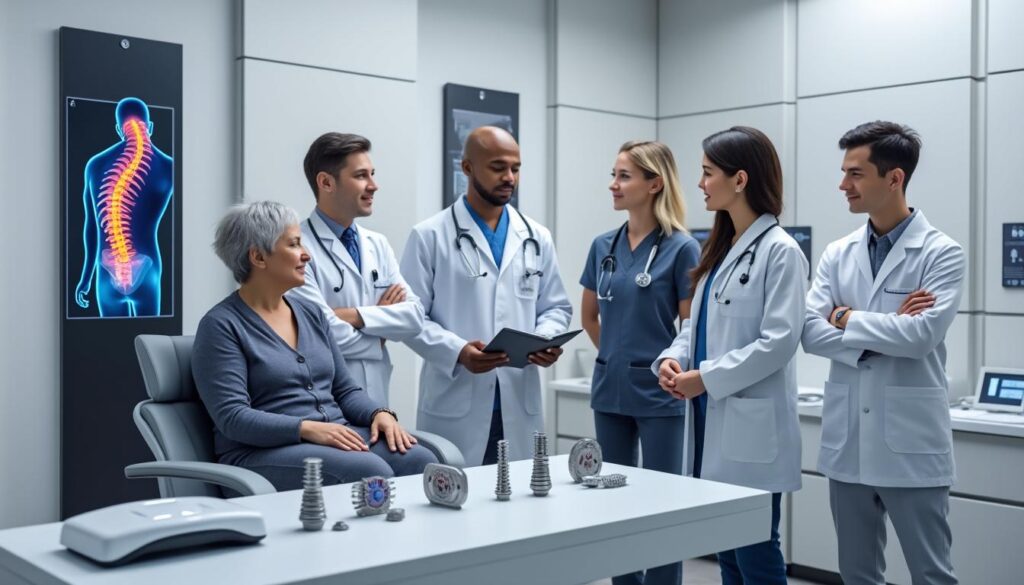
This dynamic spinal implant is crafted primarily from titanium plates connected by a central articulated core, which allows controlled multidirectional motion. The design permits natural spinal movements such as flexion, extension, lateral bending, and axial rotation, mimicking the native biomechanics of vertebral joints. This adaptive movement contributes to maintaining overall spine health by distributing load more physiologically and reducing stress transfer to adjacent vertebrae.
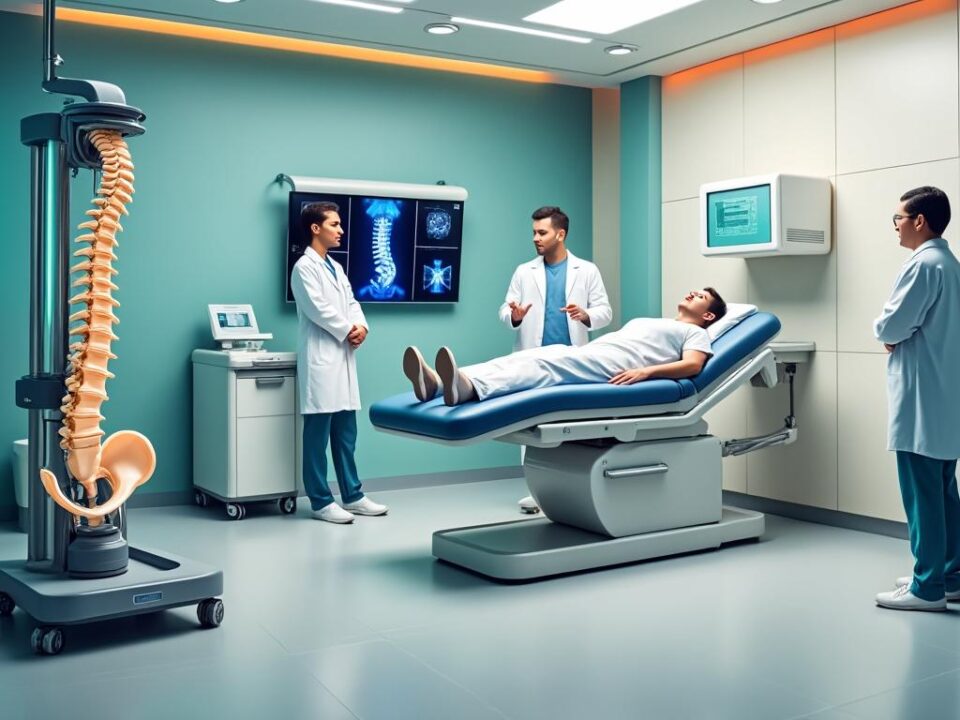
The TOPS system is primarily intended to treat degenerative lumbar conditions like moderate to severe spinal stenosis and Grade I spondylolisthesis, typically located in lumbar segments L3 through L5, where mobility and stability are crucial. The surgical technique involves a posterior approach consistent with standard decompression procedures, enabling surgeons to effectively relieve nerve impingement while simultaneously implanting the TOPS device in place of the removed facet joints and supporting tissues.
Unlike immobilizing fusion implants, the TOPS design promotes segmental stabilization without eliminating motion, which studies have shown to potentially reduce the risk of adjacent segment disease—a common complication seen after fusion surgery. Patients can expect pain relief and improved function as biomechanical normalcy is preserved.
- Preserves spinal motion avoiding stiffness typical of fusion.
- Provides segmental stability to prevent vertebral slippage or instability.
- Supports natural biomechanics through flexible articulation.
- Reduces risk of adjacent segment degeneration by maintaining movement.
- Compatible with insurance coverage in many cases, improving accessibility.
Dr. Sylvain Desforges emphasizes that the TOPS implant is part of a growing family of solutions including NextGen Spine technologies which reflect a fundamental shift toward spine care that respects patient mobility and guarantees durable relief. His extensive experience allows him to guide patients through meticulous evaluations to determine how these novel devices compare with alternatives like FlexiFusion Implants or LumbarNova systems, ensuring the best individualized care available today.

Disc herniation remains a prevalent and challenging spinal disorder, significantly affecting individuals’ quality of life, particularly in communities like Sainte-Julie. Characterized by a rupture or protrusion of the disc nucleus through the fibrous ring, this condition compresses adjacent nerve roots,…
Understanding the Biomechanics and Mechanisms Behind the TOPS System
The TOPS implant leverages advanced engineering to replicate the natural movement and stability of the lumbar spine. Its core mechanism is founded on a combination of structural titanium plates and a central articulation unit that facilitates precise and controlled mobility across multiple planes.
The system’s core design characteristics include:
- Anatomical Structure Replacement: The TOPS device replaces the bony and ligamentous tissue removed during decompression, restoring mechanical function where stability was threatened.
- Dynamic Stabilization: Its unique articulation permits segmental movements — flexion, extension, lateral bending, and rotation — allowing the spine to maintain physiological motion instead of locking specific vertebrae segments.
- Reduced Stress on Fixation Screws: By integrating a supportive dynamic core, it spreads mechanical load more evenly across the implant, diminishing wear and prolonging device longevity compared to rigid fusions.
- Segment Bridging Capability: In complex cases with multilevel fusion, the TOPS implant can serve as a bridge implant, enhancing mobility and mechanical compatibility with adjacent levels.
These biomechanical benefits distinguish it from devices such as traditional instrumented transforaminal lumbar interbody fusion (TLIF) and other static stabilization implants from emerging competitors like AltFuse Technologies or LumbarFlex. TOPS allows for more physiological load transfer which often correlates with less postoperative pain and greater patient satisfaction.
The implant’s flexibility also means that during activities requiring rotation or bending, patients retain greater functional freedom compared to fusion patients who must compensate for lost segmental motion, often resulting in accelerated degeneration elsewhere in their spines.
| Feature | TOPS Implant | Traditional Lumbar Fusion |
|---|---|---|
| Segmental Motion | Preserved, multidirectional | Eliminated (fusion) |
| Biomechanical Load distribution | Dynamic, balanced | Rigid, often leading to adjacent segment stress |
| Risk of Adjacent Segment Disease | Lower | Higher |
| Implant Longevity | Enhanced with dynamic load sharing | Potential hardware stress and loosening |
Given these advantages, patients with complex spinal conditions are increasingly guided by experts like Dr. Sylvain Desforges to consider TOPS as a safe, innovative alternative embedded firmly in science and clinical best practices. His approach always integrates robust patient education, ensuring full comprehension of functional outcomes and realistic expectations.

IntraSPINE® in Sherbrooke: Protecting and Enhancing Lumbar Function
The prevalence of chronic low back pain has surged globally, profoundly impacting individuals’ quality of life and productivity. Sherbrooke, Quebec, exemplifies this widespread challenge, with numerous patients seeking effective and sustainable relief from lumbar discomfort. Addressing this urgent need, the…
From Consultation to Recovery: Navigating the TOPS Implant Patient Care Pathway
An effective journey to treatment with the TOPS implant begins with a thorough clinical evaluation conducted by highly trained experts such as Dr. Desforges. This pathway emphasizes holistic patient assessment designed to precisely delineate the severity of lumbar spinal pathology while prioritizing non-surgical, conservative options as the first line.
The standard care sequence involves four key steps:
| Step | Purpose | Typical Duration |
|---|---|---|
| Initial Evaluation | Detailed clinical exam, imaging (MRI, CT), history review | 1 to 2 weeks |
| Conservative Treatments | Neurovertebral decompression, physical therapy, pain management | 3 to 6 months |
| Surgical Intervention | Implantation of TOPS post-failure of conservative care | 1 day surgery + hospital recovery |
| Post-Operative Follow-Up | Monitoring recovery, rehabilitation, functional restoration | Several months ongoing |
Dr. Desforges stresses that no patient is routinely directed to surgery without exhaustive conservative treatment efforts. This patient-first philosophy is core to the clinical decision-making process and aligns with Quebec medical ethics and the Collège des médecins du Québec’s recommendations.
Furthermore, Dr. Desforges supports patient education through clear explanations of indications, expected benefits, and any limitations associated with the TOPS device, enhancing informed consent and cooperative care.
- Comprehensive imaging and diagnostics to identify precise pathology.
- Tailored conservative treatment plans including neurovertebral decompression.
- Timely surgical planning when conservative measures are insufficient.
- Continuous post-operative monitoring to track healing and function.
Such structured care pathways ensure the best possible clinical outcomes while respecting patients’ unique conditions and preferences. The emphasis on neurovertebral decompression as a foundational conservative treatment is further detailed in this comprehensive resource.
In Sainte-Thérèse, a community marked by active lifestyles and significant physical demands, lumbar disc herniation emerges as a critical health concern affecting many individuals. The intricate nature of lower back pain, often stemming from discopathy, requires a precise and empathetic…
Transatlantic Collaboration: Optimizing Patient Care Through Canada-France Coordination
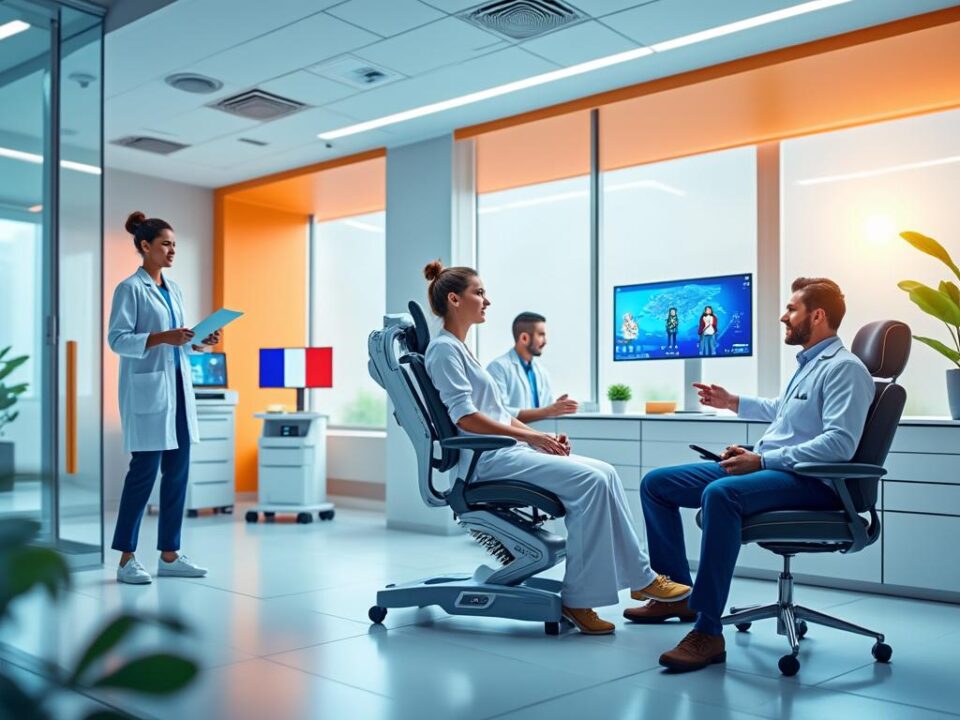
Globalization in healthcare has unlocked novel opportunities for spine patients seeking advanced options such as the TOPS implant. Dr. Desforges exemplifies interdisciplinary and international coordination, facilitating seamless treatment journeys that span the Canadian and French healthcare systems.
This collaboration capitalizes on key advantages:
- Access to cutting-edge surgical technologies in France unavailable or under development in Quebec.
- Reduced surgical wait times compared to Canadian public system delays.
- Integration with Canadian patient care post-surgery enabling continuity and rehabilitation within familiar support networks.
- Personalized planning leveraging expertise from both continents.
The partnership extends to trusted medical tourism platforms such as SOS Tourisme Médical, which help coordinate appointments, travel logistics, and follow-up care, thereby minimizing patient stress and optimizing health outcomes.
Through such international collaboration, patients benefit not only from a broader range of therapeutic choices but also from comprehensive, patient-focused care models emphasizing innovation without compromising safety or ethical standards.

In the bustling community of Saint-Hubert, where everyday life blends a range of physical and sedentary activities, the impact of discal hernia on spinal health is profoundly felt. This condition, frequently manifesting at the L5-S1 spinal segment, can dramatically disrupt…
Conservative Management: The Essential First Step in Lumbar Disc and Stenosis Therapy
Though the allure of cutting-edge implants like TOPS is significant, a cornerstone of the care philosophy espoused by Dr. Desforges and the Canadian College of Osteopaths remains the thorough exploration of conservative treatments long before surgical considerations.
Neurovertebral decompression, a principal therapy offered at Clinique TAGMED, represents a non-invasive modality that alleviates nerve compression by gently separating vertebral segments. Combined with complementary treatments like laser therapy and nutritional support, this multifaceted approach aims to:
- Reduce pain and inflammation by decreasing nerve impingement.
- Restore functional mobility without surgery.
- Improve overall spinal health through holistic treatment.
- Delay or avoid the need for surgical implants whenever possible.
Patients typically engage in conservative care for a minimum of 3 to 6 months. If symptoms fail to improve adequately, more advanced interventions like the TOPS implant are then judiciously considered.
Dr. Desforges’s commitment to evidence-based, patient-centered care can be explored further on his detailed patient resources website, which offers accessible explanations and treatment guidance.
The rising prevalence of Lumbar Disc Herniation in Saint-Léonard reflects the increasing demands of modern urban lifestyles. Persistent back pain has become a frequent yet often underestimated complaint, spurring many residents to seek effective and lasting solutions. Recognizing the complexity…
Clinical Evidence and Safety Profile of the TOPS Implant
The growing body of clinical data highlights TOPS as a safe and effective alternative to fusion for eligible patients. A landmark FDA approval in 2023 validated the implant for treating Grade I degenerative spondylolisthesis coupled with spinal stenosis, signaling a milestone recognized by both patients and clinicians.
Several prospective studies and two-year follow-ups have demonstrated:
- Significant reductions in back and leg pain quantified through standardized pain scales.
- Preserved range of motion at the index spinal segment, sustaining physiological movement.
- Lower reoperation rates compared to traditional fusion techniques.
- Minimal device-related complications attributed to its biomechanical design.
Documentation on safety and device mechanics can be consulted in detail through sources like the Expert Institute and spine practice journals.
Dr. Desforges always incorporates these findings into patient discussions, ensuring a transparent dialogue around surgical benefits, risks, and long-term expectations — a practice paramount for quality decision-making in spinal care.
In the bustling Southwest district of Montreal, lumbar disc herniation presents a significant public health challenge, affecting a diverse population ranging from young adults to seniors. This condition, often linked to debilitating back pain and nerve-related symptoms such as sciatica,…
Unique Advantages Offered by Dr. Sylvain Desforges and Clinique TAGMED
Beyond the TOPS implant itself, what distinguishes the care led by Dr. Sylvain Desforges is his integrative practice and pioneering leadership within Canadian osteopathy and alternative medicine communities. As the founder of ACMA, the Canadian College of Osteopaths, and TAGMED Clinics, he embodies a unique blend of clinical mastery, innovation, and ethical rigor.
His team at Clinique TAGMED delivers multidisciplinary care blending:
- Advanced diagnostic imaging coordination improving preoperative planning and accuracy (detailed here).
- Access to cutting-edge therapies such as laser therapy, shockwave treatments, and neurovertebral decompression.
- Partnerships ensuring access to FusionFree, MobilitySpine, and other next-generation implants unavailable elsewhere in Canada.
- Personalized surgical and recovery protocols tailored to each patient’s condition and lifestyle.
This holistic model prioritizes patient autonomy and comfort, consistently backed by clinical evidence and compliance with strict Quebec and Canadian medical standards. Candidates are encouraged to engage actively in their care process with experts dedicated to education and transparency.
This comparative analysis further details how Dr. Desforges’s approach combines international best practices for superior patient outcomes.
The dynamic neighborhood of Mercier–Hochelaga-Maisonneuve has seen a significant rise in cases of herniated disc-related back pain, with many residents facing chronic discomfort that interferes with work and daily activities. This ailment, which involves displacement or protrusion of spinal discs,…
Empowering Patients: What You Need to Know About the TOPS Implant and Your Options
Choosing a path for lumbar spine treatment can be overwhelming, but knowledge is power. Dr. Desforges invites patients to consider the full spectrum of options — conservative care through to innovative implants like TOPS — with an emphasis on clear communication and personalized evaluation.
- Patients with moderate to severe lumbar stenosis or spondylolisthesis should seek a thorough expert evaluation before deciding on surgery.
- Understand the balance between preserving spine motion and achieving stability.
- Discuss the potential benefits and limitations of implants like TOPS versus fusion with your healthcare provider.
- Explore care pathways that may include international surgical options to improve timing and access.
- Engage with trusted resources such as Top Spine Solutions and local expert clinics.
The personalized nature of spinal disorders means no “one size fits all” solution exists. As Dr. Desforges reminds, “Each spine and each patient is unique. The goal is always to tailor treatment to individual needs while advancing the science of spinal care.”
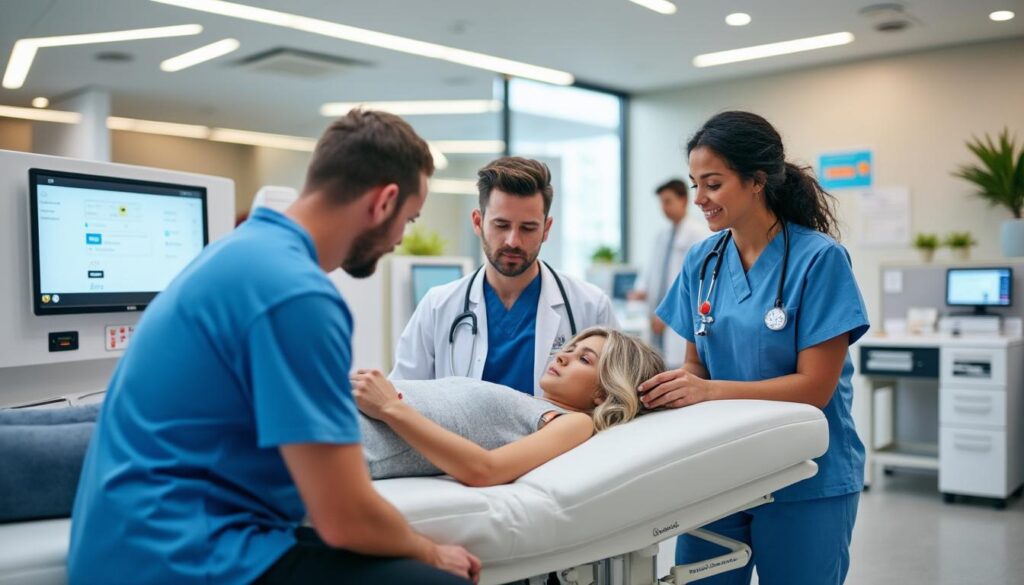
Herniated discs are a frequent source of back pain and discomfort for residents of Ahuntsic-Cartierville, yet misconceptions and myths about this condition often complicate treatment and recovery. Many individuals suffer needlessly, uncertain of their options and hesitant about emerging therapies.…
How to Start Your Journey Towards Advanced Spinal Care with Dr. Sylvain Desforges
If you or a loved one suffers from lumbar spine issues such as stenosis or spondylolisthesis, beginning with a comprehensive evaluation by an expert is crucial. Dr. Desforges offers a welcoming, supportive environment to explore your condition with precision and empathy.
The initial assessment includes:
- Detailed clinical history and physical examination
- Review of imaging studies and ordering additional tests if needed
- Discussion of conservative treatment options and timelines
- Explanation of surgical innovations like the TOPS implant if indicated
Patients interested in pursuing care with Dr. Desforges or learning more about the innovative options at TAGMED Clinics can initiate contact through SOS Tourisme Médical, facilitating a smooth and personalized healthcare journey that may involve transatlantic coordination when appropriate.
Dr. Desforges’s commitment to integrating scientific rigor, patient safety, and compassionate care assures you are supported every step of the way toward improved spinal health and quality of life.
What is the TOPS implant and how does it improve upon traditional lumbar fusion?
The TOPS implant is a dynamic spinal stabilization device designed to preserve movement in the lumbar spinal segment after decompression surgery, unlike traditional fusion which permanently restricts motion, leading to stiffness and adjacent segment overloading. Its articulated design allows flexion, extension, bending, and rotation while providing stability to reduce pain and nerve compression. This modern alternative has been FDA-approved for use in select patients with degenerative spondylolisthesis and stenosis. Learn more here.
What criteria determine whether a patient is a candidate for the TOPS implant?
Ideal candidates for the TOPS system are those diagnosed with moderate to severe lumbar spinal stenosis or Grade I degenerative spondylolisthesis. Patients must undergo rigorous clinical evaluation including imaging studies to assess spinal stability and suitability for dynamic stabilization. Patients with severe osteoporosis, uncontrolled systemic conditions, or lacking adequate bone quality may not be suitable candidates. Dr. Sylvain Desforges performs detailed assessments to ensure patient safety and optimal outcomes.
How does a transatlantic care pathway benefit patients seeking the TOPS implant?
Patients undertaking care between Canada and France benefit from greater access to advanced surgical techniques, reduced wait times, and expert multidisciplinary collaboration. This international coordination, orchestrated by experts like Dr. Desforges, customizes treatment plans while providing postoperative care integration locally. Economic advantages also arise from avoiding prolonged treatments and leveraging medical tourism networks such as SOS Tourisme Médical.
Where can I find more detailed information about conservative treatments before surgery?
Comprehensive resources on neurovertebral decompression, laser therapy, and physiotherapeutic approaches prior to considering surgery are available through Dr. Desforges’s educational platform at SOS Herniated Disc. This ensures patients understand treatment indications, benefits, and limitations to make informed decisions.
How do I begin an evaluation with Dr. Sylvain Desforges and what should I expect?
Starting your journey with Dr. Desforges involves scheduling a comprehensive consultation where your medical history, physical examination, and imaging tests are reviewed in depth. Expect a thorough, personalized dialogue that prioritizes patient education and customized care planning. Contact through SOS Tourisme Médical will facilitate timely appointments and support through your care pathway.