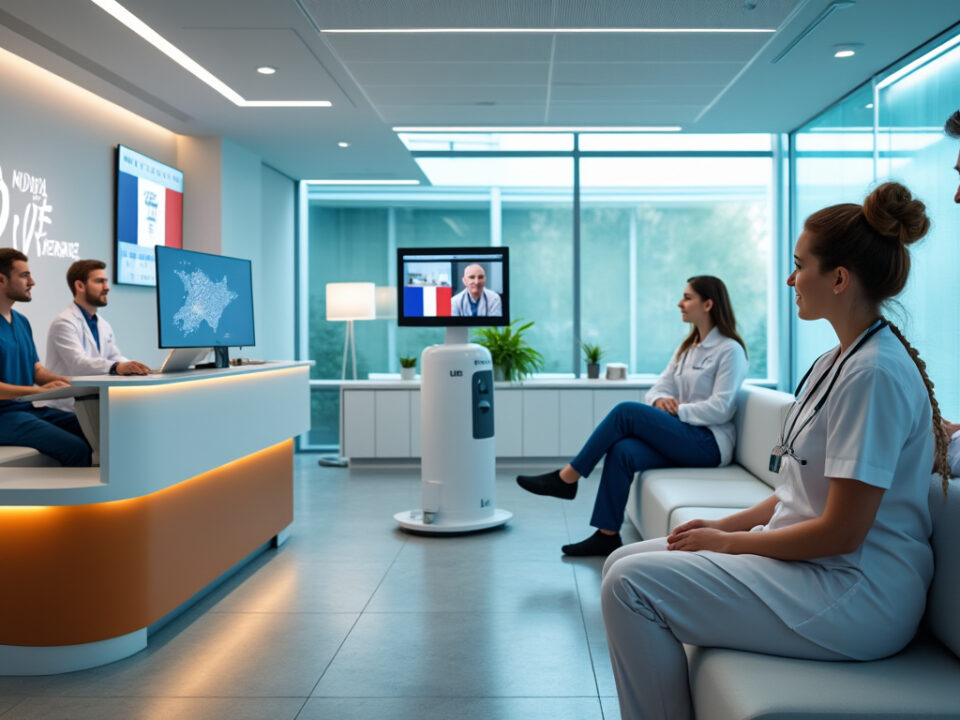
Disc Prosthesis in Quebec City: Restore Back Flexibility
October 26, 2025
Spine Surgery in Trois-Rivières: Preserve Quality of Life
October 26, 2025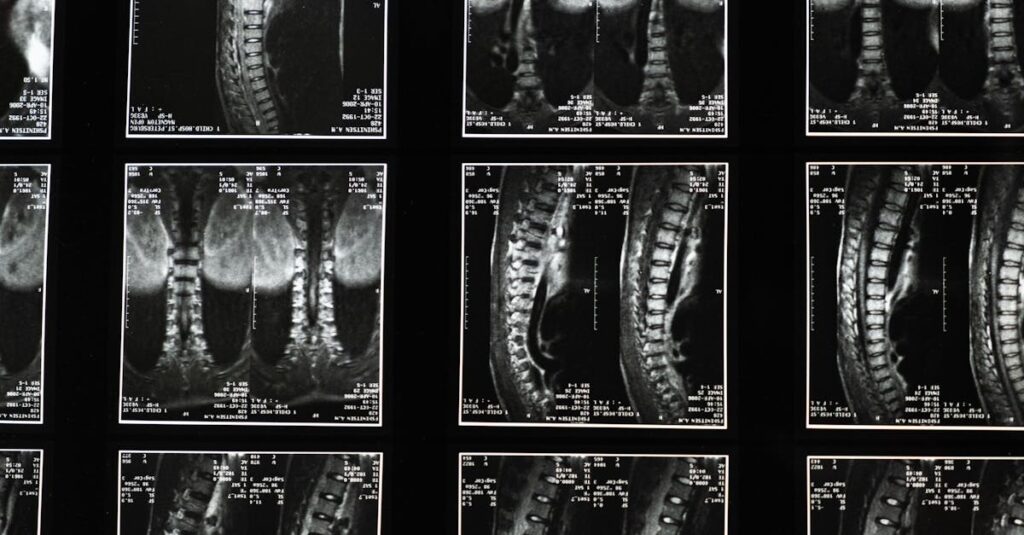
The treatment landscape for lumbar spinal stenosis is evolving rapidly with innovative solutions like the TOPS System gaining prominence. Patients suffering from lower back pain, leg numbness, and mobility issues due to spinal canal narrowing now have access to surgical technology that offers a better alternative to traditional fusion methods. With over 30 years of clinical experience in spine care and leadership roles founding the Canadian Association of Manual Osteopathy (ACMA) and the Canadian College of Osteopaths, Dr. Sylvain Desforges integrates scientific rigor and ethical innovation to guide patients through complex spinal conditions, including lumbar stenosis.
This article delves deeply into the TOPS System, an FDA-approved dynamic implant offering restoration of spinal movement post-decompression surgery without the limitations of fusion. It is a beacon of hope for patients seeking surgical options abroad, particularly in France, where advanced spine surgeries are accessible with refined protocols and technologies. The multidisciplinary approach coordinated transatlantically ensures patient safety, personalized care, and access to treatments unavailable or delayed in Canada, notably Quebec. For optimal decision-making, understanding the TOPS procedure nuances and the full patient journey is crucial.
Understanding Lumbar Spinal Stenosis and Its Impact on Quality of Life
Spinal stenosis occurs when the spinal canal narrows, compressing nerve roots and causing symptoms such as pain, numbness, and muscle weakness primarily in the lumbar (lower back) region. Degeneration-related changes including herniated discs, thickening of ligaments, and bone spurs exacerbate this condition, diminishing mobility and quality of life.
Common clinical signs include:
- Low back pain radiating to legs or buttocks
- Numbness or tingling sensations, particularly when walking or standing
- Reduced endurance for walking and difficulty maintaining upright posture
- Temporary relief when sitting or bending forward
Conservative management for 3 to 6 months, including physiotherapy, medication, and advanced neurovertebral decompression—like that performed at Clinique TAGMED—is advisable before considering surgery. This approach maximizes the potential for non-invasive relief and ensures surgery is reserved for cases truly requiring structural intervention.
| Degenerative Factors | Effect on Spine | Symptoms |
|---|---|---|
| Herniated Discs | Bulging soft tissue compressing nerves | Localized and radiating pain, numbness |
| Bone Spurs (Osteophytes) | Growths narrowing spinal canal | Stiffness, pain during movement |
| Thickened Ligaments (Ligamentum Flava) | Reduced canal space causing compression | Limited mobility, neurological symptoms |
Patients with persistent symptoms after conservative treatment are candidates for surgical evaluation. Dr. Desforges emphasizes thorough assessments grounded in evidence-based care and patient-centered values to ensure tailored recommendations.
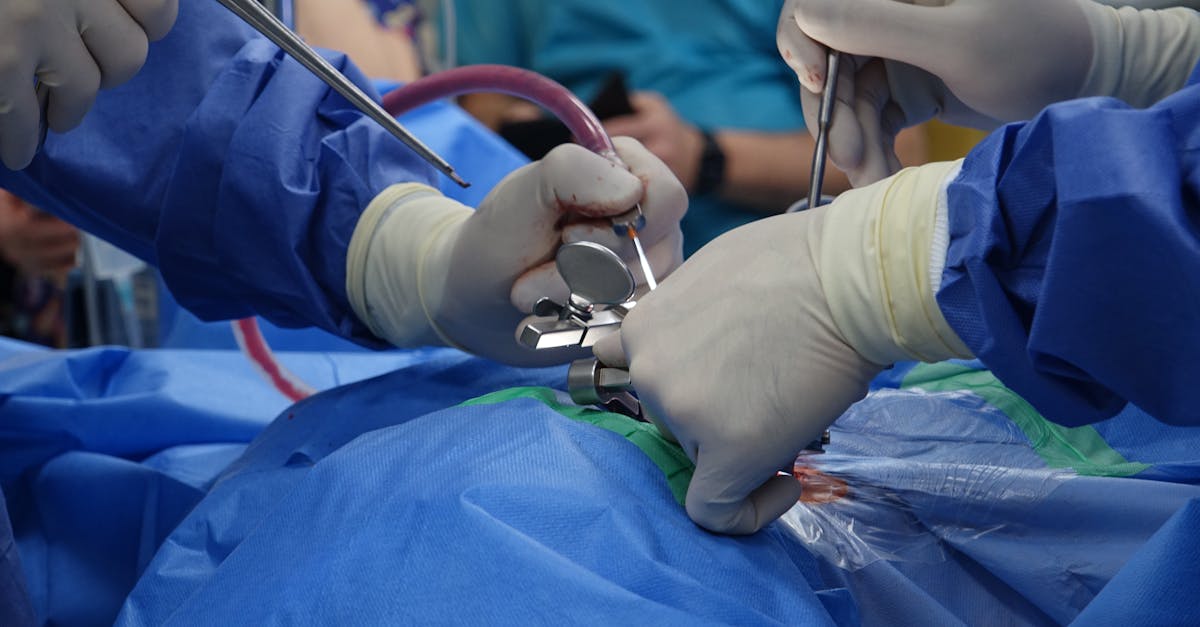

IntraSPINE® in Sherbrooke: Durable Solution for Chronic Low Back Pain
The management of chronic low back pain, a widespread condition affecting millions across Quebec and beyond, has reached a pivotal moment thanks to innovative medical technologies and coordinated care pathways. At the heart of this evolution lies the IntraSPINE implant,…
The FDA-Approved TOPS System: A Revolution in Lumbar Spine Surgery
The Total Posterior Spine (TOPS) System, approved by the FDA in June 2023, represents a significant advancement in lumbar spine surgery. Unlike conventional spinal fusion that immobilizes vertebrae, the TOPS device maintains spinal segment motion, preserving flexibility post-surgery.
The device is affixed to the posterior lumbar vertebrae via pedicle screws, allowing controlled mobility including flexion, extension, lateral bending, and axial rotation. Designed for patients aged 35 to 80 with Grade I degenerative spondylolisthesis and moderate to severe lumbar stenosis, the implant addresses nerve compression while sustaining biomechanical function.
Key procedure attributes include:
- Preservation of natural spine motion rather than rigid immobilization
- Stabilization post-decompression relieving nerve pressure
- Allows return to active lifestyle with improved functionality
- Lower risk of adjacent segment degeneration compared to fusion
Clinical data from 115 patients over 24 months showed a 76.7% overall success rate, with significant pain relief and functional improvement. Importantly, candidates must be carefully screened to exclude those with disc herniation, severe spondylolisthesis, infections, and other contraindications.
Medtronic, Zimmer Biomet, Stryker, NuVasive, Globus Medical, DePuy Synthes, Alphatec Spine, Orthofix, Spineology, and Premia Spine are key players in the dynamic spine implant field, with Premia Spine leading with the TOPS System innovation. For detailed data, visit FDA’s summary on TOPS and Premia Spine’s detailed overview.
| Feature | TOPS System | Traditional Fusion |
|---|---|---|
| Spinal Mobility | Preserved post-surgery | Eliminated at treated segment |
| Risk of Adjacent Segment Degeneration | Lower | Higher |
| Recovery Time | Generally faster | Longer |
| Suitability | Grade I spondylolisthesis with stenosis | Broader, but less motion preserving |
Spine Surgery in Trois-Rivières: Reduce Pain and Preserve Mobility
In recent years, spine surgery in Trois-Rivières has evolved notably, combining advanced medical expertise with innovative technologies to deliver patient-centered care. This growing field addresses the increasing demand among Quebec residents seeking effective solutions for chronic back pain and mobility…
Types of Lumbar Spine Surgery Available in France with Emphasis on Motion-Preserving Implants
France offers a variety of surgical options for lumbar spinal stenosis, enabling individuals from Quebec and beyond to access expert care characterized by innovation and safety, aligned with Canadian regulatory standards.
The principal surgery categories include:
- Simple Decompression: Removal of bone and ligamentum flava to alleviate nerve compression without hardware implantation.
- Fusion Surgery: Immobilizes affected vertebrae for stability but restricts movement, traditionally standard for stenosis with instability.
- Motion-Preserving Surgery: Use of dynamic implants such as the TOPS System or advanced disc prostheses. Advanced disc prostheses preserve natural biomechanics while addressing pathology.
France’s healthcare infrastructure, paired with collaboration with initiatives like SOS Tourisme Médical, facilitates a transatlantic pathway where patients receive personalized care, advanced diagnostics, and innovative surgical options unavailable or delayed in Quebec. This pathway ensures reduced wait times and cost-effective access to world-class treatment.
| Surgical Type | Description | Advantages | Considerations |
|---|---|---|---|
| Simple Decompression | Removal of compressive tissues | Less invasive, shorter recovery | Does not address instability |
| Spinal Fusion | Fuses vertebrae, stabilizes spine | Stabilizes instability | Limits spinal motion, higher adjacent segment stress |
| Motion-Preserving Surgery | Implants preserving spine mobility post-surgery | Retains natural biomechanics, less adjacent degeneration | Requires precision patient selection |
Understanding these options empowers patients to engage in meaningful discussions with their care teams supported by experts such as Dr. Desforges, ensuring treatments reflect individual needs and evidence-based practice.

TOPS™ in Gatineau: High-Performance Option for the Lumbar Spine
The landscape of spinal surgery has witnessed profound evolution, particularly for patients grappling with lumbar spine disorders such as spinal stenosis and spondylolisthesis. These conditions, increasingly prevalent among Quebec’s population, impose substantial limitations on mobility and quality of life. The…
Key Steps in the International Patient Journey for Lumbar Spine Surgery
For patients considering the transatlantic surgical journey from Quebec to France, coordination and comprehensive planning are paramount to optimize outcomes and safety throughout the process.
The patient pathway generally includes:
- Initial Assessment and Evaluation: Led by experts like Dr. Sylvain Desforges, utilizing evidence-based clinical examination and imaging review to determine surgical candidacy.
- Treatment Planning and Conservative Care: Confirming at least 3 to 6 months of conservative management, including advanced care at Clinique TAGMED.
- Preoperative Consultation: Coordinating with French surgeons and international medical tourism facilitators to plan surgical intervention, logistics, and follow-up care.
- Surgery and Hospital Stay: Procedures performed with cutting-edge implants like TOPS, backed by a multidisciplinary surgical team.
- Postoperative Recovery and Rehabilitation: Close monitoring, physiotherapy, and functional rehabilitation tailored to patient progress.
- Return to Quebec and Long-term Follow-up: Continued management with local specialists and synergy with French teams for optimal recovery.
| Patient Journey Step | Details | Value Added by Expertise |
|---|---|---|
| Evaluation by Dr. Desforges | Comprehensive clinical assessment and imaging review | Ensures clear diagnostic insights and appropriate treatment candidacy |
| Conservative Therapy Period | 3-6 months including neurovertebral decompression | Reduces unnecessary surgeries and improves baseline functional status |
| International Surgical Coordination | Multidisciplinary pre-op consultation and logistics planning | Streamlines journey, improves patient experience and safety |
| Post-Surgical Rehabilitation | Personalized rehab programs in France and Quebec | Optimizes outcomes and minimizes complications |
This coordinated approach highlights the value of Dr. Desforges’ expertise in bridging care between Canada and France, emphasizing ethical, personalized, and scientifically grounded spine care.

Cervical Disc Prosthesis in Quebec City: Avoid Post-Surgery Stiffness
Chronic neck pain remains a significant challenge for thousands of residents in Quebec City every year, often leading them to seek effective spinal surgery options that minimize downtime and maximize long-term mobility. Among the recent advancements revolutionizing cervical spine care,…
The Biomechanical and Economic Advantages of the TOPS Dynamic Implant Compared to Fusion
The TOPS implant provides an upgraded biomechanical solution by permitting natural spinal motion postoperatively, addressing one of the major drawbacks of fusion surgery—the loss of mobility which often leads to secondary degeneration.
- Biomechanical Impact: By preserving axial rotation, lateral bending, flexion, and extension, the TOPS System maintains the dynamic load distribution within the lumbar spine.
- Reduced Adjacent Segment Disease: Maintaining mobility prevents excessive stress on adjacent vertebrae, decreasing the risk of further degeneration common with fusion.
- Economic Efficiency: Recent studies demonstrated the cost-effectiveness of motion-preserving lumbar facet arthroplasty, largely due to decreased reoperation rates and improved functional outcomes.This analysis highlights savings on long-term patient care expenditures.
- Patient Quality of Life: Faster recovery and improved function translate into reduced sick days and enhanced productivity.
| Advantage | TOPS System | Spinal Fusion |
|---|---|---|
| Motion Preservation | Yes – maintains spinal segment mobility | No – results in rigid fusion |
| Risk of Secondary Degeneration | Lower | Higher |
| Recovery Speed | Typically quicker | Longer |
| Long-term Costs | Lower due to fewer revisions | Higher due to complication management |
In the evolving landscape led by manufacturers such as Premia Spine, use of innovative implants complements a paradigm shift toward preserving spinal dynamics and patient autonomy.
Minimally Invasive Surgery in Longueuil: Reduce Hospital Stay Duration
In recent years, advances in spinal care have dramatically reshaped the treatment landscape for patients suffering from debilitating spinal conditions. Particularly in Longueuil, the emergence of minimally invasive surgery (MIS) techniques offers a transformative alternative to conventional open surgeries. These…
Prerequisite Conservative Treatments Before Considering Surgery
Strong clinical evidence supports exhausting conservative therapies for at least 3 to 6 months prior to any surgical indication. This ensures appropriateness and readiness for surgical intervention, optimizing outcomes and patient safety.
Conservative management typically involves:
- Physiotherapy tailored to spinal stability and pain reduction
- Pharmacological treatment for inflammation and pain
- Advanced neurovertebral decompression technologies, such as the ones available at Clinique TAGMED, offering non-invasive relief
- Patient education on posture, ergonomics, and lifestyle adjustments
Only if these options fail to significantly reduce symptoms or restore function should surgery be contemplated. Dr. Desforges advocates this strategy, underscoring the ethical responsibility in spine care to avoid premature operative interventions. For complex cases, combining conservative care with surgical consultations ensures patient-centered decision-making.
For a comprehensive overview on conservative options and their effectiveness, visit Spinal Stenosis Non-Surgical Relief.
IntraSPINE® in Laval: Modern Solution for Lumbar Stabilization
In the evolving landscape of orthopedic treatments, the city of Laval has become a hub for innovations addressing chronic lower back pain. Among the groundbreaking solutions gaining attention is the IntraSPINE device—a modern spinal implant designed to offer dynamic lumbar…
How Transatlantic Coordination Enhances Quality and Timing of Care
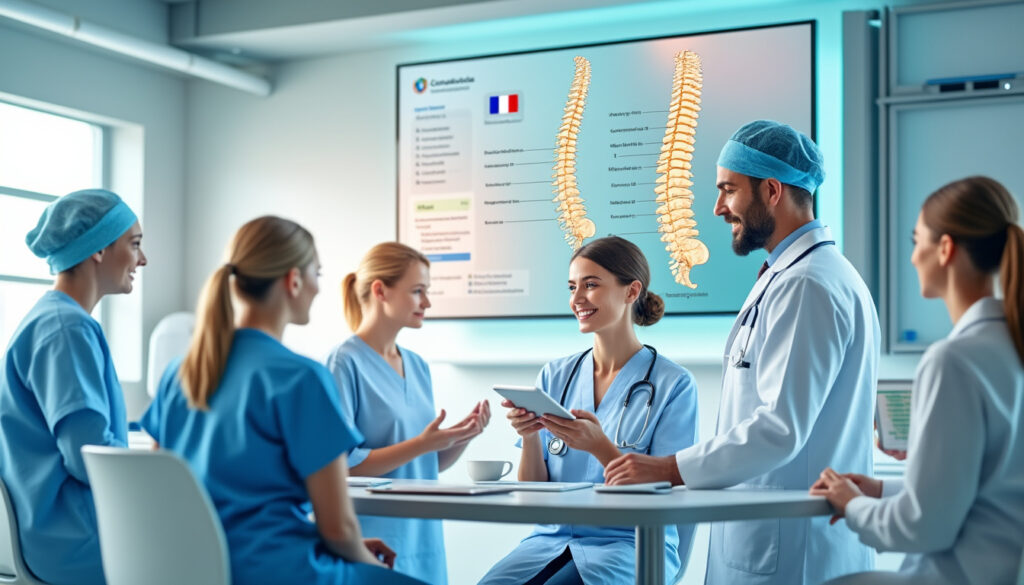
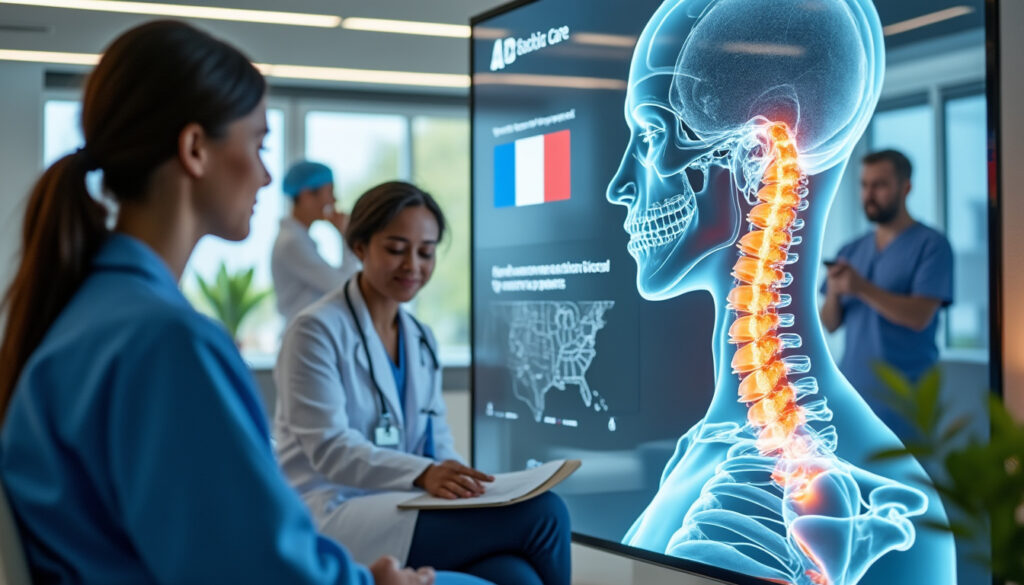
Transatlantic cooperation between Quebec and French specialists capitalizes on the complementary strengths of both healthcare systems, mitigating long WAIT times in Quebec’s public sector while ensuring access to innovative procedures and strict quality assurance.
- Streamlined Evaluation: Initial assessments by Dr. Desforges, combining clinical expertise with advanced imaging review.
- Seamless International Communication: Coordination with French surgical teams and facilities such as those in Gatineau, enabling appropriate surgical pathways.
- Personalized Patient Navigation: Guidance through medical documentation, travel logistics, and postoperative follow-up protocols.
- Integrated Rehabilitation: Postoperative plans both abroad and upon return to Quebec, maintaining continuity of care.
| Coordination Aspect | Description | Benefit to Patient |
|---|---|---|
| Clinical Assessment | Evidence-based evaluation in Quebec | Ensures correct surgical indication |
| International Surgical Network | Collaboration with French expert surgeons | Access to cutting-edge surgery |
| Patient Logistics Management | Support for travel and administrative procedures | Reduces patient stress and barriers |
| Postoperative Care Integration | Coordination between French and Canadian rehab teams | Promotes optimal recovery |
This method exemplifies how expertise, ethics, and patient-centered innovation can harmonize across borders to improve spinal surgery outcomes.
Neck Surgery in Montreal: Maintain Cervical Flexibility and Function
Neck conditions causing persistent pain or functional loss place a substantial burden on individuals and healthcare systems, especially in urban centers like Montreal. Surgical interventions targeting the cervical spine have evolved tremendously, aiming not only to relieve symptoms but to…
The Human Side of Advanced Spine Care: Rigor, Ethics, and Patient Empowerment
Dr. Sylvain Desforges approaches spine care with a strong ethical foundation, scientific precision, and a genuine commitment to patient education. His role as founder and president of multiple Canadian osteopathic organizations reflects his dedication to multidisciplinary standards, ensuring treatments are grounded in solid evidence and respect for patient autonomy.
Patient empowerment takes center stage through clear explanations of complex surgical options, benefits, risks, and realistic expectations. This pedagogic approach ensures anyone considering surgery fully understands:
- The nature of their spinal condition and mechanical implications
- Alternative therapies and their potential effectiveness
- The surgical procedure, implant technology, and recovery timeline
- The importance of personalized evaluation for optimum results
This empathic guidance aims at reducing anxiety, promoting informed consent, and fostering active participation in care decisions, which research correlates with better outcomes.

Disc Prosthesis in Lévis: Quick and Long-Lasting Results
Chronic back pain caused by degenerative disc disease continues to profoundly impact the quality of life for many residents in Lévis and the broader Quebec area. For decades, traditional spinal fusion surgery has been the primary solution for alleviating severe…
Specialized Services and Technological Innovations at the Heart of Transatlantic Spine Care
The collaboration between Quebec and French surgical teams offers unmatched access to technological innovations, a critical differentiator from standard public healthcare options. These innovations include:
- Dynamic implants like the TOPS System, supported by leading manufacturers such as Orthofix, Alphatec Spine, and Spineology, that preserve spinal motion.
- Neurovertebral decompression techniques performed at specialized centers like Clinique TAGMED, utilizing laser and high-precision equipment.
- Integration of real-time imaging and minimally invasive approaches for optimized surgical accuracy and safety.
- Access to premium implant selection ensuring biocompatibility and mechanical performance.
These services are coordinated with comprehensive patient education and multidisciplinary follow-up care, ensuring a holistic pathway from evaluation through long-term recovery.
| Service | Description | Value Added |
|---|---|---|
| Dynamic Implant Surgery (TOPS, etc.) | Motion-preserving spinal stabilization | Improved functional outcomes |
| Conservative Neurovertebral Decompression | Non-invasive pain relief and nerve decompression | Optimizes surgical candidacy |
| Advanced Imaging and Navigation | Minimally invasive surgery support | Increases surgical precision |
| Multidisciplinary Follow-Up | Comprehensive rehab and monitoring | Enhances care continuity |
Partnering organizations and device manufacturers such as Premia Spine and Orthopedic industry leaders consistently push the envelope in spine care technology, supporting transformative patient experiences.
Encouraging Patients to Engage and Take Action
Understanding available treatments like the TOPS System and recognizing the advantages of a coordinated international surgical journey empowers patients to take charge of their spine health. Dr. Desforges invites every individual experiencing lumbar stenosis symptoms to seek thorough evaluation and consider conservative treatments first.
Questions and open dialogue with your healthcare team promote clarity and confidence when exploring options. The transatlantic approach offers a unique opportunity to access advanced care balanced with rigorous patient-centered ethical standards.
For those ready to explore this pathway, Dr. Desforges encourages contacting SOS Tourisme Médical to schedule personalized assessments and obtain expert guidance optimized for your condition.
Begin your journey toward improved mobility and reduced pain by visiting SOS Tourisme Médical contact page today.
What distinguishes the TOPS System from traditional spinal fusion?
The TOPS System maintains spinal segment mobility after surgery, reducing secondary degeneration risk, whereas spinal fusion immobilizes the segment, often affecting adjacent spinal levels.
Who is a suitable candidate for the TOPS procedure?
Suitable candidates are adults aged 35 to 80 with Grade I degenerative spondylolisthesis and moderate to severe lumbar spinal stenosis, without disc herniation or other contraindications.
Why must conservative treatments be exhausted before surgery?
Conservative treatments for 3-6 months, including advanced neurovertebral decompression, optimize surgical outcomes and may alleviate symptoms without invasive procedures.
How does the transatlantic surgical coordination benefit patients?
It reduces wait times, provides access to advanced surgical innovations, ensures personalized care, and offers multidisciplinary follow-up between Quebec and French teams.
Where can I learn more about advanced conservative spine treatments?
Clinique TAGMED in Gatineau offers leading non-invasive neurovertebral decompression and rehabilitative care that patients should consider before moving to surgical options.