Blainville Neck Herniation Recovery in Older Adults
May 16, 2026
Boucherville Lower Back Pain Solutions Through Decompression
May 16, 2026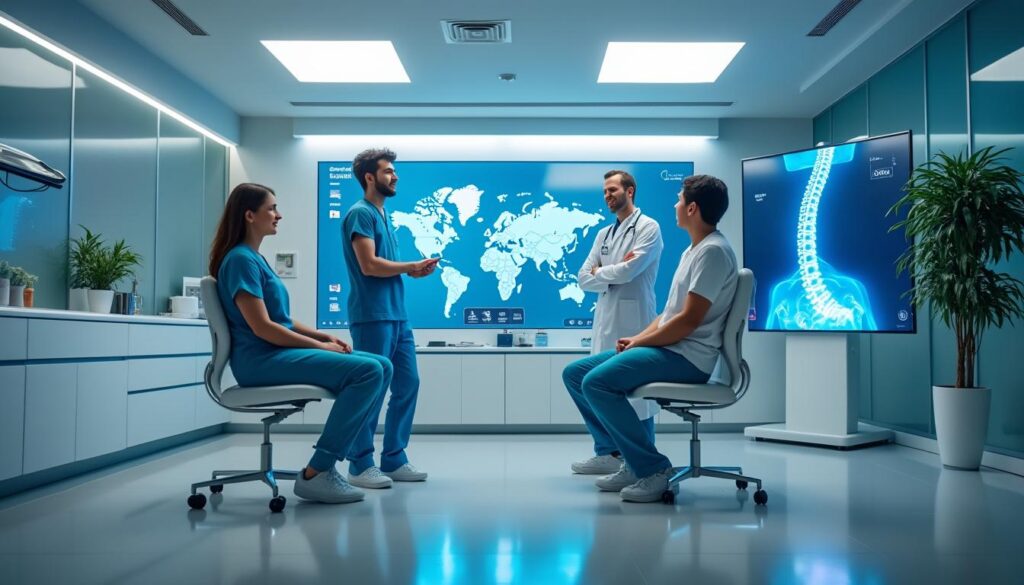
Discovering efficient and patient-centered treatments for lumbar spinal stenosis is a pressing concern for many affected individuals, especially those facing long waiting times or high costs for private care in Quebec. The TOPS System, now available in Gatineau, represents a groundbreaking advancement in lumbar spine surgery, offering an innovative and less restrictive alternative to traditional spinal fusion. This technology aligns with the ongoing evolution of spine care, aiming to preserve natural mobility while providing effective relief from pain and neurological symptoms caused by lumbar stenosis. With over three decades of specialized experience in spine health evaluation, Dr. Sylvain Desforges mentors and guides patients through comprehensive assessments, ensuring that each case is treated with rigorous, evidence-based methods tailored to their unique needs. Leveraging international partnerships and cutting-edge technology, he supports patients navigating the transatlantic path between Canada and France for advanced surgical solutions that might not be readily available domestically.
With healthcare costs projected to escalate dramatically, innovations such as the TOPS System could ease systemic burdens without compromising individual patient outcomes. This article delves deeply into the technology behind TOPS, its benefits compared to lumbar fusion, and the structured care pathways that Dr. Desforges oversees, emphasizing the importance of conservative treatments before surgery. By unpacking complex medical concepts in clear, accessible terms and highlighting the global coordination of care, it aims to empower patients in Quebec considering surgical intervention for lumbar stenosis.
Understanding Lumbar Stenosis and the Role of Innovative Spine Surgery Solutions
Lumbar spinal stenosis is a degenerative condition characterized by the narrowing of the spinal canal in the lower back. This narrowing compresses the spinal nerves, resulting in symptoms such as lower back pain, leg pain, numbness, and difficulty walking. As populations age, lumbar stenosis is becoming more common, creating demand for effective and durable treatment options. For many patients, traditional surgical approaches, particularly lumbar fusion, have provided relief but at the cost of reduced spinal mobility and potential for adjacent segment degeneration.
The TOPS System, available in Gatineau, marks a significant departure from these conventional surgeries. Developed to preserve motion, the Total Posterior Solution device replaces the tissue removed during decompressive surgery while maintaining stability and flexibility in the affected spinal segment. Unlike fusion, which immobilizes the treated vertebrae, the TOPS implant permits controlled movements such as bending and rotation, addressing two critical spine functions simultaneously.
Clinical studies demonstrate that patients implanted with the TOPS System experience not only relief from neurological symptoms associated with stenosis but also improved quality of life thanks to maintained lumbar mobility. This alignment of symptom relief and functional preservation is particularly important for active patients who seek treatment options that do not impose rigid limitations on their daily lives.
It is crucial to contextualize these surgical options within a holistic view of musculoskeletal health. As an expert in spine evaluation, Dr. Desforges emphasizes comprehensive clinical and radiological assessments that uncover the specific degenerative changes contributing to each patient’s symptoms. This precision ensures the appropriateness of advanced solutions like TOPS and supports ethical and evidence-based decision-making throughout the care journey.
Neck Surgery in Montreal: Preserve Cervical Mobility After Surgery
The management of cervical spine disorders presents unique challenges that often require innovative surgical techniques aimed not only at alleviating pain but also at preserving the natural mobility of the neck. In Montreal, patients seeking relief from cervical spine issues…
Exploring the Benefits of TOPS Compared to Traditional Lumbar Fusion Surgery
When discussing surgical interventions for lumbar stenosis, fusion surgery has long been considered a standard choice. In a fusion procedure, two or more vertebrae are permanently joined using bone grafts and hardware, eliminating movement at the affected spinal segment. While this often alleviates pain by stabilizing the spine, it inherently sacrifices natural flexibility and may accelerate degeneration in adjacent levels, causing new symptoms over time.
The TOPS device revolutionizes this paradigm by serving as a dynamic implant that mimics natural spinal motion after decompression surgery. It stabilizes the segment while allowing controlled flexion, extension, lateral bending, and rotation. By preserving natural joint function, the TOPS System can reduce the risk of adjacent segment disease, a common issue experienced by lumbar fusion patients.
Recently published clinical and economic studies reinforce the efficiency of TOPS. A prospective FDA randomized control trial involving over 300 subjects demonstrated that TOPS not only alleviates symptoms more effectively than transforaminal lumbar interbody fusion (TLIF) but also does so with greater safety and cost-effectiveness over time. The incremental cost-effectiveness ratio (ICER) and net monetary benefits strongly favor the TOPS System, indicating its sustainability for both healthcare systems and patients.
The ability of TOPS to combine effective decompression with restored motion translates into tangible benefits for many patients. Faster post-operative recovery times, shorter hospital stays, and less reliance on prolonged rehabilitation protocols mean patients can return to daily activities sooner and with greater confidence. Additionally, preserving lumbar spine function supports long-term quality of life by maintaining core stability and reducing biomechanical stress on adjacent anatomical structures.
To further understand the value differences between TOPS and fusion, consider the following table summarizing key parameters:
| Parameter | TOPS System | Traditional Lumbar Fusion |
|---|---|---|
| Preserves Natural Mobility | Yes | No |
| Risk of Adjacent Segment Degeneration | Lower | Higher |
| Postoperative Recovery Time | Shorter | Longer |
| Cost-effectiveness Over Time | Higher | Moderate |
| Clinical Symptom Relief | Effective | Effective |
Patients interested in the TOPS System are encouraged to consult healthcare providers experienced in this technology, ensuring that the implant’s indications and expected outcomes align with their specific lumbar condition and lifestyle.
Disc Prosthesis in Lévis: Approved Surgical Innovation
In the evolving landscape of spine health, the advent of the Disc Prosthesis in Lévis marks a significant stride in surgical innovation. This breakthrough approved medical device offers patients an advanced option for conditions previously limited to traditional fusion surgery.…
Steps in the Patient Journey: From Initial Evaluation to Post-Surgical Rehabilitation
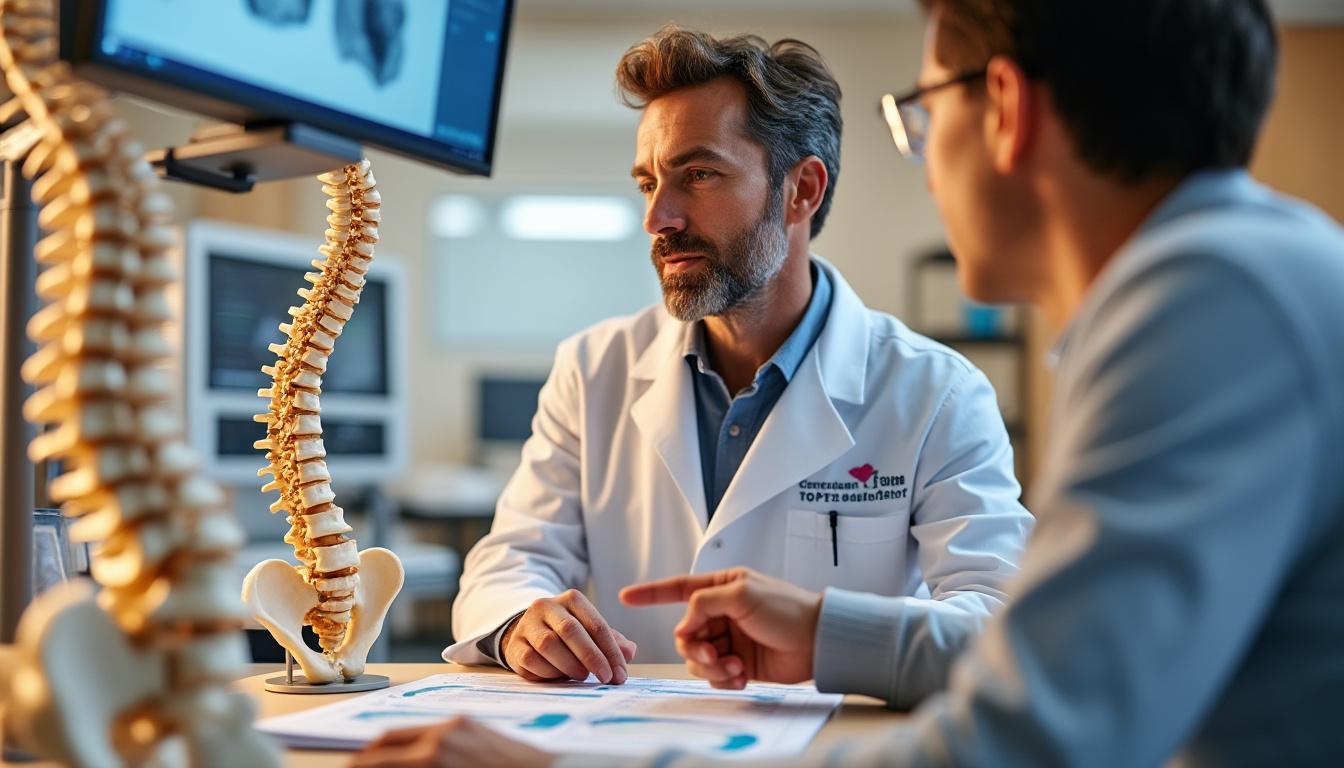
Understanding the comprehensive patient journey is critical for informed decision-making. Under the guidance of Dr. Sylvain Desforges, patients undergo a meticulous evaluation process designed to capture the full extent of their spinal pathology and functional limitations. This includes clinical examination, imaging studies, and assessment of previous treatments to date.
The goal is to determine candidacy for advanced interventions such as TOPS while ensuring conservative care strategies have been appropriately exhausted. Patients typically engage in a 3 to 6-month protocol of non-surgical treatments prior to any surgical recommendation. These may include physical therapy, osteopathic manipulations, pharmacological management, and importantly, neurovertebral decompression therapies offered at specialized centers such as Clinique TAGMED in Gatineau. This step is crucial; if neurovertebral decompression has not been part of prior conservative care, it should be integrated before considering surgery.
Once surgical candidacy is established, Dr. Desforges coordinates with a network of trusted surgeons and clinics in France where the TOPS implant is routinely employed. This cross-continental partnership aims to streamline treatment timelines, optimize operative success, and tailor care plans for returning patients to Quebec efficiently and safely.
Postoperative follow-up encompasses not only wound care and pain management but also targeted rehabilitation focused on restoring function while respecting the dynamic capabilities of the TOPS device. Continuous communication between multi-disciplinary teams across borders ensures personalized and adaptive recovery plans.
This transatlantic approach offers notable advantages, including reduced surgical wait times compared to local services, access to innovative implants unavailable or limited in Canada, and multidisciplinary expertise that fosters comprehensive patient support from evaluation through to full recovery.
Motion Surgery in Terrebonne: Maintain Intervertebral Mobility
In recent years, the landscape of spine surgery has witnessed transformative advancements, with Motion Surgery emerging as a pivotal innovation, particularly in Terrebonne. Unlike traditional spine operations that often focus on immobilizing affected segments, Motion Surgery prioritizes preserving natural intervertebral…
The Importance of Conservative Treatments Before Considering Spine Surgery
While surgical technologies like TOPS represent major progress, surgery must always remain a considered option after comprehensive conservative management, respecting the principles of evidence-based, minimally invasive care. Over more than 30 years of experience, Dr. Desforges has observed that a significant number of patients achieve substantial symptomatic relief without the need for surgery when conservative interventions are performed diligently and appropriately.
Effective conservative treatments include manual therapies such as osteopathy, advanced neurovertebral decompression, physiotherapy, and carefully designed exercise regimens. The role of decompression is particularly noteworthy; this non-surgical technology provided by Clinique TAGMED offers mechanical relief to compressed spinal nerves while preserving spinal structures, often reducing pain and improving functional capacity for many patients.
Adhering to a 3-6 month course of conservative treatment ensures surgery is reserved for those who have not responded adequately, maintaining patient safety and preventing unnecessary interventions. This staged approach aligns with best practices defined by the Canadian and Quebec medical regulatory bodies, underscoring rigorous assessment before surgical referral.
Patients and healthcare providers are encouraged to view surgery not as a first-line cure but as part of a continuum of care, where individualized treatment planning integrates patient preferences, clinical findings, and the latest scientific evidence. This balanced perspective helps maintain trust and fosters empowered decision-making.
Lumbar Disc Prosthesis in Saguenay: Approved and Safe Solution
Chronic lower back pain has long been a pervasive health challenge in the Saguenay region, significantly impacting the daily lives of many residents. In recent years, advances in spinal care have introduced promising alternatives to traditional spinal fusion surgery, offering…
How TOPS Aligns with Rigorous Scientific Standards and Ethical Care Practices
As an expert in spine evaluation and a pioneer in innovative back care, Dr. Desforges is deeply committed to treatment approaches rooted in scientific rigor and ethical principles. The TOPS System stands as a prime example of how new technologies can be embraced responsibly: its development is backed by substantial FDA-approved research trials, robust clinical data, and continuous post-market surveillance.
Clinical evidence supporting TOPS includes randomized controlled trials demonstrating its efficacy, safety, and longer-term outcomes such as maintenance of spinal stability and motion preservation. These findings ensure that patients can trust the quality of care they receive, particularly when guided by proficient medical teams aware of the nuances involved in lumbar spine surgery.
Moreover, stringent adherence to healthcare regulations in Quebec and Canada ensures all protocols comply with patient safety norms and ethical standards, including informed consent processes, transparent communication about risks and benefits, and comprehensive pre- and post-operative support.
Ethical practice also encompasses respecting patient autonomy and fostering education. Dr. Desforges stresses clear explanations, avoiding jargon, and providing accessible information to empower patients to ask questions and participate actively in their care decisions.
IntraSPINE® in Sherbrooke: Improve Posture and Reduce Pain
Chronic low back pain is a pervasive challenge that affects countless individuals in Sherbrooke and beyond, limiting daily activities and reducing overall quality of life. Amidst the growing demand for effective and durable solutions, the IntraSPINE implant has emerged as…
International Coordination of Patient Care: The Canada-France Partnership for Advanced Lumbar Treatments
One of the strongest pillars supporting patients considering TOPS surgery is the seamless international coordination pioneered by Dr. Desforges. His extensive network connects Canadian patients with specialized surgical teams in France who frequently perform TOPS implantations, along with access to clinical follow-up and rehabilitation services.
This transatlantic collaboration offers a bespoke care pathway that optimizes timing, reduces procedural delays, and tailors treatment to the patient’s clinical and personal circumstances. Dedicated communication channels facilitate ongoing dialogue between evaluating experts in Quebec and operative surgeons in France, ensuring smooth transitions and comprehensive case reviews.
In practice, this coordination results in tangible benefits such as expedited scheduling, reduced cumulative healthcare costs, and improved patient satisfaction. It also circumvents local limitations, granting patients access to technologies and surgical expertise that may be less accessible within the Canadian healthcare framework.
The presence of platforms like SOS Tourisme Médical enriches this network further by managing logistical aspects such as travel assistance and accommodation, minimizing stress and optimizing the overall experience for patients and families.
TOPS™ in Gatineau: Preserve Function and Reduce Lumbar Pain
In the evolving landscape of spine surgery, patients suffering from degenerative lumbar conditions are seeking solutions that not only alleviate pain but also preserve the natural function of the spine. The introduction of the TOPS (Total Posterior Spine) system in…
The Unique Value Proposition of TOPS Services in Gatineau
Beyond the implant technology itself, the clinical and organizational framework supporting TOPS in Gatineau is distinguished by rigorous patient evaluation, cutting-edge treatment modalities, and personalized care. Dr. Desforges applies his 30+ years of experience combined with academic qualifications (B.Sc., D.O., N.D.) to oversee evaluations that incorporate the latest imaging, functional assessments, and patient history analysis.
Innovations such as neurovertebral decompression, laser-assisted therapies, and access to dynamic implant choices position this service at the forefront of spine care. The ability to integrate pre-surgical optimization and thorough post-operative rehabilitation within a multidisciplinary network ensures continuity and quality that patients can rely on.
Moreover, the GTA region benefits from this offering by accessing technologies and surgical devices like TOPS that may not yet be fully available elsewhere in Canada, providing a rare opportunity for advanced lumbar stenosis treatment close to home.
Fostering a patient-centric, human approach, the care team supports each individual with education and encouragement, adapting care strategies to personal needs and preferences. Such a model underscores the importance of respect, safety, and evidence-based innovation.
Cervical Disc Prosthesis in Quebec City: Restored and Durable Mobility
The management of cervical spine disorders has evolved remarkably over recent decades, with a particular emphasis on preserving natural neck mobility and providing durable solutions to debilitating conditions. Quebec City patients facing cervical spine issues now have access to innovative…
Optimizing Outcomes: Patient Engagement and Informed Decision-Making in Advanced Spine Treatment
Empowerment through understanding is a vital component of successful lumbar stenosis management and decision-making regarding surgery. Dr. Desforges advocates for thorough patient education, dispelling myths and clarifying the differences between fusion and motion-preserving implants like TOPS.
Patients are encouraged to actively participate by asking questions about:
- Expected surgical benefits and possible limitations;
- Risks and potential complications;
- Rehabilitation expectations and timelines;
- Alternative non-surgical treatments;
- Logistical considerations for international surgery.
This dialogue helps to align treatments with patients’ lifestyles and goals while upholding ethical obligations around transparency and patient autonomy. It creates an environment where hope, confidence, and realistic expectations coexist constructively.
The human and motivating tone used throughout consultations assists in reducing patient anxiety and reinforces the reassurance that their spine condition will be addressed comprehensively, respectfully, and innovatively.
Minimally Invasive Surgery in Longueuil: Innovation to Preserve Biomechanics
In the evolving landscape of orthopedic surgery, minimally invasive surgery (MIS) in Longueuil has emerged as a beacon of innovation aimed at preserving spinal biomechanics. This approach combines cutting-edge technology and refined surgical techniques to reduce trauma and foster quicker…
Encouraging Contact and Tailored Spine Evaluations for Quebec Patients Exploring TOPS and Related Treatments
For those living in Quebec who seek an alternative to prolonged waits or costly local private surgeries, the availability of the TOPS System in Gatineau combined with expert guidance from Dr. Sylvain Desforges presents a valuable option. This innovative spine surgery represents more than technological progress; it embodies a patient-focused approach rooted in scientific scrutiny, ethical care, and effective international coordination.
Individuals are warmly invited to initiate contact for personalized evaluation and guidance on their spine health. Early professional assessments pave the way for careful consideration of all suitable therapeutic avenues, from conservative modalities to cutting-edge surgical options such as the TOPS implant.
Whether you are weighing surgery or still exploring conservative care, expert support is available to help you navigate your condition confidently. For more information or to discuss your specific case, please visit SOS Tourisme Médical contact page and take the next step toward restoring your lumbar spine health.
What is the TOPS System and how does it differ from traditional lumbar fusion?
The TOPS System is a dynamic implant designed to preserve lumbar spine mobility while stabilizing the affected segment post-decompression surgery. Unlike traditional fusion which permanently joins vertebrae, TOPS allows controlled motion, reducing risks of adjacent segment degeneration.
Who is the ideal candidate for TOPS surgery?
Candidates typically have moderate to severe lumbar spinal stenosis or degenerative spondylolisthesis and have completed 3 to 6 months of conservative treatment including neurovertebral decompression therapies if not previously tried.
Why is conservative treatment important before considering spine surgery?
Conservative treatments can often relieve symptoms sufficiently to avoid or delay surgery. They prepare the spine and patient, improving surgical outcomes if surgery becomes necessary. It aligns with best medical practice and patient safety standards.
How is the transatlantic care coordination managed?
Dr. Desforges facilitates collaboration between Canadian clinicians, French surgical teams, and medical platforms such as SOS Tourisme Médical to streamline evaluations, surgeries, and rehabilitation, optimizing timelines and quality.
How can I get started with a personalized evaluation?
Quebec patients can reach out via the SOS Tourisme Médical website to arrange a comprehensive spine assessment with Dr. Sylvain Desforges, who will guide treatment decisions based on individual needs.