Disc Herniation in Saint-Eustache: Tips for Enhanced Recovery and Neurovertebral Decompression Therapy
July 12, 2026
Effective Preparation for Patient Recovery Testimonials: A Comprehensive Guide
July 12, 2026
Chronic back and neck pain represent a significant challenge to modern healthcare, propelling advancements in surgical methods that strive to balance efficacy with quality of life. Among these, simple surgery, spinal fusion, and motion preservation techniques have emerged as pillars of expert advocacy, each catering to different patient profiles while emphasizing minimized invasiveness and optimized recovery. The growing preference for these approaches reflects an evolved understanding of spine health, where long-term benefits and biomechanical considerations are paramount. Current trends underscore a collaborative, patient-centered journey that integrates minimally invasive innovations with a careful balance between spinal stability and mobility preservation. This article explores why leading specialists favor this triad of strategies, detailing surgical outcomes, patient recovery pathways, and the rationale behind tailored interventions that prioritize function and longevity in spinal care.
For patients facing the burden of spinal disorders, often compounded by prolonged wait times and limited treatment choices, the promise of targeted and personalized options—available through well-organized transatlantic care pathways—illustrates a new horizon in managing spine health. Expert advocacy embraces not only the surgical techniques themselves but also the importance of pre-operative conservatory care and meticulous post-operative monitoring, ensuring safety and optimal functional results. The orchestration of simple surgery, fusion, and motion preservation also draws attention to advancing technologies like robotic assistance and dynamic implants. These innovations aim to lessen the impact of traditional fusion surgeries by preserving natural vertebral motion whenever possible. By exploring the biomechanics involved, this comprehensive approach continues to redefine expectations and outcomes for patients and surgeons alike.
The Role of Simple Surgery in Effective Spine Health Management
Simple surgery, often characterized by targeted decompression procedures, represents a foundational approach in spine care focused on alleviating nerve root compression with minimal disruption to spinal structure. This technique typically addresses conditions such as herniated discs and spinal stenosis, where symptoms stem from direct nerve impingement rather than instability. Through minimally invasive methods, simple surgery facilitates rapid symptom relief and preserves natural spine biomechanics, thereby promoting accelerated patient recovery and functional maintenance.
An example is the management of severe sciatica caused by lumbar disc herniation. In such cases, a straightforward decompression relieves nerve pressure, significantly reducing pain and neurological deficits without sacrificing vertebral mobility. Experts stress the necessity for precise preoperative evaluation, ensuring that the absence of spinal instability justifies this less invasive path. When instability or progressive degeneration is present, alternative techniques must be considered to avoid treatment failure and symptom recurrence.
This approach aligns with expert recommendations to prioritize conservative measures before surgery. Clinics that specialize in neurotherapy and rehabilitative services complement surgical care by maximizing post-operative outcomes and minimizing risks. For instance, experts advocating for simple surgery highlight its viability in select patient populations, emphasizing that it should not be seen as a catch-all but rather as a precise, biomechanically sound intervention. The goal here is to achieve effective pain relief while maintaining natural spinal function, setting the stage for long-term spine health without compromising mobility.

Effective Strategies for Preparing Medical Logistics and Accommodation
In the evolving landscape of healthcare, the preparation for medical logistics and accommodation remains a decisive factor that shapes patient outcomes and operational efficiency. Especially for intricate procedures like spinal surgery involving international patient movement, the intricate orchestration of resources,…
Spinal Fusion: Stabilizing the Backbone with Long-Term Security
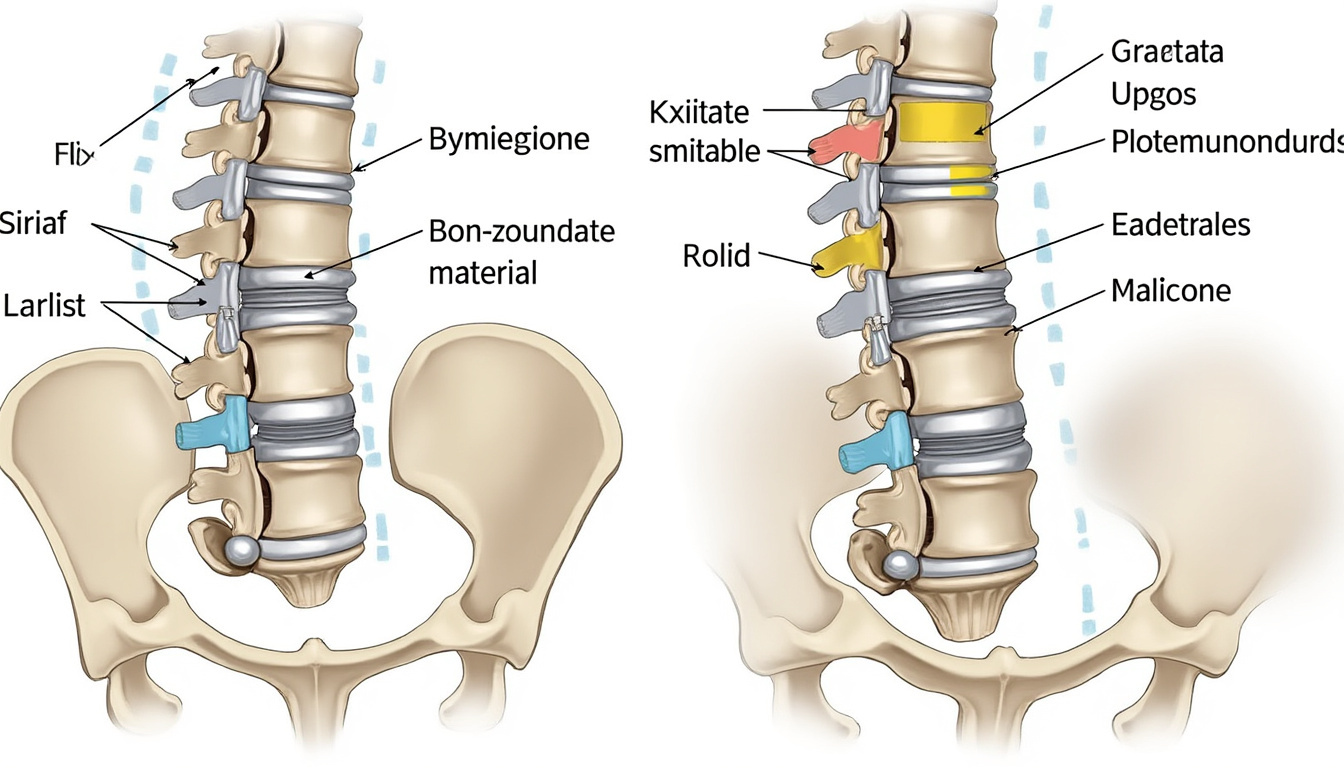
Spinal fusion remains a highly regarded technique that surgically immobilizes spinal segments to address instability or severe degenerative changes. By fusing adjacent vertebrae using bone grafts and metallic implants such as screws and rods, this method creates a rigid construct designed to alleviate mechanical pain and prevent abnormal movement that compromises neurological structures.
Its utility is especially apparent in cases involving complex pathologies like spondylolisthesis or significant deformities, where preserving motion might exacerbate instability. Although fusion eliminates natural segmental mobility at the operated levels, its long-term benefits include durable pain reduction and functional improvement when properly selected and executed. However, the trade-off lies in the biomechanical consequences on adjacent segments, which may face increased stress leading to accelerated degeneration, an important consideration requiring careful preoperative planning and patient education.
Leading spine care authorities underscore the indispensable role of spinal fusion within a comprehensive surgical toolkit. Meticulous patient selection and a multidisciplinary perioperative approach, including expert biomechanical assessments led by specialists such as those at TAGMED, optimize outcomes. Fusion surgery typically necessitates hospital stays ranging from two to five days and demands structured post-operative rehabilitation to counterbalance mobility loss through strengthening and stabilization exercises.
The interplay between fusion and motion preservation techniques is the subject of ongoing research and clinical debate. For patients and practitioners weighing options, resources like the detailed analysis of balancing spinal fusion and motion preservation provide critical insights into selecting the appropriate intervention based on specific pathology, lifestyle factors, and long-term goals. Ultimately, spinal fusion continues to serve as a reliable intervention for mechanically compromised spines.

Understanding Back Surgery Eligibility: A Guide for Patients in Quebec
Back pain remains a significant health challenge in Quebec, affecting a wide range of adults and often leading to diminished quality of life. For many facing chronic spinal discomfort, determining eligibility for back surgery presents a complex yet crucial step…
Motion Preservation: Revolutionizing Spine Surgery with Dynamic Techniques
Emerging as a strategic alternative to fusion, motion preservation surgery utilizes advanced implants like TOPS and IntraSPINE to maintain spinal mobility while providing segmental stabilization. This dynamic approach addresses moderate instability and degenerative changes without resorting to rigid immobilization, thereby preserving approximately 60-80% of natural spinal motion at the operated level.
Biomechanically, motion preservation reduces stress on adjacent segments, decreasing the likelihood of secondary degeneration or compensatory pain. This translates into meaningful benefits in patient recovery times and functional outcomes, supporting quicker returns to daily activities and sustained quality of life.
Candidates for these procedures often include active individuals with localized degenerative lesions or moderate instability not warranting full fusion. For example, a middle-aged patient experiencing chronic lumbar pain with mild segmental instability may be eligible for dynamic stabilization, thereby benefiting from pain relief without sacrificing essential flexibility.
The importance of rigorous patient screening and expert collaboration cannot be overstated. Internationally recognized centers leverage novel surgical navigation platforms and biomechanical expertise to optimize implant positioning and long-term success rates. The method also emphasizes ongoing post-operative monitoring, as discussed in analyses like those on motion-preserving spine surgery technology, to ensure sustained benefits and early identification of complications.
- Dynamic stabilization retains spinal flexibility while reducing pain.
- Reduction of adjacent segment degeneration risk compared to fusion.
- Facilitates faster post-operative rehabilitation and smoother patient recovery.
- Requires specialized surgical expertise and patient selection.
- Strong interdisciplinary follow-up enhances long-term surgical outcomes.

Can Rehabilitation and Return to Work Help Avoid Surgery?
In recent years, the escalating costs and risks associated with spinal surgeries have fueled a growing interest in rehabilitation and workplace reintegration as viable alternatives to surgical intervention. More patients with spinal pathologies are exploring whether specialized rehabilitation pathways combined…
Technological Advances Enabling Precise and Minimally Invasive Spine Surgeries
In recent years, technological progress has radically transformed the landscape of spine surgery. The integration of 3D imaging and robotic-assisted navigation enhances surgical precision, reduces invasiveness, and improves implant placement accuracy. These modern tools bolster the safety profile of both fusion and motion preservation surgeries, minimizing surgical trauma and accelerating patient recovery.
For instance, the FDA-approved platforms developed by companies like eCential Robotics incorporate real-time 3D visualization combined with robotic guidance, allowing surgeons to navigate complex anatomy confidently. Such innovations enable mini-incision approaches that reduce hospital stays and decrease complication rates, a significant advantage for patients facing spine procedures.
The emergence of minimally invasive neurosurgical techniques, including endoscopic spinal surgery, is further supported by comprehensive training programs such as the EuroSpine Endoscopic Spine Course. These educational initiatives ensure that surgeons remain at the cutting edge of care standards while integrating new biomechanical principles. Importantly, this technology-driven evolution complements expert advocacy for simpler surgical options whenever possible, preserving spine health without unnecessary intervention.
In addition, cooperative frameworks between Canadian and French centers facilitate access to pioneering methods, providing patients from regions like Quebec with timely surgical options that combine technical excellence with human-centered care. This approach also addresses economic factors by improving accessibility and reducing costs compared to traditional private care models.

Comprehensive Guide to the Transatlantic Patient Journey
In recent years, the evolution of healthcare has transcended borders, fostering a dynamic landscape where patients increasingly seek medical services internationally to overcome local limitations. The transatlantic patient journey has emerged as a pivotal pathway, particularly between Canada and France,…
Patient-Centered Pathways and Multidisciplinary Care: Keys to Successful Surgical Outcomes
Experts emphasize that achieving optimal results in spine surgery transcends technical skill; it demands a coordinated, patient-focused framework addressing preoperative, surgical, and post-operative phases in an integrated fashion. Essential elements include thorough assessment, conservative treatment trials, careful surgical indication, and structured rehabilitation.
The involvement of multidisciplinary teams—combining surgeons, physiotherapists, pain specialists, and neurotherapists—ensures tailored protocols that respect individual patient biomechanics and lifestyle demands. Experienced professionals, such as Dr. Sylvain Desforges, oversee comprehensive evaluations to avoid premature surgeries, frequently recommending non-invasive therapies including robotic decompression and targeted physical rehabilitation.
This rigorous approach not only maximizes the efficacy of simple surgery or fusion but also enhances the success of motion preservation strategies by supporting healing and functional recovery. Early mobilization and personalized pain management have demonstrated significant improvements in long-term quality of life after spine interventions.
The collaboration facilitated by entities like SOS Tourisme Médical streamlines patient journeys across continents, minimizing disruption and optimizing care continuity. Post-operative monitoring at specialized clinics ensures close observation of spinal stability and motion, reducing complication risks and the need for reoperations. Such comprehensive pathways embody the contemporary standard of spine health management.

Effective Preparation for Patient Recovery Testimonials: A Comprehensive Guide
Patient recovery testimonials represent a vital component in the healthcare landscape, serving as both a reflective window into the patient experience and a transformative tool for enhancing the recovery process. As healthcare professionals increasingly prioritize patient-centered care, these personal stories…
Comparative Overview of Spine Surgery Techniques: Advantages and Challenges
| Technique | Main Objective | Impact on Mobility | Typical Hospital Stay | Risks and Limitations |
|---|---|---|---|---|
| Simple Surgery (Decompression) | Targeted nerve root relief | Preserves mobility | Less than 48 hours | Recurrence risk; unsuitable for instability |
| Spinal Fusion (Arthrodesis) | Segmental stabilization | Eliminates movement at fused level | 2 to 5 days | Adjacent segment degeneration; longer rehab |
| Motion Preservation (Dynamic Implants) | Stabilizes while retaining motion | Maintains 60-80% mobility | 2 to 4 days | Requires precise patient selection |

Comprehensive Guide to Medical Logistics and Accommodation
In the complex world of international healthcare, the orchestration of medical logistics and patient accommodation is paramount in delivering seamless and safe medical care. Today’s healthcare landscape demands not only cutting-edge clinical expertise but also meticulous coordination of supply chains,…
International Collaboration Advancing Spine Surgery Access and Quality
The increasing movement of patients seeking advanced spinal care underscores the importance of international cooperation among healthcare providers. The transatlantic partnership between specialists in Quebec and France exemplifies how collaborative networks can improve accessibility, reduce waiting times, and offer cutting-edge surgical options.
French institutions leverage innovative technologies and expertise in both motion-preserving and fusion techniques, combined with structured patient management systems that focus on safety and patient comfort. In 2026, such collaboration empowers patients with chronic back and neck pain to access priority surgical care with robust preoperative evaluation and comprehensive post-operative support—often unavailable within local constraints.
This model promotes ethical standards and scientific rigor, ensuring that surgical decisions are evidence-based and tailored to each individual’s mechanical and symptomatic profile. It also highlights how combining political will, expert advocacy, and healthcare innovation can reshape spine health outcomes on an international scale.
Imaging Exam Coordination: Insights and Experiences from Professionals
Imaging exam coordination stands as a critical intersect within the healthcare delivery system, especially in specialties relying heavily on diagnostic precision such as spinal surgery. The meticulous orchestration of patient scheduling, the technical quality of medical imaging, and the streamlined…
Ethics and Patient Empowerment in Spine Surgery Decisions
Underlying all surgical advancements is the ethical imperative to maintain patient autonomy and informed consent. Experts stress transparency and education, presenting patients with clear information about the benefits, risks, and long-term implications of simple surgery, spinal fusion, and motion preservation options.
Communication strategies are designed to demystify complex biomechanical concepts and surgical principles, enabling individuals to participate actively in their care plans. The role of trusted consultants and rehabilitation teams becomes essential in fostering realistic expectations and supporting patients through recovery phases.
Empowerment approaches also prioritize conservative treatment adherence and discourage premature surgical interventions unless unequivocally indicated. Patients thus become partners in an integrated care continuum rather than passive recipients, aligning health strategies with their functional aspirations and quality of life priorities. Essential insights on spine surgery in France provide valuable context for this patient-centric approach to spine care.

Can Surgery Be Avoided? Exploring the Role of Franchir in Patient Care
In modern healthcare, especially within the complex domain of spinal treatment, the drive to avoid surgery whenever possible has become a prominent focus. Prolonged waiting times, particularly in countries like Canada, coupled with the chronic pain endured by patients, have…
Toolbox: Comparison Table for Spine Surgery Techniques
Why Experts Advocate for Simple Surgery, Fusion, and Motion Preservation
What conditions are best treated with simple surgery?
Simple surgery is most effective for nerve root compression caused by herniated discs or spinal stenosis without spinal instability, providing rapid relief while preserving mobility.
When is spinal fusion preferred over motion preservation?
Fusion is typically chosen for severe spinal instability, major deformities, or advanced degeneration where rigid stabilization is necessary to prevent further damage.
How does motion-preserving surgery benefit long-term spine health?
By maintaining natural spinal motion, motion preservation reduces stress on adjacent vertebrae, lowering the risk of adjacent segment disease and supporting faster recovery.
Is conservative treatment always required before considering surgery?
Yes, experts recommend at least 3 to 6 months of conservative care, including physiotherapy and pain management, before deciding on any surgical intervention.
What advances have improved minimally invasive spine surgeries?
Technologies such as 3D imaging, robotic-assisted navigation, and endoscopic techniques have enhanced precision, safety, and patient recovery in spine surgeries.