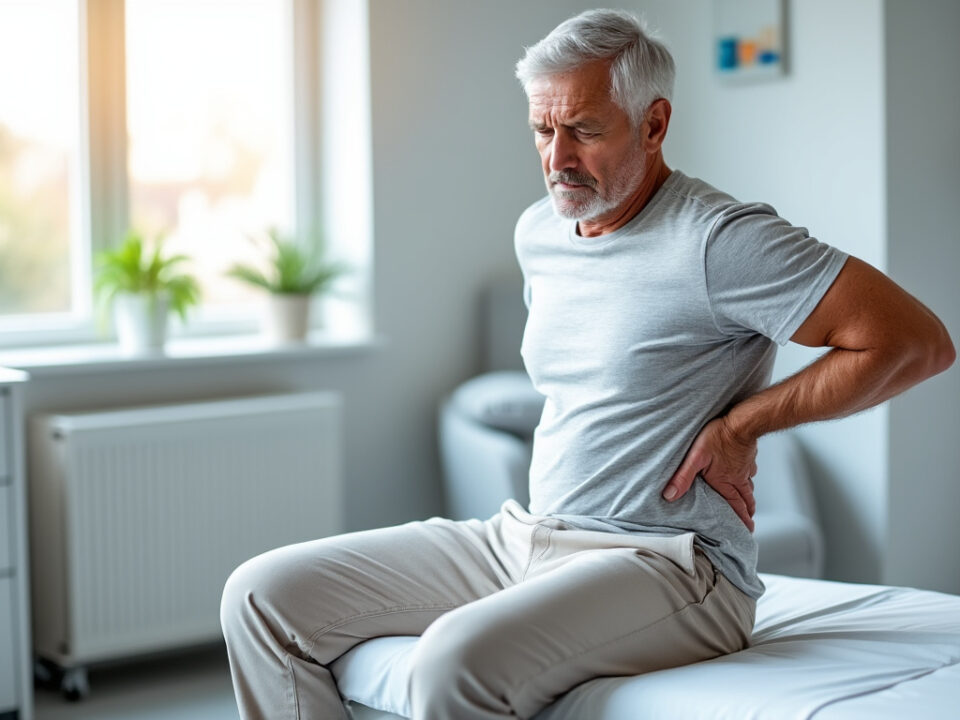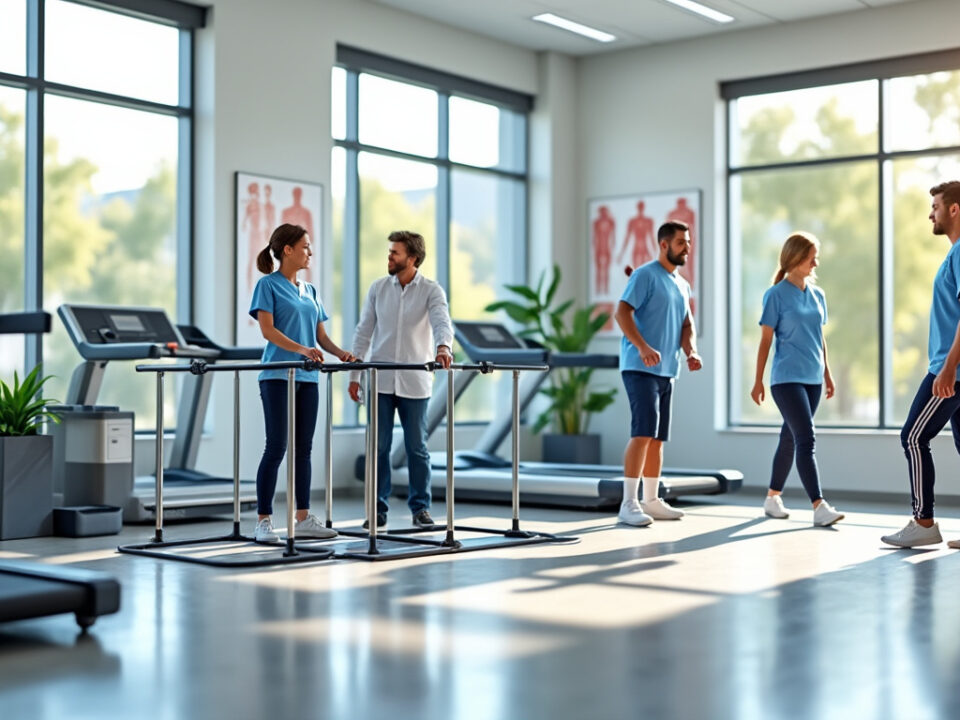
Postoperative Care After Back Surgery: Guidelines, Benefits, and Limitations
July 11, 2026
IntraSPINE® in Sherbrooke: A Safe and Minimally Invasive Procedure
July 12, 2026
In modern healthcare, especially within the complex domain of spinal treatment, the drive to avoid surgery whenever possible has become a prominent focus. Prolonged waiting times, particularly in countries like Canada, coupled with the chronic pain endured by patients, have necessitated innovative approaches that extend beyond traditional surgical intervention. Franchir, a French-based organization, embodies this shift by offering a meticulously coordinated framework that prioritizes patient-centric solutions and medical alternatives to surgery. With its strong international partnerships, advanced technologies, and commitment to personalized patient pathways, Franchir presents a compelling model for healthcare innovation and improved patient outcomes in spinal care.
Recognizing that surgery, although sometimes essential, carries inherent risks and potentially limits patients’ quality of life, Franchir champions conservative and non-invasive treatments. These strategies not only aim to palliate pain and maintain spinal mobility but also offer patients new hope for managing degenerative and complex pathologies without immediate recourse to the operating room. As healthcare landscapes globally evolve, the role of Franchir highlights the intersection of medical innovation, logistical expertise, and comprehensive patient care, demonstrating a transformative approach to spinal health management that challenges the inevitability of surgery.
Franchir’s Coordinated Approach to Minimizing Surgery in Spinal Patient Care
The challenge of managing spinal pathologies effectively while reducing the necessity for surgery often hinges on the quality of care coordination. Franchir excels as an orchestrator of such integrative care, ensuring that patients, particularly those from Quebec and broader Canada, are steered carefully through the complexities of spinal treatment. By orchestrating every phase—from initial assessment in Montreal to specialized interventions in France—this organization bridges geographical and clinical divides that typically complicate international healthcare journeys.
Central to Franchir’s approach is a rigorous evaluation system led by expert clinicians such as Dr. Sylvain Desforges and the TAGMED team. This evaluation goes beyond basic diagnostics, incorporating advanced therapeutic options like neurovertebral robotic decompression. This technique, characterized by controlled and computer-assisted spinal traction, precisely targets nerve compression with remarkable efficacy, avoiding invasive surgical procedures.
The role of Franchir extends beyond clinical guidance, tackling typical pitfalls in international treatment pathways such as communication breakdowns and implant errors. Their robust management of documentation and clinical exchanges reduces medical mistakes and fosters a seamless continuum of care that sustains patient safety throughout the treatment cycle.
Moreover, the logistical excellence demonstrated by Franchir—including scheduling with renowned surgeons in cities like Toulouse and Bordeaux and coordinating travel and accommodations—allows patients to focus solely on recovery rather than administrative burdens. This comprehensive approach exemplifies how coordinated care can effectively reduce surgery rates without compromising medical quality.
Understanding Sciatic Pain: Key Symptoms and When to Seek Medical Advice
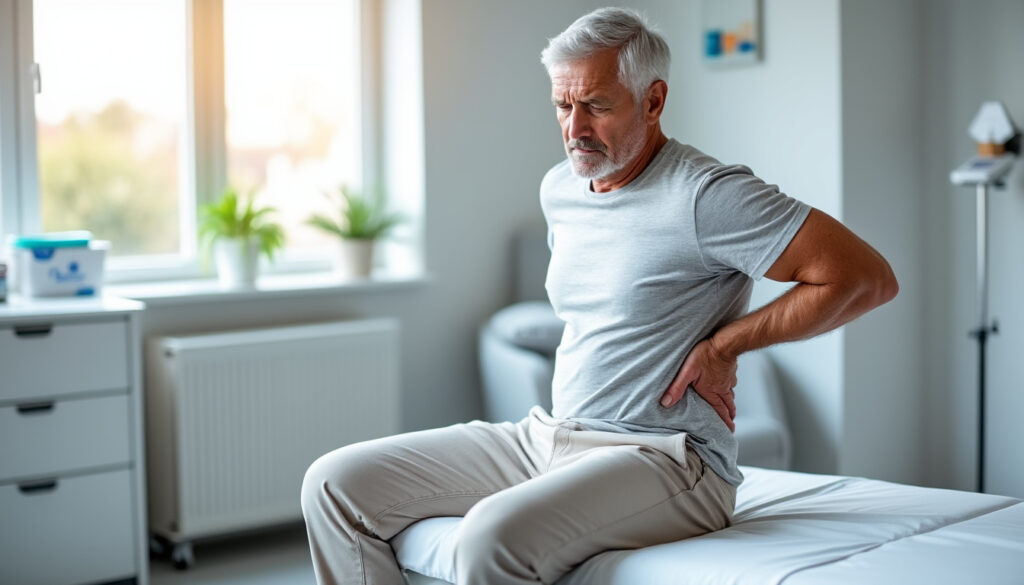
Sciatic pain is a prevalent condition impacting a wide demographic, manifesting primarily as intense pain radiating from the lower back down the leg. This pain stems from irritation or compression of the sciatic nerve, a major nerve extending through the…
Innovative Non-Invasive Treatments as Effective Alternatives to Surgery
While spinal surgery remains a critical option for severe or unresponsive cases, the focus on conservative treatment alternatives has been transformative. Franchir highlights an array of groundbreaking non-invasive options designed to alleviate symptoms, delay deterioration, and maintain spinal function.
One key modality is the neurovertebral robotic decompression performed by TAGMED clinics. This system applies computer-controlled traction at affected spinal regions, diminishing nerve compression without the trauma of surgical incision. Patients report substantial pain relief and functional improvement, underscoring the potential of technology-assisted conservative care.
Dynamic spinal implants further contribute to this paradigm shift. Unlike traditional fusion surgeries that immobilize spinal segments, devices like TOPS, Intraspine, and B-DYN promote stability while preserving natural mobility. Developed in France and certified to meet rigorous standards, these implants reduce the risk of adjacent segment degeneration—a common postoperative complication—thus enhancing long-term patient outcomes.
Franchir’s selection process pairs patients with surgical centers specializing in specific implants, for instance, TOPS procedures in Toulouse or Intraspine surgeries in Le Mans. This targeted approach guarantees adherence to excellence in both technology and surgical expertise, reinforcing quality assurance in alternatives to invasive fusion surgery.
The convergence of less-invasive techniques and dynamic stabilization illustrates a profound medical innovation aimed at addressing spinal disorders through tailored, patient-centered treatment options that reliably forestall the need for more aggressive interventions.
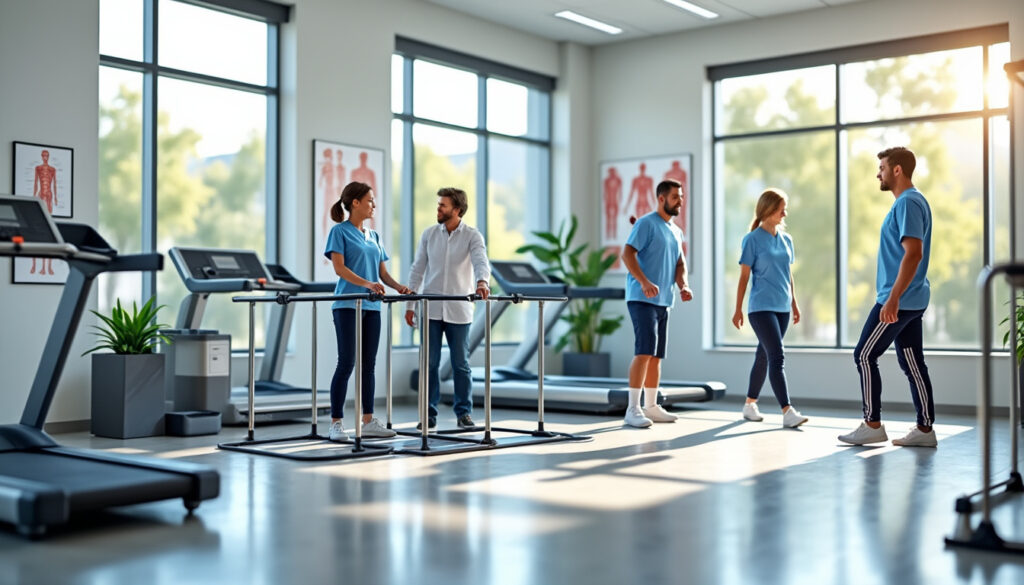
The Stepwise Role of Functional Recovery in Achieving Successful Outcomes
The journey to full recovery following spinal surgery is often complex and multifaceted, demanding a meticulously structured approach to ensure optimal functional outcomes. In recent years, the concept of functional recovery through a stepwise approach has garnered significant attention in…
Reducing Surgical Wait Times through International Partnerships and Streamlined Logistics
Access to timely spinal care in Canada is often hampered by prolonged surgical wait lists, sometimes extending beyond a year. Franchir’s model directly tackles this by facilitating priority access to leading French centers, where wait times typically range between four and six weeks.
Through strategic alliances with prominent hospitals and surgeons across Toulouse, Bordeaux, and Le Mans, Franchir secures expedited scheduling for eligible patients. This acceleration of care availability profoundly impacts patient quality of life by mitigating the progression of debilitating spinal conditions and reducing chronic pain duration.
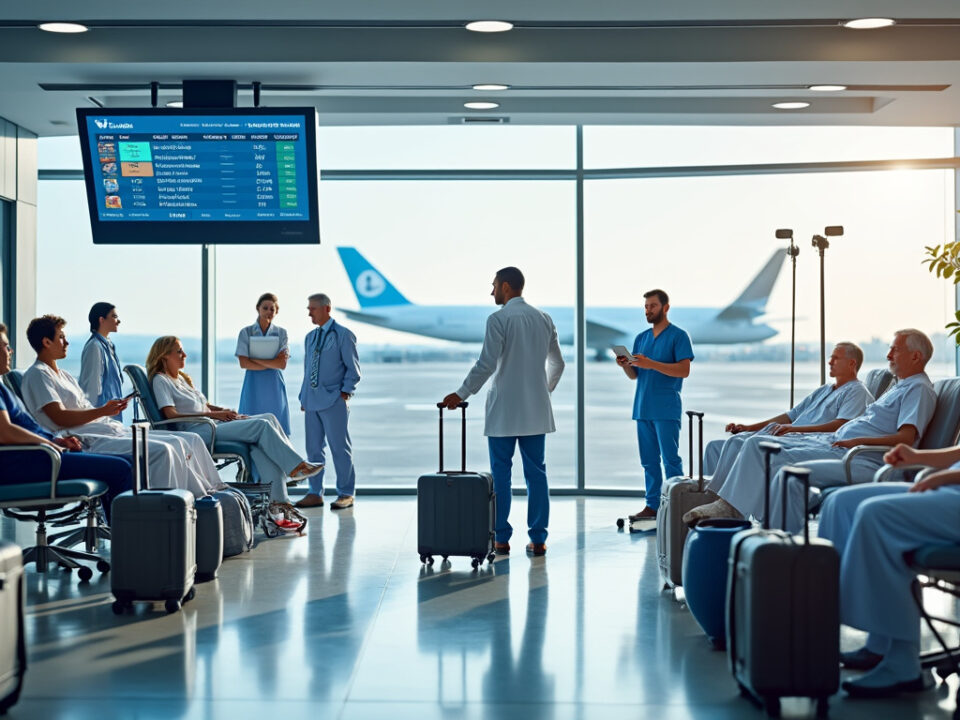
A critical component of this efficiency is Franchir’s end-to-end logistical management. The organization coordinates direct flights, arranges hospital-adjacent lodging, and assures medically appropriate transportation, particularly vital for post-operative constraints. This holistic support eliminates usual travel-related stressors, enforcing a smooth and secure journey from Canada to France and back.
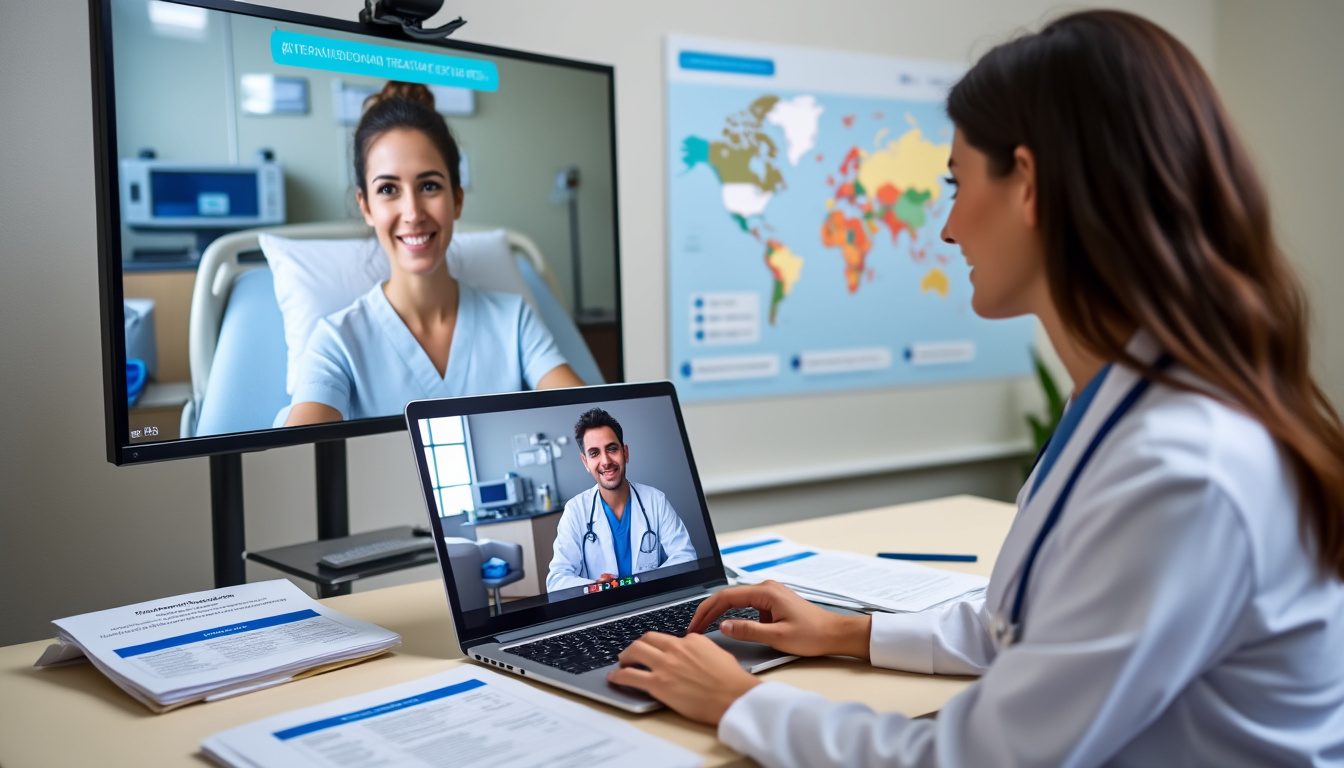
Moreover, the partnership with Neurothérapie Montréal ensures continuous remote follow-up care tailored to individual recovery needs. This integration between home-based rehabilitation and specialized international surgery bridges the gap often encountered in transatlantic treatment, minimizing complications and promoting optimal patient outcomes.
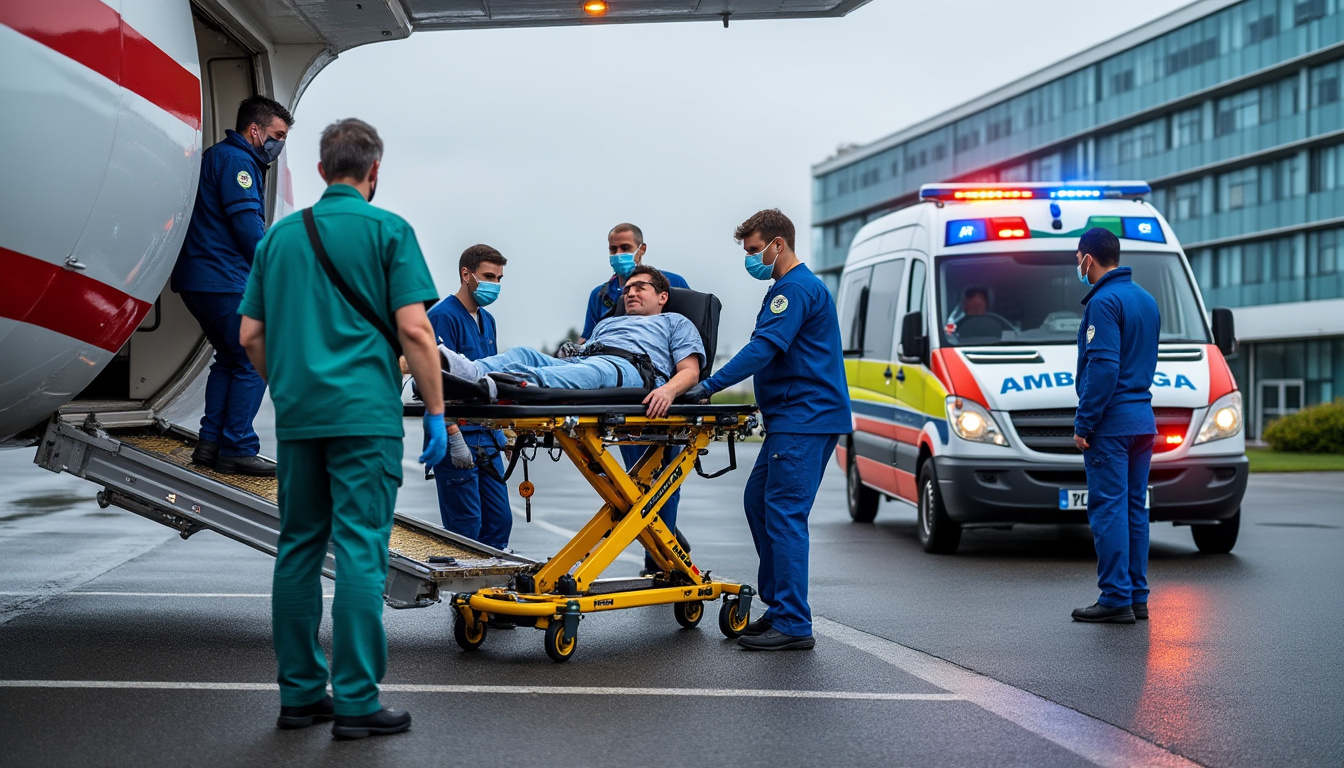
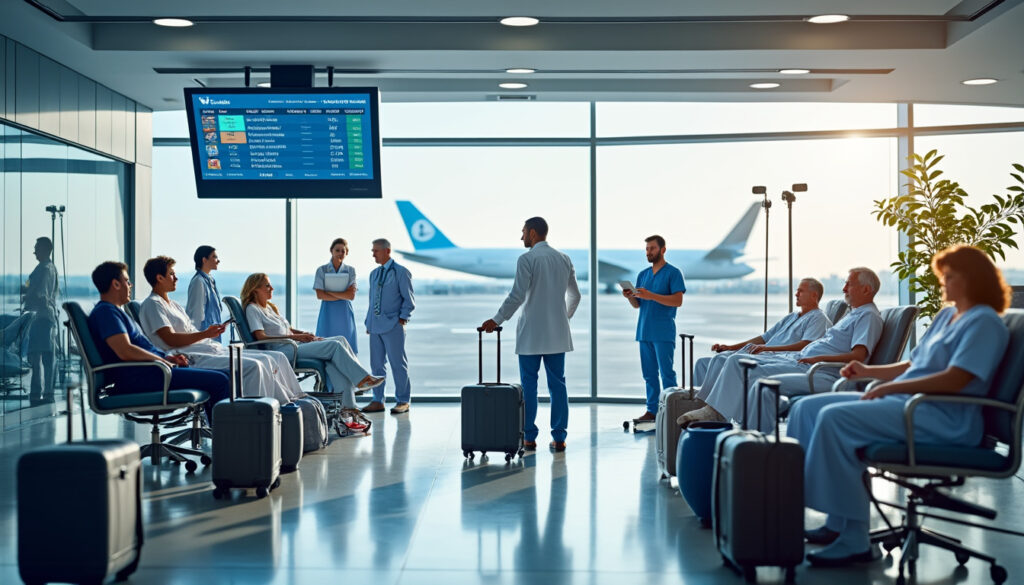
Transatlantic Patient Journey: Insights into Indications, Benefits, and Challenges
The emergence of the Transatlantic Patient Journey as a strategic model within healthcare continues to capture attention for its innovative potential, especially in specialized fields such as spinal surgery. This cross-border care pathway integrates rigorous medical evaluation from Quebec with…
Dynamic Implants: A Breakthrough in Preserving Spinal Mobility Post-Treatment
The conventional approach to spinal surgical intervention has relied heavily on vertebral fusion, often resulting in loss of mobility and increased adjacent segment degeneration. Responding to this challenge, Franchir strongly advocates for the use of innovative dynamic spinal implants designed to maintain physiological movement and reduce postoperative complications.
Implants such as TOPS (Total Posterior Spine), Intraspine, and B-DYN have emerged as revolutionary solutions. These devices stabilize the spine while permitting controlled motion, significantly improving patient satisfaction and long-term function. Unlike rigid fusions, these implants prevent the mechanical stress that typically shifts to adjacent vertebrae, thereby prolonging the health of the entire spinal column.
For example, the Intraspine implant integrates beneath the spinous processes, offering a support system that buffers deleterious forces yet sustains natural flexibility. This implant has been widely adopted in French centers of excellence, showcasing proven results in lumbar stabilization without the drawbacks of arthrodesis.
By providing access to specific surgical teams with deep expertise in these implants, Franchir enhances treatment personalization, allowing patients to avoid unnecessary limitations on movement and reducing postoperative pain.
Comparison Table: Dynamic Implants versus Traditional Fusion Surgery
| Feature | Dynamic Implants (TOPS, Intraspine, B-DYN) | Traditional Fusion Surgery |
|---|---|---|
| Preserves Mobility | Yes | No |
| Risk of Adjacent Segment Degeneration | Low | High |
| Postoperative Pain | Reduced | Often significant |
| Recovery Time | Shorter | Longer |
| Suitability for Complex Cases | Good | Variable |
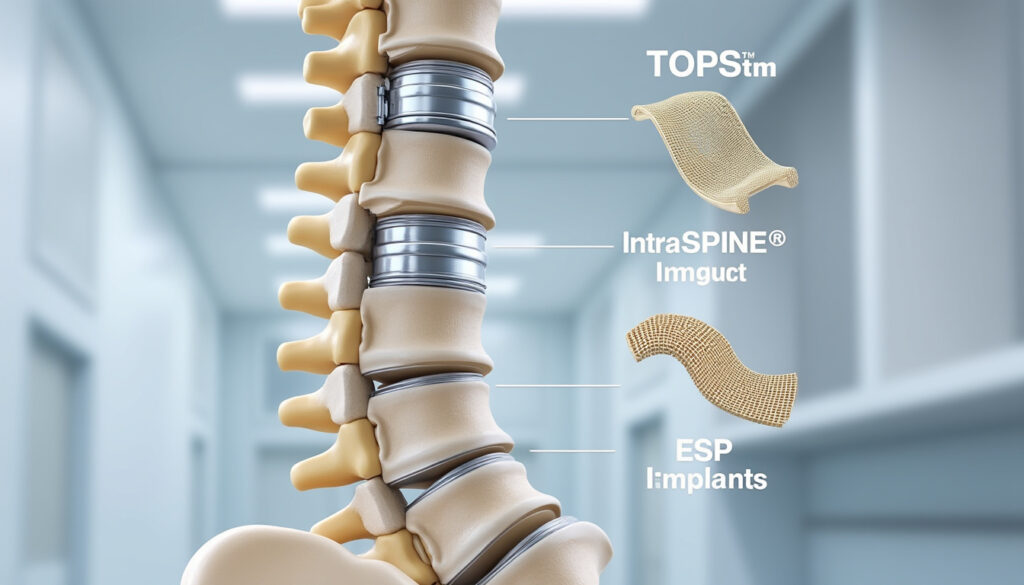
The evolving field of spinal surgery is witnessing a transformative shift, fueled by cutting-edge implant technologies such as TOPS, Intraspine, and ESP. These innovative implants redefine treatment possibilities by emphasizing preservation of natural spinal mechanics, while ensuring durable stabilization and…
Medical Innovation and Robotics in Enhancing Patient Outcomes
Modern spinal care increasingly integrates advanced technology to refine surgical precision and enhance treatment efficacy. With the rising incorporation of robotics and 3D imaging platforms, institutions affiliated with Franchir leverage these innovations to elevate patient care standards.
Robotic assistance enables minimally invasive surgery, reducing tissue damage and shortening recovery periods. For example, eCential Robotics has secured FDA clearance for its spine navigation system, enhancing surgeon accuracy in complex vertebral procedures. Such technologies complement Franchir’s philosophy of reducing surgical invasiveness and improving outcomes.
Moreover, the endoscopic spine courses conducted at centers like IRCAD Strasbourg emphasize training surgeons in cutting-edge, minimally invasive techniques. This education pipeline ensures that emerging professionals uphold the highest standards of patient safety and innovation continuity.
Embracing these technological advances plays a critical role in Franchir’s capacity to offer patients effective treatment options that maximize function, minimize complications, and ultimately contribute to the avoidance of unnecessary surgery.
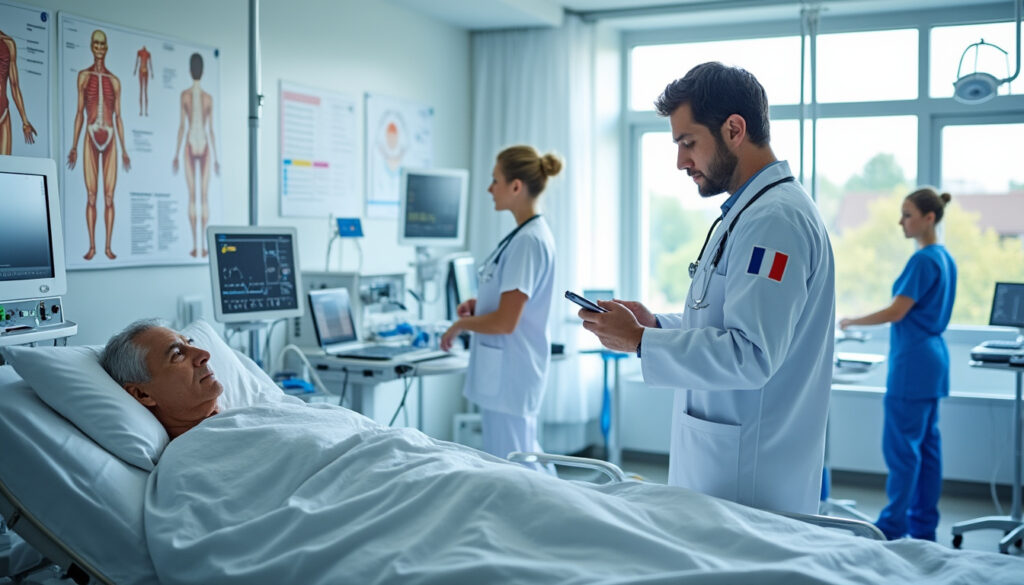
Preparing for Surgery in France: Key Indications, Benefits, and Limitations
In an evolving global healthcare landscape, France emerges as a beacon of advanced surgical expertise, particularly attracting international patients seeking expedited and innovative medical interventions. Patients from regions experiencing long wait times, such as Quebec, increasingly view France as an…
Comprehensive Patient Support Across the Care Continuum
Besides clinical and technological excellence, Franchir focuses on delivering comprehensive patient care that extends beyond surgical intervention. This patient-centered model encompasses pre-treatment counseling, care coordination, travel facilitation, and post-procedure rehabilitation.
Patients benefit from transparent communication regarding treatment options, expectations, and potential outcomes. Franchir’s team manages all logistical aspects, diminishing administrative burdens and ensuring clarity with financial estimates free of hidden fees. This level of support reduces patient anxiety, allowing full focus on healing.
Postoperative follow-up is coordinated meticulously with Neurothérapie Montréal, offering telehealth and in-person rehabilitation tailored to individual recovery trajectories. Such vigilant aftercare improves long-term outcomes, prevents complications, and allows rapid adjustments to therapy plans.
This humanized approach reflects an understanding that successful spinal care depends not only on surgical expertise but also on sustained support and patient empowerment throughout the treatment journey.

Unveiling the Hidden Benefits of Quality and Certification in Devices
The landscape of device manufacturing and clinical application in 2026 has been fundamentally shaped by the rigorous interplay between quality management and certification processes. Within this complex framework, the hidden benefits of adhering to international standards and obtaining relevant certifications…
Exploring Treatment Options: How Franchir Helps Tailor Care Plans
Franchir’s commitment to personalized medicine revolves around detailed evaluations that differentiate between cases requiring immediate surgical intervention and those amenable to conservative or minimally invasive treatments. Their partnership with TAGMED and expert surgeons results in treatment plans that combine the latest innovations with patient preferences and profiles.
In many scenarios, this approach helps patients avoid surgery altogether or delay it safely without compromising health. Conservative therapies including physical therapy, neurovertebral decompression, and advanced pain management protocols represent initial steps toward sustainable relief.
In situations where surgery is unavoidable, Franchir ensures access to cutting-edge, minimally invasive procedures that speed recovery and enhance functional preservation. The emphasis remains on quality of life improvements through tailored, evidence-based care pathways.
- Thorough medical evaluations with multidisciplinary teams
- Integration of robotic-assisted, non-invasive treatments
- Strategic selection of dynamic implants where appropriate
- Seamless coordination between Canadian and French healthcare providers
- Robust postoperative rehabilitation and telehealth follow-up
Why Experts Advocate for Comprehensive Preoperative Evaluations
In the complex and demanding field of spinal surgery, the emphasis on comprehensive preoperative evaluations has become a fundamental pillar supporting successful surgical outcomes. These evaluations, far beyond mere routine checks, integrate detailed analyses of patient health, surgical risk assessments,…
Educational Initiatives and Training Supporting Surgical Avoidance
In line with its innovative mission, Franchir advocates for continued education and skills advancement among spine specialists. This includes endorsement of programs like the Diplôme Inter-Universitaire de Chirurgie du Rachis by the French SFCR and specialized courses focusing on endoscopic and minimally invasive spinal surgery techniques.
Such education ensures that surgeons possess advanced skills to evaluate and apply treatments that maximize surgical avoidance or minimize invasiveness when surgery is necessary. This forward-thinking training pipeline is integral to enhancing patient outcomes across borders.
By fostering collaboration among experts and expanding the knowledge base, Franchir contributes to a broader cultural shift within spinal healthcare—emphasizing prevention, individualized care, and medical innovation.
Key Benefits of Franchir’s Patient Care Model
Hover over each benefit to learn more about how Franchir helps avoid surgery and improve patient outcomes.
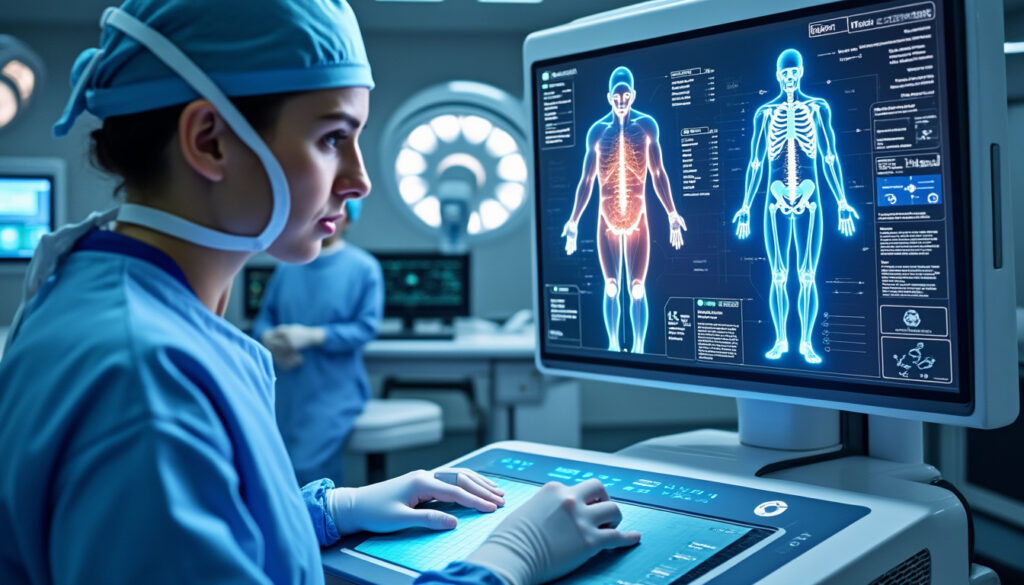
The Future of Surgery Lies in Stepwise Functional Recovery
The evolution of surgical care in 2026 reveals a compelling shift toward approaches that prioritize the holistic recovery of patients, moving beyond traditional metrics like length of hospital stay or mortality rates. This modern paradigm highlights the principle that the…
Benefits and Outcomes: How Franchir Transforms Patient Experiences
Patients engaged in Franchir’s coordinated care model consistently report enhanced outcomes, including significant reductions in chronic pain, improved mobility, and faster return to daily activities. The reduction of long surgical wait times, access to innovative non-invasive treatments, and dynamic implant technologies collectively contribute to these improved experiences.
Additionally, Franchir’s meticulous management of patient data and communication ensures fewer medical errors and smoother transitions between healthcare teams in different countries. This integrated system results in higher patient satisfaction and measurable clinical benefits, positioning Franchir as a pioneering force in spinal healthcare management.
Several personal accounts highlight how Franchir’s interventions have not only postponed or eliminated the need for surgery but delivered living proof of patient care innovation at its finest. This experience-driven approach underscores the critical role that coordinated, multifaceted care plays in contemporary medical practice.
To understand more about Franchir’s revolutionary impact, readers may explore an in-depth look at the healthcare journey facilitated by Franchir and details about Franchir’s management of patient care.
{“@context”:”https://schema.org”,”@type”:”FAQPage”,”mainEntity”:[{“@type”:”Question”,”name”:”How does Franchir contribute to reducing the need for spinal surgery?”,”acceptedAnswer”:{“@type”:”Answer”,”text”:”Franchir coordinates comprehensive medical evaluations, directs patients to non-invasive alternatives such as neurovertebral robotic decompression, and manages personalized follow-up care, which collectively enables the postponement or avoidance of many surgeries.”}},{“@type”:”Question”,”name”:”What types of implants does Franchir prioritize to preserve spinal mobility?”,”acceptedAnswer”:{“@type”:”Answer”,”text”:”Dynamic implants like TOPS, Intraspine, and B-DYN are favored as they stabilize the spine while maintaining natural mobility, unlike traditional fusion surgeries.”}},{“@type”:”Question”,”name”:”Why is logistics coordination critical in the Franchir patient care pathway?”,”acceptedAnswer”:{“@type”:”Answer”,”text”:”Effective logistical coordination ensures timely access to expert surgeons, reduces medical errors, and facilitates smooth transitions from diagnosis through surgery and rehabilitation, enhancing overall patient outcomes.”}},{“@type”:”Question”,”name”:”What role does Neurothu00e9rapie Montru00e9al play in postoperative care?”,”acceptedAnswer”:{“@type”:”Answer”,”text”:”Neurothu00e9rapie Montru00e9al provides personalized follow-up after surgery, including rehabilitation and monitoring to prevent complications, thereby supporting optimal recovery.”}},{“@type”:”Question”,”name”:”Can surgery be completely avoided through Franchiru2019s interventions?”,”acceptedAnswer”:{“@type”:”Answer”,”text”:”While not all patients can avoid surgery, Franchiru2019s approach maximizes conservative treatment utilization and minimally invasive techniques, often delaying or eliminating the need for more invasive procedures.”}}]}How does Franchir contribute to reducing the need for spinal surgery?
Franchir coordinates comprehensive medical evaluations, directs patients to non-invasive alternatives such as neurovertebral robotic decompression, and manages personalized follow-up care, which collectively enables the postponement or avoidance of many surgeries.
What types of implants does Franchir prioritize to preserve spinal mobility?
Dynamic implants like TOPS, Intraspine, and B-DYN are favored as they stabilize the spine while maintaining natural mobility, unlike traditional fusion surgeries.
Why is logistics coordination critical in the Franchir patient care pathway?
Effective logistical coordination ensures timely access to expert surgeons, reduces medical errors, and facilitates smooth transitions from diagnosis through surgery and rehabilitation, enhancing overall patient outcomes.
What role does Neurothérapie Montréal play in postoperative care?
Neurothérapie Montréal provides personalized follow-up after surgery, including rehabilitation and monitoring to prevent complications, thereby supporting optimal recovery.
Can surgery be completely avoided through Franchir’s interventions?
While not all patients can avoid surgery, Franchir’s approach maximizes conservative treatment utilization and minimally invasive techniques, often delaying or eliminating the need for more invasive procedures.