
Lumbar Disc Prosthesis in Saguenay: Preserving Your Spine’s Natural Biomechanics
July 13, 2026
Can Rehabilitation and Return to Work Help Avoid Surgery?
July 13, 2026
In recent years, the evolution of healthcare has transcended borders, fostering a dynamic landscape where patients increasingly seek medical services internationally to overcome local limitations. The transatlantic patient journey has emerged as a pivotal pathway, particularly between Canada and France, addressing pressing issues such as extended wait times in Canadian healthcare systems and unlocking access to cutting-edge surgical innovations available in Europe. This comprehensive journey reflects a robust collaboration between healthcare providers across continents, promising enhanced patient experience, streamlined travel coordination, and improved healthcare access.
The integrated nature of this approach marries Canadian medical expertise in patient evaluation and care with French surgical advancements, including minimally invasive procedures and dynamic implants. This synergy creates a bespoke, patient-centered experience that not only accelerates treatment timelines but also ensures a continuity of care that spans geography and culture. Patients embarking on this international treatment route benefit from meticulous coordination among specialized teams, enabling them to navigate complex bureaucratic and logistical challenges with confidence and personalized support.
Moreover, this transatlantic model reflects an innovative response to the globalizing trend in medical tourism. As cross-border care becomes more commonplace, understanding the nuances, potential benefits, and inherent challenges of such journeys becomes crucial for patients and healthcare practitioners alike. The pathway embodies not just medical intervention but a comprehensive healthcare experience emphasizing ethics, safety, and empathetic support. This guide delves into each crucial stage of this unique patient trajectory, offering detailed insights and practical advice to empower patients considering this route for their healthcare needs, thereby fostering informed decision-making and enhanced clinical outcomes.
Understanding the Framework of the Transatlantic Patient Journey in Healthcare
The transatlantic patient journey represents a sophisticated healthcare model that intricately weaves together medical services across Canada and France, aimed primarily at spine surgery but broadly applicable within various specializations. At its core, this journey is underpinned by cross-border care principles that emphasize a seamless continuum of medical attention, coordination, and communication.
Patients from Quebec confronting long wait times in the Canadian healthcare system have turned to France, where surgical techniques, notably in spinal care, are highly advanced. This international collaboration provides a dual advantage—leveraging Canadian clinical assessment and follow-up strength alongside French surgical innovation.
The process begins with a comprehensive evaluation conducted by expert teams in Canada, often at facilities like the TAGMED Clinic under the supervision of specialists, where treatment modalities including advanced neuro-vertebral decompression are rigorously applied. This phase ensures that conservative treatment options are optimized before proceeding to surgery, respecting the fundamental medical principle that surgery should be considered only after exhausting less invasive options.
Following thorough assessment and treatment, patients are referred to surgical centers in France, where they access state-of-the-art technologies such as real-time surgical navigation, minimally invasive endoscopic methods, and dynamic spinal implants like the TOPS system. These options preserve spinal mobility and reduce long-term complications compared to traditional fusion procedures.
Effective communication between Canadian and French teams is paramount, facilitated by organizations such as Franchir, which manage logistical coordination including travel, lodging, and administrative requirements, minimizing patient burden during this complex transition.
After surgery, patients return to Canada for personalized postoperative rehabilitation overseen by entities like Neurothérapie Montréal, ensuring continuity in recovery and symptom management. This coordinated framework exemplifies a well-structured approach that prioritizes patient safety, optimizes clinical outcomes, and enhances the overall patient experience throughout every stage of their transatlantic healthcare journey.


Understanding Sciatic Pain: Key Symptoms and When to Seek Medical Advice
Sciatic pain is a prevalent condition impacting a wide demographic, manifesting primarily as intense pain radiating from the lower back down the leg. This pain stems from irritation or compression of the sciatic nerve, a major nerve extending through the…
Innovations in French Spinal Surgery Transforming Transatlantic Patient Care
The French healthcare landscape, particularly in spinal surgery, is renowned for a spectrum of innovative treatment options that have revolutionized patient outcomes on an international scale. These advancements form a cornerstone of the transatlantic patient journey, providing access to cutting-edge techniques otherwise unavailable or limited in Canada.
Fusion Procedures (Arthrodesis) remain a foundational strategy for stabilizing complex spinal pathologies. This approach entails creating solid bone fusion across vertebral segments to eliminate pathological motion responsible for chronic pain or neurological deficits. France’s integration of navigation-assisted surgery and the use of specialized implants from manufacturers like Cousin Spine ensure precision and improved safety profiles.
Despite their efficacy, fusion surgeries inherently reduce segmental mobility, prompting a strong impetus for alternatives focused on motion preservation.
Motion Preservation Surgeries, including cervical and lumbar disc prostheses, represent a paradigm shift where the goal is to maintain natural spinal movement while alleviating symptoms. Dynamic implants such as the IntraSPINE and TOPS devices exemplify the French contribution to this evolving field, offering stabilization that allows controlled mobility and reduces risks of adjacent segment degeneration.
These prosthetic technologies are meticulously tailored to patient profiles following detailed assessments by expert teams, ensuring optimal candidature and outcomes. Their limited availability in Canadian facilities has fueled interest in the transatlantic pathway among patients seeking these advanced options.
Minimally Invasive and Endoscopic Procedures further minimize tissue disruption, reduce hospitalization duration, and accelerate recovery. The adoption of laser-assisted surgery and endoscopic decompression techniques in select French centers reflects this trend toward less intrusive intervention with equivalent or superior results.
A vivid example involves endoscopic nerve decompression for foraminal stenosis, allowing effective symptom relief without extensive open surgery. This approach underscores a broader international movement toward patient-centric, function-preserving spine care, which the transatlantic journey capitalizes on to provide unparalleled healthcare access.
Overall, French innovations in spinal surgery enrich this international collaboration by marrying technical sophistication with compassionate, personalized care tailored to individual patient needs and anatomical considerations. This integration cements the transatlantic patient journey as a model of modern medical tourism grounded in excellence and innovation.

The Stepwise Role of Functional Recovery in Achieving Successful Outcomes
The journey to full recovery following spinal surgery is often complex and multifaceted, demanding a meticulously structured approach to ensure optimal functional outcomes. In recent years, the concept of functional recovery through a stepwise approach has garnered significant attention in…
Critical Role of Multidisciplinary Evaluation and Conservative Management in the Transatlantic Pathway
Conservative treatment strategies constitute an indispensable initial phase for patients undertaking the transatlantic patient journey. This phase focuses on mitigating disease progression and alleviating pain without immediate resort to surgery.
In Canada, rigorous patient evaluation occurs at centers such as TAGMED, where advanced neuro-vertebral decompression techniques employing computer-assisted robotic traction are offered. This specialized care spans a minimum of 3 to 6 months, allowing clinicians to assess responsiveness and refine non-surgical interventions.
Such targeted conservative management has dual benefits. It potentially obviates the need for surgery in responsive cases and optimizes surgical timing and outcomes in those requiring operative intervention. The overarching principle guiding this approach is adherence to evidence-based care, prioritizing patient safety and functional restoration.
Patient education plays a pivotal role during this phase. Providers deliver detailed explanations regarding the natural course of spinal conditions, therapeutic options, and realistic outcomes. This communicative approach fosters informed consent and active patient engagement in their healthcare decisions, contributing to a positive patient experience throughout the cross-border care process.
In situations where surgery becomes necessary, this preparatory phase provides critical data that informs the surgical teams in France, enabling tailored interventions aligned with prior assessments. This interconnectedness highlights the importance of sustained information exchange and multidisciplinary collaboration as documented in resources such as the ERN-RITA Patient Journey Handbook.
Ultimately, this component of the transatlantic pathway exemplifies how integrative care models combine sophisticated medical technology with compassionate patient-centered strategies, underpinning successful international treatment outcomes and setting a benchmark in healthcare access and quality.

Transatlantic Patient Journey: Insights into Indications, Benefits, and Challenges
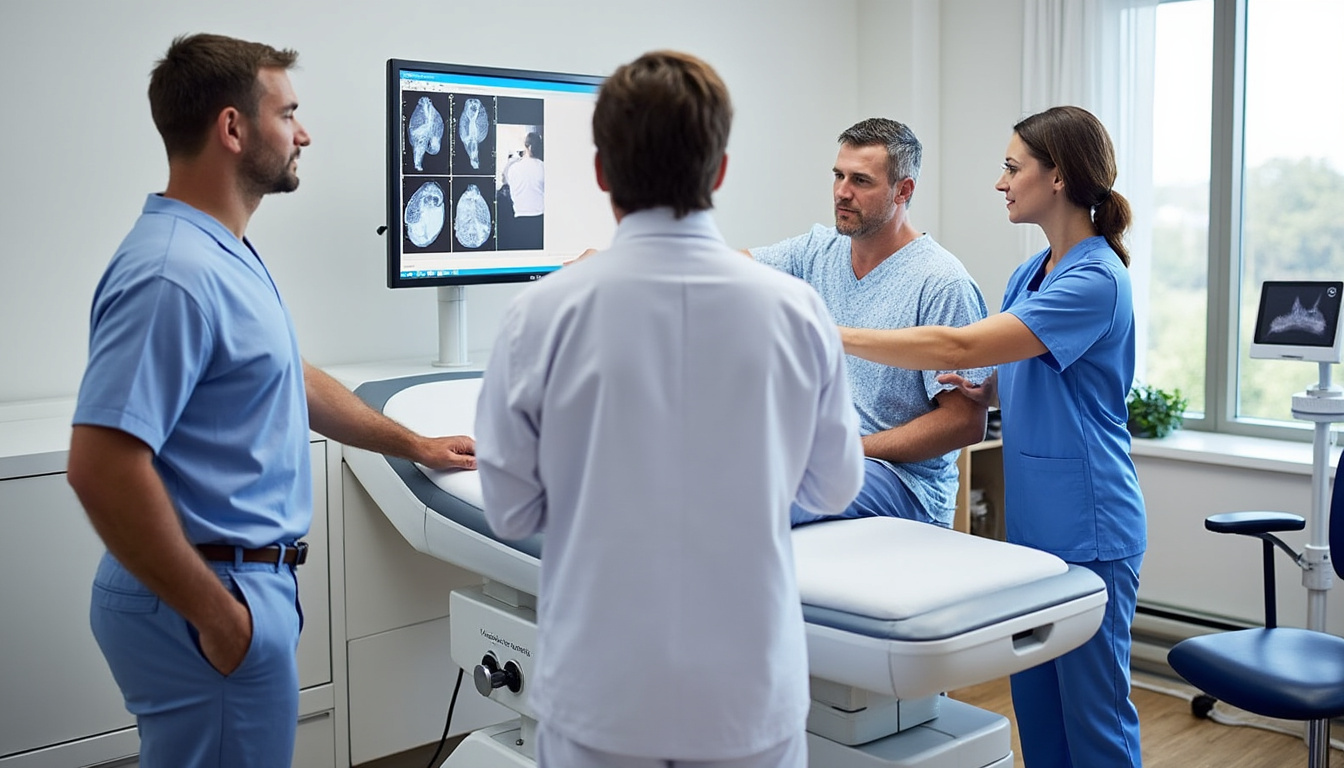
The emergence of the Transatlantic Patient Journey as a strategic model within healthcare continues to capture attention for its innovative potential, especially in specialized fields such as spinal surgery. This cross-border care pathway integrates rigorous medical evaluation from Quebec with…
Seamless Travel Coordination and Logistical Management Enhancing Healthcare Access
Embarking on an international medical journey requires meticulous planning beyond clinical considerations. Effective travel coordination and logistical management are decisive in streamlining the patient experience across borders, reducing anxiety, and ensuring timely access to care.
Organizations like Franchir specialize in orchestrating this intricate process, managing appointment scheduling, travel arrangements, accommodation, and regulatory compliance. This highly personalized support transcends conventional medical tourism services by integrating healthcare-specific expertise into the logistical framework, making each phase of the transatlantic patient journey smooth and stress-free.
Key elements include:
- Pre-arrival Coordination: Document preparation and facilitation of necessary visas, insurance verifications, and medical record transfers underpin the initial phase, aligning all administrative prerequisites for cross-border care.
- Transportation and Accommodation Management: Coordinating international flights, ground transportation, and lodging near medical centers ensures patient comfort and accessibility during treatment.
- Appointment Synchronization: Close liaison with medical teams in France guarantees appointment timings suit patient health status and preferences, optimizing clinical outcomes and overall satisfaction.
- Emergency Support Services: In-place contingency plans and dedicated personnel provide assistance during unexpected events, maintaining safety and stability.
The success of this logistical component fundamentally supports healthcare access by bridging geographic and bureaucratic gaps, mitigating common barriers faced by patients engaged in international treatment. It exemplifies the modern intersection of medical tourism and healthcare delivery, evolving patient experience into a holistic, coordinated endeavor stretching beyond national confines.
Steps in the Transatlantic Patient Journey
Select a step to see details here.
Step ${idx + 1}
${stepDetails[idx]}
`; // Focus detail section so screen readers announce content detailSection.focus(); }// Build the list items in the UL journeyData.steps.forEach((step, idx) => { ul.appendChild(createStepItem(step, idx)); }); })();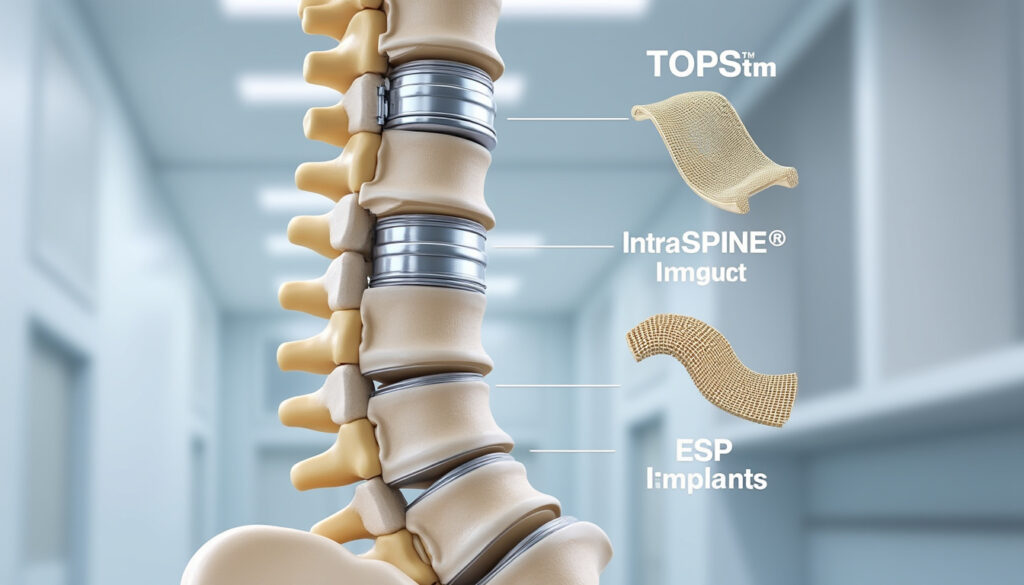
The evolving field of spinal surgery is witnessing a transformative shift, fueled by cutting-edge implant technologies such as TOPS, Intraspine, and ESP. These innovative implants redefine treatment possibilities by emphasizing preservation of natural spinal mechanics, while ensuring durable stabilization and…
Postoperative Care and Tailored Rehabilitation: Sustaining Recovery Through Collaborative Follow-Up
Comprehensive postoperative care is a critical determinant of long-term success in spinal surgeries conducted abroad. Returning patients benefit profoundly from individualized follow-up and rehabilitation services situated in familiar healthcare settings, ensuring clinical continuity and psychological comfort.
Neurothérapie Montréal exemplifies this ethos by providing tailored case management, consistent monitoring of surgical outcomes, symptom management, and progressive rehabilitation programs aligned with the innovative techniques employed during the French surgical procedures.
Customized rehabilitation plans incorporate physical therapy regimens aiming to restore mobility, reduce pain, and enhance functional independence. Moreover, these programs emphasize patient education about lifestyle modifications and ergonomics to sustain surgical benefits and prevent future complications.
Seamless exchange of medical data and feedback mechanisms between Canadian follow-up teams and French surgical collaborators underpin adaptable interventions, promptly addressing any postoperative challenges. This communication loop exemplifies the integrated nature of the transatlantic patient journey, marrying advanced surgical innovation with robust aftercare.
This collaborative approach dramatically mitigates risks of complications, such as secondary arthrosis or neurological deficits, while reinforcing patients’ confidence in their recovery process. Such comprehensive care embodies the ethical and medical commitment defining this transatlantic healthcare model.

Preparing for Surgery in France: Key Indications, Benefits, and Limitations
In an evolving global healthcare landscape, France emerges as a beacon of advanced surgical expertise, particularly attracting international patients seeking expedited and innovative medical interventions. Patients from regions experiencing long wait times, such as Quebec, increasingly view France as an…
Economic and Biomechanical Advantages of the Transatlantic Patient Pathway
The transatlantic patient journey offers compelling benefits from both economic and biomechanical perspectives, making it an increasingly attractive option for patients facing spinal ailments in 2026.
From an economic standpoint, the cost of private medical treatment in France can often be lower than in Quebec, even when including travel expenses. Coordination by entities like Franchir reduces administrative overhead and logistical challenges, translating to significant savings and more predictable financial planning for patients.
Biomechanically, French innovations — notably dynamic implants and motion-preserving prostheses — assist in maintaining natural spinal function post-surgery. In contrast to traditional fusion, these techniques reduce stress on adjacent vertebral segments, minimizing degenerative changes and enhancing long-term quality of life.
An illustrative case involves a Quebec patient who received a cervical disc prosthesis in France and subsequently experienced substantial pain reduction alongside near-complete restoration of neck mobility, enabling a return to daily activities without discomfort.
These combined dimensions underline the holistic value proposition of the transatlantic patient pathway, balancing cost-effectiveness with superior clinical outcomes and patient-centered goals. This integration of financial prudence and biomechanical sophistication positions the journey as a leading example of modern medical tourism’s potential.
| Aspect | Benefit | Illustrative Example |
|---|---|---|
| Biomechanical | Preservation of spinal mobility and pain reduction | Deployment of TOPS dynamic implants unavailable in Canada |
| Economic | Cost savings with comprehensive stay management | Franchir-managed travel reducing administrative burden |
| Human Aspect | Personalized support before, during, and after surgery | Postoperative care by Neurothérapie Montréal ensuring seamless recovery |
| Scientific | Innovative techniques with rigorous clinical oversight | Supervision of conservative treatments by specialist Dr. Desforges at TAGMED |

Unveiling the Hidden Benefits of Quality and Certification in Devices
The landscape of device manufacturing and clinical application in 2026 has been fundamentally shaped by the rigorous interplay between quality management and certification processes. Within this complex framework, the hidden benefits of adhering to international standards and obtaining relevant certifications…
Scientific Foundations and Ethical Considerations Guiding the Transatlantic Patient Journey
The transatlantic model rests firmly on scientific rigor and ethical medical practice, ensuring patient welfare remains paramount throughout every phase. The involvement of esteemed professionals with decades of expertise, such as Dr. Sylvain Desforges, provides evidence-based supervision that balances innovation with patient safety.
This approach aligns with educational frameworks like the Diplôme Inter-Universitaire de Chirurgie du Rachis (SFCR) and continuous professional development offered in France and Canada, promoting standards that respond to emerging techniques within complex spinal surgery.
Robotic assistance in minimally invasive procedures, endorsed by regulatory bodies including the FDA for select platforms, demonstrates the integration of cutting-edge technology within this pathway. The ethical mandate emphasizes thorough patient information, informed consent, and the prioritization of conservative management to avoid premature surgical intervention.
Comprehensive frameworks such as those outlined in the ERN-RITA Patient Journey Handbook reinforce structured patient pathways that embed multidisciplinary communication and culturally sensitive care—key to international treatment success and enhanced patient experience in the transatlantic journey context.
By merging the scientific with the humane, this pathway exemplifies the future of healthcare, where innovation couples with patient-centered values across borders to elevate the standard of care and uphold the dignity of every individual undertaking this complex yet rewarding journey.

Why Experts Advocate for Comprehensive Preoperative Evaluations
In the complex and demanding field of spinal surgery, the emphasis on comprehensive preoperative evaluations has become a fundamental pillar supporting successful surgical outcomes. These evaluations, far beyond mere routine checks, integrate detailed analyses of patient health, surgical risk assessments,…
Emerging Insights from International Comparisons Highlighting the Transatlantic Patient Journey’s Impact
Global comparisons between healthcare systems provide valuable insights into the efficacy and challenges of cross-border care models like the transatlantic patient journey. Differences in healthcare access, technology adoption, and patient support services between North America and Europe illuminate the pathway’s unique strengths.
European centers, led by French institutions, often excel in surgical innovation, rapid access to elective procedures, and patient-tailored rehabilitation programs. Conversely, Canadian systems emphasize integrative conservative care and robust public health regulation, contributing to a complementary synergy when combined through the transatlantic model.
Studies investigating patient outcomes reveal improved satisfaction rates, reduced postoperative complication frequencies, and enhanced long-term mobility in cohorts engaging in such international treatment pathways. These results underscore the value of precisely coordinated healthcare navigation and highlight the importance of patient journey mappings as presented in contemporary healthcare research.
Addressing policy-level considerations, stakeholders recognize that the integration of international treatment options requires nuanced frameworks that facilitate legal, ethical, and financial aspects, empowering patients while safeguarding system sustainability. This interplay informs ongoing refinements in transatlantic healthcare collaborations.
For more detailed exploration of international healthcare comparisons and the transatlantic patient journey’s framework, refer to comprehensive analyses available in specialized medical literature as well as accessible guides like international comparison spotlight on the transatlantic patient journey and patient mapping strategies outlined in valuable resources.
What is the primary purpose of the transatlantic patient journey?
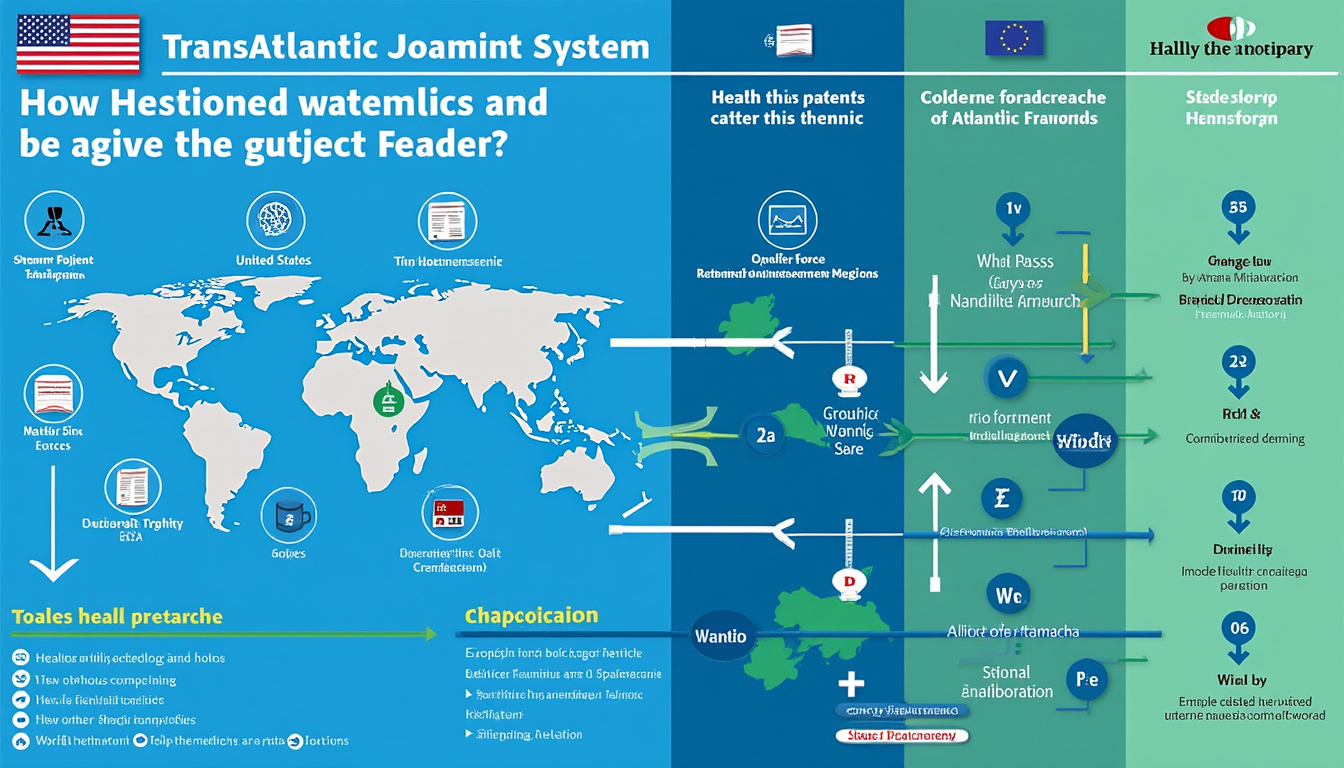
The transatlantic patient journey aims to provide timely access to advanced medical treatments by combining the strengths of Canadian evaluation and French surgical innovations, mainly in spinal surgery, enhancing patient outcomes and experience.
How is patient travel managed in the transatlantic healthcare pathway?
Specialized organizations such as Franchir coordinate logistics including travel, accommodation, and administration, ensuring that patients face minimal burden and experience seamless transitions throughout their international medical journey.
Why is conservative treatment emphasized before surgery in this pathway?
Conservative treatment is prioritized to potentially alleviate symptoms and avoid unnecessary surgery, based on rigorous evaluation and evidence-based protocols, ensuring patient safety and the best possible clinical results.
What are the biomechanical advantages of dynamic implants used in France?
Dynamic implants maintain spinal mobility and reduce stress on adjacent vertebral segments, minimizing degeneration and allowing patients to retain more natural movement post-surgery compared to traditional fusion techniques.
How does the transatlantic patient journey improve postoperative outcomes?
Through coordinated follow-up and personalized rehabilitation in Canada, the journey supports continuous care, symptom management, and early detection of complications, thus promoting faster and more effective recovery.
The Future of Surgery Lies in Stepwise Functional Recovery
The evolution of surgical care in 2026 reveals a compelling shift toward approaches that prioritize the holistic recovery of patients, moving beyond traditional metrics like length of hospital stay or mortality rates. This modern paradigm highlights the principle that the…