
Comprehensive Guide to the Transatlantic Patient Journey
July 13, 2026
Understanding Back Surgery Eligibility: A Guide for Patients in Quebec
July 13, 2026
In recent years, the escalating costs and risks associated with spinal surgeries have fueled a growing interest in rehabilitation and workplace reintegration as viable alternatives to surgical intervention. More patients with spinal pathologies are exploring whether specialized rehabilitation pathways combined with strategically managed return to work can mitigate the need for surgery altogether. This inquiry not only challenges traditional medical paradigms but also reflects an integrated approach where non-surgical treatments and occupational adaptation jointly foster sustainable recovery. Groundbreaking developments in neuromodulation, ergonomic workplace solutions, and multidisciplinary care models increasingly support these non-invasive routes, promising improved quality of life while minimizing surgical risks.
The debate is heightened by advances in clinical techniques, such as repetitive transcranial magnetic stimulation (rTMS), and by insights into functional rehabilitation that address both physical and psychological dimensions of spinal disorders. Experts emphasize the importance of a tailored evaluation that distinguishes patients who genuinely benefit from conservative management from those whose pathology necessitates surgical intervention. As healthcare systems globally advocate for cost-effectiveness and patient-centered care, rehabilitation combined with gradual return to work emerges as a keystone strategy to preserve autonomy and prevent the socioeconomic fallout of prolonged disability.
How Specialized Rehabilitation Reduces Surgical Interventions in Spinal Disorders
Specialized rehabilitation has revolutionized the management of spinal conditions, positioning itself as a cornerstone of effective patient care. The primary goal of such rehabilitation is to alleviate pain, improve mobility, and restore function without recourse to invasive surgery. This is achieved through targeted physiotherapy, neurorehabilitation techniques, and occupational therapy—all integrated into a holistic treatment plan.
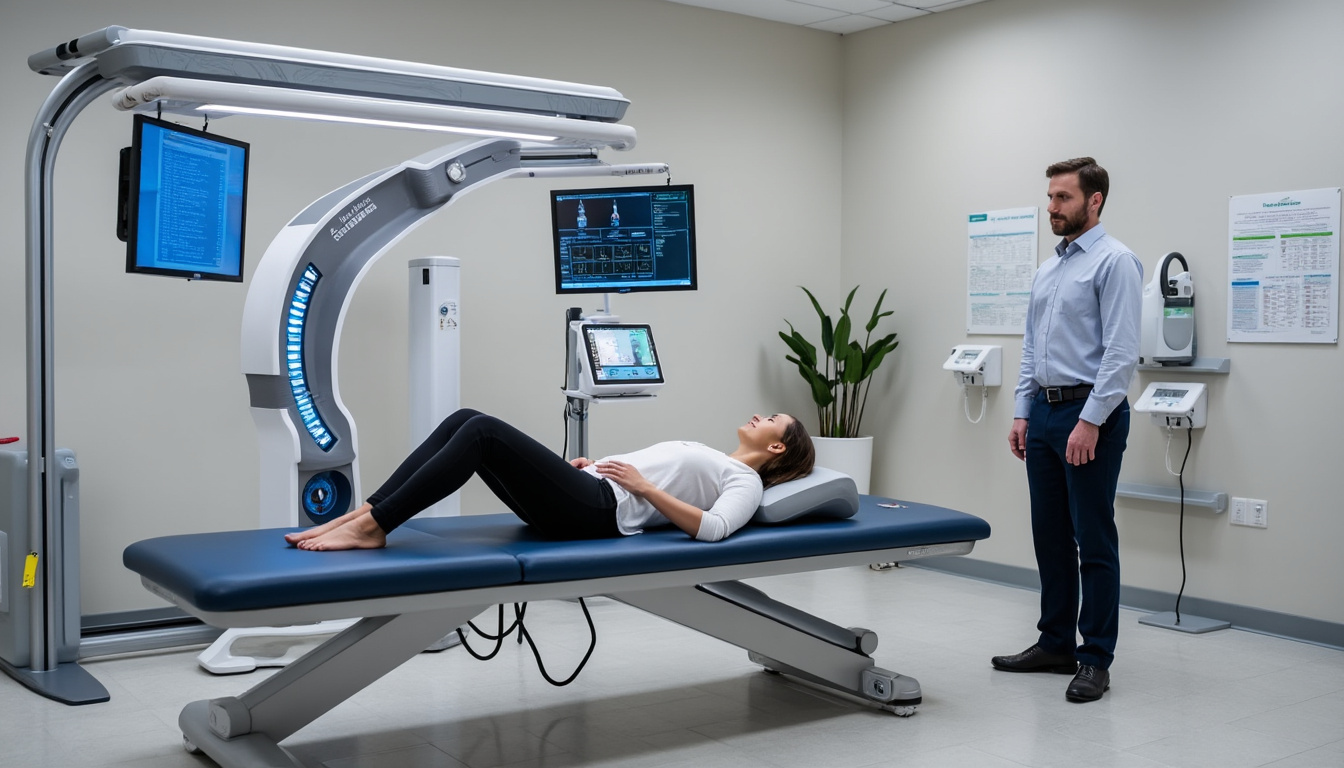
Physiotherapy and kinesiology play essential roles, employing exercises designed to strengthen musculature surrounding the spine, stabilize segmental motion, and correct postural imbalances. For example, traction neurovertébrale robotisée—a robotic neurovertebral traction technique—has demonstrated efficacy in decompressing affected discs and easing nerve impingement, thereby reducing symptom severity. This method allows for precise, adjustable, and patient-specific decompression, which improves outcomes in patients with moderate spinal pathologies.
A particularly innovative modality within specialized rehabilitation is the use of rTMS, which modulates neuronal circuits involved in nociception and mood regulation. By applying pulsed magnetic fields to the brain areas responsible for pain perception, rTMS can significantly reduce neuropathic pain and stabilize mood disorders that frequently accompany chronic spinal conditions. Clinical cases reported by Neurothérapie Montréal illustrate scenarios where patients initially slated for fusion surgery experienced remarkable symptom relief through neuromodulation, avoiding operation altogether. The combined effect of physical rehabilitation and neuromodulation fosters neuroplasticity, which enhances long-term recovery potential.
Moreover, occupational therapy is integral in this multidisciplinary approach. It prepares patients for a safe and gradual return to work by simulating job tasks and customizing workplace environments. Ergonomic modifications reduce biomechanical stressors, helping prevent re-injury and facilitating sustained functional recovery. Patients learn compensatory strategies to manage physical limitations effectively, which maintains their labor participation and reduces reliance on surgery as a last resort.
In 2026, the evidence supporting specialized rehabilitation is stronger than ever. Patients are not only regarded as passive recipients of care but active participants in their recovery journey, empowered by personalized treatment regimens. This patient-centric approach, combined with technological innovations and interdisciplinary collaboration, reshapes the management landscape of spinal disorders, promoting non-surgical treatment as a first-line option whenever feasible.

Understanding Sciatic Pain: Key Symptoms and When to Seek Medical Advice
Sciatic pain is a prevalent condition impacting a wide demographic, manifesting primarily as intense pain radiating from the lower back down the leg. This pain stems from irritation or compression of the sciatic nerve, a major nerve extending through the…

The Stepwise Role of Functional Recovery in Achieving Successful Outcomes
The journey to full recovery following spinal surgery is often complex and multifaceted, demanding a meticulously structured approach to ensure optimal functional outcomes. In recent years, the concept of functional recovery through a stepwise approach has garnered significant attention in…
Key Factors Determining Rehabilitation Versus Surgical Intervention in Spine Care
Determining whether rehabilitation suffices or surgery becomes essential is a nuanced process requiring meticulous assessment. Not every patient with spinal pain can bypass surgery; thus, clinical decision-making relies on several pivotal criteria.
Severity of the Pathology: Minor to moderate spinal nerve compressions and early-stage degenerative disc disease often respond well to conservative treatment. Such patients typically experience symptom reduction and functional improvement with physical therapy and neuromodulation, minimizing the necessity for surgery.
Neurological Status: Patients without major neurological deficits—such as significant muscle weakness, loss of bowel or bladder control, or syndrome of the cauda equina—are candidates for rehabilitation-first approaches. Conversely, serious neurological impairments mandate timely surgical intervention to prevent permanent disability.
Response to Conservative Measures: Improvement after sessions involving traction, physical therapy, or occupational adjustments strongly predicts successful non-surgical outcomes. Lack of progress or worsening symptoms despite optimized conservative care often indicates the need for surgical consultation.
Psychosocial and Environmental Aspects: Patient motivation, mental health status, and workspace adaptability heavily influence rehabilitation success. Supportive psychosocial environments and flexible occupational settings significantly enhance recovery prospects by reducing stress and facilitating gradual work reintegration.
Close collaboration between multidisciplinary teams, including spinal surgeons, rehabilitation therapists, occupational specialists, and neuromodulation experts, ensures continuous evaluation and adaptation of the management plan. This integrative approach mitigates risks associated with delayed surgery and carefully balances patient safety with an emphasis on injury recovery through non-surgical pathways.
To optimize this decision-making, several clinical guidelines and algorithms have been developed. These utilize standardized scales for functional capacity, pain intensity, and neurological examination in conjunction with imaging studies to identify candidates for surgical avoidance. Furthermore, ongoing research focuses on refining biomarker-based techniques and neurophysiological assessments to predict treatment response accurately.
Robust patient education is also essential, clarifying the benefits and limitations of both surgical and conservative options. Informing patients about personalized rehabilitation programs such as those offered by specialized physical therapy centers supports shared decision-making and adherence, thereby improving clinical outcomes.

Transatlantic Patient Journey: Insights into Indications, Benefits, and Challenges
The emergence of the Transatlantic Patient Journey as a strategic model within healthcare continues to capture attention for its innovative potential, especially in specialized fields such as spinal surgery. This cross-border care pathway integrates rigorous medical evaluation from Quebec with…
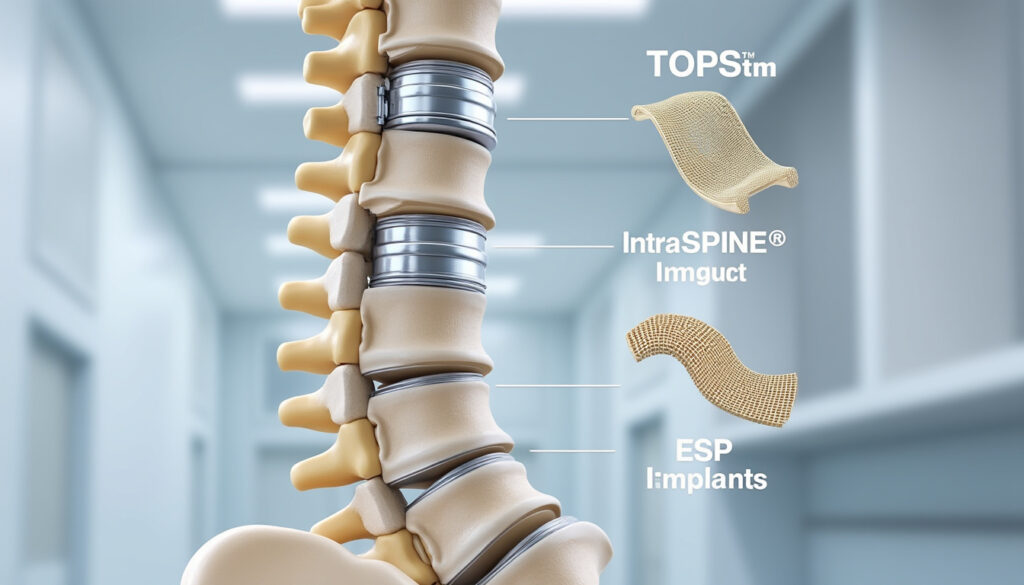
The evolving field of spinal surgery is witnessing a transformative shift, fueled by cutting-edge implant technologies such as TOPS, Intraspine, and ESP. These innovative implants redefine treatment possibilities by emphasizing preservation of natural spinal mechanics, while ensuring durable stabilization and…
Stepwise Return to Work as a Crucial Component of Surgical Avoidance Strategies
Return to work after injury or spinal intervention is more than a milestone—it is a therapeutic tool that significantly influences long-term recovery. Gradual reintroduction to occupational duties under the guidance of rehabilitation specialists can prevent recurrence and enhance physical and mental well-being.
Occupational therapy is instrumental in this transition phase. Through detailed workplace assessments, therapists identify risk factors intrinsic to job tasks and design adaptive strategies. These interventions may include ergonomic redesign, task modification, and use of assistive devices to minimize spinal load and promote safe movement patterns. Such tailored adaptations empower patients to regain functional independence at work, enabling a steady and secure occupational re-entry.
Work hardening programs represent another vital dimension. These structured, graded regimens mimic job-specific activities and progressively increase physical demands. The goal is to restore endurance, strength, and flexibility while building patient confidence. Evidence shows that participating in these programs leads to improved productivity and decreased absenteeism, positively impacting both health and economic factors.
For example, in several industrial workplaces, the implementation of rehabilitation protocols that integrate early occupational interventions has reduced the incidence of disability claims and decreased the frequency of spinal surgeries. This synergy between physical rehabilitation and workplace recovery underscores the importance of collaborative care between medical professionals and employers.
The benefits extend beyond physical healing: reengagement at work contributes to psychological health, reducing isolation, and improving self-esteem. Studies document that individuals who return to work earlier after injury exhibit lower rates of depression and substance abuse. This holistic advantage highlights why workplace recovery is an indispensable part of injury management.
Dedicated programs like those described can be explored through resources such as expert guidelines on safely returning to work, which emphasize progressive workload increases and multisectoral collaboration. Such frameworks foster sustainable employment and serve as a preventive mechanism against chronic disability and unnecessary surgical interventions.
The following table outlines average return-to-work timelines corresponding with various spinal treatments and their recommendations:
| Type of Intervention | Average Return to Work Time | Key Recommendations |
|---|---|---|
| Conservative Treatment Only | Immediately to several weeks (variable) | Continuous clinical monitoring; occupational therapy-supported ergonomic adaptations |
| Simple Decompression Surgery | 6 to 12 weeks | Early rehabilitation; gradual work reintroduction; continuous symptom evaluation |
| Motion-Preserving Non-Fusion Surgery | 3 to 6 months | Dynamic physical therapy; neuromodulation adjunct therapy as indicated |
| Spinal Fusion Surgery | 6 to 12 months or longer | Cautious rehabilitation; enhanced workplace modifications; psychological support |

Preparing for Surgery in France: Key Indications, Benefits, and Limitations
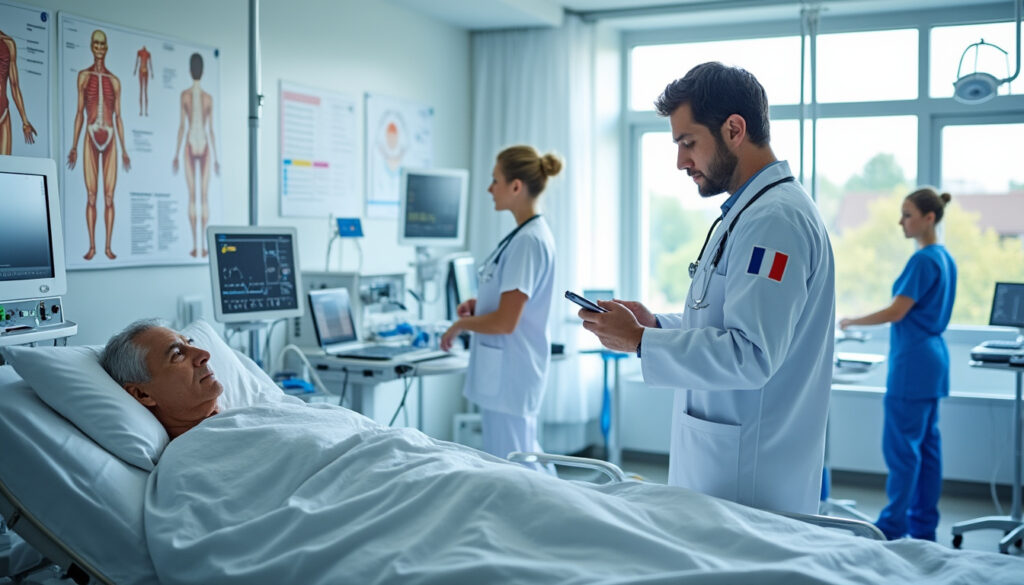
In an evolving global healthcare landscape, France emerges as a beacon of advanced surgical expertise, particularly attracting international patients seeking expedited and innovative medical interventions. Patients from regions experiencing long wait times, such as Quebec, increasingly view France as an…

Unveiling the Hidden Benefits of Quality and Certification in Devices
The landscape of device manufacturing and clinical application in 2026 has been fundamentally shaped by the rigorous interplay between quality management and certification processes. Within this complex framework, the hidden benefits of adhering to international standards and obtaining relevant certifications…
Neurotechnology and Neuromodulation: New Frontiers in Surgery Alternatives
Innovations in neurotechnology and neuromodulation have expanded the toolkit for managing chronic spinal pain while reducing surgical dependence. Among these, repetitive transcranial magnetic stimulation (rTMS) stands out for its ability to non-invasively influence neural circuits.
rTMS operates by applying targeted magnetic pulses to specific brain regions involved in processing pain and modulating mood. This approach not only alleviates neuropathic pain often refractory to medications but also enhances patients’ psychological resilience. Maintaining emotional stability is critical, as depression and anxiety are frequently comorbid with chronic spinal disorders and can exacerbate pain perception.
Clinical programs combining rTMS with occupational therapy and physical rehabilitation have yielded promising results. Patients suffering from post-laminectomy syndrome, a complex condition marked by persistent post-operative pain, have reported significant symptom relief and improved function through these integrative treatments. Such outcomes reduce opioid dependency and promote faster recovery timelines.
Emerging devices such as BrainPort and PoNS stimulate proprioception and encourage neuronal plasticity, enabling coordination and motor function improvements. These technologies complement conventional rehabilitation by activating underutilized neural pathways, facilitating enhanced motor control and pain modulation.
Incorporating neuromodulation reflects the shift towards precision medicine where therapy is tailored according to the neurobiological profile and individual functional goals of each patient. This reduces unnecessary surgical interventions by providing compelling alternatives for symptom control and functional restoration.
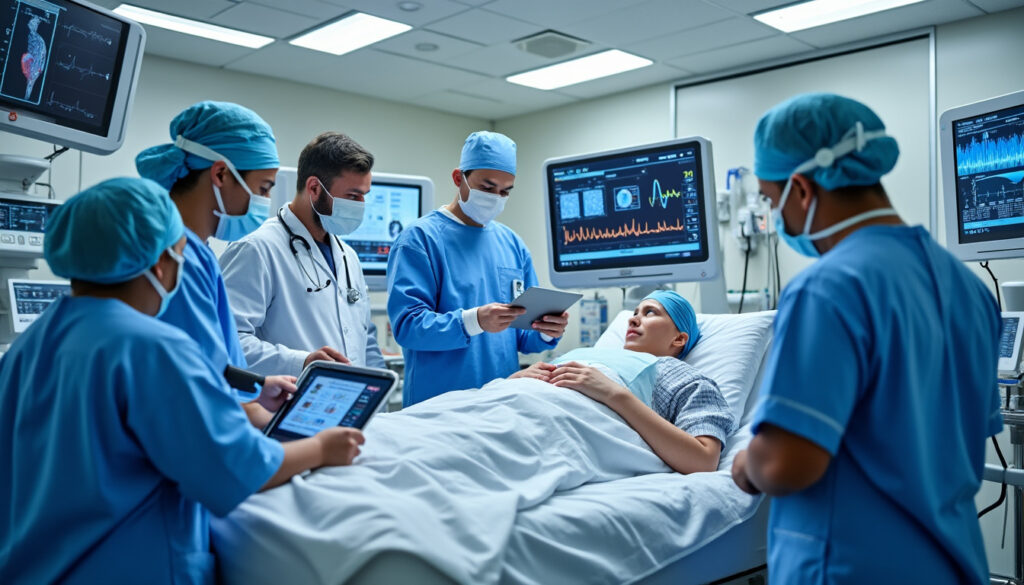
Why Experts Advocate for Comprehensive Preoperative Evaluations
In the complex and demanding field of spinal surgery, the emphasis on comprehensive preoperative evaluations has become a fundamental pillar supporting successful surgical outcomes. These evaluations, far beyond mere routine checks, integrate detailed analyses of patient health, surgical risk assessments,…
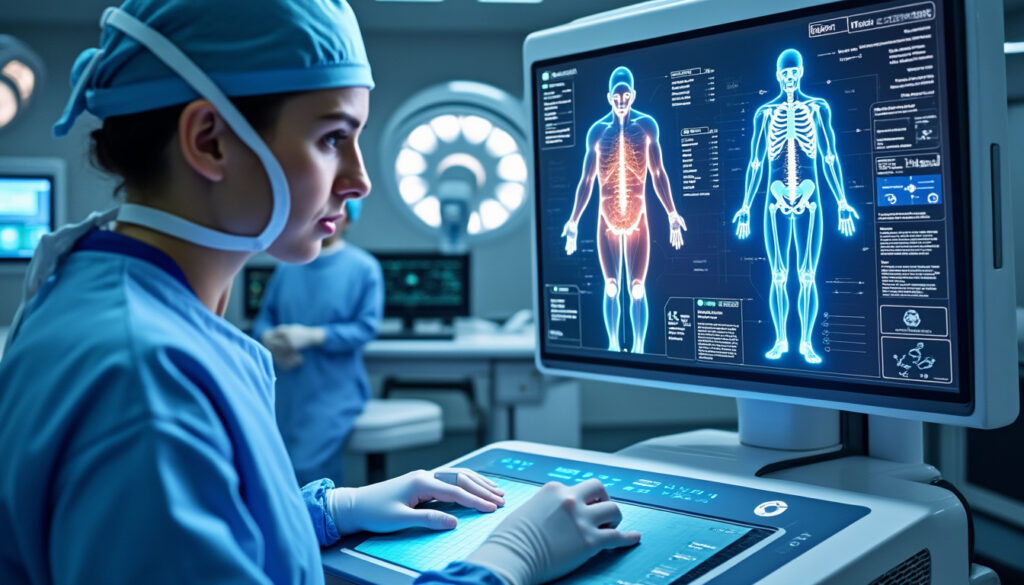
The Future of Surgery Lies in Stepwise Functional Recovery
The evolution of surgical care in 2026 reveals a compelling shift toward approaches that prioritize the holistic recovery of patients, moving beyond traditional metrics like length of hospital stay or mortality rates. This modern paradigm highlights the principle that the…
Optimizing Post-Surgical Rehabilitation to Maximize Return-to-Work Outcomes
Even when surgery becomes unavoidable, comprehensive rehabilitation remains indispensable. Postoperative recovery must extend beyond wound healing to encompass strength restoration, pain management, and functional capacity enhancement. Early and structured rehabilitation can prevent complications such as muscle atrophy, joint stiffness, and chronic pain syndromes.
Effective rehabilitation protocols include physiotherapy tailored to surgical procedures, neuromodulation for pain and neuroplastic benefits, and occupational therapy focused on progressive vocational reintegration. These ensure that patients regain independence and resume productive employment safely.
For spinal surgery patients, close monitoring and individualized adaptation of therapy intensities are essential. The integration of neurotechnology enhances these protocols by addressing pain and psychological barriers that might impede progress. Clinics offering combined physical and neuro-rehabilitative services report improved clinical outcomes and reduced rates of reoperation.
This integrated strategy aligns with global recommendations from authoritative bodies emphasizing rehabilitation’s role in reducing hospital stays, preventing rehospitalizations, and supporting sustainable workforce participation. Such comprehensive care minimizes the socioeconomic impacts of spinal surgery and promotes long-term health.
For example, patients followed by Neurothérapie Montréal have benefited from seamless coordination between surgical centers in France and rehabilitation teams, ensuring consistent follow-up and optimal care during the convalescent phase. Testimonials frequently highlight improved quality of life and complication-free return to work as direct results of this thorough approach.
The Integral Role of Occupational Therapy in Workplace Recovery and Surgical Avoidance
Occupational therapy bridges the gap between clinical recovery and real-world function. It assesses patients’ abilities to perform everyday and job-related tasks, providing adaptive strategies and environmental modifications essential for successful workplace recovery.
Therapists meticulously analyze the demands of specific occupations and design interventions to reduce mechanical stress on the spine while preserving productivity. Through simulated task performance, patients build confidence and learn how to manage their conditions within their professional roles. This proactive preparation decreases the likelihood of relapse and the need for surgery triggered by reinjury.
Examples from industrial and office environments reveal that ergonomic interventions, such as adjustable seating, lifting aids, and job rotation schedules, can drastically reduce musculoskeletal strain. Patients participating in such programs often report enhanced motivation and decreased absenteeism, which collectively support the business case for multisectoral investment in rehabilitation services.
Furthermore, occupational therapy contributes to psychological resilience by promoting autonomy and reducing fear-avoidance behaviors associated with chronic pain. This holistic benefit underscores occupational therapy’s importance in comprehensive medical rehabilitation aimed at surgery alternatives.
Workplace-oriented rehabilitation programs incorporating this dimension are supported by robust clinical evidence linking proactive task management with improved return-to-work rates. Resources like the latest clinical guidelines on rehabilitation and work hardening reinforce the centrality of this intervention in spinal disorder management strategies.
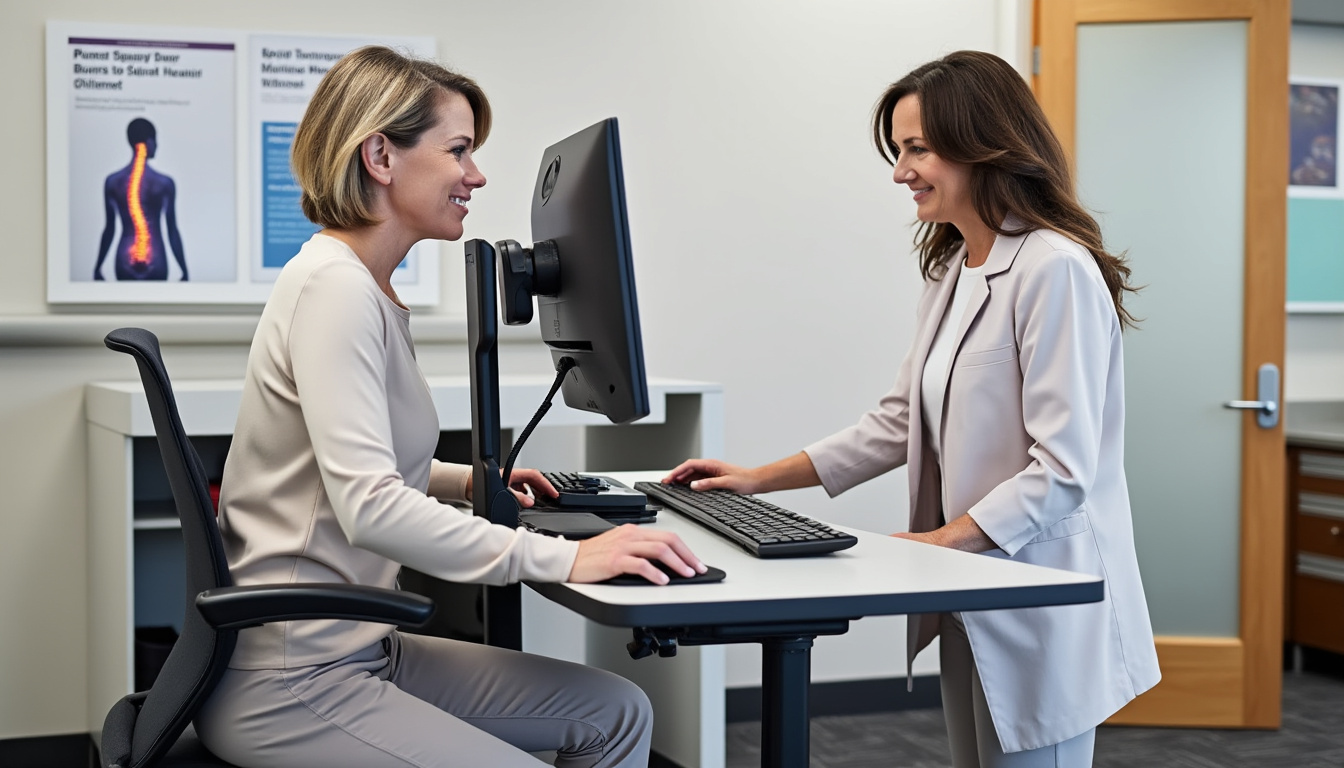
Engaging Multidisciplinary Teams to Personalize Rehabilitation and Job Reintegration
Effective avoidance of surgery through rehabilitation and return to work demands the coordination of professionals from various disciplines working in concert. This multidisciplinary model integrates medical, physical, occupational, psychological, and technological expertise into a cohesive patient-centric pathway.
Surgeons provide diagnostic clarity and oversee surgical indications, while physiotherapists and occupational therapists directly implement and adjust rehabilitation protocols. Psychologists address mental health factors that influence pain perception and adherence, and neuromodulation specialists harness innovative technologies to optimize treatment effects.
Regular interdisciplinary meetings ensure treatment plans remain dynamic and responsive to patient progress. Such collaboration maximizes functional outcomes, reduces unnecessary surgical procedures, and supports workforce reintegration with appropriate workplace accommodations.
This framework, exemplified by institutions like Neurothérapie Montréal, presents a blueprint for future spine care. The holistic view not only restores physical integrity but also addresses psychosocial and environmental factors vital to durable recovery and meaningful work participation.
Can Rehabilitation and Return to Work Help Avoid Surgery?
Explore key factors regarding how rehabilitation and returning to work can serve as alternatives to surgery for injury recovery.
Estimate Your Improvement Potential
Adjust the sliders to see estimated likelihood of avoiding surgery through rehabilitation.
Can rehabilitation begin before spinal surgery?
Yes, preoperative rehabilitation often enhances functional status and prepares patients for surgery under medical supervision.
Is neuromodulation effective for managing post-surgical pain?
Absolutely, repetitive transcranial magnetic stimulation (rTMS) reduces neuropathic pain intensity and improves mood, facilitating recovery.
When does surgery become necessary despite rehabilitation efforts?
Surgery is indicated when significant motor deficits, severe nerve compression, or cauda equina syndrome are present, necessitating urgent intervention.
How does occupational therapy assist in the return to work?
Occupational therapy adapts the work environment and simulates real job tasks, enabling a safe and sustainable return to professional life.
Are there alternatives to surgery for chronic spinal pain?
Yes, a combination of specialized rehabilitation, neuromodulation, and psychological support presents an effective non-surgical pain management approach.