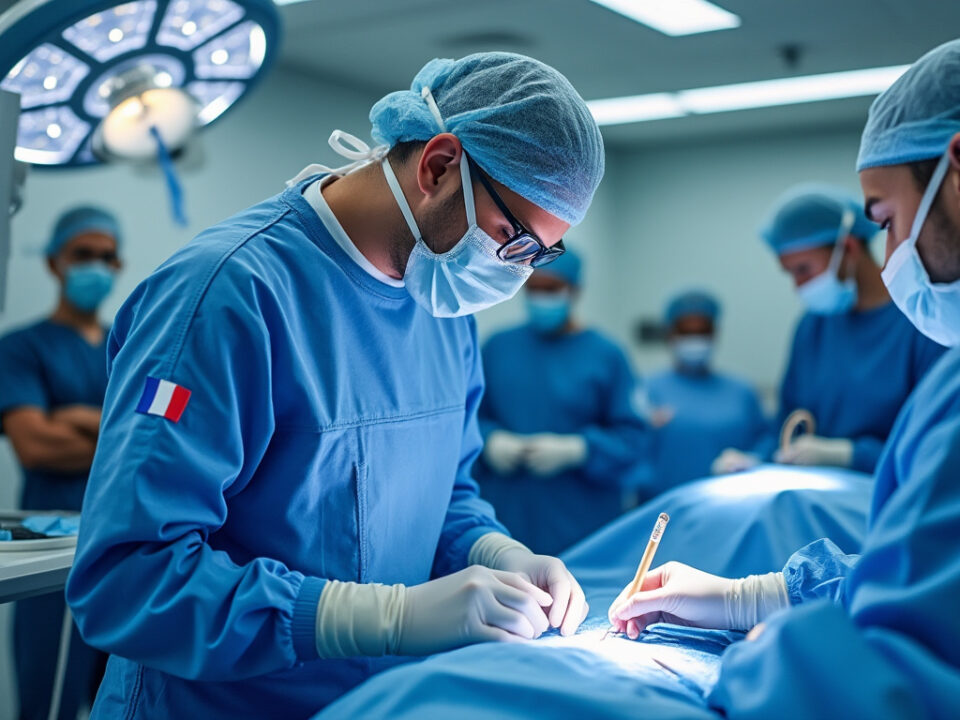
Lumbar Disc Prosthesis in Saguenay: Maintaining Function and Mobility
May 24, 2026
International Comparison: An In-Depth Look at Stepwise Functional Recovery
May 24, 2026
In the evolving landscape of spinal care, patients and clinicians alike face the critical choice between conservative treatments and surgical intervention. This decision is far from straightforward, as it involves a complex interplay of patient preferences, clinical guidelines, risk assessment, and anticipated treatment outcomes. Conservative treatments, including physical therapy, neurovertebral decompression, and ergonomic adjustments, have established themselves as essential first-line options for many spine-related pathologies, aiming to restore function while minimizing risk and recovery time. Conversely, surgery can offer definitive relief and structural correction in severe or refractory cases, but not without considerations of invasiveness, potential complications, and cost-effectiveness.
The dialogue around these treatment pathways requires a nuanced understanding of their respective advantages and challenges. Modern surgical techniques in countries like France demonstrate remarkable innovation through motion preservation implants and robot-assisted procedures, offering patients options that may not be routinely available in other regions, such as Quebec. At the same time, the adherence to rigorous conservative care before opting for surgery ensures optimized timing and better-informed decisions. This synergy between initial non-surgical management and selective surgical application is pivotal in enhancing patient outcomes and satisfaction.
Healthcare providers now increasingly emphasize shared decision-making models, recognizing the importance of incorporating patient values and lifestyle factors alongside clinical evidence. Such frameworks address the psychological and social dimensions of care, improving adherence and tailoring treatments to individual needs. Meanwhile, the rise of cross-border healthcare collaborations facilitates access to highly specialized surgical interventions while maintaining continuity of care through local postoperative support. Altogether, the convergence of advanced medical technology, comprehensive conservative programs, and patient-centric dialogue is reshaping how spine disorders are managed today.
Evaluating Conservative Treatments in Surgical Decision-Making for Spine Disorders
Conservative treatments serve as the bedrock of initial management strategies when addressing spine disorders. Their role is indispensable, facilitating symptom relief without exposing patients to the inherent risks of surgical intervention. These therapies encompass a broad spectrum, such as physiotherapy, therapeutic exercises, pharmacological management, and recent innovations like neurovertebral decompression robotically assisted. The focus on these non-surgical options is grounded in clinical guidelines which advocate for a minimum period of careful conservative care—typically spanning 3 to 6 months—prior to contemplating surgery.
This approach not only aids in preserving spinal mobility but also provides an opportunity to assess the natural course of the disease and the patient’s response to therapies. For instance, patients suffering from lumbar disc herniation or mild to moderate stenosis frequently experience significant improvement with conservative modalities, reducing the urgency for invasive procedures. Additionally, neurovertebral decompression leverages controlled traction mechanisms, selectively decompressing nerve roots and reducing radicular pain without surgical risk. This technique exemplifies how technology can augment conservative management, allowing some patients to delay or avoid surgery altogether.
Furthermore, the adoption of conservative care is underpinned by evidence-based risk assessment, recognizing that surgery, despite its benefits, carries potential complications including neurological injury and longer recovery times. Patient preferences, informed by this risk-benefit analysis, often lean towards less invasive options when effective. Indeed, a growing body of research, including findings accessible through peer-reviewed literature, supports the notion that this paradigm results in favorable treatment outcomes and better quality of life metrics.
Nevertheless, the spectrum of conservative treatments calls for individualized protocols tailored to specific pathologies, symptoms, and patient comorbidities. Multimodal regimens involving physical, occupational therapy combined with targeted pharmacotherapy exemplify this precision approach, optimizing functional gains while monitoring for contraindications. These comprehensive plans take into account the patient’s work demands, lifestyle, and psychological readiness, ensuring that the conservative route is maximally effective before considering surgical referral.
The integration of such evidence-based conservative care into surgical decision-making embodies a critical step in contemporary spine practice. It underscores the principle that surgery is not an automatic next step but a carefully weighed option among many potential interventions. This balanced methodology enhances patient confidence, aligning with clinical guidelines that prioritize outcomes and safety.

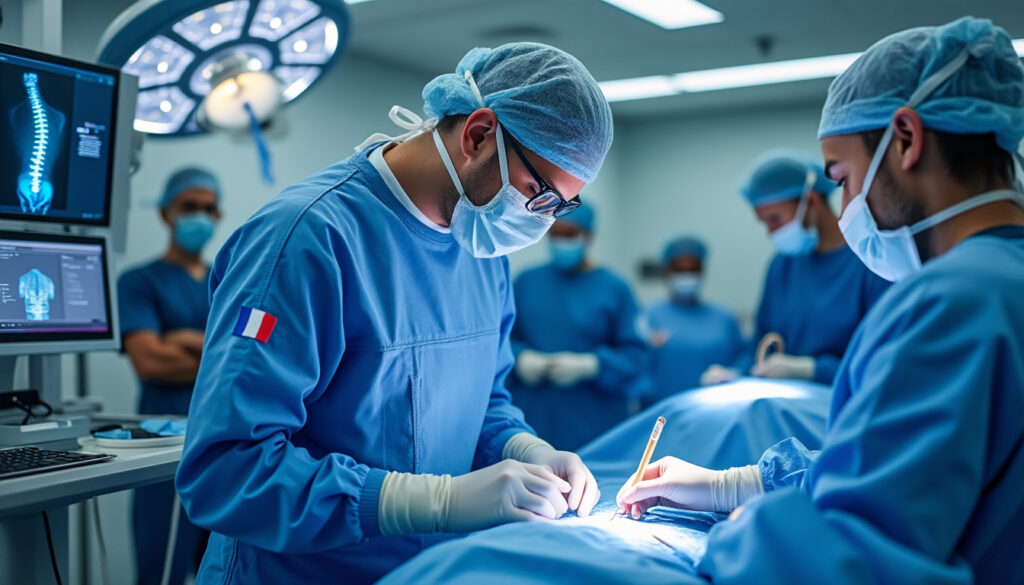
The Pivotal Role of Spinal Surgery in Achieving Successful Treatment Pathways in France
France’s healthcare system stands at the forefront of advancements in spinal surgery, reflecting a broader commitment to enhancing patient outcomes in orthopedic surgery and neurosurgery. The integration of spinal surgery within comprehensive treatment pathways is pivotal for managing complex spinal…
Advancements in Surgical Techniques and Their Influence on Treatment Choices
Surgical interventions for spinal pathologies have witnessed significant technological progress, particularly in countries such as France, where pioneering techniques complement traditional approaches. These advancements influence the calculus of surgical decision-making by offering procedures that aim to balance efficacy with preservation of spinal biomechanics. Spinal surgery now broadly falls into three major categories: simple decompression, fusion (arthrodesis), and motion preservation surgeries, each with specific indications and implications.
Simple decompression surgeries, often minimally invasive or performed endoscopically, target nerve root or spinal cord relief without altering vertebral stability. Their hallmark advantages include reduced trauma and faster recovery times, appealing to patients with conditions like lumbar stenosis or disc herniation without instability. Recent international courses such as the Endoscopic Spine Course at IRCAD Strasbourg illustrate the growing mastery of these techniques among surgeons.
Fusion surgeries intervene when spinal instability threatens structural integrity, as seen in cases of spondylolisthesis or deformities. By permanently joining vertebrae with fixation devices, these operations aim to eliminate pathological motion causing pain. While effective, fusion inherently sacrifices segmental mobility and carries risks of adjacent segment disease, factors that impact long-term treatment outcomes and patient preferences.
In contrast, motion preservation strategies embody the latest innovation, utilizing dynamic implants like TOPS and Intraspine to stabilize yet maintain functional mobility. These prostheses mimic natural biomechanics, reducing the detrimental effects common after fusion. Their availability predominantly in French surgical centers highlights a technological gap with certain North American facilities, suggesting cross-border care benefits. Evaluation by experienced surgeons ensures these devices are deployed in precisely selected cases to optimize biomechanics while lowering complication rates.
To clearly compare these options, the following table summarizes the core features influencing the surgical decision-making process:
| Technique | Indications | Advantages | Limitations |
|---|---|---|---|
| Simple Decompression (Endoscopic) | Stenosis, disc herniation without instability | Minimally invasive, rapid recovery | Does not stabilize vertebrae |
| Fusion (Arthrodesis) | Instability, spondylolisthesis, spinal deformity | Effective stabilization, pain relief | Loss of segmental mobility, adjacent segment disease risk |
| Motion Preservation (TOPS, Intraspine) | Degenerative disc disease requiring stabilization | Maintains mobility, fewer long-term complications | Limited availability, specific indications |
Surgeons equipped with extensive expertise—such as those affiliated with multidisciplinary teams coordinating through networks like Franchir—play a vital role in guiding patients to the most suitable surgical option. This personalized surgical planning enhances safety and aligns interventions closely with patient anatomy and expectations.
It is evident that the availability of innovative surgical solutions introduces important new considerations into surgical decision-making, necessitating thorough evaluation of clinical indications, patient lifestyle, and expected post-operative quality of life.

Can Medical Logistics and Accommodation Help Avoid Surgery?
The management of spinal pathologies is an intricate process, often necessitating a multidisciplinary approach that combines advanced medical interventions with comprehensive healthcare planning. For patients, especially those traveling internationally, meticulous coordination of medical logistics and accommodation can not only enhance…
The Role of Patient Preferences and Shared Decision-Making in Surgery Selection
Modern healthcare intensely emphasizes patient-centered care, embracing shared decision-making (SDM) to tailor treatment plans that resonate with individual values and life circumstances. In spine care, where conservative treatments and surgery represent distinct risk profiles and lifestyle impacts, incorporating patient preferences is critical for successful outcomes. This strategy aligns with current research highlighting how patient engagement can improve satisfaction, adherence, and overall effectiveness of care.
SDM involves clinicians clearly communicating the risks, benefits, and recovery expectations associated with both conservative and surgical options. Tools such as validated decision aids guide patients through complex information, facilitating rational risk assessment and a deeper understanding of potential treatment outcomes. Providers discuss aspects such as expected recovery time, cost-effectiveness, possible complications, and likely improvement trajectory.
For example, a patient with chronic lumbar pain may initially choose neurovertebral decompression accompanied by physical therapy, motivated by a preference to avoid surgery and the downtime it entails. If this approach proves insufficient after months of conservative care, the patient’s informed decision to proceed with a motion preservation implant can reflect both realistic expectations and personal goals, such as returning to active work or recreational interests.
Additionally, psychological factors, emotional support, and socioeconomic considerations weave into the decision-making fabric, underlining the necessity for empathetic clinician-patient relationships. This comprehensive approach reduces the risk of premature surgery driven by anxiety or incomplete information, fostering more deliberate pathways to surgical intervention when genuinely warranted.
Shared decision-making frameworks are supported by studies from institutions such as the PMC database, offering a structured method to blend clinical guidelines with individual circumstances. This integration is particularly vital in treating complex spinal disorders where evidence may support multiple approaches, necessitating nuanced patient involvement.
Ultimately, the alignment of surgical plans with patient preferences does not undermine clinical rigor but rather enhances treatment outcomes by embracing holistic perspectives and fostering patient empowerment throughout the care continuum.


Why Experts Advocate for Thorough Preparation Before Surgery in France
In recent years, France has become a preferred destination for patients seeking advanced surgical care, especially for complex procedures such as spinal surgeries. The country’s commitment to medical excellence is reflected in its integration of cutting-edge technology and comprehensive patient…
Risk Assessment and Safety Considerations in Choosing Surgery Over Conservative Care
Risk assessment is a cornerstone of sound surgical decision-making, especially in spinal interventions where potential neurological complications, infection, and prolonged recovery times raise significant concerns. The delicate structures involved mandate comprehensive evaluation to minimize adverse outcomes while maximizing therapeutic benefit.
Recent analyses of surgical complications in France indicate a 1-year neurological complication rate following degenerative spine surgery that demands vigilance and preventive strategies. Such findings emphasize cautious preoperative screening and highlight the importance of exhausting conservative therapies before undertaking surgery. This stepwise approach aligns with recommendations from specialty societies, balancing aggressive intervention against the natural evolution of disorders.
Moreover, technological advances have contributed to reducing perioperative risks. Robotic navigation platforms and 3D imaging systems enable precise instrumentation and minimize tissue disruption, enhancing safety profiles and improving recovery time. These tools are actively incorporated in leading surgical centers, marking a turning point in spine surgery.
Besides physical risks, economic considerations also weigh heavily. Surgery often incurs higher direct and indirect costs compared to conservative treatment, impacting healthcare systems and patient finances. The cost-effectiveness ratio thus represents an integral factor in decision-making discussions, alongside clinical parameters.
The decision to proceed with surgery typically involves multidisciplinary teams, including spine surgeons, physiatrists, and pain specialists. They collaborate to assess not only medical suitability but also psychosocial readiness and resource availability, crafting a balanced plan that respects patient-centered care principles and optimizes treatment outcomes.
Incorporating risk stratification algorithms and predictive models further refines the selection process, enabling targeted patient counseling and personalized surgical planning. This scientific prudence safeguards patients while driving advancements in spinal care practices worldwide.

Unveiling the Hidden Benefits of Simple Surgery, Fusion, and Motion Techniques
Spinal health has undergone a remarkable transformation in recent years, with advancements in surgical approaches dramatically altering patient outcomes. In an era where maintaining quality of life is paramount, the fusion of innovative technologies with surgical expertise has unveiled a…
Recovery Time and Rehabilitation: Comparing Outcomes of Conservative Versus Surgical Approaches
Recovery trajectories differ markedly between conservative and surgical spine treatments, influencing patient expectations and healthcare resource utilization. Conservative treatments often entail gradual improvements with an emphasis on functional restoration through physical activity enhancement, pain control, and lifestyle counseling. These approaches typically present shorter initial recovery periods with less disruption to daily life but may require sustained commitment to therapeutic regimens.
In contrast, surgical interventions—despite offering potentially rapid symptom resolution—necessitate extended rehabilitation to achieve optimal outcomes. Postoperative care involves tailored physical therapy programs to restore spinal mechanics, prevent muscle atrophy, and promote neural recovery. The success of surgery hinges not only on the procedure itself but on the quality of follow-up care, which can include pain management, occupational therapy, and psychosocial support.
Emerging data underscore that surgical patients benefit from structured rehabilitation lasting several months, often necessitating modifications in work and lifestyle. Conversely, conservative management prioritizes self-management strategies and preventive education, fostering long-term spine health. These factors contribute to nuanced recovery time calculations and influence surgical decision-making, especially when patient lifestyle demands quick return to activity.
Cost-effectiveness analyses incorporate these variations, as rehabilitation expenses and indirect costs from lost productivity weigh heavily in evaluating total treatment value. Both pathways can yield good functional outcomes when matched appropriately to patient pathology and adherence capability, underscoring the importance of comprehensive pre-treatment counseling.
This comparative perspective highlights the critical role of recovery and rehabilitation frameworks in shaping surgical decision-making, reinforcing that optimized care pathways extend well beyond initial treatment selection.
Conservative Treatments Versus Surgery: Impact on Surgical Decision-Making
| Aspect | Conservative Treatments | Surgery |
|---|

Post-Operative Back Surgery Care: A Clear Guide for Quebec Patients
In recent years, an increasing number of Quebec patients have chosen to undergo back surgery in France, drawn by the country’s advanced surgical techniques and high standard of care. This cross-continental approach to managing spinal conditions highlights not only the…
Coordinated Transatlantic Care: A Model for Optimizing Spine Surgery Outcomes
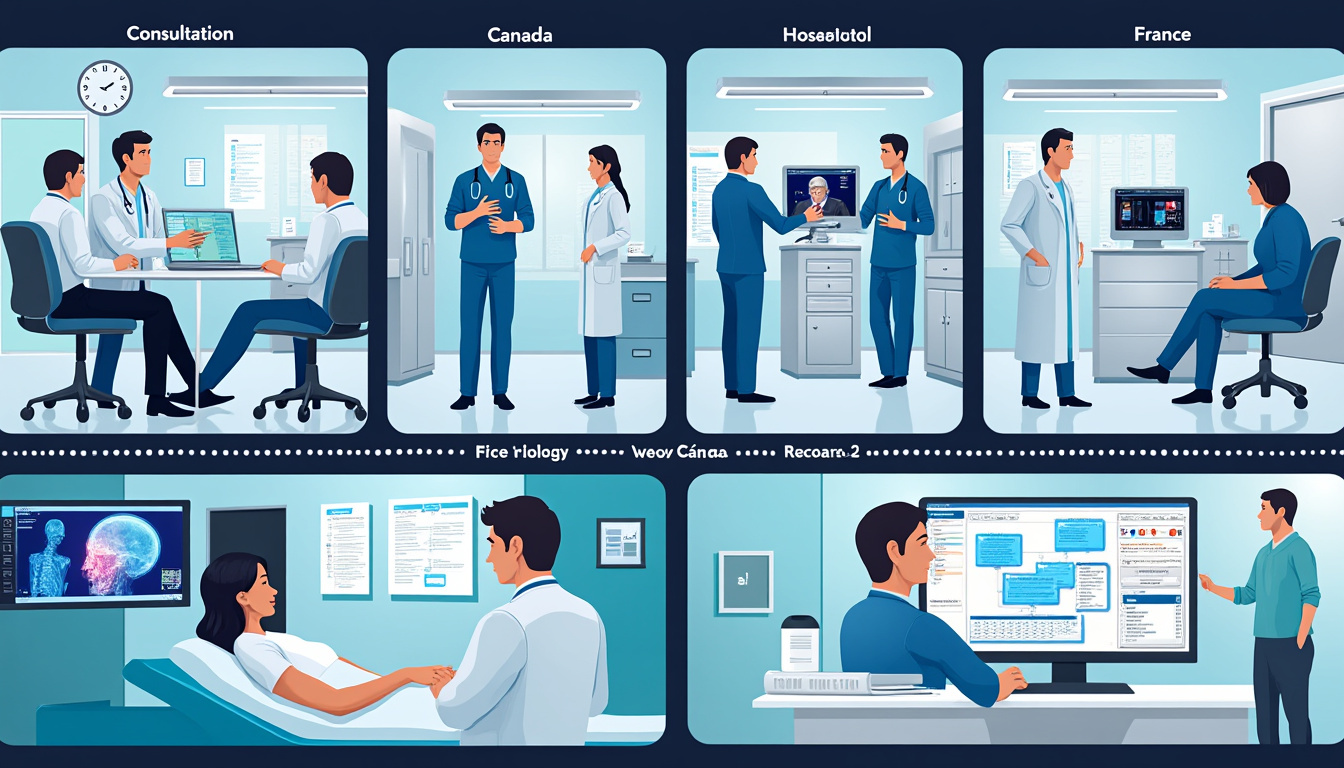
The emergence of coordinated transatlantic care between Canada and France exemplifies a forward-thinking model designed to combine the strengths of diverse healthcare systems for optimal spine surgery outcomes. Patients in Quebec facing long wait times for specialized surgical interventions benefit from rigorous initial evaluations and advanced conservative treatments delivered locally at centers like TAGMED in Terrebonne and Montreal. This process ensures that surgery is recommended only when truly indicated.
Once conservative avenues are explored, the partnership with French surgical centers via the organization Franchir facilitates patient access to cutting-edge surgical options including motion preservation implants and robot-assisted navigation. This coordination handles logistics from surgeon selection and medical appointments to travel and accommodations, minimizing administrative burdens and supporting patient convenience.
Postoperative recovery continues in familiar environments with expert care from groups like Neurothérapie Montréal, providing personalized rehabilitation programs and pain management. This seamless care transition enhances recovery experiences and reduces risks of complications often associated with medical tourism.
This integrated pathway underscores the importance of effective communication, multidisciplinary teamwork, and patient education in surgical decision-making. It also highlights how international cooperation can mitigate challenges such as surgical wait times and limited access to advanced technologies, ultimately improving treatment outcomes and patient satisfaction.
Such models champion transparency and patient empowerment, pairing cutting-edge technology with tailored conservative care and robust follow-up. They represent a promising trend in globalized healthcare management for spine disorders.

Why Experts Advocate for Patient Testimonials During Recovery
The recovery journey from surgical interventions, especially those involving complex procedures like spinal surgeries, is far more than the body’s physical healing. It encompasses an intricate interplay of emotional resilience, psychological endurance, and the need for a nurturing support system.…
Cost-Effectiveness in Treatment Selection: Balancing Healthcare Resources and Patient Benefit
Healthcare cost dynamics play an increasingly pivotal role in surgical decision-making for spinal disorders. Both direct medical costs and indirect expenses such as lost productivity and long-term care dictate the sustainability and desirability of therapeutic paths. Conservative treatments typically involve lower initial expenditure due to their non-invasive nature and potential for outpatient management. However, prolonged or recurrent care episodes may accumulate considerable costs over time.
Surgery, while carrying higher immediate costs including hospitalization, implants, and intensive rehabilitation, often aims to provide a definitive solution, potentially reducing the need for long-term interventions. This trade-off calls for meticulous cost-effectiveness analyses that incorporate patient outcomes, quality-adjusted life years (QALYs), and healthcare system capabilities.
Studies reveal that when appropriately selected, surgical treatment can offer superior value by restoring function and minimizing ongoing disability costs, especially in complex or severe spinal conditions. Conversely, conservative care can be economically advantageous for less advanced or responsive cases. Decision-making frameworks must, therefore, integrate economic data alongside clinical indicators, ensuring resources are allocated efficiently while aligning with patient goals.
Policy initiatives increasingly encourage adoption of evidence-based guidelines to harmonize treatment selection, mitigate unwarranted surgical interventions, and promote value-based care. These strategies advocate for comprehensive assessments encompassing clinical effectiveness, patient preferences, and economic impact.
This analytical approach reflects healthcare’s broader shift towards sustainability, equity, and patient-centric value delivery in spinal care, influencing future directions in both practice and policy.

Can Simple Surgery, Fusion, or Motion Techniques Help You Avoid More Invasive Procedures?
As chronic back pain continues to burden millions worldwide, the spectrum of spinal treatments evolves with remarkable advancements in 2026. Patients seeking relief from debilitating conditions often confront the dilemma of whether to pursue traditional, highly invasive surgeries or consider…
Clinical Guidelines Shaping Conservative and Surgical Treatment Pathways
Robust clinical guidelines serve as essential frameworks guiding the choice between conservative treatments and surgery in spine pathology management. Developed through systematic reviews of evidence and expert consensus, these protocols incorporate factors such as symptom severity, radiological findings, risk profiles, and patient functional status. Their application aims to standardize care, reducing variability and enhancing treatment outcomes.
Recent guidelines emphasize the primacy of conservative care in early-stage degenerative spine disorders, underscoring non-surgical options that optimize symptom control and function. Surgery is reserved for specific indications such as progressive neurological deficits, structural instability, or failure to improve after extended conservative therapy. These recommendations are periodically updated to reflect emerging evidence and technology advances, including novel implants and minimally invasive techniques.
Importantly, contemporary guidelines highlight the need for shared decision-making and individualized care plans, appreciating diverse patient contexts and evolving treatment landscapes. Integration of multidisciplinary assessments—rheumatology, pain management, and physical rehabilitation—further enriches patient pathways.
For healthcare professionals, adherence to these guidelines fosters improved surgical decision-making, minimizing unnecessary procedures and enhancing patient safety. Additionally, continuing education initiatives like the Diplôme Inter-Universitaire de Chirurgie du Rachis in France promote best practice dissemination and skill enhancement among spine specialists.
These structured frameworks ultimately aim to provide balanced, evidence-based care that harmonizes conservative and surgical treatments, delivering superior outcomes through informed clinical judgment.
What criteria determine whether conservative treatment or surgery is preferable for spine disorders?
Treatment selection depends on symptom severity, neurological status, spinal stability, response to prior conservative care, and patient preferences. Surgery is typically preferred when conservative treatments fail or if there is progressive neurological impairment or structural instability.
How do patient preferences influence surgical decision-making?
Patient values concerning recovery time, risk tolerance, lifestyle demands, and treatment goals are fundamental in shared decision-making models, ensuring that therapeutic choices align with individual expectations and improve overall satisfaction.
Are advanced surgical implants like TOPS widely available?
Such implants represent a recent innovation primarily accessible in specialized centers, particularly in Europe. Their availability is gradually expanding but remains limited in some regions, prompting patients to consider international care options for access.
What role does risk assessment play before spine surgery?
Risk assessment helps identify patients who may face increased chances of complications, guiding clinicians in preoperative optimization and patient counseling to enhance safety and outcome predictability.
Why is a trial of conservative treatment essential before surgery?
Conservative treatments can improve symptoms and function in many patients, potentially avoiding surgery. This approach minimizes unnecessary invasive procedures, reduces risks, and optimizes surgical timing for those who eventually require it.

Comprehensive Guide to Organizing Medical Imaging Examinations
In the complex world of spinal surgery and multidisciplinary healthcare, precise organization of medical imaging examinations stands as a pivotal element for patient safety and surgical success. As demand rises for cross-border medical collaboration, particularly between regions like Québec and…