Understanding the Essential Role of Franchir in Effective Care Management
November 10, 2025
Longueuil Neck Herniation Recovery Without Hospitalization
November 10, 2025
Neck pain and cervical spine disorders are increasingly prevalent challenges faced by many individuals in Montreal and across Quebec. Advances in medical and surgical care over the past decades have introduced an array of modern solutions, combining innovative surgical techniques, cutting-edge implant technology, and comprehensive patient-centered pathways. Quebec patients seeking relief from chronic neck pain, nerve compression, or degenerative disc issues now have access to a multidisciplinary approach led by experts such as Dr. Sylvain Desforges, whose three decades of experience prioritize rigorous scientific evaluation, ethical considerations, and a harmonious blend of conservative and surgical care. His unique role in transatlantic coordination enables expedited access to advanced therapies and surgical solutions both locally in Montreal and through partnerships in France, addressing common concerns such as lengthy wait times and the high costs of private healthcare in Canada.
This article delves into the complexities of neck surgery options available across Montreal and France, highlighting the distinctions between traditional spinal fusion and motion-preserving cervical disc replacement techniques. It also provides an in-depth look at the patient journey from initial evaluation to postoperative care, detailing the critical role of conservative therapies prior to surgery. Furthermore, it explores the biomechanical benefits of preserving neck mobility and the economic and human advantages of international patient coordination. Throughout, emphasis is placed on clear, jargon-free communication to empower patients in making informed choices consistent with their individual needs and expectations.
Comprehensive Overview of Neck Surgery Options in Montreal and Abroad
Neck surgery in the Montreal region, under the guidance and evaluation of experts like Dr. Sylvain Desforges, offers a robust array of surgical techniques designed to address diverse cervical spine pathologies. This spectrum spans from traditional spinal fusion surgeries aiming to stabilize affected vertebral segments to more contemporary motion-preserving approaches such as cervical disc prostheses that maintain natural neck mobility.
Traditional Cervical Fusion Surgery represents a well-established method where two or more cervical vertebrae are fused to restrict painful motion caused by degenerative disc disease, spinal stenosis, or instability due to conditions like spondylolisthesis. The surgical goal is to alleviate nerve compression by immobilizing the involved segment, which effectively reduces pain but may impact overall neck flexibility and potentially place additional strain on adjacent spinal levels.
Cervical Disc Replacement (Arthroplasty) provides an innovative alternative that replaces the damaged disc with a prosthetic implant designed to mimic natural disc function. This technique preserves segmental motion, potentially reducing the incidence of adjacent segment degeneration and offering patients a broader range of motion postoperatively. Such motion-preserving technologies are gaining acceptance due to their biomechanical benefits, especially for younger patients with localized disc pathology.
A balanced assessment considering patient age, pathology complexity, neurological deficits, and lifestyle goals is essential in determining candidacy for either surgical option. For example, younger adults with single-level disc disease often benefit more from disc replacement, whereas older patients or those with multi-level degeneration may be better suited for fusion.
- Traditional Fusion Advantages: Reliable pain relief, stability for complex cases
- Fusion Limitations: Reduced neck motion, risk of adjacent segment degeneration
- Disc Replacement Advantages: Maintains natural movement, lowers stress on neighboring discs
- Disc Replacement Limitations: Not always suitable for patients with significant spinal instability
| Technique | Objective | Mobility Outcome | Recommended Patient Profile |
|---|---|---|---|
| Spinal Fusion | Stabilize cervical vertebrae | Motion eliminated at fusion site | Older adults, multi-level disease, instability |
| Cervical Disc Prosthesis | Replace diseased disc and preserve motion | Natural motion preserved | Younger adults, localized disc disease |
For more information on options and outcomes of neck surgeries, resources such as types of neck surgery and cervical disk replacement provide detailed insights.
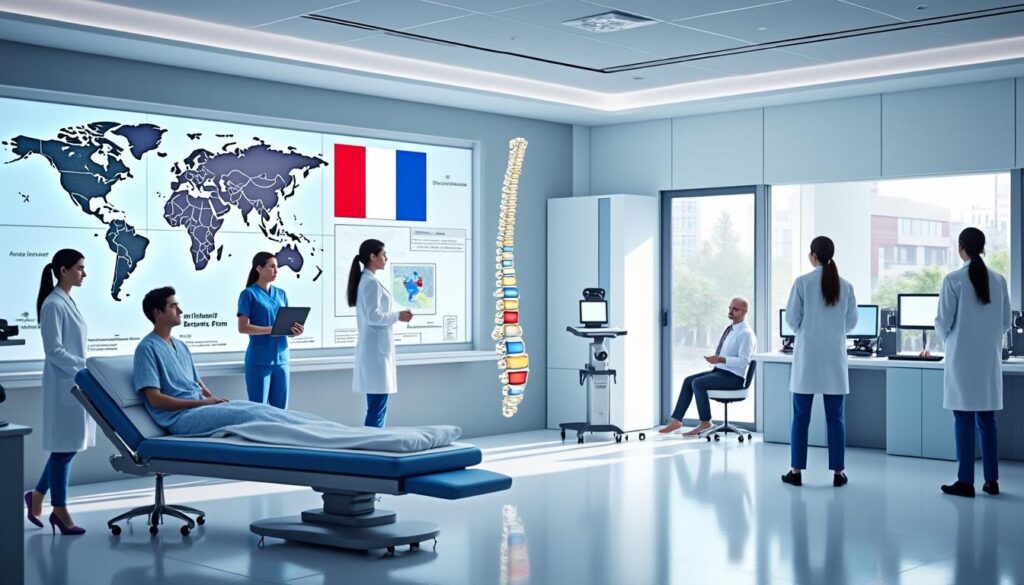
Disc Prosthesis in Lévis: Maintain Natural Mobility
In the evolving landscape of spinal health, the pursuit of innovative solutions for chronic back pain and degenerative disc conditions has never been more critical. Residents of Lévis and surrounding regions seeking pathways beyond the limitations of traditional spinal fusion…
Step-by-Step Patient Pathway: From Montreal Assessment to International Surgical Collaboration
The journey toward effective neck surgery begins with a rigorous evaluation in Montreal led by Dr. Desforges, who employs his expertise to thoroughly assess spinal pathology and carefully guide patients through the treatment decision-making process.
Phase 1: Comprehensive Evaluation and Conservative Care Trial
- Detailed patient history and physical examination focusing on neurological status and spinal mechanics
- Review and interpretation of advanced imaging modalities such as MRI and CT scans
- Discussion of prior conservative therapies and recommendation of additional treatments if not yet exhausted
- Strong emphasis on completing 3 to 6 months of conservative management, including neurovertebral decompression therapies available at the renowned Clinic TAGMED, prior to surgical consideration
This stage ensures that surgery is reserved for patients who have not achieved sufficient improvement through non-invasive measures, emphasizing safety and scientific validity.
Phase 2: Transatlantic Coordination for Surgical Intervention
- Identification and collaboration with expert spine surgeons and facilities in France known for advanced motion-preserving and minimally invasive techniques
- Comprehensive logistical support including travel, accommodation, and appointment scheduling, ensuring a seamless patient experience
- Education sessions detailing surgical procedures, expected outcomes, rehabilitation protocols, and post-operative care plans
Phase 3: Surgery and Immediate Post-Operative Care
- Application of latest surgical technologies, such as implants from industry leaders like Medtronic, Zimmer Biomet, and NuVasive, ensuring precision and safety
- Utilization of minimally invasive or motion-sparing surgical methods to optimize recovery and functional outcomes
Phase 4: Post-Operative Follow-Up and Rehabilitation in Montreal
- Ongoing monitoring of recovery progress, including functional assessments and imaging as required
- Personalized rehabilitation programs focusing on restoring neck flexibility and strength while reducing stiffness and pain
- Communication between international surgical teams and local providers to promptly address complications or concerns
| Treatment Stage | Key Actions | Patient Support Duration |
|---|---|---|
| Evaluation in Montreal | Clinical assessment, imaging, conservative care trial | 1-2 weeks |
| Coordination for Surgery | Scheduling, travel, patient education | 2-4 weeks |
| Surgery in France | Advanced motion-preserving or fusion surgery | 3-6 hours (procedure) |
| Post-Operative Follow-Up in Montreal | Rehabilitation, monitoring, specialist consultations | Several months |
This structured, patient-centric pathway is designed to maximize safety, efficacy, and patient comfort, reducing common barriers such as excessive wait times experienced in the Canadian healthcare system. For detailed examples of patient support and surgical innovation, see insights from Modern Neck Surgery in Montreal and offerings at Neurotherapy Montreal.
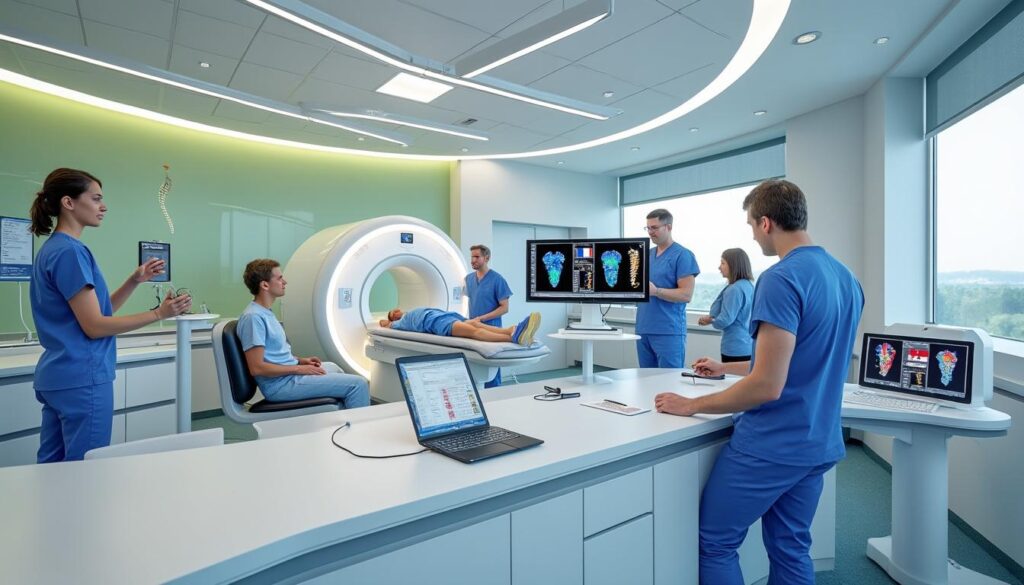
Motion Surgery in Terrebonne: Advanced Techniques Available in France
With over three decades of dedicated expertise in spine care, I have witnessed firsthand the evolution of surgical options aimed at improving quality of life for those living with spinal disorders. Among these advances, Motion Surgery stands out in Terrebonne…
Biomechanical Benefits of Motion-Preserving Cervical Surgery for Long-Term Neck Health
The cervical spine’s natural mobility is vital for daily activities, and preserving this motion post-surgery offers distinct biomechanical advantages over traditional fusion methods.
Preservation of Neck Range of Motion: Motion-preserving implants allow patients to maintain near-normal neck movements, enhancing the ability to perform routine tasks without discomfort or stiffness. This preservation plays a crucial role in overall life quality and function.
Reduction of Adjacent Segment Degeneration: By retaining segmental motion, prosthetic discs distribute mechanical stresses more physiologically, mitigating the compensatory overload on adjacent vertebrae that frequently follows fusion surgeries. This effect can significantly lower the risk of future degenerative changes and the need for additional surgeries.
Improved Neurological Outcome: Restoring proper disc height and ensuring adequate decompression alleviates pressure on spinal nerves, which improves symptoms such as arm weakness, pain, or numbness, leading to better functional recovery.
Clinical data affirms that patients undergoing motion-preserving neck surgery report higher satisfaction and improved functional scores compared to those receiving traditional fusion, especially in younger populations with isolated disc disease.
- Maintaining natural spinal mechanics reduces compensatory stress on the neck and upper back
- Supports preservation of muscle coordination and posture
- Potentially shorter rehabilitation and quicker return to normal activities
| Biomechanical Benefit | Impact on Patient Outcomes | Clinical Significance |
|---|---|---|
| Preserved Mobility | Improved daily function and reduced stiffness | Enhanced quality of life and patient satisfaction |
| Protect Adjacent Segments | Lower rate of degeneration | Reduced need for secondary surgeries |
| Improved Neurological Function | Reduced pain and neurological deficits | Better functional recovery and symptom control |
Institutions such as CerviCare Montreal and NeckRenew Solutions exemplify clinics focusing on preserving postoperative flexibility and motion.
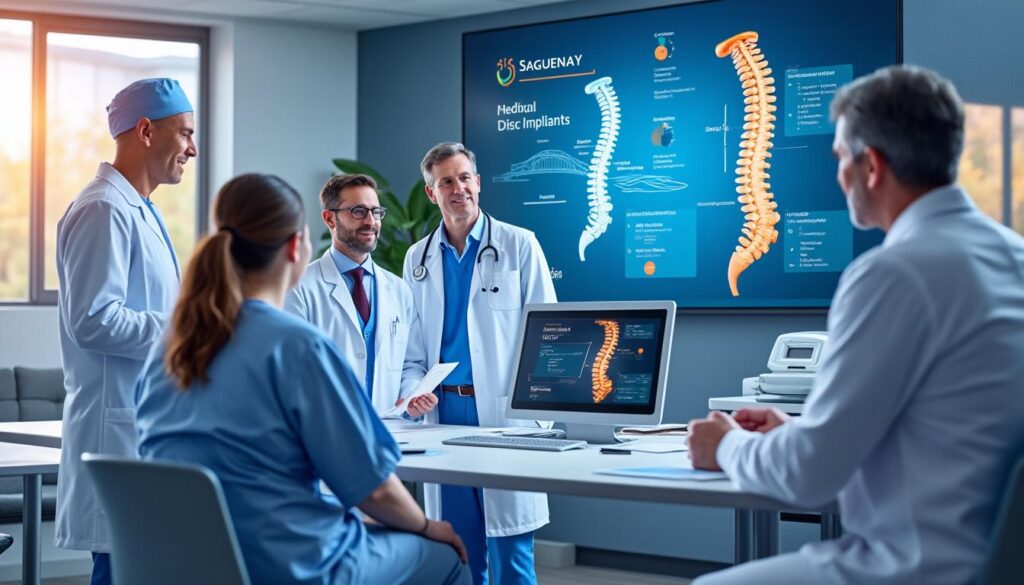
Lumbar Disc Prosthesis in Saguenay: Long-Lasting Relief After Surgery
Chronic back pain rooted in lumbar disc degeneration challenges many patients in Saguenay and beyond, urging exploration of innovative solutions to restore spine health and quality of life. Traditional spinal fusion surgeries, though effective for stabilizing painful segments, have notable…
The Critical Role of Conservative Treatment Before Pursuing Neck Surgery
Dr. Sylvain Desforges consistently emphasizes that surgery should be considered only after patients have completed a thorough trial of conservative treatment lasting three to six months. This protocol ensures maximum utilization of non-invasive therapies and aligns with stringent scientific and ethical standards.
Core Conservative Treatments Include:
- Neurovertebral decompression therapy, a specialized, non-invasive technique offered particularly at Clinic TAGMED, designed to relieve nerve pressure and reduce inflammation
- Targeted physical therapy that enhances cervical stability and mobility
- Pain management through pharmacologic interventions tailored to patient needs
- Postural education and ergonomic adjustments to prevent recurrence and support spinal health
- Regular reassessment to track symptom progression and functional improvements
Failure to adequately complete these treatments before surgical consideration may lead to unnecessary procedures or suboptimal outcomes. In fact, many patients experience significant symptom relief and functional gains through these approaches, sometimes avoiding surgery altogether.
| Conservative Therapy | Purpose | Potential Outcome |
|---|---|---|
| Neurovertebral Decompression | Non-invasive nerve pressure relief | Symptom improvement, potential surgery avoidance |
| Physical Therapy | Improve mobility and strength | Reduced pain and better cervical stability |
| Pain Management | Control inflammation and discomfort | Temporary symptom relief |
| Education and Ergonomics | Prevent recurrence | Long-term functional improvement |
For an in-depth understanding of conservative treatments for neck ailments, see resources at Terrebonne Residents Avoid Neck Surgery with TAGMED’s Protocol and complementary therapies discussed at Orthowestmount Back Pain Services.

IntraSPINE® in Sherbrooke: Maintain Lumbar Function
In the modern management of lumbar spine conditions, patients in Sherbrooke and across Quebec are increasingly presented with innovative solutions that prioritize maintaining natural spinal function while alleviating debilitating pain. Among these advancements, the IntraSPINE device has emerged as a…
Advantages of Choosing Transatlantic Neck Surgery: Economic, Human, and Technological Perspectives
For Quebec patients confronted with the realities of lengthy wait times or high costs in local private systems, the transatlantic surgical pathway coordinated by Dr. Desforges offers a compelling alternative combining affordability, innovation, and personalized support.
Economic Benefits:
- Significant cost reductions compared to North American private surgical services while maintaining high standards of care
- Reduced waiting periods for consultations and surgeries, minimizing prolonged pain and disability
- Transparent bundled care packages that include surgery, follow-up, travel logistics, and rehabilitation
Human and Cultural Advantages:
- French-speaking patients benefit from clear communication and cultural affinity during treatment in France
- Individualized navigation and support throughout the entire care continuum, addressing medical, logistical, and emotional concerns
- Access to advanced implant technologies and surgical techniques currently unavailable or limited in Canada
Innovative Technological Access: Advanced implants and minimally invasive tools from globally renowned manufacturers like Smith & Nephew, Integra LifeSciences, and Globus Medical ensure the highest quality surgical interventions tailored to patient needs.
| Benefit Type | Description | Impact on Patient Experience |
|---|---|---|
| Cost | Reduced expenses compared to local private care | Increased affordability and access to timely care |
| Time | Shorter waiting times | Reduced duration of suffering and disability |
| Support | Personalized logistical and clinical guidance | Greater patient satisfaction and confidence |
| Innovation | Access to latest surgical technologies | Improved surgical outcomes and recovery |
Platforms such as SpineAlign Montreal and the Montreal Cervical Clinic are key resources involved in coordinating these sophisticated surgical journeys.
Minimally Invasive Surgery in Longueuil: Reduce Post-Surgery Pain
Minimally invasive surgery in Longueuil is transforming the patient experience by significantly reducing post-surgery pain and accelerating recovery times. With advances in surgical techniques such as laparoscopic and robotic-assisted procedures, patients can benefit from smaller incisions, less tissue damage, and…
Emerging Technologies and Minimally Invasive Techniques in Montreal Neck Surgery
The modern surgical landscape in Montreal is increasingly shaped by innovations that reduce tissue trauma, minimize post-operative complications, and accelerate recovery. High-definition endoscopic surgeries and minimally invasive spinal fusion techniques have become more accessible, improving patient experiences significantly.
Benefits of Minimally Invasive Neck Surgery Include:
- Smaller incisions and reduced scarring
- Less damage to surrounding muscles and ligaments
- Lower blood loss and infection risk
- Shorter hospital stays often less than 24 hours
- Faster return to daily activities and improved quality of life
These advanced techniques utilize instrumentation and imaging solutions from leaders such as Stryker and Aesculap to aid surgeons in precision and safety during procedures.
| Technique | Feature | Patient Impact |
|---|---|---|
| Endoscopic Surgery | High-resolution camera guided | Minimal pain, quicker recovery |
| Minimally Invasive Fusion | Muscle-sparing small incisions | Reduced tissue trauma, fewer complications |
Patients interested can find specific information on these procedures at private surgical centers and research clinical findings through pages on Minimizing Postoperative Neck Stiffness.
Neck Surgery in Montreal: Maintain Natural Cervical Flexibility
Neck surgery remains a crucial consideration for patients suffering from severe cervical spine disorders where conservative treatments have failed. In Montreal, access to specialized care offers patients the opportunity to explore advanced surgical solutions designed to maintain natural cervical flexibility—an…
Specialized Services and Collaborative Excellence at Clinic TAGMED and Partners
The Clinic TAGMED in Montreal stands as a beacon of advanced conservative care, renowned for its neurovertebral decompression services and its networked collaboration with prestigious French surgical centers. This collaboration embodies a holistic approach to spine health that integrates preoperative preparation, expert surgical intervention, and comprehensive postoperative rehabilitation.
Key features that make this partnership exceptional include:
- Structured conservative treatment protocols to maximize non-surgical symptom relief
- Access to exclusive dynamic stabilization implant systems like the TOPS system, offering alternatives to fusion
- Individualized treatment plans aligned with best practices and patient lifestyle
- Multidisciplinary teams comprising osteopaths, neurosurgeons, physiotherapists, and patient educators
- Seamless transatlantic coordination assures continuity of care and optimal outcomes
By integrating these services, patients are assured of care that respects both the ethical imperative to avoid unnecessary surgery and the innovative promise of cutting-edge spine technologies.
Disc Prosthesis in Lévis: Fast and Lasting Results
In the realm of spinal care, patients battling chronic back pain and degenerative disc diseases continuously seek solutions that offer not just symptom relief but also the restoration of natural spinal function. Disc prosthesis, or artificial spinal disc replacement, has…
Patient Empowerment through Education and Transparent Communication in Neck Surgery Decisions
Understanding the complexities of neck surgery options requires clear, compassionate guidance. Dr. Sylvain Desforges values transparent dialogue, presenting surgical possibilities, risks, benefits, and postoperative expectations in straightforward language devoid of excessive medical jargon.
His approach informs patients about:
- The differences between motion-preserving cervical disc replacement and fusion surgery
- The likely impact of surgery on neck mobility and daily activities
- The timeline for recovery and rehabilitation milestones
- The realistic limitations and what to expect during the healing process
- Conservative options available locally, reinforcing the importance of non-invasive treatments
- International surgical pathways offering advanced technologies and expedited treatment
This attentive, patient-focused communication reduces anxiety, fosters informed consent, and encourages active participation in care decisions. This method aligns with the highest professional standards and complies with Quebec and Canadian healthcare regulations, affirming patient safety and rights.
Additional guidance is available from resources such as Montreal Chiropractic for Neck Pain After Surgery and expert consultations at Spine Surgery Mont-Royal.
Motion Surgery in Terrebonne: Reduce Postoperative Complications
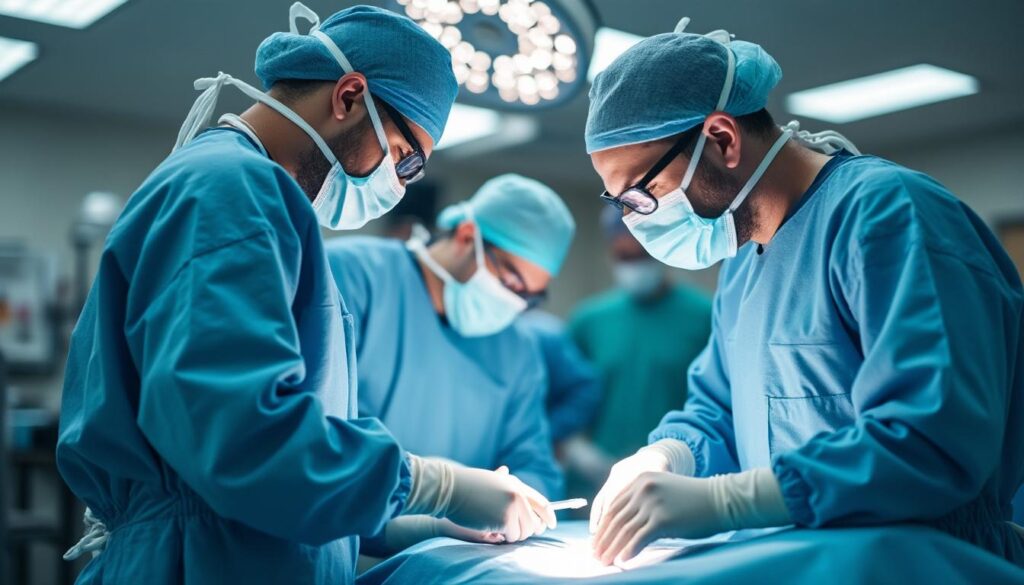
In the evolving landscape of spine care, Motion Surgery in Terrebonne represents a groundbreaking approach that offers patients a significant advantage in reducing postoperative complications while preserving spinal mobility. Traditional spinal surgeries have long been associated with challenges, including stiffness,…
Navigating the Decision: Personalized Evaluations and Taking the First Step
Deciding on neck surgery is an important and personal journey. Dr. Desforges offers expert spinal evaluations in Montreal to help patients understand their diagnosis and explore tailored treatment strategies. His method integrates scientific rigor with empathy, ensuring each patient is guided toward the most appropriate care path.
Steps to initiate the journey include:
- Submit a detailed patient inquiry to initiate personalized consultation
- Receive comprehensive guidance on conservative therapies, including neurovertebral decompression at Clinic TAGMED
- Explore advanced surgical options in France with international clinical partners
- Benefit from dedicated support coordinating travel, appointments, and postoperative monitoring
By engaging early and proactively, patients can prevent further deterioration, reduce pain, and attain improved cervical function with advanced, patient-centered neck surgery solutions offered through trusted international collaboration.
For more details or to discuss your specific case, please visit SOS Tourism Medical Contact for expert assistance and personalized recommendations.
What types of neck surgery are available in Montreal?
Montreal offers traditional spinal fusion and advanced cervical disc replacement surgeries, each suited for particular patient profiles; motion-preserving options help maintain neck mobility.
How long should I try conservative treatments before considering surgery?
It’s recommended to complete 3 to 6 months of conservative care, including neurovertebral decompression, physical therapy, and pain management, before evaluating surgical options.
What are the benefits of coordinated neck surgery in France?
Coordinated transatlantic care offers shorter wait times, substantial cost savings, access to innovative surgical techniques, and personalized patient support unavailable in Canada.
Can minimally invasive techniques reduce recovery time for neck surgery?
Yes, minimally invasive and endoscopic cervical surgeries minimize tissue damage and post-operative pain, leading to faster recovery and shorter hospital stays.
How does Dr. Desforges support patients in their surgical decision-making?
He provides clear, compassionate explanations, ensuring patients understand surgical procedures, limitations, and conservative alternatives to make well-informed choices.