The Crucial Role of Post-Operative Monitoring in Achieving Successful Spine Surgery Outcomes
June 11, 2026
Why Experts Advocate for Neurovertebral Decompression Therapy
June 11, 2026
Back pain management in Trois-Rivières has evolved into a critical healthcare priority, demanding solutions that address the unique needs of patients facing long wait times in Quebec’s medical system. Many individuals are exploring alternative routes, including transatlantic medical corridors connecting Canada and France, to access advanced spinal care swiftly. At the forefront of this innovative approach is Dr. Sylvain Desforges, a seasoned expert with over 30 years of experience in spinal pathology evaluation and patient-centered care. His pioneering work combines rigorous scientific standards with cutting-edge techniques, offering patients tailor-made options ranging from minimally invasive surgeries to mobility-preserving spinal procedures like Motion surgery. This pathway not only accelerates timely care but also enhances quality of life by maximizing autonomy and reducing chronic discomfort.
Understanding the variety of surgical solutions, patient journey stages, and post-operative complication prevention strategies is vital for individuals considering spine surgery in Trois-Rivières. From initial clinical assessment and conservative management to careful surgical planning and meticulous follow-up, each phase works synergistically to optimize surgical outcomes and ensure a smooth recovery. Surgery here is not an endpoint but a carefully integrated step within a comprehensive care continuum designed to safeguard overall spinal health and support durable pain relief without compromising function.
Comprehensive Overview of Back Surgery Options Available in Trois-Rivières
Trois-Rivières offers a diverse portfolio of surgical treatments tailored to address lumbar spine issues, each procedure presenting distinct benefits, risks, and indications. This diversity enables healthcare providers, under the guidance of experts like Dr. Sylvain Desforges, to recommend personalized interventions maximizing efficacy and minimizing complications.
Simple Surgery: Targeted Treatment for Herniated Discs
Simple surgery, commonly indicated for patients suffering from herniated discs causing debilitating sciatica or nerve root compression, involves the excision of the offending disc fragment. This targeted approach relieves nerve impingement swiftly, dramatically alleviating pain. At Clinique TAGMED, highly skilled teams utilize minimally invasive techniques, enabling many patients to undergo the procedure on an outpatient basis and return home the same day.
Critically, this surgery is pursued only after a 3-6 month conservative treatment period emphasizing neurovertebral decompression therapy, underlining the commitment to avoid surgery unless absolutely necessary. Patients benefit from a remarkably short recovery period and rapid restoration of daily function, making this an attractive option for those with localized disc pathology.
Spinal Fusion: Ensuring Long-Term Stability
In more complex scenarios, such as severe scoliosis or advanced disc degeneration resulting in spinal instability, spinal fusion is often recommended. This technique involves joining two or more vertebrae with specialized implants, stabilizing the affected spinal segment. While effective in reducing pain and halting progression of deformity, fusion limits segmental mobility, which can impact certain physical activities.
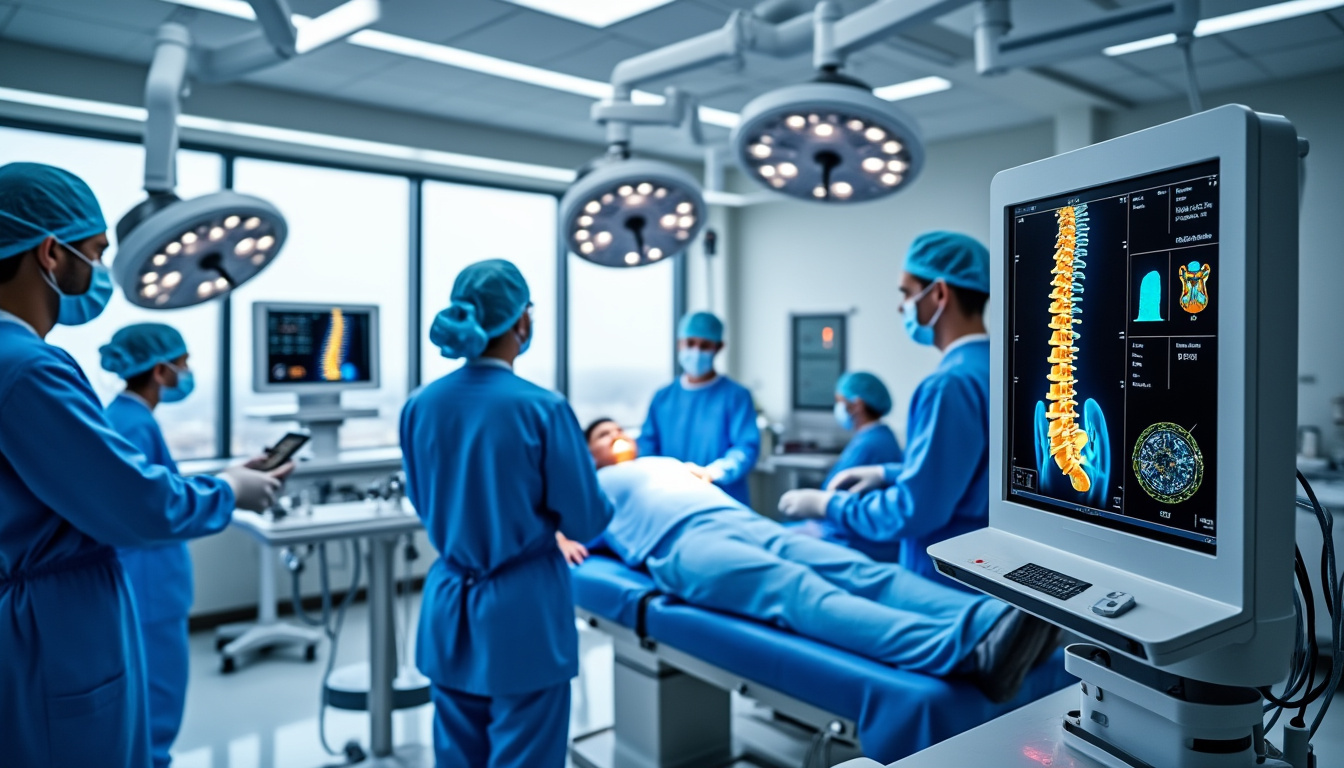
Post-operative care is crucial here; patients are closely monitored to optimize rehabilitation, ensuring they adapt safely to the modified spinal mechanics. Rigorous follow-up drives maximum benefit from the fusion while minimizing risks of complications like adjacent segment disease or implant failure.
Motion-Preserving Surgery: Innovation for Natural Spinal Mechanics
As a groundbreaking alternative, Motion surgery preserves the natural mobility of the spine by employing dynamic implants that allow controlled intervertebral movement. This technique addresses nerve compressions and mechanical abnormalities without sacrificing spinal flexibility, leading to a significantly reduced risk of post-operative complications and expedited return to regular activities.
Patients treated with Motion surgery at Trois-Rivières and partner French centers report improved quality of life and higher satisfaction rates compared to traditional fusion. This innovative approach fundamentally reshapes expectations about spine surgery, combining functional preservation with effective pain relief.
| Procedure Type | Main Indications | Hospital Stay Duration | Key Advantages |
|---|---|---|---|
| Simple Surgery | Herniated Discs | 1 day (Outpatient possible) | Rapid recovery, minimal disruption to daily life |
| Spinal Fusion | Scoliosis, Spinal Instability | 2 to 7 days | Long-term stability, significant pain reduction |
| Motion Surgery | Preserving Spinal Mobility | 2 to 3 days | Maintains natural movement, lowers complication risks |
IntraSPINE® in Sherbrooke: A Long-Lasting Solution for Chronic Lower Back Pain
Chronic lower back pain remains one of the most pressing health concerns in Sherbrooke and beyond, impacting millions and often diminishing daily quality of life. Despite the prevalence of lumbar discomfort, many face limited access to cutting-edge treatments amidst lengthy…
Patient Journey and Personalized Follow-Up Care in Trois-Rivières
A successful back surgery outcome in Trois-Rivières is the result of a carefully structured patient pathway, beginning with detailed clinical evaluation and progressing through a conservative treatment phase before surgical intervention is considered.
Detailed Evaluation and Conservative Management
Upon consultation, patients undergo a thorough assessment including medical history, physical examination, and imaging such as MRI or X-rays. Dr. Sylvain Desforges ensures a comprehensive evaluation that discerns surgical candidates from those who might benefit from less invasive options.
Conservative treatments, notably neurovertebral decompression therapy at Clinique TAGMED, play an essential role for typically 3 to 6 months. This period, supplemented by physiotherapy and complementary therapeutic methods, aims to relieve pain, strengthen spinal structures, and, in some cases, obviate the need for surgery altogether.
Surgical Referral and Transatlantic Coordination
When surgery is required, patients benefit from an international care collaboration where organizations like Franchir coordinate appointments with leading spine surgeons in France. This streamlined approach significantly reduces wait times to approximately 4-6 weeks, a stark contrast to longer delays experienced locally.
Following surgery abroad, personalized post-operative care is arranged through trusted local networks such as Neurothérapie Montréal. This continuum ensures ideal rehabilitation conditions, facilitating pain control and gradual functional restoration.

Herniated Disc Care in Sainte-Julie: Why TAGMED’s Neurovertebral Decompression Therapy Stands Out
In the vibrant community of Sainte-Julie, back pain—particularly that stemming from herniated discs—has become a widespread concern affecting people from all walks of life. The relentless search for effective, non-invasive treatments has brought renewed attention to a pioneering therapy that…
Implementing Post-Operative Strategies to Minimize Complications
Post-operative complications remain a significant concern following back surgery, influencing both short- and long-term outcomes. Minimizing these risks requires an integrated approach encompassing meticulous surgical technique, proactive monitoring, and patient-centered rehabilitation protocols.
Important complications to monitor include surgical site infection, hematoma, nerve damage, implant-related issues, and delayed wound healing. Thorough preoperative optimization of patient health status, as emphasized in recent research, substantially reduces these risks. Patients with controlled comorbidities experience superior surgical outcomes, shorter hospital stays, and enhanced recovery trajectories.
Additionally, evidence-based interventions such as strict asepsis protocols, perioperative antibiotic use, and careful hemostasis are standard to prevent infections. Early mobilization and physical therapy guided by multidisciplinary teams can mitigate risks of thromboembolism and muscle atrophy, promoting faster functional recovery.
Dr. Sylvain Desforges prioritizes these strategies, ensuring his surgical partners and care teams integrate the latest guidelines and innovations to safeguard patient safety. Patients are also educated on warning signs that necessitate immediate medical attention, empowering their active participation in the recovery process.
Key Strategies to Prevent Post-Operative Surgical Site Infection
- Thorough patient skin preparation and sterilization
- Optimizing blood sugar and nutritional status preoperatively
- Limiting operating room traffic to reduce contamination
- Appropriate use of prophylactic antibiotics
- Meticulous surgical technique minimizing soft tissue damage
Back Surgery in Trois-Rivières: Alleviating Pain While Preserving Mobility
In Trois-Rivières, Quebec, the persistence of back pain affects a substantial portion of the population seeking effective and personalized solutions. Back pain, often caused by spinal disorders or herniated discs, can drastically diminish quality of life, limiting mobility and causing…
Enhancing Long-Term Recovery and Rehabilitation After Back Surgery
Effective rehabilitation is a cornerstone in ensuring positive surgical outcomes and returning patients to their optimal functional status. Post-operative rehabilitation protocols integrate physical therapy, pain management, and lifestyle modifications, all personalized to individual capabilities and surgical procedures.
Structured physical therapy sessions focus on restoring spinal flexibility, strengthening core musculature, and improving balance. These exercises help prevent recurrence of back pain and reduce disability. Pain management strategies combine pharmacological approaches with non-drug therapies such as laser treatment and shockwave therapy, modalities actively employed at TAGMED under the guidance of Dr. Desforges.
Continual patient education facilitates realistic goal setting and adherence to rehabilitation exercises, both pivotal for sustainable recovery. Support systems involving family members and multidisciplinary healthcare providers enhance motivation and reduce psychological distress associated with prolonged recovery.
The integration of advanced technologies, notably dynamic spinal implants and refined decompression tables, offers patients benefits not only during surgery but also throughout the post-operative healing phase, fostering durable improvements in spinal health.
Rehabilitation Milestones and Patient-Centered Approaches
- Early mobilization within 24-48 hours post-surgery
- Progressive strengthening exercises starting 1-2 weeks after surgery
- Transition to independent activity with lifestyle modifications at 6-8 weeks
- Long-term maintenance through regular physical activity and periodic monitoring
Patients are reassured that recovery timelines vary based on procedure complexity, individual health, and adherence to guidelines. Ongoing follow-up with Dr. Desforges and his network ensures tailored interventions to address any emerging issues promptly.

Disc herniation remains a significant health concern in Pointe-Claire, impacting the lives of a diverse population ranging from labor-intensive workers to the aging community. The condition, characterized by the displacement or rupture of the intervertebral disc, often leads to debilitating…
Advantages of the Transatlantic Spine Surgery Coordination for Trois-Rivières Residents
The transatlantic spine surgery program initiated by Dr. Sylvain Desforges exemplifies a unique model of international collaboration that strategically reduces waiting times while ensuring access to cutting-edge surgical modalities in France. This framework bridges geographical gaps and combines Canadian expertise with European surgical innovation.
Enhanced access to dynamic implants and Motion surgery techniques, less common or unavailable locally, provides patients with advanced options that improve functional outcomes. This pathway also integrates stringent ethical standards, scientific rigor, and personalized care approaches aligned with both Canadian and Quebec healthcare regulations.
Patients benefit from a comprehensive journey that encompasses preoperative optimization, rapid surgical scheduling, expert operative care, and coordinated postoperative rehabilitation. Such seamless integration lowers the incidence of complications and increases patient satisfaction, positioning Trois-Rivières as a hub of excellence in spine health management.
TOPS™ in Gatineau: A High-Performance Solution for Lumbar Spine Care
In a region where chronic back pain increasingly affects quality of life, the quest for advanced and effective lumbar spine treatments is paramount. Lumbar spinal stenosis, a prevalent condition among Quebec’s aging population, often imposes persistent discomfort and mobility limitations.…
Scientific and Ethical Foundations Underpinning the Care Pathway
Central to this innovative spine care network is Dr. Sylvain Desforges’ longstanding commitment to scientific rigor and medical ethics. With formal qualifications including B.Sc., D.O., and N.D., combined with over three decades of clinical practice, Dr. Desforges emphasizes evidence-based medicine and strict compliance with the Collège des médecins du Québec and Canadian standards.
The adoption of advanced technologies like neurovertebral decompression, laser therapy, and dynamic implants occurs within a framework that prioritizes patient safety, transparency, and informed decision-making. All procedures are preceded by comprehensive patient education, ensuring clear understanding of indications, benefits, and potential limitations.
This approach not only fosters trust but also empowers patients to actively participate in their care journey, facilitating personalized guidance and tailored therapeutic pathways that reflect each individual’s unique spinal condition.
At Gouin Clinic, the landscape of herniated disc therapy has entered a transformative era marked by the integration of Personalized Treatment Plans and breakthrough Neurovertebral Decompression Therapy. This non-surgical approach is revolutionizing how spinal disorders are managed, offering patients an…
Educational Initiatives for Patients and Healthcare Professionals in Spinal Surgery
Effective communication of complex spinal pathology and surgical options remains a priority for Dr. Desforges. Whether addressing patients seeking relief from debilitating back issues or informing healthcare professionals exploring advanced spine care, information is delivered with clarity and accuracy, avoiding overwhelming medical jargon.
Accessible educational resources elucidate critical aspects such as post-operative care, recovery expectations, risk factors, and the stage-specific roles of conservative and surgical treatments. This transparency enhances informed consent and fosters collaboration between patients and practitioners.
Further, Dr. Desforges contributes extensively to online platforms dedicated to spine health, including patient-centered guides on reducing surgical risks and tailored postoperative management. Such resources form integral components of the comprehensive care model, supporting patient empowerment and improved surgical outcomes.

Cervical Disc Prosthesis in Quebec: Preventing Post-Operative Stiffness
Neck pain is one of the most common musculoskeletal complaints in Quebec, affecting a significant portion of the population annually. Often rooted in degenerative cervical disc diseases or herniated discs, this persistent discomfort severely impacts daily life and mobility. Fortunately,…
Key Recommendations to Minimize Post-Operative Complications in Spine Surgery
Minimizing the risks associated with back surgery mandates a multi-faceted strategy incorporating patient optimization, surgical precision, and robust post-operative monitoring. Based on the latest clinical guidelines and Dr. Desforges’ extensive expertise, the following key recommendations are essential for enhancing surgical success:
- Ensure rigor in pre-operative health assessment to address modifiable risk factors such as diabetes, smoking, and nutritional deficiencies.
- Prioritize a comprehensive conservative treatment phase to confirm the necessity and optimize timing for surgery.
- Adopt minimally invasive surgical techniques when appropriate to reduce tissue damage and promote faster healing.
- Engage specialized multidisciplinary teams for perioperative care including anesthesiology, nursing, and rehabilitation experts.
- Implement structured post-operative monitoring and education to detect early signs of complications and reinforce patient adherence to recovery protocols.
- Utilize advanced surgical technologies such as dynamic implants and laser therapy to enhance outcomes and decrease complication rates.
Each patient is encouraged to maintain open communication with their care team and to report any concerns promptly, ensuring timely interventions that safeguard health and maximize surgical benefits. For more detailed guidance, trusted resources are available outlining postoperative care essentials, such as those found at post-operative back surgery care comprehensive guides.
What are the typical waiting times for back surgery in France for residents of Trois-Rivières?
The partnership facilitated by organizations like Franchir enables patients to secure surgical consultations within 4 to 6 weeks, significantly shorter than Quebec’s local waiting lists.
Why is it important to complete conservative treatments before considering back surgery?
Conservative care helps reduce pain and sometimes negates the need for surgery. It also confirms whether surgical intervention is truly necessary.
What advantages does Motion surgery provide for spinal patients?
Motion surgery preserves natural spinal mobility, reduces post-operative risks, and accelerates return to daily activities, enhancing overall quality of life.
How is post-operative care organized after surgery in France for Trois-Rivières patients?
Personalized rehabilitation and pain management are coordinated by networks like Neurothérapie Montréal to ensure optimal recovery and patient comfort.
Are there risks associated with dynamic spinal implants?
While any surgery carries risks, dynamic implants are used under strict regulatory standards which significantly mitigate complications.
The prevalence of herniated disc conditions in Blainville has sparked considerable discussion and misconceptions about their causes, symptoms, and treatments. While the pain and disability associated with this spinal disorder are well documented, the emergence of non-surgical options such as…