
Back Surgery in Trois-Rivières: Strategies to Minimize Post-Operative Complications
June 11, 2026
Medical Guidance from Quebec: Central to the Patient Care Journey
June 11, 2026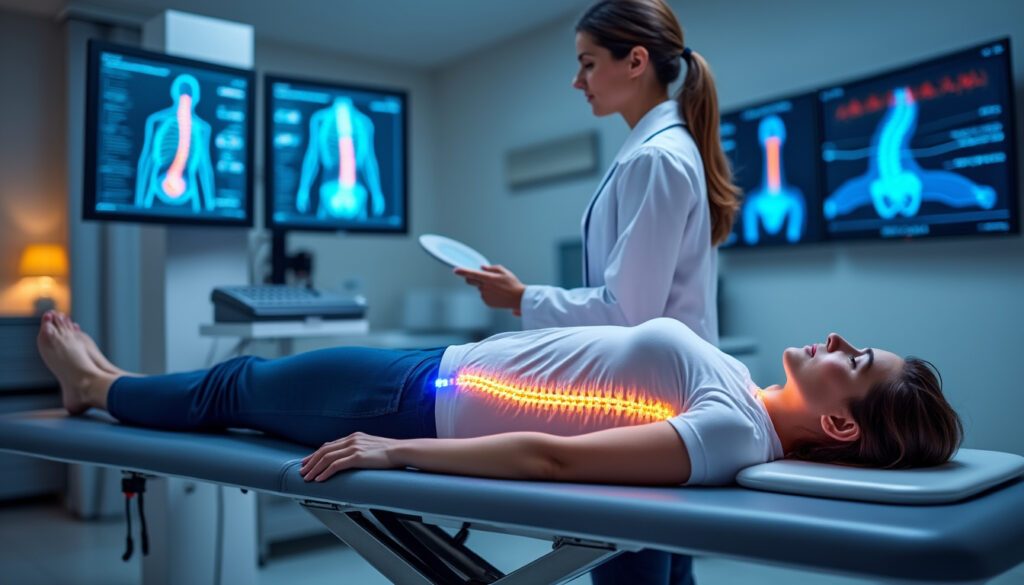
In recent years, the increasing prevalence of chronic back and neck pain has spotlighted innovative therapies that promise significant relief without invasive procedures. Neurovertebral decompression therapy has emerged as a prime candidate among these treatments, widely recommended by leading specialists for its ability to alleviate pain and improve spinal health through non-invasive means. This therapy targets the root causes of many spinal issues by addressing nerve function directly and fostering natural tissue regeneration, thus presenting a revolutionary approach to managing chronic pain. In contexts where traditional surgical interventions often come with lengthy wait times or high costs, especially in regions like Quebec, neurovertebral decompression offers an accessible, scientifically grounded pathway to recovery and rehabilitation.
What sets neurovertebral decompression apart is not merely its innovative technology but its holistic incorporation into patient care networks that emphasize expert advocacy and rigorous treatment protocols. Experts underline the therapy’s capacity to restore proper spinal alignment, a cornerstone to effective pain relief and enhanced nerve function. By focusing on decompression, patients can experience substantial improvements in mobility and a reduction in the dependence on anti-inflammatory medications, making it a pivotal treatment within comprehensive pain management strategies.
Understanding Neurovertebral Decompression Therapy: Mechanisms and Clinical Benefits
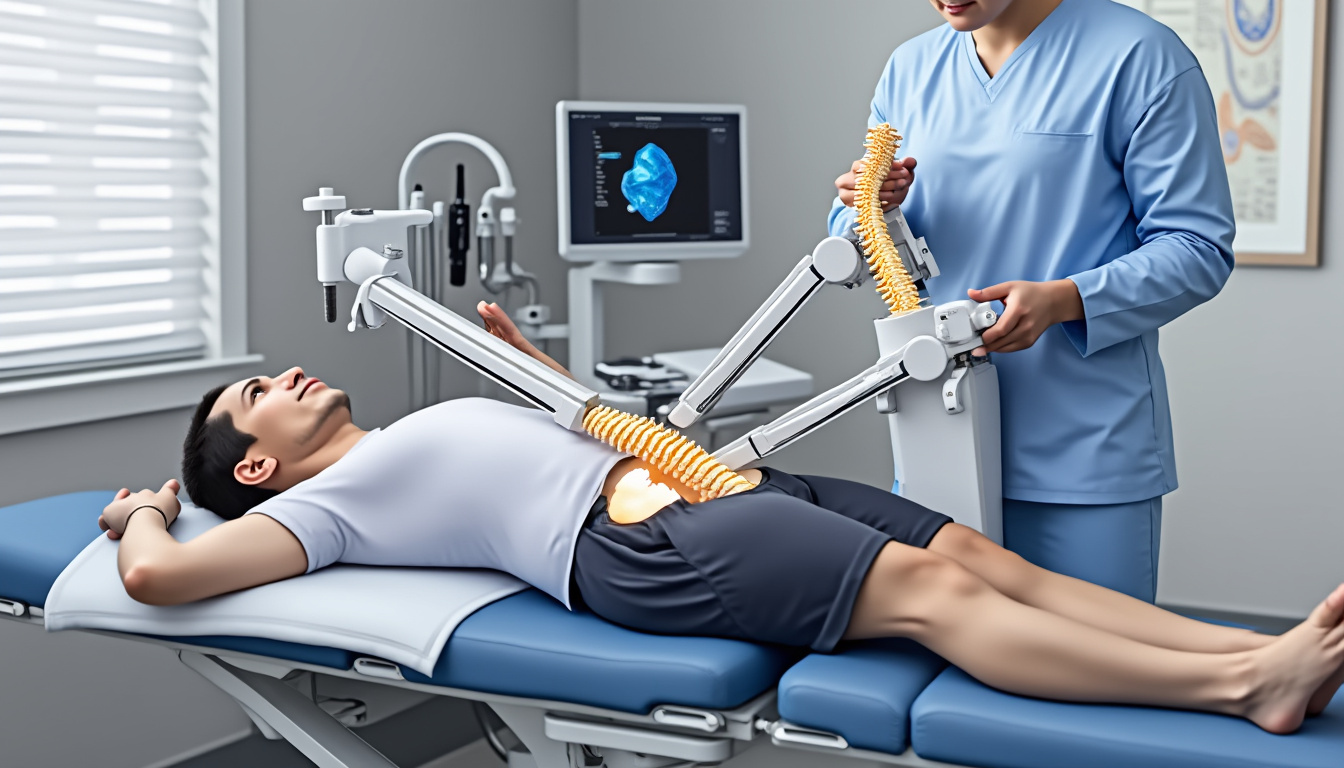
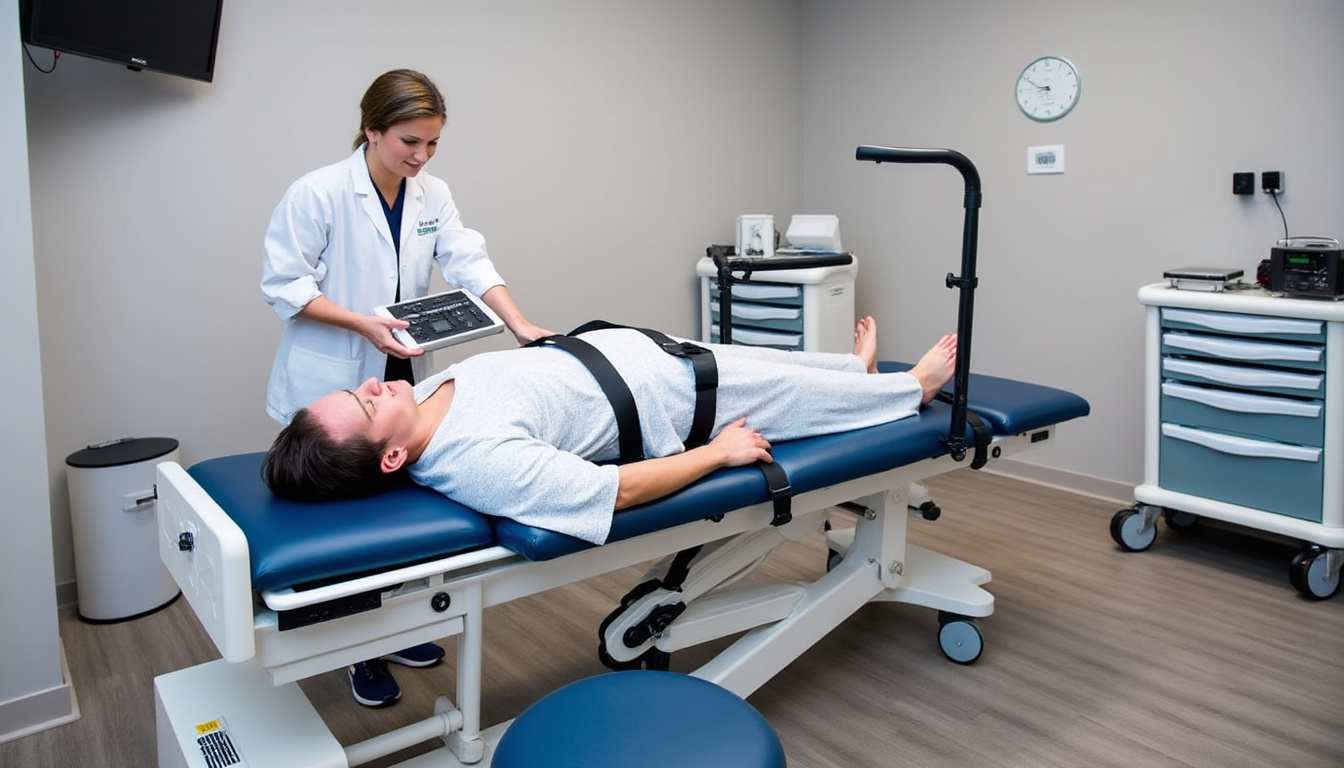
Neurovertebral decompression therapy employs controlled traction to gently elongate the spine, creating negative pressure within the intervertebral discs. This process promotes rehydration of discs, reduces disc protrusions and herniations, and ultimately relieves compression on spinal nerves—a major factor in chronic pain.
Clinically, this therapy has shown promising results with a success rate ranging between 70% and 86% across diverse spinal disorders including disc herniations, facet syndrome, and degenerative disc disease. Unlike surgical approaches that involve tissue intrusion and potential complications, neurovertebral decompression is non-invasive and boasts an excellent safety profile.
For example, patients suffering from lumbar or cervical disc herniation demonstrate marked improvements in pain levels and nerve function following a regimented course of decompression therapy. These patients regain mobility and report diminished radiating pain, indicators of effective spinal health restoration. The therapy’s non-invasive nature allows it to serve as both a primary treatment option and a preparatory step prior to surgery, often helping to delay or avoid operative interventions.
The science underpinning this therapy is backed by decades of research and detailed clinical observation under expert supervision. Leading spine care centers emphasize the therapy’s role in fostering tissue regeneration while mitigating inflammatory responses, making it a cornerstone in contemporary spinal rehabilitation.
The role of negative pressure and tissue regeneration
Through the mechanism of negative pressure induction in spinal discs, the therapy encourages the influx of nutrients and oxygen crucial for disc repair. This biological benefit plays a critical role in reversing or arresting degenerative pathways that typically cause chronic back pain. Moreover, alleviation of nerve root pressure reduces symptoms like numbness, tingling, and muscle weakness, which often accompany vertebral conditions.
Experts advocate for combining the therapy with targeted rehabilitation regimes, including physical therapy and strength conditioning. Such an integrative approach enhances patient outcomes by improving spinal alignment and encouraging proper posture, which are vital for sustaining long-term spinal health.

Understanding Sciatic Pain: Key Symptoms and When to Seek Medical Advice
Sciatic pain is a prevalent condition impacting a wide demographic, manifesting primarily as intense pain radiating from the lower back down the leg. This pain stems from irritation or compression of the sciatic nerve, a major nerve extending through the…
Neurovertebral Decompression as a Preferred Conservative Treatment Before Surgery
Before proceeding to surgical options, medical professionals stress the importance of a rigorous conservative treatment plan. Neurovertebral decompression therapy holds a central place in this paradigm, often prescribed as an initial intervention to maximize therapeutic success.
In stroke-prone populations, athletes, and physically active individuals, it serves as an effective method to maintain spinal integrity without compromising functional capability. The emphasis on conservative care aims to reduce complications and promote patient empowerment through safer, scientifically vetted modalities.
The therapy’s capacity to reduce inflammation and nerve irritation aids in lessening the reliance on painkillers, which can have side effects if used long term. Additionally, for many patients, the relief from chronic symptoms translates into improved quality of life and return to normal activities.
Within multidisciplinary spine care networks, collaboration between rehabilitation experts, neurosurgeons, and non-invasive therapy practitioners is key. This coordination ensures that patients undergo a well-monitored and stepwise treatment course, with neurovertebral decompression frequently serving as the first line of defense against debilitating spinal problems.
Optimizing outcomes through multidisciplinary collaboration
The integration of neurovertebral decompression in pre-surgical protocols exemplifies a detailed, patient-centered approach. This strategy not only addresses symptoms but also targets underlying biomechanical dysfunction. Experts assert that patients adhering to such protocols exhibit better surgical outcomes when interventions are deemed necessary.
Furthermore, patient education on ergonomics and spine-friendly habits complements the therapy’s physiological benefits, creating a sustainable framework for long-term spinal health.

The Stepwise Role of Functional Recovery in Achieving Successful Outcomes
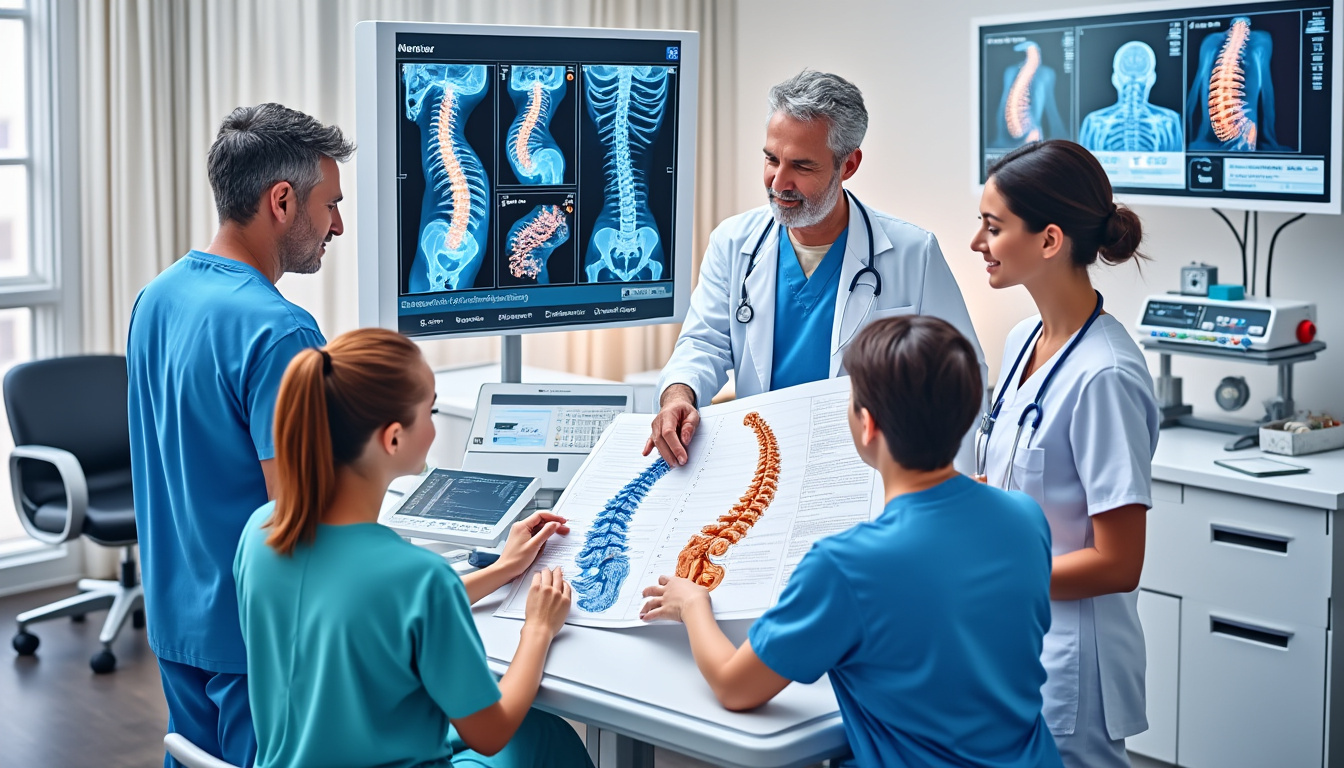
The journey to full recovery following spinal surgery is often complex and multifaceted, demanding a meticulously structured approach to ensure optimal functional outcomes. In recent years, the concept of functional recovery through a stepwise approach has garnered significant attention in…
Innovations in Spinal Surgery and Neurovertebral Decompression Synergy
While neurovertebral decompression therapy is monumental in conservative care, certain conditions necessitate surgical intervention. Advances in French spinal surgery have introduced minimally invasive techniques and dynamic stabilization implants such as TOPS and Intraspine, offering enhanced postoperative mobility and reduced complication rates.
These technological breakthroughs are complemented by robotic-assisted surgical navigation and 3D imaging platforms, elevating surgical precision and patient outcomes. The synergy between non-invasive neurovertebral decompression therapy and cutting-edge surgical options creates a comprehensive continuum of care for patients with varying severities of spinal pathology.
Patients from Quebec and other parts of Canada increasingly access these advanced procedures through coordinated transatlantic health networks, ensuring seamless preoperative evaluation, surgical treatment in France, and postoperative rehabilitation back home. This model addresses common barriers like surgical wait times and costs, illustrating the benefits of expert collaboration.
| Type of Intervention | Key Features | Patient Benefits | Role of Neurovertebral Decompression |
|---|---|---|---|
| Minimally Invasive Surgery | Endoscopic techniques, reduced tissue disruption | Faster recovery, fewer complications | Prepares spine for surgery, improves outcomes |
| Fusion (Arthrodesis) | Stabilizes unstable vertebral segments | Eliminates pain from instability | Conservative treatment before deciding surgery |
| Dynamic Implants (TOPS, Intraspine) | Preserves motion, provides mechanical support | Maintains spinal flexibility, reduces adjacent segment disease | May be followed by rehabilitation with decompression |

Transatlantic Patient Journey: Insights into Indications, Benefits, and Challenges
The emergence of the Transatlantic Patient Journey as a strategic model within healthcare continues to capture attention for its innovative potential, especially in specialized fields such as spinal surgery. This cross-border care pathway integrates rigorous medical evaluation from Quebec with…
Patient-Centric Transatlantic Care Pathways for Spinal Disorders
The collaboration between Canadian and French healthcare systems offers a unique, patient-focused pathway combining expert neurovertebral decompression therapy with advanced surgical care. This route begins with a comprehensive evaluation, frequently conducted within specialist clinics in Quebec.
Following this, patients undergo targeted conservative management including decompression therapy. If surgery is indicated, the patient is guided through the logistical and clinical aspects of treatment integration in specialized French centers. Upon returning home, personalized rehabilitation continues, emphasizing restoration of function and prevention of recurrence.
This continuum reflects a modern healthcare paradigm prioritizing safety, therapeutic efficacy, and patient comfort. The presence of experts such as Dr. Sylvain Desforges, who has guided thousands through this coordinated care, underscores the significance of multidisciplinary and multinational collaboration in improving spinal health outcomes.
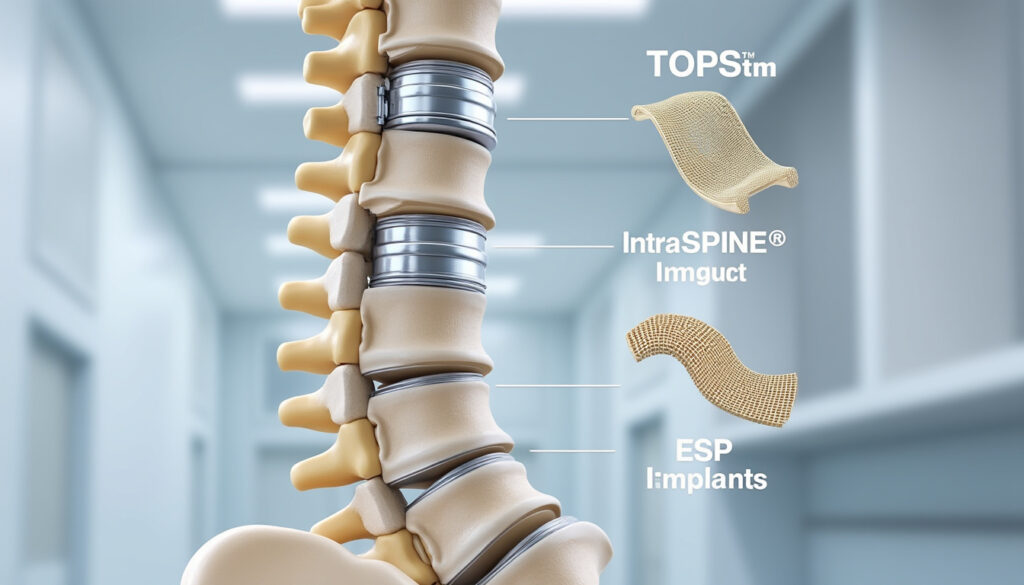
The evolving field of spinal surgery is witnessing a transformative shift, fueled by cutting-edge implant technologies such as TOPS, Intraspine, and ESP. These innovative implants redefine treatment possibilities by emphasizing preservation of natural spinal mechanics, while ensuring durable stabilization and…
Enhancing Spinal Alignment and Function: Why Proper Alignment Matters
Maintaining correct spinal alignment is essential for optimal nerve conduction and musculoskeletal function. Neurovertebral decompression plays a critical role in restoring this alignment by alleviating pressure on discs and nerves, thereby enabling the spine to function biomechanically as intended.
Poor spinal alignment often leads to chronic pain, impaired mobility, and neurological symptoms. Studies indicate that patients participating in decompression programs experience significant improvements in posture, range of motion, and reductions in pain intensity.
Proper spinal alignment also supports nerve function by minimizing nerve root irritation and inflammation. This is vital for patients suffering from radiating pain syndromes and other nerve-related dysfunctions common in lumbar and cervical spine disorders.
The therapy’s efficacy in improving alignment makes it an indispensable component of non-invasive treatment plans aiming for long-lasting spinal health benefits.
Scientific evidence supporting alignment restoration
Research published on platforms such as spinal decompression and pain relief confirms that targeted traction enhances vertebral positioning and relieves compressive forces. This, in turn, facilitates nerve healing and functional recovery.
Combining neurovertebral decompression with exercises designed to reinforce spinal support musculature further potentiates these benefits, creating a comprehensive rehabilitation framework.

Preparing for Surgery in France: Key Indications, Benefits, and Limitations
In an evolving global healthcare landscape, France emerges as a beacon of advanced surgical expertise, particularly attracting international patients seeking expedited and innovative medical interventions. Patients from regions experiencing long wait times, such as Quebec, increasingly view France as an…
Patient Experiences: Real-Life Impact of Neurovertebral Decompression Therapy
Personal stories highlight the transformative nature of neurovertebral decompression therapy. Individuals with herniated discs in regions such as Plateau Mont-Royal and Pointe-Claire report substantial pain reduction, improved mobility, and a renewed ability to perform daily activities without reliance on opioids or invasive surgery.
One patient from Sainte-Therese shared how a personalized treatment plan involving neurovertebral decompression allowed a return to sports and work, overcoming what had seemed chronic and debilitating pain. These testimonials reinforce the expert advocacy and scientific foundation supporting the therapy’s use.
Many patients appreciate the non-invasive nature of the treatment, which reduces anxiety and fosters active participation in their rehabilitation journey. This engagement has been linked to higher satisfaction rates and better functional outcomes.
Such insights can be explored further in detailed patient journeys available through specialized platforms detailing real-world therapy experiences and outcomes.

Unveiling the Hidden Benefits of Quality and Certification in Devices
The landscape of device manufacturing and clinical application in 2026 has been fundamentally shaped by the rigorous interplay between quality management and certification processes. Within this complex framework, the hidden benefits of adhering to international standards and obtaining relevant certifications…
Safety, Efficacy, and Ongoing Research in Neurovertebral Decompression
Safety remains a paramount consideration in spinal treatments. Neurovertebral decompression therapy’s non-invasive design significantly lowers the risk profile compared to surgical interventions, with minimal adverse effects reported. Continuous monitoring and expert oversight ensure treatments are tailored and adjusted for optimal safety.
Ongoing studies confirm that this therapy not only decreases pain but also improves nerve function and rehabilitation trajectories. Clinics focusing on this therapy adhere strictly to evidence-based protocols, underscoring their commitment to patient well-being.
For patients, understanding the balance between safety and efficacy helps position neurovertebral decompression as a front-line treatment in the continuum of spinal care. Its minimal risk and significant potential benefits make it a compelling choice for those managing chronic pain and nerve dysfunction.

Why Experts Advocate for Comprehensive Preoperative Evaluations
In the complex and demanding field of spinal surgery, the emphasis on comprehensive preoperative evaluations has become a fundamental pillar supporting successful surgical outcomes. These evaluations, far beyond mere routine checks, integrate detailed analyses of patient health, surgical risk assessments,…
Essential Guidelines for Maximizing the Benefits of Neurovertebral Decompression Therapy
Effective use of neurovertebral decompression therapy depends on adherence to prescribed protocols and lifestyle modifications. Patients are encouraged to integrate ergonomic principles, maintain a strong core musculature, and participate in ongoing rehabilitation exercises to sustain gains achieved through therapy.
Healthcare teams emphasize customized treatment plans that consider individual conditions, comorbidities, and lifestyle factors. This patient-tailored approach ensures maximized symptom relief and functional recovery.
Below is a list of key tips to enhance therapy outcomes:
- Consistent attendance: Regular therapy sessions are crucial for sustained decompression and tissue healing.
- Active rehabilitation: Complement therapy with prescribed exercises that strengthen back and neck muscles.
- Postural awareness: Maintain proper posture during daily activities to avoid re-compression.
- Ergonomic adjustments: Adapt work and home environments to support spinal health.
- Nutrition and hydration: A balanced diet supports disc health and tissue regeneration.
These guidelines, when followed diligently, can transform neurovertebral decompression therapy from a treatment to a long-term solution for spinal well-being.
Why Experts Advocate for Neurovertebral Decompression Therapy
Neurovertebral Decompression Therapy Care Plan
This infographic presents the step-by-step care plan for neurovertebral decompression therapy.
Interactive Step Details
Click or press on a step above to see detailed explanation here.
- element inside infographic for list insertion
const listElement = document.querySelector(‘section[aria-label] ul’);// Select the paragraph for showing step details dynamically
const detailElement = document.getElementById(‘step-detail’);/**
* Create accessible list items with keyboard support:
* – Each step is a button-like element with role=”listitem”, tabIndex=0 for keyboard navigation.
* – On click or “Enter”/”Space” keypress, it updates the detail panel with an explanation.
*/
carePlan.steps.forEach((step, index) => {
const li = document.createElement(‘li’);
li.className = ‘py-3 px-4 cursor-pointer hover:bg-blue-200 focus:outline-none focus:ring-2 focus:ring-blue-400 rounded’;// Use button role and tabindex for accessibility
li.setAttribute(‘role’, ‘listitem’);
li.setAttribute(‘tabindex’, ‘0’);
li.setAttribute(‘aria-describedby’, `step-desc-${index}`);li.textContent = step.title;// Hidden description for screen readers
const desc = document.createElement(‘span’);
desc.id = `step-desc-${index}`;
desc.className = ‘sr-only’;
desc.textContent = step.detail;
li.appendChild(desc);// Event handler to show step detail on click or keyboard activation
li.addEventListener(‘click’, () => {
detailElement.textContent = step.detail;
detailElement.focus();
});li.addEventListener(‘keydown’, (e) => {
if(e.key === ‘Enter’ || e.key === ‘ ‘) {
e.preventDefault();
li.click();
}
});listElement.appendChild(li);
});
The Future of Surgery Lies in Stepwise Functional Recovery
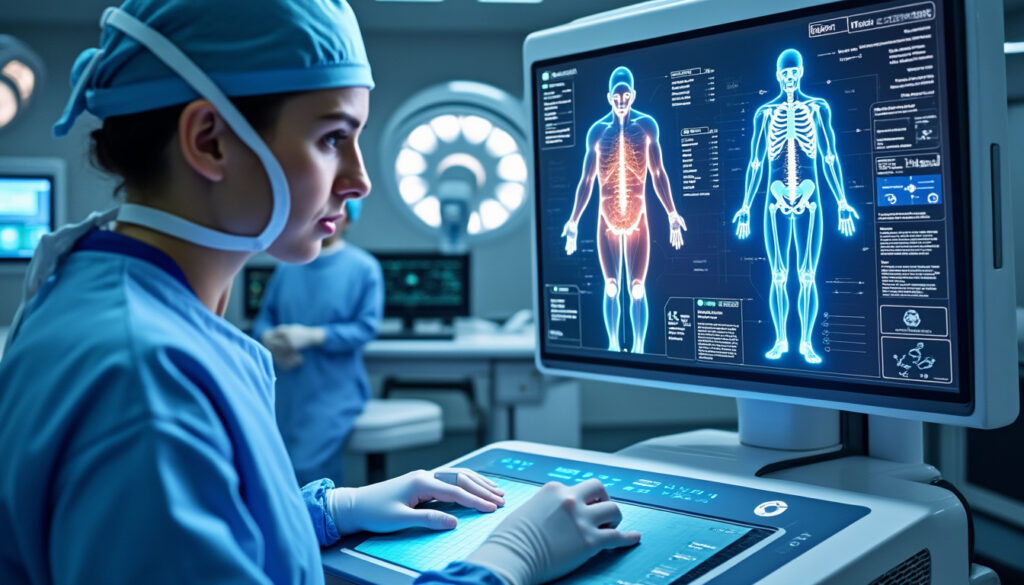
The evolution of surgical care in 2026 reveals a compelling shift toward approaches that prioritize the holistic recovery of patients, moving beyond traditional metrics like length of hospital stay or mortality rates. This modern paradigm highlights the principle that the…
How Neurovertebral Decompression Therapy Integrates into Comprehensive Spinal Health Care
Neurovertebral decompression is increasingly recognized as an integral component of modern spinal health strategies. Its collaborative application with surgical, rehabilitative, and nutritional interventions builds a multi-faceted framework for addressing spinal disorders.
Experts highlight the therapy’s adaptability across a spectrum of conditions—from mild disc bulges to more complex degenerative diseases—ensuring that patients receive appropriate, effective care at every stage.
Additionally, its compatibility with innovative surgical technologies such as robotic assistance and dynamic implants enhances the overall continuum of care, as explained by recognized authorities in expert opinion on neurovertebral decompression. This synergy supports not only pain relief but also functional restoration and long-term spinal health maintenance.
As healthcare systems evolve, the emphasis on non-invasive, patient-centered approaches like neurovertebral decompression therapy underscores a decisive shift towards safer, more effective management of chronic pain and nerve function disorders.
Is neurovertebral decompression therapy suitable for all types of back pain?
Neurovertebral decompression therapy is most effective for conditions involving nerve compression such as herniated discs and degenerative disc disease. It may not be appropriate for all back pain types, so a thorough medical evaluation is necessary.
How long is a typical course of neurovertebral decompression therapy?
Treatment duration commonly ranges from 3 to 6 months depending on the severity of the condition, patient response, and adherence to a comprehensive care plan.
Are there risks associated with neurovertebral decompression therapy?
Compared to invasive surgical procedures, neurovertebral decompression has a low risk profile. Mild temporary discomfort may occur, but serious complications are rare under expert supervision.
Is neurovertebral decompression therapy covered by health insurance?
Coverage varies by region and insurance plans. Many patients benefit from partial reimbursement, especially when the therapy is part of a prescribed treatment plan under medical supervision.
Can neurovertebral decompression help avoid surgery?
In many cases, this therapy can reduce symptoms enough to prevent the need for surgery, but it depends on individual pathology and treatment response. It is often used as a conservative step before considering surgical options.