
Motion Surgery in Terrebonne: Pioneering Innovation with Lasting Results
July 14, 2026
The Future of Surgery Lies in Stepwise Functional Recovery
July 14, 2026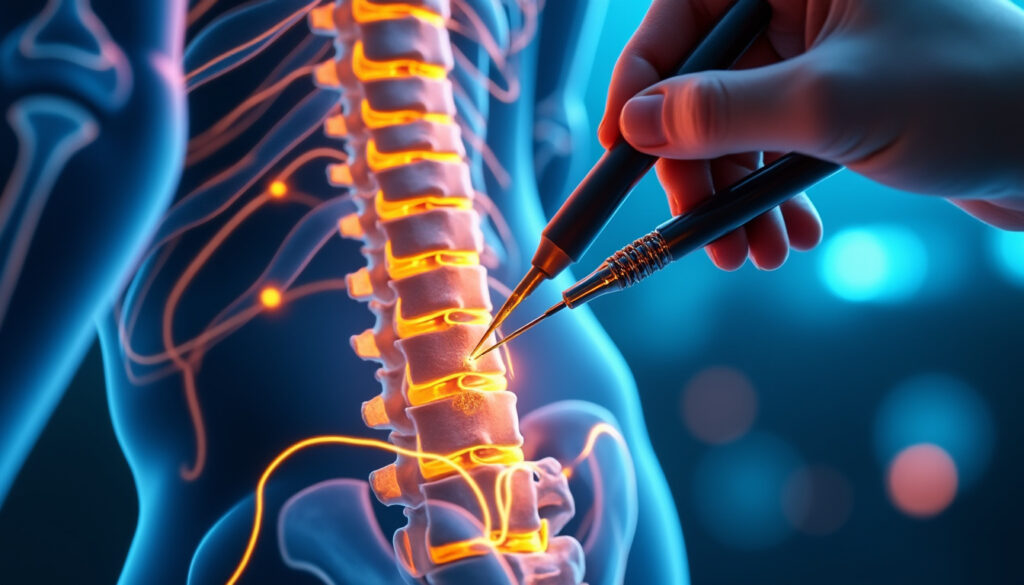
Neurovertebral decompression therapy has emerged as a sophisticated non-invasive medical intervention aimed at relieving chronic spinal pain, particularly associated with conditions such as herniated discs and spinal stenosis. As spinal disorders persist as a leading cause of disability worldwide, patients and clinicians alike are increasingly focused on optimizing treatment outcomes while minimizing risks. Navigating the complexities of neurovertebral decompression requires a thorough understanding of potential pitfalls, patient safety concerns, and the integration of tailored rehabilitation protocols. This article delves into the essential considerations to avoid common errors, ensuring the therapy’s effectiveness and long-term spinal health.
Grounded in the expertise cultivated over decades by leading specialists, this discussion highlights the intricate balance between the benefits and risks of spinal decompression. It stresses the importance of precise patient evaluation and adherence to clinical guidelines to safeguard optimal recovery trajectories. Furthermore, it explores innovative partnerships, such as those between Canadian and European centers, which enhance both technological access and holistic patient care. These advancements, along with heightened awareness of contraindications and post-treatment exercises, constitute critical elements in the safe deployment of neurovertebral decompression therapy in contemporary medical practice.
Fundamental Principles Behind Neurovertebral Decompression Therapy and Its Clinical Significance
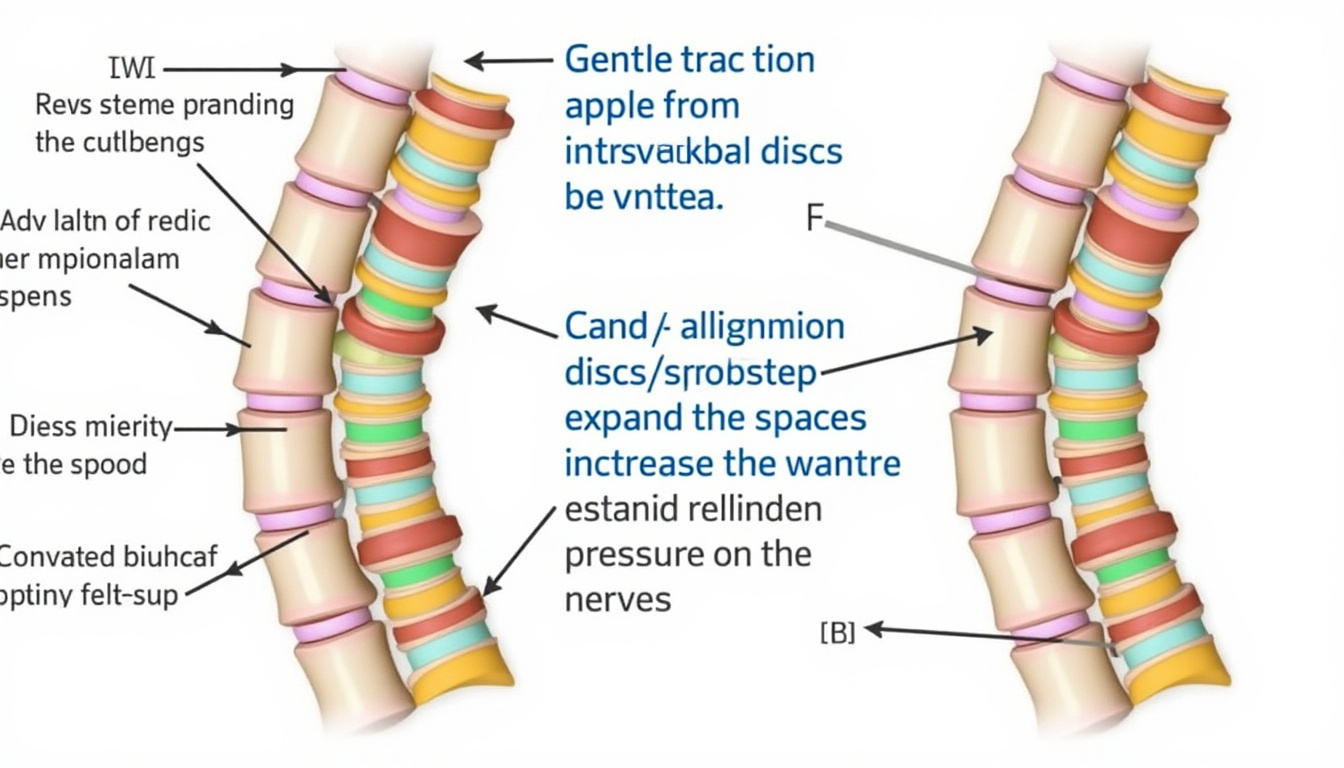
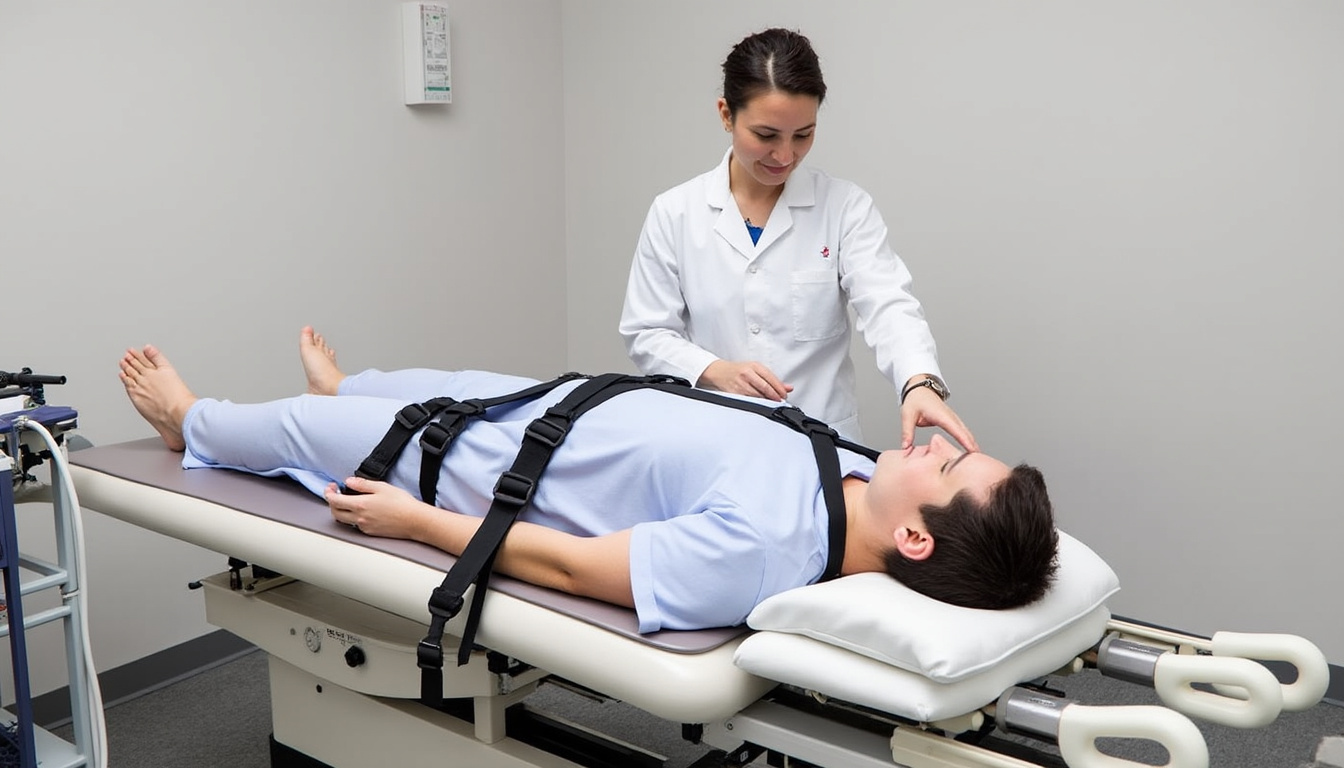
Neurovertebral decompression therapy operates on the principle of applying gentle, controlled traction to spinal segments. By mechanically increasing intervertebral space, the technique aims to reduce pressure on spinal nerves and discs, fostering an environment conducive to healing. This decompression alleviates nerve root irritation and facilitates nutrient exchange to damaged tissues, often resulting in substantial pain relief and improved mobility for patients suffering from degenerative spinal disorders.
Its clinical significance lies in offering a non-surgical alternative to traditional interventions, reducing recovery time and avoiding the inherent risks associated with invasive surgery. For instance, patients with lumbar disc herniation may experience relief through this therapy without the need for complex operations that pose potential neurological and structural complications. Such approaches are consistently refined to tailor the treatment parameters—traction force, duration, and frequency—to individual anatomical and pathological profiles, optimizing the therapeutic ratio.
Moreover, clinical outcomes have shown that successful neurovertebral decompression can contribute to long-term spinal health preservation by preventing further degeneration and maintaining segmental stability. This characteristic underscores its crucial role within multidisciplinary care pathways addressing chronic back pain. As understanding deepens, the therapy also serves as a complement to rehabilitative strategies, ensuring spine mechanics and musculature integration post-treatment.

Understanding Sciatic Pain: Key Symptoms and When to Seek Medical Advice
Sciatic pain is a prevalent condition impacting a wide demographic, manifesting primarily as intense pain radiating from the lower back down the leg. This pain stems from irritation or compression of the sciatic nerve, a major nerve extending through the…
Strict Evaluation of Contraindications: Essential Patient Selection to Prevent Serious Risks
The safety and effectiveness of neurovertebral decompression therapy hinge fundamentally on rigorous patient selection based on contraindication assessment. Contraindications articulate scenarios where treatment could exacerbate the patient’s condition or cause severe complications. These are broadly categorized into absolute and relative to guide clinical decision-making.
Absolute contraindications firmly preclude the use of decompression therapy. These include unhealed vertebral fractures, active spinal infections such as spondylodiscitis, spinal tumors, cauda equina syndrome, and pregnancy. For example, initiating decompression on a vertebra fractured acutely would risk further displacement and nerve damage, potentially culminating in irreversible functional loss.
Conversely, relative contraindications require nuanced consideration and close monitoring. Conditions like moderate osteoporosis, old spinal surgeries without complications, or mild spondylolisthesis may still allow a carefully calibrated decompression protocol. Treatment parameters are modified accordingly to avoid undue mechanical stress, accompanied by vigilant clinical surveillance to detect early adverse signs.
Illustratively, a patient with a stabilized, decade-old lumbar spinal fusion who undergoes a personalized decompression regimen may achieve remarkable symptomatic improvement without jeopardizing the surgical outcome. This scenario exemplifies the pivotal role of expert clinical judgment and patient-specific customization to ensure patient safety and maximize clinical outcomes.
A thorough pre-treatment workup incorporating comprehensive imaging (MRI, CT scans) and detailed medical histories is indispensable. This process also aligns with modern guidelines emphasized in institutions like the Clinique TAGMED, where interdisciplinary teams collaborate to uphold the highest standards of care during neurovertebral decompression therapy. Avoiding treatment in unsuitable candidates substantially reduces the risk of complications and enhances patient confidence in this innovative modality.
Key Contraindication Categories to Guide Clinical Practice
| Contraindication Type | Conditions Included | Clinical Considerations |
|---|---|---|
| Absolute | Vertebral fractures (unhealed), active spinal infections, spinal tumors, cauda equina syndrome, pregnancy | Immediate exclusion from decompression therapy; high risk of worsening condition |
| Relative | Moderate osteoporosis, old spinal surgery scars, mild spondylolisthesis | Requires tailored treatment parameters and close monitoring |
Recognizing and respecting these contraindications remain fundamental to avoiding treatment pitfalls and bolstering the overall therapeutic success of neurovertebral decompression therapy.

The Stepwise Role of Functional Recovery in Achieving Successful Outcomes
The journey to full recovery following spinal surgery is often complex and multifaceted, demanding a meticulously structured approach to ensure optimal functional outcomes. In recent years, the concept of functional recovery through a stepwise approach has garnered significant attention in…
Common Pitfalls During Neurovertebral Decompression Therapy That Compromise Efficacy and Safety
Despite the proven benefits of neurovertebral decompression therapy, errors in clinical application continue to undermine treatment success. Precise technique, patient cooperation, and attentive supervision are critical. Three frequent pitfalls negatively impacting outcomes are detailed below to inform both clinicians and patients.
Pitfall 1: Inadequate Patient Positioning on Decompression Equipment
Optimal positioning ensures effective traction distribution and prevents undue mechanical strain. Misalignment, whether during cervical or lumbar decompression, can result in suboptimal decompression effects, muscle spasms, or intensified radiating pain due to improper load on adjacent vertebrae or facet joints. For example, a misaligned cervical traction angle may exacerbate cervical nerve root compression, paradoxically increasing discomfort.
Pitfall 2: Lack of Real-Time Clinical Monitoring and Patient Feedback
Neurovertebral decompression requires ongoing evaluation of patient responses during each session. Neglecting to adjust traction based on sensations such as pain escalation, paresthesia, or unexpected numbness limits therapy safety. Continuous observation and communication can thwart potential neurological injury and adapt the treatment for tolerability and efficacy. This active monitoring is a cornerstone of patient safety protocols in reputable practices.
Pitfall 3: Forgoing Subsequent Rehabilitation Following Decompression Sessions
Neurovertebral decompression acts as a preparatory phase, not a standalone solution. Skipping prescribed post-treatment rehabilitation undermines gains by neglecting spinal stabilization and muscular reinforcement crucial for maintaining improvements. Rehabilitation programs incorporating targeted physiotherapy and core strengthening exercises enhance mobility and prevent recurrence of disc pathology.
Addressing these common errors, discussed extensively in contemporary resources on neurovertebral decompression, encourages a structured and comprehensive approach that harmonizes with patient-centric care models. These insights align with findings from emerging literature highlighting the importance of meticulous procedural adherence and integrated rehabilitation to elevate long-term patient outcomes (mistakes to avoid during neurovertebral decompression treatment).

Transatlantic Patient Journey: Insights into Indications, Benefits, and Challenges
The emergence of the Transatlantic Patient Journey as a strategic model within healthcare continues to capture attention for its innovative potential, especially in specialized fields such as spinal surgery. This cross-border care pathway integrates rigorous medical evaluation from Quebec with…
Rehabilitation After Neurovertebral Decompression: A Vital Component for Sustainable Spinal Health
Effective rehabilitation post-decompression therapy plays a pivotal role in integrative spinal care. While decompression alleviates mechanical pressure, sustained spinal health depends heavily on restoring balance, muscle strength, and functional stability. Tailored rehabilitation mitigates the risk of symptom relapse and fortifies recovery.
The rehabilitation regimen typically involves a multidisciplinary team—physiotherapists, spinal specialists, and often pain management experts—collaborating to construct individualized plans. These include low-impact exercises such as controlled Pilates, aquatic therapy, and core stabilization targeting postural muscles supporting vertebral alignment.
Research underscores how rehabilitation complements decompression by facilitating neuromuscular control and enhancing tissue resilience. For example, a patient completing an eight-week supervised program post-decompression exhibited enhanced functional capacity and reported reduced pain scores compared to those forgoing rehabilitation. This data reinforces the notion that decompression without rehab is suboptimal.
Patients are also educated on ergonomics and lifestyle modifications during rehabilitation to prevent undue spine strain. Incorporating educational aspects empowers patients to actively participate in maintaining spinal health long-term. Structured aftercare protocols, such as those promoted by progressive clinics, emphasize ongoing vigilance to early signs of deterioration, enabling timely intervention (spinal decompression aftercare).
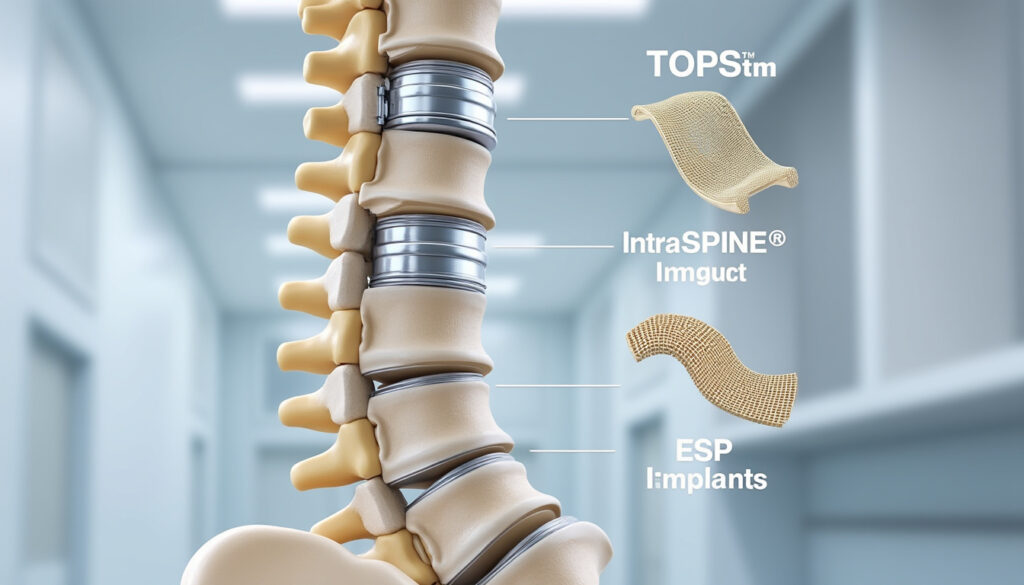
The evolving field of spinal surgery is witnessing a transformative shift, fueled by cutting-edge implant technologies such as TOPS, Intraspine, and ESP. These innovative implants redefine treatment possibilities by emphasizing preservation of natural spinal mechanics, while ensuring durable stabilization and…
Impact of Errors in Neurovertebral Decompression on Patient Outcomes and Quality of Life
When neurovertebral decompression therapy is improperly administered, or contraindications are overlooked, the consequences extend beyond transient discomfort to profound deterioration in patient health. Mechanical mismanagement may amplify existing symptoms, delay healing, and provoke new neurological complications.
A typical example includes treatment initiated in patients with undiagnosed vertebral instability, where repetitive traction worsens segmental mobility and increases pain severity. This can necessitate more invasive surgical interventions later on, reducing overall quality of life and increasing healthcare burdens.
Psychological impacts are equally significant. Negative experiences with therapy can erode patient trust in medical care, leading to avoidance of future treatments and heightened distress. This highlights the imperative for transparent communication and empathetic care during all stages of neurovertebral decompression therapy.
Integrated care models that combine expert evaluation, technological innovations, and post-treatment support have demonstrated superior outcomes. Clinics leveraging international collaborations enhance their therapeutic protocols, significantly reducing errors and boosting functional recovery rates. This multidimensional approach underscores why vigilance in avoiding treatment pitfalls is paramount to preserving patient wellbeing.

Preparing for Surgery in France: Key Indications, Benefits, and Limitations
In an evolving global healthcare landscape, France emerges as a beacon of advanced surgical expertise, particularly attracting international patients seeking expedited and innovative medical interventions. Patients from regions experiencing long wait times, such as Quebec, increasingly view France as an…
Preparing for Your Initial Neurovertebral Decompression Consultation: Maximizing Assessment Accuracy
The initial consultation represents a cornerstone in determining a safe and effective decompression plan. Comprehensive preparation enables practitioners to conduct precise evaluations, crucial for avoiding pitfalls.
Patients should gather recent spinal imaging—MRI, X-rays, or CT scans—and compile detailed medical histories including previous surgeries, injections, or bone-related conditions. Describing symptom quality, progression, and lifestyle impact helps clinicians map a tailored approach accurately.
Open dialogue regarding concurrent medications and therapy plans ensures that potential interactions or additional risks are identified early. Clarifying expectations and dispelling misconceptions during this stage fosters informed consent and patient engagement.
Following these preparatory steps optimizes the consultation’s efficacy, enhancing treatment safety. This methodical groundwork draws from more than three decades of expertise, exemplified in leading spinal centers that blend scientific rigor with compassionate care.


Unveiling the Hidden Benefits of Quality and Certification in Devices
The landscape of device manufacturing and clinical application in 2026 has been fundamentally shaped by the rigorous interplay between quality management and certification processes. Within this complex framework, the hidden benefits of adhering to international standards and obtaining relevant certifications…
Neurovertebral Decompression Alternatives: Options When Treatment Is Contraindicated
For patients in whom neurovertebral decompression is unsuitable, exploring alternative therapies remains crucial. A spectrum of conservative and integrative interventions aims to manage pain and promote spinal function without the risks tied to decompression therapy under contraindicated conditions.
These alternatives include:
- Enhanced conservative treatments: specialized physiotherapy combined with mild traction techniques or manual therapies to gently mobilize the spine.
- Complementary therapies: acupuncture, hydrotherapy, nutritional counseling, and naturopathic approaches that support tissue healing and analgesia.
- Personalized functional rehabilitation: core strengthening and flexibility programs such as therapeutic Pilates and yoga adapted for spinal health.
- Innovative orthotic supports and implants: in select cases, dynamic stabilization devices may offer symptom relief, often accessed through advanced clinical networks.
These alternatives inform a tailored, patient-centered decision-making paradigm, balancing efficacy and safety. Surgical options remain a last resort, following at least three to six months of comprehensive conservative management, including decompression where possible.
Comparative Overview of Neurovertebral Decompression and Alternative Treatments
| Aspect | Neurovertebral Decompression | Alternative Treatments |
|---|---|---|
| Invasiveness | Non-invasive controlled spinal traction | Manual therapy, exercises, alternative modalities |
| Typical Duration | Multiple sessions over weeks | Varied and often prolonged |
| Risk Profile | Low if contraindications are respected | Minimal, depending on indication adherence |
| Expected Outcome | Reduction of disc pressure, pain relief, improved mobility | Symptom management, improved function and quality of life |
| Post-Treatment Care | Structured rehabilitation essential | Often incorporates physical therapy and lifestyle adjustments |
| Criteria | Neurovertebral Decompression Therapy | Alternative Treatments |
|---|

Why Experts Advocate for Comprehensive Preoperative Evaluations
In the complex and demanding field of spinal surgery, the emphasis on comprehensive preoperative evaluations has become a fundamental pillar supporting successful surgical outcomes. These evaluations, far beyond mere routine checks, integrate detailed analyses of patient health, surgical risk assessments,…
Frequently Asked Questions on Neurovertebral Decompression Therapy and Avoiding Pitfalls
{“@context”:”https://schema.org”,”@type”:”FAQPage”,”mainEntity”:[{“@type”:”Question”,”name”:”What are the main risks associated with neurovertebral decompression therapy?”,”acceptedAnswer”:{“@type”:”Answer”,”text”:”The primary risks arise from overlooking contraindications, improper patient positioning, and insufficient clinical monitoring during treatment. These can lead to increased pain, nerve damage, or worsening of spinal instability. Adhering to safety protocols minimizes these risks.”}},{“@type”:”Question”,”name”:”How important is rehabilitation after neurovertebral decompression?”,”acceptedAnswer”:{“@type”:”Answer”,”text”:”Rehabilitation is essential to reinforce spinal stability and prevent relapse. It complements decompression by improving muscle strength, posture, and flexibility, thereby sustaining therapeutic benefits and enhancing quality of life.”}},{“@type”:”Question”,”name”:”Who should avoid undergoing neurovertebral decompression therapy?”,”acceptedAnswer”:{“@type”:”Answer”,”text”:”Patients with unhealed spinal fractures, active infections, tumors, cauda equina syndrome, or women who are pregnant should avoid this therapy. Additionally, those with severe spinal instability or uncontrolled medical conditions require alternative treatments.”}},{“@type”:”Question”,”name”:”How can patients prepare effectively for their first decompression consultation?”,”acceptedAnswer”:{“@type”:”Answer”,”text”:”Preparation involves bringing all recent imaging, providing detailed medical history, accurately describing symptoms, and discussing current medications with the clinician. This ensures comprehensive assessment and individualized treatment planning.”}},{“@type”:”Question”,”name”:”What alternatives exist if neurovertebral decompression is contraindicated?”,”acceptedAnswer”:{“@type”:”Answer”,”text”:”Options include intensive physiotherapy, manual therapies, acupuncture, functional rehabilitation exercises, and in some cases, dynamic implants or orthotic devices. Surgery is considered only after exhaustive conservative management fails.”}}]}What are the main risks associated with neurovertebral decompression therapy?
The primary risks arise from overlooking contraindications, improper patient positioning, and insufficient clinical monitoring during treatment. These can lead to increased pain, nerve damage, or worsening of spinal instability. Adhering to safety protocols minimizes these risks.
How important is rehabilitation after neurovertebral decompression?
Rehabilitation is essential to reinforce spinal stability and prevent relapse. It complements decompression by improving muscle strength, posture, and flexibility, thereby sustaining therapeutic benefits and enhancing quality of life.
Who should avoid undergoing neurovertebral decompression therapy?
Patients with unhealed spinal fractures, active infections, tumors, cauda equina syndrome, or women who are pregnant should avoid this therapy. Additionally, those with severe spinal instability or uncontrolled medical conditions require alternative treatments.
How can patients prepare effectively for their first decompression consultation?
Preparation involves bringing all recent imaging, providing detailed medical history, accurately describing symptoms, and discussing current medications with the clinician. This ensures comprehensive assessment and individualized treatment planning.
What alternatives exist if neurovertebral decompression is contraindicated?
Options include intensive physiotherapy, manual therapies, acupuncture, functional rehabilitation exercises, and in some cases, dynamic implants or orthotic devices. Surgery is considered only after exhaustive conservative management fails.

The Future of Surgery Lies in Stepwise Functional Recovery
The evolution of surgical care in 2026 reveals a compelling shift toward approaches that prioritize the holistic recovery of patients, moving beyond traditional metrics like length of hospital stay or mortality rates. This modern paradigm highlights the principle that the…