Common Pitfalls to Avoid in Neurovertebral Decompression Therapy and Its Crucial Role
July 14, 2026
Why Experts Advocate for Comprehensive Preoperative Evaluations
July 14, 2026
The evolution of surgical care in 2026 reveals a compelling shift toward approaches that prioritize the holistic recovery of patients, moving beyond traditional metrics like length of hospital stay or mortality rates. This modern paradigm highlights the principle that the future of surgery inherently depends on harnessing stepwise functional recovery. Especially in fields such as spinal surgery, where complexity and patient variability are significant, this structured, multi-phased model ensures a carefully calibrated rehabilitation path that augments surgical success with real-world functional outcomes.
Pioneering medical innovations, notably in minimally invasive surgical advancements, neuromodulation techniques, and digital health, are revolutionizing patient recovery protocols. These developments allow for personalized, progressive functional rehabilitation that enhances patient outcomes while minimizing complications. Integrating multidisciplinary teams across geographies—such as the seamless collaboration between Canadian and French spinal units—has become seminal in the holistic management of complex spine interventions.
This model fosters a seamless transition from preoperative neurofunctional evaluation to postoperative neuromodulatory support and rehabilitative care, all aligning towards restoring autonomy and quality of life. It redefines recovery not as a passive waiting period but as an active and measurable journey marked by incremental gains. Consequently, the stepwise recovery approach exemplifies the convergence of surgical precision and rehabilitation science, offering a blueprint for the next generation of surgical care standards worldwide.
Advancing Surgical Outcomes Through Stepwise Functional Recovery Models
Traditional surgical outcome assessments have predominantly revolved around clinical events such as mortality, complication rates, and hospital discharge timings. However, contemporary surgical care increasingly recognizes that such parameters, while vital, inadequately reflect the true recovery trajectory experienced by patients post-intervention. Stepwise functional recovery models shift this focus, emphasizing patient-centered outcomes that chart progress through well-defined, incremental stages of regained function.
This phased recovery process tailors rehabilitation intensity and milestones depending on the nature and invasiveness of surgical procedures, with spinal surgeries serving as an exemplar. For instance, the trajectory following a fusion surgery requires longer consolidation and more cautious mobilization compared to motion-preserving or endoscopic surgeries. This granularity limits risks of postoperative complications such as nerve damage, chronic pain, or mobility loss, and offers a pragmatic framework for clinicians to anticipate and manage patient progress.
Key to these models is integrating surgical and rehabilitative teams throughout the patient’s journey. Collaborative efforts between surgical teams in France and rehabilitation specialists like Neurothérapie Montréal ensure a continuous feedback loop that customizes recovery timelines. Additionally, this setup aligns with contemporary findings that combining structured physical therapy with neurofunctional assessments and neuromodulation optimizes outcomes significantly.
By applying evidence-based recovery protocols, including early ambulation and staged strength training, surgical centers have reported accelerated functional gains and decreased readmission rates. This integrated approach aligns with emerging research championing recovery of autonomy and daily activity performance as the gold standard for postoperative success, particularly relevant for aging populations requiring spine surgery.

Understanding Sciatic Pain: Key Symptoms and When to Seek Medical Advice
Sciatic pain is a prevalent condition impacting a wide demographic, manifesting primarily as intense pain radiating from the lower back down the leg. This pain stems from irritation or compression of the sciatic nerve, a major nerve extending through the…
Role of Minimally Invasive Techniques in Enhancing Stepwise Functional Recovery
The advent and evolution of minimally invasive surgical methods have been instrumental in reshaping recovery paradigms. By minimizing tissue trauma, reducing blood loss, and shortening operative times, minimally invasive procedures create an optimal environment for the stepwise functional recovery model to thrive.
Spinal endoscopic surgeries, robotic-assisted interventions, and augmented reality guidance exemplify these medical innovations. Their precision preserves surrounding musculature and neural structures, which enables earlier mobilization and facilitates rehabilitation tailored to incremental functional milestones. Notably, motion surgery innovations in Terrebonne demonstrate how preserving natural spinal kinematics translates into more effective, planned recovery stages.
Moreover, emerging technologies such as digital twins and intraoperative fluorescence-guided imaging elevate surgical accuracy, providing personalized maps of patient anatomy and potential risk zones. These tools reduce complications and allow the design of recovery protocols that reflect individual healing capacities and functional baselines.
The synthesis of these surgical advancements with postoperative rehabilitation strategies has been shown to shorten hospital stays and enhance patient confidence during mobilization. Such impact is critical in restoring autonomy and reducing the burden of care on healthcare systems. Clinical evidence increasingly supports using minimally invasive techniques as the foundation of enhanced recovery pathways, emphasizing that the future of surgery lies in combining technical precision with structured recovery planning.

The Stepwise Role of Functional Recovery in Achieving Successful Outcomes
The journey to full recovery following spinal surgery is often complex and multifaceted, demanding a meticulously structured approach to ensure optimal functional outcomes. In recent years, the concept of functional recovery through a stepwise approach has garnered significant attention in…
Integrating Neuromodulation in Postoperative Recovery to Manage Pain and Enhance Function
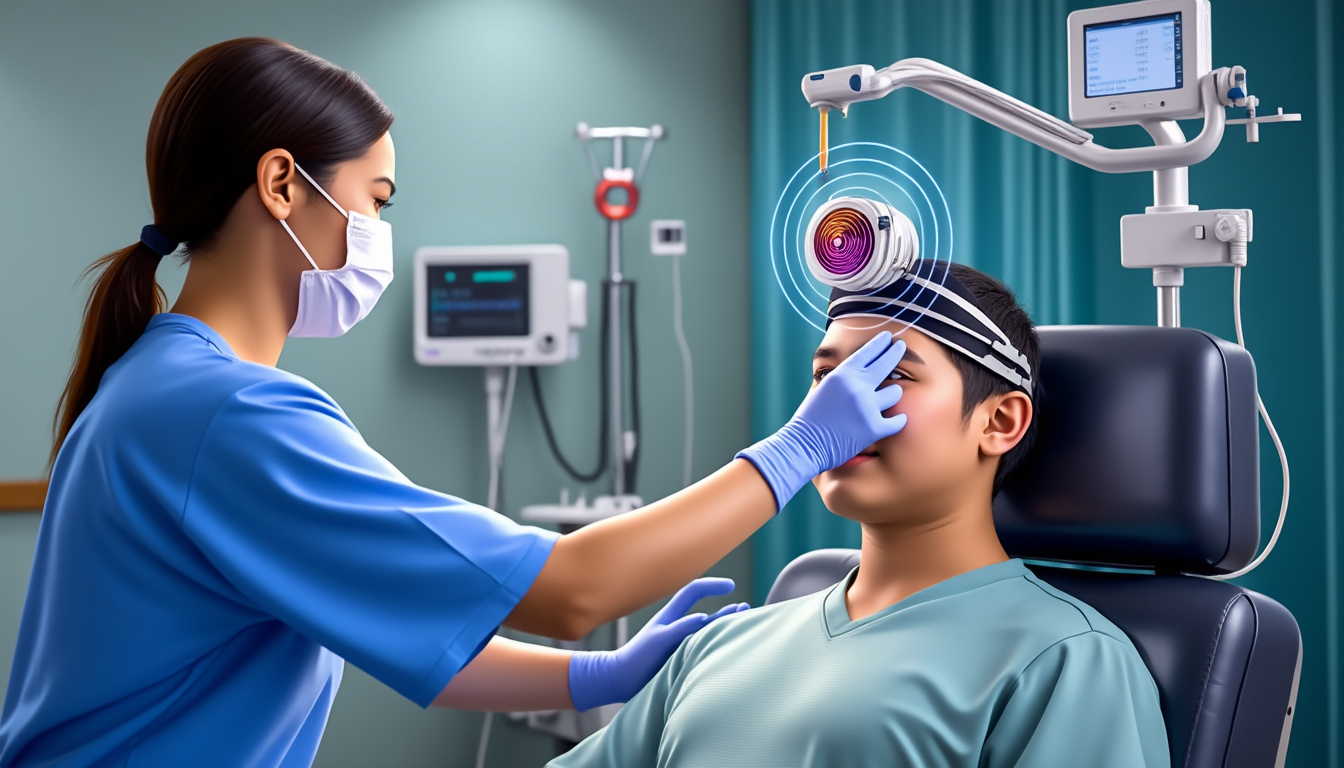
In the scope of stepwise functional recovery, managing neuropathic pain and emotional well-being are pivotal. Traditional pain management strategies relying heavily on pharmacological interventions face challenges such as opioid dependency and inadequate control of chronic neuropathic symptoms. Innovations in neuromodulation, particularly repetitive transcranial magnetic stimulation (rTMS), now play a transformative role.
Neurotherapy centers such as Neurothérapie Montréal have embraced rTMS as part of their integrated postoperative care program. By targeting specific brain circuits, rTMS alleviates neuropathic pain and supports psychological resilience, factors that critically influence patient engagement in rehabilitation. For instance, case reports detail patients experiencing significant pain reduction and functional gains, enabling them to re-engage with moderate physical activities within months.
This stimulation modality complements physical rehabilitation by enhancing neuroplasticity and accelerating motor function restoration. Notably, rTMS has been integrated within structured recovery plans tailored to the type and extent of spinal surgery, addressing post-fusion neuropathic pain where conventional therapies might fall short.
Further, neuromodulation techniques extend beyond pain control, offering cognitive and emotional benefits that reduce the incidence of post-surgical anxiety and depression, common obstacles in recovery. This biopsychosocial approach to postoperative care underscores the future of surgery as an interdisciplinary framework where technological innovation intersects with comprehensive patient support.

Transatlantic Patient Journey: Insights into Indications, Benefits, and Challenges
The emergence of the Transatlantic Patient Journey as a strategic model within healthcare continues to capture attention for its innovative potential, especially in specialized fields such as spinal surgery. This cross-border care pathway integrates rigorous medical evaluation from Quebec with…
Personalized Recovery Protocols Tailored to Surgery Type and Patient Needs
Recognizing that recovery trajectories differ substantially, particularly based on surgical invasiveness, stepwise functional recovery models prioritize individualized convalescence protocols. These protocols consider variables such as surgical type, patient baseline function, age, and co-morbidities to optimize rehabilitation strategies.
Recovery after simple spinal procedures may involve early mobilization within days, allowing gradual resumption of walking and daily activities within a few weeks. Conversely, fusion surgeries require extended periods of immobilization and staged rehabilitation to allow osseous consolidation and avoid hardware stress. Intermediate procedures, such as motion-preserving surgeries, necessitate nuanced protocols focused on stabilizing mobility without restricting function.
For example, a typical fusion surgery recovery plan managed by Neurothérapie Montréal involves:
- Weeks 0-2: Controlled mobilization, pain management, and the initiation of neuromodulation if necessary;
- Weeks 2-6: Progressive physiotherapy emphasizing postural control and psychological support;
- Weeks 6-12: Muscle strengthening and functional retraining;
- Months 3-6: Gradual return to moderate sports and optimization of neuromodulatory treatments.
The adherence to such precise timelines has shown to improve overall patient confidence and reduce complications such as chronic pain or functional impairment. Literature emphasizes the value of personalized plans in improving surgical outcomes and expediting return to work and normal living, underscoring the necessity of treating functional recovery as a dynamic and patient-centered process highlighted in recent surgical studies.
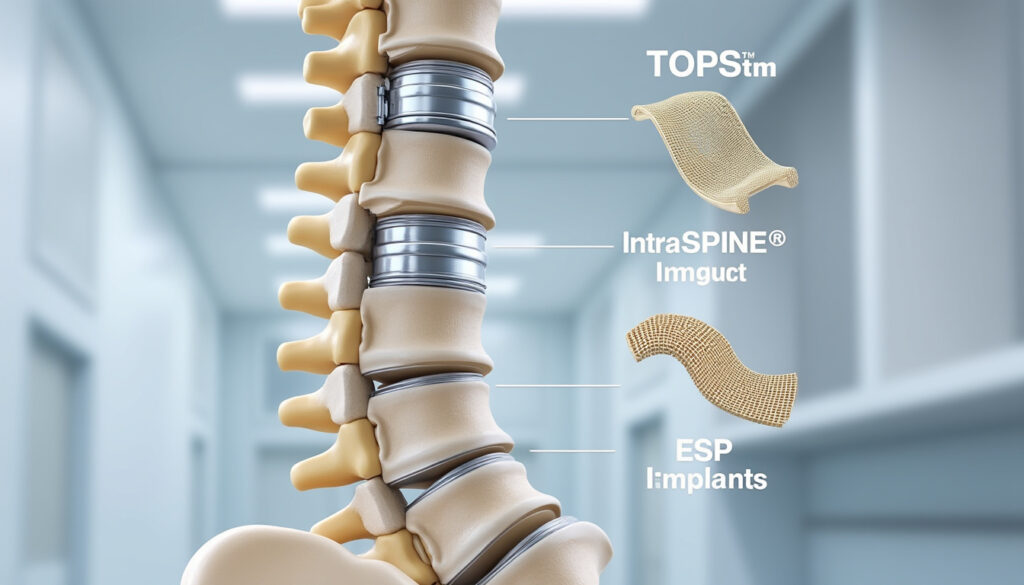
The evolving field of spinal surgery is witnessing a transformative shift, fueled by cutting-edge implant technologies such as TOPS, Intraspine, and ESP. These innovative implants redefine treatment possibilities by emphasizing preservation of natural spinal mechanics, while ensuring durable stabilization and…
Multidisciplinary Coordination and International Collaboration in Stepwise Recovery Frameworks
The success of stepwise functional recovery intrinsically depends on effective multidisciplinary collaboration. Complex spine surgeries performed internationally, such as Canadian patients operated in France, require an integrated approach that bridges geographical and clinical care gaps.
Coordination exemplified by partnerships between institutions such as Neurothérapie Montréal and French surgical centers ensures consistent monitoring and adjustment of recovery protocols. Neurofunctional assessments before surgery aid in planning tailored rehabilitative steps while shared communication platforms facilitate seamless dialogue across teams throughout the recovery phases.
In such models, logistic partners like Franchir contribute significantly by organizing follow-ups and easing administrative challenges posed by cross-border care. This holistic teamwork model addresses not only the biomechanical aspects of recovery but also psychological and social dimensions, thereby reducing stress and uncertainty for patients navigating international surgical journeys.
This globalized approach enhances outcome data quality, allowing continuous refinement of protocols grounded in patient-reported experiences and quantitative functional measures. The model serves as a template for future surgery pathways, combining surgical advancements with patient-centered, culturally sensitive rehabilitation frameworks.
Preparing for Surgery in France: Key Indications, Benefits, and Limitations
In an evolving global healthcare landscape, France emerges as a beacon of advanced surgical expertise, particularly attracting international patients seeking expedited and innovative medical interventions. Patients from regions experiencing long wait times, such as Quebec, increasingly view France as an…
Technological Innovations Driving Advances in Surgical Precision and Rehabilitation
Emerging innovations in digital health and robotic assistance are redefining operating room environments into augmented surgery suites. These environments utilize advanced imaging, 3D modeling, and robotic navigation platforms to enhance surgical accuracy and safety, directly influencing the effectiveness of subsequent recovery stages.
One striking advancement is the application of patient-specific digital twins, virtual replicas constructed from preoperative scans that enable surgeons to rehearse procedures with incredible detail. This simulation reduces unforeseen risks and facilitates the crafting of personalized postoperative care plans that align with precise anatomical realities.
Robotic navigation systems—such as those achieving recent FDA approvals—offer real-time guidance during interventions, minimizing tissue damage and optimizing implant positioning. The decreased invasiveness leads to reduced inflammatory response and faster initiation of rehabilitation protocols.
Neuromodulation technologies are likewise evolving, with BrainPort and PoNS devices enhancing neurocognitive rehabilitation beyond mere pain control. These integrated technologies support the restoration of sensory and motor functions crucial for full functional recovery, embodying the seamless integration of technology into patient-centered care paradigms.
| Innovation | Application | Key Benefits | Integration Example |
|---|---|---|---|
| Patient Digital Twins | Pre-op surgical simulation | Risk reduction, personalized care | Augmented OR at AP-HP |
| Robotic Navigation | Surgical precision aid | Minimized tissue trauma | FDA-approved platforms (2024) |
| rTMS Neuromodulation | Post-op pain & cognitive recovery | Enhances neuroplasticity | Neurothérapie Montréal protocols |
| BrainPort & PoNS Devices | Neurosensory rehabilitation | Improved cognitive & motor function | Integrated post-op therapy |

Unveiling the Hidden Benefits of Quality and Certification in Devices
The landscape of device manufacturing and clinical application in 2026 has been fundamentally shaped by the rigorous interplay between quality management and certification processes. Within this complex framework, the hidden benefits of adhering to international standards and obtaining relevant certifications…
Structured Recovery Plans Boosting Patient Autonomy and Quality of Life
Functional recovery is intricately tied to a patient’s regained autonomy and overall quality of life, elements that structured stepwise protocols nurture through measurable and time-sensitive goals. Emphasizing rehabilitation from the first postoperative day aligns clinical expectations with patient experiences.
These plans clearly outline progressive activity milestones—from immediate pain management and controlled mobilization to return to complex physical activities and sports participation. For example, the integration of kinesthetic therapy coupled with routine neurological evaluations guides adjustments aimed at optimizing outcomes.
Moreover, the psychological component, including anxiety and depression management, plays a crucial role. Structured mental health support is now standard in recovery frameworks, facilitated by ongoing interdisciplinary communication and neuromodulation adjuncts.
Adhering to such organized recovery pathways significantly increases the likelihood of a successful return to societal roles and employment, highlighting the economic and emotional importance of this approach. Studies on postoperative care underscore these benefits, emphasizing that patients engaged in planned rehabilitation exhibit improved satisfaction and reduced long-term morbidity according to recent guidelines.
Stepwise Functional Recovery
Progressive milestones to regain autonomy after spinal surgery
Preoperative Phase
Initial preparation for surgery focusing on baseline assessment and patient education.
Immediate Postoperative Phase (0-3 days)
Focus on pain management and early mobilization to reduce complications.
Early Rehabilitation Phase (4-14 days)
Progressive physical therapy targeting mobility and strength improvement.
Late Rehabilitation Phase (2-6 weeks)
Strengthening and re-integration of functional activities for autonomy.
Why Experts Advocate for Comprehensive Preoperative Evaluations
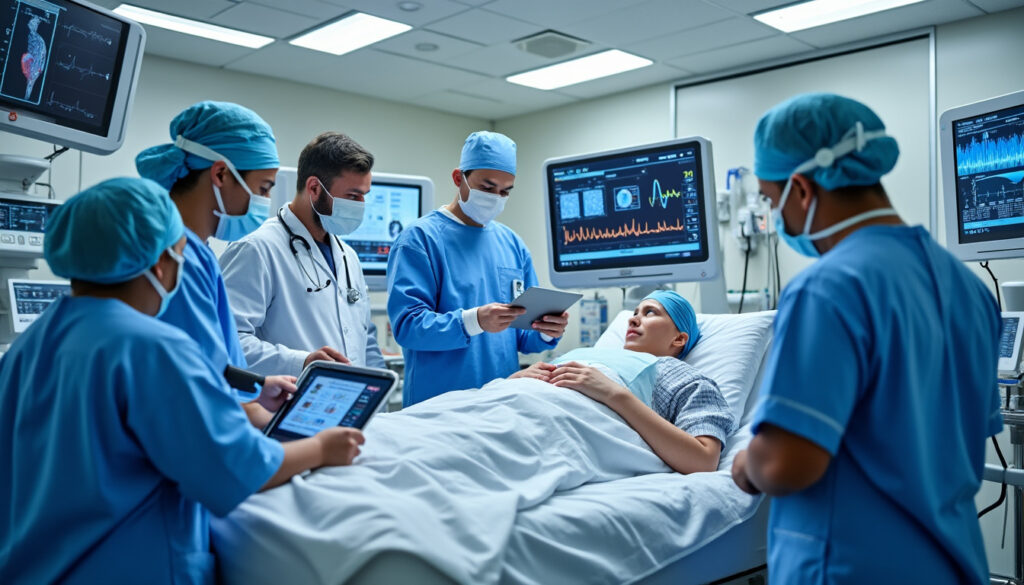
In the complex and demanding field of spinal surgery, the emphasis on comprehensive preoperative evaluations has become a fundamental pillar supporting successful surgical outcomes. These evaluations, far beyond mere routine checks, integrate detailed analyses of patient health, surgical risk assessments,…
Shaping the Future of Surgery with Human-Centered and Evidence-Based Recovery
The journey of surgical care is increasingly defined not only by the technical success of interventions but by the human experience of recovery. Stepwise functional recovery epitomizes this vision by merging cutting-edge medical innovation with personalized, patient-focused care. It transforms the postoperative phase into an active, engaging process that reconstructs physical and cognitive faculties in harmony with patient goals.
The evidence supporting this transformation is abundant and growing, with collaborative research efforts contributing to continuously optimized protocols. The enhanced recovery after surgery (ERAS) concept, coupled with neuromodulation and advanced surgical techniques, fosters interdisciplinary clinical pathways that address both biological and psychosocial dimensions of healing.
This holistic approach ensures that surgery evolves from an isolated event into a continuum of care, where rehabilitation, patient education, technological advancements, and psychological support coalesce into superior patient outcomes. The fusion of these pillars signals a definitive step toward a future where surgical interventions are safe, precise, and empowering, paving the way to restored function and enduring quality of life.
What is stepwise functional recovery in surgery?
Stepwise functional recovery is a progressive, stage-based approach to convalescence tailored to the type of surgery performed, aimed at optimizing restoration of function and minimizing complications.
How does rTMS improve postoperative recovery?
Repetitive transcranial magnetic stimulation (rTMS) alleviates neuropathic pain and supports mental well-being, facilitating a faster and more comfortable recovery process.
What are the key stages after spinal fusion surgery?
Key stages include progressive mobilization, posture rehabilitation, muscle strengthening, and psychological support with close monitoring typically spanning 0 to 6 months.
How does Neurothérapie Montréal personalize recovery?
By coordinating multidisciplinary follow-up with regular assessments, therapeutic adjustments, and continuous communication with surgical teams in France to tailor the recovery journey to each patient’s needs.
What role does clinical research have in improving recovery protocols?
Clinical research integrates the latest medical advancements and adapts protocols, such as non-invasive neuromodulation techniques, to continuously enhance the efficacy of functional recovery.
Common Pitfalls to Avoid in Neurovertebral Decompression Therapy and Its Crucial Role
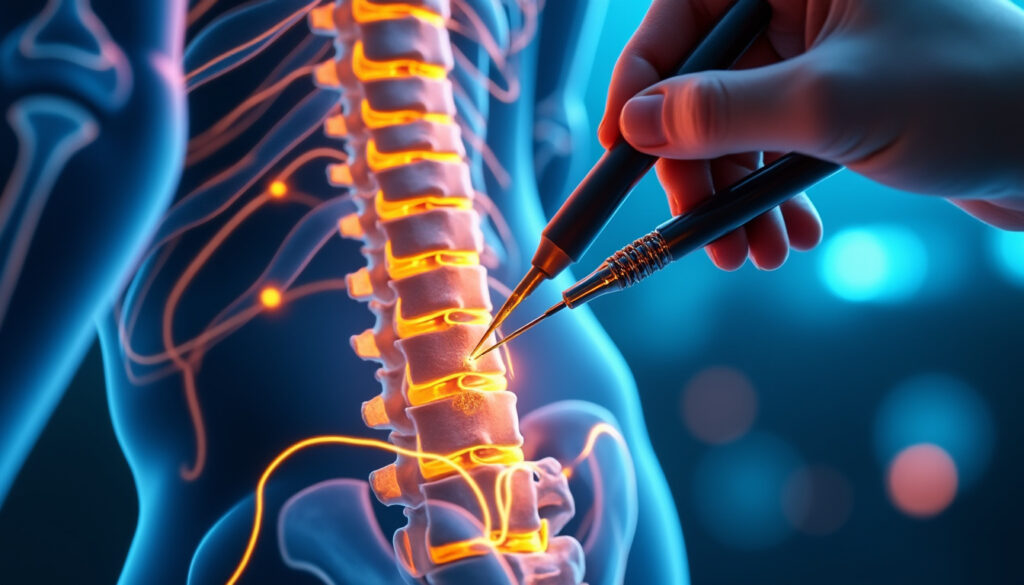
Neurovertebral decompression therapy has emerged as a sophisticated non-invasive medical intervention aimed at relieving chronic spinal pain, particularly associated with conditions such as herniated discs and spinal stenosis. As spinal disorders persist as a leading cause of disability worldwide, patients…