
Why Experts Advocate for Comprehensive Preoperative Evaluations
July 14, 2026
IntraSPINE® in Sherbrooke: Safe Minimally Invasive Procedure
July 14, 2026
The landscape of device manufacturing and clinical application in 2026 has been fundamentally shaped by the rigorous interplay between quality management and certification processes. Within this complex framework, the hidden benefits of adhering to international standards and obtaining relevant certifications extend far beyond mere compliance. These elements serve as pillars for performance, reliability, and safety that influence not only manufacturers but also clinicians and patients worldwide. Especially in high-stakes fields such as spinal surgery, where the integrity of devices directly impacts patient outcomes, understanding these benefits unveils opportunities to advance healthcare delivery and innovation.
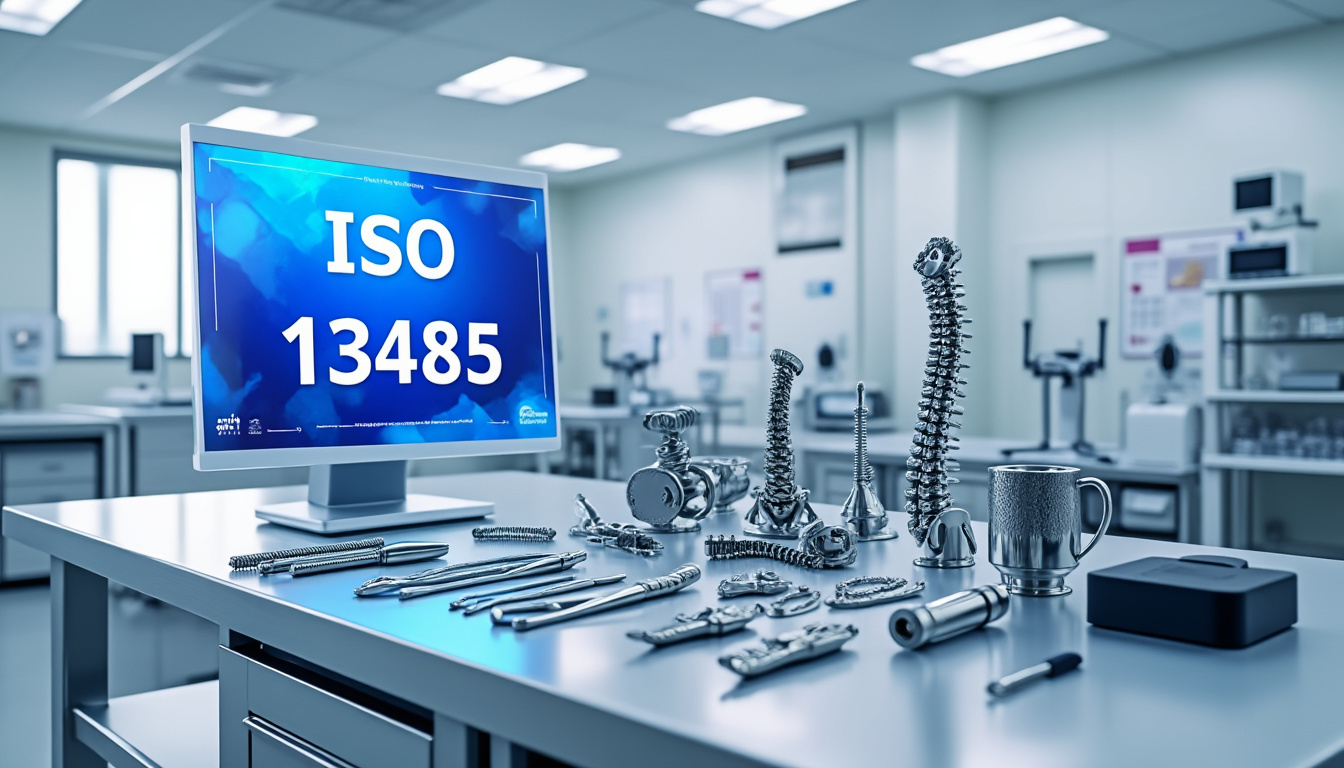
Globally, devices are subjected to stringent regulations that require manufacturers to implement comprehensive quality assurance systems such as ISO 13485. This standard integrates technical quality aspects with regulatory compliance, ensuring that each device meets predefined safety and effectiveness thresholds. The implications of these certifications ripple through the entire ecosystem—enhancing trust among healthcare providers, optimizing surgical procedures, and mitigating postoperative complications.
The evolution of certification programs also encourages the incorporation of cutting-edge technologies and materials in device design, creating safer and more effective therapeutic options. Meanwhile, patients benefit from heightened transparency and traceability, which ensure continuous monitoring and post-market surveillance. For healthcare systems and businesses, these frameworks catalyze operational efficiency and market competitiveness, demonstrating that quality standards are indeed an indispensable asset in today’s device industry.
How Quality Standards Enhance Device Safety and Reliability in Medical Applications
Fundamental to any medical device’s success is its adherence to established quality standards, which underpin the device’s safety and reliability. In 2026, the ISO 13485 certification remains the cornerstone for manufacturers aiming to produce devices that are both clinically efficacious and compliant with regulatory frameworks such as the European Union’s Medical Device Regulation (MDR 2017/745).
The ISO 13485 standard enforces a holistic quality management system encompassing the device’s entire lifecycle—from design and development to production and post-market activities. Its implementation ensures manufacturers rigorously monitor risk management, validate each production stage, and supervise any deviations proactively. For example, in spinal surgery devices, these controls prevent failures that could lead to serious complications such as implant loosening or neurological damage.
By meeting these quality standards, manufacturers demonstrate their commitment to safety and performance, reinforcing market confidence. Moreover, such certifications facilitate smoother regulatory approval processes, expediting access to global markets. This advantage allows innovative device makers to introduce advanced technologies rapidly, thereby improving clinical outcomes.
Numerous manufacturers report operational benefits resulting from certification. Structured audits and continuous training foster a culture of quality and accountability. These dynamics inevitably translate into consistent product reliability, decreasing the likelihood of recalls or adverse events that could jeopardize patient safety and an organization’s reputation.
Healthcare providers often prioritize devices bearing quality certifications during procurement, reflecting an industry-wide recognition that certified devices carry lower risk and superior long-term results. To delve deeper into the importance of quality standards in device management, one can explore detailed discussions on the significance of awards and certification in quality management.

Understanding Sciatic Pain: Key Symptoms and When to Seek Medical Advice
Sciatic pain is a prevalent condition impacting a wide demographic, manifesting primarily as intense pain radiating from the lower back down the leg. This pain stems from irritation or compression of the sciatic nerve, a major nerve extending through the…
Certification as a Benchmark for Enhanced Device Performance and Market Competitiveness
Certification not only guarantees compliance with regulations but also serves as a strategic benchmark enabling device manufacturers to differentiate their products in a competitive marketplace. The benefits of certification extend significantly into enhancing device performance and fortifying consumer trust, which are decisive in sectors such as the medical device industry.
For instance, the European CE marking is critical, certifying that a device satisfies essential health, safety, and environmental requirements. This mark becomes a hallmark that assures surgeons and patients alike that each implant undergoes meticulous clinical and mechanical testing. Certification frameworks, including international credentials such as FDA clearance, reinforce this assurance and provide access to diverse global markets.
Beyond regulatory necessity, certified devices benefit from continuous oversight involving post-market surveillance and batch traceability. Such mechanisms allow early detection of potential issues and facilitate swift corrective measures, thereby sustaining product integrity.
Furthermore, studies have shown that certified products often enjoy reduced insurance premiums and liability risks, providing manufacturers and healthcare institutions with economic incentives. These advantages create a feedback loop that encourages investment in higher quality materials and innovative manufacturing processes, ultimately advancing medical technology.
Market competitiveness is also enhanced by clearly communicating certification status, which often influences purchasing decisions. Organizations that leverage certification for marketing demonstrate transparency and commit to continual improvement, setting industry standards for excellence.
A detailed examination of whether product certification adds value or cost to manufacturing efforts can enrich understanding, as discussed in resources like the exploration of product certification value.

The Stepwise Role of Functional Recovery in Achieving Successful Outcomes
The journey to full recovery following spinal surgery is often complex and multifaceted, demanding a meticulously structured approach to ensure optimal functional outcomes. In recent years, the concept of functional recovery through a stepwise approach has garnered significant attention in…
Unveiling the Latent Benefits of IoT Device Certification in Enhancing Device Quality
In the realm of the Internet of Things (IoT), device certification has gained profound importance as a mechanism to ensure security, interoperability, and quality in an increasingly connected ecosystem. This trend directly impacts the quality and certification discourse for devices in sectors that depend heavily on digital integration.
IoT device certificates validate compliance with technical standards while addressing cybersecurity vulnerabilities—an increasingly critical concern given the proliferation of connected medical devices. Adhering to such certifications safeguards patient data, reduces cyber risks, and fosters device reliability. Manufacturers incorporating these standards benefit from both risk mitigation and expanded market opportunities.
Moreover, standards and certification for IoT hardware address performance factors like power efficiency and network compatibility, enhancing device lifespan and functionality. For example, smart medical implants with embedded IoT capabilities now require certifications that encompass both traditional medical device standards and specialized IoT protocols. This dual compliance reinforces overall device quality.
Device makers adopting the Matter standard—a unified connectivity standard launched in recent years—gain meaningful benefits, including cost reductions and improved product interoperability in the smart device realm. Such developments highlight the evolving landscape of quality and certification and their combined influence on improving device usefulness and patient care.
To explore the nuances of IoT device certification and its intrinsic value in technology assurance, consider available insights at IoT device certificates explained.


Transatlantic Patient Journey: Insights into Indications, Benefits, and Challenges
The emergence of the Transatlantic Patient Journey as a strategic model within healthcare continues to capture attention for its innovative potential, especially in specialized fields such as spinal surgery. This cross-border care pathway integrates rigorous medical evaluation from Quebec with…
Integrating Quality Certification in Manufacturing: From Compliance to Continuous Innovation
Manufacturing certifications, such as ISO 13485 for medical devices, FDA approvals, and UL listings, collectively form the backbone of responsible device production. Companies engaging with these frameworks experience multi-faceted advantages that transcend compliance, evolving towards continuous process enhancement and innovation.
The manufacturing phase is often where quality assurance meets operational realities. By embedding certification requirements within manufacturing workflows, companies ensure consistency in materials, tolerances, and assembly procedures. This reduces variation and defects, which are critical for devices used in sensitive clinical applications.
Compatibility with international standards facilitates global supply chain integration, streamlining collaboration between original equipment manufacturers (OEMs), contract manufacturers, and distributors. This alignment is vital in industries with complex regulations and multiple jurisdictions.
Process certification also encourages manufacturers to adopt advanced technologies like robotics, 3D imaging, and automation—an evolution that boosts precision and scalability while maintaining strict safety thresholds. For example, robotic-assisted production and navigation in spinal device manufacturing contribute to improved implant fit and clinical success.
Manufacturers with strong certification histories often see enhanced brand recognition and better market positioning. They tend to attract partnerships with healthcare providers looking for reliable suppliers who prioritize patient safety.
For those interested in the spectrum of manufacturing certifications and their practical impacts, resources such as manufacturing certifications explained offer comprehensive perspectives.
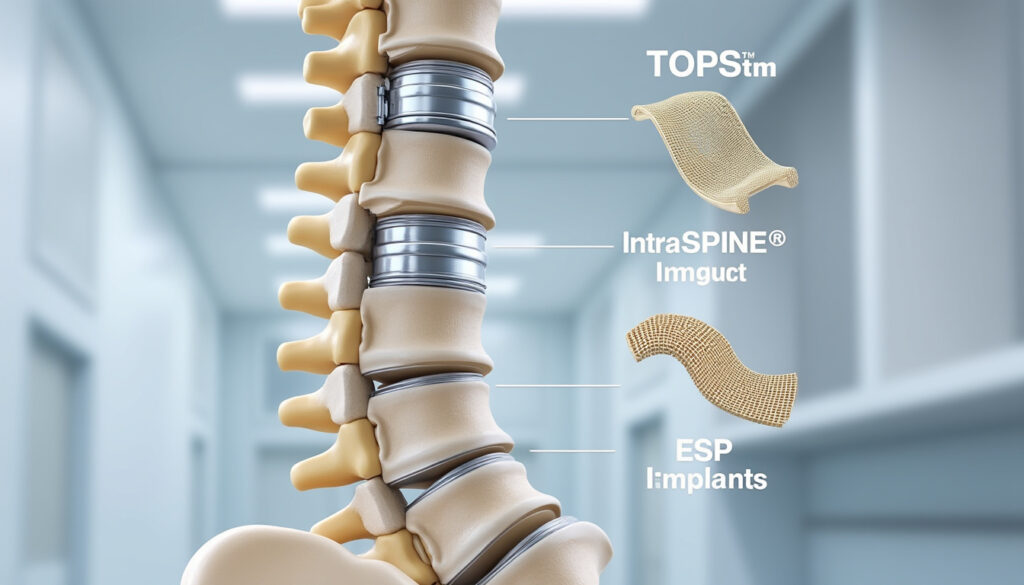
The evolving field of spinal surgery is witnessing a transformative shift, fueled by cutting-edge implant technologies such as TOPS, Intraspine, and ESP. These innovative implants redefine treatment possibilities by emphasizing preservation of natural spinal mechanics, while ensuring durable stabilization and…
Leveraging Certification to Optimize Patient Care Pathways in Complex Surgeries
In fields that demand precision, such as spinal surgery, device certification plays a significant role in structuring patient care pathways. From device selection to postoperative monitoring, quality and certification standards influence clinical decision-making and patient safety.
Care coordination platforms, like transatlantic medical tourism pathways, rely heavily on certified devices to ensure treatment consistency between international institutions. These pathways involve selecting surgical centers and practitioners based on their access to devices meeting rigorous standards, which directly impacts the success rates of interventions.
For patients with spinal pathologies, choosing implants verified under standards like ISO 13485 and carrying the CE mark guarantees device traceability and reduced risk of complications. Furthermore, certified devices compatible with dynamic stabilization systems have been shown to preserve spinal mobility post-surgery, enhancing recovery.
Networks providing integrated care, such as those connecting Canadian patients to French surgical facilities, depend on quality certifications to build trust and transparency. Certified devices assure patients that the products implanted meet high safety benchmarks—a critical factor in alleviating concerns associated with international medical travels.
Coordination with post-op rehabilitation services further exemplifies the importance of maintaining quality standards across all stages of care, underpinning the long-term success of complex surgeries.

Preparing for Surgery in France: Key Indications, Benefits, and Limitations
In an evolving global healthcare landscape, France emerges as a beacon of advanced surgical expertise, particularly attracting international patients seeking expedited and innovative medical interventions. Patients from regions experiencing long wait times, such as Quebec, increasingly view France as an…
Dynamic Implants in Modern Surgery: Quality Certification as a Catalyst for Innovation
The evolution toward dynamic spinal implants, such as the TOPS and Intraspine systems, represents a leap in surgical innovation aimed at preserving physiological movement while stabilizing diseased vertebrae. In this context, quality certifications ensure that such complex devices meet exacting technical and clinical standards.
Certified manufacturers rigorously test these implants for biocompatibility, durability, and mechanical resilience. These evaluations safeguard against potential mechanical failure or adverse biological responses, which could otherwise jeopardize patient wellbeing.
The rigorous quality management processes certified under ISO 13485 promote innovation in material science—for instance, the incorporation of composite materials—while maintaining compliance with regulatory demands. This balance of innovation and safety speeds up the introduction of state-of-the-art therapies to the market.
Case studies have demonstrated that patients implanted with certified dynamic devices experience lower rates of postoperative pain and quicker functional recovery compared to traditional fusion implants. These benefits are only assured through stringent certification and continuous quality oversight.
Employing systems validated by international standards fosters collaboration between surgeons and manufacturers, enabling feedback loops that drive ongoing improvements in device design and clinical protocols, ultimately enhancing patient outcomes.

Why Experts Advocate for Comprehensive Preoperative Evaluations
In the complex and demanding field of spinal surgery, the emphasis on comprehensive preoperative evaluations has become a fundamental pillar supporting successful surgical outcomes. These evaluations, far beyond mere routine checks, integrate detailed analyses of patient health, surgical risk assessments,…
Operational and Economic Benefits of Quality Certification for Medical Device Companies
Quality certifications confer numerous operational and economic advantages to device manufacturers that extend beyond compliance. These benefits create compelling incentives to maintain and elevate certification standards.
One primary benefit is the reduction of wastage and rework, stemming from well-delineated quality control protocols. Efficient process management lowers production costs and contributes to better resource utilization. Additionally, certification facilitates risk management and liability mitigation, protecting manufacturers from costly recalls and litigations.
Market access expands considerably with recognized certifications, encouraging international business growth and diversification. Certified companies often enjoy higher rates of customer loyalty and enhanced brand reputation, built on trust and demonstrated reliability.
Employee engagement and training programs linked to certification systems also foster a culture of excellence and accountability. This environment encourages innovation, teamwork, and resilience, critical attributes in the competitive medical device sector.
To uncover lesser-known advantages of ISO certification that benefit organizations holistically, one may refer to analyses available in studies discussing the hidden benefits of ISO certification.
Unveiling the Hidden Benefits of Quality and Certification in Devices
Discover how ISO 13485 certification elevates medical devices through key benefits

The Future of Surgery Lies in Stepwise Functional Recovery
The evolution of surgical care in 2026 reveals a compelling shift toward approaches that prioritize the holistic recovery of patients, moving beyond traditional metrics like length of hospital stay or mortality rates. This modern paradigm highlights the principle that the…
Ensuring Ongoing Compliance and Continuous Improvement Post-Certification
The journey of quality certification does not end with initial approval; rather, it initiates a continuous commitment to compliance and improvement. Surveillance audits, re-certifications, and real-time monitoring are integral to ensuring devices maintain their performance and safety profiles over time.
Continuous improvement methodologies embedded in quality management systems drive iterative refinements in manufacturing processes, addressing emerging clinical challenges and technological advancements. This proactive approach protects patients from risks associated with aging products or evolving clinical environments.
Traceability provided by certified systems enables efficient recall management and post-market data analysis, translating into more responsive healthcare practices and better-informed regulatory updates. Manufacturers demonstrate accountability and enhance public confidence by transparently sharing safety and performance data.
These ongoing oversight mechanisms also stimulate innovation pipelines, encouraging manufacturers to pioneer safer and more effective devices compliant with evolving standards. The dynamic nature of certification frameworks necessitates vigilance and adaptability that ultimately serve patients, healthcare professionals, and industry stakeholders alike.
Deeper insights into maintaining compliance across device life cycles are elaborated in specialized platforms discussing quality and certification standards for devices, providing valuable guidance for manufacturers and clinicians.
What assurances does ISO 13485 certification provide for device quality?
ISO 13485 implements a tailored quality management system for medical devices, ensuring controlled production, regulatory compliance, and rigorous risk monitoring to protect patient safety.
Why is CE marking crucial for spinal implants?
CE marking certifies adherence to strict European safety, performance, and traceability standards, offering essential protection for patients and surgeons when using spinal implants.
How can one verify the reliability of spinal surgery implants?
Reliability is confirmed by ensuring devices have ISO 13485 and CE certifications, favoring reputable manufacturers, and consulting clinical experts for appropriate technology selection.
What role does Franchir play in managing cross-border patient pathways?
Franchir coordinates patient referrals to the most suitable hospitals and surgeons, organizing travel and accommodation to streamline and secure the entire medical journey.
How does Neurothérapie Montréal support postoperative care?
Neurothérapie Montréal provides personalized follow-up care, ensuring treatment plans adapt to patient progress and optimize recovery after surgery in France.
Common Pitfalls to Avoid in Neurovertebral Decompression Therapy and Its Crucial Role
Neurovertebral decompression therapy has emerged as a sophisticated non-invasive medical intervention aimed at relieving chronic spinal pain, particularly associated with conditions such as herniated discs and spinal stenosis. As spinal disorders persist as a leading cause of disability worldwide, patients…