
The Future of Surgery Lies in Stepwise Functional Recovery
July 14, 2026
Unveiling the Hidden Benefits of Quality and Certification in Devices
July 14, 2026
In the complex and demanding field of spinal surgery, the emphasis on comprehensive preoperative evaluations has become a fundamental pillar supporting successful surgical outcomes. These evaluations, far beyond mere routine checks, integrate detailed analyses of patient health, surgical risk assessments, and multidisciplinary coordination to enhance patient safety and optimize treatment pathways. Particularly notable is the transatlantic collaboration between care providers in Quebec and France, setting a paradigm for cross-border medical excellence through meticulous pre-surgery testing and patient-centered strategies.
This approach underscores the essential nature of reviewing medical history, applying current clinical guidelines, and implementing evidence-based protocols that accommodate innovative surgical techniques. Expert recommendations highlight that diligent risk management and personalized anesthesia planning are central to minimizing complications and ensuring patient readiness. As health care in 2026 evolves toward increasingly tailored and technologically advanced solutions—including dynamic implants and robotic-assisted procedures—these thorough preoperative assessments represent not only a safeguard but also a catalyst for innovation and patient confidence.
Understanding the Core Components of Comprehensive Preoperative Evaluations for Spinal Surgery
Comprehensive preoperative evaluations represent an extensive and systematic assessment process that synthesizes multiple facets of patient information to enable precise surgical planning. The primary focus is on patient safety, achieved by analyzing potential complications and surgical risks unique to each case. This dynamic assessment usually begins with a detailed review of the patient’s medical history, which includes previous surgeries, chronic illnesses, medication regimens, allergies, and lifestyle factors.
For spinal procedures, particular attention is directed towards neurological status and any indications of autonomic nervous system dysfunction, as these can profoundly affect surgical outcomes. Physicians like Marcel Mazaltarim emphasize the utilization of specific questionnaires and a thorough examination of diagnostic imaging taken at the patient’s local healthcare facilities—such as MRI or CT scans performed in Quebec—to cross-verify findings and identify any underlying pathologies that might complicate surgery.
Furthermore, these evaluations undergo an interdisciplinary review, involving anesthesiologists, neurologists, and surgical experts. The objective is not just risk identification but also active anesthesia planning, accounting for individual sensitivities and past reactions to anesthetic agents. For instance, patients with a history of cardiovascular issues require ECGs and other targeted tests as part of the assessment. Through personalized risk management, anesthetic plans are adjusted to mitigate potential adverse events during the operation.
Distinct pre-surgical testing protocols, tailored in accordance with each patient’s profile, reduce unnecessary investigations and avoid delays. This efficiency embodies the expert consensus advocated in sources such as modern anesthesia evaluation guidelines, which stress the merit of individualized over standardized testing. A fine-grained categorization of surgical candidates based on evaluation results ensures that selected surgical techniques—ranging from traditional fusion to innovative dynamic implants like TOPS and Intraspine—are specifically appropriate for the patient, thereby improving postoperative mobility and reducing complication rates.

Understanding Sciatic Pain: Key Symptoms and When to Seek Medical Advice
Sciatic pain is a prevalent condition impacting a wide demographic, manifesting primarily as intense pain radiating from the lower back down the leg. This pain stems from irritation or compression of the sciatic nerve, a major nerve extending through the…
Bridging Continents: Coordinated Preoperative Processes Linking Quebec and France for Enhanced Surgical Outcomes
When patients from Quebec seek specialized spinal surgery in France, a meticulously orchestrated pathway is essential to ensure seamless transition and optimal care continuity. Central to this is the collaboration spearheaded by Neurothérapie Montréal, with key medical figures like Dr. Sylvain Desforges monitoring the initial evaluations and conservative treatment oversight.
This bilateral pathway is designed to facilitate clear communication, reduce waiting times, and avoid logistical pitfalls that might otherwise endanger patient safety or increase stress. The agency Franchir plays a crucial role in pairing patients with the most appropriate surgical centers and practitioners in France, depending on their individualized needs as determined in the evaluation phase.
Logistical arrangements—including accommodation, transfers between hospitals, and scheduling of surgery—are coordinated with precision, removing barriers and ensuring that patients arrive well-prepared and informed. Notably, the comprehensive approach adopted incorporates post-operative follow-up, with Neurothérapie Montréal providing neurofunctional assessments and specialized rehabilitation programs that mitigate complications and foster recovery.
Such international cooperation illustrates how patient safety and treatment personalization can be maintained across borders through strategic collaboration, thereby reaffirming the indispensable role of detailed preoperative evaluation—not merely as a local standard of care but as a global best practice. This model is echoed in detailed studies accessible on key safety protocols for pre-operative assessments, highlighting coordination as integral to success.

The Stepwise Role of Functional Recovery in Achieving Successful Outcomes
The journey to full recovery following spinal surgery is often complex and multifaceted, demanding a meticulously structured approach to ensure optimal functional outcomes. In recent years, the concept of functional recovery through a stepwise approach has garnered significant attention in…
The Significance of Risk Stratification and Patient Classification in Preoperative Perspectives
Risk assessment during preoperative evaluations is not a monolithic process but a multifaceted one, involving stratification based on the patient’s overall health, comorbidities, and specific spinal pathologies. Effective surgical risk stratification enables clinicians to forecast possible complications ranging from anesthetic intolerance to postoperative neurological deficits.
In this context, laboratory tests such as complete blood counts, coagulation profiles, liver and kidney function tests, and electrocardiograms are indispensable tools for delineating risk. These tests provide vital data to anticipate issues like bleeding risk or impaired metabolism of anesthetic drugs. The collection of this information is done in a personalized manner to avoid unnecessary tests, tailored according to each patient’s history and risk profile, thus adhering to updated clinical guidelines.
Classifying patients according to their health status and surgical candidacy facilitates decisions surrounding the operative approach. For example, dynamic stabilization implants such as the TOPS system are preferentially recommended for individuals where maintaining spinal mobility is critical, whereas fusion techniques might be reserved for more severe degenerative conditions or instability.
Furthermore, preoperative stratification directly informs anesthesia planning by identifying patients requiring special precautions, such as those with cardiac arrhythmias or compromised respiratory function. This stratified methodology forms the backbone of evidence-based surgery, reducing adverse events and improving the overall quality of care. Best practices on this topic are elaborated in resources like specialized anesthesia guides on preoperative assessment.

Transatlantic Patient Journey: Insights into Indications, Benefits, and Challenges
The emergence of the Transatlantic Patient Journey as a strategic model within healthcare continues to capture attention for its innovative potential, especially in specialized fields such as spinal surgery. This cross-border care pathway integrates rigorous medical evaluation from Quebec with…
Technological Innovations Integrated in Preoperative Evaluations and Surgical Planning
The landscape of spinal surgery is profoundly transformed by the adoption of cutting-edge technology intertwined with preoperative evaluations. One key advancement involves the use of 3D imaging combined with robotic navigation platforms that refine surgical precision and planning.
These technologies enable surgeons to visualize spinal anatomy in fine detail, facilitating the selection and placement of implants with greater accuracy. Robotic-assisted surgery and enhanced imaging have been shown to reduce operative times and minimize tissue trauma, which are paramount for patient recovery. Integration of such technology starts at the evaluation stage to tailor the surgical plan according to complex anatomical findings and predicted surgical risks.
Dynamic implants like the TOPS and Intraspine systems embody a shift from rigid fusion toward motion-preserving solutions. Their planning involves comprehensive evaluations of biomechanical stability and neurological function carried out preoperatively, ensuring candidates are properly selected to maximize benefit and reduce post-surgical complications.
The role of these innovations within the patient pathway echoes recent developments showcased at international courses such as the Spinal Solution Course in Bordeaux and the Endoscopic Spine Course at IRCAD Strasbourg, both emphasizing the heightened importance of exhaustive preoperative assessments combined with technological integration. These innovations underline how expert recommendations increasingly foster precision medicine in spine surgery, a trend anticipated to grow through 2026 and beyond.
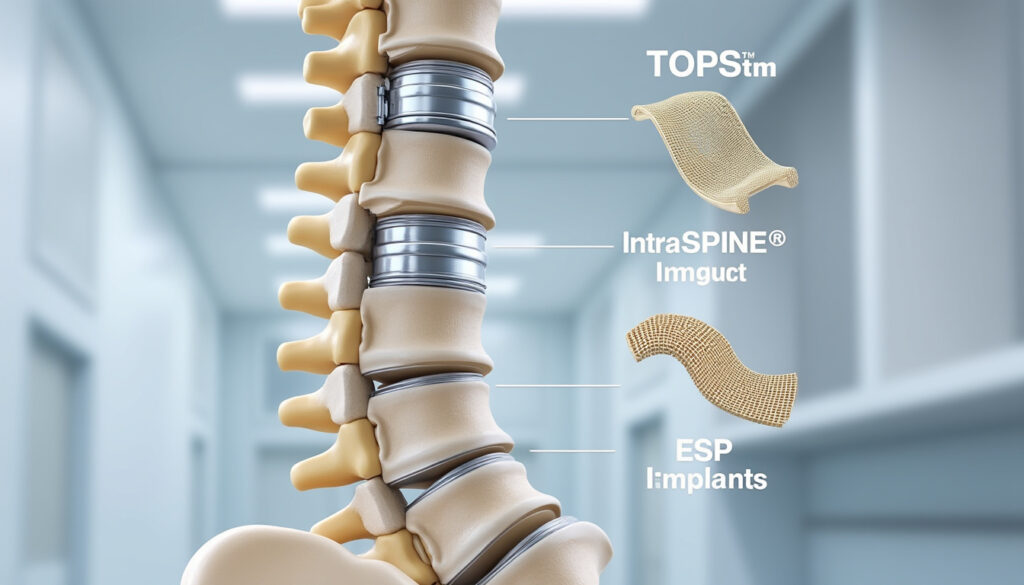
The evolving field of spinal surgery is witnessing a transformative shift, fueled by cutting-edge implant technologies such as TOPS, Intraspine, and ESP. These innovative implants redefine treatment possibilities by emphasizing preservation of natural spinal mechanics, while ensuring durable stabilization and…
Crucial Elements of Patient Safety Enhanced by Thorough Medical History Reviews
A detailed review of the patient’s medical history remains one of the most impactful steps in minimizing surgical risk and enhancing patient safety. This assessment captures essential information on previous anesthetic reactions, allergies, chronic conditions such as diabetes or hypertension, and current medications that may affect surgery or anesthesia.
In spinal surgery, history of neurological symptoms like radiculopathy or myelopathy is evaluated for its potential impact on surgical strategy and postoperative care. Equally significant is the documentation of anticoagulant use, which warrants careful perioperative management to control bleeding risk.
Experts emphasize the importance of accurate and recent diagnostic records, including the latest imaging and lab tests, to precisely assess and plan the intervention. The collaboration between Quebec and French teams ensures robust transfer of comprehensive medical data, facilitating smooth transition and consistent care.
This thorough approach is increasingly viewed as a gold standard in preoperative evaluations, contributing directly to reduced complication rates and improved outcomes. In clinical practice, detailed history taking supports anesthesia planning by identifying potential pitfalls early, allowing for tailored anesthetic regimens and perioperative monitoring strategies.

Preparing for Surgery in France: Key Indications, Benefits, and Limitations
In an evolving global healthcare landscape, France emerges as a beacon of advanced surgical expertise, particularly attracting international patients seeking expedited and innovative medical interventions. Patients from regions experiencing long wait times, such as Quebec, increasingly view France as an…
The Role of Multidisciplinary Collaboration in Optimizing Preoperative Evaluations
Optimized preoperative evaluations are invariably multidisciplinary, encompassing the expertise of surgeons, anesthesiologists, neurologists, and rehabilitation specialists. This collective approach guarantees that every aspect of the patient’s health is considered, making way for a bespoke surgical plan.
Coordination between multiple stakeholders is especially vital in international cases, where logistical and medical challenges merge. Teams from Quebec and France work in concert to ensure real-time sharing of diagnostic and clinical data while establishing continuity of care before, during, and after surgery.
Such collaboration enables not only precise risk management but also shared decision-making, where patients are actively involved and informed regarding their treatment options. Platforms fostering communication, along with dedicated coordinators, help reconcile cultural and procedural differences, minimizing errors and delays.
This multidisciplinary synergy reflects the advanced standards outlined in scholarly publications and expert opinion leader recommendations, reinforcing that effective preoperative assessment is a holistic process crucial to safe and effective spinal surgery.


Unveiling the Hidden Benefits of Quality and Certification in Devices
The landscape of device manufacturing and clinical application in 2026 has been fundamentally shaped by the rigorous interplay between quality management and certification processes. Within this complex framework, the hidden benefits of adhering to international standards and obtaining relevant certifications…
Essential Pre-Surgery Testing and Patient Preparation Protocols in Current Clinical Practice
Pre-surgery testing is an indispensable aspect of the comprehensive assessment that ensures a patient’s readiness for spinal surgery. Testing protocols are individualized, involving:
- Laboratory tests: Including blood panels for hematology, coagulation, renal and hepatic function to detect potential contraindications.
- Cardiopulmonary evaluations: Such as electrocardiograms and pulmonary function tests for patients with relevant risk factors.
- Neurological assessments: Comprehensive exams and functional questionnaires to assess nerve involvement and guide surgical technique selection.
- Imaging: High-resolution MRI, CT scans, and sometimes 3D reconstructions are reviewed in detail to inform surgical planning.
Tailored preoperative preparation extends to patient counseling about risk factors, medication adjustments, and lifestyle modifications. This preparation is essential for adhering to clinical guidelines and enhancing surgical safety.
Healthcare providers emphasize the need for prompt and precise documentation submission from patients, including updated imaging and reports. This data integration streamlines risk evaluation and fosters confidence among the surgical and anesthetic teams.
| Step | Description | Responsible Party | Objective |
|---|---|---|---|
| Initial History and Examination | Collecting medical background, symptom questionnaires, basic lab tests | Dr. Sylvain Desforges & TAGMED Team | Assess overall health and guide further testing |
| Targeted Tests | Specialized blood tests, imaging, functional testing | Medical teams in Quebec and France | Identify surgical risks and refine operative plans |
| Surgical Center Orientation | Select appropriate surgical center and technique in France | Franchir | Ensure access to cutting-edge treatments and reduce wait times |
| Logistics Organization | Manage travel, accommodation, hospital transfers | Franchir & SOS Tourisme Médical | Provide a safe and smooth patient journey |
| Postoperative Follow-up | Neurotherapy consultations and specific rehabilitation | Neurothérapie Montréal | Support recovery and reduce complications |

The Future of Surgery Lies in Stepwise Functional Recovery
The evolution of surgical care in 2026 reveals a compelling shift toward approaches that prioritize the holistic recovery of patients, moving beyond traditional metrics like length of hospital stay or mortality rates. This modern paradigm highlights the principle that the…
Humanizing Patient Care: Addressing Patient Concerns Through Thoughtful Preoperative Support
Beyond the clinical and technical facets of preoperative evaluations lies the crucial human element. Patients facing complex spinal surgeries often confront concerns about eligibility, risks, and procedural details. Responsive and transparent communication serves as a cornerstone for alleviating anxiety and empowering patients.
Dedicated teams, including experts like Marcel Mazaltarim, provide tailored counseling based on comprehensive assessments. They clarify what documents and historical data patients need to provide, outline the benefits and limitations of various surgical options, and explain postoperative expectations. This patient-centered approach strengthens trust and plays a pivotal role in surgical success.
Furthermore, patients learn about cutting-edge implant options that preserve spinal motion and reduce chronic pain, helping them envision a quality of life improvement. Clear explanations help patients understand the rationale behind specific recommendations, easing decision-making.
By knitting together rigorous medical assessment with empathetic guidance, the preoperative evaluation process becomes a holistic journey that respects patient individuality and readiness for surgery.
Preoperative Evaluation Steps
Interactive infographic on why experts advocate for comprehensive preoperative evaluations
Select a step to see details
Hover or click on each step for more information about its importance in preoperative evaluations.
What essential tests are typically included in a comprehensive preoperative evaluation?
Core tests consist of complete blood count, coagulation profiles, ECGs for at-risk individuals, and tailored renal or hepatic function assessments, combined with thorough imaging diagnostics to guide precise surgical planning.
How is coordination maintained between medical teams in different countries for spinal surgery patients?
Organizations like Neurothérapie Montréal, Franchir, and SOS Tourisme Médical collaborate closely to manage surgical orientation, travel logistics, and postoperative follow-up, ensuring continuity and safety throughout the patient journey.
Who determines patient eligibility for spinal surgery in international cases?
Eligibility is established following a comprehensive evaluation conducted by specialized teams including Dr. Sylvain Desforges and surgical experts in France, balancing clinical risks and potential benefits tailored to each patient’s condition.
What are the key advantages of dynamic implants such as TOPS or interlaminar prostheses?
These implants preserve spinal flexibility, reduce pain, and limit the wear of adjacent vertebral segments, significantly enhancing postoperative quality of life compared to traditional fusion techniques.
How can patients obtain a personalized preoperative evaluation?
Patients are encouraged to contact Neurothérapie Montréal or SOS Tourisme Médical to arrange an initial consultation and receive customized guidance; accessible via their official websites and contact forms.
Common Pitfalls to Avoid in Neurovertebral Decompression Therapy and Its Crucial Role
Neurovertebral decompression therapy has emerged as a sophisticated non-invasive medical intervention aimed at relieving chronic spinal pain, particularly associated with conditions such as herniated discs and spinal stenosis. As spinal disorders persist as a leading cause of disability worldwide, patients…