
How Post-Operative Care Transforms Recovery for Quebec’s Back Surgery Patients
November 11, 2025
Quality and Certification of Devices: Insights from an Industry Expert
November 11, 2025
In today’s evolving medical landscape, preoperative evaluation stands as a cornerstone in ensuring patient safety and successful surgical outcomes. Particularly for spinal surgery candidates planning procedures abroad—in countries like France—this evaluation process encompasses rigorous clinical assessments paired with an integrated international care approach. The coordination between Canadian and French medical experts offers patients an optimized pathway that spans from initial diagnosis to post-operative recovery, leveraging cutting-edge surgical techniques and personalized patient monitoring. For patients navigating this complex journey, understanding each component of their evaluation empowers them to engage confidently with their healthcare providers and anticipate potential risks or benefits effectively.
The comprehensive nature of preoperative evaluation involves not only medical readiness but also logistical planning and emotional support, bringing together specialists to address every facet of surgical care. From baseline health status assessments to detailed functional studies and diagnostic imaging, each step prioritizes minimizing complications and tailoring interventions. Institutions such as TAGMED in Montreal, in conjunction with French surgical centers and dedicated coordinators, exemplify the multidisciplinary collaboration essential for high-stakes spinal procedures. Patients also benefit from advanced neurotherapeutic assessments and the application of innovative implants such as TOPS and Intraspine, further highlighting the critical role of thorough preoperative workups augmented by state-of-the-art medical technology.
Essentials of a Thorough Preoperative Evaluation for Spinal Surgery Patients
Preoperative evaluation is pivotal in identifying any contraindications or potential risk factors that could complicate surgery or anesthesia, especially when the patient undertakes care across international borders. This comprehensive clinical review begins with the collection of a detailed medical history focused on spinal conditions, previous treatments, comorbidities, and patient-reported quality of life measures. The team first ensures that conservative measures have been sufficiently exhausted before proceeding to invasive interventions.
Key components in this stage include:
- Detailed clinical examination to assess neurological function, pain localization, and spinal mobility.
- Targeted blood work such as complete blood counts, coagulation profiles, renal and hepatic panels, and glucose levels to detect underlying infections, anemia, or metabolic imbalances affecting surgical risk.
- Electrocardiograms (ECG), particularly critical for patients over 50 or with cardiovascular histories, allowing anesthesia planning to accommodate cardiac status.
- Advanced imaging modalities like MRI, CT scanning, or ultrasound examinations refine the understanding of spinal pathology.
This process is carefully individualized to avoid unnecessary testing, reducing patient burden and stress. The following table summarizes the principal evaluation steps and their objectives:
| Evaluation Step | Primary Objective | Key Assessments |
|---|---|---|
| Clinical History & Questionnaire | Comprehensive health status capture and preliminary surgical eligibility | Spinal symptoms, prior interventions, risk factors |
| Laboratory Tests | Identify infectious or hematologic disturbances | Hemoglobin, coagulation, renal and hepatic function |
| Electrocardiogram | Cardiac risk stratification for anesthesia | Heart rhythm, ischemia indicators |
| Imaging Studies | Confirm pathology and surgical planning | MRI, CT scans, targeted ultrasound |
For further in-depth insights, detailed resources like the Preoperative Evaluation Guide provide valuable frameworks to navigate the multifaceted assessment stages. This step sets the foundation for a safe and tailored surgical journey in alignment with expert recommendations such as those found in Surgery Preoperative Evaluation Essentials.


Understanding Sciatic Pain: Key Symptoms and When to Seek Medical Advice
Sciatic pain is a prevalent condition impacting a wide demographic, manifesting primarily as intense pain radiating from the lower back down the leg. This pain stems from irritation or compression of the sciatic nerve, a major nerve extending through the…
Critical Role of Anesthesia Consultation and Selective Additional Testing
The anesthesia consultation is a crucial phase typically conducted shortly before surgery to establish a personalized and safe anesthesia plan. Managed adeptly by specialized teams in neurotherapy clinics, this meeting facilitates risk anticipation and mitigation by reviewing medication regimens, allergies, and relevant comorbidities. The anesthesiologist’s evaluation also reinforces patient education, clarifies fasting protocols, and decides the anesthetic technique best suited to the surgical procedure and patient’s medical profile.
Additional targeted diagnostics may complement this consultation, including:
- Chest X-rays for patients with respiratory history or significant smoking exposure, ensuring no hidden pulmonary concerns compromise operative safety.
- Cardiac stress testing to evaluate myocardial function, particularly if the anticipated procedure is extensive or the patient has known cardiac risks.
- Dental assessments which are advised for patients with prosthetic heart valves or those undergoing major surgeries, reducing infective endocarditis risks.
- Allergy testing to detect sensitivities to anesthetic agents or medications used perioperatively.
The following table outlines conditions for supplemental tests and their respective benefits:
| Test | Indication | Benefit |
|---|---|---|
| Chest Radiography | History of lung disease or heavy smoking | Reveals occult lung pathology |
| Cardiac Stress Test | CARDIAC risk profile or major surgery planned | Assesses cardiac reserve and reduces perioperative cardiac events |
| Dental Exam | Patients at risk of infection from prosthetics | Prevents postoperative bacteremia and complications |
| Allergy Testing | History of allergic reactions to medicines/anesthetics | Minimizes adverse anesthetic reactions |
The consultation anesthesia appointment also strengthens communication among the surgical team, patient, and specialists, fostering trust and shared decision-making—elements essential for procedural success, as detailed in The First Step to Safe Surgery.

The Stepwise Role of Functional Recovery in Achieving Successful Outcomes
The journey to full recovery following spinal surgery is often complex and multifaceted, demanding a meticulously structured approach to ensure optimal functional outcomes. In recent years, the concept of functional recovery through a stepwise approach has garnered significant attention in…
Seamless Logistical Coordination and Humanized Patient Support Across Borders
International spinal surgery programs require robust logistical planning to ensure patients receive uninterrupted care throughout their transcontinental journey. This necessitates proficient collaboration among diverse experts, including surgical evaluation teams, coordinators specializing in medical tourism, and post-surgical rehabilitation units. The comprehensive management framework is spearheaded by key figures like Marcel Mazaltarim, who provides scientific oversight and patient follow-up from Montreal while liaising smoothly with French institutions.
The multidisciplinary support highlights several coordinated pillars:
- Initial screening and management at local Canadian centers to confirm surgical candidacy and initiate conservative treatments.
- Patient-centered selection of surgical centers and surgeons in France, facilitated by dedicated international medical travel coordinators.
- Complex travel and accommodation assistance to alleviate stress associated with overseas surgical care.
- Comprehensive post-discharge support back in Canada that employs advanced neurofeedback technologies to monitor rehabilitation remotely.
Below is a summary of responsibilities and objectives in this coordinated pathway:
| Pathway Stage | Lead Organization | Main Objective |
|---|---|---|
| Initial Evaluation & Conservative Therapy | TAGMED, Montreal | Confirm eligibility and optimize health status |
| Surgical Referral & Travel Planning | Franchir | Tailor selection of surgeon and logistics |
| Perioperative Support & Rehabilitation | Neurotherapy Montreal | Ensure personalized recovery and monitoring |
| Administrative & Informational Support | SOS Tourisme Médical | Facilitate paperwork and patient guidance |
This international care model not only reduces wait times and elevates access to cutting-edge spinal implants, as discussed on the specialized implants advocacy page, but also enhances patient comfort and confidence throughout a complex healthcare journey. Feedback consistently underscores decreasing anxiety when patients are well-supported through these multidisciplinary arrangements.
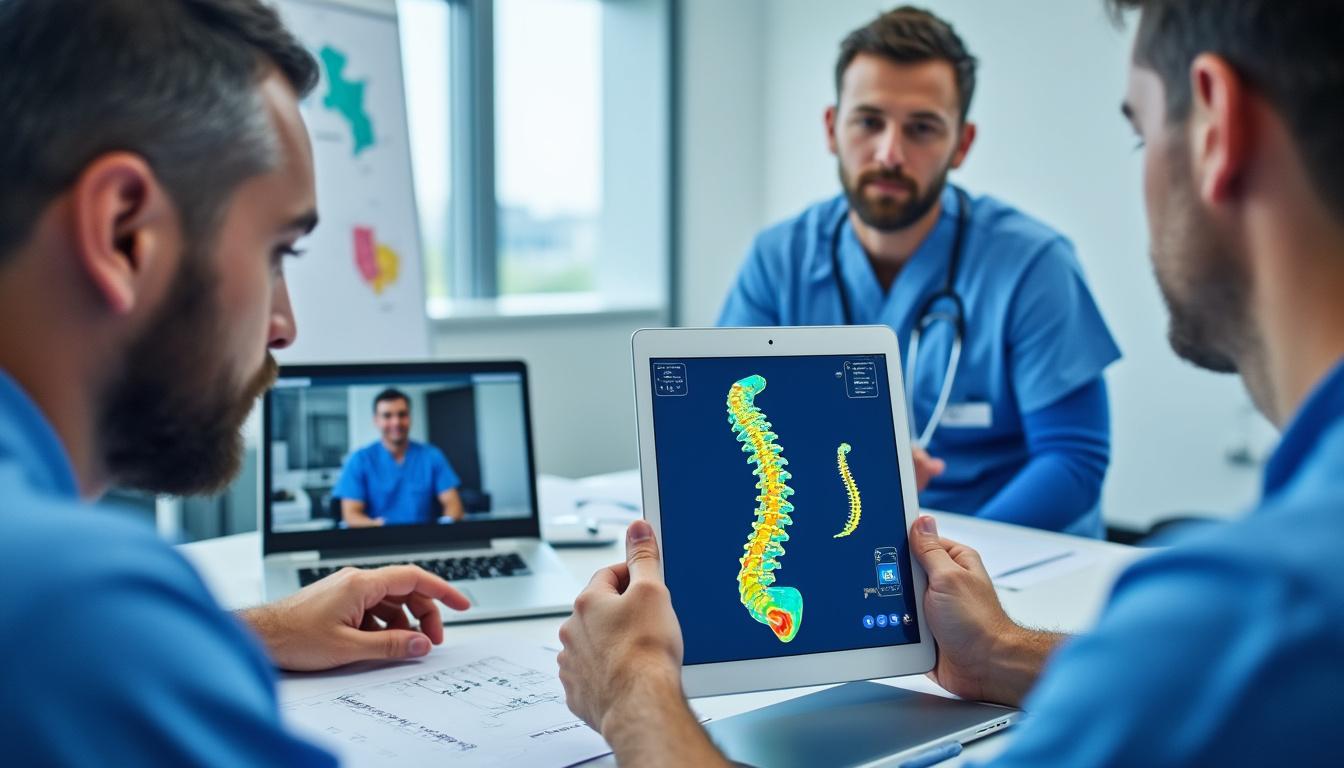

Transatlantic Patient Journey: Insights into Indications, Benefits, and Challenges
The emergence of the Transatlantic Patient Journey as a strategic model within healthcare continues to capture attention for its innovative potential, especially in specialized fields such as spinal surgery. This cross-border care pathway integrates rigorous medical evaluation from Quebec with…
Application of Advanced Neurotherapeutic Technologies in Pre-Surgical Assessment
The incorporation of neurotherapeutic innovations into preoperative evaluation heralds a new era of personalized spinal surgery preparation. By engaging tools such as neurofunctional assessments, biofeedback, and neurofeedback methodologies, clinicians can map subtle autonomic nervous system perturbations connected to spinal pathologies more precisely than conventional approaches.
This multidisciplinary scientific approach entails:
- Neurofunctional testing to detect specific nerve signal irregularities and optimize surgical indications.
- Biofeedback techniques offering realtime visual or auditory cues to patients to regulate physiological responses related to pain or muscle tension.
- Neurofeedback programs that train cerebral wave patterns, aiming to decrease neurological symptoms and enhance postoperative recovery trajectories.
The added value of this technology is evidenced in improved pain control, reduced complication rates, and accelerated functional restoration, all crucial for spinal surgery success. The following table presents a synopsis of technology applications and benefits:
| Technology | Function | Patient Benefits |
|---|---|---|
| Neurofunctional Assessment | Detect nerve function disturbances | More accurate diagnosis and tailored interventions |
| Biofeedback | Real-time physiological regulation feedback | Empowers patient self-control over pain and stress responses |
| Neurofeedback | Modulates brain activity patterns | Improves neurological symptoms and speeds recovery |
Organizations like Neurotherapie Montreal apply these technologies as cornerstones of their patient-centered follow-up programs, enhancing overall care quality in line with protocols outlined by institutions showcased on Comprehensive Preoperative Assessment highlights.
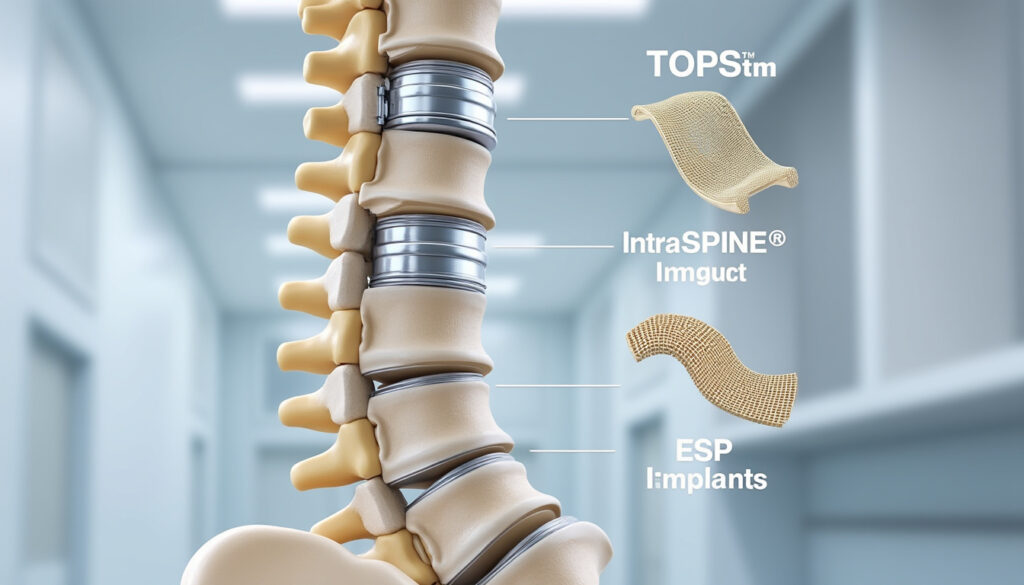
The evolving field of spinal surgery is witnessing a transformative shift, fueled by cutting-edge implant technologies such as TOPS, Intraspine, and ESP. These innovative implants redefine treatment possibilities by emphasizing preservation of natural spinal mechanics, while ensuring durable stabilization and…
Dynamic and Evidenced-Based Surgical Eligibility Criteria: Navigating Personalized Patient Selection
Surgical candidacy is established through a rigorous evaluation of the patient’s medical stability and responsiveness to conservative measures. The evolving eligibility framework integrates clinical guidelines informed by interdisciplinary expertise found in dedicated university diplomas and professional societies, such as the DIU Chirurgie du Rachis and SFCR certifications.
Patients must meet specific criteria including:
- Exhaustion of conservative therapies such as physical therapy and targeted neurocompression technologies.
- Stable medical condition with controlled comorbidities and assessed surgical risk.
- Clear surgical indication based on detailed pathology and functional impairment.
This thorough screening process ensures that cases warranting advanced implants and minimally invasive techniques recommended in France are appropriately selected, reducing postoperative complications and maximizing functional outcomes. Detailed guidelines and evolving standards can be found at official sources like the back surgery eligibility overview and related clinical texts.
| Eligibility Criterion | Clinical Implication | Assessment Modality |
|---|---|---|
| Conservative therapy attempt | Ensures non-surgical options considered | Clinical history, therapy records |
| Medical stability | Limits perioperative risks | Laboratory tests, ECG |
| Surgical indication clarity | Optimizes patient benefit and safety | Imaging and neurological exams |

Preparing for Surgery in France: Key Indications, Benefits, and Limitations
In an evolving global healthcare landscape, France emerges as a beacon of advanced surgical expertise, particularly attracting international patients seeking expedited and innovative medical interventions. Patients from regions experiencing long wait times, such as Quebec, increasingly view France as an…
Key Surgical Innovations and Minimally Invasive Techniques Enhancing Patient Outcomes
French spinal surgery centers are among the pioneers in adopting minimally invasive procedures combined with state-of-the-art implant technologies. Procedures utilizing devices like the TOPS system, Intraspine interlaminar prostheses, and dynamic stabilizers offer significant advantages including decreased tissue damage, faster recovery, and reduced hospitalization time.
Some notable benefits of these surgical advancements include:
- Improved spinal stability while preserving motion segments.
- Lower infection risk due to smaller incisions and reduced operative exposure.
- Quicker postoperative mobilization enabling faster return to daily activities.
- Enhanced patient satisfaction through personalized surgical solutions aligned with individual anatomy and pathology.
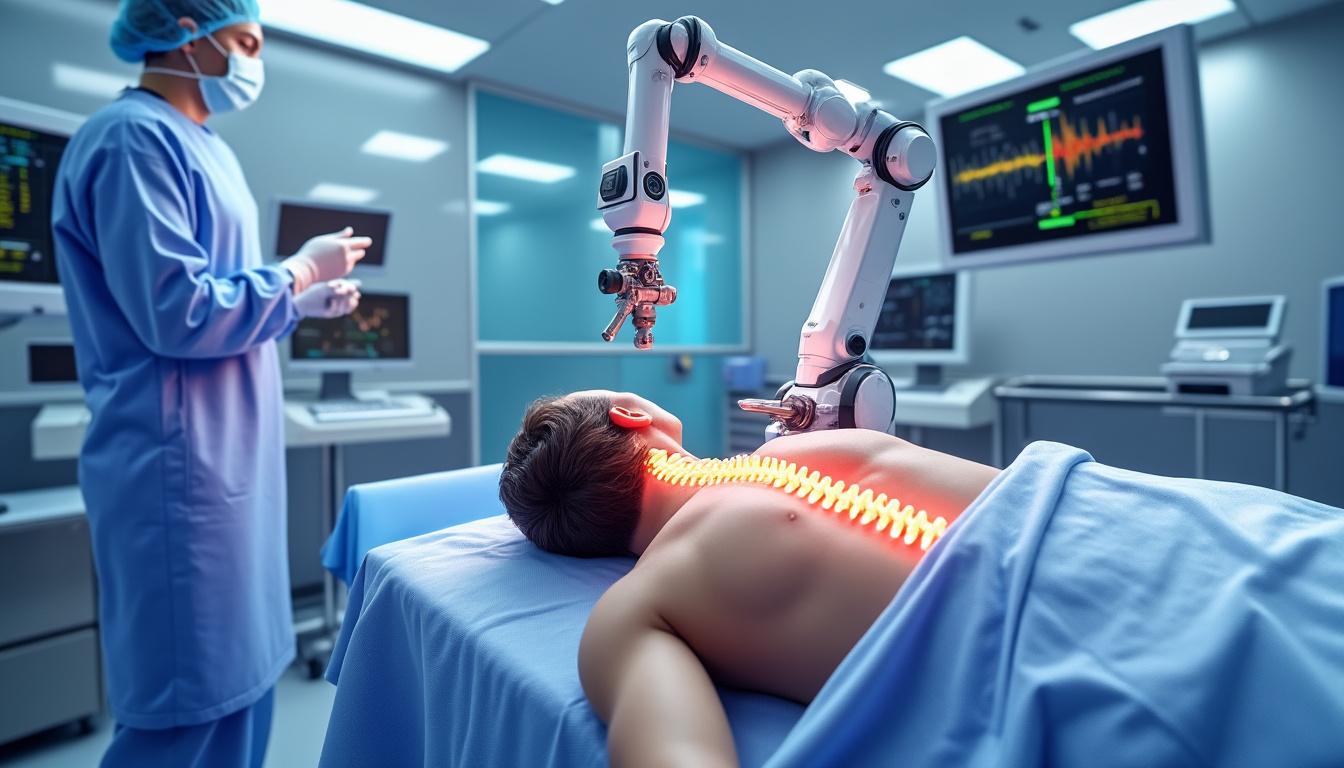
These cutting-edge techniques are supported by high-precision robotic navigation and 3D imaging platforms as highlighted in recent studies and institutional experiences, facilitating safer and more efficient surgeries. For detailed insights on these innovations, see expert discussions on implant technology.

Unveiling the Hidden Benefits of Quality and Certification in Devices
The landscape of device manufacturing and clinical application in 2026 has been fundamentally shaped by the rigorous interplay between quality management and certification processes. Within this complex framework, the hidden benefits of adhering to international standards and obtaining relevant certifications…
Comprehensive Consideration of Patient Comorbidities and Risk Modifiers in Preoperative Planning
Managing patients with complex comorbidities like diabetes, cardiovascular disease, or pulmonary dysfunction is integral to a successful preoperative program. Each condition demands tailored adjustments to anesthesia protocols and perioperative monitoring to mitigate potential complications.
Typical risk factors addressed include:
- Cardiovascular issues: Adjustments based on ECG findings, medication management, and perioperative surveillance.
- Diabetes control: Optimizing glucose homeostasis to promote wound healing and prevent infection.
- Respiratory function: Ensuring adequate pulmonary capacity and minimizing anesthesia-related respiratory risks.
- Coagulation status: Managing anticoagulants to balance bleeding risks with thrombotic prevention.
Close collaboration between anesthesiologists, surgeons, and internists facilitates the customization of preoperative preparation to fit individual patient profiles as outlined in clinical reviews accessible via PMC medical studies. This thorough, multidisciplinary effort significantly enhances perioperative safety margins and promotes positive surgical outcomes.
| Comorbidity | Preoperative Consideration | Intervention Strategy |
|---|---|---|
| Cardiovascular disease | Risk stratification via ECG and stress tests | Medication review, anesthetic adaptation, monitoring |
| Diabetes Mellitus | Blood glucose optimization | Pre-surgery glycemic control protocols |
| Respiratory disorders | Pulmonary function assessment | Prehabilitation and respiratory therapy |
| Coagulation abnormalities | Management of anticoagulants and clotting factors | Adjustment of perioperative medication |

Why Experts Advocate for Comprehensive Preoperative Evaluations
In the complex and demanding field of spinal surgery, the emphasis on comprehensive preoperative evaluations has become a fundamental pillar supporting successful surgical outcomes. These evaluations, far beyond mere routine checks, integrate detailed analyses of patient health, surgical risk assessments,…
Patient Education, Psychological Preparation, and Enhanced Recovery Programs
Patient understanding and emotional readiness are increasingly recognized as determinants of surgical success. Comprehensive preoperative education initiatives utilize multimedia resources and personalized counseling to alleviate anxiety, clarify postoperative expectations, and engage patients in their recovery processes actively.
Essential elements include:
- Clear explanation of surgical procedures and alternatives, ensuring informed consent.
- Guidance on medication adjustments before surgery to minimize risks is vital.
- Introduction to Enhanced Recovery After Surgery (ERAS) protocols, which focus on minimizing surgical stress and expediting discharge.
- Psychological support services for managing preoperative stress or depression, improving resilience.
Health providers often employ tools like PrepClinic and PreOpInsights for interactive patient engagement, supporting preparation and optimizing outcomes. Encouraging active participation fosters empowerment that correlates with fewer complications and higher satisfaction. For practical guidance on patient-centered education, consult resources such as Preoperative Evaluations Guide.

The Future of Surgery Lies in Stepwise Functional Recovery
The evolution of surgical care in 2026 reveals a compelling shift toward approaches that prioritize the holistic recovery of patients, moving beyond traditional metrics like length of hospital stay or mortality rates. This modern paradigm highlights the principle that the…
Postoperative Monitoring and Long-Term Follow-Up Integration
Successful surgery is inseparable from effective postoperative care. Closely monitoring recovery through regular clinical visits, neurotherapeutic assessments, and use of technologies like biofeedback ensures timely detection of complications and promotes functional restoration. The collaboration between surgical teams and rehabilitation specialists is vital, providing an integrated continuum of care from operation through recovery.
Strategies for optimal post-op management include:
- Serial neurological assessments to monitor spinal cord and nerve root functionality.
- Use of neurofeedback to optimize neurological healing trajectories.
- Coordination of physical therapy programs tailored to surgical outcomes.
- Patient-reported outcome measures guiding individualized rehabilitation plans.
The ongoing partnership between patients and a multidisciplinary team, supported by platforms such as SurgerySmart and ReadySetSurgery, ensures that surgical gains translate into durable quality-of-life improvements. This seamless continuum is emphasized in comprehensive clinical reviews like those at the ultimate guide to preoperative evaluation.
Guide complet de l’évaluation préopératoire
Cliquez sur chaque étape pour en savoir plus.
Sélectionnez une étape pour afficher les détails.
What are the indispensable tests during preoperative evaluation?
Fundamental tests include blood analyses, ECG, and clinical exams, while additional imaging or stress tests depend on individual health profiles.
How is the coordination managed between Canadian and French medical teams?
Patient follow-up coordination is overseen by specialized neurotherapy managers working closely with surgical and administrative partners to ensure seamless care.
What measures are taken if significant comorbidities exist?
Preoperative planning incorporates tailored consultations and protocol adjustments addressing comorbidities to optimize surgical safety.
How do biofeedback and neurofeedback benefit spinal surgery patients?
These technologies enhance nerve regulation, pain reduction, and post-op recovery monitoring, providing personalized, precise support.
Is a specific health status required to qualify for spinal surgery in France?
Patients must have exhausted conservative treatments, maintain stable medical conditions, and meet validated interdisciplinary criteria to be eligible.