Herniated Disc in Saint-Jérôme: Targeted Therapy Areas and Neurovertebral Decompression Treatment
July 16, 2026
Disc Prosthesis in Lévis: Approved and Effective Solution
July 17, 2026
Lumbar back pain remains one of the most pervasive health challenges worldwide, often disrupting daily life and work productivity. In the dynamic medical landscape of Quebec, a transformative solution called IntraSPINE has emerged, revolutionizing how lumbar surgery patients experience recovery. Designed as a minimally invasive spinal implant, IntraSPINE offers an innovative approach to restore spine health, reduce pain, and accelerate return to normal activities. This device exemplifies the fusion of surgical innovation and patient-centered care, positioning Laval as a hub for advanced spinal treatments that emphasize functional recovery and longevity.
More than just an implant, IntraSPINE represents a comprehensive approach to tackling lumbar spine disorders. By enabling dynamic stabilization without compromising mobility, patients enjoy significant back pain relief and improved quality of life following surgery. The journey involving IntraSPINE is carefully coordinated, often beginning with a thorough clinical evaluation in Quebec and proceeding to a specialized surgical intervention abroad, typically in France. Postoperative care is then meticulously managed back in Quebec to optimize rehabilitation outcomes and ensure sustained benefits. This transatlantic collaboration demonstrates a commitment to excellence and patient safety, championed by experts such as Dr. Sylvain Desforges, whose three decades of experience underscores the efficacy and ethical rigor of this innovative treatment pathway.
Understanding the Unique Benefits of IntraSPINE for Accelerated Recovery in Laval
The IntraSPINE implant is designed to address chronic low back pain caused by degenerative disc disease or other lumbar pathologies. Unlike traditional treatments that often involve rigid fusion and restriction of spinal movement, IntraSPINE offers a dynamic stabilization that preserves natural spinal mobility. This approach allows for better functional recovery and reduces the risk of adjacent segment degeneration, a common complication with fusion surgeries.
Its minimally invasive implantation reduces tissue trauma during surgery, significantly decreasing postoperative pain and facilitating a more rapid rehabilitation process. Patients typically report a notable acceleration in recovery, often returning to daily routines within weeks rather than months. Such early mobilization is critical to restoring muscle strength and preventing chronic disability.
Additionally, early clinical studies and case series show promising functional outcomes. In a recent evaluation of patients treated with the IntraSPINE device, all demonstrated improved pain scores and enhanced mobility one month after the procedure — a remarkable result given the traditionally prolonged recovery period following lumbar surgery. This device also contributes to a safer biomechanical environment by evenly distributing mechanical stresses along the lumbar vertebrae, thereby promoting durable spinal health.
For patients in Laval, the availability of IntraSPINE marks a significant step forward in addressing severe lumbar pain effectively. This treatment integrates into the broader care framework led by experts such as Dr. Sylvain Desforges. His comprehensive evaluation, combined with innovative surgical techniques abroad, ensures that each patient’s individualized needs are fully met, offering hope to those seeking swift, lasting relief from debilitating lumbar conditions.
IntraSPINE® in Sherbrooke: A Long-Lasting Solution for Chronic Lower Back Pain
Chronic lower back pain remains one of the most pressing health concerns in Sherbrooke and beyond, impacting millions and often diminishing daily quality of life. Despite the prevalence of lumbar discomfort, many face limited access to cutting-edge treatments amidst lengthy…
Comparing IntraSPINE with Traditional Lumbar Surgery Options in France
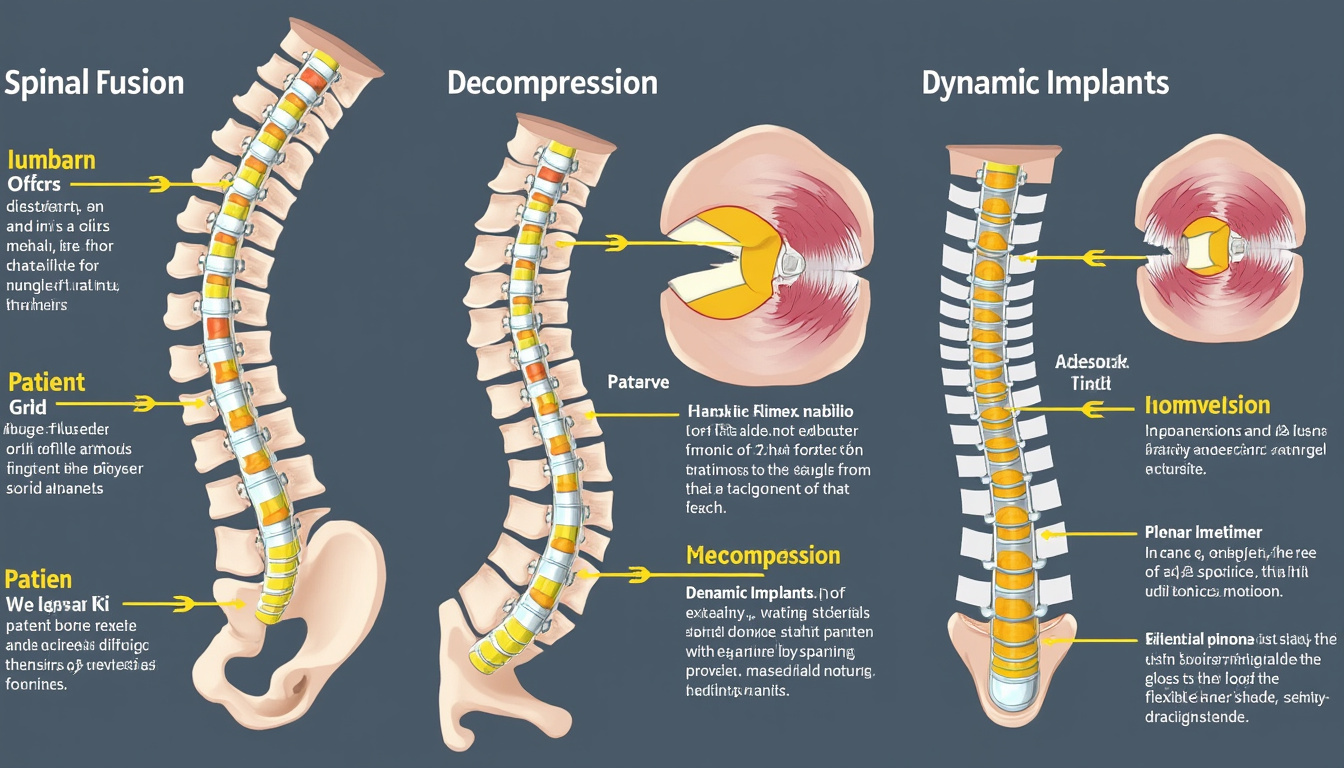
In the spectrum of lumbar surgical options available in France, patients have access to several approaches including traditional spinal fusion, simple decompression, and other advanced implant technologies like the TOPS system. Each method has unique indications, benefits, and potential drawbacks.
Spinal fusion surgery has long been a mainstay for stabilizing severe segmental instability of the spine. While it effectively reduces pain by eliminating the motion of affected segments, its rigid fixation inevitably decreases spinal flexibility. This loss of mobility can lead to adjacent segment degeneration and sometimes prolonged recovery times with varying outcomes for patient satisfaction.
In contrast, IntraSPINE offers a dynamic stabilization alternative designed to maintain physiological mobility. This increasingly preferred method minimizes the risk of complications related to immobilization while providing enhanced spinal support. The controlled flexibility afforded by the implant allows patients to move more naturally, which is critical for maintaining muscle tone and spinal mechanics post-surgery.
Simple decompression surgery, another common choice, involves relieving pressure on spinal nerves without implanting devices. Effective for patients without spinal instability, it offers shorter procedures and quicker early recovery. However, without structural reinforcement, risk of symptom return or deterioration exists in cases where instability is a factor.
Devices like the TOPS (Total Posterior Spine) system also focus on preserving mobility but involve more complex instrumentation compared to IntraSPINE. The choice of surgical approach depends on the patient’s specific condition, spinal stability, and lifestyle demands, with a tailored evaluation advised before decision-making.
| Technique | Main Indication | Advantages | Patient Benefits |
|---|---|---|---|
| IntraSPINE | Chronic lumbar pain from disc degeneration | Dynamic stabilization, minimally invasive | Long-lasting relief, mobility preserved |
| TOPS System | Lumbar stenosis with instability | Maintains controlled mobility | Reduced pain, improved posture |
| Spinal Fusion | Severe instability | Rigid fixation | Enhanced stability, pain reduction |
| Simple Decompression | Stenosis without instability | Less invasive | Rapid pain reduction, short recovery |
For residents in Quebec considering lumbar surgery options in France, understanding these distinctions is essential. Dr. Sylvain Desforges plays a pivotal role in guiding patients through informed choices, ensuring that interventions like IntraSPINE are recommended based on rigorous clinical evaluation and tailored to each individual’s physiological and lifestyle requirements.
Herniated Disc Care in Sainte-Julie: Why TAGMED’s Neurovertebral Decompression Therapy Stands Out
In the vibrant community of Sainte-Julie, back pain—particularly that stemming from herniated discs—has become a widespread concern affecting people from all walks of life. The relentless search for effective, non-invasive treatments has brought renewed attention to a pioneering therapy that…
Preoperative Evaluation and Conservative Treatments: Essential Preparatory Steps
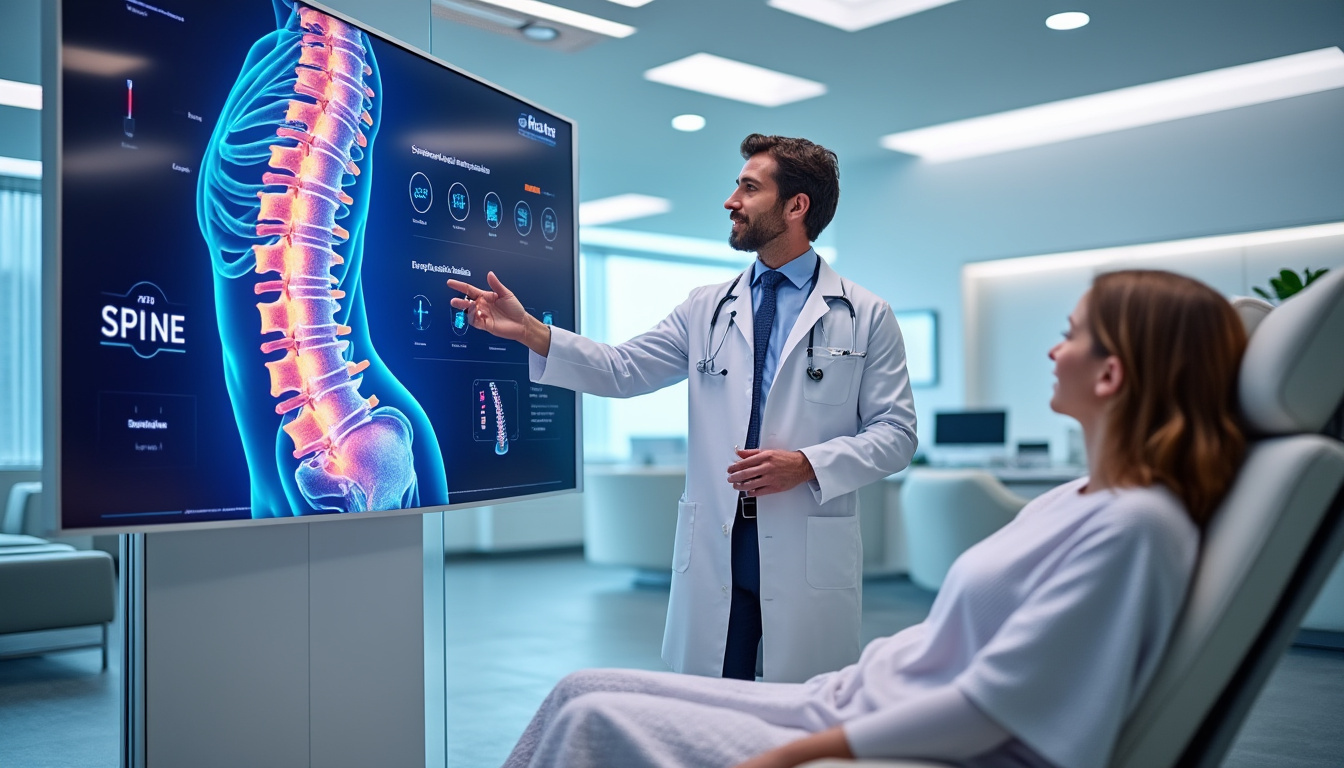
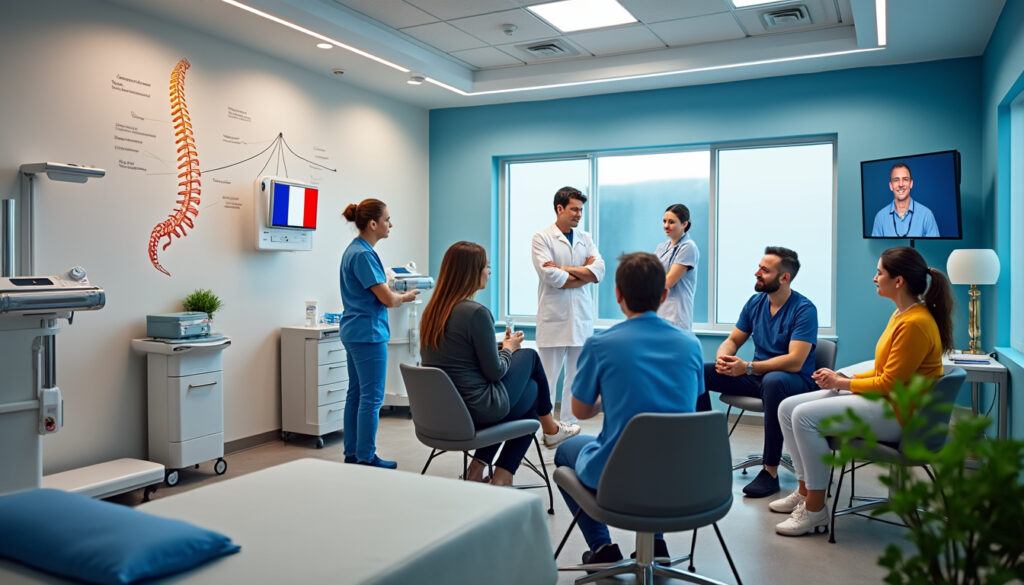
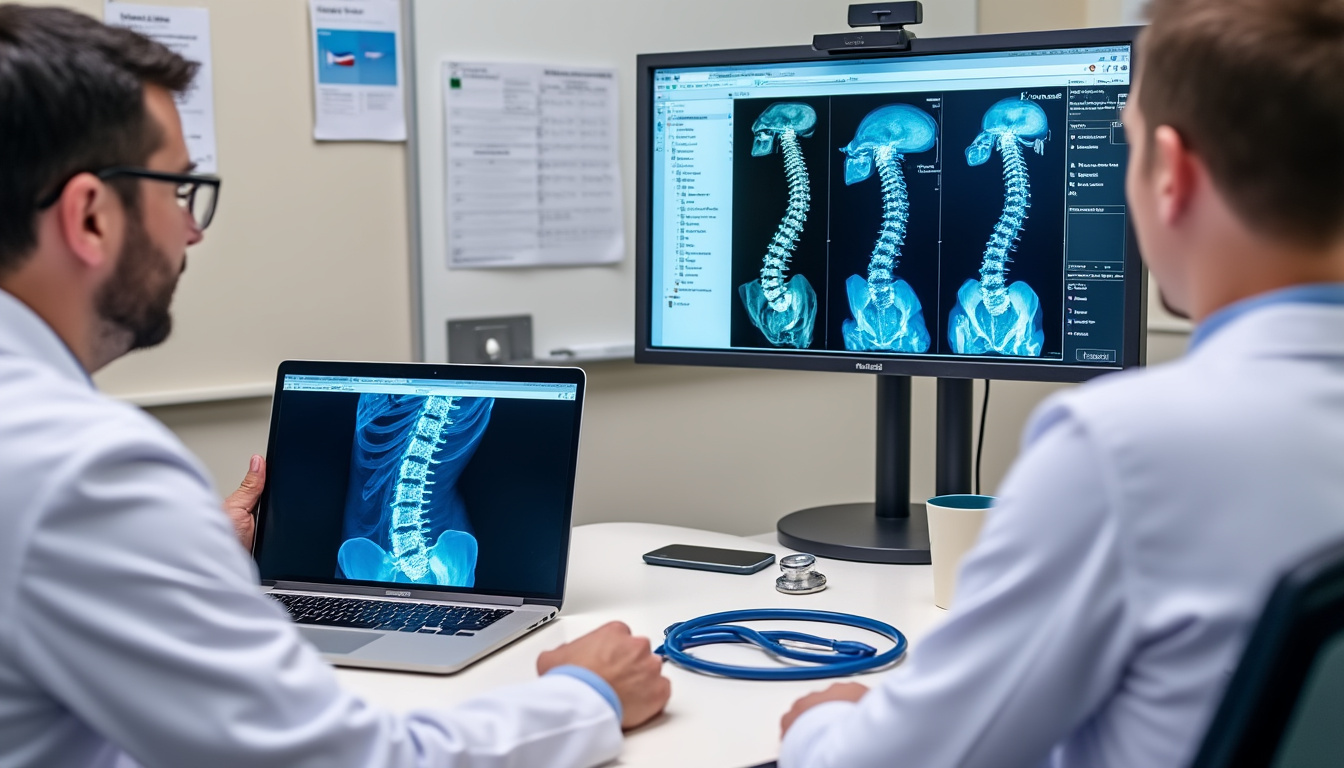
Prior to any surgical intervention for lumbar conditions, a comprehensive preoperative evaluation is paramount. The meticulous approach advocated by Dr. Sylvain Desforges ensures patients undergo thorough assessments that examine pain etiology, spinal biomechanics, neurological status, and overall functional capacity.
This detailed evaluation informs the best treatment path, often recommending a course of conservative therapies lasting from three to six months before considering surgery. Conservative management at the Clinique TAGMED involves advanced non-invasive modalities including neurovertebral decompression, targeted osteopathic treatments, laser therapy, and physiotherapy. These therapies aim to alleviate symptoms, optimize spine function, and potentially obviate the need for surgical intervention.
Adhering to the Collège des médecins du Québec’s guidelines, Dr. Desforges emphasizes evidence-based conservatism, recognizing that many patients benefit substantially from these treatments when correctly applied. This ethical stance prioritizes patient safety, limits unnecessary surgical risks, and fosters patient empowerment by educating them on their condition and care choices.
Those patients whose symptoms persist despite optimal conservative care are then considered appropriate candidates for surgical options like IntraSPINE. This approach minimizes the likelihood of ineffective surgery while optimizing postoperative outcomes, fostering a smoother recovery and greater long-term spine health.
Back Surgery in Trois-Rivières: Alleviating Pain While Preserving Mobility
In Trois-Rivières, Quebec, the persistence of back pain affects a substantial portion of the population seeking effective and personalized solutions. Back pain, often caused by spinal disorders or herniated discs, can drastically diminish quality of life, limiting mobility and causing…
International Coordination for Seamless Patient Care from Quebec to France
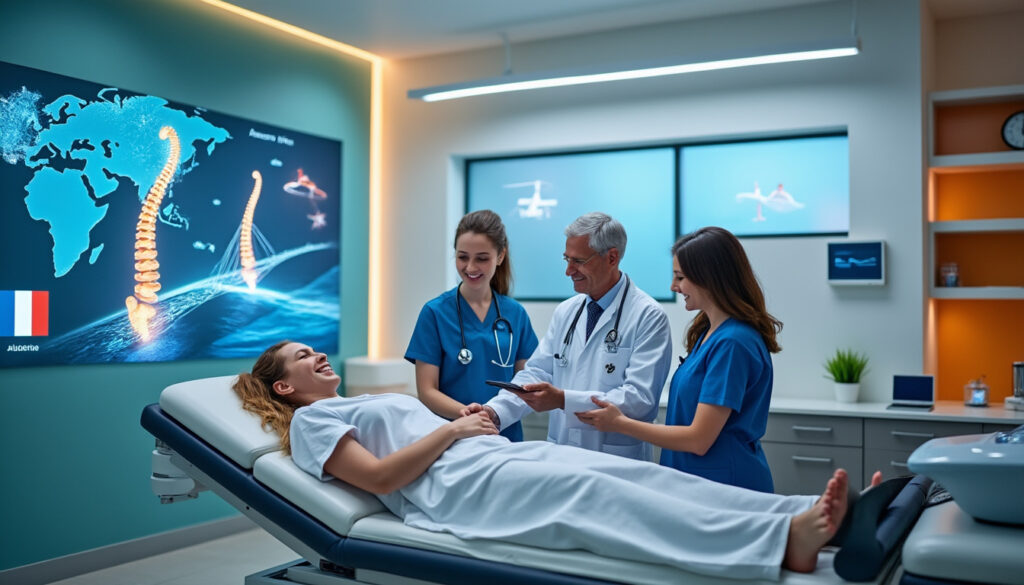
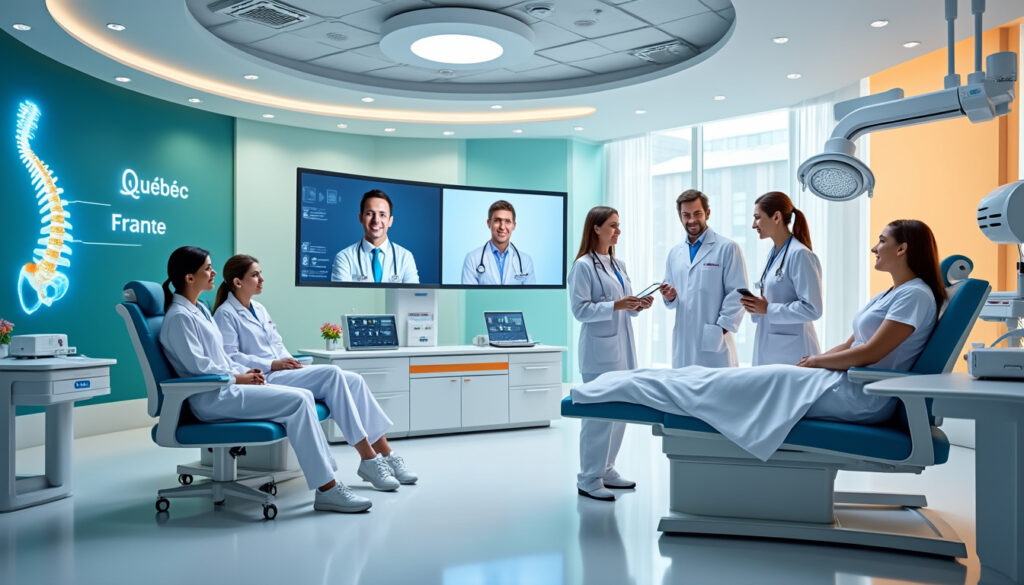
The patient journey for those undergoing lumbar surgery with devices such as IntraSPINE often involves cross-continental coordination. This collaboration bridges medical expertise, regulatory compliance, and cultural nuances between Quebec and France, all geared towards delivering a world-class treatment experience.
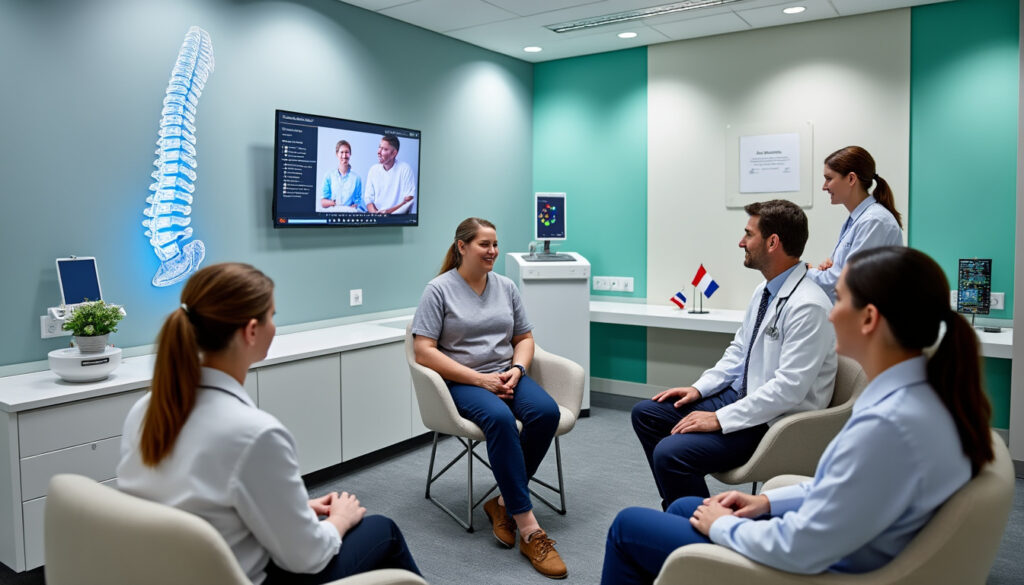
Collaborative platforms like SOS Tourisme Médical streamline logistics and communication, from detailed evaluations conducted in Quebec clinics to planning surgery in accredited French hospitals. This transatlantic approach ensures that patients receive timely surgical care with access to high-level spinal expertise and modern technologies unavailable or limited locally.
Postoperatively, rehabilitation programs are custom-designed and monitored by multidisciplinary teams in Quebec, facilitating ongoing recovery and preventing complications. This comprehensive support loop, championed by leaders like Dr. Desforges, exemplifies the importance of international medical cooperation to enhance quality of care and patient satisfaction.
Such a framework also addresses common patient concerns regarding travel, continuity of care, and personalized treatment plans, alleviating anxieties through consistent communication and empathetic engagement.
Disc herniation remains a significant health concern in Pointe-Claire, impacting the lives of a diverse population ranging from labor-intensive workers to the aging community. The condition, characterized by the displacement or rupture of the intervertebral disc, often leads to debilitating…
Postoperative Care Protocols Ensuring Long-Term Spine Health
Recovery after lumbar surgery involving IntraSPINE extends beyond the operating room. A structured postoperative care program is critical for consolidating surgical benefits and preventing relapse or complications.
Dr. Sylvain Desforges and his team emphasize personalized rehabilitation programs involving physiotherapy tailored to enhance mobility, strengthen spinal musculature, and restore functional balance. These programs utilize the latest evidence-based modalities and incorporate periodic clinical assessments to adjust treatment as recovery progresses.
Moreover, patients receive education about lifestyle adaptations, ergonomic principles, and spine-preserving practices to maintain long-term health. This holistic approach is vital to reduce recurrence risks and support a vibrant, active lifestyle post-surgery.
Remarkably, the dynamic properties of the IntraSPINE implant facilitate quicker reconditioning because it promotes natural spinal mechanics rather than limiting movement, aligning with patients’ desires for early return to work and recreational activities.
TOPS™ in Gatineau: A High-Performance Solution for Lumbar Spine Care
In a region where chronic back pain increasingly affects quality of life, the quest for advanced and effective lumbar spine treatments is paramount. Lumbar spinal stenosis, a prevalent condition among Quebec’s aging population, often imposes persistent discomfort and mobility limitations.…
Innovation in Surgical Technology: How IntraSPINE Advances Lumbar Spine Treatment
The development of IntraSPINE represents a milestone in spinal implant technology, elevating patient outcomes through biomechanical innovation. Manufactured by established leaders such as Cousin Surgery, IntraSPINE utilizes a unique interlaminar design that fits between vertebrae to provide stability while permitting controlled motion.
This innovation contrasts sharply with conventional rigid implants, marking a paradigm shift towards dynamic systems in orthopedic surgery. The implant’s modular design includes various height options and integrates an artificial ligament that further stabilizes the instrumented spinal segment, ensuring an individualized fit and enhanced safety during movement.
Scientific rigor underpins the approval and use of IntraSPINE, with stringent clinical trials demonstrating its safety and efficacy. Its manufacturing process leverages advanced implantable textile technology, reflecting cousin Surgery’s long-standing heritage in medical innovation.
Such advancements also support minimally invasive techniques, reducing hospital stay lengths and procedural risks. By keeping pace with evolving medical technologies, experts like Dr. Desforges uphold highest standards, integrating innovation responsibly into patient care.
At Gouin Clinic, the landscape of herniated disc therapy has entered a transformative era marked by the integration of Personalized Treatment Plans and breakthrough Neurovertebral Decompression Therapy. This non-surgical approach is revolutionizing how spinal disorders are managed, offering patients an…
Patient-Centered Care and Ethical Commitments in Spinal Treatment
Dr. Sylvain Desforges exemplifies leadership in combining technical expertise with compassionate care. His approach to spinal evaluation and treatment reflects profound respect for patient individuality and autonomy, essential in managing complex lumbar pathologies.
The commitment to scientific rigor and strict compliance with medical regulations guarantees that treatment decisions reflect current evidence-based best practices, patient safety, and ethical standards established by Quebec and Canadian authorities.
Informed consent and clear communication form the cornerstone of Dr. Desforges’ patient interactions. Patients are thoroughly briefed on the indications, benefits, and limitations of treatments like IntraSPINE, ensuring they are active participants in their healthcare journey.
This transparent educational approach also addresses common patient concerns about novel surgical implants, demystifying procedures to alleviate fear and uncertainty, while motivating patients to embrace optimized recovery pathways.
Cervical Disc Prosthesis in Quebec: Preventing Post-Operative Stiffness
Neck pain is one of the most common musculoskeletal complaints in Quebec, affecting a significant portion of the population annually. Often rooted in degenerative cervical disc diseases or herniated discs, this persistent discomfort severely impacts daily life and mobility. Fortunately,…
Key Advantages of IntraSPINE Offering Hope to Quebec Patients with Severe Lumbar Pain
The successful integration of IntraSPINE into lumbar surgery pathways offers distinct advantages for both patients and healthcare systems. It presents a valuable alternative for individuals with chronic lower back pain who have not responded adequately to conservative measures.
- Dynamic Stabilization: Preserves natural spinal movement, avoiding the limitations of spinal fusion.
- Minimally Invasive Procedure: Reduces intraoperative trauma and shortens hospital stay.
- Accelerated Postoperative Recovery: Patients regain mobility faster, supporting earlier return to work.
- Reduced Complication Risks: Lower chance of adjacent segment disease and other fusion-related issues.
- International Expertise: Access to French surgical centers specializing in IntraSPINE combined with expert evaluation in Quebec.
- Comprehensive Multiphase Care: From preoperative conservative management to rigorous postoperative rehabilitation.
Patients seeking this innovative procedure are encouraged to consult with the expert team at Clinique TAGMED to explore personalized recommendations. Such collaboration enhances patient confidence and ensures the highest quality of surgical innovation and care.
What are the benefits of the IntraSPINE implant?
The IntraSPINE implant promotes dynamic stabilization of the spine while preserving its mobility, enabling quick recovery and a smooth return to daily life.
How is the patient journey organized for the IntraSPINE intervention?
The journey includes a thorough clinical evaluation in Quebec, followed by the surgical intervention in France, and then a tailored postoperative care program back in Quebec.
Which conservative treatments should be considered before surgery?
It is recommended to attempt a 3 to 6 months course of conservative treatments, such as neurovertebral decompression and targeted physiotherapy, before considering surgical options.
What is the typical recovery duration after IntraSPINE surgery?
Patients commonly return to their routine activities within a few weeks, a significantly faster recovery compared to traditional spinal fusion procedures.
Where can I find more detailed information about IntraSPINE?
For additional insights, visit Clinique TAGMED or consult expert articles and partner platforms explaining the latest lumbar spine treatment options.
The prevalence of herniated disc conditions in Blainville has sparked considerable discussion and misconceptions about their causes, symptoms, and treatments. While the pain and disability associated with this spinal disorder are well documented, the emergence of non-surgical options such as…